
Patch Hats Decoration QC Checklist for Custom Hat Buyers - Cost & MOQ Breakdown - Cost & MOQ Breakdown (2026 Update) - Cost & MOQ Breakdown
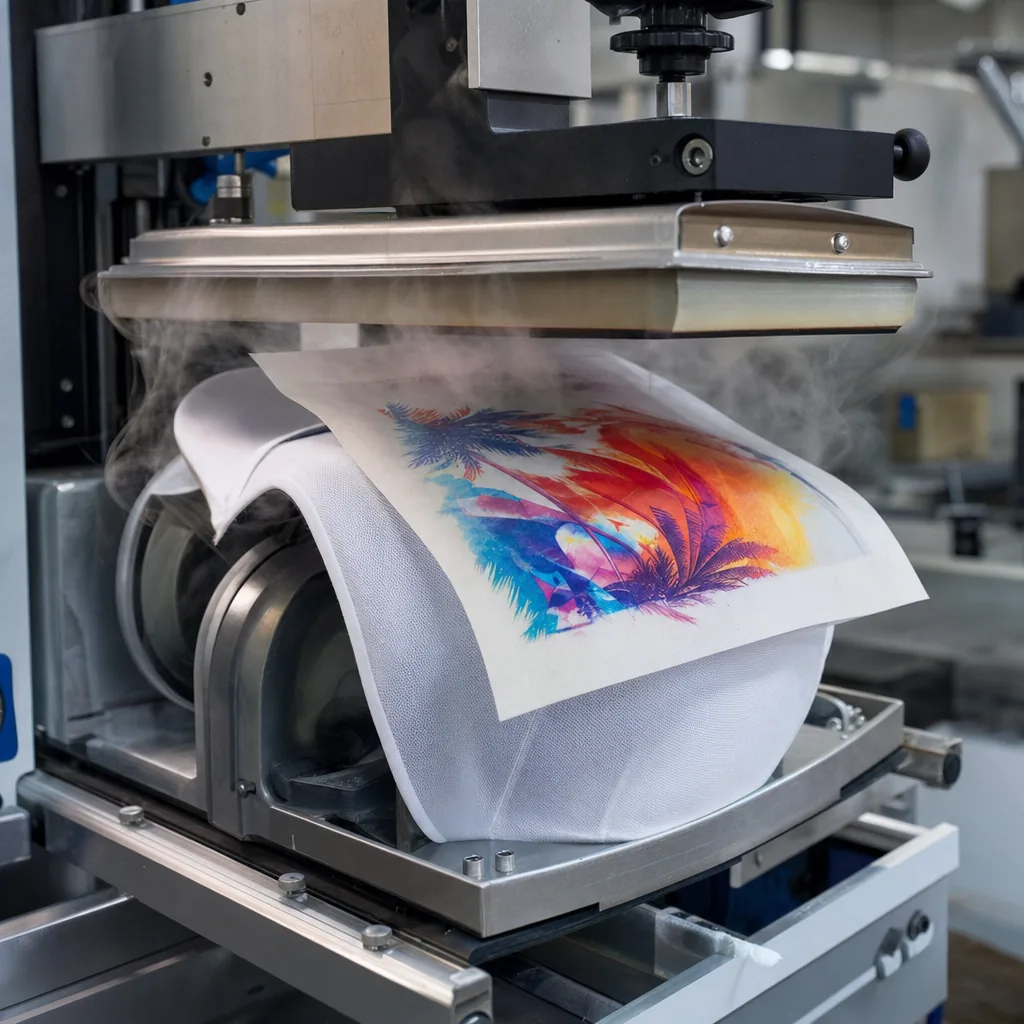
Every week, our sales team answers detailed questions about patch hats decoration qc checklist for custom hat buyers - cost & moq breakdown - cost & moq breakdown (2026 update) - cost & moq breakdown. We wrote this guide so that wholesalers, streetwear brands, corporate buyers and promotional resellers can compare options with full information, and avoid the traps that show up only after production has started.
Why patch hats decoration qc checklist needs a separate sourcing plan
A patch hats decoration qc checklist needs a separate sourcing plan because the patch is a purchased component with its own artwork, tooling, color control, attachment method, and inspection risk. A cap can pass crown height, visor curve, seam balance, and Pantone TCX fabric approval, then fail at final QC because the patch sits 4 mm high, rotates 3 degrees, bleeds adhesive, or leaves a heat-press shine mark on 260 gsm brushed cotton twill. I use six approval gates: digitized artwork or vector file, patch strike-off, blank cap sample, decorated cap sample, bulk patch inspection, and finished-goods AQL inspection. For licensed sports, golf, and streetwear orders, “logo placement OK” is not a control point. The QC sheet should specify center-front coordinates, +/-2 mm placement tolerance, maximum +/-1.5 degree rotation, edge finish, backing alignment, adhesive bleed limit, and SKU segregation before bulk patches are released.
Patch construction changes MOQ, cost, and failure mode before sewing even starts. Woven patches with merrowed edges usually run $0.28-$0.55 at 500 pieces; flat embroidered patches are closer to $0.45-$0.90 depending on stitch count, thread colors, and whether production is on Tajima, Barudan, or ZSK heads. Genuine leather at 1.2-1.8 mm typically lands at $0.80-$1.60 with debossing, oil finish, and burnished edges. PVC often adds a $45-$120 mold charge and 300-500 piece MOQ per colorway. Chenille looks right on varsity snapbacks, but yarn dye matching, pile height, and chain-stitch borders can add 4-7 days. Attachment is a separate sourcing decision: 150-165°C heat pressing may work on polyester twill, but it can scorch washed cotton, flatten foam trucker fronts, or warp nylon taslan. Sew-on attachment adds about $0.15-$0.35 per cap, but it is more reliable on curved low-profile crowns and structured fronts.
Compliance and inspection terms must be written into the purchase order, not settled through sample photos after production starts. Leather patches may require material declarations; RPET felt or recycled woven patches need transaction certificates if the hangtag claims recycled content. Children’s caps need tighter checks on azo dyes, nickel release from closures, PVC edge sharpness, and small-part pull strength. Our standard practice at CrownsForge is to lock Pantone TCX or TPX references, accept Delta-E under 1.5 for brand-critical colors, and test adhesion 24 hours after application before bulk release. Final inspection should use AQL 2.5 for major decoration defects, tightened to AQL 1.5 for license-controlled logos. Reject visible glue bleed at 30 cm, laser-burn halos on leatherette, loose merrow threads, mixed patch versions, and carton labels that do not separate SKU, patch version, and colorway. A late patch correction can hold finished caps 5-10 days even when sewing is already complete.
Factory capability checks before quoting
Do not quote patch hats until the supplier has tested the patch, crown fabric, and attachment method as one build; most failures come from that interface, not from the patch alone. Woven, embroidered, chenille, PVC, silicone, PU leather, genuine leather, TPU, sublimated twill, and hybrid patches all fail differently: merrow border lift, glue bleed, stitch tunneling, heat-press glossing, shrinkage after steaming, or a flat badge fighting the curve of a 6-panel crown. A 2.5 mm merrowed woven patch sewn to 280 gsm washed chino twill is not the same risk as a laser-cut PU leather patch heat-pressed to brushed cotton. The first line of a useful patch hats decoration qc checklist should name the equipment: Tajima, Barudan, or ZSK heads for tack-down embroidery, walking-foot machines for leather, CO2 laser cutting for synthetic leather edges, and flatbed heat presses verified with surface probes, not just the controller display. Before pricing is locked, require maximum patch size by panel, minimum readable text height, Pantone TCX or Pantone C target, Delta-E tolerance, backing type, adhesive activation range, dwell time, pressure setting, and a crown-blocking test after steaming.
The cap body decides whether the decoration looks intentional after packing, especially when the patch has thickness or weight. Structured 6-panel caps in 260-320 gsm cotton twill, 280 gsm washed chino, poly-cotton canvas, nylon taslan, and 600D polyester can carry heavier patches if the buckram stiffness and front-panel curve are matched. Unstructured dad caps are less forgiving: chenille or molded PVC above about 70 x 50 mm can pull the crown forward after steam shaping and carton compression. Trucker caps add another constraint because the front panel carries the patch while 100-120 gsm polyester mesh must hold hole size, stretch recovery, and seam alignment. Closure choice belongs in the same capability check because it changes both cost and QC scope. Plastic snapback is usually the lowest-cost closure, metal buckle with tuck-in strap often adds $0.18-$0.35 per cap, hook-and-loop adds rear-seam bulk, and leather strap can add $0.45-$0.90 depending on thickness, edge paint, and buckle plating. Our standard practice at CrownsForge is to confirm crown shape, patch adhesion, and closure pull strength before releasing a bulk cost.
Audit readiness is part of the quote, not paperwork to chase after the PO. Patch hats often combine adhesives, PVC, PU leather, disperse dyes, plated buckles, and metal eyelets, so ask for current sedex-audit-cap-supplier-guide.html">BSCI 2.0 or Sedex SMETA 4-Pillar records, needle control logs, metal detection records, and restricted substance documents for patch materials, glue, and trims. If final inspection will run at AQL 2.5 major / 4.0 minor, defect definitions must be written before production: patch placement more than 3 mm off center, edge lift after 24 hours, glue bleed, skipped tack-down stitches, color outside Delta-E 1.5-2.0, puckered front panel, loose closure rivet, stained sweatband, or crushed export cartons. A serious quote should return a spec sheet with patch dimensions in millimeters, placement from visor seam and center seam, stitch count estimate, MOQ by patch material, lead time by process, and unit cost split for cap body, patch, attachment, packing, and inland freight. A lump-sum price with no process breakdown is not a quote; it is a guess.
MOQ, pricing and sample approval
MOQ on patch hats is usually controlled by the decoration, not the blank cap. If the buyer accepts stock 16x12 cotton twill, stock 100D trucker mesh, and an existing 5-panel or 6-panel block, 144 pieces is a practical minimum. Once the shell fabric needs a Pantone TCX dye lot, I would not quote below 300 pieces because shade banding, shrinkage, and hand feel must be approved before cutting. Custom PVC, silicone, jacquard woven, or multi-color leather patch programs fit better at 500-1,000 pieces; below that, mold amortization and patch sorting make the unit price look artificial. Real setup costs are typically $35-$80 for embroidery digitizing, $60-$120 for woven patch loom setup, $90-$180 for PU or genuine leather emboss plates, and $150-$350 for PVC or silicone molds. Decoration adders usually run $0.35-$1.20 for woven patches, $0.60-$1.80 for embroidered appliques, $0.90-$2.40 for leather patches, and $1.20-$3.50 for molded rubber before cap body, trims, packing, duty, and freight.
The pre-production sample is where a patch hats decoration qc checklist prevents expensive rework. Approval should lock patch size within +/-1.5 mm, placement within +/-3 mm from the center-front line or side seam, border finish, stitch density, heat-press behavior, and attachment strength after a 30-second pull test. Color belongs in a D65 light box, not under office LEDs; dyed fabric should stay within Delta-E 2.0, while woven and embroidered thread can be held around Delta-E 3.0 because yarn sheen does not read like coated paper or a Pantone C chip. For embroidered patches, satin borders commonly sit at 0.38-0.45 mm stitch spacing, and a 60 x 45 mm patch over 12,000 stitches can buckle a structured buckram front if backing, needle size, and top-thread tension are wrong. Tajima, Barudan, and ZSK heads can all make clean patches, but poor digitizing still breaks 3 mm lettering, fattens borders, and pulls circles into ovals.
Freeze trims and packing on the approved PPS before bulk cutting, because small items change both landed cost and AQL results. The same approval file should confirm buckle finish, snapback resin grade, sweatband width, inside taping, eyelet thread, crown sticker, hangtag, UPC label, carton marks, and polybag gauge. Polybags usually add $0.03-$0.06 each, custom hangtags $0.05-$0.12, crown stickers $0.04-$0.10, and branded inner tape $0.08-$0.18 per cap depending on width and MOQ. Our standard practice at CrownsForge is AQL 2.5 for major defects and AQL 4.0 for minor defects, with specific calls for crooked patch placement, loose edge stitching, glue bleed, shade variation, oil marks, crushed crowns, and mixed carton labels. Normal timing is 7-10 days for PPS after artwork approval, then 25-35 days for 300-1,000 pieces. Add 10-20 days when custom dyeing, trim sourcing, BSCI 2.0 or Sedex SMETA 4-Pillar documentation, and DDP delivery are bundled into the order.
Quality inspection and shipping risk
Most freight claims on patch hats fail because carton evidence is weak, not because the forwarder is automatically at fault. Carton marks should show PO number, SKU, colorway, fitted-cap size ratio if applicable, carton count, gross/net weight, carton dimensions, and country of origin matching the commercial invoice and packing list. Inner polybags need SKU or barcode labels when patch type, closure, crown height, brim color, or size run is mixed in one shipment. A 58 x 42 x 38 cm export carton usually holds about 100 structured 5-panel or 6-panel caps, or 150-200 unstructured dad caps, but chenille patches, molded PVC patches, rope trims, and high-profile foam fronts can reduce carton yield by 10-25%. Do not lock FOB Ningbo, FOB Shanghai, or DDP Los Angeles pricing from the tech pack alone; confirm final CBM after the approved PP sample. At CrownsForge, our standard file includes open-carton photos, sealed-carton photos, carton marks, scale readings, pallet loading, and container seal photos because dated evidence decides most shortage, crush, and moisture disputes.
Decoration QC has to happen before final packing; ANSI/ASQ Z1.4 sampling will not rescue an order if the whole lot shares the same wrong patch position. A practical patch hats decoration qc checklist should define measurable limits: patch center within +/-2 mm of center front, tilt under 2 degrees, no exposed glue, no lifted corners, no skipped lock stitches, no scorch marks, and no stain transfer around the attachment zone. Woven patches need edge sealing, merrow border width, loose yarns, and 1:1 logo readability checked under D65 light, not only from phone photos. Embroidered patches should be matched against the approved Madeira, Gunold, or Coats thread chart; on licensed programs, I hold brand colors to Delta-E 1.5-2.0 against agreed Lab values, while basic promotional caps may tolerate Delta-E 3.0. Rubber, silicone, and PVC patches need a pull test at the stitch channel or heat-press bond after 24 hours of curing. Final inspection should run General Level II with AQL 2.5 major, AQL 4.0 minor, and zero tolerance for wrong logo, needle fragments, mold, false origin marking, or mixed unauthorized artwork.
Shipping terms change liability as much as landed cost. FOB works best when the buyer’s forwarder controls consolidation, AMS/ISF filing, customs entry, and inland trucking; DDP is simpler for small brands, but the quote must spell out HS code, duty rate, U.S. Section 301 exposure, fuel adjustment, remote-area surcharge, customs exam handling, and whether duties are prepaid or merely estimated. A 300-piece patch hat trial usually moves by courier at about USD 1.80-3.50 per cap to the U.S., depending on volumetric weight and fuel surcharge. At 1,000-3,000 pieces, sea LCL often beats air on freight cost, but buyers should allow 28-40 days port-to-door plus CFS handling, document cutoff risk, and possible demurrage if the invoice or ISF is late. Keep a reorder file with patch mold artwork, DST file when Tajima, Barudan, or ZSK embroidery heads are used, Pantone TCX or Lab values, thread chart, PP sample comments, carton photos, AQL report, and final packing list. Repeat quality comes from controlled records, not memory six months later.
Buyer checklist for the next RFQ
A useful RFQ for a patch hats decoration QC checklist must lock the decoration spec before anyone argues about unit price. Send editable AI, EPS, or PDF artwork with fonts outlined, plus a 300 dpi PNG mockup showing panel placement, finished patch size in mm, and distance from visor seam or crown centerline. Use working tolerances buyers can enforce: +/-1.5 mm for standard woven, embroidered, leatherette, PVC, and sublimated twill patches; +/-2.0 mm for oversized patches or applications crossing a curved front seam. Name the exact construction: woven label, merrowed embroidered patch, laser-cut embroidered patch, rubber PVC, genuine leather, leatherette, chenille, sublimated twill, or heat-transfer badge. Cost drivers are different: embroidery is stitch count and thread changes, woven is yarn density and edge finish, PVC is mold size and color fills, leather is thickness, deboss depth, and dye migration risk. Specify Pantone TCX for fabric and leather, Pantone Coated for PVC or printed artwork, with Delta-E 2.0 for licensed retail and 3.0-4.0 for promo orders.
The cap body spec matters because the same patch can pass or fail depending on fabric weight, crown structure, and backing. State 5-panel or 6-panel, structured or unstructured, crown height in cm, visor curve, closure, eyelets, sweatband, seam tape, inside taping, and shell fabric weight. A 260-300 gsm cotton twill front panel can carry a thick chenille or 1.4-1.8 mm leather patch; a 150-180 gsm performance polyester in 75D or 150D yarn will pucker if the operator uses the wrong needle, backing, or heat pressure. Provide front, side, back, inside, and close-up reference photos, then define border width, edge finish, backing, stitch color, and attachment method: satin stitch, running stitch, heat press, Velcro, or adhesive plus stitch. For Tajima, Barudan, or ZSK cap-frame work, require confirmation of needle size, thread type, stitch density, backing layer, and whether the patch is attached before or after cap assembly. Our standard tooling ranges are woven patch setup USD 35-80, PVC molds USD 80-180, and leather deboss plates USD 45-120.
Make suppliers return identical commercial and QC fields, or the quote comparison is noise. Ask for MOQ, tier pricing, sample charge, sample lead time, bulk lead time, payment terms, Incoterm, carton dimensions, gross weight, inspection level, and defect classification. Practical MOQs are 100-300 pcs for embroidered or woven patch hats, 300-500 pcs for PVC, and 500+ pcs when the cap fabric is custom dyed to Pantone TCX. Require pre-production sample approval, inline photos after patch attachment, final AQL 2.5 inspection, barcode and carton verification, and a 1-corner, 3-edge, 6-face carton drop test for DDP shipments. Define major defects in measurable language: patch off center over 2 mm, visible glue bleed, loose edge stitching, patch tilt over 2 degrees, color outside approved Delta-E, cracked PVC, scorched heat-transfer edge, or front-panel puckering visible at 60 cm. For retail orders, request BSCI 2.0 or Sedex SMETA 4-Pillar records at RFQ stage, and compare freight on one basis such as FOB Ningbo, FOB Shanghai, DDP Los Angeles, or DDP Rotterdam; USD 0.35-0.90 per cap often disappears into logistics variance.
Working with CrownsForge
CrownsForge treats the patch hats decoration qc checklist as a pre-production release gate, not a carton-room paperwork exercise. The signed sample must use bulk materials, not substitutes: 260 gsm washed cotton twill, 16-wale corduroy, 100% polyester trucker mesh, wool-blend felt, woven label tape, molded PVC, full-grain leather, or microfiber PU from the confirmed supplier lot. Patch behavior changes by crown structure; a flat embroidered badge that looks clean on an unstructured dad cap can torque badly on a buckram-supported trucker front. Before cutting, lock crown height, visor curve, sweatband width, panel seam symmetry, patch size, border thickness, backing, stitch path, and attachment method. Color should be checked in a D65 light box against Pantone TCX or TPX references, with dyed fabric held around Delta-E 1.5 and woven or printed patches normally allowed up to Delta-E 2.0 because yarn dyeing and ink absorption have practical limits. Placement tolerance should be tight: +/-2 mm from center front and +/-1.5 mm for level. Anything wider reads crooked on a six-panel cap, even if the seam sewing is technically acceptable.
Decoration QC must follow the patch construction because the defects are not interchangeable. Embroidered patches made on Tajima, Barudan, or ZSK heads need checks for stitch density, pull compensation, thread breaks, heat-cut edge melt, backing show-through, and merrow-border stability after steam shaping. Woven patches should never be approved from a PDF only; small letters usually need a 1.2 mm minimum stroke, clean contrast, and a real loom sample before the buyer signs off. PVC patches need batch hardness control around 45-55 Shore A, color separation review, and edge-flash trimming before sewing or heat application. Leather and microfiber PU patches need dry and wet crocking checks plus a heat trial, because weak coatings can darken, curl, or blister after one 150-165 C press cycle. For heat-applied patches, test 12-18 seconds under the specified pressure, then run peel checks after 24 hours when the adhesive film has stabilized. For sewn patches, use a curved-front positioning jig. Practical MOQ is 100-300 pieces for embroidered or woven patches, 300-500 for PVC, and 500+ when a new debossed leather die is needed.
Final inspection should use AQL 2.5 for major defects and AQL 4.0 for minor defects unless the buyer manual is stricter. Major defects include off-center patches, loose patch corners, skipped topstitching, wrong Pantone shade, oil stains, collapsed crown shape, incorrect closure, barcode mismatch, and carton assortment errors. Minor defects include thread tails under 5 mm, slight shade movement inside the approved Delta-E range, or an internal label sitting slightly off line without affecting retail saleability. A serious patch hats decoration qc checklist also covers needle detection when required, carton drop testing, polybag suffocation-warning text, export marks, and scan-readable EAN or UPC labels. For FOB Ningbo or Shanghai, carton dimensions should be frozen before final inspection; a 58 x 45 x 38 cm master carton may hold 100 low-profile caps, while foam-front truckers or high-crown snapbacks often need 50-72 pieces to prevent crown crush. For DDP U.S. or EU shipments, HS code, country-of-origin marking, BSCI 2.0 or Sedex SMETA 4-Pillar files, and buyer compliance documents must be cleared before production release.
Frequently Asked Questions
How long does production take?
Sampling takes 7 to 12 days. Bulk production runs 20 to 30 days depending on quantity, fabric availability and decoration complexity. Inspection and packing adds another 3 to 5 days before shipment.
Do you support sustainability certifications?
Yes. We work with GOTS organic cotton, GRS-certified recycled polyester, OEKO-TEX Standard 100 fabrics, and are BSCI and Sedex audited. Certification documentation can be provided per order.
What file format should I send for my logo?
Vector files (AI, EPS, PDF) are ideal. High-resolution PNG or JPG at 300 dpi on transparent background works as a fallback. Provide Pantone color references for accurate reproduction.
What is the minimum order quantity (MOQ) for custom hats?
Our standard MOQ is 100 pieces per design and color, with sampling available from 1 piece. For complex multi-color logos or premium fabric upgrades, the MOQ can be lowered with a small per-piece surcharge.
Can I order a sample before bulk production?
Yes. We strongly recommend approving a pre-production sample before mass production. Samples are charged at 35 to 60 USD each plus express shipping, fully refundable against confirmed bulk orders over 500 pieces.
How does ordering custom hat leather patch work?
When evaluating custom hat leather patch, the key considerations are construction quality, decoration capability, MOQ flexibility and lead time. Explain the buyer intent behind patch hats decoration qc checklist, when it differs from generic hat sourcing, and what decisions affect cost, lead time and compliance. Cover embroidery, patch, fabric, panel construction, closure options, sample room capability, audit readiness and communication checks.
What's the MOQ for custom leather patch hat low minimum?
When evaluating custom leather patch hat low minimum, the key considerations are construction quality, decoration capability, MOQ flexibility and lead time. Explain the buyer intent behind patch hats decoration qc checklist, when it differs from generic hat sourcing, and what decisions affect cost, lead time and compliance. Cover embroidery, patch, fabric, panel construction, closure options, sample room capability, audit readiness and communication checks.
How does ordering custom leather patches for hats work?
When evaluating custom leather patches for hats, the key considerations are construction quality, decoration capability, MOQ flexibility and lead time. Explain the buyer intent behind patch hats decoration qc checklist, when it differs from generic hat sourcing, and what decisions affect cost, lead time and compliance. Describe how CrownsForge manages patch hats decoration qc checklist programs with sampling, decoration, QC and export coordination.
How does ordering custom patch trucker hats work?
When evaluating custom patch trucker hats, the key considerations are construction quality, decoration capability, MOQ flexibility and lead time. Explain the buyer intent behind patch hats decoration qc checklist, when it differs from generic hat sourcing, and what decisions affect cost, lead time and compliance. Describe how CrownsForge manages patch hats decoration qc checklist programs with sampling, decoration, QC and export coordination.
What do I need to put patches on hats?
So what you'll need is a post bed sewing. Machine we use a FAF. Machine i mean it's not cheap it's like $3 $4,000. For the FAF. But really you need a sewing machine that has a raised bed.
What must you inspect on the hard hat?
Check the hard hat for excessive fading in colour as this can be a sign of deterioration from UV exposure. Inspect the suspension system closely for cracks, cuts or frayed shell straps, torn headband, loss of pliability or other signs of wear. Replace the suspension if you find any damage.
Looking for a reliable hat manufacturer in China?
CrownsForge has produced custom hats for 800+ brands across 40 countries. From 100-piece launches to 100,000-piece retail programs, we deliver on time and on spec.
Get in touchRelated guides
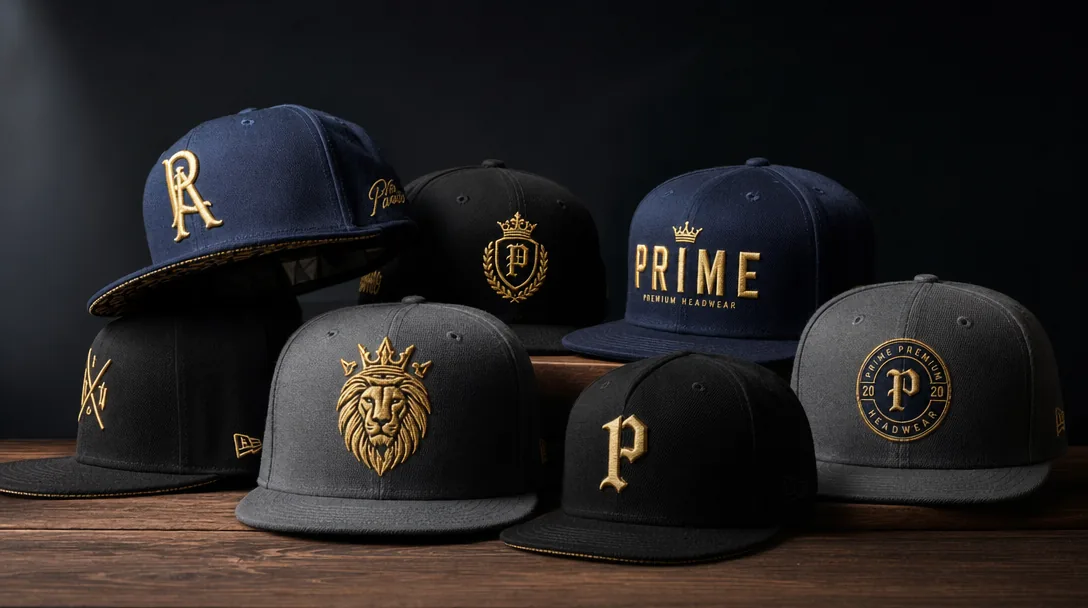
Custom Leather Patch Hat Low Minimum: A 2026 B2B Sourcing Guide
Read article →
Mens Beanies: Properties, Costs and How to Spec It Right
Read article →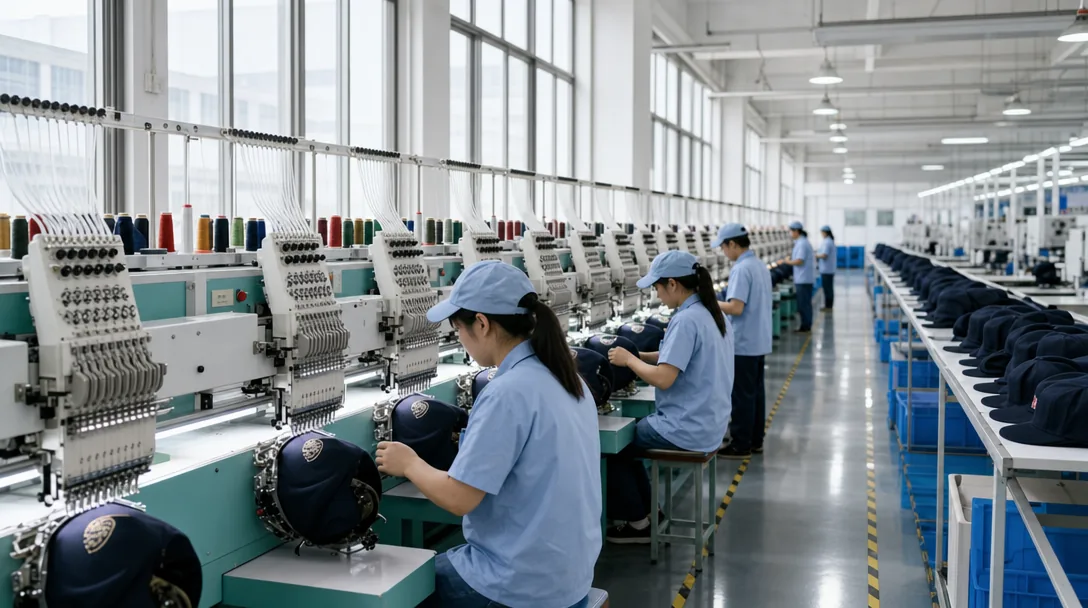
Bulk Trucker Hats Export Shipping Checklist for Custom Hat Buyers - Cost & MOQ Breakdown - Supplier Checklist
Read article →We hope this guide demystifies patch hats decoration qc checklist for custom hat buyers - cost & moq breakdown - cost & moq breakdown (2026 update) - cost & moq breakdown and helps you move forward with confidence. If you have questions specific to your project, our English-speaking sales engineers are one message away.