
Patch Hats Decoration QC Checklist for Custom Hat Buyers - Cost & MOQ Breakdown - Cost & MOQ Breakdown (2026 Update) (2026 Update)
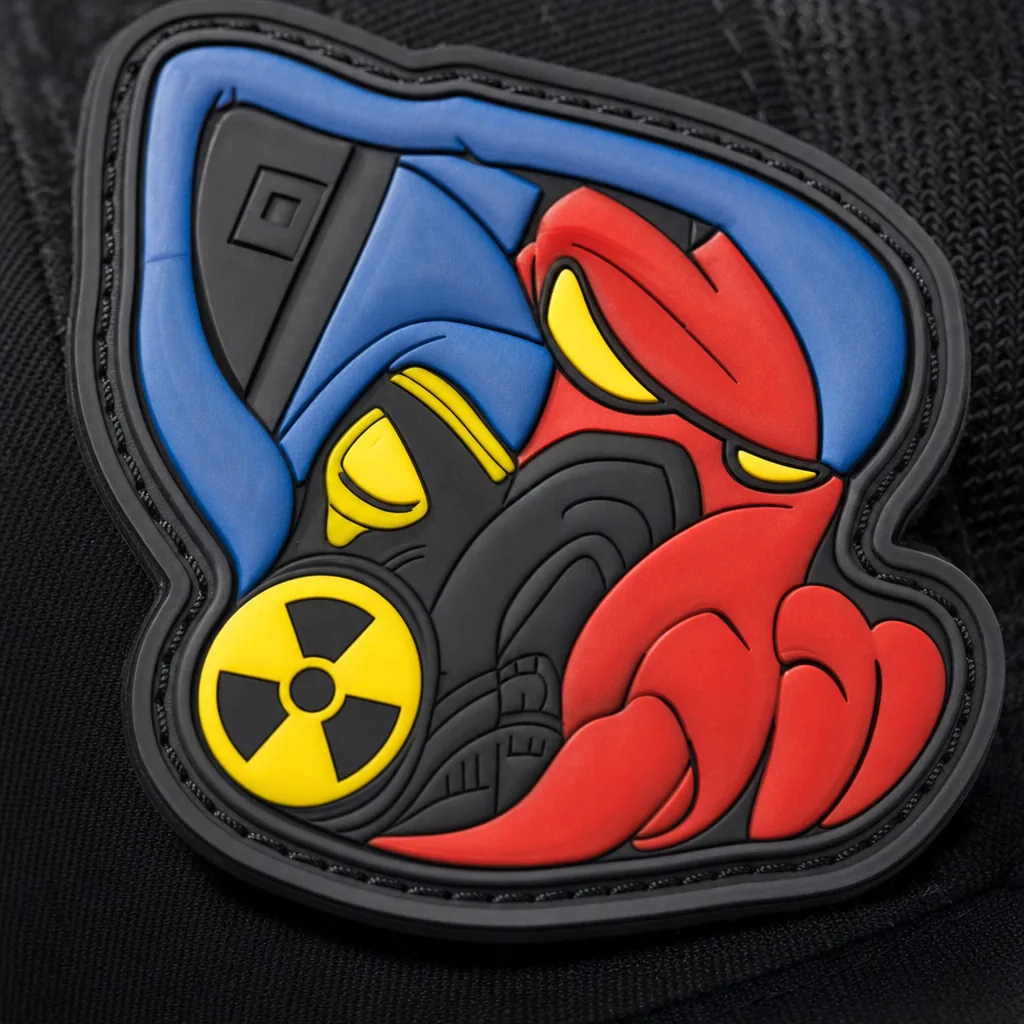
Patch Hats Decoration QC Checklist for Custom Hat Buyers - Cost & MOQ Breakdown - Cost & MOQ Breakdown (2026 Update) (2026 Update) is one of the most-asked questions we receive from international buyers, and for good reason. With dozens of factories competing for your order and an alphabet soup of technical terms in every supplier quote, even experienced importers can feel lost. This guide consolidates what we have learned producing custom hats for clients in 40+ countries.
Why patch hats decoration qc checklist needs a separate sourcing plan
A patch program is not a normal cap order with an accessory added at the end; it is two production systems with different failure modes, and that is why a patch hats decoration qc checklist needs a separate sourcing plan. A standard cap QC sheet covers crown symmetry, visor shape, top-button centering, SPI consistency, and carton assortment. It does not control what usually goes wrong on the decoration side: PVC or TPU patches cupping after heat press at 145-160°C, merrow borders splitting because the twill base was cut off-grain, chenille pile shedding after crocking, or PU patches shifting more than Delta-E 2.0 after a 50-60°C container cycle. If the patch uses hot-melt film, the adhesive spec is as critical as the artwork; we lock film thickness, press temperature, dwell time, cooling time, and a peel-strength target before bulk because once the shell is closed, rework usually leaves press marks, needle damage, or patch misalignment you cannot hide.
Patch approval also has to happen earlier than direct embroidery on Tajima, Barudan, or ZSK heads, where the cap factory controls digitizing, thread lot, underlay, and machine settings in-house. With patches, color, edge finish, backing, and attachment method often sit with a separate vendor, and every variable needs its own tolerance. Woven and sublimated patches should be checked under D65 light against Pantone TCX or coated references; molded PVC needs cavity approval, Shore hardness confirmation, and flash control; debossed PU needs grain consistency and foam recovery; embroidered badges need stitch density and border coverage balanced so the patch does not telescope on a curved front panel. Our standard practice is to treat patch sampling as a pre-production gate, not a trim sign-off: approve the patch alone, then approve the patch on the actual hat panel with placement tolerance typically held to ±2 mm.
Lead time, MOQ, and compliance all skew if buyers source patch hats like plain embroidery caps. A stock 6-panel brushed cotton twill shell at 260-280 gsm might run 12-18 days ex-factory, but a patch program usually adds 5-10 days for strike-off, mold opening, laser cutting, color matching, and attachment trials. MOQ also splits by process: woven patches often start at 300-500 pieces per design, molded PVC commonly at 500-1,000 plus an $80-$150 mold charge, and genuine leather carries extra waste because hide yield and shade sorting are inconsistent. At 1,000 units, a woven patch typically adds $0.18-$0.45, an embroidered badge $0.25-$0.60, molded PVC $0.50-$1.20, and application labor another $0.08-$0.20 depending on sew-on versus heat press. Final AQL 2.5 inspection is too late to catch the big risks; patch vendors need separate qualification for phthalates, formaldehyde, heavy metals, odor after heat application, attachment pull strength, and, where required, needle detection and social audit traceability under sedex-audit-cap-supplier-guide.html">BSCI 2.0 or Sedex SMETA 4-Pillar.
Factory capability checks before quoting
Start at the decoration line, not the sales sheet, because most failures on a patch hats decoration qc checklist come from process mismatch before they show up as defects. Ask which patch types are truly made in-house: embroidered, woven damask, chenille, PVC, TPU, faux leather, sublimated twill, and merrowed badges each need different equipment, operators, and QC points. A factory running current Tajima, Barudan, or ZSK 12- to 15-needle heads can usually hold cleaner satin borders, 1.5 to 2.0 mm legible text, and more stable stitch density than a workshop spreading orders across aging mixed domestic heads. If they outsource laser cutting, merrow overlock, heat-press lamination, or hook-and-loop backing, add 3 to 7 calendar days and expect more shade drift unless they approve against Pantone TCX and control material variation to Delta-E below 1.5 to 2.0 versus the signed swatch. Attachment method also needs to be settled before quoting, because it changes both cost and failure mode. Direct sew, heat seal, combo tack stitch, and Velcro backing commonly shift unit cost by $0.12 to $0.45 depending on patch size and labor content, but the bigger issue is performance: heat seal can delaminate on curved crowns, direct sew can print through on thin front panels, and oversized badges can distort visor lines if the operator is chasing placement after assembly. Ask for placement tolerance in millimeters, expected wash durability, and whether patch application happens pre-assembly or on finished caps. Our standard practice is to quote patch size, backing type, border finish, and application sequence as separate line items; if a factory rolls those into one number, they are hiding risk, not simplifying the job.
The cap body is just as important as the badge, because a rigid patch on the wrong crown exposes every weakness in construction. Ask what shell fabrics they actually stock, not what sits in a catalog: 10x10 cotton twill at 260 to 280 gsm, brushed cotton at 300 to 320 gsm, recycled polyester twill at 180 to 220 gsm, nylon taslon at 110 to 140 gsm, corduroy by wale count, melton wool blends, and trucker mesh by denier and hole size. Then tie those fabrics to real build specs by style: 5-panel foam trucker, 6-panel structured baseball, unstructured dad cap, camp cap, and snapback should all be quoted with buckram thickness, visor board type, sweatband construction, and seam tape width. A dense embroidered badge on a soft unstructured crown will pucker unless stitch count, backing weight, and needle size are adjusted during sampling. Do not accept a quote until the sample room and quality system prove repeatability. A capable factory should have a dedicated development area, archived patterns, blank body libraries, strike-off boards, and a senior sample sewer who can adjust crown height, visor curvature, and sweatband joins without waiting for line setup. Ask for actual timing: artwork mockup in 24 to 48 hours, patch strike-off in 3 to 5 days, and full PP sample in 7 to 12 days. On the QC side, current BSCI 2.0 or Sedex SMETA 4-Pillar reports matter, but so do needle-control logs, broken-needle records, and a written outgoing standard of at least AQL 2.5 covering patch placement tolerance, logo orientation, crown symmetry, shade banding, and carton drop performance. MOQ is another honesty check: stocked 6-panel twill bodies can start around 144 pieces per colorway, while fully custom fabric, closure, and patch programs usually land at 300 to 500 pieces.
MOQ, pricing and sample approval
MOQ on patch hats is driven by the patch process, not the shell. For stock 6-panel cotton twill, chino twill, or 300D polyester caps, the first efficient break is usually 72 to 144 pcs per style/colorway with one front patch and standard closure. Below that, you are paying for setup inefficiency: embroidery digitizing, woven file programming, laser-cut border sampling, PVC mold opening, and sewing line changeover. Real setup costs are not trivial. Embroidered patch digitizing normally runs $25 to $60 depending on stitch count and border type; woven patch loom setup and strike-off are more often $40 to $85; soft PVC tooling is typically $90 to $200 for a 2D mold under 70 mm, and higher if you have layered colors, deep relief, or undercuts. At 100 pcs, FOB Yiwu for a basic cap with a 2.25 inch front patch is usually $3.00 to $4.40 for embroidered, $2.80 to $4.00 for woven merrow-edge, and $3.70 to $5.30 for PVC. Add-ons like debossed metal buckles, printed seam tape, hangtags, or individual polybags should be costed as new line items, because they affect labor minutes and packing, not just decoration.
Sample approval is where a patch hats decoration qc checklist actually saves money. A PPS sample should be mandatory before bulk attachment, because patch defects are rarely isolated; if the patch is off, the cap is already carrying sunk labor. Buyers should approve against a sealed physical standard, not phone photos, and set measurable tolerances: color matching to Pantone TPX or TCX within Delta-E 1.0 to 1.5 on the patch ground and cap fabric, patch placement tolerance within plus or minus 2 mm, and visible topstitch runout no more than 1 mm on front application. For embroidered patches, check satin border width around 2.5 to 3.0 mm, thread coverage, edge fray, and whether the patch tunnels when sewn onto buckram-backed fronts. For woven patches, verify legibility on text under 3 mm, pick density, and cleanliness on laser-cut or heat-cut edges. For PVC, confirm mold depth, color fill registration, flash under 0.3 mm, and Shore A hardness if the patch must flex in cold weather. Typical PPS lead time is 5 to 7 working days for embroidery or woven and 7 to 10 for PVC; bulk production for 300 to 1,000 pcs is usually 18 to 25 days, plus final inspection to AQL 2.5 before shipment.
Quality inspection and shipping risk
Most claims on custom caps trace back to a lazy inspection plan, not the sewing line. A pre-production photo proves almost nothing; it shows one approved piece under flattering light, not whether the bulk run is holding spec. A workable patch hats decoration qc checklist should include one inline audit when 20% to 30% of the order is completed and one final random inspection to ANSI/ASQ Z1.4, General Inspection Level II, at AQL 2.5 major and 4.0 minor. On a 1,200-piece PO, that puts you at code letter J with an 80-piece sample size. The inspector needs to pull from packed cartons, open sealed polybags, and compare against the approved tech pack and golden sample, not against what the factory says is “normal.” The tolerances must be written before production starts or the discussion turns into opinion after shipment. On a standard adult 6-panel cap, crown height should stay within +/-0.5 cm, visor width within +/-0.3 cm, closure adjustment range within +/-1.0 cm, and patch placement within +/-0.2 cm from both centerline and crown break. A 4 mm drift on a structured front panel is obvious, especially on woven, PVC, leatherette, or merrowed patches with hard edges. Inspectors should also flex each brim 10 to 15 times to expose cracked PE board or weak recycled board, check seam slippage at the sweatband join, confirm top-button centering, and flag needle cuts or skipped stitches at patch corners. Our standard practice is to classify off-center decoration as a major defect because the buyer cannot rework it in market.
Color and attachment failures are where acceptable-looking hats turn into returns. Patch base cloth, merrow yarn, embroidery thread, and crown fabric should be approved to Pantone TCX or Pantone Solid Coated references, then verified in bulk under D65 lightbox conditions; warehouse LEDs hide shade shift. For retail programs, I would hold Delta-E to 1.5 or below; for promo orders, 2.0 is usually the upper commercial limit. On white cotton twill, brushed chino, or light heather poly blends, dark patch edges are high-risk for staining, so AATCC crocking and perspiration fastness should hit grade 4 minimum in both dry and wet results. On Tajima, Barudan, or ZSK heads, inspectors should look for jump-thread trimming misses, loose merrow wrap, foam exposure on 3D embroidery, puckering around dense satin columns, and heat-cut fray on woven patch edges. Shipping damage is usually caused by bad pack-out decisions, not rough handling alone. Cartons should be marked exactly to the routing guide: PO number, style, colorway, carton sequence, quantity, gross and net weight, dimensions in cm, country of origin, and any forwarder-specific marks. Do not crush profile to save freight; 50 to 75 caps per master carton is a realistic range depending on crown structure, visor stiffness, and insert board type. If the patch uses hot-melt, heat-press film, or PSA backing, run a manual peel test on at least 10 finished caps per lot after a 24-hour cure, because bond failure often appears only after container heat exposure above 50 C. Keep one controlled file with golden sample photos, patch dimensions in mm, stitch count, backing spec, fabric gsm, Pantone references, carton pack-out, and inspection reports. That documentation is what makes a patch hats decoration qc checklist repeatable on reorder, where consistency matters more than first-sample appearance.
Buyer checklist for the next RFQ
A usable RFQ lives or dies on the specs that move both price and reject risk. In the first email, state the decoration method, patch size in millimeters, exact placement, quantity by colorway and size split, cap platform, and Incoterm; otherwise the supplier can only give you a soft range. For a proper patch hats decoration qc checklist, “2-inch patch on front” is useless. Write it as 57 x 32 mm, front-center, bottom edge 18 mm above the visor seam, with a marked-up photo. Patch cost changes materially between woven, embroidered, PVC, TPU, printed twill, genuine leather, PU leather, and chenille, then shifts again based on attachment method: merrow-border sew-on, satin-stitch applique, heat transfer film, hook-and-loop, or direct stitch-through. The same art can vary $0.18-$0.80 per cap depending on those choices at 300 pcs. Color and artwork control should also be frozen before sampling, not argued over after bulk starts. Send vector art in AI, EPS, or clean PDF at 1:1 scale, plus cap profile references and clear notes on crown fabric, closure, sweatband, interior taping, labels, and packaging. If brand color matters, specify Pantone Solid Coated for coated graphics or Pantone TCX for textile references, and define acceptance under D65 lighting. For retail or licensed work, visible patch color should normally hold within Delta-E 1.5-2.0 against the approved strike-off. If embroidery is involved, call out 3D foam use, minimum satin column width, tatami fill density, and any text under 4 mm cap height; those points directly affect digitizing quality and run efficiency on Tajima, Barudan, or ZSK heads.
Most production disputes come from tolerances, test standards, and pass/fail criteria being left vague until PPS approval. Lock them in at RFQ stage. Front patch position tolerance should usually be ±3 mm; side and back placements can often hold ±2 mm when referenced to a panel seam or button centerline. Edge construction must be listed as a controlled point because reject rates differ sharply by substrate and finish: merrow edge on twill is forgiving, while laser-cut microfiber or raw-edge printed felt is far less stable. Our standard practice is to note edge type, visible topstitch count, thread color, backing type, and whether adhesive bleed, lifting corners, or stitch exposure are acceptable defects. Inspection and compliance belong in the same checklist, not buried in later emails. State the inspection level—typically AQL 2.5 for finished caps—and specify whether carton drop, polybag suffocation warning, metal scan, or needle detection is required. If the patch material is PU, PVC, microfiber suede, or genuine leather, ask for confirmation on crocking, odor, abrasion, and color migration, especially when a black or red patch sits on a white cotton or recycled poly crown. Separate tooling from unit cost so the quote stays readable: embroidery digitizing is commonly $15-$40, woven patch setup $25-$60, PVC mold $80-$200, and leather debossing die $50-$120. Realistic MOQ is usually 50-100 pcs for stock hats with standard patch application, and 300-500 pcs for custom cut-and-sew bodies with dedicated trims and packaging.
Working with CrownsForge
The make-or-break point in a patch hats decoration qc checklist is locking the decoration standard before bulk cutting. Once 3,000 shells are in line, arguments about edge quality or patch size are just expensive rework. The approval sequence should be non-negotiable: strike-off of the patch alone, then a fully assembled size-set sample, then a PPS using the exact attachment method, needle, thread count, and pressing temperature planned for bulk. I would not release production until the buyer has approved substrate weight, twill or felt composition, merrow versus laser-cut edge, embroidery coverage, backing type, and finished size tolerance within ±1 mm. Color should be checked to Pantone TCX for textile references or Pantone Coated for printed components under D65 light; for woven or printed patches, Delta-E 1.5-2.0 is realistic, while embroidered patches need a slightly looser visual tolerance because 120D polyester or rayon thread throws light differently across stitch angles. Patch size and backing stiffness have to be tested on the actual cap body, not approved in isolation. A 75-90 mm patch behaves very differently on a 5-panel foam trucker than on a 270-300 gsm brushed cotton twill dad cap or a low-profile unstructured chino cap. Heavy fill embroidery, EVA foam backing, or thick merrow borders can telegraph through the front panel, pull the center seam, or flatten the crown shape after packing. That is why the fitted sample matters more than the strike-off: you are checking panel distortion, seam drag, visor balance, and whether the patch lands cleanly over buckram without rippling. At CrownsForge, we also flag shell-fabric interactions early, because brushed surfaces, washed cotton, and lightweight nylon all react differently to heat, adhesive, and perimeter stitching.
Patch attachment is where factories quietly lose control, because “patch” is not a single process. A single-needle top stitch, zigzag, satin-edge sew-down, heat press, or heat-tack-plus-perimeter-sew each fails in its own way. The practical control point is a pilot lot on the real line, followed by in-line checks every 100-200 pieces for placement, thread tension, SPI, edge bite, and operator consistency. For centered front patches, ±2 mm placement tolerance is achievable on a stable crown; on side panels or over seam curvature, ±3 mm is more honest. If the patch is embroidered in-house on Tajima, Barudan, or ZSK heads, trimming quality, jump-thread cleaning, backing removal, and edge finishing must be inspected before attachment, otherwise defects get buried under the final sew. Adhesive-backed leatherette, TPU, silicone, and sublimated patches also need functional testing: a 24-hour peel test and heat aging at 50-60°C are the minimum, because weak glue often survives day one and fails after container transit or summer last-mile delivery. Final inspection should follow defect risk, not packing speed. For patch-heavy programs, AQL 2.5 major and 4.0 minor is a workable baseline, with special focus on skew, edge lifting, bubbling, loose perimeter stitches, visor symmetry, head circumference, and lot-to-lot shade variation. Needle control logs, barcode verification, and carton labeling belong on the same patch hats decoration qc checklist because most serious buyers now audit caps with the same discipline they apply to apparel. Packing also needs more structure than for flat embroidery caps: crown support inserts, 25-piece inner stacks, moisture-barrier polybags during humid months, and export cartons held around 12-14 kg to limit crushing in FOB or DDP consolidation. If the account requires it, metal detection, carton drop testing, BSCI 2.0 or Sedex SMETA 4-Pillar records, COO, fiber-content labeling, and correct HS code data should be confirmed before vessel cutoff; those paperwork misses delay shipments more often than sewing defects do.
Frequently Asked Questions
How long does production take?
Sampling takes 7 to 12 days. Bulk production runs 20 to 30 days depending on quantity, fabric availability and decoration complexity. Inspection and packing adds another 3 to 5 days before shipment.
What file format should I send for my logo?
Vector files (AI, EPS, PDF) are ideal. High-resolution PNG or JPG at 300 dpi on transparent background works as a fallback. Provide Pantone color references for accurate reproduction.
Can I order a sample before bulk production?
Yes. We strongly recommend approving a pre-production sample before mass production. Samples are charged at 35 to 60 USD each plus express shipping, fully refundable against confirmed bulk orders over 500 pieces.
What is the minimum order quantity (MOQ) for custom hats?
Our standard MOQ is 100 pieces per design and color, with sampling available from 1 piece. For complex multi-color logos or premium fabric upgrades, the MOQ can be lowered with a small per-piece surcharge.
Which shipping methods do you support?
We support FOB, CIF and DDP shipping. Air express for samples and small orders, sea LCL for 100 to 500 pieces, sea FCL for 5,000+ pieces. Door-to-door DDP available for US, EU, UK, Canada and Australia.
How does ordering custom hat leather patch work?
When evaluating custom hat leather patch, the key considerations are construction quality, decoration capability, MOQ flexibility and lead time. Explain the buyer intent behind patch hats decoration qc checklist, when it differs from generic hat sourcing, and what decisions affect cost, lead time and compliance. Cover embroidery, patch, fabric, panel construction, closure options, sample room capability, audit readiness and communication checks.
What's the MOQ for custom leather patch hat low minimum?
When evaluating custom leather patch hat low minimum, the key considerations are construction quality, decoration capability, MOQ flexibility and lead time. Explain the buyer intent behind patch hats decoration qc checklist, when it differs from generic hat sourcing, and what decisions affect cost, lead time and compliance. Cover embroidery, patch, fabric, panel construction, closure options, sample room capability, audit readiness and communication checks.
How does ordering custom leather patches for hats work?
When evaluating custom leather patches for hats, the key considerations are construction quality, decoration capability, MOQ flexibility and lead time. Explain the buyer intent behind patch hats decoration qc checklist, when it differs from generic hat sourcing, and what decisions affect cost, lead time and compliance. Describe how CrownsForge manages patch hats decoration qc checklist programs with sampling, decoration, QC and export coordination.
How does ordering custom patch trucker hats work?
When evaluating custom patch trucker hats, the key considerations are construction quality, decoration capability, MOQ flexibility and lead time. Explain the buyer intent behind patch hats decoration qc checklist, when it differs from generic hat sourcing, and what decisions affect cost, lead time and compliance. Describe how CrownsForge manages patch hats decoration qc checklist programs with sampling, decoration, QC and export coordination.
What do I need to put patches on hats?
So what you'll need is a post bed sewing. Machine we use a FAF. Machine i mean it's not cheap it's like $3 $4,000. For the FAF. But really you need a sewing machine that has a raised bed.
What must you inspect on the hard hat?
Check the hard hat for excessive fading in colour as this can be a sign of deterioration from UV exposure. Inspect the suspension system closely for cracks, cuts or frayed shell straps, torn headband, loss of pliability or other signs of wear. Replace the suspension if you find any damage.
Need a low-MOQ test order?
We help emerging brands launch with as few as 100 pieces. Premium fabric, in-house embroidery, retail-ready packaging.
Start a small orderRelated guides
Custom Hat Embroidery: The 2026 Sourcing & Manufacturing Playbook (2026 Update)
Read article →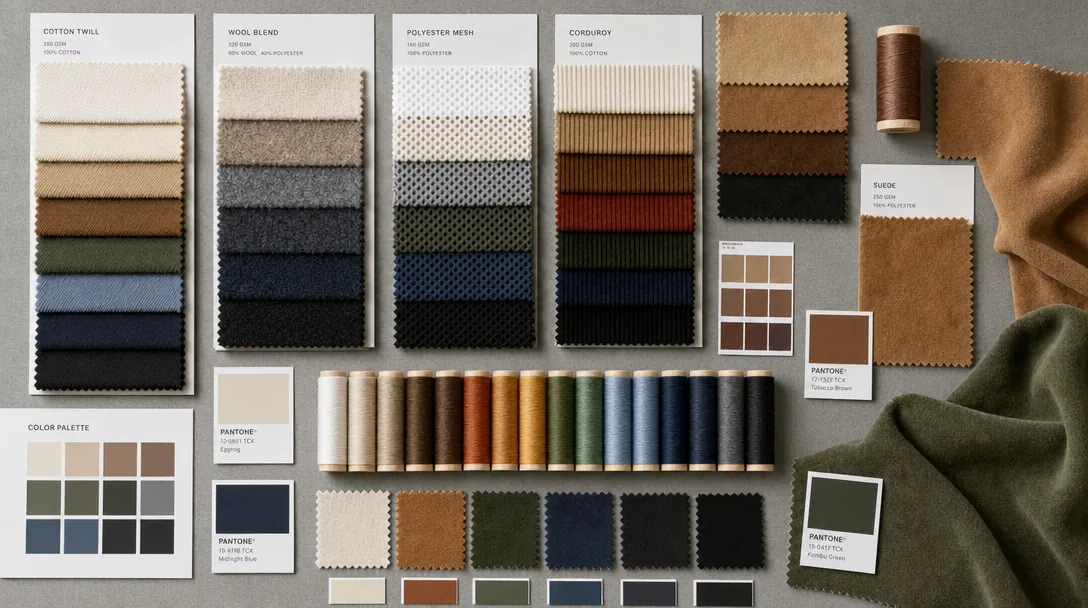
Bucket Hat Corduroy Decoration QC Checklist for Custom Hat Buyers - Cost & MOQ Breakdown (2026 Update)
Read article →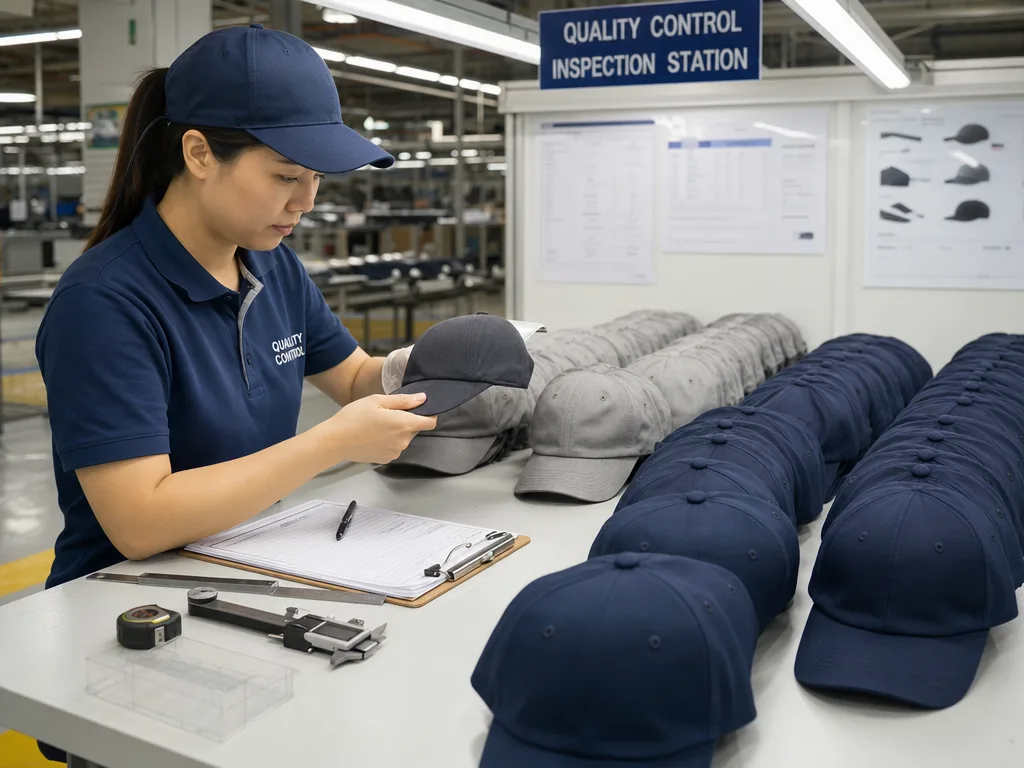
BSCI vs Sedex vs WRAP vs WCA: Compliance Audit Standards Compared - Supplier Checklist - Supplier Checklist - Cost & MOQ Breakdown
Read article →If you are ready to take the next step on patch hats decoration qc checklist for custom hat buyers - cost & moq breakdown - cost & moq breakdown (2026 update) (2026 update), our team can put a tailored quotation and digital mock-up in your inbox within 24 hours. Send the inquiry form on our contact page or message us directly on WhatsApp.