
Patch Hats Decoration QC Checklist for Custom Hat Buyers - Cost & MOQ Breakdown - Cost & MOQ Breakdown - 2026 Buyer's Guide
Every week, our sales team answers detailed questions about patch hats decoration qc checklist for custom hat buyers - cost & moq breakdown - cost & moq breakdown - 2026 buyer's guide. We wrote this guide so that wholesalers, streetwear brands, corporate buyers and promotional resellers can compare options with full information, and avoid the traps that show up only after production has started.
Why patch hats decoration qc checklist needs a separate sourcing plan
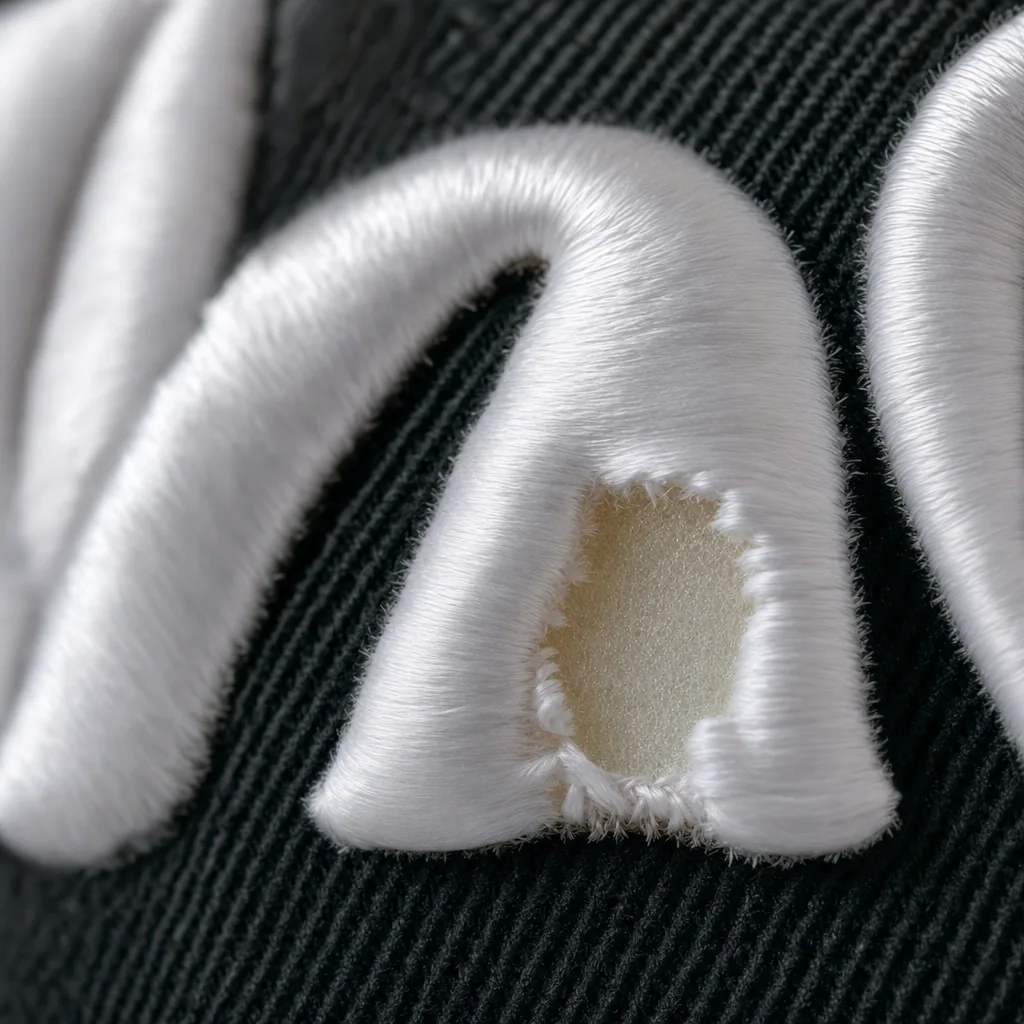
Patch failures usually start at the handoff between vendors, not at sewing line final inspection. That is why a patch hats decoration qc checklist needs a separate sourcing plan: you are controlling a multi-process assembly with its own tolerances, tooling, and defect map. A 60 x 28 mm woven damask patch with heat-seal backing reacts very differently from a 2.0 mm soft PVC badge, a merrowed embroidery emblem, or an embossed PU patch when applied to a 280 gsm brushed cotton twill dad cap versus a 600D polyester 5-panel or an 80/20 acrylic-wool snapback with buckram. Standard cap QC covers crown symmetry, SPI, visor shape, seam puckering, and closure function. Patch QC must add measurable limits for artwork interpretation, edge finish, backing film stability, attachment method, and post-application panel distortion. On production orders, I would lock front placement at ±1.5 mm, edge lift at no more than 2 mm on any side, glue seepage at zero tolerance in face view, and shade variance within Delta-E 1.5 to 2.0 against approved Pantone TCX or coated references under D65 lighting.
Cost and MOQ are often set by the decoration package, not by the cap shell. Direct embroidery may add only $0.45 to $1.20 per hat, but patches can range from $0.28 for a printed twill heat-seal piece to $1.80 or more for molded TPU, chenille with satin border, or embossed faux leather, before attachment labor of another $0.10 to $0.35 depending on sew-on versus heat press. The bigger issue is MOQ mismatch: a cap line may run 144 pcs per colorway, while the patch supplier wants 300 to 500 pcs per design for woven, sublimated, or PVC-molded components. That creates leftover inventory, second-run shade risk, and mixed-lot variation if replenishment comes from a new dye lot or mold batch. Our standard practice is to approve both loose patches and applied PPS samples, because a patch can pass incoming inspection and still fail after application: heat can leave platen gloss on peach-finish cotton, needles can tunnel through foam-backed fronts, and thick badges can print the buckram edge through the face fabric.
Compliance is another reason not to bury patches inside a generic cap PO. Buyers need material declarations for shell fabric, sweatband, patch face, backing film, inks, adhesives, PVC compounds, and any metal trims because the decoration package often carries the highest chemical risk. For EU programs, REACH Annex XVII and POPs screening are common on PVC, inks, and glue systems; for U.S. youth caps, CPSIA and phthalate limits can eliminate a patch construction before costing is even finalized. A workable patch hats decoration qc checklist should specify test methods, not just appearance standards: 3M tape peel after heat application, cross-hatch adhesion where applicable, dry and wet crocking on dyed patch grounds, and wash testing if the cap is sold as washable. Final inspection should run at AQL 2.5 with a separate patch defect matrix covering misalignment beyond 1.5 mm, merrow inconsistency, laser-cut fray, scorch marks, corner lift, and gloss transfer from press platens.
Factory capability checks before quoting
The first filter is blunt: if the supplier cannot make your exact patch method in-house, the quote is not comparable. A usable patch hats decoration qc checklist should confirm both the patch process and the attachment process before you look at unit price. Ask what equipment they actually run—Tajima, Barudan, or ZSK embroidery heads for embroidered patches; laser cutting or die cutting for twill and woven patches; high-frequency molds for PVC—and then ask for operating limits, not brochure claims. A factory with real experience can state that woven patch text below 2.0-2.5 mm cap height will start to close up, satin stitch borders usually need 0.8-1.0 mm width on merrow-free edges, and front-panel placement tolerance on bulk hats should hold within +/-2 mm. For color, patch twill or shell fabric should be approved against Pantone TCX or solid coated references and controlled to Delta-E under 1.5 under D65 lighting, otherwise reorders drift fast. Attachment method matters as much as patch quality because curved crowns punish shortcuts. Heat press only may work on flat sublimated emblems, but on 6-panel front seams or trucker foam fronts it often creates edge lift after packing or summer container heat. A competent factory should explain when they use heat seal film only, heat press plus edge stitch, or full sew-down, and what changes for PVC, woven, felt, suede microfiber, or chenille patches. They should also be able to discuss crown rebound, seam crossing, needle-mark risk, and wash durability without improvising. If they cannot tell you whether the patch needs a softer backing, a lower dwell temperature around 135-145 C, or a custom jig to keep placement square on curved panels, they are quoting artwork, not production.
Cap construction capability is where weak suppliers get exposed. A patch that sits clean on a structured acrylic-wool snapback can pucker immediately on an unstructured brushed cotton dad hat or sink into a 3 mm foam trucker front. Before quoting, the factory should be able to name the shell materials they actually buy and sew every month: cotton twill around 260-320 gsm, chino twill near 220-240 gsm, 600D polyester, nylon taslon, melton wool blends, corduroy, and recycled polyester with GRS transaction support when requested. More important, they should distinguish which crown builds can carry your patch without distortion: buckram-supported 6-panel caps, 5-panel foam truckers, rope caps, low-profile baseball caps, and soft unstructured shapes all behave differently under heat and stitch tension. If the supplier cannot send panel patterns, visor spec, seam tape options, sweatband construction, and closure details during quotation, they are likely pricing from a house style sheet. Sample-room discipline and compliance readiness are the fastest credibility checks. Development samples for patch hats should usually run 5-7 working days after artwork approval; pre-production samples are normally 7-10 days if fabric, backing, and trims are in stock. What matters is the sign-off process. The pattern master should confirm crown shape and visor curve, the digitizer should adjust pull compensation and stitch path for patch borders, and the line supervisor should verify attachment sequence against the approved spec. At CrownsForge, bulk release is tied to a written standard covering patch size, edge finish, top-button alignment, interior branding, carton packout, and AQL 2.5 inspection points. Ask for current sedex-audit-cap-supplier-guide.html">BSCI 2.0 or Sedex SMETA 4-Pillar audit reports, needle control logs, and basic REACH or California Prop 65 support. If the factory cannot explain whether your design needs front-panel reinforcement, 600D patch backing, 75D overlock thread, or reduced press time to prevent crown gloss, the quote is not dependable.
MOQ, pricing and sample approval
MOQ is driven by the decoration process before the cap body. For stock 5-panel, unstructured dad cap, or mesh-back trucker shells, 144 pcs per colorway is a workable floor for embroidered and woven patches because the cap blanks are already cut and sewn; once you specify a custom crown profile, fabric, closure, seam tape print, inside label, and retail packaging, the real factory MOQ usually moves to 300-500 pcs per style/color to absorb fabric yield loss and line changeover. PVC or TPU patches normally start at 200 pcs because the mold charge has to be spread somewhere, while debossed PU, microfiber suede, or genuine leather patches can sometimes run at 100-200 pcs if the shell is pulled from inventory. Buyers should insist that setup costs are quoted line by line: embroidery digitizing typically $20-$45 per file, woven patch graphing $35-$60, PVC mold $80-$150, laser die $25-$50, and branded trims another $0.18-$0.65 per cap for hangtags, barcode stickers, size labels, and polybag upgrades.
Patch cost needs to be separated from shell cost in any serious patch hats decoration qc checklist, because attachment method and edge finish can swing the unit price more than the logo itself. A 2.25 in merrow-border embroidered patch heat-applied to 260-300 gsm cotton twill may add only $0.45-$0.85, while a woven patch with satin-stitch border sewn onto an 80/20 acrylic-wool snapback is more like $0.70-$1.20. Molded PVC with hook-and-loop backing usually lands at $1.30-$2.20 before cap cost, and that number rises fast if the patch exceeds 60 mm, uses multiple cavity levels, or requires custom loop placement. The pre-production sample is where chargebacks are avoided: patch size tolerance should be within +/-1.5 mm, placement within 3 mm of centerline, Pantone called out in TCX or Solid Coated, and color judged under D65 light, not phone photos. For embroidery, 0.35-0.45 mm stitch spacing is the safe range before the patch turns stiff; for woven labels, text below 4 mm cap height often closes up after edge finishing. Our standard practice is to lock these points at PPS, then verify adhesion, skew, bubbling, edge fray, and color Delta-E before AQL 2.5 final inspection.
Quality inspection and shipping risk
Inspection has to function as a shipment release gate, not a five-minute tabletop glance. A practical patch hats decoration qc checklist starts with ANSI/ASQ Z1.4, General Inspection Level II, using AQL 2.5 for major defects and 4.0 for minor; if the order is for licensed retail, ecommerce, or a team program with expensive returns, major defects should be tightened to AQL 1.5. The inspector needs a signed golden sample and an approved spec sheet showing patch placement from the center front seam and visor edge, patch size, crown height, visor length, closure length, and finished inside circumference. On structured 6-panel caps, patch placement tolerance should stay within +/-3 mm; beyond that, the front panel reads crooked at arm's length. Finished circumference is usually controllable within +/-5 mm, while visor length variance should stay inside +/-3 mm to avoid mixed-carton appearance. Attachment security causes more claims than buyers expect. For stitch-down patches, count SPI and verify edge stitch consistency, backstitch lock, thread tension, and loose-end trimming; a satin border with skipped penetration will fail after a few wears. For heat-applied patches, same-day handling is not enough. Condition samples for 24 hours, then run a manual peel check on random units because buckram rebound, humidity swing, and master-carton compression often reveal weak bonding after the cap cools and sets. If the patch is sewn through buckram, inspect the inside for needle deflection, broken buckram, or visible strike-through on the face panel. On embroidered patch programs running Tajima or Barudan heads, look specifically for fill exposure, looping, poor registration between color blocks, and border distortion caused by bad digitizing rather than blaming sewing alone.
Most quality claims on patch hats come from color mismatch, dirty edge finish, and shipping mistakes rather than obvious construction defects. When patch twill, merrow yarn, and the cap shell fabric come from different dye lots, the only reliable control is preproduction color approval with Pantone TCX references and instrumental reading under D65 lighting. For premium retail, hold Delta-E to <=1.5; for standard promotional bulk, <=2.0 is more realistic. If the hats are for sports, uniforms, or outdoor use, require colorfastness of dry crocking grade 4 minimum, wet crocking 3-4, and perspiration resistance grade 4. On embroidered patches, reject weak merrow density, exposed bobbin, puckering on satin columns, and missed stitches at the border. On PVC, PU leather, suede, or microfiber patches, inspect for edge cracking, die-cut burrs, and stitch penetration placed too close to the perimeter, which is a common cause of tearing in transit. Shipping risk is mostly created upstream by bad packing discipline and incomplete booking data. Carton marks must match the PO exactly: style number, color, size run if applicable, quantity, destination mark, carton sequence, and country-of-origin labeling. A mismatch between pack list and carton content is enough to trigger warehouse chargebacks or delayed receiving at Amazon, 3PL, or retail DCs. Master cartons for caps should be checked for compression resistance, polybag suffocation warnings where required, desiccant use in humid seasons, and barcode legibility after tape application. Our standard practice is to release FOB bookings only after final pack list, HS code, carton dimensions, net/gross weight, and ex-factory date are frozen at least 5-7 days before vessel cutoff. For DDP terms, duty responsibility, relabeling cost, pallet standard, and transit-damage claim ownership should be written into the PO; if those points are left in email threads, the dispute usually lands on the buyer after the goods are already on the water.
Buyer checklist for the next RFQ
A usable RFQ for patch hats lives or dies on five line items: patch construction, hat body spec, approved artwork, quantity split by colorway, and shipping term. Leave any one vague and the quote is guesswork. Name the patch type precisely—merrowed embroidery, woven damask, laser-cut twill, molded PVC/TPU, debossed leather, suede microfiber, or sublimated print-transfer—and give finished size in millimeters. The cost spread is real: a 57 mm woven patch is commonly $0.18-$0.35, while the same size molded PVC patch is usually $0.45-$0.90 before attachment. On the cap body, specify panel count, profile, crown height, visor shape, closure, fabric composition, and weight or denier: for example, 6-panel mid-profile snapback in 260 gsm cotton twill, or trucker with 1680D polyester front, buckram support, and 60% nylon mesh back. “Custom patch hat” plus a screenshot is not an RFQ; it is an invitation for a budget range that changes at sampling.
Artwork quality determines both feasibility and QC exposure, so send AI, EPS, or editable PDF, not compressed JPEGs. Include Pantone Solid Coated or Pantone TCX references, border style, attachment method, and any technical limits the factory must respect: serif text below 2.0 mm, metallic thread, gradients, registered marks, or low-contrast color pairs. Good buyers also lock tolerances in the RFQ instead of arguing after sampling. A practical patch hats decoration qc checklist should state placement within +/-2 mm from center seam, side patch position by measured offset from visor seam, and bulk shade tolerance at Delta-E 1.5 or 2.0 against the approved strike-off or lab dip. Break order quantity by SKU and colorway because MOQ follows complexity: stock bodies with standard trims often start at 144-300 pcs per colorway, while fully custom builds with matching seam tape, woven flag label, printed sweatband, and branded inner label usually need 500-1,000 pcs per style to price sensibly. Add destination ZIP code and Incoterm—EXW, FOB Ningbo, DDP Los Angeles, or air express—since freight can shift landed cost by roughly $0.40-$2.80 per cap depending on carton density and lead time.
Before approving samples, force the factory to confirm measurable controls, not soft language like “good quality.” Ask for edge standards by patch type: no merrow tail over 3 mm, laser-cut twill with no carbonization bleed, PVC mold line trimmed flush, and leather edge paint with no cracking after 20 flexes. Require attachment criteria as well: direct-sewn patch with no skipped stitches and seam pull target around 90 N, or heat-applied patch passing a 70 C / 24-hour adhesion hold. If embroidery is involved, ask for stitch count range, backing type, needle spec, and whether digitizing is run in-house on Tajima, Barudan, or ZSK heads; the machine brand does not rescue bad punch files, but it does tell you whether the factory controls the process. Our standard practice is AQL 2.5 final inspection with carton drop check and color/placement verification against sealed sample, and any supplier that resists documenting those checkpoints will usually cost you more in rework than they save in the quote.
Working with CrownsForge
Most patch-hat failures are approved into the order, then discovered too late in bulk. A usable patch hats decoration qc checklist starts at PPS, not final inspection, and the PPS pack has to be sealed to the PO and revision code. The minimum set should include the hat body swatch, patch strike-off, backing construction, stitch map or loom spec, placement drawing in millimeters, carton standard, and the exact color reference. For textiles we lock to Pantone TCX; for printed patch faces we use Pantone Coated and set substrate-specific tolerances: Delta-E below 1.5 on dyed twill or woven grounds, below 2.0 on PU, PVC, and silicone where gloss and surface texture shift visual perception. Edge finish must also be frozen before bulk—merrow, laser cut, folded edge, raw edge with satin border—because it changes both appearance and reject risk, and usually moves cost by $0.08 to $0.35 per hat once labor loss and scrap are counted. MOQ should follow the decoration method, not just the cap shell. Embroidered and woven patches on stock fabrics are usually commercially efficient from 144 pieces per colorway; molded PVC, debossed leather, chenille, and mixed-media patches are more realistic at 300 to 500 pieces because mold fees, cutting dies, and machine setup have to be amortized. Our standard practice at CrownsForge is to freeze placement tolerance before bulk sewing: front patch alignment is typically ±2 mm left-right and ±2 mm height, but structured 5-panel foam caps and buckram-heavy 6-panels need the visual check done after crown forming, not flat on a table. That is where thick felt, 2.0 mm PVC, and stiff vegetable-tanned leather start to bridge, wrinkle, or tilt even when the patch looked acceptable during bench inspection.
Decoration control has to match the patch construction, because each format fails differently. On Tajima, Barudan, or ZSK heads, simple embroidered patches can run around 1,000 to 1,200 spm, but dense satin borders, high-fill areas, and small lettering should be slowed to roughly 700 to 850 spm to prevent puckering, birdnesting, and perimeter distortion. Woven patches need density review against the approved artwork before sign-off; text under about 2.0 mm cap height or lines below 0.3 mm often close up in production even if the strike-off looked sharp under showroom lighting. Application is another common blind spot. Heat-press saves labor but needs peel testing, adhesive bleed checks, and a 24-hour post-press appearance review; direct stitch-on is more stable on brushed cotton, 210 gsm chino twill, and acrylic blends; hook-and-loop tactical patches should be checked for pull strength, corner lift, and panel squareness. Final inspection should happen after trimming, steaming, and packing simulation, because that is when edge lift, read-through, crown distortion, and carton assortment errors become visible. AQL 2.5 is still the practical export standard for custom headwear, with major defects usually defined as patch placement outside tolerance, color beyond approved Delta-E, loose perimeter stitching, adhesive contamination, damaged buckram, or visible backing on light shells like stone-washed cotton and 10 oz chino. A serious patch hats decoration qc checklist also covers sweatband cleanliness, needle marks around the attachment zone, and inside-panel show-through. For audited programs, shipment files need more than a pass/fail summary: final inspection report, needle-control log, packaging photos, COO confirmation, and material declarations when the patch contains PU, PVC, or genuine leather. On BSCI 2.0 and Sedex SMETA 4-Pillar accounts, missing documents delay ex-factory nearly as often as sewing defects do.
Frequently Asked Questions
How long does production take?
Sampling takes 7 to 12 days. Bulk production runs 20 to 30 days depending on quantity, fabric availability and decoration complexity. Inspection and packing adds another 3 to 5 days before shipment.
Do you support sustainability certifications?
Yes. We work with GOTS organic cotton, GRS-certified recycled polyester, OEKO-TEX Standard 100 fabrics, and are BSCI and Sedex audited. Certification documentation can be provided per order.
What file format should I send for my logo?
Vector files (AI, EPS, PDF) are ideal. High-resolution PNG or JPG at 300 dpi on transparent background works as a fallback. Provide Pantone color references for accurate reproduction.
What is the minimum order quantity (MOQ) for custom hats?
Our standard MOQ is 100 pieces per design and color, with sampling available from 1 piece. For complex multi-color logos or premium fabric upgrades, the MOQ can be lowered with a small per-piece surcharge.
Can I order a sample before bulk production?
Yes. We strongly recommend approving a pre-production sample before mass production. Samples are charged at 35 to 60 USD each plus express shipping, fully refundable against confirmed bulk orders over 500 pieces.
How does ordering custom hat leather patch work?
When evaluating custom hat leather patch, the key considerations are construction quality, decoration capability, MOQ flexibility and lead time. Explain the buyer intent behind patch hats decoration qc checklist, when it differs from generic hat sourcing, and what decisions affect cost, lead time and compliance. Cover embroidery, patch, fabric, panel construction, closure options, sample room capability, audit readiness and communication checks.
What's the MOQ for custom leather patch hat low minimum?
When evaluating custom leather patch hat low minimum, the key considerations are construction quality, decoration capability, MOQ flexibility and lead time. Explain the buyer intent behind patch hats decoration qc checklist, when it differs from generic hat sourcing, and what decisions affect cost, lead time and compliance. Cover embroidery, patch, fabric, panel construction, closure options, sample room capability, audit readiness and communication checks.
How does ordering custom leather patches for hats work?
When evaluating custom leather patches for hats, the key considerations are construction quality, decoration capability, MOQ flexibility and lead time. Explain the buyer intent behind patch hats decoration qc checklist, when it differs from generic hat sourcing, and what decisions affect cost, lead time and compliance. Describe how CrownsForge manages patch hats decoration qc checklist programs with sampling, decoration, QC and export coordination.
How does ordering custom patch trucker hats work?
When evaluating custom patch trucker hats, the key considerations are construction quality, decoration capability, MOQ flexibility and lead time. Explain the buyer intent behind patch hats decoration qc checklist, when it differs from generic hat sourcing, and what decisions affect cost, lead time and compliance. Describe how CrownsForge manages patch hats decoration qc checklist programs with sampling, decoration, QC and export coordination.
What do I need to put patches on hats?
So what you'll need is a post bed sewing. Machine we use a FAF. Machine i mean it's not cheap it's like $3 $4,000. For the FAF. But really you need a sewing machine that has a raised bed.
What must you inspect on the hard hat?
Check the hard hat for excessive fading in colour as this can be a sign of deterioration from UV exposure. Inspect the suspension system closely for cracks, cuts or frayed shell straps, torn headband, loss of pliability or other signs of wear. Replace the suspension if you find any damage.
Looking for a reliable hat manufacturer in China?
CrownsForge has produced custom hats for 800+ brands across 40 countries. From 100-piece launches to 100,000-piece retail programs, we deliver on time and on spec.
Get in touchRelated guides
Custom Leather Patch Hat Low Minimum: A 2026 B2B Sourcing Guide
Read article →
Mens Beanies: Properties, Costs and How to Spec It Right
Read article →
Bulk Trucker Hats Export Shipping Checklist for Custom Hat Buyers - Cost & MOQ Breakdown - Supplier Checklist
Read article →We hope this guide demystifies patch hats decoration qc checklist for custom hat buyers - cost & moq breakdown - cost & moq breakdown - 2026 buyer's guide and helps you move forward with confidence. If you have questions specific to your project, our English-speaking sales engineers are one message away.