
Patch Hats Decoration QC Checklist for Custom Hat Buyers - Cost & MOQ Breakdown (2026 Update)
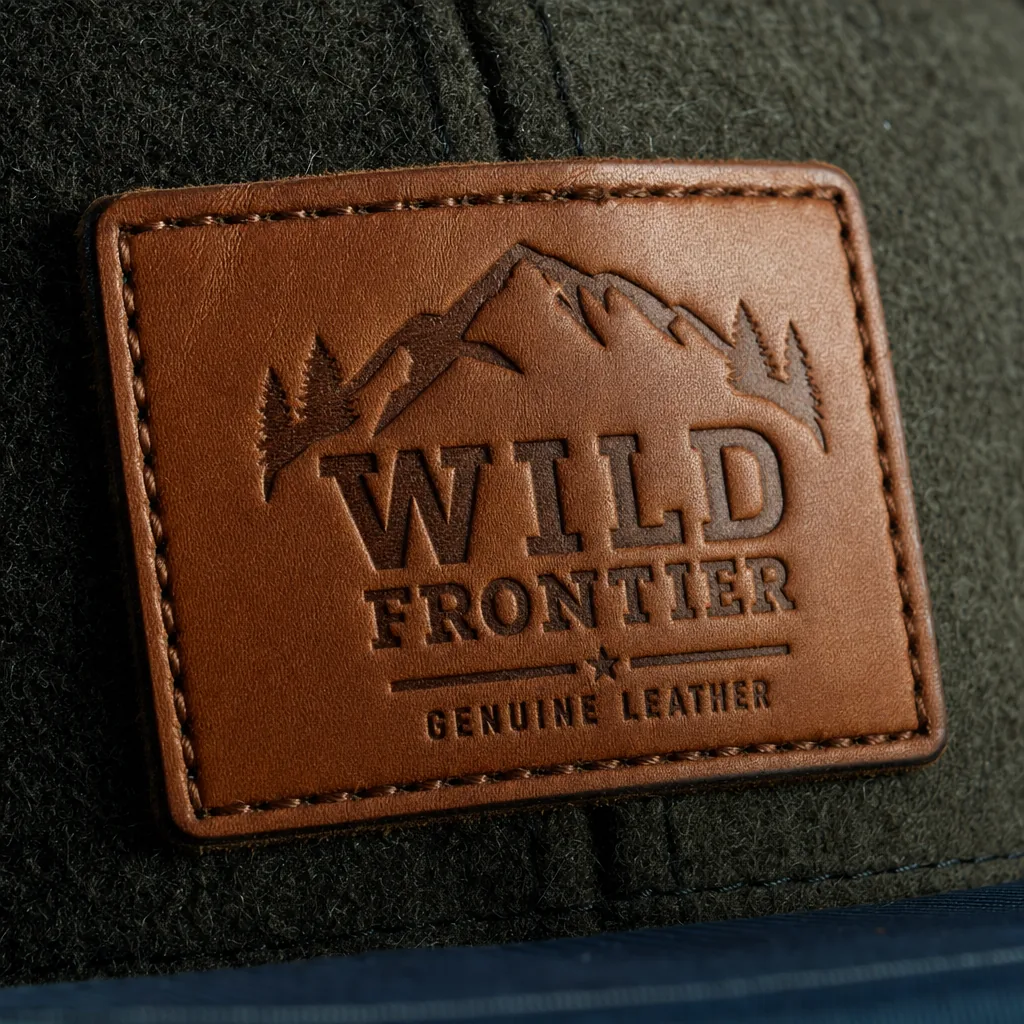
For brand owners, wholesalers and procurement teams entering the custom headwear category, patch hats decoration qc checklist for custom hat buyers - cost & moq breakdown (2026 update) is one of the highest-leverage decisions you will make. Get it right and your unit economics, retail story and reorder cycle all improve. Get it wrong and you carry the cost for years.
Why patch hats decoration qc checklist needs a separate sourcing plan
A patch hats decoration qc checklist needs its own sourcing plan because the main failure point is the handoff between suppliers, not the cap body. I’ve seen 6-panel cotton twill caps pass measurement, stitching, and appearance at AQL 2.5, then fail final inspection because the patch sits 2.0-3.0 mm off center, the merrow edge fights the crown curve, or the patch shade drifts past Delta-E 2.0 against the approved Pantone TCX under D65 light. Those defects start upstream. TPU and PVC patches can show edge lift after heat pressing at 145-155°C if the backing film is too thin or dwell time is short. Woven patches often fray at laser-cut corners unless the edge is overlocked or heat sealed properly. Embroidered badges with dense fills below roughly 0.40 mm stitch spacing are prone to thread breaks and distorted outlines on Tajima or Barudan heads, especially when the base cloth is unstable. A generic headwear spec sheet won’t catch any of that. That is why the checklist has to freeze four variables before bulk: patch substrate, backing, attachment method, and placement tolerance. “Centered” is useless; write ±1.5 mm at front panel center and specify whether the patch is woven, embroidered, PVC, TPU, suede, felt, or vegetable-tanned leather. Backing matters just as much: heat-seal, stitch-only, hook-and-loop, or paper backing all behave differently once mounted on a curved crown. Heavy sewn badges can pucker 180-220 gsm cotton twill or brushed canvas, while soft felt and raised PVC can deform in export cartons if the inner pack, crown support, and drop-test standard are not defined. Our standard practice is to treat patch strike-off approval and cap-level attachment approval as two separate gates, because a clean loose patch sample does not prove performance after pressing or sewing onto the finished hat.
The sourcing math changes the moment you replace direct embroidery with a patch, which is another reason a patch hats decoration qc checklist cannot share the same logic as a standard cap program. At 1,000 pcs, woven patches usually land around $0.18-$0.45 each, embroidered patches $0.25-$0.60, molded TPU or PVC $0.45-$0.95, and real leather or suede $0.70-$1.80 before application. Then you add attachment cost: heat press is often $0.08-$0.12 per cap, stitch-down woven or embroidered patches $0.12-$0.22, and satin-edge sew or multilayer badge assembly $0.20-$0.35 depending on handling time and reject rate. MOQ pressure usually comes from the patch vendor, not the hat plant. A buyer may be comfortable ordering 288 caps, then run into a 500-pc minimum for embroidered emblems, a 1,000-pc minimum for molded PVC, or a mold and die bill of $50-$180. Lead time and compliance also run on a different track. A stock snapback with flat embroidery might ship ex-factory in 18-25 days, but a patch program is more realistically 28-40 days once you include strike-off approval, adhesion testing, color matching, attachment trials, and a rework buffer. If the patch uses PVC, PU, silicone, leather, magnets, or metal trims, the buyer should confirm REACH, CPSIA, California Proposition 65, and needle-detection feasibility before bulk approval, especially for children’s product or licensed retail channels. Social compliance has to follow the subcontractor too: a sedex-audit-cap-supplier-guide.html">BSCI 2.0 or Sedex SMETA 4-Pillar audit at the cap factory does not automatically cover an outside patch supplier. In practice, one patch component can raise unit cost by 10%-35% and add 7-10 days of risk if it is not sourced and controlled separately.
Factory capability checks before quoting
A quote is only credible when the factory can prove exactly how the patch is made and attached. On any serious patch hats decoration qc checklist, I check three things first: embroidery capacity, patch conversion route, and attachment method. A real hat factory will name the machine fleet and process split without hedging—for example, 12-head Tajima or 15-head Barudan for standard embroidery, ZSK heads for chenille, and whether merrow edging, woven labels, laser-cut twill, molded TPU, silicone, leatherette, or sublimated emblems are produced in-house or sent to controlled subcontractors. Those are different cost structures, different lead times, and different failure points. If the merchandiser cannot state stitch-count range, max patch size, backing options such as felt, paper, heat-seal film, hook backing, or nonwoven, and fixing methods like stitch-down, satin edge, heat press, or Velcro, the number you received is still a placeholder. In practical terms, a 60 mm merrow patch sewn onto a basic 6-panel cotton twill cap usually adds about $0.30 to $0.48 at 500 pcs, while a custom TPU badge often carries $80 to $150 in tooling before unit cost stabilizes.
Base cap construction affects patch yield more than most buyers expect, so the supplier should quote with real manufacturing specs instead of style jargon. Ask for shell fabric, panel structure, and reinforcement in measurable terms: 10x10 cotton twill at 260-320 gsm, brushed chino around 240 gsm, 75D taslon, 100D polyester, 16-wale corduroy, or an 80/20 acrylic-wool blend. A thick merrow badge will sit flat on a buckram-backed 6-panel front, but on an unstructured dad cap it can tunnel, pucker, or distort unless the factory adjusts fusible weight, hoop tension, stitch density, and needle size—typically DBxK5 in NM 75/11 or 80/12 depending on shell and patch stack. Before approving any quote, ask for pre-production controls: patch position tolerance measured from center front within plus or minus 2 mm, Pantone TCX shade matching within Delta-E 1.5-2.0 where applicable, MOQ by patch type and cap body, audit status under BSCI 2.0 or Sedex SMETA 4-Pillar, and final inspection to AQL 2.5. If they cannot explain needle control logs, metal detection for broken fragments, or carton drop testing, the quote is not production-ready.
MOQ, pricing and sample approval
MOQ is set by the patch program before it is set by the hat body. On a basic 6-panel brushed cotton twill cap, embroidered and woven patches are usually efficient from 144 pcs per colorway, while soft PVC, genuine leather, and molded rubber are more realistic at 200 to 300 pcs because mold cost, die-cut waste, and shade loss on small lots make short runs expensive fast. In current factory costing, decoration typically adds about $0.45 to $0.85 for an embroidered patch, $0.55 to $1.05 for woven, $0.85 to $1.50 for PU or leather with deboss, and $1.20 to $2.40 for 0.8 to 1.2 mm soft PVC up to 4 colors. If a buyer pushes quantity down to 48 to 96 pcs, the setup work does not disappear; it gets absorbed into the unit price, and the same spec often lands 20% to 35% higher per cap than a 288-piece run. A practical patch hats decoration qc checklist should also call out border construction early, because merrow edge, heat-cut, laser-cut, and folded-edge woven patches each change labor minutes, fray risk, and attachment rejection rate.
Most preventable failures happen in sampling, not in final packing. A solid patch hats decoration qc checklist should require three separate approvals: artwork, patch strike-off, and a PPS attachment sample on the actual cap panel. Loose patches routinely pass on the table and then fail once sewn to a curved crown, especially when edge thickness fights the front buckram or seam lines. Typical setup charges are $25 to $60 for embroidery digitizing, $40 to $90 for woven loom setup, $80 to $150 for PVC mold tooling, and $30 to $75 for deboss or laser tooling on PU or leather. For readability, embroidered patch text below 3.0 mm cap height is where fill-in starts becoming a real problem; woven can hold finer detail, but diagonal lines will staircase if the file is not engineered for loom resolution. Approval should be tied to Pantone TCX or Pantone Coated references under D65 lighting, with color tolerance around Delta-E 2.0 to 2.5, stitch density in the 0.35 to 0.45 mm range on Tajima or Barudan heads, and attachment placement within plus or minus 2 mm. Sampling normally takes 4 to 7 days, PPS sign-off another 2 to 3 days, and bulk production 18 to 28 days after final approval; faster promises usually mean someone is skipping a real checkpoint.
Quality inspection and shipping risk
Most avoidable claims on patch caps show up at final inspection, not after ETD. A practical patch hats decoration qc checklist starts with a formal sampling plan under ANSI/ASQ Z1.4, General Inspection Level II; “100% inspected” is not a control method unless the factory can show operator records and rework logs. For a 3,000-piece lot, the normal code letter is K, so the inspector pulls 125 finished hats across multiple cartons and production hours, not just from the top layer beside packing. Set defect thresholds in numbers buyers can enforce: critical defects at 0, major at AQL 2.5, minor at AQL 4.0. On patch caps, major defects usually include front patch off-center over 3 mm, tilt above 2 degrees, edge lift over 2 mm, wrong closure, wrong visor profile, broken stitches, missing top button, or fabric color visibly outside the sealed sample. Minor defects are cosmetic and still saleable, such as loose thread tails under 3 mm, slight seam grin, or low-level crown waviness that does not distort the front panel. Patch hats fail in repeatable places, so measurement points and material checks need their own tolerances. For a standard adult 6-panel cap, I would hold crown height to +/-5 mm, bill length to +/-3 mm, head circumference to +/-10 mm, and front patch placement to +/-3 mm from the approved centerline. The patch itself also needs checking: woven, embroidery, TPU, leatherette, or sublimated badge should hold width and height within +/-2 mm, with consistent merrow or satin edge, clean die-cut perimeter, and no delamination if heat-applied. On Tajima and Barudan embroidery lines, the common misses are registration drift, fill-to-satin gaps, puckering from the wrong backing weight, and excessive stitch density on brushed cotton twill or washed canvas. Bulk approval should be made against the sealed sample under D65 light; if Pantone TCX matching is written into the PO, keeping Delta-E below 1.5 is a realistic standard for fabric-to-patch harmony rather than relying on visual judgment alone.
Shipping damage usually starts with bad pack-out, not the vessel. Master cartons should be marked with PO number, style number, color, carton sequence, quantity, gross and net weight, dimensions in cm, and country of origin; if sizes are mixed, the size run needs to be printed too. For 24-piece or 48-piece packs, use 5-ply export cartons matched to the load, and for long-haul LCL I would not go below 200 lb test board because corner crush and brim deformation are common once cartons are restacked at CFS warehouses. Inner packing matters just as much: tissue or individual polybag by style, sweatband protected from crocking, silica gel where humidity is a concern, and enough crown support to keep buckram fronts from collapsing. If the order is routing to Amazon FBA or a 3PL, carton IDs, FNSKU labels, pallet marks, and scan-readable outer labels should be applied before ex-factory, not added later by a forwarder who has never seen the style spec. Incoterms change where the risk sits, but they do not replace documentation discipline. FOB gives the buyer cleaner control over booking, consolidation, and destination customs clearance; DDP can work for smaller brands, though duty breakdowns, delivery appointment delays, and document lag are common weak spots. The final pre-shipment file should include approved artwork, patch construction spec, stitch count or woven density, Pantone references, measurement chart, packing method, carton marks, and the closing QC report with defect photos and lot traceability. Our standard practice is to keep that file tied to the production order and sealed sample, because the real test is not one shipment of 3,000 pieces; it is whether a repeat order of 10,000 units six months later still matches after fabric dye lots, patch vendors, or vessel schedules have changed.
Buyer checklist for the next RFQ
Lock the patch method before asking for price; “logo patch on cap” is not an RFQ any factory can cost accurately. Call out the patch type up front: woven patch, embroidered patch, printed twill, molded TPU or PVC badge, genuine leather, PU leather, suede, or felt appliqué. Each one changes tooling, MOQ, attachment method, and defect risk. A woven patch with folded edge and artwork under 8 colors can often start around 100 pieces; a molded TPU badge usually needs a steel mold charge of US$80-150 and does not price efficiently below 300-500 pieces. Pair that with the exact cap body and material spec: 6-panel structured snapback with buckram, unstructured washed chino cap, trucker with 100% polyester mesh, or bucket hat in 240 gsm cotton twill. Patch performance changes with crown curve, front-panel stiffness, shell fabric texture, and whether the attachment is lockstitch sew-on, heat press film, or hook-and-loop. A usable patch hats decoration qc checklist should read like a production sheet, not a mood board. Send AI, EPS, or vector PDF artwork, plus a size callout in millimeters and placement from fixed points such as center front, visor seam, or side seam. If color matters, specify Pantone Solid Coated or Pantone TCX and state acceptable tolerance, ideally Delta-E less than 2.0 for close brand matching. Also define edge construction and finishing: merrow border or laser-cut edge, satin stitch width, backing type, total patch thickness, and target placement tolerance such as patch centered 12-15 mm above the visor seam with +/-3 mm allowance. These details cut out the usual 5-10 day sampling loop caused by preventable questions and revised strike-offs.
Do not request a firm FOB or DDP quote without quantity by colorway, destination, and deadline. There is a real cost difference between 48 pieces across 4 colorways and 500 pieces across 2 colorways, especially when the patch base cloth, cap shell, sweatband tape, or closure strap needs custom dyeing. State the incoterm, destination port or ZIP code, required ex-factory date, and packing requirements such as individual polybag, size sticker, barcode label, or retail insert card. If compliance matters, put it in the RFQ: CPSIA tracking label, REACH conformity, azo-free dyestuff, California Proposition 65 sensitivity, or factory audit requirements like BSCI 2.0 or Sedex SMETA 4-Pillar. Those are not afterthoughts; they affect sourcing, testing, and lead time from the first material booking. Set approval criteria before sampling starts, or the factory will pad the quote to cover undefined risk. Define logo size tolerance, placement tolerance, visor-to-patch alignment, and bulk inspection level, typically AQL 2.5 for major defects on finished caps. If the patch is embroidered, specify coverage, thread brand standard, and whether loose trims, exposed jump stitches, or bobbin show-through are reject points; if it is leather or TPU, define grain consistency, edge paint quality, and acceptable surface marks. On a cap line, most patch failures come from three avoidable problems: off-shade color, skewed placement, and inconsistent edge finishing. A tight patch hats decoration qc checklist turns those into measurable checkpoints, which is how buyers get faster approvals, fewer remake claims, and pricing based on actual specifications instead of contingency.
Working with CrownsForge
Most failures in patch programs are locked in before bulk sewing, so a serious patch hats decoration qc checklist starts at PPS approval, not final inspection. I treat approval as three separate sign-offs: patch spec, cap spec, and attachment spec. That matters because a 50D woven label, a 2.0 mm soft PVC badge, and a 1.3 mm vegetable-tanned leather patch react very differently to crown curvature, needle penetration, and heat-press dwell time. The PPS should freeze patch size, merrow width, stitch count, backing type, edge finish, placement coordinates, and attachment method in writing; if any of those stay vague, the factory will “adjust” them in production. For color-controlled programs, use Pantone TCX for textile patches or Pantone Coated for printed/PVC surfaces, with an agreed visual standard and a realistic Delta-E target below 2.5 on textured materials. MOQ also needs to be settled early because it affects process choice: embroidered and woven patches are usually workable from 144 pieces per colorway, while molded PVC or TPU normally needs 300-500 pieces to absorb mold and setup cost without blowing up the unit price.
Good QC is process discipline on the floor, not somebody checking at the end whether the patch looks straight from two meters away. First-piece approval should happen at the machine: embroidery run on Tajima or Barudan heads, edge quality checked after laser cut or die cut, then heat-bond verification and pull testing if hot-melt film is involved before stitch-down. Attachment method is the failure point buyers underestimate most. Pure heat press can be acceptable for short-run promo caps, but retail-grade snapbacks, truckers, and washed cotton dad hats should usually have perimeter stitch, satin edge stitch, or box-stitch reinforcement, because packed cartons routinely see enough compression and heat in transit to trigger corner lift. Write placement tolerance as ±2 mm on structured fronts and ±3 mm on unstructured or heavily washed panels. Final inspection should run to AQL 2.5 major / 4.0 minor, checking skipped stitches, loose thread tails above 3 mm, patch bubbling, edge fray, adhesive bleed, crown torque around the attachment area, visor deformation, shade variation between lots, and mixed-size or mixed-color carton packing. At CrownsForge, patch decoration typically adds about $0.28-$0.55 for embroidered patches, $0.35-$0.70 for woven, and $0.60-$1.20 for PVC or molded TPU, depending on size, stitch density, backing, and reinforcement.
Frequently Asked Questions
What logo decoration techniques do you offer?
3D puff embroidery, flat embroidery, woven patch, leather patch, PVC patch, screen printing, sublimation, applique and laser etching, all in-house with no subcontracting.
Do you support sustainability certifications?
Yes. We work with GOTS organic cotton, GRS-certified recycled polyester, OEKO-TEX Standard 100 fabrics, and are BSCI and Sedex audited. Certification documentation can be provided per order.
What is the minimum order quantity (MOQ) for custom hats?
Our standard MOQ is 100 pieces per design and color, with sampling available from 1 piece. For complex multi-color logos or premium fabric upgrades, the MOQ can be lowered with a small per-piece surcharge.
How long does production take?
Sampling takes 7 to 12 days. Bulk production runs 20 to 30 days depending on quantity, fabric availability and decoration complexity. Inspection and packing adds another 3 to 5 days before shipment.
Can I order a sample before bulk production?
Yes. We strongly recommend approving a pre-production sample before mass production. Samples are charged at 35 to 60 USD each plus express shipping, fully refundable against confirmed bulk orders over 500 pieces.
How does ordering custom hat leather patch work?
When evaluating custom hat leather patch, the key considerations are construction quality, decoration capability, MOQ flexibility and lead time. Explain the buyer intent behind patch hats decoration qc checklist, when it differs from generic hat sourcing, and what decisions affect cost, lead time and compliance. Cover embroidery, patch, fabric, panel construction, closure options, sample room capability, audit readiness and communication checks.
What's the MOQ for custom leather patch hat low minimum?
When evaluating custom leather patch hat low minimum, the key considerations are construction quality, decoration capability, MOQ flexibility and lead time. Explain the buyer intent behind patch hats decoration qc checklist, when it differs from generic hat sourcing, and what decisions affect cost, lead time and compliance. Cover embroidery, patch, fabric, panel construction, closure options, sample room capability, audit readiness and communication checks.
How does ordering custom leather patches for hats work?
When evaluating custom leather patches for hats, the key considerations are construction quality, decoration capability, MOQ flexibility and lead time. Explain the buyer intent behind patch hats decoration qc checklist, when it differs from generic hat sourcing, and what decisions affect cost, lead time and compliance. Describe how CrownsForge manages patch hats decoration qc checklist programs with sampling, decoration, QC and export coordination.
How does ordering custom patch trucker hats work?
When evaluating custom patch trucker hats, the key considerations are construction quality, decoration capability, MOQ flexibility and lead time. Explain the buyer intent behind patch hats decoration qc checklist, when it differs from generic hat sourcing, and what decisions affect cost, lead time and compliance. Describe how CrownsForge manages patch hats decoration qc checklist programs with sampling, decoration, QC and export coordination.
What do I need to put patches on hats?
So what you'll need is a post bed sewing. Machine we use a FAF. Machine i mean it's not cheap it's like $3 $4,000. For the FAF. But really you need a sewing machine that has a raised bed.
Ready to start your custom hat project?
Send us your tech-pack, sketch or even just an inspiration photo. We will respond with a detailed quotation and digital mock-up within 24 hours.
Request a free quoteRelated guides
Acrylic Beanie: Properties, Costs and How to Spec It Right
Read article →
Custom Hat Design: The 2026 Sourcing & Manufacturing Playbook
Read article →
Bucket Hat Corduroy Retail Packaging Guide for Custom Hat Buyers
Read article →We hope this guide demystifies patch hats decoration qc checklist for custom hat buyers - cost & moq breakdown (2026 update) and helps you move forward with confidence. If you have questions specific to your project, our English-speaking sales engineers are one message away.