
Organic Cotton Cap Wholesale Custom: A 2026 B2B Sourcing Guide
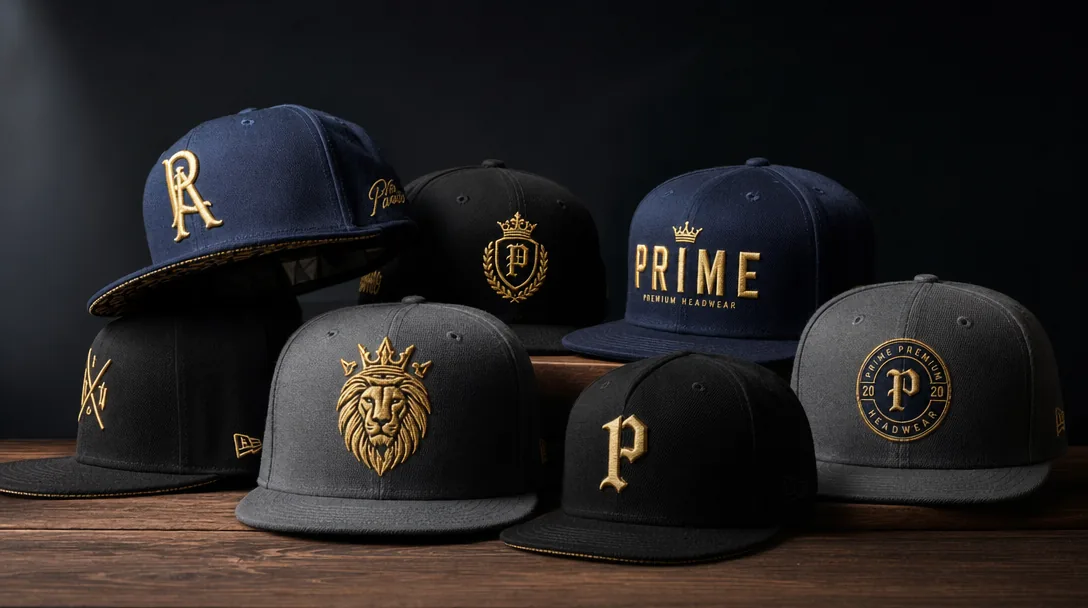
For brand owners, wholesalers and procurement teams entering the custom headwear category, organic cotton cap wholesale custom: a 2026 b2b sourcing guide is one of the highest-leverage decisions you will make. Get it right and your unit economics, retail story and reorder cycle all improve. Get it wrong and you carry the cost for years.
Recycled Polyester Cap Manufacturer Bulk
A recycled polyester cap manufacturer bulk job starts with the yarn spec, not the logo. Ask for rPET made from post-consumer bottles with a clear source claim, then pin down the fabric construction: 75D, 150D, or 300D polyester, woven twill, mesh, or brushed microfiber. For a structured six-panel cap, I usually want 110–140 gsm crown fabric, 60–80 gsm lining if used, and a sweatband that does not bleed at 40°C wash tests. For color control, request Pantone TCX references for any fabric trims and a Delta-E target under 2.0 on production shade bands. If the factory is really set up for volume, they should be running cut-and-sew with heat-cut edge control, not just slapping patches onto generic blanks. CrownsForge’s standard practice is to validate fabric shrinkage, seam slippage, and stitch density before release, because recycled yarn lots vary more than buyers expect.
Typical MOQ for a recycled polyester cap manufacturer bulk order is 300 to 500 pcs per colorway for simple five- or six-panel styles, but 1,000 pcs is where pricing usually becomes stable. Ex-works pricing for a basic unstructured cap with one embroidery location often lands around $2.10 to $3.40 at 500 pcs, depending on crown construction, mesh backing, and packing. Add $0.35 to $0.90 for woven labels, metal buckles, seam tape, or sandwich brims. Compared with an organic cotton cap wholesale custom program, recycled polyester can be slightly cheaper on raw fabric but more sensitive on decoration because some coatings and adhesives do not bond well to slick surfaces. If your line also includes a corduroy trucker hat wholesale style or a custom wool blend ball cap, keep each fabric group on its own production route; mixing them in one PO usually creates shade and handfeel problems.
The defects I inspect first are not dramatic ones; they are the quiet failures that cause chargebacks. Look for puckering around the front panels, skipped stitches on the side seams, oily needle marks on dark rPET, and inconsistent crown height across cartons. On embroidered caps, Tajima, Barudan, and ZSK heads should be calibrated to avoid thread tension drag, especially on recycled fabric with a tighter weave. For bulk acceptance, use AQL 2.5 for major defects and 4.0 for minor cosmetic issues, plus a carton drop test and a sweatband crocking check. If the program also includes a ripstop tactical cap manufacturer style, or a signature jacquard bucket hat in organic cotton and recycled polyester, request a pre-production sample for each fabric family; otherwise the buyer ends up comparing unrelated materials as if they were interchangeable. In practice, the sourcing decision comes down to use case: organic cotton cap wholesale custom makes sense for soft handfeel and cleaner brand positioning, while recycled polyester is the better bet for performance, lower dry time, and outdoor retail.
Corduroy Trucker Hat Wholesale
Corduroy trucker hat wholesale orders usually start with the fabric, not the silhouette. The shell is typically 8-wale or 11-wale cotton corduroy at 280 to 340 gsm, paired with a 100% polyester mesh back in 180 to 220 gsm for structure and airflow. If the buyer wants an organic cotton cap wholesale custom program, I push them to specify the sweatband, underbrim, and front panel lining separately, because corduroy can distort under heat and steam during shaping. For a clean build, request pre-shrunk corduroy, colorfast dye with Delta-E under 1.5 to the approved Pantone TCX, and sewn eyelets only if the mesh density and panel tension can handle it. In production, a decent factory will use Tajima or Barudan embroidery heads for front logos, but the crown must be stabilized with midweight buckram or a fusible insert, otherwise the corduroy ribs telegraph through the artwork and make the logo look uneven.
Typical MOQ for corduroy trucker hat wholesale is 300 to 500 pieces per colorway if the factory already stocks matching corduroy, but custom-woven fabrics or special trims often push it to 1,000 pieces. I see ex-factory pricing land around $2.40 to $4.20 for a plain cap, then $0.60 to $1.50 more for embroidery, woven labels, or custom seam taping; FOB Ningbo or Shanghai is usually the cleanest comparison point. Buyers should ask for panel symmetry tolerance within 3 mm, brim curve consistency, mesh seam puckering limits, and shrinkage data after one wash cycle. The most common defects are crushed corduroy nap, crooked front seams, open stitches at the crown join, and mesh that goes shiny after pressing. If the same supplier also quotes a recycled polyester cap manufacturer bulk program or a custom wool blend ball cap, that is useful only if they can prove separate machine settings and in-line inspection records for each construction.
The sourcing decision becomes easier when you treat corduroy as one option in a wider fabric matrix rather than a standalone novelty. A factory that can also handle a ripstop tactical cap manufacturer order, a signature jacquard bucket hat in organic cotton and recycled polyester, and a standard corduroy trucker is usually better at managing different shrinkage behaviors, stitch densities, and trim compatibility. For B2B buyers building a mixed collection, I would sample corduroy against the broader organic cotton cap wholesale custom line using the same color standards, same AQL 2.5 inspection level, and the same wash-test protocol, because consistency matters more than fabric type. In practice, the best factories can show you cut tickets, inline QC photos, and carton pack-out counts before shipment, which is where most cheap suppliers fall apart.
Custom Wool Blend Ball Cap
A custom wool blend ball cap is usually built from a 50/50 wool-poly blend or a heavier 80/20 wool-rich cloth, then cut into six panels, fused at the front, and finished with matching or contrast stitching. The practical reason buyers choose it is shape retention: wool gives the crown a cleaner hand feel and better drape than flat cotton twill, while polyester reduces shrinkage and improves abrasion resistance. For a serious bulk order, ask the factory for fabric weight in gsm, fiber composition by percentage, crown height, visor curve, buckram type, and sweatband spec. If you want the hat to sit in the same sourcing program as an organic cotton cap wholesale custom line, request Pantone TCX targets for the crown, thread color, and undervisor, because wool blends can read darker under indoor light than cotton solids.
The manufacturing details matter more than the sales sample. A proper wool blend cap should be cut with directionally matched nap if the cloth has any texture, then stitched on lockstitch machines with a clean topstitch density around 6 to 8 stitches per inch. Embroidery should be digitized for low stitch pull, especially on the front panel where fusible buckram can pucker under dense logos. Standard MOQ is usually 300 to 500 pieces per colorway for custom wool blend ball cap orders, with unit pricing around $3.40 to $5.80 FOB China for simple embroidery and $6.20 to $8.50 if you add woven labels, custom taping, or a leather strapback. If you are comparing it with a recycled polyester cap manufacturer bulk program or a corduroy trucker hat wholesale run, the wool blend sits in the middle on cost: more expensive than basic poly twill, less fussy than specialty knitted or mixed-fabric caps.
Quality problems are predictable and easy to catch if you inspect the right points. The biggest failures are crown asymmetry, visor warping, loose underbrim binding, poor interfacing adhesion, and color variation between panels from inconsistent dye lots. On wool blends, pilling and fiber shedding can show up after light abrasion, so ask for a Martindale or random-rub test if the cap is meant for retail. For production control, I would inspect against AQL 2.5 for major defects and check stitch density, seam allowance consistency, and logo registration on at least the first 30 pieces off the line. That discipline is the same whether the factory is building a ripstop tactical cap manufacturer order, a signature jacquard bucket hat in organic cotton and recycled polyester, or a broader organic cotton cap wholesale custom program. The point is not fabric fashion; it is whether the factory can hold repeatable dimensions, stable color, and clean finishing across a mixed-material order book.
Ripstop Tactical Cap Manufacturer
The quality issues I inspect first are bad ripstop alignment, crown twisting, puckered topstitching, inconsistent panel symmetry, and weak Velcro that loses grip after a few cycles. Color matching is another trap: black tactical caps often vary by Delta-E 2.0 to 3.5 across fabric lots unless the mill locks the dye bath. Ask for AQL 2.5 inspection on critical points such as visor curve, panel seam strength, patch centering, and strap function, and do a wash test plus crocking test if the cap uses pigment-dyed or garment-washed fabric. If the factory offers a recycled polyester cap manufacturer bulk option, compare it against ripstop not only on price but also on tear strength, pilling, and whether the hand feel is too slick for structured embroidery.
Tactical programs are often sourced alongside a corduroy trucker hat wholesale run or a custom wool blend ball cap because buyers want multiple silhouettes under one vendor relationship, but the sourcing logic should stay separate. Ripstop is for utility and repeat wear; organic cotton is better when the brand story is centered on fiber origin, skin feel, and lower-impact sourcing. If the same factory can also produce a signature jacquard bucket hat in organic cotton and recycled polyester, that is useful, but only if they can hold distinct material specs without mixing trim bins or labeling errors. My rule is simple: if the buyer cares about sustainability claims, keep the organic cotton cap wholesale custom line documented with GOTS or at least fiber-content traceability, and do not let the tactical SKU inherit those assumptions unless the fabric mill and sewing line can prove it on paper.
Working with CrownsForge for organic cotton cap wholesale custom programs
For organic cotton cap wholesale custom programs, the biggest source of risk is usually not fabric quality; it is whether the supplier can turn a clean tech pack into repeatable production without hand-holding. Our standard practice is a 7 to 12 day sampling window for first articles, depending on crown structure, fabric availability, and decoration method. Simple six-panel unconstructed caps move faster, while a structured cap with matched underbrim, self-fabric closure, and color-specific taping takes longer because every trim must be locked to Pantone TCX before we cut bulk. MOQ is flexible by style, not by wishful thinking: for plain organic cotton twill caps, we can often start at 300 to 500 pieces per color, while more complex builds like a custom wool blend ball cap or a corduroy trucker hat wholesale order typically need 500 to 1,000 pieces to keep cutting waste and setup costs under control. If a buyer needs a recycled polyester cap manufacturer bulk program instead, we usually separate recycled yarn lots from organic cotton lots to avoid shade drift and compliance confusion.
Decoration is where a lot of first-time buyers get burned, so we keep it in-house and measurable. We run Tajima and Barudan embroidery heads for flat embroidery, 3D puff, applique, and high-density patches; for fine line logos, a 9- or 12-needle setup with proper underlay and pull compensation matters more than thread count. On the compliance side, our normal file set includes GOTS or organic fiber transaction evidence where applicable, OEKO-TEX Standard 100 for trims when specified, and factory audit coverage aligned with sedex-audit-cap-supplier-guide.html">BSCI 2.0 or Sedex SMETA 4-Pillar requirements. That matters whether you are ordering a ripstop tactical cap manufacturer sample with bonded seams or a signature jacquard bucket hat in organic cotton and recycled polyester, because the decoration and base material have to match the compliance claim. We also quote with AQL 2.5 as the default final inspection standard, and we can tighten it if a licensed sports buyer or retail chain needs lower defect tolerance.
Order management is where we de-risk the account after sampling, because the real failure mode is usually bad communication between approval, production, and shipping. Every PO gets a single spec sheet with size range, stitch count, panel layout, label placement, carton marks, and approved reference photos; once approved, we do pre-production confirmation, inline checks at sewing and embroidery, then final packing inspection before carton sealing. Lead time for bulk is typically 25 to 35 days after sample approval and deposit, with FOB Ningbo or Shanghai as the default, and DDP available when the buyer wants landed pricing. For scale-up brands, that workflow is what keeps an organic cotton cap wholesale custom order from turning into a messy mixed-lot shipment, especially when the same account also wants a recycled polyester cap manufacturer bulk run or a seasonal cap program with multiple silhouettes. The practical benefit is simple: fewer surprises, fewer chargebacks, and a cleaner path from first sample to repeat reorder without rebuilding the product every season.
Frequently Asked Questions
Can I order a sample before bulk production?
Yes. We strongly recommend approving a pre-production sample before mass production. Samples are charged at 35 to 60 USD each plus express shipping, fully refundable against confirmed bulk orders over 500 pieces.
What is the minimum order quantity (MOQ) for custom hats?
Our standard MOQ is 100 pieces per design and color, with sampling available from 1 piece. For complex multi-color logos or premium fabric upgrades, the MOQ can be lowered with a small per-piece surcharge.
How long does production take?
Sampling takes 7 to 12 days. Bulk production runs 20 to 30 days depending on quantity, fabric availability and decoration complexity. Inspection and packing adds another 3 to 5 days before shipment.
Do you support sustainability certifications?
Yes. We work with GOTS organic cotton, GRS-certified recycled polyester, OEKO-TEX Standard 100 fabrics, and are BSCI and Sedex audited. Certification documentation can be provided per order.
What file format should I send for my logo?
Vector files (AI, EPS, PDF) are ideal. High-resolution PNG or JPG at 300 dpi on transparent background works as a fallback. Provide Pantone color references for accurate reproduction.
What should I know about blank trucker cap wholesale bulk?
When evaluating blank trucker cap wholesale bulk, the key considerations are construction quality, decoration capability, MOQ flexibility and lead time. Cover everything buyers ask about recycled polyester cap manufacturer bulk: how it's manufactured, what specs to request from a factory, typical MOQ and pricing, common quality issues to inspect for, and how this ties back to the broader organic cotton cap wholesale custom sourcing decision. Cover everything buyers ask about corduroy trucker hat wholesale: how it's…
What should I know about custom rope hat wholesale bulk?
When evaluating custom rope hat wholesale bulk, the key considerations are construction quality, decoration capability, MOQ flexibility and lead time. Cover everything buyers ask about recycled polyester cap manufacturer bulk: how it's manufactured, what specs to request from a factory, typical MOQ and pricing, common quality issues to inspect for, and how this ties back to the broader organic cotton cap wholesale custom sourcing decision. Cover everything buyers ask about corduroy trucker hat wholesale: how it's…
What should I know about custom corduroy dad hat bulk?
When evaluating custom corduroy dad hat bulk, the key considerations are construction quality, decoration capability, MOQ flexibility and lead time. Cover everything buyers ask about corduroy trucker hat wholesale: how it's manufactured, what specs to request from a factory, typical MOQ and pricing, common quality issues to inspect for, and how this ties back to the broader organic cotton cap wholesale custom sourcing decision. Cover everything buyers ask about recycled polyester cap manufacturer bulk: how it's…
What should buyers know about organic cotton trucker hat?
When evaluating organic cotton trucker hat, the key considerations are construction quality, decoration capability, MOQ flexibility and lead time. Cover everything buyers ask about corduroy trucker hat wholesale: how it's manufactured, what specs to request from a factory, typical MOQ and pricing, common quality issues to inspect for, and how this ties back to the broader organic cotton cap wholesale custom sourcing decision. Cover everything buyers ask about recycled polyester cap manufacturer bulk: how it's…
Looking for a reliable hat manufacturer in China?
CrownsForge has produced custom hats for 800+ brands across 40 countries. From 100-piece launches to 100,000-piece retail programs, we deliver on time and on spec.
Get in touchRelated guides
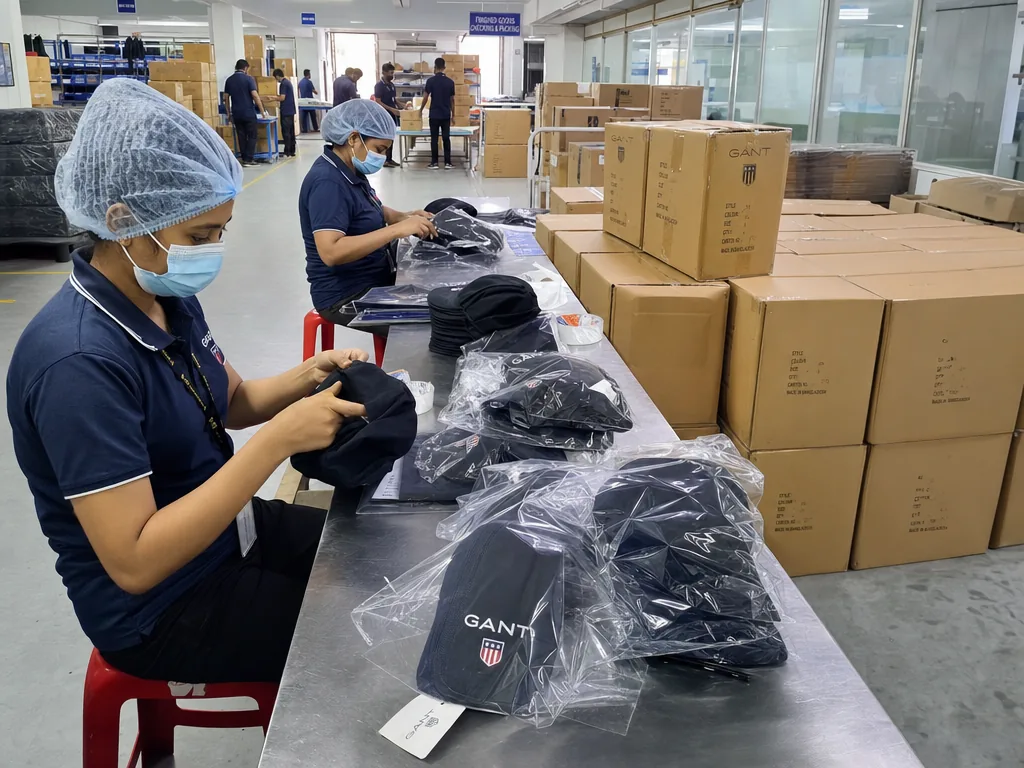
Building a Repeat-Order Workflow with Your Hat Factory
Read article →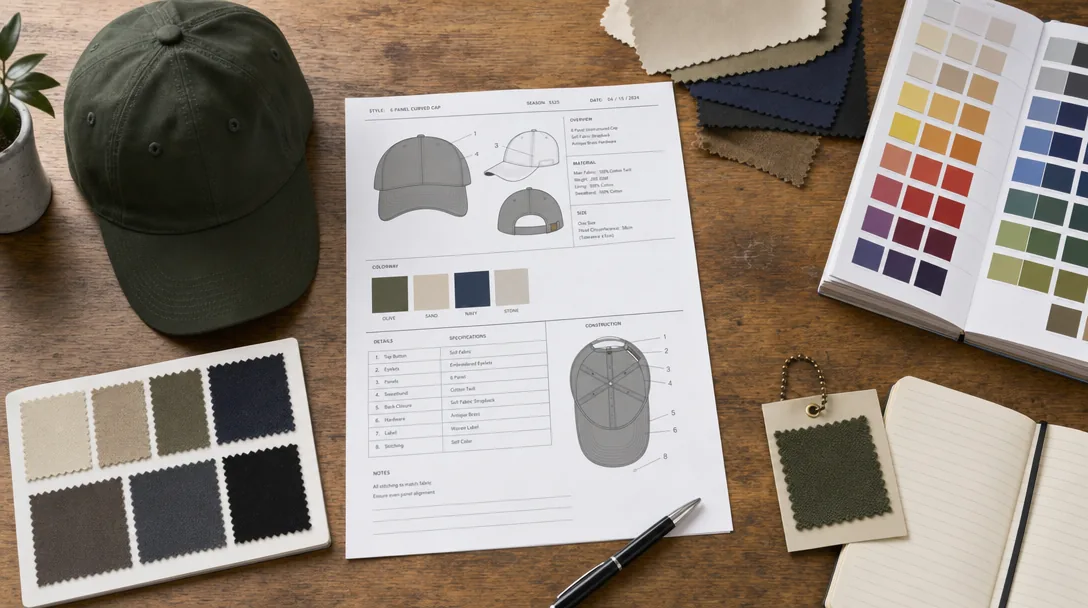
Hat Quality Inspection Checklist: 32 Points Every Importer Should Verify
Read article →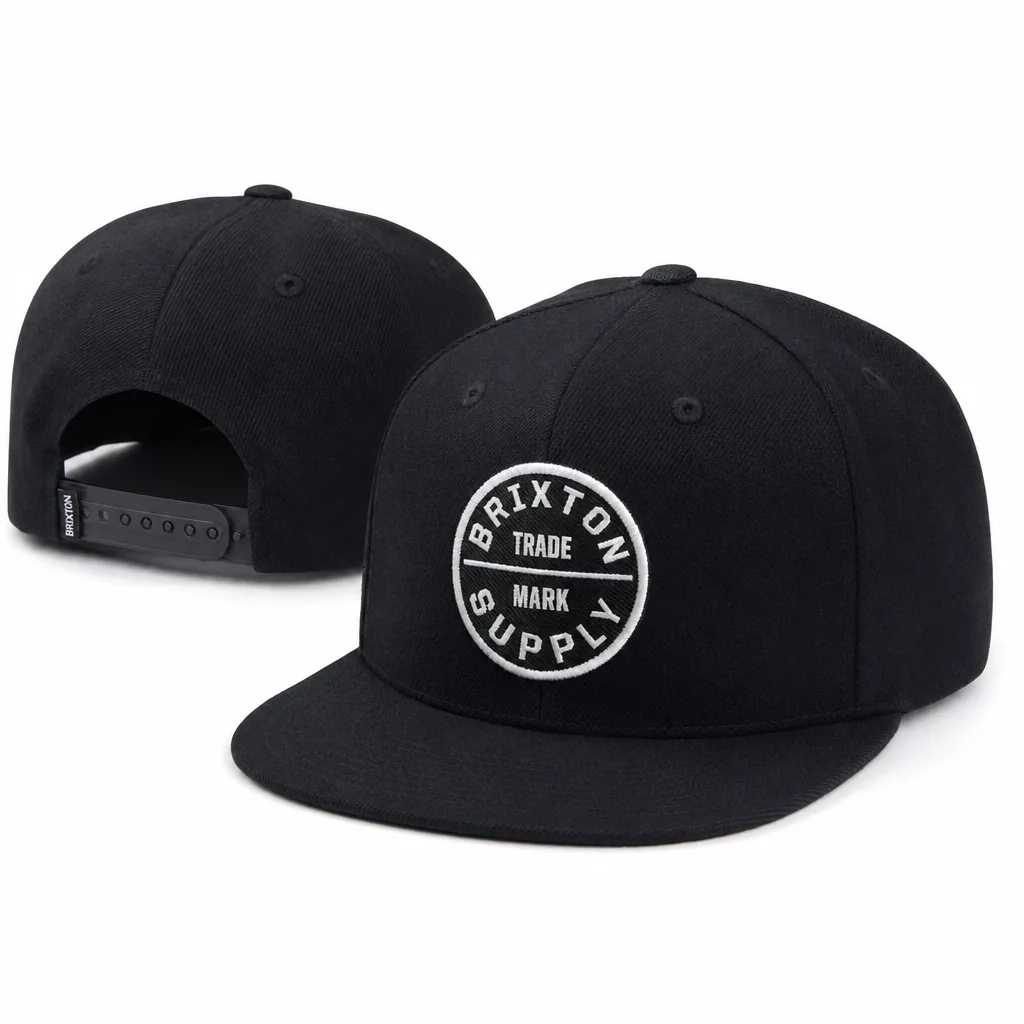
Baseball Hats Snapback: A Vertical-Specific Sourcing Guide
Read article →We hope this guide demystifies organic cotton cap wholesale custom: a 2026 b2b sourcing guide and helps you move forward with confidence. If you have questions specific to your project, our English-speaking sales engineers are one message away.