
Negotiating with a China Hat Manufacturer: 12 Tactics That Actually Work - 2026 Buyer's Guide
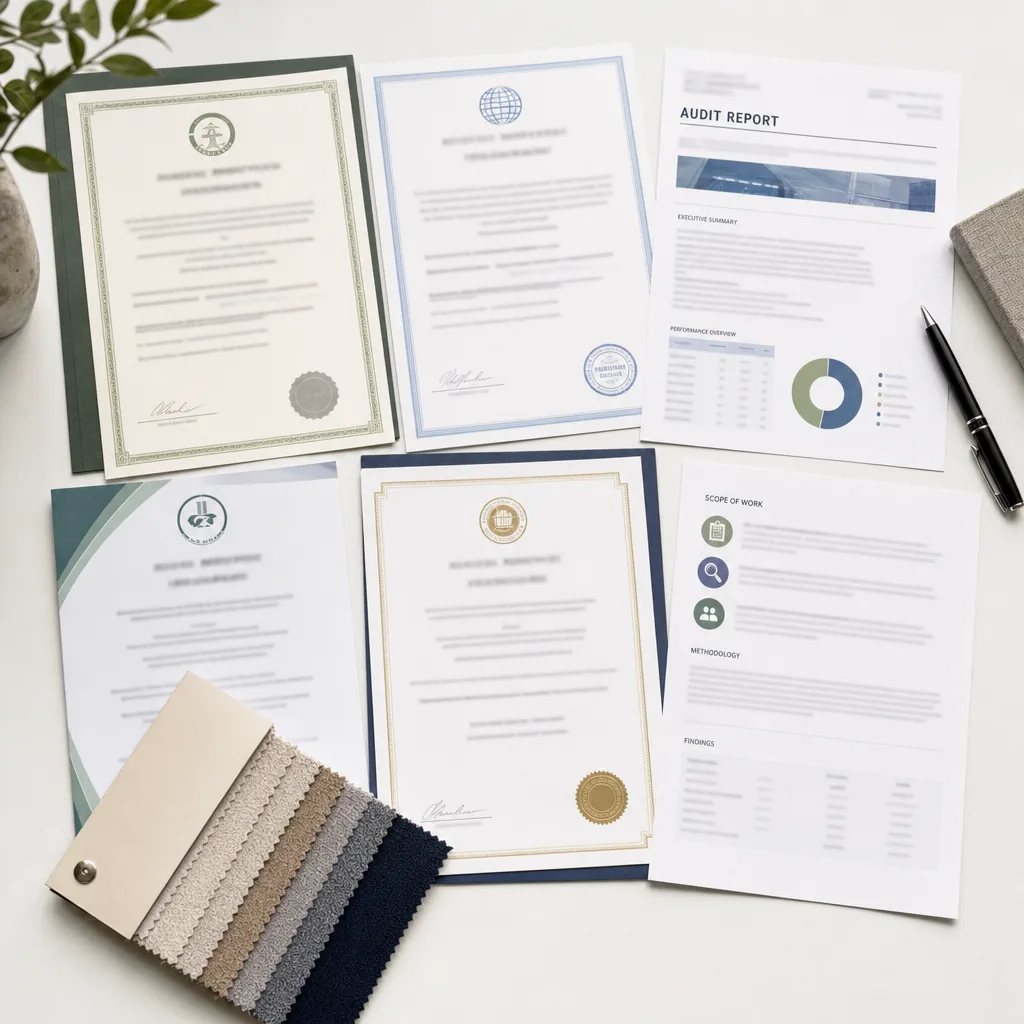
For brand owners, wholesalers and procurement teams entering the custom headwear category, negotiating with a china hat manufacturer: 12 tactics that actually work - 2026 buyer's guide is one of the highest-leverage decisions you will make. Get it right and your unit economics, retail story and reorder cycle all improve. Get it wrong and you carry the cost for years.
The negotiating dynamic factories actually see
The first quote from a Chinese cap factory is usually padded for risk, not padded for sport. On programs under 1,200 pcs per style, it is normal to see 15% to 25% contingency baked in for sampling revisions, embroidery re-digitizing, RMB/USD movement, and dead stock on custom trims like molded silicone patches or branded metal buckles. That buffer grows when the spec is messy: three colorways at 144 pcs each, youth-and-adult size splits, metallic thread, or raised 3D embroidery that slows Tajima or Barudan heads, increases thread breaks, and drags actual output below the clean planning rate. Once a style is repeating at 5,000 pcs or more with stable artwork and confirmed materials, the cushion often tightens to 8% to 15% because fabric yield, trim booking, and line efficiency are easier to model. If you understand that before you negotiate with chinese hat manufacturer teams, the discussion gets factual fast: you are not challenging their attitude, you are testing which risks are real and which are just priced in.
Factories protect margin when variables stay open. Unapproved Pantone TCX references, artwork changes after digitizing, payment terms beyond the standard 30/70 T/T, and inefficient carton loading all raise the factory’s exposure long before production starts. A straightforward 6-panel cap in 260 gsm cotton twill with flat embroidery, stock sweatband, and a standard brass buckle may still have $0.18 to $0.35 per piece to work with. Add appliqué, printed seam tape, woven inside labels, individual polybags, or a color tolerance tight enough to require shade sorting to Delta-E below 1.0, and that room disappears quickly. Buyers get better results when they remove cost drivers one by one instead of demanding an arbitrary 20% cut.
The best concessions usually come from operational simplification, not tougher language on WhatsApp. Merge two similar colorways into one dyed lot, accept an in-stock closure instead of a custom die-cast buckle, standardize label dimensions, or ship FOB rather than forcing a last-minute airfreight deadline, and the factory can release real savings without compromising AQL 2.5 performance. MOQ works the same way: 300 pcs split across three body colors is expensive because it fragments cutting, embroidery setup, QC, and packing; 600 pcs in one shell fabric with only logo changes is far easier to run. The practical way to negotiate with chinese hat manufacturer partners is to trade certainty for price: lock the tech pack, confirm packaging, define the inspection standard, and specify real materials such as 108 x 58 cotton twill, 300D buckram, and 72 pcs per master carton. If savings cannot be traced to material cost, labor minutes, machine time, or defect risk, the number usually does not move much.
Tactic 1-3: MOQ and quantity flexibility
The fastest way to negotiate with chinese hat manufacturer pricing is to ask for a full tier sheet on day one, not a single quote. I tell buyers to request the exact same cap spec at 100, 300, and 1,000 pieces, with decoration, closure, fabric, and packaging held constant. That exposes where the real cost drops sit: material utilization, setup spread, and labor efficiency. On a typical 6-panel brushed cotton twill cap, you might see FOB Ningbo move from $4.10 at 100 pieces to $3.05 at 300 and $2.38 at 1,000, while the embroidery tape, sweatband spec, and 250 gsm fabric stay unchanged. If a supplier gives you flat pricing across those breaks, they are either padding the small run heavily or they do not control their own production well. At CrownsForge, our standard practice is to separate mold/setup, fabric consumption, and trim cost so the buyer can see what part of the quote is actually negotiable.
The most practical moq negotiation is not begging for fewer hats; it is restructuring the order so the factory still hits efficient material and production thresholds. A good example is a 300-piece order split into three colorways of 100 each, using the same 16x12 twill, same visor sandwich, same back closure, and matching embroidery stitch count. For the china hat factory, that can still work if all colors are booked against the same greige fabric family or stock Pantone-adjacent dyed lots, because the cut plan remains efficient and trims are shared. This is how buyers lower hat price without forcing the factory into a truly uneconomic 100-piece custom run. In hat factory price negotiation, the key question is whether the MOQ is driven by fabric dyeing minimums, embroidery setup time, or sewing line changeover. Those are three different problems, and each has a different solution.
One cap manufacturer discount tactic that actually works is asking whether the factory has leftover cuttable fabric from a prior run that matches your spec closely enough to use at a discount. Every busy plant ends up with partial lots: maybe 35 meters of 10 oz cotton canvas, maybe a remainder of 600D polyester in black, maybe undervisor fabric that is too small for a full repeat order but perfect for 120 to 180 caps. If you are flexible on exact shade tolerance, such as accepting a Delta-E within commercial range against a Pantone TCX target, that leftover can cut fabric cost materially. I have seen buyers save $0.18 to $0.45 per cap this way on small programs, especially when the alternative is opening a fresh dyed lot below the mill minimum. When you negotiate with chinese hat manufacturer teams, ask directly for deadstock or balance-lot options instead of only pushing unit price; that gets you into real factory economics instead of performative bargaining.
Tactic 4-6: Sample fee and setup cost
Get the refund trigger onto the PI; that matters more than haggling a sample fee from $65 to $55. In the cap trade, a pre-production sample for a standard 6-panel 108x58 cotton twill hat usually runs $35 to $80, while anything involving 3D puff embroidery, woven patch application, contrast sandwich brim, custom inside taping, or retail packaging lands closer to $90 to $160. The weak point in most offers is not the fee itself but the wording: “refundable in bulk order” means nothing unless the proforma invoice states the quantity threshold, time limit, and credit method. A practical counter for an existing block, stock buckram, and one embroidery location is full sample-fee credit against the first order of 300 pieces per style within 90 days; many factories open at 500 pieces because buyers fail to pin it down. Also separate a fit sample from real development work. A fit sample made on an existing pattern with standard closure, stock sweatband, and no new trims should not be billed like a proto that requires new labels, custom tape, hangtags, packaging dielines, and construction changes. If you regularly negotiate with Chinese hat manufacturer teams, this is where margin leakage happens: they blend a simple salesman sample and a true development sample into one inflated number. Force the factory to list each sample type on the PI, along with whether the charge is refundable, partially refundable, or non-refundable. That one edit usually saves more than arguing over unit price later.
Setup charges are where factories hide soft costs, so break every item apart before approving. For embroidery, ask them to separate digitizing, sew-out, thread matching, and revision labor instead of using one vague “logo setup” line. A fair structure is one complimentary digitized file for artwork up to about 10,000 to 12,000 stitches, with normal tuning included during sample approval. On Tajima, Barudan, or ZSK heads, density adjustment, underlay correction, pull compensation, and trim cleanup are standard production prep, not premium engineering. Reasonable add-ons are $15 to $30 for minor text edits and $35 to $60 for a full re-digitizing when stitch direction, lettering width, or foam-puff structure changes materially. Apply the same discipline to color and trim development. One initial thread or fabric match to a stated Pantone TCX or Pantone Coated reference should be included; extra lab dips, thread pulls, or trim sourcing after buyer-side changes usually justify $10 to $25 per additional colorway. For caps, demanding a perfect lab-grade match on every thread lot is unrealistic, especially on acrylic-wool blends, brushed cotton, or recycled polyester, so set a visual approval standard and discuss acceptable variance up front. Our standard practice is to document whether the match is visual only or held to a target Delta-E range, because that affects both approval risk and repeat-order claims. If the factory refuses to itemize setup costs, assume the quote has padding in it.
Tactic 7-9: Payment terms and currency
Payment terms only improve when you reduce the factory’s cash-flow risk. For a first PO, most cap suppliers in Zhejiang and Guangdong hold the line at 30% deposit and 70% before shipment; if your order uses custom-dyed cotton twill, imported metal closures, woven labels, or branded inner taping, 50/50 is common because the factory prepays mills, trim vendors, and embroidery capacity before cutting starts. The right moment to negotiate with chinese hat manufacturer partners is after 2 to 3 repeat orders with no chargebacks, no approval delays, and remittance made exactly per PI. In real terms, net 15 to net 30 on the balance usually appears only when you are running 3,000 to 5,000 pcs per style, maintaining forecast stability, or spending roughly $60,000 to $100,000 annually with one vendor. Push the structure, not the headline percentage. Keep the deposit tied to hard exposure—fabric booking, buckram, sweatband, closure trims, and Tajima or Barudan embroidery scheduling—then ask for the balance to move to against copy B/L, 7 days after vessel departure, or net 15 after goods receipt following passed AQL 2.5 inspection. That framing is credible because it matches the supplier’s actual risk. Our standard practice is to reject vague promises like “better terms next time” and put every trigger into the PI: shipment milestone, inspection basis, document set, and late-payment interest if applicable. If the supplier resists, ask whether the blocker is bank credit, export tax rebate timing, or raw-material cash-out; each requires a different solution.
Currency risk is where buyers often give back the discount they fought for. Any PO above about $20,000 should lock the quote in USD, define the exchange-rate basis, and set a validity window for material booking—normally 7 to 10 calendar days from PI issue. Leave that open on a 35 to 60 day production cycle and a 2% to 4% RMB move can wipe out your negotiated savings, especially when the factory is paying for cotton twill, recycled polyester, visor board, PE sweatband tape, polybags, and master cartons in RMB. If you need lab dips to match Pantone TCX, or you are approving strike-offs and woven labels in stages, state exactly which costs are fixed and which are subject to re-quote. Lock every side charge with the same discipline as the unit price. Sampling couriers, digitizing, mold or die fees for metal badges, third-party testing, and carton upgrades are the usual places where exchange-rate creep reappears. For first orders, protected payment channels such as Alibaba Trade Assurance or bank-backed escrow are sensible, even if they add roughly 1% to 3% versus straight T/T. A factory that already works under sedex-audit-cap-supplier-guide.html">BSCI 2.0 or Sedex SMETA 4-Pillar discipline should not treat that as unusual. If they quote in RMB instead of USD, ask for the exact conversion rate, the source bank, and the date the rate expires; otherwise you are not negotiating price, only accepting future variance.
Tactic 10-12: Long-term commitment leverage
Annual volume only creates leverage when the commitment changes the factory’s planning, not just the headline quantity. If you want to negotiate with chinese hat manufacturer teams effectively, stop haggling line by line and offer a 12-month frame agreement with fixed style families, quarterly call-offs, and booking visibility at least 60 to 90 days before ex-factory. A program of 12,000 caps split into four releases of 3,000 lets the factory reserve 260-280 gsm cotton twill, PE buckram, matching sweatband tape, visor board, and closures before domestic yarn and trim prices move. It also reduces hidden conversion loss: fewer crown-block changeovers, fewer embroidery file edits, less sampling churn, and better line balancing across cutting, sewing, and finishing. On repeatable bodies like 6-panel dad caps, unstructured brushed chino caps, or 110 truckers using the same shell fabric and snapback, that usually supports a real 4% to 8% FOB reduction versus spot buys. Ask for a style matrix with SKU count, Pantone TCX references, decoration map, carton split, and ship windows locked up front; otherwise the factory will protect margin somewhere you notice later, usually lower stitch density, weaker fabric yield control, or slower rework response.
Exclusivity is only worth discussing when it is narrow enough to audit and backed by volume the factory can bank on. No serious cap supplier will accept vague promises like "protect my market," but a defined restriction on one SKU family can be negotiated if the opportunity cost is covered—typically 5,000 to 8,000 pieces per year, or a committed annual spend that keeps the line loaded. The cap spec has to be exact: crown profile, fabric composition, Pantone TCX shade, closure type, visor finish, seam tape, and decoration method, whether that is flat embroidery, 3D puff on Tajima or Barudan heads, a woven patch, or a sublimated inside label. Write the clause around identical artwork plus identical construction, not around broad concepts like "similar design." Tie it to forecast accuracy, MOQ per drop of roughly 1,000 to 1,500 pieces per colorway, and a hard expiry date. The real leverage is not another $0.20 off unit price; it is priority during August to November, when embroidery heads, taping stations, and QC tables are saturated, lead times slip from 35 days to 50+, and weak forecasts end up shipping DDP air at the buyer’s cost.
What NOT to negotiate
Do not bargain away quality control to save pennies. When you negotiate with chinese hat manufacturer options, AQL 2.5 for major defects and 4.0 for minor defects should be the baseline on finished caps, not an upsell. On a 3,000-piece order of structured 6-panel baseball caps, adding stricter inline checks, measurement reports, and a proper final random inspection usually moves cost by only $0.03-$0.07 per piece. The failure cost is far higher: front embroidery drifting more than 2 mm off center, brim curvature collapsing after carton compression, 24L snap closures cracking, top-button mismatch, seam puckering at the front panel, or crown shade variation above Delta-E 1.5-2.0 under D65 lighting. Buyers who accept AQL 4.0 across the board, “general inspection only,” or no tolerance sheet are basically waiving leverage before shipment. Once cartons are sealed by lot, sorting defects becomes slow, expensive, and easy for the factory to blur across production dates. Do not compromise on inspection access or cash flow discipline either. A capable supplier should allow SGS, Intertek, or Bureau Veritas at inline, mid-production, and pre-shipment stages, with random carton selection, needle-control or metal-detection logs where required, measurement records, and defect photos tied to lot numbers. If a factory resists third-party inspection, shows only approval samples, or substitutes internal QC reports for independent checks, that is a bigger red flag than a quote that is $0.15-$0.20 cheaper. The same applies to payment terms: for custom hats, 30% deposit and 70% against inspection approval remains the most bankable structure because fabric booking, Pantone TCX lab dips, Tajima or Barudan embroidery sampling, labels, closures, and packaging all require cash before bulk sewing is complete. If a factory eagerly accepts 10% down on a highly customized order with new trims or special packaging, assume the order may be underfunded and vulnerable to delays, line-switching, or silent material substitution. If you want real savings, negotiate the cost drivers, not the safeguards. On caps, the biggest levers are usually stitch count, fabric grade, trim complexity, and packing method. A 12,000-stitch front logo can often be redigitized on Tajima or ZSK heads to 8,500-9,000 stitches without hurting appearance, saving around $0.05-$0.12 per cap. Switching from imported wool blend to local 16x12 brushed cotton twill, eliminating a sandwich visor color, standardizing on one buckle finish, or moving from individual polybags with barcode stickers to bulk inner-carton packing can save another $0.08-$0.40 per piece depending on volume. Those are real negotiations. Cutting BSCI 2.0 or Sedex SMETA 4-Pillar transparency, weakening QC thresholds, or starving production with unrealistic payment terms is not negotiation; it is just moving risk from the quote sheet into your delivery date, claim rate, and brand reputation.
How factories signal genuine vs. fake price drops
A real price drop has an engineering trail. If a factory suddenly cuts 8% to 15% off a cap quote, that reduction should map to a changed BOM, process, or packing spec you can verify line by line: 300 gsm brushed cotton twill changed to 240 gsm regular twill, a 12,000-stitch flat embroidery switched to a 1-color plastisol print, or individual polybags with barcode stickers replaced by bulk packing at 25 pcs per inner carton. When you negotiate with chinese hat manufacturer suppliers, the safest signal is not a salesperson saying management approved a better number; it is a revised quotation tied to a revised tech pack, with fabric, trim, labor, decoration, and carton details all updated. If the crown structure, buckram, visor insert, closure, sweatband, decoration method, and packing spec are supposedly unchanged, a large discount is usually margin theater, not efficiency. Fake reductions normally show up 20 to 40 days later as quality drift. The factory accepts your target FOB price, then recovers margin through softer front-panel buckram, a lighter PE visor board, lower embroidery density on Tajima or Barudan heads, thinner sweatbands, or unapproved trim swaps. I have seen nominal 16x6 brushed twill delivered closer to a cheaper 14x14 construction, with shade deviation above Delta-E 1.5 against the approved Pantone TCX and embroidery edges drifting beyond a 1.0 mm tolerance. You usually catch it only during inline inspection or final random inspection at AQL 2.5, or after delivery when the peak feels soft and the crown collapses after light wear. A supplier that says “no problem” too quickly, without marking cost-down items on the tech pack, is often planning to outsource to a smaller workshop or shave quality where the buyer will not notice immediately.
The practical test is simple: ask the factory to annotate every savings point in writing and also confirm what will not change. That list should cover inspection level, embroidery backing weight, closure hardware plating, visor thickness, carton burst strength, labeling standard, and approved material substitutions. Credible savings are usually small and specific. Removing a woven flag label may save about $0.03 per cap; cutting embroidery from 6 colors to 4 often saves around $0.06 to $0.10 depending on stitch count; changing from custom individual boxes to standard export cartons can save $0.22 to $0.30 per piece. By contrast, an unexplained $0.20 to $0.35 reduction on a basic 6-panel baseball cap is already a red flag unless the supplier documents the offset clearly. The point is not to reject every lower price; it is to force traceability before production starts. Our standard practice is to treat any discount without a corresponding spec revision as high risk, because undocumented savings usually come back as rework, claims, chargebacks, or dead stock. Buyers who negotiate well do not chase the lowest number on the proforma invoice. They lock the factory into a written cost-down list, keep the approved sample and BOM aligned, and make sure any concession survives incoming material checks, inline QC, and final inspection under the same standard promised on day one.
Frequently Asked Questions
Do you support sustainability certifications?
Yes. We work with GOTS organic cotton, GRS-certified recycled polyester, OEKO-TEX Standard 100 fabrics, and are BSCI and Sedex audited. Certification documentation can be provided per order.
What is the minimum order quantity (MOQ) for custom hats?
Our standard MOQ is 100 pieces per design and color, with sampling available from 1 piece. For complex multi-color logos or premium fabric upgrades, the MOQ can be lowered with a small per-piece surcharge.
How long does production take?
Sampling takes 7 to 12 days. Bulk production runs 20 to 30 days depending on quantity, fabric availability and decoration complexity. Inspection and packing adds another 3 to 5 days before shipment.
What logo decoration techniques do you offer?
3D puff embroidery, flat embroidery, woven patch, leather patch, PVC patch, screen printing, sublimation, applique and laser etching, all in-house with no subcontracting.
Can I order a sample before bulk production?
Yes. We strongly recommend approving a pre-production sample before mass production. Samples are charged at 35 to 60 USD each plus express shipping, fully refundable against confirmed bulk orders over 500 pieces.
How does ordering baseball cap custom embroidery work?
When evaluating baseball cap custom embroidery, the key considerations are construction quality, decoration capability, MOQ flexibility and lead time. (4) Sample fee refundable against orders above a threshold (500 pieces typical, ask for 300). (5) Embroidery digitizing free on first design, paid only on revisions. (6) Free physical Pantone matching for first colorway, paid for additional Pantones. Factories quote with margin to absorb negotiation. First quote typically includes 15-25% margin headroom on smaller orders,…
What should buyers know about best hat embroidery machine?
When evaluating best hat embroidery machine, the key considerations are construction quality, decoration capability, MOQ flexibility and lead time. (4) Sample fee refundable against orders above a threshold (500 pieces typical, ask for 300). (5) Embroidery digitizing free on first design, paid only on revisions. (6) Free physical Pantone matching for first colorway, paid for additional Pantones. Factories quote with margin to absorb negotiation. First quote typically includes 15-25% margin headroom on smaller orders,…
How does ordering custom dad hat embroidery work?
When evaluating custom dad hat embroidery, the key considerations are construction quality, decoration capability, MOQ flexibility and lead time. (4) Sample fee refundable against orders above a threshold (500 pieces typical, ask for 300). (5) Embroidery digitizing free on first design, paid only on revisions. (6) Free physical Pantone matching for first colorway, paid for additional Pantones. Factories quote with margin to absorb negotiation. First quote typically includes 15-25% margin headroom on smaller orders,…
What should buyers know about best baseball caps for men?
When evaluating best baseball caps for men, the key considerations are construction quality, decoration capability, MOQ flexibility and lead time. Factories quote with margin to absorb negotiation. First quote typically includes 15-25% margin headroom on smaller orders, 8-15% on larger orders. Knowing this changes how you approach the conversation — you're not asking for a discount, you're testing whether the deal fits both sides. (1) Ask for tier pricing at multiple quantities (100, 300, 1000) up front; reveals real…
How to negotiate prices with a Chinese manufacturer?
Identify your ideal price range and walk-away point. Determine which terms (e.g., payment terms, lead time, or quality standards) you are willing to negotiate. Have alternative suppliers as backups in case negotiations don't go as planned.
Is it common to haggle in China?
In China, it's a tradition to ask for (and mostly give) a discount. Shopping in China requires haggling but have fun with it. If this is fun for you then it's probably fun for them too. As soon as it becomes nasty or, if you insult the vendor or their products, then you've lost and you're not going to get a deal.
Ready to start your custom hat project?
Send us your tech-pack, sketch or even just an inspiration photo. We will respond with a detailed quotation and digital mock-up within 24 hours.
Request a free quoteRelated guides
Fur Bucket Hat Women: A Vertical-Specific Sourcing Guide
Read article →
Fitted Hats For Men MOQ And Pricing Plan for Custom Hat Buyers
Read article →
5-Panel vs 6-Panel Caps: Construction, Use Cases and Cost Compared
Read article →Sourcing custom hats does not have to be complicated. With the right manufacturing partner, clear specifications and a small upfront investment in sampling, you can launch a retail-quality product in 30 to 45 days.