
Navy Bucket Hat: Properties, Costs and How to Spec It Right
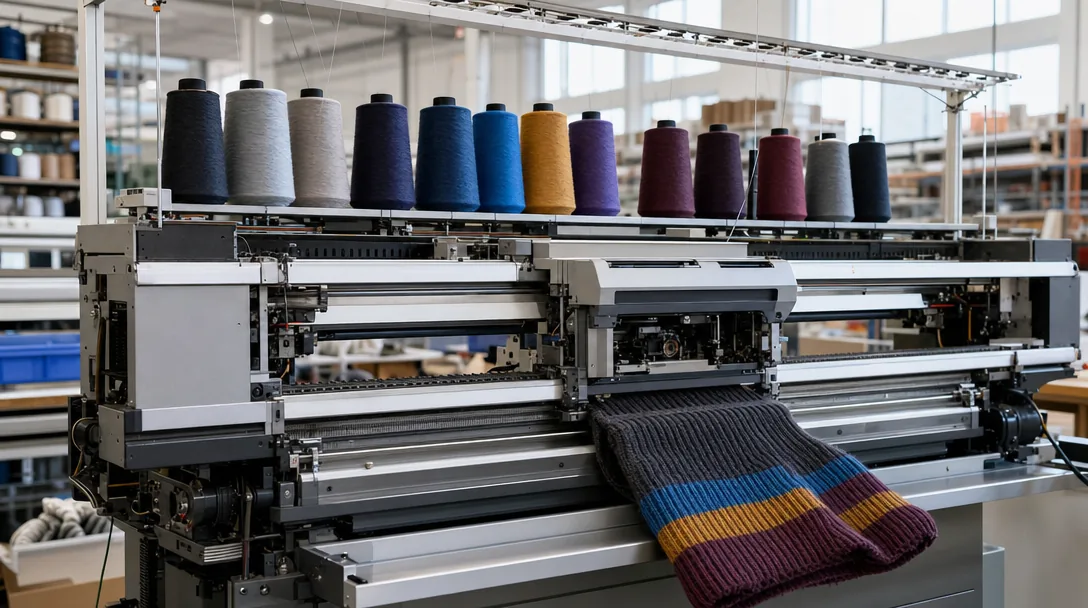
Every week, our sales team answers detailed questions about navy bucket hat: properties, costs and how to spec it right. We wrote this guide so that wholesalers, streetwear brands, corporate buyers and promotional resellers can compare options with full information, and avoid the traps that show up only after production has started.
Comparing your navy bucket hat options
Choose the fabric before approving the navy, because the same Pantone target shifts hard across fiber, weave, and finish. For a retail navy bucket hat, 10s/2 or 16s cotton twill at 260–320 gsm is the safest base: soft enough to wash down, but stable enough to hold a 5.5–6.5 cm brim without collapsing. If the look is cleaner and more streetwear, specify 280–300 gsm chino twill with light woven fusible on the crown panels; it gives sharper seam lines and less embroidery distortion. For outdoor or promo use, 190–210 gsm nylon taslan, 210D ripstop, or a 600D oxford underbrim will beat cotton on abrasion and light rain resistance, though the hand feel is less premium. Do not approve “dark navy” from a phone photo. Call out Pantone 19-4024 TCX, 19-3923 TCX, or a physical brand standard, then set Delta-E at ≤1.5 for licensed goods and ≤2.0 for normal retail under D65 and store LED. Garment wash can shift navy by 0.5–1.0 gray scale grade, so lab dip, bulk roll, wash recipe, and approved standard must be locked together.
Decoration should be engineered around the bucket shape, not copied from a flat logo file. On a washed cotton navy bucket hat, keep direct front embroidery around 7,000–9,000 stitches unless the crown has fusible or firm tearaway backing; above that range, puckering, wavy sweatband lines, and oval crown distortion are common. 40-weight polyester thread runs reliably on Tajima, Barudan, and ZSK heads and holds color better through wash testing than rayon, although rayon has a softer shine. Heavy 3D puff is rarely right on an unstructured bucket: the foam crushes during packing, brim pressure pushes the front panel, and the mark looks swollen rather than premium. Better options are woven labels, heat-cut twill patches, felt appliqué, merrowed patches, or small flat embroidery under 6 cm wide. Always approve the strike-off on actual bulk navy fabric, not a white sample cap, because needle holes, bobbin tension, backing shadow, and thread contrast read much harsher on dark cloth. For DDP shipments in 58 x 42 x 38 cm cartons, tall silicone patches need paper shapers or lower packing density to avoid pressure marks.
MOQ and price depend more on fabric position, shade tolerance, and compliance paperwork than on sewing minutes. Stock navy cotton twill can usually run at 300–500 pieces per color, while custom-dyed navy often starts at 1,000–2,000 pieces because the dye house has vat minimums and each lab-dip round adds 5–7 days. Realistic FOB China pricing is US$2.20–3.80 for a plain cotton twill bucket, US$3.20–5.20 with flat embroidery or a woven patch, and US$4.50–7.50 for recycled nylon with GRS transaction certificates. Add cost for UPF 50+ treatment, PU coating, taped seams, printed lining, metal eyelets, sedex-audit-cap-supplier-guide.html">BSCI 2.0 or Sedex SMETA 4-Pillar documents, and brand testing such as azo, nickel release, CPSIA, or REACH SVHC. Bulk inspection should use AQL 2.5 for major defects and AQL 4.0 for minor. The failures I see most are circumference outside ±0.5 cm, uneven brim width, twisted crown seams, skipped stitches, oil marks, mixed-shade panels, wrong care-label wording, and decoration off center by more than 3 mm. Approve the pre-production sample after wash and pressing, not only the clean line sample.
Corduroy Hat Wholesale
Approve the wale count and navy shade as one package, because corduroy changes color with pile direction. For a navy bucket hat, 14-wale or 16-wale cotton corduroy at 220–280 gsm is the safest wholesale fabric: the ribs are fine enough for a clean 5.5–6.5 cm brim and do not overload the side seams. Wide 8-wale corduroy works for a women’s fashion drop, but it thickens folded seam allowances and makes embroidery under about 35 mm look lumpy. I would only spec 300 gsm when the buyer wants a winter hand and accepts higher carton weight, usually 12–15 kg more per 1,000 pcs than 240 gsm fabric. Cotton-spandex with 2–3% elastane gives a softer fit but weakens brim recovery after washing and steam pressing. Polyester corduroy can cut FOB cost by $0.30–$0.60 per hat and improves dry-rub fastness, but the shinier face suits promo orders more than retail. For navy, call out a Pantone TCX target, approve lab dips within Delta-E 1.5, and require one-way pile cutting markers so panels do not shade like mixed lots.
The tech pack needs more detail than “bucket hat,” because corduroy exposes lazy pattern work. A six-panel crown, 8–10 rows of brim stitching, and a 10–12 mm cotton twill sweatband give the most stable silhouette after carton compression. Four-panel bodies are cheaper to sew, but they twist more on fine-wale corduroy, especially above 8.5 cm crown height or with a flat-cut brim. If the navy bucket hat needs a chin strap, use removable polyester cord with a plastic toggle and reinforce the eyelet zone with backing; bare metal eyelets crush the pile and can fray after a few wears. Typical MOQ is 300–500 pcs per color using stock navy corduroy, or 1,000–2,000 pcs for custom-dyed fabric. Realistic FOB Yiwu/Ningbo pricing is $3.20–$4.80 for a plain style, and $4.50–$6.80 with embroidery, woven label, enzyme wash, and individual polybag. Pre-production samples normally cost $40–$80 and take 7–10 working days after artwork and Pantone confirmation.
QC must catch pile defects before sewing, because shade banding and crushed ribs cannot be repaired at final inspection. Incoming rolls should be checked for wale spacing, skew, crocking, roll-end shade variation, and pile direction before cutting; our standard practice at CrownsForge is to mark panel direction on the cutting ticket, not just on the fabric roll. Use AQL 2.5 for major defects and AQL 4.0 for minor defects, with corduroy-specific tolerances: brim width within ±3 mm, crown height within ±5 mm, panel symmetry within ±4 mm, and no visible needle burn, rib crushing, skipped stitches, or shading between crown panels. Embroidery needs its own trial because stitches sink into the pile. On Tajima, Barudan, or ZSK heads, reduce density versus cotton twill, test satin columns, and choose tearaway or cutaway backing based on logo size and stitch count. Keep small logo strokes above 4 mm; below that, a woven patch, felt appliqué, or rubber label is usually cleaner.
Wholesale Hat Manufacturers Usa
Buyers typing “wholesale hat manufacturers usa” usually want speed, but they often find decorators, not true hat factories. Most U.S. suppliers pull imported blanks from China, Vietnam, Bangladesh, or Indonesia, then add Tajima, Barudan, or ZSK embroidery, woven patches, DTF transfers, heat-pressed badges, or leather labels domestically. That model is useful for 48–144 units needed in 3–10 days, especially events, staff uniforms, or promo resale, but it gives weak control over the base navy bucket hat. A solid U.S.-stock blank typically costs $9–18 before decoration; flat embroidery adds $3–8 depending on stitch count, backing, thread changes, and hooping difficulty. True domestic cut-and-sew is usually $18–35 per piece at 100–300 units, and many shops are closer to sample rooms than repeatable production lines. Bucket hats expose poor sewing fast: uneven brim radius, twisted side seams, bad crown easing, puckered top panels, and wavy double-needle topstitching are much harder to hide than flaws on a structured cap.
Spec the navy bucket hat as a controlled textile item, not “navy fabric with a logo.” For cotton, start with 260–320 gsm cotton twill, 10–12 oz cotton canvas for a heavier streetwear hand, or a cotton-poly blend if wash shrinkage must stay under 3%. For outdoor, resort, festival, or team use, 228T nylon taslan, 150D polyester pongee, or 210D recycled polyester with PU coating handles rain, sweat, and packing abuse better than cotton. Define navy by Pantone TCX, for example 19-3923 TCX, then approve a lab dip under D65 with Delta-E below 1.0–1.5 against the signed standard. The tech pack should lock crown height, brim width, panel count, seam allowance, sweatband fabric, lining, topstitch row count, eyelet type, wash treatment, and packed shape. If there is a chin cord, bar-tack the anchor points and test cord-lock slippage; I reject locks that move under a 5 kg pull. At CrownsForge, a dyed-fabric custom bucket hat normally starts at 300–500 pieces per color, with FOB China pricing around $2.80–6.50 depending on fabric, lining, wash, and decoration.
Choose the supply route by risk tolerance, not by the word “USA” in the search result. A U.S.-decorated stock navy bucket hat is sensible for rush giveaways, beach promos, and simple branding where Delta-E 2.0–3.0 shade variation will not become a claim. Retail, licensed sports, and college programs need factory-level controls: lab dips, a sealed pre-production sample, inline inspection, and final inspection to AQL 2.5 before shipment. On the floor, I check shade under D65 and TL84, brim symmetry within 3 mm, seam allowance consistency, skipped stitches, needle cuts, loose threads, and embroidery registration after running on Tajima, Barudan, or ZSK heads. Do not assume a supplier good at acrylic beanies or organic knit caps can sew clean bucket hats; flat knitting and cut-and-sew headwear use different machines, operators, and QC logic. For beach, festival, and team orders, require colorfastness to rubbing and perspiration under ISO 105 or AATCC equivalents. For licensed programs, ask for current BSCI 2.0 or Sedex SMETA 4-Pillar records before issuing the purchase order, not after production starts.
Corduroy Bucket Hat
Navy corduroy punishes sloppy cutting before it ever reaches the sewing line: if one panel is cut against the nap, that panel will read black-blue while the next reads dusty navy under store lighting. For a clean navy bucket hat, the cutting marker must show nap arrows on every crown panel and brim ring, with the wale normally running crown-to-brim and the ply stack kept low enough to avoid shifting; I do not like more than 20–25 plies for cotton corduroy. The safest streetwear spec is 11-wale 100% cotton corduroy at 280–320 gsm, which gives a rounded bucket shape without feeling stiff. Finer 21-wale at 220–260 gsm is softer and more packable, but the brim loses structure unless you add light woven interlining. Polyester-rich corduroy may reduce FOB China by USD 0.30–0.60 per piece, yet dark navy versions often look shiny and show pale stress marks at seam turns. Stock navy typically works at 300–500 pieces per color; custom Pantone TCX navy lab dips usually need 1,000–1,500 pieces to keep dye lots consistent. Realistic FOB is USD 3.20–5.80, driven by lining, sweatband, logo method, and whether the brim has 4, 6, or 8 stitch rows.
QC should prioritize wale alignment, pile bruising, shade variation, brim symmetry, and size grading; loose thread trimming is secondary on corduroy. Our standard practice at CrownsForge is to test navy corduroy before bulk cutting for rubbing fastness under ISO 105-X12, with minimum Grade 4.0 dry and 3.5 wet, because weak navy dye can transfer onto white hoodie collars, hangtags, or retail fixtures. Finished inspection should use AQL 2.5 for major defects and AQL 4.0 for minor defects, plus a fixed measurement jig for head circumference, crown height, brim width, and brim drop; tape-only measurement on a soft bucket hat creates inconsistent calls between inspectors. Major defects include twisted brim rings, crushed pile at the front seam, panel-to-panel shade difference above Delta-E 1.5–2.0, off-center embroidery, and needle cutting visible along the wale. Sewing specs should call for 6–8 SPI on crown seams, brim stitch rows spaced 6–8 mm, and steam shaping with a padded form. Direct hot-plate pressing flattens the ribs and leaves glossy patches that cannot be brushed out after packing.
Decoration on a corduroy navy bucket hat should be restrained, because the pile fights fine detail. Flat embroidery on Tajima, Barudan, or ZSK heads needs edge-run plus zigzag underlay to bridge the valleys between wales; without it, 3–4 mm lettering breaks up after brushing. Keep text at least 5 mm high, use 75D/2 polyester thread for sharper definition, and avoid satin columns wider than 8–9 mm unless slight puckering is acceptable. Woven labels, felt appliqué, small leather patches, and low-profile chenille usually sit cleaner on corduroy than heat-transfer film, which leaves a permanent compression halo around the edge. A practical production spec is 11-wale navy cotton corduroy, cotton twill sweatband, unlined or light cotton-lined crown, 5.8–6.2 cm brim, and two sizes: S/M at 58 cm and L/XL at 60 cm, both with ±0.5 cm tolerance. For streetwear capsules, campus stores, and fall festival merchandise, corduroy works best as a transitional-season texture piece, not as a replacement for fleece-lined winter headwear.
Organic Cotton Hat
For an organic cotton navy bucket hat, lock the fabric and structure before accepting any sustainability claim. The practical choices are 10–12 oz GOTS or OCS organic cotton canvas for a firmer outdoor brim, 280–320 gsm organic cotton twill for a smoother retail hand, or 16-wale organic cotton corduroy when texture matters more than shape retention. Canvas survives enzyme wash, garment dye, and repeated folding better; twill photographs cleaner but usually needs brim reinforcement; corduroy crushes easily in bulk cartons and shows pressure marks if packed too tight. For a standard adult size, call out 58 cm circumference with ±5 mm tolerance, 8.5–9.0 cm crown height, and 5.5–6.5 cm brim width with ±3 mm tolerance. I use 0.8–1.2 mm PE board when the buyer wants a crisp brim, or two layers of self-fabric when the brief is soft and packable. Do not let anyone substitute “organic cotton beanie” language into the tech pack; jersey beanies behave differently in stretch, recovery, and sizing, so they require a separate fit sample.
“Organic” must be documented at lot level, not supported by a mill PDF copied from last season. Require GOTS or OCS transaction certificates tied to the greige or finished fabric lot, and specify the navy with a real reference such as Pantone 19-4023 TCX or 19-3923 TCX. For shell, lining, binding, cord, and embroidery thread, Delta-E under 1.0 is the target for premium retail; under 1.5 is more realistic for bulk-dyed cotton, especially after enzyme wash. Stitching should be 6–8 SPI on crown seams, with brim topstitching spaced evenly at 6–8 mm between rows or called out as a single 2–3 mm edge stitch if the design is minimal. For a navy bucket hat with chin strap, use 10–12 mm flat cotton tape or 3 mm round cotton cord, antique brass or matte black eyelets, and bartacks that pass a 7–10 kg pull test. At CrownsForge, available organic navy fabric usually starts at 300–500 pcs per color; custom dyeing is closer to 1,000 pcs, with FOB Yiwu commonly at $3.20–$5.80 depending on certification, lining, embroidery, wash, and packing.
Bulk control is where organic cotton programs either protect margin or create chargebacks. Pre-shrunk fabric should stay within 2–3% dimensional change after one 30°C wash; untreated organic cotton can move 3–5%, which is enough to make a 58 cm navy bucket hat feel tight after wear. Before cutting, check shade bands under a D65 light box, crocking to ISO 105-X12, seam slippage, slub concentration, and oil contamination, because dark navy hides defects until pressing brings them out. Embroidery runs cleanly on twill using Tajima, Barudan, or ZSK heads with 75/11 needles and 40 wt polyester thread; corduroy needs water-soluble topping or a knockdown underlay, and lettering below 4 mm height is not reliable on 16-wale ribs. Final inspection should use AQL 2.5 for major defects and AQL 4.0 for minor defects, measuring circumference, crown height, brim symmetry, strap position, shade, stitch density, loose threads, and carton crush. My recommendation is organic twill for most mid-price retail, canvas for outdoor or promotional durability, and corduroy only for fashion drops where texture justifies the extra risk.
Bucket Hat with Strap
Anchor the strap system before grading a navy bucket hat, because the attachment point directly affects brim droop, side-seam tension, and wind lift. A fixed 3–4 mm cotton or polyester chin cord with acetate or metal aglets and a spring toggle is the most economical build, adding $0.18–$0.35 FOB at 1,000 pieces. It works for fishing, festivals, golf promotions, and outdoor giveaways, but reads visibly cheap when the cord navy is a half shade off the shell or the toggle is glossy black against matte twill. For retail, I prefer a removable strap using #0 or #00 brass eyelets, nickel-free plated eyelets, or 10 mm webbing loops caught into the side seam; that adds about $0.45–$0.90 and leaves a clean bucket silhouette when the strap is removed. For kids, marine, or workwear orders, use 10–12 mm nylon webbing with a breakaway buckle and set a pull-strength target around 8–10 kg for adults, with lower limits checked against the destination market’s child-safety rules. Do not copy a beanie accessory spec; a bucket hat needs brim stability, balanced side seams, and strap anchoring that will not distort the crown.
Fabric determines whether the strap looks engineered or bolted on. A 260–300 gsm cotton twill is the safest all-around shell for a navy bucket hat with strap: stable enough for a 5.5–6.5 cm brim, washable, and easy to embroider on Tajima, Barudan, or ZSK heads before the crown is closed. For outdoor programs, specify 150D–300D polyester taslan or nylon taslan with light PU coating; if rain resistance matters, call for 600–1,000 mm hydrostatic pressure rather than saying “waterproof.” Coated fabric needs sampling because embroidery needles can pucker the face, heat-transfer labels may lift at the edges after wash testing, and eyelets can crack the coating if the back washer is too narrow. For washed cotton, approve the bulk dye against Pantone 19-4013 TCX or 19-3921 TCX with Delta-E under 1.5; poor navy dye often turns reddish after enzyme wash. Corduroy is acceptable for fashion buckets, but I avoid it for functional chin straps because wale direction, side-seam bulk, and compression around the anchor points make the hardware look crooked.
A production-ready strap spec should include crown height of 8.5–9.0 cm, brim width of 5.5–6.0 cm for streetwear or 6.5–7.0 cm for sun coverage, 4-panel or 6-panel construction, and 8–10 rows of brim stitching at even spacing. Measure strap placement from center front to both anchor points and keep tolerance within 3 mm; if one anchor sits higher, the hat twists on the head and the complaint will be logged as a fit problem even when the circumference is correct. Our standard practice at CrownsForge is to approve the pre-production sample with the strap installed, not packed loose in the trim bag, because cord weight, toggle position, and hardware finish change the finished silhouette. Typical MOQs are 300–500 pieces per color for stock cotton and standard cord, 500–1,000 pieces for dyed-to-match straps and toggles, and 1,000+ pieces for custom molded stoppers or branded metal tips. Realistic FOB Yiwu pricing is $2.20–$3.40 for basic cotton with fixed cord, $3.60–$5.20 for removable hardware, and $5.50+ for coated outdoor shells. Inspect to AQL 2.5 major for strap slippage, eyelet burrs, shade mismatch, broken brim stitches, puckering, and brim waviness.
Corduroy Hat Womens
Wale count decides whether a women’s corduroy navy bucket hat looks refined or bulky. For most retail programs, I spec 100% cotton 14-wale corduroy at 260–300 gsm: the pile is visible, the crown still collapses cleanly, and the brim avoids the padded “mushroom” look. An 8-wale fabric at 320–360 gsm gives a stronger vintage hand, but I widen the crown opening by 3–5 mm and use softer 30–45 gsm nonwoven fusing in the brim; standard buckram makes small 56–58 cm sizes look swollen. Corduroy typically adds USD 0.35–0.70 per piece over washed cotton twill before decoration because nap direction must be controlled on every panel and cutting yield drops about 5–8%. I avoid low-grade polyester corduroy for women’s fashion orders because it turns shiny under 4000K retail LEDs, holds steam marks, and feels slick after pressing.
The tech pack must lock wale count, shell gsm, Pantone TCX navy target, Delta-E tolerance, crown depth, brim width, sweatband type, lining, label placement, and packing method. Navy corduroy should be approved by lab dip and bulk lot under D65 and TL84 light boxes, with Delta-E held under 1.5 against the signed standard; dark pile hides lint but exposes panel-to-panel shade mismatch immediately. Women’s one-size export hats usually run 56–58 cm, but I prefer an internal drawcord, elastic sweatband, or size adjuster because Japanese, EU, and U.S. fit expectations are not identical. For chin straps, reinforce side eyelets with self-fabric patches or dense bartacks, since corduroy can split along the wale after repeated pulling. Typical China FOB pricing is USD 3.20–5.10 for a plain corduroy bucket, or USD 4.20–6.50 with front embroidery on Tajima, Barudan, or ZSK heads; woven labels, metal cord tips, contrast lining, or branded sweatband tape add about USD 0.15–0.45.
Inspection has to start in cutting, not at final audit, because a reversed-nap panel cannot be fixed after the crown is closed. The cutting team should check roll shade, pile crush, barré, nap direction, and panel alignment before bundling. Finished goods should be inspected at AQL 2.5 for major defects and AQL 4.0 for minor defects; I treat twisted brims, panel shade variation, sewing-bed oil marks, loose chin-strap bartacks, broken topstitching, and embroidery puckering as major failures. A corduroy navy bucket hat also needs gentler packing than cotton twill: no vacuum packing, no over-compressed cartons, and tissue between layers for retail-grade orders. Our standard practice at CrownsForge is to approve a pre-production sample made from bulk fabric, not only the salesman sample, because first samples are often cut from cleaner roll ends than the cloth used in mass production.
Working with CrownsForge for navy bucket hat programs
Do not open a navy bucket hat program with artwork only; lock the compliance file, trim bill of materials, and Incoterms before the deposit invoice. Late rework usually comes from “small” items: nickel release on brass or zinc alloy eyelets, drawcord stopper pull-force, azo-free declarations on printed linings, and care-label content that does not match the actual fiber blend. For retail, collegiate, licensed sports, and children’s channels, the purchase file should state BSCI 2.0 or Sedex SMETA 4-Pillar, OEKO-TEX Standard 100 declarations where required, CPSIA for U.S. kids’ products, and REACH/SVHC documentation for EU sale. Navy cotton twill itself rarely fails compliance; trims and decoration chemicals are the weak point. For children’s sizing, cord length, toggle diameter, and small-parts risk must be reviewed at proto stage, not during final inspection. CrownsForge typically quotes 300–500 pieces per color using stock navy cotton twill, while custom Pantone TCX dyeing normally starts at 1,000–2,000 pieces because lab dips, vat setup, and shade-band control are real costs.
Treat navy as a measured color standard, not a screenshot from a brand deck. A basic retail navy bucket hat usually works in 260–300 gsm cotton twill; 10 oz cotton canvas gives a firmer brim and crown, while 75D or 150D polyester taslan is better for packable, water-resistant, or outdoor programs. The tech pack should list the Pantone TCX target, approved lab dip, fiber content, shrinkage limit after washing, and Delta-E tolerance under D65 light. Delta-E below 1.5 is realistic on controlled dyed fabric; stock navy lots often sit around 2.0–3.0, acceptable in isolation but risky when units from two lots sit together on a retail wall. Washed navy needs more caution because enzyme wash, pigment wash, and stone wash can shift shade after embroidery and change brim hand-feel. Run decoration trials on Tajima, Barudan, or ZSK heads using actual backing and thread. A small flat logo may add $0.25–$0.60 per hat; dense 3D puff, side wrap, or high-stitch embroidery can add $0.80–$1.80 and raise rejection risk.
Approvals, not sewing capacity, usually control the calendar. With stock navy fabric, bulk production after PP sample approval is commonly 25–35 days; custom-dyed, pigment-washed, or garment-washed navy bucket hat orders are closer to 40–55 days because lab dips, wash panels, shrinkage checks, and shade comments consume time before cutting. Write the inspection plan into the PO: AQL 2.5 for major defects and AQL 4.0 for minor defects, with measurable checkpoints for brim width, crown height, top-panel roundness, eyelet spacing, seam puckering, loose threads, embroidery placement, and panel-to-panel shade variation. For freight, FOB Ningbo or Shanghai is usually cleaner for importers with an appointed forwarder. DDP air to the U.S. commonly adds $1.20–$2.80 per hat depending on carton cube, chargeable weight, fuel surcharge, and destination ZIP code; ocean DDP is cheaper but dangerous near Q4 congestion. For a first run, 500–1,000 pieces with reserved greige or dyed fabric is safer than forcing the lowest unit price, because reorder shade matching matters on the shelf.
Frequently Asked Questions
Can I order a sample before bulk production?
Yes. We strongly recommend approving a pre-production sample before mass production. Samples are charged at 35 to 60 USD each plus express shipping, fully refundable against confirmed bulk orders over 500 pieces.
Do you support sustainability certifications?
Yes. We work with GOTS organic cotton, GRS-certified recycled polyester, OEKO-TEX Standard 100 fabrics, and are BSCI and Sedex audited. Certification documentation can be provided per order.
What logo decoration techniques do you offer?
3D puff embroidery, flat embroidery, woven patch, leather patch, PVC patch, screen printing, sublimation, applique and laser etching, all in-house with no subcontracting.
What file format should I send for my logo?
Vector files (AI, EPS, PDF) are ideal. High-resolution PNG or JPG at 300 dpi on transparent background works as a fallback. Provide Pantone color references for accurate reproduction.
Which shipping methods do you support?
We support FOB, CIF and DDP shipping. Air express for samples and small orders, sea LCL for 100 to 500 pieces, sea FCL for 5,000+ pieces. Door-to-door DDP available for US, EU, UK, Canada and Australia.
What should buyers know about organic cotton bucket hat?
When evaluating organic cotton bucket hat, the key considerations are construction quality, decoration capability, MOQ flexibility and lead time. Compare the realistic options here across specs, cost, durability and fit, with a recommendation by use case. Specifically for the angle of organic cotton hat: where relevant cover how it's made, the specs to request, typical MOQ and pricing, and QC checks, tying back to navy bucket hat. Compare the realistic options here across specs, cost, durability and fit, with a…
What should buyers know about corduroy bucket hat mens?
When evaluating corduroy bucket hat mens, the key considerations are construction quality, decoration capability, MOQ flexibility and lead time. Compare the realistic options here across specs, cost, durability and fit, with a recommendation by use case. Specifically for the angle of corduroy hat wholesale: where relevant cover how it's made, the specs to request, typical MOQ and pricing, and QC checks, tying back to navy bucket hat. Compare the realistic options here across specs, cost, durability and fit, with a…
What should buyers know about ralph lauren corduroy bucket hat?
When evaluating ralph lauren corduroy bucket hat, the key considerations are construction quality, decoration capability, MOQ flexibility and lead time. Compare the realistic options here across specs, cost, durability and fit, with a recommendation by use case. Specifically for the angle of corduroy hat wholesale: where relevant cover how it's made, the specs to request, typical MOQ and pricing, and QC checks, tying back to navy bucket hat. Compare the realistic options here across specs, cost, durability and fit, with a…
What should buyers know about womens bucket hat designer?
When evaluating womens bucket hat designer, the key considerations are construction quality, decoration capability, MOQ flexibility and lead time. Compare the realistic options here across specs, cost, durability and fit, with a recommendation by use case. Specifically for the angle of corduroy hat womens: where relevant cover how it's made, the specs to request, typical MOQ and pricing, and QC checks, tying back to navy bucket hat. Compare the realistic options here across specs, cost, durability and fit, with a…
Ready to start your custom hat project?
Send us your tech-pack, sketch or even just an inspiration photo. We will respond with a detailed quotation and digital mock-up within 24 hours.
Request a free quoteRelated guides
Psycho Bunny Bucket Hat: A Vertical-Specific Sourcing Guide
Read article →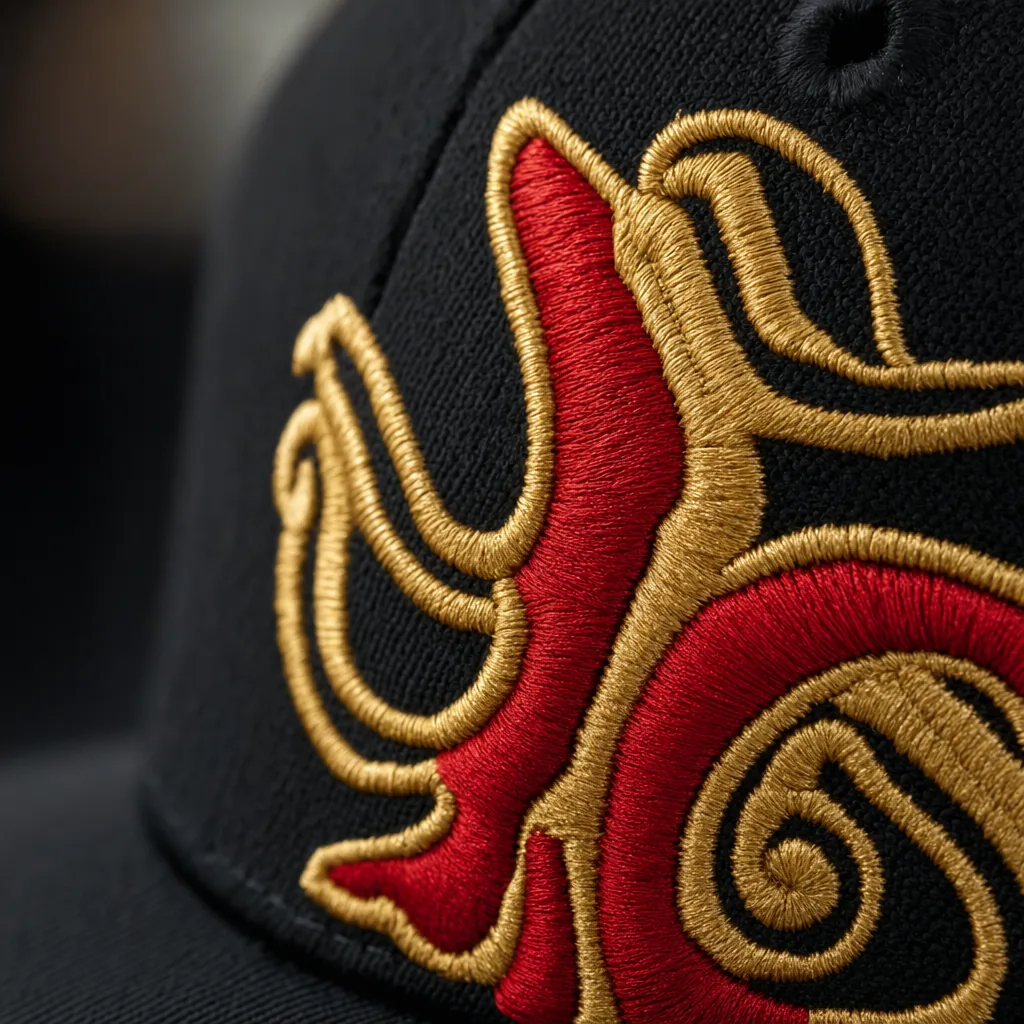
Hat With Patch Sample Approval Process for Custom Hat Buyers
Read article →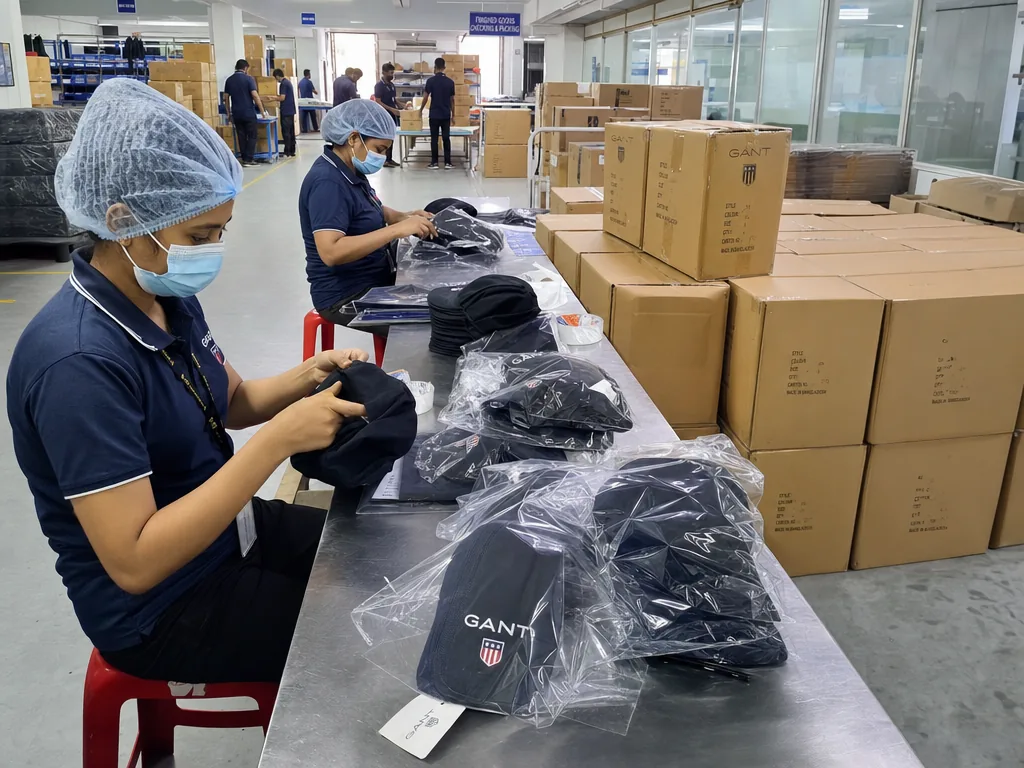
Building a Repeat-Order Workflow with Your Hat Factory - Supplier Checklist
Read article →Sourcing custom hats does not have to be complicated. With the right manufacturing partner, clear specifications and a small upfront investment in sampling, you can launch a retail-quality product in 30 to 45 days.