
Merino Wool Beanie: Properties, Costs and How to Spec It Right - Supplier Checklist - Supplier Checklist
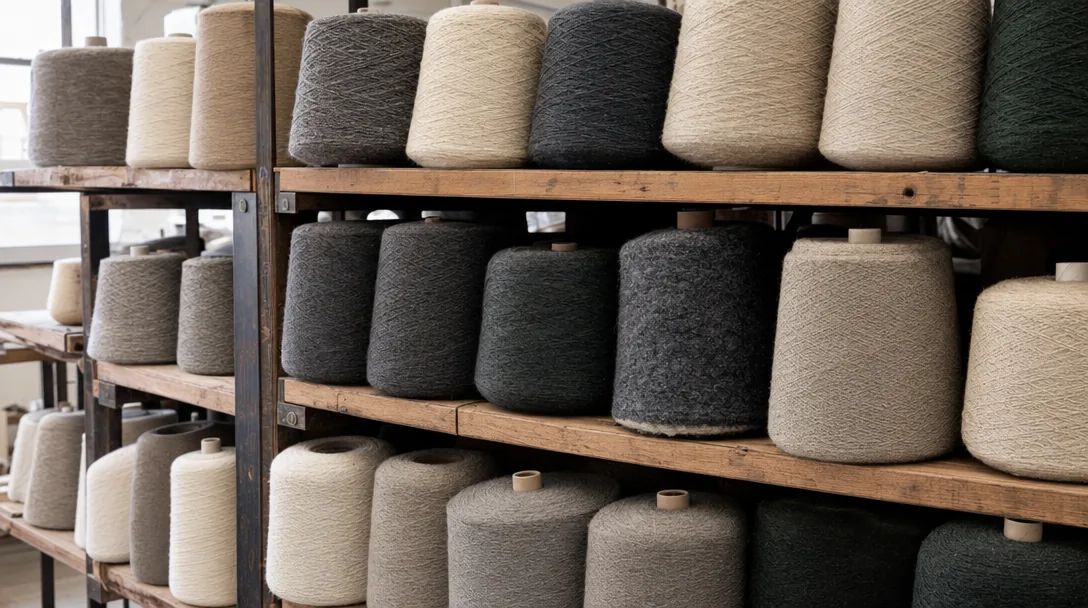
Every week, our sales team answers detailed questions about merino wool beanie: properties, costs and how to spec it right - supplier checklist - supplier checklist. We wrote this guide so that wholesalers, streetwear brands, corporate buyers and promotional resellers can compare options with full information, and avoid the traps that show up only after production has started.
Acrylic Beanie
An acrylic beanie is usually the first quote buyers get because it is fast to knit, easy to color match, and forgiving on MOQ. The common build is 100% acrylic or 95/5 acrylic-spandex in 1x1 rib, 2x2 rib, or jersey on a 7G to 12G flat knitting machine, then steam-blocked, linked, trimmed, and finished with a woven label, faux leather patch, or simple embroidery. For a basic 150-220 gsm cap, FOB Yiwu pricing typically lands around $1.20-$2.20 per piece at 500 pieces, rising to roughly $2.50-$4.50 once you add jacquard, a patch, or dense stitch embroidery. Against a merino wool beanie, acrylic clearly wins on price and throughput, but it gives up handfeel, odor resistance, and thermal balance in damp cold. That tradeoff is fine for promo programs and budget replenishment; it is weak for premium retail where buyers will compare fabric character in hand, not just on a line sheet.
The spec has to be written tighter than most buyers bother to do. Call out yarn count or denier, machine gauge, finished weight in grams, crown depth, cuff height, and stretch recovery, then lock color to Pantone TCX or an approved physical swatch, not a phone screen. Decoration needs the same treatment: embroidery density in stitches per square inch, patch dimensions, thread type, and placement tolerance. A knit body will move 3-5 mm under steam, so leave no ambiguity about what is acceptable. Ask for a pre-production sample, a size set, and a wash test after three home-laundry cycles at 30 C. Low-grade acrylic can relax, twist, or bag out after finishing; good yarn should return cleanly and keep the cuff edge from winking out after packing.
The recurring defects are predictable: uneven stitch tension, crown asymmetry, seam ridging, shade variation between dye lots, contamination yarn, and surface pilling after a few wears. Check the label area after steaming, because heat can distort the knit and make a centered logo look off even when the embroidery is technically on spec. Hairy acrylic is another tell; it makes the cap read tired before it leaves the carton. In practice, acrylic is the control sample in a knit program: if a factory cannot make a clean acrylic beanie, do not expect better discipline on a merino wool beanie, where finer gauge knitting, shrinkage control, and color consistency are less forgiving. For that reason, I would treat acrylic as the baseline only when price is the lead constraint, not when the customer is paying for fiber story or elevated handfeel.
Cotton Beanie
A cotton beanie is simple to knit, but it stops being simple once you specify handfeel, shrinkage, and color control. Most mills will use ring-spun combed cotton in the 16s to 32s yarn-count range, knitted on 12-gauge for a cleaner retail face or 7-gauge for a heavier, looser body, then crown-linked, steam-set, and trimmed with a woven label, embroidery, or a folded cuff. Put the exact fiber content, yarn count, gauge, finished weight in gsm, and post-wash dimensions on the tech pack; without those numbers you cannot compare it fairly with an acrylic cap or a merino wool beanie. Pantone TCX should be written into the spec, not handled as a verbal target, because dyed cotton can shift by Delta-E 2 to 3 when the dye lot or wash recipe changes. “Premium cotton” is not a usable term unless the supplier can show the yarn certificate and wash-test data.
MOQ for a plain cotton beanie is usually 300 to 500 pieces per color per style at factory level, with lower minimums only on stock yarns and higher ones once you add custom dyeing, enzyme wash, or specialty trims. A basic 100 percent cotton style typically lands around $1.20 to $3.20 FOB, depending on yarn quality, knit gauge, embroidery coverage, and finishing steps; dense logo embroidery, woven patches, and garment washing can move it up quickly. Buyers often benchmark it against a bucket hat because the labor stack is similar even though the fabric construction is different. Our standard practice is to lock the measurement sheet before decoration pricing, which prevents the common mismatch between a quoted blank and the final embellished cost.
QC on cotton knitwear should focus on repeatability, not just visible defects. Check yarn slubs, rib recovery, seam twist at the linking line, crown centering after steam-setting, pilling after abrasion, and color bleeding after wash; those are the failures that show up after the first retail season. AQL 2.5 is a normal final-inspection target, but in-process checks still need circumference, body length, cuff height, and stitch density recorded against the approved sample. If the program also includes other headwear SKUs, keep the spec format aligned across styles so the factory does not quietly downgrade yarn or trim. The real buying decision is whether you want a lower-cost cotton beanie with straightforward thermal performance, or a merino wool beanie with better insulation, recovery, and resale value; the spec should make that choice explicit before production starts.
Black Beanie Hat
The first defects I check are shade variation, pilling after abrasion, crown twist, loose linking at the seam, and weak stretch recovery on a 58 to 60 cm headform. Merino can feel soft even when the structure is poor, so softness alone is not evidence of quality. For a black beanie hat, I still want a seam pull test, a wash test with shrinkage held to 3 to 5 percent, and a dry/wet rub test for dye transfer, especially when the product will sit under light shirts, collars, or knitwear. AQL 2.5 is fine for general inspection, but I would tighten acceptance for retail packing or promo orders where visual consistency matters more than raw function. The real production questions are boring but decisive: where the yarn was sourced, what gauge the machine actually ran, how much finishing loss was expected, and how the black was corrected when the first strike-off missed target.
If those answers are vague, production usually is too. On the floor, I want the factory to name the yarn mill, machine type, and finishing sequence, not hide behind “standard process.” With merino wool beanie orders, a stable result usually comes from controlled knitting, disciplined shrinkage management, and a clear dye standard before bulk starts. The buyer should also ask for pre-production measurements on cuff height, body length, and crown shaping points, then confirm the first five to ten bulk pieces against the approved sample before release. That is especially important on black, because small defects disappear in low contrast and come back later as returns. The best spec sheet is not the longest one; it is the one that forces measurable answers and leaves the operator the least room to improvise.
Slouchy Beanie
A slouchy beanie is usually built in 1x1 or 2x2 rib at 7-gauge to 12-gauge, with enough crown length that it collapses instead of standing upright. For a merino wool beanie, the spec has to go beyond fiber content: lock yarn count, knit gauge, finished weight in grams, crown length, cuff depth if present, and the intended head-circumference range. I would also call out wash performance in writing, typically 30 C with shrinkage kept within 3% after laundering, plus pilling resistance at either 2,000 or 5,000 Martindale cycles. A 7-gauge build gives a heavier hand and more visible drape; 12-gauge reads cleaner and closer to fashion knitwear, but it is less forgiving if stitch density is too open. Pantone TCX should be named for every color, and repeat production should stay under Delta-E 2.0, otherwise shade drift becomes a constant dispute.
MOQ and cost depend on whether the mill has stock yarn or needs a custom dyelot. A practical MOQ is 300 to 500 pieces per color for stock-supported merino blends, and 800 to 1,200 pieces once you add custom-dyed merino, woven labels, specialty wash, or branded packaging. In Yiwu, a basic merino blend slouchy style often lands around $4.50 to $7.50 FOB, while 100% merino usually sits closer to $7.80 to $12.00 FOB depending on yarn origin, gauge, and whether the factory applies pre-wash or anti-felt treatment. That spread is not cosmetic: acrylic can mimic the look in photos, but it behaves differently in hand, recovery, and pilling. Our standard practice is to break knitting, washing, trim, label, and polybag into separate cost lines so the buyer can see whether the price is being driven by yarn, labor, or finishing.
The first defects I check are uneven crown taper, twisted side seams, loose yarn tails, shade banding between dye lots, and poor stretch recovery after packing. Merino shows bad wash control fast; if the anti-felt finish is weak or inconsistent, the hat can shrink 5% or more and lose the relaxed slouch the style depends on. Require pre-production handloom approval, in-line measurement checks, and final AQL 2.5 inspection for size, stitching, and appearance, with extra attention to the crown tip and seam joins because rushed factories often hide problems there. For a merino wool beanie, the three control points that matter most are yarn lot consistency, post-wash shrinkage, and label accuracy. Put those in the purchase order and there is much less room for the factory to substitute quality without getting caught.
Cotton Beanie Men
A cotton beanie men program should be spec’d from yarn up, not by decoration. In production I would call out combed, ring-spun cotton or a cotton-poly blend, plus gauge, yarn count, stitch density, cuff height, body length, and Pantone TCX targets before sampling starts. A 12G circular knit gives a tighter retail hand and better logo definition; 7G reads bulkier and warmer, but it also hides more dimensional noise. For a usable commercial spec, 180 to 260 gsm is the normal band for cotton knit caps, with pre-shrunk treatment and a shrinkage limit of 3 to 5 percent after one wash. If you add brushed back or loopback finishing, expect more hand variation and more risk on size consistency. The same discipline is what keeps a merino wool beanie from drifting in production: fiber content, tolerance, and wash performance need to be written down before the first lab dip or proto.
MOQ and pricing are usually clear only on plain SKUs. A basic cotton beanie men order often lands at 300 to 500 pieces per color, with FOB quotes commonly around USD 1.20 to 2.80 for blank knit caps and USD 2.80 to 5.50 once you add flat embroidery, woven labels, care labels, and individual polybags. Low-pilling yarn, custom dye lots, or heavier gauge knitting can lift cost by 10 to 20 percent, especially on small runs where setup loss is spread over fewer units. A merino wool beanie sits in a different cost bracket because the raw fiber is more expensive and the finishing controls are tighter, so the buyer should expect a separate margin model. CrownsForge’s standard practice is to lock the decoration stack and packaging spec before quoting, because that is where most hidden cost creep starts.
Inspection should be measurable, not subjective. Use AQL 2.5 for general defects and tighten to 1.5 on critical issues such as open seams, wrong size, twisted crown decreases, or obvious shade mismatch. Check for dye-lot banding, yarn slub, cuff seam bulk, label shift after steaming, and embroidery pull on dense knits. Set PO targets for colorfastness to washing and rubbing at 3 to 4, pilling resistance at least grade 3.5 after five cycles, and full-size tolerance within 1 cm on circumference and height. That same inspection logic applies to a merino wool beanie, but there the buyer is paying more attention to fiber traceability, odor control, and handfeel, because those are the reasons the premium survives retail. Cotton is the lower-risk choice for promotional and mild-weather use; merino earns its price when the spec needs winter performance and a cleaner premium story.
100 Acrylic Beanie
A 100% acrylic beanie is usually knit on a 12G to 14G flatbed machine in 1x1 or 2x2 rib, then linked, washed, blocked, and packed. The spec that matters is not just “acrylic”; it is yarn title, gauge, and finishing control. Ask for yarn count in Nm or denier, target fabric weight in the 85 to 140 gsm range, cuff depth, crown shaping, and whether the mill is using standard acrylic or anti-pilling acrylic. For a retail-grade cap, I want seam matching within 3 mm, stable rib recovery after stretch, and no oil stains, barre marks, or loose linking at the crown. Compared with a merino wool beanie, acrylic is cheaper, easier to dye in saturated colors, and more forgiving in bulk production, while merino still wins on hand feel, breathability, odor control, and the retail premium buyers can usually defend.
MOQ for a custom acrylic beanie is commonly 300 to 1,000 pieces per colorway, with FOB Yiwu pricing around USD 1.20 to 3.50 depending on yarn grade, jacquard density, embroidery, woven labels, and packaging. If the program is yarn-dyed, lock Pantone TCX references before knitting starts; if it is piece-dyed, require a lab dip or bulk strike-off approval and sign-off on the first shade band. For winter headwear, I would specify shrinkage under 5 percent after wash, colorfastness to rubbing at grade 4 or better, and pilling resistance at 3,000 to 5,000 Martindale cycles for anything aimed at retail shelves. The practical difference versus a merino wool beanie is simple: acrylic gives you lower cost and easier color control, while merino gives you better thermal comfort and less odor retention, so the right choice depends on margin pressure and how long the customer will actually wear it.
The failures are predictable: low-grade acrylic that feels harsh, lot-to-lot stretch variation, sloppy crown linking, and pills after one wash because the yarn was cheap or the finishing was skipped. Inspect for shading between body and cuff, twisted side seams, dropped needles, embroidery puckering, and loose stitches around the fold line. AQL 2.5 is fine for general commercial orders, but on headwear I still want first-run validation on size tolerance, elasticity recovery, and wash behavior instead of relying only on a final inspection report. If the buyer is choosing between an acrylic style and a merino wool beanie, the real comparison is total landed cost versus warmth, odor control, and sell-through confidence; for fashion basics, pricing and shade consistency usually matter more than thermal performance.
Working with CrownsForge for merino wool beanie programs
A merino wool beanie only stays consistent when the factory controls the variables that usually drift: fiber blend, knit gauge, shrinkage, cuff recovery, and decoration placement. Our standard development cycle is 5 to 7 business days for yarn matching and first proto approval, then another 7 to 10 days if the order needs embroidery, a woven label, or a leather patch tested on production machines. That lead time matters because merino behaves differently from acrylic. It is softer, more elastic, and more sensitive to needle tension, steam, and post-wash distortion. For a 1x1 rib or fully fashioned cuff, a finished weight of 280 to 380 gsm is a normal target depending on warmth and drape, and we check dimensional recovery after a 24-hour rest, not straight off the knitting machine.
MOQ only means something if the factory can hold quality when the order size changes. For smaller merino wool beanie runs, the practical way to keep minimums low is to use stock-dyed yarn, shared knit programs, and decoration that does not require custom tooling, then scale up after sell-through is proven. The cost stack is different from a corduroy hat or bucket hat, where panel count and trim complexity dominate. On a merino wool beanie, the main drivers are yarn count, gauge, stitch density, and decoration load. In real terms, a plain merino program in a 50/50 or 70/30 wool blend usually lands several dollars above an acrylic beanie at the same quantity, but the gap narrows when the buyer keeps the crown simple and avoids heavy embroidery across stretch zones.
Decoration is where most knit-cap programs go wrong, so we run embroidery in-house on Tajima, Barudan, and ZSK heads and adjust for stitch sink and pull compensation before bulk starts. A dense logo that looks fine on a flat panel can pucker on a merino wool beanie if the underlay, backing, and thread tension are wrong. For compliance, we work to sedex-audit-cap-supplier-guide.html">BSCI 2.0 or Sedex SMETA 4-Pillar requirements where specified, and we use AQL 2.5 for visual and dimensional checks before shipment. The handoff should be boring: approved tech pack, yarn approval, lab dip or shade reference if needed, pre-production sample, inline check, then carton-level verification with packing photos and spec-sheet signoff. If those steps are skipped, the buyer is not buying a merino wool beanie spec; they are buying a guess in a box from Yiwu.
Frequently Asked Questions
What logo decoration techniques do you offer?
3D puff embroidery, flat embroidery, woven patch, leather patch, PVC patch, screen printing, sublimation, applique and laser etching, all in-house with no subcontracting.
Can I order a sample before bulk production?
Yes. We strongly recommend approving a pre-production sample before mass production. Samples are charged at 35 to 60 USD each plus express shipping, fully refundable against confirmed bulk orders over 500 pieces.
What is the minimum order quantity (MOQ) for custom hats?
Our standard MOQ is 100 pieces per design and color, with sampling available from 1 piece. For complex multi-color logos or premium fabric upgrades, the MOQ can be lowered with a small per-piece surcharge.
How long does production take?
Sampling takes 7 to 12 days. Bulk production runs 20 to 30 days depending on quantity, fabric availability and decoration complexity. Inspection and packing adds another 3 to 5 days before shipment.
What file format should I send for my logo?
Vector files (AI, EPS, PDF) are ideal. High-resolution PNG or JPG at 300 dpi on transparent background works as a fallback. Provide Pantone color references for accurate reproduction.
What should buyers know about black bucket hat men?
When evaluating black bucket hat men, the key considerations are construction quality, decoration capability, MOQ flexibility and lead time. Cover everything buyers ask about black beanie hat: how it's manufactured, what specs to request from a factory, typical MOQ and pricing, common quality issues to inspect for, and how this ties back to the broader merino wool beanie sourcing decision. Cover everything buyers ask about cotton beanie men: how it's manufactured, what specs to request from a factory, typical…
What should buyers know about kangol bucket hat mens?
When evaluating kangol bucket hat mens, the key considerations are construction quality, decoration capability, MOQ flexibility and lead time. Cover everything buyers ask about black beanie hat: how it's manufactured, what specs to request from a factory, typical MOQ and pricing, common quality issues to inspect for, and how this ties back to the broader merino wool beanie sourcing decision. Cover everything buyers ask about acrylic beanie: how it's manufactured, what specs to request from a factory, typical MOQ…
What should buyers know about corduroy hat womens?
When evaluating corduroy hat womens, the key considerations are construction quality, decoration capability, MOQ flexibility and lead time. Cover everything buyers ask about black beanie hat: how it's manufactured, what specs to request from a factory, typical MOQ and pricing, common quality issues to inspect for, and how this ties back to the broader merino wool beanie sourcing decision. Cover everything buyers ask about acrylic beanie: how it's manufactured, what specs to request from a factory, typical MOQ…
What should buyers know about acrylic beanie hat?
When evaluating acrylic beanie hat, the key considerations are construction quality, decoration capability, MOQ flexibility and lead time. Cover everything buyers ask about acrylic beanie: how it's manufactured, what specs to request from a factory, typical MOQ and pricing, common quality issues to inspect for, and how this ties back to the broader merino wool beanie sourcing decision. Cover everything buyers ask about black beanie hat: how it's manufactured, what specs to request from a factory, typical MOQ…
Are merino beanies worth it?
If you value sustainability, comfort, durability, and superior thermal performance, a merino wool beanie is a smart and stylish investment. Despite the higher upfront cost, the long-term benefits—including shape retention, moisture management, and odour resistance—make it a practical addition to your wardrobe.
Is merino good for a beanie?
Made for all your outdoor adventures, merino is soft on skin, easy to layer and naturally temperature regulating and odour resistant. A fitted beanie, it's perfect for wearing under hoods or helmets while out hiking, climbing, skiing or mountain biking.
Are merino wool beanies worth it?
A: Yes, Merino wool is excellent for hats because it is breathable, quick drying, and temperature-regulating, providing comfort in various weather conditions.
Is merino yarn good for beanies?
Additionally, wool has a certain level of stretch to it, making it great for beanies. However, there are different types of wool you can choose from: - Merino wool comes from merino sheep and is known to be very fine and soft. It can be used for anything from socks to hats.
Is a merino wool beanie itchy?
Merino wool is finer and softer than other kinds of wool, which makes it less itchy. Its fibers are very short in length and smaller in diameter, which makes it a whole lot softer and gentler on the skin.
Looking for a reliable hat manufacturer in China?
CrownsForge has produced custom hats for 800+ brands across 40 countries. From 100-piece launches to 100,000-piece retail programs, we deliver on time and on spec.
Get in touchRelated guides
BSCI vs Sedex vs WRAP vs WCA: Compliance Audit Standards Compared (2026 Update) - 2026 Buyer's Guide
Read article →
Sustainable Cap Packaging: Options, Costs and Retail-Buyer Demands - 2026 Buyer's Guide
Read article →Bucket Hat Corduroy Fabric And Trim Spec Guide for Custom Hat Buyers
Read article →Sourcing custom hats does not have to be complicated. With the right manufacturing partner, clear specifications and a small upfront investment in sampling, you can launch a retail-quality product in 30 to 45 days.