
Merino Wool Beanie: Properties, Costs and How to Spec It Right - Supplier Checklist - 2026 Buyer's Guide - Supplier Checklist
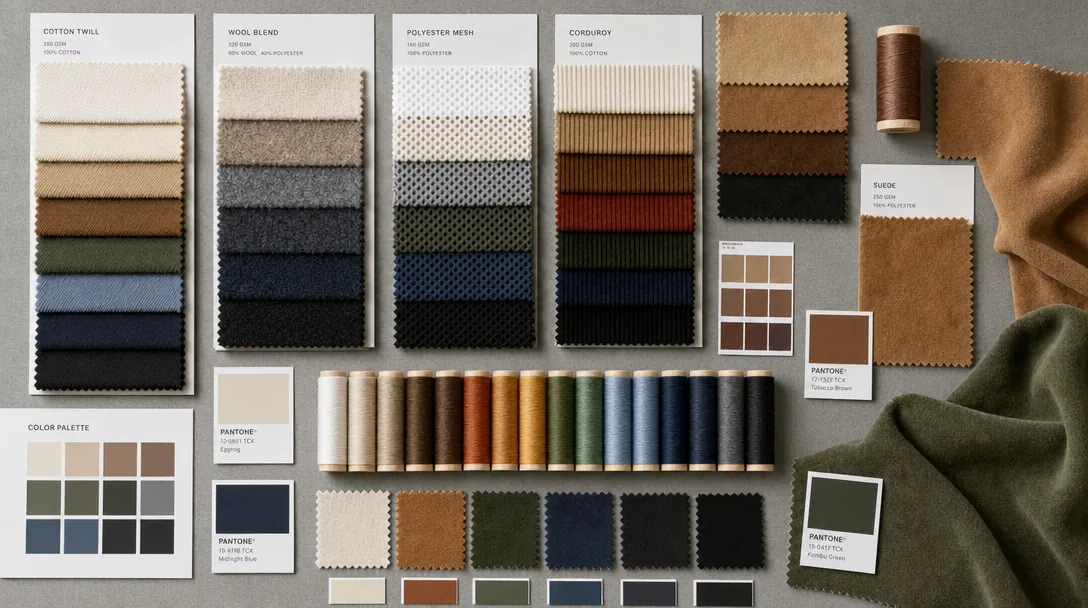
For brand owners, wholesalers and procurement teams entering the custom headwear category, merino wool beanie: properties, costs and how to spec it right - supplier checklist - 2026 buyer's guide - supplier checklist is one of the highest-leverage decisions you will make. Get it right and your unit economics, retail story and reorder cycle all improve. Get it wrong and you carry the cost for years.
Acrylic Beanie
Use acrylic as the control sample before you approve a merino wool beanie program, because acrylic is easier to standardize and exposes whether your supplier can hold knitting tension, dimensions, and color from sample to bulk. Most acrylic beanies are run on computerized flat knitting machines in 3GG, 5GG, or 7GG; 3GG gives a heavier, chunkier face, while 7GG produces a cleaner retail surface and more stable carton packing. The yarn callout cannot be vague. Specify 100% virgin acrylic, recycled acrylic, or an acrylic/polyester blend by yarn count in Nm, target piece weight in grams, and finished measurements with tolerance no looser than +/-0.5 cm on body width, body height, and cuff height. When take-down tension drifts, the first signs are crown height variation, spiraling, and cuffs that lose recovery after transit compression.
Price is where acrylic sets a useful benchmark against a merino wool beanie. For stock shades, MOQ is usually 100 to 300 pieces per color; for custom-dyed shades matched to Pantone TCX, expect a practical minimum of 500 to 1,000 pieces per color so the dyer can control shade and waste. A standard 100% acrylic fold-cuff beanie with a woven label typically lands around $1.10 to $2.20 FOB China at 300 to 1,000 pieces. Direct embroidery usually adds $0.25 to $0.60, depending on stitch count, underlay, backing, and whether the logo runs on a folded cuff or single layer. Confirm decoration early: dense embroidery on acrylic can tunnel, while PVC, woven, and leatherette patches affect needle setup, seam bulk, and final carton density. Piece-weight tolerance should stay within +/-5% if you want consistent handfeel across repeat orders.
Inspection has to focus on chargeback defects, not generic knitting language: needle lines, dropped stitches, yarn contamination, crown-link grin, cuff mismatch, loose trims, and lot-to-lot shade variation. AQL 2.5 is workable for promotional volume, but retail programs should tighten visual criteria for logo centering, cuff alignment, and key measured points across at least the top 20% of the inspection sample. Require home-laundering checks for dimensional stability, torque, and appearance retention, plus pilling results to ISO 12945 with an agreed minimum grade after the specified rub cycle. Acrylic will usually feel drier and generate more static than a well-made merino wool beanie, especially when softener application is inconsistent, so wash and wear feedback matters. From a sourcing standpoint, acrylic remains the right baseline when the priority is broad color range, fast sampling, and the lowest workable FOB; merino earns the upgrade when the buyer needs better thermoregulation, lower odor retention, and a more premium hand.
Cotton Beanie
A cotton beanie is not a budget version of a merino wool beanie; it is a different spec with different failure points. Cotton wins on familiarity and first-cost, but it absorbs 7% to 8% moisture under normal conditions, dries slowly, and loses recovery once the cuff has been over-stretched in wear. If you want the lowest complaint rate, stay with circular-knit 1x1 or 2x2 rib on 12GG to 16GG machines at a finished weight around 65 to 90 grams. That construction holds shape better than cut-and-sew jersey and avoids the seam grin and torque you see after repeated laundering. For retail basics, 95% cotton / 5% spandex is the safer call because rebound is noticeably better; 100% combed cotton only makes sense when hand feel outranks shape retention. On jersey programs, 220 to 280 gsm is the workable range; below 200 gsm, the hat usually reads flimsy and starts twisting after wash. Cotton also behaves differently in dyeing and finishing than wool. If shade consistency matters across a collection, lock the fiber route up front: ring-spun combed cotton, compact-spun cotton, or organic cotton with GOTS transaction certificates will not perform identically in absorbency, pilling, or color yield. Enzyme wash improves hand feel, but over-processing can flatten the surface and make ribs look tired at retail. In factory practice, I would not position cotton as a direct replacement where the brief really calls for a merino wool beanie with thermal regulation, odor resistance, and lighter warmth-to-weight. Buyers who substitute cotton purely to hit a target FOB often save $0.80 to $1.50 per piece and then lose it back in weaker sell-through or higher reorders for quality corrections.
Most cotton beanie tech packs are too loose to control bulk production. The minimum useful spec should lock yarn count or jersey gsm, knit gauge, finished circumference, body height, cuff depth, top closure, seam SPI, label method, and after-wash dimensional tolerance, ideally within ±3%. Color needs numbers, not adjectives: specify Pantone TCX, set an approved lab dip, require colorfastness to washing at grade 4 minimum, and if cross-style shade match matters, agree a Delta-E tolerance under D65 light, typically under 1.0 to 1.5 for dark core colors. For logos, call out embroidery location, maximum stitch count, backing, and thread type. Soft cotton ribs pucker easily on Tajima or Barudan heads if underlay is too heavy or hoop tension is uneven, so dense fills should be tested on strike-offs before bulk. Commercially, stock-yarn cotton beanies usually run MOQ 300 to 500 pieces per color; custom-dyed yarn is more realistically 800 to 1,000 pieces because of dye-lot economics. Current FOB China pricing is about $1.40 to $2.20 for a plain rib knit, $2.20 to $3.80 with embroidery, woven labels, and branded packaging, while certified organic cotton can add $0.30 to $0.70 depending on yarn source and paperwork. Inspection should focus on spiraling, uneven rib tension, needle lines, oil stains, crown distortion, shade variation, and embroidery pull. Our standard practice is AQL 2.5 with wash testing, pilling checks, seam-strength testing, and dimensional verification before shipment, because cotton defects often look minor in-line and become obvious only after finishing or first wash.
Black Beanie Hat
Black is unforgiving: it magnifies barre, oil marks, and shade drift that would pass unnoticed on heather or camel. For a merino wool beanie, start the spec at the fiber level: 19.5 to 21.5 micron Merino, then state whether the yarn is worsted-spun or woolen-spun, because that one decision changes surface fuzz, pilling behavior, and hand feel. In practice, most solid-black programs run 2/26Nm or 2/30Nm yarn on 7-gauge or 12-gauge computerized flat knitting machines, then move through crown linking, scouring, steam setting, trimming, needle detection, and packing. Construction shifts both cost and retail perception more than buyers expect. A single-layer 1x1 rib beanie usually finishes around 70 to 90 grams; a double-layer cuffed merino wool beanie is more often 95 to 140 grams, depending on stitch density, cuff depth, and yarn count. If the supplier suggests a 30% to 50% acrylic or recycled polyester blend to save money, that is usually worth about $1.00 to $1.80 FOB per piece, but you are no longer buying the same moisture management, thermal regulation, or premium product story.
The black spec sheet needs tighter controls than lighter colors. Lock fiber content tolerance, yarn count, gauge, finished weight, body height, cuff height, relaxed width, stretch recovery, wash care, and approved color standard before sampling starts. For shade, use a textile reference such as Pantone Black 6 C or a Pantone TCX card, and require Delta-E below 1.0 against the approved lab dip under D65 light; otherwise one lot comes out blue-black and the next looks charcoal. MOQ also changes once real wool is involved: 300 to 500 pieces is common for stock acrylic, but 500 to 1,000 pieces is more realistic for dyed-to-order Merino because spinning and dyeing need efficient lot sizes. In Zhejiang, a plain acrylic black beanie at 70 to 90 grams typically lands around $1.10 to $1.80 FOB; a genuine 100% merino wool beanie in 19.5 micron yarn with linked crown, custom labels, and standard export packing is more realistically $3.80 to $6.50 FOB, depending on weight, certification, and order volume.
Inspection is where margins are won or lost on black knit hats. The recurring failures are barre from uneven yarn tension, crown seam torque, cuff-to-body shade variation, loose top closure, residual oil contamination, and early pilling after light abrasion. Write AQL 2.5 into the final inspection plan, but do not rely on carton-level checks alone; black defects hide in packed goods and show up immediately under retail lighting, so 100% inline shade checking under standardized white light is the safer requirement. For a merino wool beanie, I would test dimensional stability after one care-label wash, dry and wet crocking, pilling to at least Grade 3.5, and finished measurements within plus or minus 1 cm. Social compliance such as sedex-audit-cap-supplier-guide.html">BSCI 2.0 or Sedex SMETA 4-Pillar is useful for vendor approval, but it does not tell you whether the knitting floor can hold tension consistently or whether finishing is disciplined enough to justify the premium over acrylic.
Slouchy Beanie
Crown drop and recovery decide whether a slouchy style looks intentional or just oversized, so never approve a merino wool beanie from photos or mannequin shots alone. Lock the silhouette in the tech pack with measurable points: finished body height, opening width laid flat, total weight, knit gauge, yarn count, composition, and post-wash measurements taken after 24 hours relaxation. For an adult slouchy profile, a reliable starting spec is 28-30 cm body height, 21-23 cm opening width, and 75-110 g finished weight, with tolerance at ±1 cm on dimensions and ±5% on weight. Most factories will build that shape on 7GG or 12GG flat or computerized knitting, then close the crown by linking, wash, steam-block, cool, re-measure, and send through metal detection before packing. If the supplier cannot show those checkpoints, expect visible profile drift between lots even when the yarn label says the same thing. Fiber blend changes drape faster than many buyers expect. A 100% merino wool beanie gives the cleanest hand feel and better thermal regulation, but it costs more and needs tighter wash control to keep body length and opening recovery stable. A 50/50 merino-acrylic blend usually cuts FOB by 20-35% and improves dimensional stability, while adding 10-20% nylon helps abrasion resistance at the opening and fold edge. Do not accept vague claims like "premium soft"; ask for the micron range. In commercial retail, 19.5-21.5 micron is the workable sweet spot for softness without luxury-yarn pricing, while coarser wool starts to feel prickly to sensitive skin. Yarn count matters just as much: 2/30Nm creates a fuller, heavier slouch than 2/48Nm at the same gauge, so if count and gauge are not both fixed, the factory is guessing the final drape.
The RFQ should describe outcomes you can inspect, not styling adjectives. Specify yarn count such as 2/30Nm or 2/48Nm, ply, machine gauge, cuff construction, shrinkage limit after one wool wash, Pantone TCX reference, and acceptable shade tolerance. For branded colors and dark shades, I would hold color variation to Delta-E 1.0-1.5 under a D65 light box; anything looser starts to show carton-to-carton shading in e-commerce photography. If the slouchy merino wool beanie uses a double-layer cuff or engineered fold, list that as a separate construction point because it changes warmth, recovery, knitting time, and yarn consumption. In Zhejiang sourcing, stock-yarn programs usually start around 300-500 pcs per color, while custom-dyed merino is more realistic at 800-1,000 pcs because small dye lots give unstable shade yield and weak cost efficiency. Current FOB for a fine-gauge 100% merino slouchy style commonly lands around $3.80-$6.80, versus about $1.20-$2.20 for a basic acrylic alternative. Inspection is where weak knit suppliers get exposed. The repeat failures on slouchy styles are spiraling after wash, inconsistent crown depth within one carton, needle lines, dropped stitches, seam grin at the crown linking point, harsh hand from over-steaming, and dye-lot shading. For wool, also check pilling at the cuff edge, odor from poor drying control, and elastic recovery after 24 hours laid flat. AQL 2.5 is a sensible bulk standard, but it is not enough by itself; require wash test results for shrinkage, colorfastness, and shape retention against approved pre-production measurements. On better-managed programs, I also want GSM-equivalent piece weight consistency by dozen and documented lot segregation before packing. Buyers who compare only yarn price usually miss the real risk: returns come from fit collapse, skew, and wash distortion long before consumers question the merino content on the label.
Cotton Beanie Men
Do not spec a cotton beanie as a casual stand-in for a merino wool beanie; the manufacturing route is different, and the price gap only makes sense once the knit spec is locked. For men’s cotton beanies, factories usually quote against 100% combed ring-spun cotton or a CVC blend such as 60/40 cotton/poly, using yarn counts like Ne 21/2 or 28/2 on 7GG to 12GG flat knitting machines. Construction matters more than most buyers expect: a single-layer jersey spring style usually finishes at 65 to 90 g/pc, while a double-layer 2x2 rib with cuff lands closer to 95 to 140 g/pc depending on finished width, height, and cuff depth. If you leave out stitch density, crown decrease method, and boarding finish, the sample room will fill in the blanks and you will get three different beanies from three suppliers. Color control is where programs drift fastest. If the beanie has to sit next to caps, hoodies, or scarves in the same collection, approve against Pantone TCX references, require lab dips checked under D65 lighting, and cap shade tolerance at Delta-E 1.5. Black is the usual failure point: cotton yarn, reactive dyeing, and wash finish can shift warmer or duller than matching headwear fabrics. A usable tech pack should also state finished dimensions in cm, target piece weight, label type, logo method, and packing ratio. In Zhejiang, stock-yarn cotton beanies typically run at MOQ 300 to 500 pcs per color, but custom-dyed yarn, jacquard logos, or special enzyme washes usually need 800 to 1,000 pcs before the setup cost stops punishing the FOB.
The cost ladder is straightforward once the spec is real. A plain 100% cotton beanie at 500 to 1,000 pcs is commonly around $1.60 to $2.40 FOB Zhejiang; move to double-layer construction, dense satin embroidery on Tajima or Barudan heads, woven patch attachment, or garment wash finishing, and the range usually shifts to $2.80 to $3.80. That comparison matters because buyers often benchmark cotton against the wrong category. An acrylic beanie may sit around $0.85 to $1.50 FOB, while a merino wool beanie is more often $3.50 to $6.50 FOB once you specify 19.5 to 21.5 micron wool, blend ratio, and whether RWS documentation is required. If someone offers merino pricing close to cotton, the fiber content or paperwork is usually not what the PO assumes. Most claims come from routine knitting and finishing errors, not dramatic failures. Inspect for dropped stitches, spiraling, needle lines, weak crown linking, uneven cuff depth across a 12-piece pull, oil marks, torque after washing, and shade mismatch between body and cuff. A practical protocol is AQL 2.5 for major defects and 4.0 for minor, backed by dimensional checks after 24-hour conditioning, wash testing, and crocking or colorfastness tests on dark shades. Ask whether the yarn is ring-spun or open-end, whether pre-shrink washing is included, and whether the factory holds a current BSCI 2.0 or Sedex SMETA 4-Pillar audit. For end use, the split is simple: cotton is easier-care and better for shoulder season, while a merino wool beanie earns its higher cost on warmth-to-weight, odor control, and premium retail positioning.
100 Acrylic Beanie
A 100% acrylic beanie is usually built on 9GG or 12GG flat knitting machines using 28/2 or 32/2 anti-pilling acrylic, then linked, steamed, and heat-set before cuffing into a standard watch-cap or fisherman-rib shape. The real commercial split is not simply acrylic versus a merino wool beanie; it is yarn quality and process discipline. Virgin anti-pilling acrylic with a Martindale pilling result of grade 3-4 after testing will hold up far better than regenerated acrylic spun from mixed waste, which tends to fuzz, pill early, and turn harsh after the first wash. For adult sizing, a single-cuff style normally finishes around 70-95 g per piece, while a double-layer winter version is more often 110-140 g. If a supplier cannot lock the quote to yarn count, fiber grade, machine gauge, finished weight, and tolerance, usually plus or minus 5 g, the costing is still soft and easy to downgrade in production. Color control needs the same rigor. Approve lab dips against Pantone TCX under D65 lighting and write the tolerance into the tech pack: Delta-E less than or equal to 1.0 for black, navy, and other core darks, and less than or equal to 1.5 for heathered shades where mélange variation is harder to eliminate. Acrylic is cheap, but shade drift between dye lots shows immediately under retail LED and daylight-balanced store lighting, especially on charcoal, red, and royal. Our standard practice is to record approved bulk yarn lot numbers before knitting starts, because once mixed lots reach linking, you can end up with visible cuff-to-body variation even when the beanie passes a casual warehouse check.
Most beanie tech packs are too vague to protect the buyer. At minimum, specify gauge, stitch structure, top closure method, cuff depth, body height, relaxed width, and stretch recovery after 24 hours hanging on a form. Also call out surface finish clearly: brushed, sheared, or clean face, because the hand feel and visual bulk change noticeably between them. If you add embroidery, define logo size, stitch count range, and backing method in advance. A Tajima or Barudan head can easily tunnel a loose 1x1 rib or 2x2 rib if the factory does not reduce stitch density and match the correct cutaway or tearaway stabilizer weight. Label construction matters too; a center-fold side seam label behaves differently from a woven loop label inserted at the cuff edge, especially on turn-up styles where bulk stacks quickly. Pricing in Zhejiang for a plain cuffed acrylic beanie at 1,000 pcs is typically $1.10-$1.85 FOB China, assuming standard anti-pilling yarn, no lining, and basic woven label trim. Add jacquard logos, polar fleece lining at 180-220 gsm, or pom-pom assembly and the range usually moves to $1.90-$3.20 FOB. Inspection should be run at AQL 2.5 with knit-specific checkpoints: seam grin at linking, needle lines, yarn joins, rib skew, cuff-depth variance, over-heat-set harsh hand, and size drift after steaming. I would also require 10-20 pieces per color to be weighed during final inspection, because underweight units remain one of the easiest hidden cost-down moves on commodity acrylic programs. For EU distribution, write REACH compliance and azo-free dyestuff into the purchase terms instead of leaving it as a verbal assumption.
Working with CrownsForge for merino wool beanie programs
Most merino wool beanie failures start before knitting: wrong micron, unstable dye lot, or a hand feel approved from a lab dip instead of a knitted swatch. For commercial programs, 19.5 to 21.5 micron merino is the workable middle ground; softer 17.5 to 18.5 micron feels better in hand but raises yarn cost fast and is less forgiving on pilling claims. A 2/26Nm yarn suits a fuller 7-gauge rib beanie, while 2/48Nm is more typical for a lighter jersey knit or a cleaner fold at 9 to 12 gauge. Against a Pantone TCX target, realistic yarn booking is 5 to 7 working days if the shade can run from a shared stock program, then another 7 to 12 working days for sampling after gauge, ply, and construction are fixed. Shared-color orders can start around 300 pieces per color, but once you ask for custom dye lots, jacquard branding, or bespoke trims, the real MOQ usually moves to 800 to 1,000 pieces because yarn wastage and cone minimums stop being theoretical.
Cost control on a merino wool beanie program comes down to treating merino like a premium fiber, not acrylic with a nicer label. A basic certified 100% merino cuff beanie at 7 gauge typically sits around $4.80 to $7.20 ex-factory, versus roughly $1.40 to $2.60 for an acrylic equivalent, with the spread driven by yarn origin, RWS or similar certification, shade depth, and trim count. Decoration is where weak suppliers get exposed: direct embroidery, woven loop labels, silicone badges, leatherette patches, and chainstitch are all viable, but soft merino does not tolerate heavy stitch density. On Tajima or Barudan flat embroidery machines, text under 3 mm and fills above about 7,000 stitches will often torque the cuff unless backing and stabilization are tested first. The control points that actually protect repeat orders are yarn approval, knit swatch sign-off, PPS confirmation, inline inspection, and final audit at AQL 2.5, with measurements checked both relaxed and lightly stretched, shade reviewed to the approved Pantone TCX standard, and a pre-agreed Delta-E tolerance in place when the buyer is strict on color consistency.
Once volume reaches 3,000 to 5,000 pieces per month, knitting capacity is rarely the bottleneck; approvals and preventable rework are. Final QC on a merino wool beanie should cover cuff height, body height, opening width, label position, needle contamination, carton assortment, and post-wash dimensional change, because even 3% to 5% shrinkage will visibly move logo placement on a folded cuff. Our standard practice is to wash-test decoration and verify handle, torque, and cuff recovery before bulk release rather than arguing over a PPS that was never stress-tested. For EU and US retail, the paperwork baseline should include fiber-content verification, azo and formaldehyde compliance where applicable, and current social audit records such as BSCI 2.0 or Sedex SMETA 4-Pillar. That is the difference between a one-off shipment and a stable program: fewer assumptions upstream, fewer shade and trim disputes in bulk, and less dead time lost to relabeling, repacking, or color claims after goods are already booked out.
Frequently Asked Questions
What logo decoration techniques do you offer?
3D puff embroidery, flat embroidery, woven patch, leather patch, PVC patch, screen printing, sublimation, applique and laser etching, all in-house with no subcontracting.
Do you support sustainability certifications?
Yes. We work with GOTS organic cotton, GRS-certified recycled polyester, OEKO-TEX Standard 100 fabrics, and are BSCI and Sedex audited. Certification documentation can be provided per order.
What is the minimum order quantity (MOQ) for custom hats?
Our standard MOQ is 100 pieces per design and color, with sampling available from 1 piece. For complex multi-color logos or premium fabric upgrades, the MOQ can be lowered with a small per-piece surcharge.
How long does production take?
Sampling takes 7 to 12 days. Bulk production runs 20 to 30 days depending on quantity, fabric availability and decoration complexity. Inspection and packing adds another 3 to 5 days before shipment.
Can I order a sample before bulk production?
Yes. We strongly recommend approving a pre-production sample before mass production. Samples are charged at 35 to 60 USD each plus express shipping, fully refundable against confirmed bulk orders over 500 pieces.
What should buyers know about black bucket hat men?
When evaluating black bucket hat men, the key considerations are construction quality, decoration capability, MOQ flexibility and lead time. Cover everything buyers ask about black beanie hat: how it's manufactured, what specs to request from a factory, typical MOQ and pricing, common quality issues to inspect for, and how this ties back to the broader merino wool beanie sourcing decision. Cover everything buyers ask about cotton beanie men: how it's manufactured, what specs to request from a factory, typical…
What should buyers know about kangol bucket hat mens?
When evaluating kangol bucket hat mens, the key considerations are construction quality, decoration capability, MOQ flexibility and lead time. Cover everything buyers ask about black beanie hat: how it's manufactured, what specs to request from a factory, typical MOQ and pricing, common quality issues to inspect for, and how this ties back to the broader merino wool beanie sourcing decision. Cover everything buyers ask about acrylic beanie: how it's manufactured, what specs to request from a factory, typical MOQ…
What should buyers know about corduroy hat womens?
When evaluating corduroy hat womens, the key considerations are construction quality, decoration capability, MOQ flexibility and lead time. Cover everything buyers ask about black beanie hat: how it's manufactured, what specs to request from a factory, typical MOQ and pricing, common quality issues to inspect for, and how this ties back to the broader merino wool beanie sourcing decision. Cover everything buyers ask about acrylic beanie: how it's manufactured, what specs to request from a factory, typical MOQ…
What should buyers know about acrylic beanie hat?
When evaluating acrylic beanie hat, the key considerations are construction quality, decoration capability, MOQ flexibility and lead time. Cover everything buyers ask about acrylic beanie: how it's manufactured, what specs to request from a factory, typical MOQ and pricing, common quality issues to inspect for, and how this ties back to the broader merino wool beanie sourcing decision. Cover everything buyers ask about black beanie hat: how it's manufactured, what specs to request from a factory, typical MOQ…
Are merino beanies worth it?
If you value sustainability, comfort, durability, and superior thermal performance, a merino wool beanie is a smart and stylish investment. Despite the higher upfront cost, the long-term benefits—including shape retention, moisture management, and odour resistance—make it a practical addition to your wardrobe.
Is merino good for a beanie?
Made for all your outdoor adventures, merino is soft on skin, easy to layer and naturally temperature regulating and odour resistant. A fitted beanie, it's perfect for wearing under hoods or helmets while out hiking, climbing, skiing or mountain biking.
Are merino wool beanies worth it?
A: Yes, Merino wool is excellent for hats because it is breathable, quick drying, and temperature-regulating, providing comfort in various weather conditions.
Is merino yarn good for beanies?
Additionally, wool has a certain level of stretch to it, making it great for beanies. However, there are different types of wool you can choose from: - Merino wool comes from merino sheep and is known to be very fine and soft. It can be used for anything from socks to hats.
Is a merino wool beanie itchy?
Merino wool is finer and softer than other kinds of wool, which makes it less itchy. Its fibers are very short in length and smaller in diameter, which makes it a whole lot softer and gentler on the skin.
Ready to start your custom hat project?
Send us your tech-pack, sketch or even just an inspiration photo. We will respond with a detailed quotation and digital mock-up within 24 hours.
Request a free quoteRelated guides
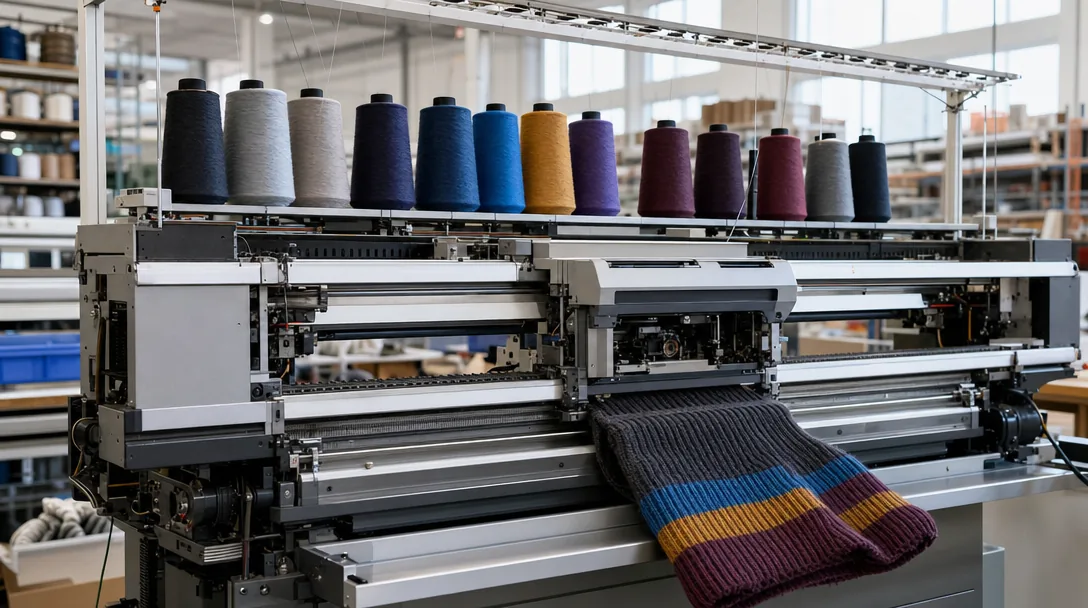
Acrylic Beanie: Properties, Costs and How to Spec It Right
Read article →
Custom Hat Design: The 2026 Sourcing & Manufacturing Playbook
Read article →Bucket Hat Corduroy Retail Packaging Guide for Custom Hat Buyers
Read article →We hope this guide demystifies merino wool beanie: properties, costs and how to spec it right - supplier checklist - 2026 buyer's guide - supplier checklist and helps you move forward with confidence. If you have questions specific to your project, our English-speaking sales engineers are one message away.