
Merino Wool Beanie: Properties, Costs and How to Spec It Right - Supplier Checklist - 2026 Buyer's Guide (2026 Update)
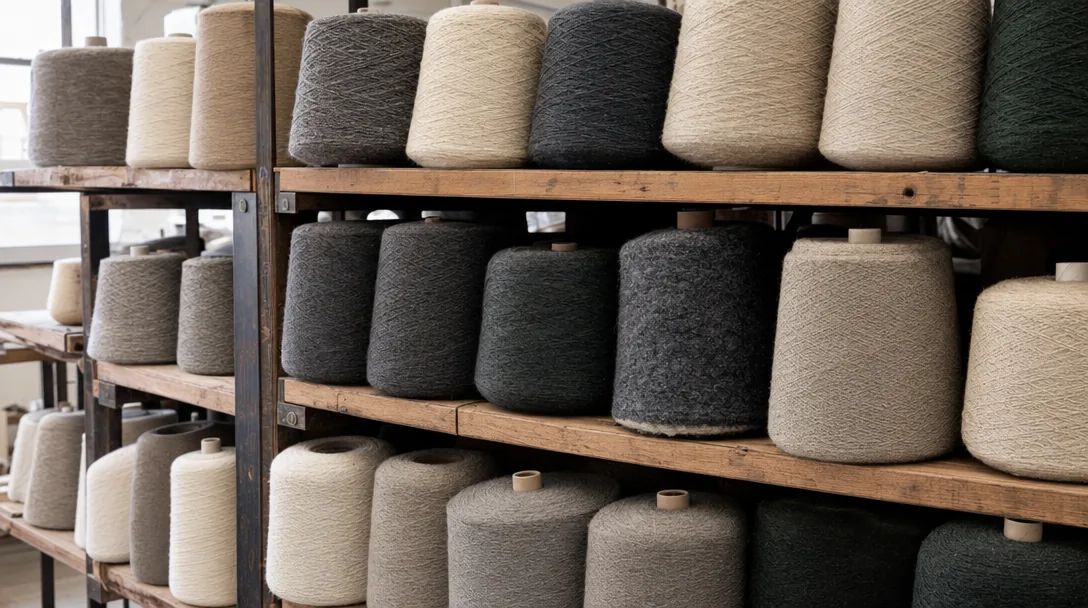
For brand owners, wholesalers and procurement teams entering the custom headwear category, merino wool beanie: properties, costs and how to spec it right - supplier checklist - 2026 buyer's guide (2026 update) is one of the highest-leverage decisions you will make. Get it right and your unit economics, retail story and reorder cycle all improve. Get it wrong and you carry the cost for years.
Acrylic Beanie
Acrylic is the baseline most factories quote before a buyer steps up to a merino wool beanie, recycled yarn, or other premium knit program. In real production, the common setup is 100% acrylic staple yarn in 28/2, 32/2, or 36/2 counts, usually knitted on 7-gauge machines for a heavier rib or 12-gauge machines for a cleaner retail face. If the factory adds 3% to 5% spandex or shifts to an acrylic/nylon blend for better recovery, that changes pilling grade, stretch memory, and cost immediately, so it needs to be written into the PO. Do not approve from photos or handfeel videos. Lock the spec to yarn composition, yarn count, machine gauge, finished weight in grams, body height, cuff height, relaxed opening, and wash stability after 3 home-laundry cycles. For color-critical programs, specify Pantone TCX and cap shade variance at Delta-E 1.5 to 2.0 for dark solids; acrylic dye lots drift fast on black, charcoal heather, and safety orange, and the difference is obvious once cartons from separate lots are mixed.
A usable acrylic beanie spec is tighter than what most importers send. Adult unisex fit normally lands at 56 to 60 cm relaxed head circumference, with finished weight around 90 to 120 grams per piece for a standard rib-knit cuff style; sub-80 gram versions are typically promo grade, while 120 to 150 gram programs read more like mid-tier retail. Also define crown closing method, linking quality, pom attachment if used, logo application, and the maximum embroidery area on the cuff, because direct embroidery on bulky rib can distort both stitch density and fold line. In Zhejiang, MOQ is usually 300 to 500 pieces per color with stock yarn, but custom-dyed acrylic often needs 20 to 40 kg per shade, which is where small orders get forced into closest-match mill colors. Realistic FOB China pricing is about $1.10 to $1.90 for a plain cuff beanie, then $2.40 to $3.80 once you add jacquard graphics, fleece lining, pom-poms, woven labels, or custom retail packaging. Compared with a merino wool beanie, acrylic is faster, cheaper, and easier to care for, but it does not match merino on thermoregulation, odor control, or premium handfeel.
Inspection is where acrylic either stays margin-safe or turns into claims. The defects that actually matter are lot-to-lot shade variation, dropped stitches, weak crown closing, loose yarn tails, uneven cuff depth, skewed side seams, and premature pilling after abrasion. Size loss after steaming is another repeat issue, especially on brushed acrylic that looks soft in packing but relaxes poorly on shelf. The right control is a sealed pre-production sample tied to measurable tolerances, then final inspection at AQL 2.5 with carton drop testing, barcode verification, and needle or trim safety checks if the program includes metal badges or hang hardware. Our standard practice is to compare bulk handfeel and finished weight against the approved sample because development yarn substitutions are common when mills run short. That check matters when acrylic sits beside a merino wool beanie in the same winter assortment: acrylic should carry the entry-price SKU, while merino earns its place only when the retail price, performance claim, and customer expectation can absorb the higher yarn cost and tighter spec discipline.
Cotton Beanie
A cotton beanie is the right control sample when you need to separate fit and workmanship issues from fiber behavior before approving a merino wool beanie. In factory terms, you are usually comparing two constructions: cut-and-sew jersey at roughly 180-260 gsm, or fully knit bodies made from 21s-32s ring-spun cotton on 7GG-12GG machines. Cut-and-sew is cheaper and faster for promotions, but it is unforgiving; let crown panel alignment drift more than 2 mm and the top starts peaking, seams grin, and the silhouette looks cheap on-head. Fully knit cotton gives cleaner recovery and better shape retention, but only if the yarn is consistent, stitch density is locked, and the wash finish has already brought shrinkage under control before final measurement. A vague “100% cotton” quote is not a usable spec. Buyers should ask whether the yarn is combed or carded, open-end or ring-spun, what the finished weight is, what gauge the body runs on, and whether the beanie is enzyme-washed, compacted, or pre-shrunk. Those details explain a lot of the price spread that inexperienced teams wrongly blame on fiber alone when comparing cotton to a merino wool beanie. In practice, a stable cotton benchmark tells you whether the supplier can hold symmetry, seam quality, and finishing discipline. If they cannot keep cotton consistent, the risk only goes up once you move into finer, softer, higher-cost merino programs.
Write the cotton tech pack with the same rigor you would use for a merino wool beanie: composition tolerance, gauge, finished weight, relaxed width, stretched width, body height, cuff height, seam allowance, and label position all need numeric limits. For color, use Pantone TCX and keep solid shades within Delta-E 1.5 under D65 lighting; anything looser is how you end up with carton-to-carton shading claims. Require lab data for dimensional stability after 3 home-laundry cycles, spirality on jersey bodies, pilling grade, crocking, and stretch recovery after repeated extension. In Yiwu, MOQ is commonly 300-500 pieces per color on stock yarn, but 1,000+ pieces if the yarn must be custom dyed. Cost should also be broken out cleanly. A basic cut-and-sew cotton beanie is typically around US$1.10-US$1.80 ex-factory at 500 pieces, while a fully knit version with jacquard or cuff embroidery is more often US$1.90-US$3.20 before freight and duty. An 8,000-12,000 stitch cuff logo on Tajima or Barudan heads usually adds US$0.18-US$0.45 depending on backing, thread count, and machine speed. For inspection, I would hold bulk to AQL 2.5 and specifically check body height, cuff height, GSM consistency, recovery after 10 stretch cycles, shade under a lightbox, skipped stitches at the cuff turn, seam grin, and embroidery puckering. Cotton is forgiving enough to expose weak process control early; that is exactly why it is a useful benchmark before you place real volume on a merino wool beanie.
Black Beanie Hat
A black hat looks simple, but black is where weak raw material control gets exposed fast. For a commercial merino wool beanie, the first line on the spec should be fiber composition and spinner documentation, not just a photo and “match black.” If the claim is 100% merino, ask for micron range and yarn count from the mill: 19.5-21.5 micron is a workable mainstream band, with 2/48Nm or 2/60Nm common for adult rib-knit styles. If it is a blend, write the ratio exactly—say 90/10 merino/nylon or 50/50 merino/acrylic—and make the blend testable. Finished weight matters more than many buyers think: a standard adult cuffed style usually lands around 65-95 g/pc, while a denser fisherman rib can push 100-120 g/pc. Black should be approved to a Pantone TCX reference with a defined Delta-E tolerance; for repeat orders, I would keep black-to-black variation at 1.5 max under D65 lightbox review. That is tighter than many factories like, but loose black standards are how repeat programs drift. Process control is where a black merino wool beanie is won or lost. Most factories run the body on computerized flat or circular knitting equipment, then do linking or top seaming, washing, steam setting, and cuff blocking. Overuse of silicone softener in sampling is a classic trick: it makes the handfeel look premium while hiding weak elastic recovery and low yarn resilience. Black also punishes sloppy housekeeping. It hides minor panel shape variation better than bright colors, but it shows lint pickup, oil spotting, needle marks, barre, and inconsistent luster between dye lots immediately under store lighting. If a program includes several winter silhouettes, lock not only the shade but also a handfeel control swatch, because one dry, compact black beanie and one heavily softened black beanie can both “pass color” and still look like different product families on shelf.
The factory spec sheet needs to be far more disciplined than most buyers make it. For a merino wool beanie, call out flat measurements, stretched opening, cuff height, crown depth, stitch density per 2 cm, gauge setup, grams-per-piece tolerance, label position tolerance, wash method, and pilling target. If the construction is fully fashioned, say so; if it is cut from knit panels and seamed, write that too, because appearance and waste rates are different. Export specs should also cover azo-free dyestuff compliance, needle policy, fiber-content verification, carton drop standard, and defect definitions tied to AQL 2.5. MOQ is usually driven less by sewing capacity than by yarn lot size and dye economics: a stock acrylic black beanie may run 300-500 pcs, but a custom merino program is more realistically 500-1,000 pcs if you want stable shade and a dedicated lot. Inspection should focus on the faults customers feel and see in five seconds. Check skewed ribs, uneven cuff turn-up, visible yarn joins on the front, seam grin, weak stretch recovery, wash torque, shade variation within the same carton, crocking onto labels or tissue, finishing-oil odor, and excess hairiness that often points to lower-grade wool or poor spinning. For better control, set a simple bulk standard: recovery after stretch, acceptable pilling after the agreed wash test, and a sealed size-and-handfeel sample before production starts. In current China FOB terms, a basic acrylic black beanie often lands around US$1.10-US$2.20, while a properly sourced merino wool beanie is more commonly US$3.80-US$7.50 depending on micron, yarn count, gauge, trim package, and whether the yarn is certified and lot-reserved. Freezing the approved size, weight, and handfeel before bulk prevents more claims than any post-shipment argument over photos.
Slouchy Beanie
A slouchy beanie lives or dies on crown drop, rebound, and post-wash stability; “soft handfeel” is secondary. If you want a real slouch silhouette, spec a finished body height of 28-31 cm with a cuff depth of 6-8 cm and an opening width of 22-24 cm laid flat. A standard watch cap usually finishes at 21-23 cm, so anything shorter will sit like a regular beanie instead of dropping at the back head. For a merino wool beanie, the commercial sweet spot is 19.5-21.5 micron yarn in 2/48Nm or 2/60Nm, typically knitted at 7GG for a denser, heavier hand or 12GG for a cleaner retail surface with less bulk. Do not approve loom-state measurements; require post-wash, post-relaxation specs, because merino finishing can move height by 3%-5% if the wash recipe or tumble cycle is loose. On bulk orders, I would lock tolerance at +/-1.0 cm on body height, +/-0.5 cm on opening width, and define finished weight up front—usually 85-110 g for a commercial slouchy style, depending on gauge and cuff depth. A workable tech pack for a slouchy merino wool beanie needs more than “100% merino” and a Pantone callout. Specify micron range, yarn count, ply, gauge, wale/course density, cuff construction, crown closure, linking method, target weight, and Pantone TCX with an approved lab dip; for dyed yarn, Delta-E under 1.5 is a realistic bulk acceptance standard. Fully fashioned linking costs more than overlock seaming, but it gives a cleaner drape and reduces seam grin at the crown, which is far more visible on longer slouch silhouettes. In Zhejiang, MOQ is usually 300-500 pieces per color for stock merino shades, while custom-dyed yarn more often starts at 800-1,000 pieces because mills enforce dye-lot minimums. A solid-color style in 2026 is realistically around $3.20-$5.80 FOB China, with the spread driven by micron, gauge, yarn origin, and whether the fiber is RWS-certified. Most slouchy-beanie failures show up after finishing, not at the carton line. The recurring defects are spiraling after wash, crown point distortion, uneven rib recovery, needle lines, vegetable matter contamination, and cuff torque where the fold will not sit flat after 24 hours. I would inspect to AQL 2.5 and add an elastic-recovery check: extend the opening circumference by 15% for 10 seconds, relax for 30 minutes, and confirm it returns to within 8% of original width. That simple test catches weak rib programs and over-softened finishing before shipment. Pilling also needs to be written into the PO instead of described vaguely as “anti-pilling.” Grade 3 may pass for entry fashion retail, but most better private-label programs want Grade 4 under an agreed Martindale or equivalent rub test. If the style uses a badge, keep hardware light; heavy metal trims drag the back panel down over time, while woven labels or lightweight faux-suede patches are safer on a slouch profile.
Cotton Beanie Men
Cotton beanie programs go wrong when buyers spec them like a budget version of a merino wool beanie. Cotton does not behave the same way on the machine or in wear. It is heavier per visual volume, recovers more slowly after stretch, and shows torque, cuff twist, and crown deformation sooner after wash or long carton compression. In practice, most factories run cotton beanies on 7GG, 9GG, or 12GG knitting depending on the target hand: 7GG gives a heavier fisherman look, while 12GG reads cleaner at retail. Common yarns are 21s/2 or 32s/2 combed cotton; if you need better rebound, a 95/5 cotton-spandex blend is safer than 100% cotton in a tight 1x1 rib. The fit drivers that actually generate claims are simple and measurable: finished head opening, cuff height, knit gauge, finished weight, and relaxation after washing. Put tolerances in the tech pack, not in chat messages: cuff height within +/-0.5 cm, body height within +/-0.7 cm, weight within +/-5%, and shade approval against Pantone TCX with repeat-order Delta-E under 1.5. Color strategy matters more than many buyers expect, especially when cotton sits beside a merino wool beanie in the same assortment. Piece dyeing is cheaper and works for small promotional runs, but it carries more lot-to-lot variation and can exaggerate panel shading on ribs after washing. Yarn dyeing costs more up front, yet it gives tighter shade control and a cleaner retail result when the beanie must match other cold-weather styles. Top-closing method also changes the silhouette: linking or fashioning the crown reads neater than a basic gathered close, and that difference is visible immediately on a cuffed retail beanie. If you want stable shape after transit, specify double-layer construction or a higher gsm target rather than asking the factory for a vague "better hand feel."
Quotes drift as soon as the tech pack leaves room for interpretation. A usable cotton beanie spec should call out fiber content, yarn count, knit structure, gauge, single- or double-layer build, crown-closing method, finished dimensions after wash, label application, packing method, and test standard. In Zhejiang, a basic 100% cotton 1x1 rib beanie at 1,000 pieces usually prices around $1.85 to $3.20 FOB with stock yarn and standard woven label. Move to custom yarn dyeing, jacquard artwork, or fold-over cuff embroidery and MOQ typically jumps from 300-500 pieces per color to 800-1,200, with cost increasing another $0.30 to $0.80 per piece. Leather or PU patches usually add $0.18 to $0.45 depending on size and attachment method; individual polybag plus barcode sticker adds about $0.05 to $0.09. Inspection should not stop at loose threads and visual shade checks. Use AQL 2.5 as the shipment baseline, but add wash testing for dimensional change, pilling at minimum grade 3-4, dry and wet crocking, perspiration fastness, and rib recovery after one wash cycle. If embroidery goes on the cuff, confirm stitch count, underlay, and backing stiffness on a pilot run, because knit tunneling is a routine failure on cotton, especially on lighter 12GG ribs. That defect becomes more obvious when the customer is comparing it directly to a premium merino wool beanie made from 19.5-21.5 micron yarn, where the surface is finer and distortion is less forgiving. At CrownsForge, our standard practice is to approve embroidery on actual production-weight knit tubes rather than flat swatches, because that is where puckering and recovery problems show up first.
100 Acrylic Beanie
A 100% acrylic beanie is still the price baseline in winter headwear, which is why serious buyers compare it directly against a merino wool beanie before fixing retail margin and material strategy. The mistake I see most often is an underspecified knit callout. “Acrylic rib beanie” is not a production spec. You need machine gauge, yarn count, stitch construction, finished weight, and target measurements locked before sample approval. In practical terms, standard programs run on 7G, 9G, or 12G flat knitting using 28/2 to 32/2 spun acrylic, with finished fabric weight usually landing around 180 to 320 gsm depending on whether the shape is a single-layer skull fit, fisherman rib, or deep-cuff watch cap. If those controls are vague, bulk can easily come in 8% to 12% lighter, with weaker rebound at the opening and a visibly flatter crown profile. Color and trim tolerances matter more on acrylic than many buyers expect because bright shades sell the category but also expose variation fast. Lock the Pantone TCX reference, require lab-dip approval, and cap shade deviation at Delta-E 1.5 or tighter if the beanie sits in a branded uniform or licensed program. Finished weight should stay within plus or minus 5%, while relaxed opening, body height, cuff depth, and pom diameter should each have numeric tolerances on the tech pack. Decoration also needs to be engineered, not chosen late. Flat embroidery, woven loop labels, TPU badges, and leatherette patches all distort stretch knit differently; high stitch density on soft ribs will tunnel unless the Tajima or Barudan setup, underlay, and backing are adjusted for the base knit.
Pricing is where acrylic clearly separates from a merino wool beanie. In Zhejiang, a plain 100% acrylic cuffed rib beanie at 500 pieces per colorway typically lands around USD 1.10 to 1.85 ex-factory in 2026, assuming standard yarn, standard gauge, and no special finish. Add jacquard logos, fleece lining, reflective filament, engineered stripes, or applique, and the real working range moves closer to USD 2.20 to 3.80. MOQ is usually 300 to 500 pieces per colorway on standard yarn programs; stock-color runs can sometimes open at 144 pieces, but custom-dyed yarn or full-jacquard layouts often need 1,000 pieces or more to keep dyeing and knitting efficient. The quality risks are predictable and should be tested early, not argued over at final inspection: pilling, poor rib recovery, crown spiraling, uneven cuff turnover, laundering shrinkage or growth, and embroidery tunneling. Our standard practice is to inspect to AQL 2.5, then verify wash stability after 3 to 5 home-launder cycles, seam integrity at linked joins, and colorfastness to crocking and perspiration. If the beanie is going into mass retail, I would also ask for pilling assessment after Martindale or equivalent wear simulation because low-cost acrylic can look tired fast. Acrylic wins on cost, color saturation, and MOQ flexibility; merino wins on thermoregulation, odor control, softer handfeel, and stronger premium positioning.
Working with CrownsForge for merino wool beanie programs
Freeze the yarn spec before discussing artwork; on a merino wool beanie, fiber and knit structure decide performance far more than the logo file. For most commercial programs, the safest starting point is 19.5-21.5 micron merino in a 30/70 or 50/50 merino-acrylic blend at 9GG or 12GG. That combination gives a noticeably softer hand than commodity acrylic while controlling cuff growth and crown relaxation better than 100% fine merino in a loose rib. If you go premium with 17.5-19.5 micron yarn, tighten the stitch density and lock the wash finish, or you will see torque, width variation, and reduced recovery after laundering. Custom-dyed yarn usually needs 300-500 pieces per color to price correctly; stock-service shades with a woven label can work at 144-200 pieces. In current China sourcing, a basic merino-blend beanie typically sits around $3.20-$5.80 FOB, while finer micron yarns, fully fashioned tops, special wash finishes, or custom patch trims can move the cost above $6.50 quickly. Sampling should be treated as a technical approval path, not a formality. A realistic cadence is 5-7 working days for lab dips or yarn shade confirmation and knit swatches, then 7-12 working days for a wearable prototype after gauge, crown depth, cuff height, and label position are frozen. Decoration is where weak factories get exposed because a merino wool beanie is unstable under hoop tension compared with a woven cap panel. On Tajima or Barudan heads, direct embroidery needs lighter coverage, conservative underlay, and stitch spacing around 0.35-0.40 mm to avoid tunneling the ribs and leaving puckering after release. On 2x2 rib, brushed finishes, or narrow cuffs, woven patches, fold-over labels, chain stitch, or thin silicone badges usually hold up better than dense fills. If the beanie has to sit inside a broader headwear program, specify Pantone TCX references early and accept a practical Delta-E tolerance, because merino, cotton labels, and polyester trims will not visually match the same way after dyeing.
Control at scale comes from written tolerances and inspection discipline, not supplier promises. The clean approval sequence is material confirmation, knit strike-off, decoration sample, pre-production sample, then bulk sealed to a golden sample with measurable tolerances for body width, cuff height, total length, and appearance after finishing. For a standard adult beanie, I would usually write tolerance at about plus or minus 1.0 cm on body width and plus or minus 1.5 cm on finished length after wash and steam set, then inspect against that standard in bulk. AQL 2.5 for major defects and 4.0 for minor is a sensible benchmark, with extra attention on stitch uniformity, dropped needles, seam grin, label attachment strength, carton drop resistance, and barcode accuracy. Our standard practice is to add finishing checks for spirality, shade variation between dye lots, and hand-feel consistency because those are the issues buyers notice first when cartons are opened. Compliance should be verified like any other production input. Ask for current sedex-audit-cap-supplier-guide.html">BSCI 2.0 or Sedex SMETA 4-Pillar audit reports, needle-control records, and RSL confirmation aligned to EU REACH and California Proposition 65 requirements if the goods enter those channels. For programs using wool-rich yarns, also confirm whether the spinner can provide fiber-content test support and origin declarations, because retail claims around merino are getting scrutinized harder than they were two years ago. On logistics, FOB Ningbo or Shanghai is usually the cleanest option for larger runs because wool knitwear is carton-efficient but still sensitive to transit planning. DDP is often smarter for smaller replenishment orders under roughly 20-25 cartons, where landed-cost predictability matters more than squeezing a few cents out of ocean freight allocation.
Frequently Asked Questions
What logo decoration techniques do you offer?
3D puff embroidery, flat embroidery, woven patch, leather patch, PVC patch, screen printing, sublimation, applique and laser etching, all in-house with no subcontracting.
Do you support sustainability certifications?
Yes. We work with GOTS organic cotton, GRS-certified recycled polyester, OEKO-TEX Standard 100 fabrics, and are BSCI and Sedex audited. Certification documentation can be provided per order.
What is the minimum order quantity (MOQ) for custom hats?
Our standard MOQ is 100 pieces per design and color, with sampling available from 1 piece. For complex multi-color logos or premium fabric upgrades, the MOQ can be lowered with a small per-piece surcharge.
How long does production take?
Sampling takes 7 to 12 days. Bulk production runs 20 to 30 days depending on quantity, fabric availability and decoration complexity. Inspection and packing adds another 3 to 5 days before shipment.
Can I order a sample before bulk production?
Yes. We strongly recommend approving a pre-production sample before mass production. Samples are charged at 35 to 60 USD each plus express shipping, fully refundable against confirmed bulk orders over 500 pieces.
What should buyers know about black bucket hat men?
When evaluating black bucket hat men, the key considerations are construction quality, decoration capability, MOQ flexibility and lead time. Cover everything buyers ask about black beanie hat: how it's manufactured, what specs to request from a factory, typical MOQ and pricing, common quality issues to inspect for, and how this ties back to the broader merino wool beanie sourcing decision. Cover everything buyers ask about cotton beanie men: how it's manufactured, what specs to request from a factory, typical…
What should buyers know about kangol bucket hat mens?
When evaluating kangol bucket hat mens, the key considerations are construction quality, decoration capability, MOQ flexibility and lead time. Cover everything buyers ask about black beanie hat: how it's manufactured, what specs to request from a factory, typical MOQ and pricing, common quality issues to inspect for, and how this ties back to the broader merino wool beanie sourcing decision. Cover everything buyers ask about acrylic beanie: how it's manufactured, what specs to request from a factory, typical MOQ…
What should buyers know about corduroy hat womens?
When evaluating corduroy hat womens, the key considerations are construction quality, decoration capability, MOQ flexibility and lead time. Cover everything buyers ask about black beanie hat: how it's manufactured, what specs to request from a factory, typical MOQ and pricing, common quality issues to inspect for, and how this ties back to the broader merino wool beanie sourcing decision. Cover everything buyers ask about acrylic beanie: how it's manufactured, what specs to request from a factory, typical MOQ…
What should buyers know about acrylic beanie hat?
When evaluating acrylic beanie hat, the key considerations are construction quality, decoration capability, MOQ flexibility and lead time. Cover everything buyers ask about acrylic beanie: how it's manufactured, what specs to request from a factory, typical MOQ and pricing, common quality issues to inspect for, and how this ties back to the broader merino wool beanie sourcing decision. Cover everything buyers ask about black beanie hat: how it's manufactured, what specs to request from a factory, typical MOQ…
Are merino beanies worth it?
If you value sustainability, comfort, durability, and superior thermal performance, a merino wool beanie is a smart and stylish investment. Despite the higher upfront cost, the long-term benefits—including shape retention, moisture management, and odour resistance—make it a practical addition to your wardrobe.
Is merino good for a beanie?
Made for all your outdoor adventures, merino is soft on skin, easy to layer and naturally temperature regulating and odour resistant. A fitted beanie, it's perfect for wearing under hoods or helmets while out hiking, climbing, skiing or mountain biking.
Are merino wool beanies worth it?
A: Yes, Merino wool is excellent for hats because it is breathable, quick drying, and temperature-regulating, providing comfort in various weather conditions.
Is merino yarn good for beanies?
Additionally, wool has a certain level of stretch to it, making it great for beanies. However, there are different types of wool you can choose from: - Merino wool comes from merino sheep and is known to be very fine and soft. It can be used for anything from socks to hats.
Is a merino wool beanie itchy?
Merino wool is finer and softer than other kinds of wool, which makes it less itchy. Its fibers are very short in length and smaller in diameter, which makes it a whole lot softer and gentler on the skin.
Ready to start your custom hat project?
Send us your tech-pack, sketch or even just an inspiration photo. We will respond with a detailed quotation and digital mock-up within 24 hours.
Request a free quoteRelated guides
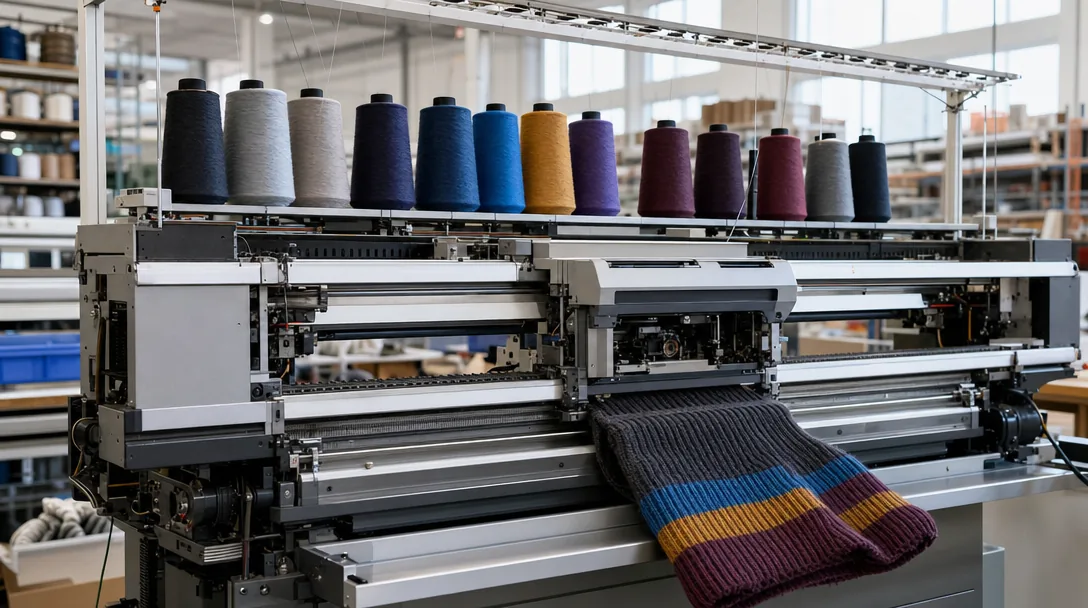
Acrylic Beanie: Properties, Costs and How to Spec It Right
Read article →
Custom Hat Design: The 2026 Sourcing & Manufacturing Playbook
Read article →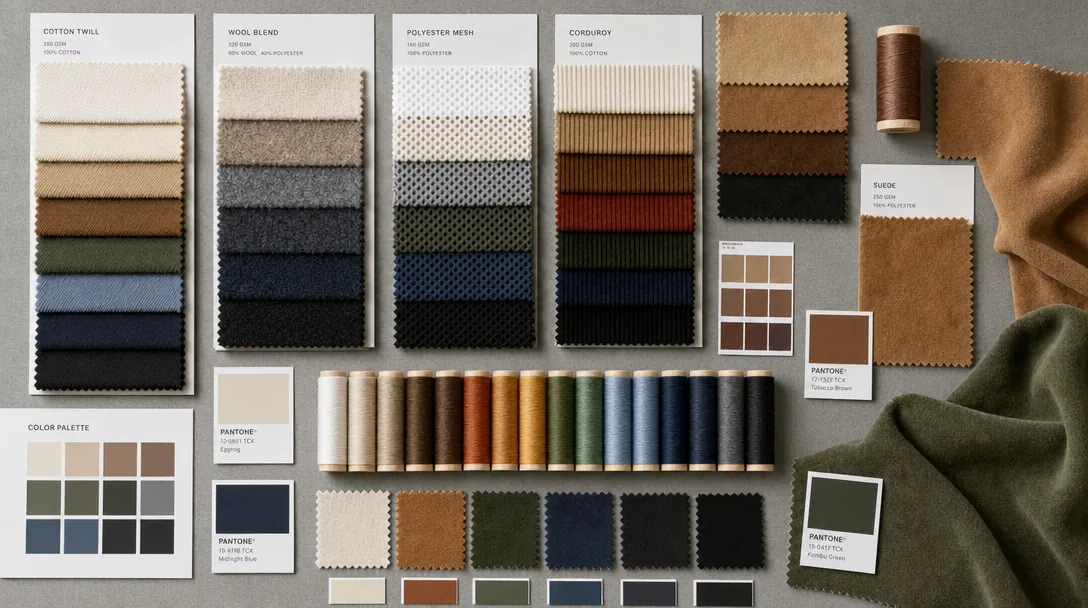
Bucket Hat Corduroy Retail Packaging Guide for Custom Hat Buyers
Read article →We hope this guide demystifies merino wool beanie: properties, costs and how to spec it right - supplier checklist - 2026 buyer's guide (2026 update) and helps you move forward with confidence. If you have questions specific to your project, our English-speaking sales engineers are one message away.