
Merino Wool Beanie: Properties, Costs and How to Spec It Right - Cost & MOQ Breakdown - Cost & MOQ Breakdown
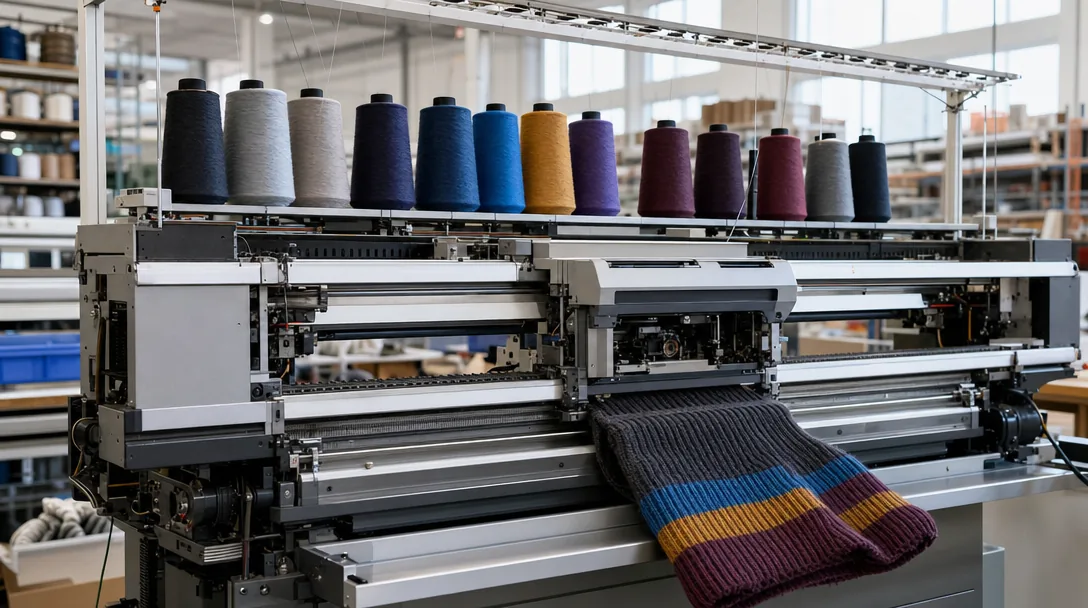
Every week, our sales team answers detailed questions about merino wool beanie: properties, costs and how to spec it right - cost & moq breakdown - cost & moq breakdown. We wrote this guide so that wholesalers, streetwear brands, corporate buyers and promotional resellers can compare options with full information, and avoid the traps that show up only after production has started.
Acrylic Beanie
Acrylic beanies are easy to underspec, which is why buyers end up comparing soft handfeel comments instead of measurable construction. Most volume programs use 100% acrylic staple yarn in 28/2 or 32/2 count, usually knitted on 9-gauge for a denser, winter-weight hand or 12-gauge for a cleaner retail face, with adult cuffed styles finishing around 60 to 90 grams. A usable tech pack should lock yarn composition, count, machine gauge, finished weight, body height, opening width, cuff depth, and the exact rib structure—typically 1x1 or 2x2—not vague language like “premium acrylic.” Color also needs discipline: specify Pantone TCX, approve lab dips, and write a Delta-E tolerance of 1.5 maximum for core shades such as black, navy, and athletic red. If the beanie carries jacquard text or engineered stripes, confirm artwork repeat, needle count, and float length before sampling. Blurry edges and broken letters usually come from poor charting, loose tension, or bad take-down settings, not from the yarn itself. Price is driven more by yarn logistics and decoration sequencing than by the silhouette. In Zhejiang, a plain cuffed acrylic beanie at 500 to 1,000 pieces per colorway typically runs about USD 1.10 to 1.85 EXW; add a pom-pom, woven loop label, or a 4,000 to 6,000 stitch logo and the cost usually moves to USD 1.60 to 2.60, depending on whether embroidery is done flat before linking or after seaming on Tajima or Barudan heads. Practical MOQ for a stock-color rib style can sit at 300 to 500 pieces, but custom-dyed yarn, low-volume jacquard, or coordinated sets often push the real number to 800 to 1,000 because mills dislike partial dye lots and knitters lose efficiency on setup waste. Compared with a merino wool beanie, acrylic is cheaper and more forgiving on raw material variation, but it needs stricter controls on pilling, rebound after 20 stretch cycles, wash stability, and shade consistency if you want reliable repeat orders.
Bulk defects on acrylic beanies are predictable and should be written into the inspection plan, not debated after shipment. The common failures are uneven rib tension, missed crown reductions, seam grin after linking, body twist, yarn contamination, oil marks, pom-pom fiber loss, and label-to-body shade mismatch. Finished measurements should stay within plus or minus 1 centimeter on body height and opening width, and recovery testing matters more than many buyers realize: stretch the opening repeatedly and check whether the cuff edge returns cleanly instead of flaring out. Pilling should be reviewed after wash or abrasion testing, because low-grade acrylic can look acceptable out of pressing and then break down fast in wear. AQL 2.5 is the right starting point for bulk inspection, with extra attention on crown symmetry, needle lines, skipped stitches, and color consistency under D65 lighting. A factory that is excellent at cut-and-sew caps can still mishandle knit headwear because knit defects come from tension control, linking accuracy, and yarn cleanliness rather than panel shape. That is why the decision point must come early: is acrylic a true cost-down substitute, or is it only a visual benchmark against a merino wool beanie? That choice affects yarn approval, care labeling, packaging, and how aggressively you chase handfeel during sample rounds. At CrownsForge, we separate those paths immediately because acrylic can imitate the look of wool but not the performance profile. A merino wool beanie is usually specified around micron range, blend accuracy, and shrink control; acrylic needs more scrutiny on rebound, pilling grade, and long-term appearance retention. If that tradeoff is not explicit before lab dips and counter samples are approved, buyers usually pay for it later in claims or markdowns.
Cotton Beanie
A cotton beanie is a knitting program, so the spec starts with yarn count, ply, and machine gauge rather than cut panels. Lock fiber content first, because that choice decides recovery, shrinkage, and how stable the cuff stays after thirty washes. For a standard cuffed style, 100% combed cotton gives the cleanest hand but the weakest rebound; a 95/5 cotton-spandex or 92/8 cotton-nylon blend usually holds shape better at the opening. Most Zhejiang knitting shops run cotton beanies on 7GG, 9GG, or 12GG circular machines, then link the crown, wash, board-shape, steam set, and trim. If you want a cleaner retail finish, specify combed cotton in 21s or 32s yarn count, finished weight around 180-260 gsm equivalent, and reactive dyeing with lab dips approved at Delta-E 1.5 maximum against the Pantone reference. A usable tech pack should call out finished height, cuff depth, relaxed opening, stretch opening, rib structure such as 2x2 or 1x1, crown linking method, label placement, and minimum performance targets like colorfastness to crocking and perspiration at grade 4.
MOQ and FOB cost move mainly with yarn availability and dye-lot complexity, not sewing labor. If the mill already carries stock shades, a plain cotton cuff beanie is usually workable at 300-500 pieces per color; once you move to custom-dyed yarn, engineered jacquard logos, slub effects, space dye, or enzyme wash, the practical MOQ often jumps to 800-1,000 pieces because the spinner and knitter both need coverage for dead stock and setup loss. In real China FOB terms, a basic mid-volume 100% cotton beanie typically lands around $1.40-$2.60, while organic cotton, branded woven labels, flat embroidery, contrast tipping, or specialty finishing can push it to $2.80-$4.20. The cost structure is different from a merino wool beanie, where micron grade, blend ratio, and yarn origin move the quote faster than trims do. The failure points I see most often are cuff relaxation, spirality after wash, crown mismatch at the top link, body-to-cuff shade variation from mixed dye lots, and needle lines caused by uneven machine condition. Bulk control should include wash shrinkage, pilling, dimensional tolerance within plus or minus 1 cm, and final inspection to AQL 2.5, with extra attention on oil marks, yarn contamination, top-closing security, and packing assortment accuracy.
Black Beanie Hat
A black beanie hat looks simple, but buyers get into trouble when they treat black as just a color callout instead of a full spec package. Black shades drift fast across fibers: a 100% merino wool beanie dyed to one lab dip will not match a 50/50 merino-nylon blend or an acrylic beanie run from stock yarn, so ask for Pantone reference, fiber content, yarn count, gauge, finished weight, and wash standard in the PO. For most retail programs, I would specify 7-gauge or 12-gauge depending on hand feel, 1x1 or 2x2 rib construction, 19.5-micron to 21.5-micron merino, and a finished weight around 65 to 110 grams per piece. If you need a cuff logo, also define decoration method early: direct embroidery on knit, woven loop label, or leather patch, because embroidery density that works on a corduroy hat or corduroy hat men's profile will distort a soft knit if the backing and underlay are wrong. Manufacturing usually starts with cone yarn inspection, panel or whole-garment knitting, linking at the crown, washing, boarding, trimming, and final metal detection if required by the customer. On darker shades, a factory should control pilling, crocking, and spirality after wash; black yarn that looks rich on the machine can turn flat or reddish after finishing if dye penetration is uneven. Our standard practice is to check colorfastness to rubbing and perspiration, dimensional stability after one wash cycle, and visual shade consistency under D65 light boxes, because Delta-E shifts that seem minor in the lab become obvious when 500 units are lined on a packing table.
For factory specs, buyers should send a tech pack with exact folded cuff height, total body height, top shape, yarn ply, needle count, tolerance, and carton packing method. If you only write "black beanie hat, one size," you will get wide variation in fit: adult one-size can mean 21 cm lay-flat width or 24 cm, and that changes both stretch recovery and shelf appearance. Ask for head circumference fit range, usually 56 to 60 cm for standard adult, and call out whether you want a fisherman fit, classic watch cap, or slouch profile. Also specify whether the black tone must hold across matching styles, because buyers often run a beanie beside a bucket hat women capsule, a camouflage bucket hat promo item, or even a corduroy hat in the same delivery and expect visual consistency across totally different substrates. MOQ and price depend more on yarn sourcing and decoration than on the silhouette itself. A plain acrylic beanie can start around 300 to 500 pieces per color at roughly $1.10 to $2.20 FOB China, while a certified merino wool beanie more realistically lands at 300 to 500 pieces per color around $3.80 to $7.50 FOB, depending on micron, blend ratio, RWS certification, and whether the yarn is dyed-to-order. If you add a woven label, custom size label, and polybag barcode, expect another $0.12 to $0.35; if you add high-density embroidery, costs can rise $0.30 to $0.90 depending on stitch count and machine time. Very small trial orders under 200 pieces are possible, but most knitting mills will either surcharge heavily or force you into stock yarns, which limits true black matching and hand-feel control.
The inspection points that matter most on a black beanie hat are the ones buyers often miss in pre-shipment photos: crown linking symmetry, needle lines, oil stains, yarn contamination, loose ends inside the cuff, and inconsistent boarding that changes apparent height by 1 to 2 cm. For darker goods, lint and fly fiber are persistent problems, especially when factories run black beanies after lighter acrylic programs without thorough machine cleaning. I would inspect to AQL 2.5 for major defects and AQL 4.0 for minor, with specific attention to shade banding between cartons, seam grin when stretched, embroidery puckering, and odor after washing. If the beanie includes merino, also check prickle level and measure actual gsm-equivalent fabric weight from the finished knit structure rather than trusting nominal yarn data. This is where the broader sourcing choice matters: a merino wool beanie gives better thermal regulation, lower odor retention, and a more premium hand than acrylic, but it is less forgiving on dye consistency, shrinkage, and logo application. Buyers who only compare headline FOB price usually end up paying later through higher reject rates or slower approvals. CrownsForge typically advises locking the black standard with a retained sealed sample, approving wash results before bulk, and confirming whether the factory knits in-house or outsources linking and finishing, because subcontracted finishing is where many black shade, size, and hand-feel issues start.
Slouchy Beanie
A slouchy beanie goes wrong on geometry before it goes wrong on fiber, so the factory needs a real silhouette spec instead of a reference photo with “more drape.” For an adult merino wool beanie with visible crown drop, I would start at 28-30 cm finished height, 21-23 cm width laid flat, and 85-120 g finished weight, with a 6-8 cm cuff only if you want structure at the opening. Most reliable programs are built at 7GG or 12GG on Shima Seiki or Stoll flat machines, then crown-linked and fully washed to stabilize handfeel and measurements. If the top stands up instead of collapsing cleanly, the usual cause is too much stitch density or an overly springy yarn count, not bad sewing. Fisherman rib is a common trap here: it looks good in a sales sample, but unless the wale-course balance is recalculated for slouch, it creates body where you actually need controlled collapse. The fiber spec has to match how the hat will be worn, not just how it feels in the sales room. A 100% merino wool beanie in 19.5-21.5 micron yarn gives the soft hand premium buyers expect, but it will pill faster at the forehead, cuff edge, and crown seam than a reinforced blend. For better recovery and fewer return claims, many workable slouchy programs use 70/30 merino-nylon or 50/50 merino-acrylic, especially for e-commerce where customers notice bagged-out openings after a few weeks. The tech pack should lock yarn composition, micron claim, gauge, relaxed measurements with ±1 cm tolerance, wash method, Pantone TCX reference, Delta-E limit, branding placement, and pack-out. Decoration needs restraint: a small woven label is safe, and compact embroidery on Tajima or Barudan heads can work, but a heavy PVC or thick felt patch will flatten the front panel and kill the drape after finishing.
MOQ and FOB cost on a slouchy merino wool beanie are driven more by yarn sourcing and dye-lot control than by machine minutes. Stock acrylic programs can still open around 300-500 pcs per color, but custom-dyed merino usually lands at 500-1,000 pcs because spinner minimums, lab-dip approvals, and lot segregation add real cost before knitting starts. In today’s China supply base, a basic acrylic slouchy style commonly sits around $1.80-$3.20 FOB, while a merino program is more realistically $4.80-$9.50 FOB depending on micron, blend ratio, finished weight, and whether the yarn is stock shade or custom dyed. Once you move into finer micron yarns, tighter shade tolerances, or branded trim, the upper end rises quickly. Inspection should focus on the failure points that actually trigger claims, not cosmetic trivia. The biggest issues are peaked crown linking, poor opening recovery after 20-30 wears, yarn contamination in ecru or heather shades, lot-to-lot shade shift beyond the approved Delta-E, and pilling after wash. Our standard practice is to inspect knit caps to AQL 2.5, checking both relaxed and lightly stretched measurements, then confirming wash stability, colorfastness to perspiration, and pilling performance before bulk release. If the buyer wants cleaner retail consistency, add a requirement for approved pre-production wash panels and sealed shade standards from the first dye lot; that prevents the common problem where the salesman sample drapes correctly but bulk arrives firmer, shorter, and visibly off-shade under store lighting.
Cotton Beanie Men
Cotton is not a clean plug-in replacement for acrylic, and it behaves very differently from a merino wool beanie once you start locking fit tolerances. Combed cotton has weaker elastic recovery, higher moisture regain during dyeing, and more visible torque if stitch balance is off, so the spec has to be tighter than most buyers expect. For men’s beanies, mills commonly use 21s/2 or 32s/2 combed cotton on 12-gauge to 16-gauge machines, depending on whether the target structure is single jersey, 1x1 rib, or a heavier fisherman rib. The purchase spec should fix yarn count, gauge, finished weight in grams, body height, cuff depth, wash finish, and color standard. If color is approved against Pantone, use Pantone TCX and write a bulk tolerance such as Delta-E 1.0-1.5 under D65 lighting, because a lab dip approval alone does not protect you in production. I would also cap post-wash shrinkage at under 5 percent, hold dimensional tolerance at plus or minus 0.5 inch, and require both greige and finished measurements, especially when enzyme wash or silicone softening is part of the finish.
Cost on a cotton beanie is driven less by silhouette than by yarn preparation, dye route, and trims. In China, a basic 100 percent cotton cuff beanie with a woven label usually starts around 300-500 pieces per colorway; some stock-yarn programs will accept 200 pieces if the gauge and shade are standard. At 500 pieces, a plain style typically lands around $2.10-$3.40 FOB China, while jacquard logos, contrast tipping, fully fashioned crowns, or custom-dyed yarn can push it to $3.60-$4.80. A merino wool beanie sits materially higher because 19.5-21.5 micron merino yarn is commonly 35-70 percent more expensive than standard combed cotton, especially when the spinner must provide mulesing-free declarations, RWS documentation, or blend test reports. That price gap is why experienced buyers often approve fit and silhouette in cotton first, then move to merino only after the pattern, gauge, and crown shape are stable.
Most bulk failures in cotton beanies come from recovery, shade consistency, and finishing drift rather than obvious knitting defects. The factory checks that matter are spirality, barre, dropped stitches, needle lines, weak rib rebound, seam grin at the crown linking point, and cuff rolling after 24 hours of relaxed conditioning. For dark shades, ask for colorfastness results for rubbing and perspiration, with dry and wet crocking at grade 3-4 minimum; otherwise black and navy cuffs will generate retail complaints fast. Trim control matters too: an overthick woven label or high stitch density at the fold will print through the rib and cause puckering. Final inspection at AQL 2.5 is standard, but for premium programs I would tighten carton-to-carton shade-band approval because side-by-side variation creates more returns than isolated knitting faults. Our standard practice is to review pre-wash and post-wash samples against a retained shade swatch, which catches the two failures that usually cost real money in rework: size drift and color mismatch.
100 Acrylic Beanie
A 100% acrylic beanie is the simplest knit cap to source in volume, but it still needs a tighter tech pack than most buyers give it. Acrylic yarn runs cleanly on 7-gauge and 12-gauge flat knitting machines, with fewer end-breaks and less dimensional drift than wool blends, yet bulk variation shows up fast if the spec stops at “soft winter beanie.” Lock the construction down with yarn count such as 28/2 or 32/2 Nm acrylic, machine gauge, rib structure, finished weight, cuff depth, body height, laid-flat width, and approved color under D65 light against Pantone TCX. For a standard adult cuffed style, I would start at 21-22 cm body height, 20-21 cm laid-flat width, 7-8 cm cuff depth, and 70-90 g finished weight. Recovery should be tested after defined extension, not judged by hand feel on the packing table. Decoration has to be engineered into the knit as well. A cuff logo run on Tajima or Barudan heads can easily pinch a 1x1 rib if stitch density, hooping tension, and backing are wrong. Before bulk, check strike-offs for puckering, tunneling, needle heat shine, and crown distortion after the cuff is folded. Compared with a merino wool beanie, acrylic gives better lot-to-lot repeatability and a lower cost floor, but it cannot match merino on moisture management, odor resistance, or perceived fiber value.
MOQ and costing are straightforward until you ask for custom dyeing or layered trims. For a plain single-layer 100% acrylic cuffed beanie, workable factory MOQs in Zhejiang or Jiangsu are usually 300-500 pieces per colorway; stock-yarn programs sometimes open at 144-200 pieces when a mill is filling spare capacity, but that is not something to build a calendar around. A realistic FOB China range at 1,000 pieces is about $1.10-$1.90 for a basic style. Add jacquard artwork, pom-pom assembly, woven labels, or a 180-220 gsm fleece liner and the number usually lands around $2.20-$3.40 depending on trim count, stitch program length, and rework risk. If the color must sit close to Pantone TCX, require lab dips and set a practical shade tolerance of Delta-E 1.5-2.0; small acrylic dye lots are inefficient, so custom yarn can add 20-30 days and push unit cost up disproportionately. The routine failure points are rib tension inconsistency, skewed crown linking, barre between yarn lots, wash pilling, over-steaming, and cuff embroidery that waves after folding. Inspect to AQL 2.5, condition samples for 24 hours before measuring, and run stretch-and-recovery checks on at least 10 pieces per lot. Our standard practice is to compare landed cost, not just FOB, because acrylic packs more densely and usually ships cheaper per hundred units than a heavier merino wool beanie.
Working with CrownsForge for merino wool beanie programs
The make-or-break issue on a first-run merino wool beanie is upstream control, not sewing-floor heroics. If the yarn spec is vague, bulk will drift: 19.5-21.5 micron feels very different from 23 micron, and 2/30Nm versus 2/48Nm changes weight, recovery, and logo behavior even before finishing. For a basic cuffed style in stock 100% merino, 7-10 calendar days is a realistic sample window; once you introduce custom dyeing, engineered stripes, jacquard text, or traceable lots, 12-16 days is more honest because lab dips, yarn booking, and knitting trials start to stack up. Shade approval should be handled like apparel, not promo goods: approve to Pantone TCX under D65, then hold bulk dark shades to roughly Delta-E 1.5-2.0. Heather and melange yarns usually need a wider tolerance because mixed-fiber uptake shifts lot to lot, and pretending otherwise only creates avoidable claims after delivery.
Logo application is where many buyers over-spec and then blame the factory. Dense fill embroidery on a single-layer merino crown usually tunnels the knit, hardens the handfeel, and prints the backing through the face, especially below 55 gsm finished cap weight. Better options are low-density satin columns, run-stitch detailing, or a woven patch stitched onto the cuff where the doubled layer can support it. MOQ also changes fast once you move beyond stock yarn. A workable opening quantity is usually 100-150 pieces per color for a plain 1x1 or 2x2 rib merino wool beanie in stock shades, but custom-spun colors, merino-nylon blends, or RWS-certified lots often push the commercial floor to 300-500 pieces because dye minimums and leftover yarn liability become real cost drivers.
Price only makes sense after you separate yarn route, knit structure, and decoration. In today’s market, a straightforward 48-60 gram merino wool beanie in stock-supported yarn typically lands around US$3.80-US$6.20 ex-factory at 300 pieces; at 1,000 pieces, knitting efficiency, trim amortization, and carton utilization usually pull that down meaningfully. Common adders are US$0.12-US$0.28 for a woven loop label, US$0.35-US$0.90 for flat embroidery depending on stitch count and backing, and US$0.45-US$1.10 for a laser-engraved leatherette patch with edge finishing and hand placement. CrownsForge treats bulk control more like an audited knitwear order than a generic hat run: incoming yarn checks for count, shade continuity, and oil contamination, PPS sign-off before bulk, inline checks on body height and cuff depth, and final inspection to AQL 2.5. Buyers should also ask for sedex-audit-cap-supplier-guide.html">BSCI 2.0 or Sedex SMETA 4-Pillar records, plus REACH and CPSIA paperwork for trims, because fiber-content claims, mulesing-related declarations, and animal-derived patch materials create compliance exposure much faster than on a standard acrylic beanie.
Frequently Asked Questions
What logo decoration techniques do you offer?
3D puff embroidery, flat embroidery, woven patch, leather patch, PVC patch, screen printing, sublimation, applique and laser etching, all in-house with no subcontracting.
Can I order a sample before bulk production?
Yes. We strongly recommend approving a pre-production sample before mass production. Samples are charged at 35 to 60 USD each plus express shipping, fully refundable against confirmed bulk orders over 500 pieces.
What is the minimum order quantity (MOQ) for custom hats?
Our standard MOQ is 100 pieces per design and color, with sampling available from 1 piece. For complex multi-color logos or premium fabric upgrades, the MOQ can be lowered with a small per-piece surcharge.
How long does production take?
Sampling takes 7 to 12 days. Bulk production runs 20 to 30 days depending on quantity, fabric availability and decoration complexity. Inspection and packing adds another 3 to 5 days before shipment.
What file format should I send for my logo?
Vector files (AI, EPS, PDF) are ideal. High-resolution PNG or JPG at 300 dpi on transparent background works as a fallback. Provide Pantone color references for accurate reproduction.
What should buyers know about black bucket hat men?
When evaluating black bucket hat men, the key considerations are construction quality, decoration capability, MOQ flexibility and lead time. Cover everything buyers ask about black beanie hat: how it's manufactured, what specs to request from a factory, typical MOQ and pricing, common quality issues to inspect for, and how this ties back to the broader merino wool beanie sourcing decision. Cover everything buyers ask about cotton beanie men: how it's manufactured, what specs to request from a factory, typical…
What should buyers know about kangol bucket hat mens?
When evaluating kangol bucket hat mens, the key considerations are construction quality, decoration capability, MOQ flexibility and lead time. Cover everything buyers ask about black beanie hat: how it's manufactured, what specs to request from a factory, typical MOQ and pricing, common quality issues to inspect for, and how this ties back to the broader merino wool beanie sourcing decision. Cover everything buyers ask about acrylic beanie: how it's manufactured, what specs to request from a factory, typical MOQ…
What should buyers know about corduroy hat womens?
When evaluating corduroy hat womens, the key considerations are construction quality, decoration capability, MOQ flexibility and lead time. Cover everything buyers ask about black beanie hat: how it's manufactured, what specs to request from a factory, typical MOQ and pricing, common quality issues to inspect for, and how this ties back to the broader merino wool beanie sourcing decision. Cover everything buyers ask about acrylic beanie: how it's manufactured, what specs to request from a factory, typical MOQ…
What should buyers know about acrylic beanie hat?
When evaluating acrylic beanie hat, the key considerations are construction quality, decoration capability, MOQ flexibility and lead time. Cover everything buyers ask about acrylic beanie: how it's manufactured, what specs to request from a factory, typical MOQ and pricing, common quality issues to inspect for, and how this ties back to the broader merino wool beanie sourcing decision. Cover everything buyers ask about black beanie hat: how it's manufactured, what specs to request from a factory, typical MOQ…
Are merino beanies worth it?
If you value sustainability, comfort, durability, and superior thermal performance, a merino wool beanie is a smart and stylish investment. Despite the higher upfront cost, the long-term benefits—including shape retention, moisture management, and odour resistance—make it a practical addition to your wardrobe.
Is merino good for a beanie?
Made for all your outdoor adventures, merino is soft on skin, easy to layer and naturally temperature regulating and odour resistant. A fitted beanie, it's perfect for wearing under hoods or helmets while out hiking, climbing, skiing or mountain biking.
Are merino wool beanies worth it?
A: Yes, Merino wool is excellent for hats because it is breathable, quick drying, and temperature-regulating, providing comfort in various weather conditions.
Is merino yarn good for beanies?
Additionally, wool has a certain level of stretch to it, making it great for beanies. However, there are different types of wool you can choose from: - Merino wool comes from merino sheep and is known to be very fine and soft. It can be used for anything from socks to hats.
Is a merino wool beanie itchy?
Merino wool is finer and softer than other kinds of wool, which makes it less itchy. Its fibers are very short in length and smaller in diameter, which makes it a whole lot softer and gentler on the skin.
Looking for a reliable hat manufacturer in China?
CrownsForge has produced custom hats for 800+ brands across 40 countries. From 100-piece launches to 100,000-piece retail programs, we deliver on time and on spec.
Get in touchRelated guides
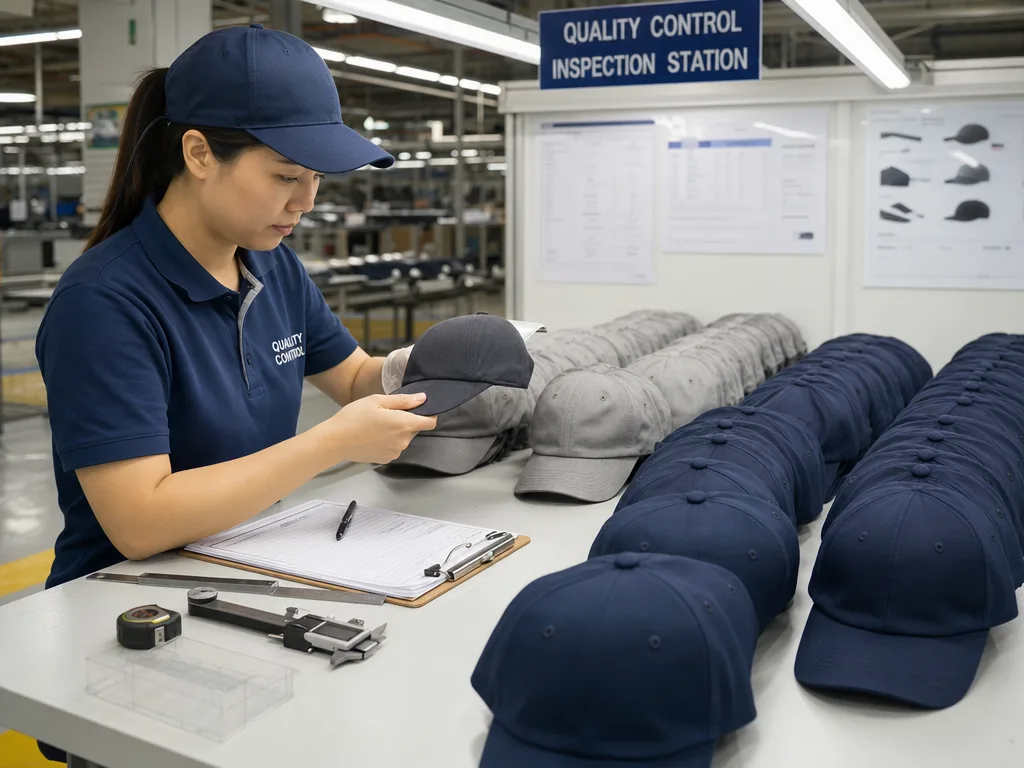
BSCI vs Sedex vs WRAP vs WCA: Compliance Audit Standards Compared (2026 Update) - 2026 Buyer's Guide
Read article →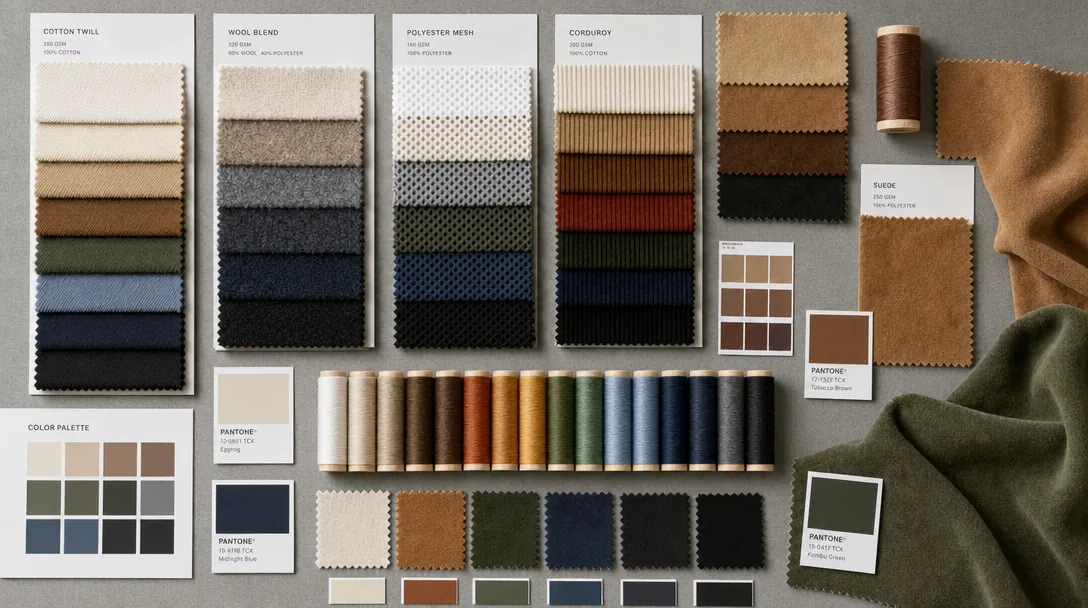
Sustainable Cap Packaging: Options, Costs and Retail-Buyer Demands - 2026 Buyer's Guide
Read article →Bucket Hat Corduroy Fabric And Trim Spec Guide for Custom Hat Buyers
Read article →Sourcing custom hats does not have to be complicated. With the right manufacturing partner, clear specifications and a small upfront investment in sampling, you can launch a retail-quality product in 30 to 45 days.