
Merino Wool Beanie: Properties, Costs and How to Spec It Right - Cost & MOQ Breakdown (2026 Update) - Supplier Checklist
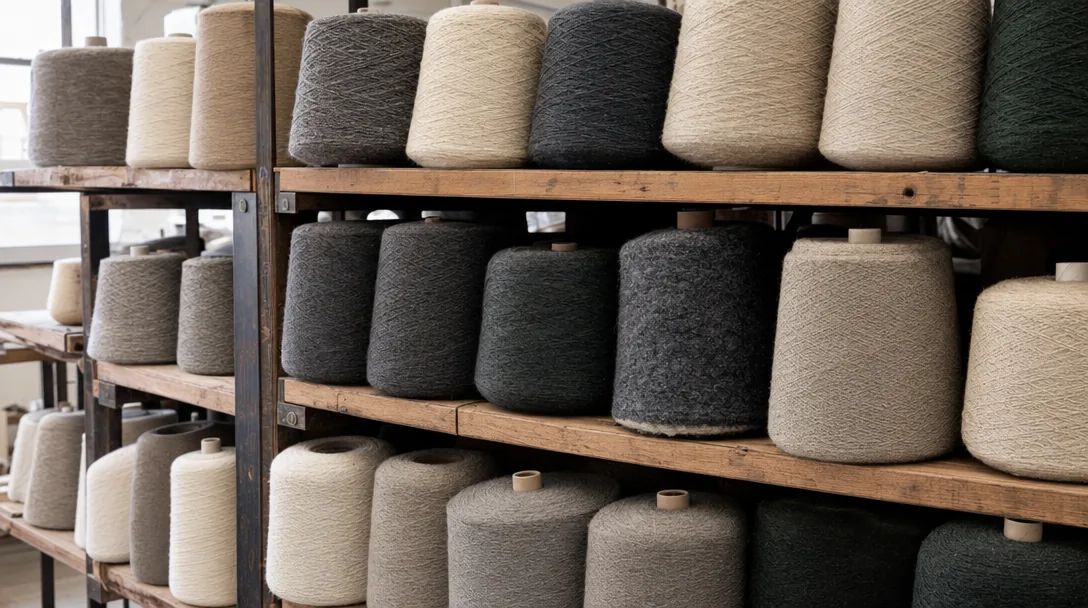
Merino Wool Beanie: Properties, Costs and How to Spec It Right - Cost & MOQ Breakdown (2026 Update) - Supplier Checklist is one of the most-asked questions we receive from international buyers, and for good reason. With dozens of factories competing for your order and an alphabet soup of technical terms in every supplier quote, even experienced importers can feel lost. This guide consolidates what we have learned producing custom hats for clients in 40+ countries.
Acrylic Beanie
An acrylic beanie is usually the lowest-cost winter headwear spec that still looks retail-ready, and the standard build is simple: 100% acrylic yarn, 7-gauge or 12-gauge rib knit, folded cuff, linked crown, and either a woven label or a small embroidery patch. Most knit factories run it on Stoll or Shima Seiki flat machines with 28/2 or 32/2 acrylic, then wash, steam set, trim, and bag. If you want to reduce the cheap-fuzzy look, specify anti-pilling acrylic or an acrylic-nylon blend; generic staple acrylic will usually start showing surface wear after 10 to 20 wears. Compared with a merino wool beanie, the difference is not only unit cost. Acrylic is easier to source at scale and less sensitive to yarn availability, but merino is materially better for moisture buffering, odor control, and thermal stability when the product is sold as premium retail or outdoor gear.
The spec sheet needs real controls, not vague buyer language. Define fiber composition by percentage, gauge, finished weight in grams, cuff height, body height, relaxed width, stretch recovery, label method, and pom-pom construction if there is one. Lock color to Pantone TCX and agree a Delta-E tolerance; for a retail program, Delta-E 1.5 or tighter is reasonable. Add compliance requirements before sampling starts: azo-free dyestuffs, REACH, and CPSIA if the product is for the U.S. market, plus carton packing by color ratio or pre-packed size runs. Typical MOQ is 300 to 500 pieces per color for stock acrylic yarns, while custom-dyed yarns often start around 1,000 pieces per color because the dyehouse minimum drives the run. A plain cuffed acrylic beanie usually lands around $1.10 to $2.20 FOB China; jacquard logos, reflective yarn, fleece lining, or novelty yarn push it to roughly $2.40 to $4.20, which is still far below a merino wool beanie but not a substitute on positioning or margin structure.
The failure modes are repetitive and easy to spot once you know where to look: twisted panels, uneven crown decreases, visible needle lines, barre from mixed yarn lots, weak top linking, and size drift after steaming. Inspect to AQL 2.5 for major defects and AQL 4.0 for minor defects, and measure after conditioning, not straight off the packing table. A cap that looks fine in polybag can relax open on a shelf, so relaxed width, recovery, and crown symmetry matter more than many buyers expect. CrownsForge’s standard practice is to keep knit accessories and cut-and-sew headwear on separate QC paths, because a factory that can make corduroy caps or buckets competently is not automatically good at knit structure. When a buyer is deciding between acrylic and merino wool beanie programs, sample both against the same fit block and retail target. Acrylic wins on MOQ flexibility and entry price; merino wins when the customer is paying for thermal regulation, odor resistance, and a cleaner handfeel.
Cotton Beanie
Cotton beanie production looks straightforward until you pin down the spec. Most bodies are 100% combed cotton, usually 16s, 20s, or 30s yarn count, with 7-gauge to 12-gauge flat-knit being the common range for promotional and retail programs. The details that actually move fit and hand feel are stitch structure, yarn twist, brim construction, and finished weight, which typically lands around 45 to 110 g depending on gauge and crown height. A usable tech pack should call out yarn count, gauge, stitch type, fold depth, finished circumference, crown height, and wash shrinkage tolerance. Mercerized cotton gives a cleaner surface and better luster; 5% to 8% elastane is the practical ceiling if you need real recovery. Enzyme wash can soften hand feel, but it also introduces batch variation, so it should be approved in sample stage, not left as a generic finish note.
MOQ and pricing are driven by setup and finishing, not just the yarn. For a standard cotton beanie, factory MOQ is usually 300 to 1,000 pieces per color, with the higher end tied to custom yarn dyeing, special washing, or a new trim package. In 2026, a blank program commonly prices at about USD 1.20 to 2.80 FOB depending on yarn quality, stitch density, and wash process; adding embroidery, woven label, rubber patch, or private packaging usually moves landed ex-factory cost into the USD 2.50 to 4.50 range before freight. Ask for line-item pricing on yarn, knitting, linking, washing, embroidery, label, hangtag, and polybag. That split is the only way to see whether the real cost sits in material or labor. CrownsForge uses the same quoting structure on knit programs because bundled numbers hide the part that usually hurts margin: linking and finishing labor.
The common failures are predictable and expensive: shrinkage after wash, barrel-shaped body distortion, loose rib recovery, pilling, shade drift between samples and bulk, and oil contamination from finishing equipment. Inspection should check circumference at rest and full stretch, crown seam smoothness, brim flatness after packing, colorfastness to rubbing and washing, and GSM against the approved reference. Set Pantone TCX targets before bulk, then lock AQL 2.5 for production; for color-sensitive programs, a Delta-E under 2.0 is a sensible working target. Buyers comparing this against a merino wool beanie should be honest about the tradeoff: cotton is cheaper, easier to repeat, and less sensitive to fiber sourcing, while merino gives better thermal regulation, odor resistance, and drape at a much higher raw-material cost. For low-risk promo runs, cotton wins on speed and price; for premium retail or cold-weather programs, a merino wool beanie usually justifies the added spend.
Black Beanie Hat
A black beanie hat looks simple, but the spec is what keeps it from turning into rework. For a merino wool beanie, define yarn count in Nm or tex, merino percentage, carrier fiber, knit gauge, crown shape, fold height, and finishing sequence before you talk price. The common build is 1x1 rib or 2x2 rib on 7-gauge to 12-gauge flat knitting machines, then linking, scouring, steam setting, and trimming. If the color is dyed black, call out a Pantone TCX target, Delta-E under 1.5 against the approved shade band, and colorfastness to washing plus dry and wet rubbing at grade 4 or better. Black wool often looks dull or slightly brown if the softener and wash recipe are weak, so approve both prewash and postwash hand feel, not just the lab dip.
MOQ and cost move more with yarn and finishing than with black itself. A stock acrylic beanie can land at 300 to 500 pieces per color, while a custom merino wool beanie usually starts around 300 to 800 pieces and needs more yarn booking, lab testing, and approval time. In 2026, a realistic FOB range for a wool-rich black beanie is about $4.20 to $8.50 each, depending on merino content, gauge, woven label versus embroidery, and whether the packout includes a branded hangtag or recycled polybag. The biggest cost driver is not knitting labor; it is dye consistency, wash shrinkage control, and the number of correction rounds before bulk release.
The defects I see most often are uneven dye uptake, crown torque, loose linking at the top, pilling after a short rub test, and size drift after washing. Put the black beanie hat on AQL 2.5 with hard limits for dimensions, seam strength, appearance, and shade match, then require a wash test that holds shrinkage under 5 percent in both length and width. Factory photos hide too much on black goods because defects disappear in low light, so check pre-production and top-of-production samples under D65 lamps. If you are running both a merino wool beanie and a cheaper volume knit in the same program, keep the tech pack parallel but not identical; gauge, yarn twist, and finishing density change fit and hand feel even when the outside looks the same.
Slouchy Beanie
A slouchy beanie is not just a looser knit cap; the shape comes from a longer body, a controlled crown finish, and a rib structure that can relax without collapsing. For a merino wool beanie, specify the yarn count, knit gauge, finished weight, body length, and allowable shrinkage in the tech pack. A normal build is 100% merino at 2/26NM or 2/30NM, knitted at 7 to 9 gauge in 1x1 or 2x2 rib, with a doubled cuff and an 18 to 22 cm body length after wash. At 16 to 22 microns, merino is softer than commodity wool and handles odor better, but only if the yarn is properly scoured, spun, and preshrunk before linking. If the crown is poorly linked or the tension is uneven, the hat will sit flat instead of draping, regardless of how good the fiber is.
MOQ depends on whether you are buying stock yarn or a custom shade. Stock-color slouchy beanies can sometimes be done at 100 to 300 pieces per color, but custom-dyed merino, branded woven labels, or tighter color matching across several colorways usually pushes the practical floor to 300 to 500 pieces per color. FOB China pricing in 2026 for a basic 100% merino wool beanie typically lands around USD 6.50 to 11.50 per piece at those volumes, with embroidery, Pantone TCX lab-dip work, and specialty wash finishing adding cost fast. Yarn is still the biggest line item, not sewing. Our standard practice is to freeze the spec sheet first, then price from yarn weight, stitch density, cuff construction, and trim package instead of working backward from a retail target the factory cannot reliably hit.
The defects buyers miss are crown puckering, left-right slouch imbalance, rib twist after steam setting, and harsh handfeel from over-scouring or a low-grade wool blend. Put AQL 2.5 on major defects and require wash testing for pilling, dimensional stability, and colorfastness; a beanie that looks fine on the table can still fail after one laundering cycle. Ask for yarn certificates, lab-dip approval, and in-line checks for body length, cuff height, and seam elongation, because a 1 cm drift changes the silhouette more than most buyers expect. Between a merino wool beanie and an acrylic beanie, the tradeoff is blunt: merino gives better thermal regulation, odor resistance, and hand feel, while acrylic gives lower cost and more tolerance for shape drift and pilling.
Cotton Beanie Men
A men’s cotton beanie is the simplest knit cap to source, but the spec still has to read like a production document. Most factories run it on 7-gauge or 12-gauge circular knitting machines, then close the crown by linking, wash, steam block, and finish with a woven label, clamp label, or direct embroidery. Call out 100% combed cotton or a cotton-spandex blend with the yarn count in writing, such as 2/32s combed cotton with 5% elastane for recovery. Lock finished weight, cuff height, body length, rib construction, Pantone TCX color, and shrinkage limits into the tech pack. Poor cotton can move 3% to 7% after wash if yarn twist, scouring, or blocking is sloppy. For stock yarn programs, MOQ is usually 300 to 500 pieces per color, with FOB pricing around USD 2.20 to 4.50 depending on gauge, stitch density, embroidery count, and label application.
The failure modes show up on a head, not on a table. Cotton beanies can skew after blocking, lose cuff recovery, pill where the rib rubs, or look uneven if machine tension drifts across a lot. Inspect crown closure density, seam alignment, dropped stitches, color shading between dye lots, and surface inconsistency under daylight and D65 light; that is where bad knitting shows first. For men’s sizing, do not guess from a sample fit. Specify head circumference tolerance at +/-1 cm and require the opening to recover after 24-hour compression. If a supplier is quoting acrylic at the same time, use it as a benchmark: acrylic is cheaper and easier on MOQ, but cotton wears better in mild weather, while a merino wool beanie gives higher warmth-to-weight, better odor control, and a more premium handfeel that buyers can justify at retail.
The sourcing decision is really about category position, not whether cotton is “better” than wool. A cotton beanie men program makes sense when you need a lighter, lower-cost cold-weather item that can sit beside a corduroy hat or a camouflage bucket hat without pushing the retail price into premium territory. A merino wool beanie belongs in a different margin bracket because the fiber carries more value per gram and buyers will accept a higher FOB for warmth, odor resistance, and a cleaner premium story. Our standard practice is to freeze fiber content, yarn supplier, and wash-test results before bulk, because factories will quietly relax knit density if the approval sample feels too soft. Put gsm-equivalent target, shrinkage limit, and pilling grade into the tech pack, then treat logo method as a secondary decision. That order of control prevents price drift more reliably than polishing the sample photo.
100 Acrylic Beanie
A 100% acrylic beanie is usually a fully fashioned knit that gets linked, steamed, and finished with a rib cuff, woven label, TPU patch, or direct embroidery. Most mills run it on 7-gauge or 9-gauge flat knitting machines with 1.5s to 2.0s acrylic yarn, which gives a dense winter hand without driving labor up. For a proper spec, lock yarn composition, yarn count, gauge, finished weight in grams, cuff height, crown shaping, stretch recovery, and shade control to Pantone TCX when color consistency matters. If the brief needs a softer touch or better wear, ask for anti-pilling acrylic or an acrylic/polyester blend; low-grade yarn will pill after 3 to 5 wash cycles and start looking tired long before it actually fails. Compared with a merino wool beanie, acrylic is easier to source at scale and far less exposed to fiber price swings, but the handfeel is more synthetic and moisture management is weaker.
MOQ is usually lower on acrylic than on a merino wool beanie because the raw material is cheaper and the knit is less sensitive to yarn behavior. A stock-yarn program often starts at 300 to 500 pieces per color; once you move into custom-dyed yarn, heather effects, or jacquard patterns, 1,000 pieces per color is a normal factory floor ask. FOB pricing for a plain adult acrylic beanie generally lands around USD 1.10 to 2.40, with a woven patch, embroidery, or branded label adding roughly USD 0.18 to 0.55 depending on stitch count and placement. The useful comparison is not just price versus a merino wool beanie, but price versus the whole program: acrylic samples faster, has fewer size variables, and usually fits tighter cost targets for promo, retail basics, and team issue orders where warmth matters more than fiber prestige.
The defects to inspect are predictable: stitch tension drift, twisted side seams, dye-lot variation, crown distortion after steaming, and pilling from abrasion. Put the inspection standard in writing as AQL 2.5 for critical and major defects, and require a wash-and-wear check plus a rebound test on the rib edge so it snaps back instead of bagging out. Do not accept a vague “soft hand” claim without a yarn datasheet, a finished-weight target, and a ±5 g tolerance; a 90 g beanie and a 130 g beanie are different products even if the photos look interchangeable. When buyers compare acrylic against a merino wool beanie, the real decision is whether they want the lowest landed cost and broad factory availability, or whether the higher raw-material cost of merino is justified by stronger retail positioning, better thermoregulation, and fewer complaints about odor and handfeel.
Working with CrownsForge for merino wool beanie programs
Merino wool beanie programs usually fail at sampling, not bulk knitting. The garment looks simple, but the spec is not: 16s or 18s merino yarn, 7- or 12-gauge knit structure, loop density, shrinkage after a 30 C wash, pilling grade, and how the hand changes after decoration all need to be locked. A first sample normally takes 7 to 10 days once artwork, Pantone TCX references, crown height, cuff depth, and target measurements are frozen; a second round is usually 5 to 7 days if the rib tension or panel shaping needs correction. For a basic merino wool beanie, production can start around 100 to 300 pieces per color, but the MOQ climbs quickly once you add woven labels, wash testing, or mixed trim because yarn waste, machine setup, and finishing labor have to be absorbed somewhere.
Decoration is where merino gets expensive fast. Dense embroidery can distort the knit, so the digitizing has to be built for wool, not copied from an acrylic file. On Tajima, Barudan, or ZSK heads, stitch density, pull compensation, underlay, backing weight, and needle size all change once you move into fine script, tonal logos, or 3D puff. For a merino wool beanie, I keep logo placement conservative on the cuff or front panel and check the piece after steaming, folding, and carton compression, because a hat that looks flat off the frame can still cockle after packing. For most programs, 4,000 to 6,000 stitches is the practical zone for clean decoration; go well beyond that and you start paying in distortion and slower output.
For export orders, the compliance stack is routine but non-negotiable: fiber content verification, shrinkage testing, colorfastness to washing and rubbing, formaldehyde, azo dye screening, and needle detection where applicable. When buyers need audit coverage, the factory side should already be aligned to sedex-audit-cap-supplier-guide.html">BSCI 2.0 or Sedex SMETA 4-Pillar, with lot-level yarn traceability and AQL 2.5 inspection records tied to the approved seal sample. The clean way to run a merino wool beanie order is still the boring one: approve one sample, freeze one tech pack, run one pre-production check, then inspect after packing before release. CrownsForge’s standard practice is to hold that line because most problems come from unresolved details that were never truly locked, usually crown depth, shade drift, or embroidery tension that looked acceptable only before compression.
Frequently Asked Questions
What is the minimum order quantity (MOQ) for custom hats?
Our standard MOQ is 100 pieces per design and color, with sampling available from 1 piece. For complex multi-color logos or premium fabric upgrades, the MOQ can be lowered with a small per-piece surcharge.
Do you support sustainability certifications?
Yes. We work with GOTS organic cotton, GRS-certified recycled polyester, OEKO-TEX Standard 100 fabrics, and are BSCI and Sedex audited. Certification documentation can be provided per order.
Which shipping methods do you support?
We support FOB, CIF and DDP shipping. Air express for samples and small orders, sea LCL for 100 to 500 pieces, sea FCL for 5,000+ pieces. Door-to-door DDP available for US, EU, UK, Canada and Australia.
What file format should I send for my logo?
Vector files (AI, EPS, PDF) are ideal. High-resolution PNG or JPG at 300 dpi on transparent background works as a fallback. Provide Pantone color references for accurate reproduction.
How long does production take?
Sampling takes 7 to 12 days. Bulk production runs 20 to 30 days depending on quantity, fabric availability and decoration complexity. Inspection and packing adds another 3 to 5 days before shipment.
What should buyers know about black bucket hat men?
When evaluating black bucket hat men, the key considerations are construction quality, decoration capability, MOQ flexibility and lead time. Cover everything buyers ask about black beanie hat: how it's manufactured, what specs to request from a factory, typical MOQ and pricing, common quality issues to inspect for, and how this ties back to the broader merino wool beanie sourcing decision. Cover everything buyers ask about cotton beanie men: how it's manufactured, what specs to request from a factory, typical…
What should buyers know about kangol bucket hat mens?
When evaluating kangol bucket hat mens, the key considerations are construction quality, decoration capability, MOQ flexibility and lead time. Cover everything buyers ask about black beanie hat: how it's manufactured, what specs to request from a factory, typical MOQ and pricing, common quality issues to inspect for, and how this ties back to the broader merino wool beanie sourcing decision. Cover everything buyers ask about acrylic beanie: how it's manufactured, what specs to request from a factory, typical MOQ…
What should buyers know about corduroy hat womens?
When evaluating corduroy hat womens, the key considerations are construction quality, decoration capability, MOQ flexibility and lead time. Cover everything buyers ask about black beanie hat: how it's manufactured, what specs to request from a factory, typical MOQ and pricing, common quality issues to inspect for, and how this ties back to the broader merino wool beanie sourcing decision. Cover everything buyers ask about acrylic beanie: how it's manufactured, what specs to request from a factory, typical MOQ…
What should buyers know about acrylic beanie hat?
When evaluating acrylic beanie hat, the key considerations are construction quality, decoration capability, MOQ flexibility and lead time. Cover everything buyers ask about acrylic beanie: how it's manufactured, what specs to request from a factory, typical MOQ and pricing, common quality issues to inspect for, and how this ties back to the broader merino wool beanie sourcing decision. Cover everything buyers ask about black beanie hat: how it's manufactured, what specs to request from a factory, typical MOQ…
Are merino beanies worth it?
If you value sustainability, comfort, durability, and superior thermal performance, a merino wool beanie is a smart and stylish investment. Despite the higher upfront cost, the long-term benefits—including shape retention, moisture management, and odour resistance—make it a practical addition to your wardrobe.
Is merino good for a beanie?
Made for all your outdoor adventures, merino is soft on skin, easy to layer and naturally temperature regulating and odour resistant. A fitted beanie, it's perfect for wearing under hoods or helmets while out hiking, climbing, skiing or mountain biking.
Are merino wool beanies worth it?
A: Yes, Merino wool is excellent for hats because it is breathable, quick drying, and temperature-regulating, providing comfort in various weather conditions.
Is merino yarn good for beanies?
Additionally, wool has a certain level of stretch to it, making it great for beanies. However, there are different types of wool you can choose from: - Merino wool comes from merino sheep and is known to be very fine and soft. It can be used for anything from socks to hats.
Is a merino wool beanie itchy?
Merino wool is finer and softer than other kinds of wool, which makes it less itchy. Its fibers are very short in length and smaller in diameter, which makes it a whole lot softer and gentler on the skin.
Looking for a reliable hat manufacturer in China?
CrownsForge has produced custom hats for 800+ brands across 40 countries. From 100-piece launches to 100,000-piece retail programs, we deliver on time and on spec.
Get in touchRelated guides
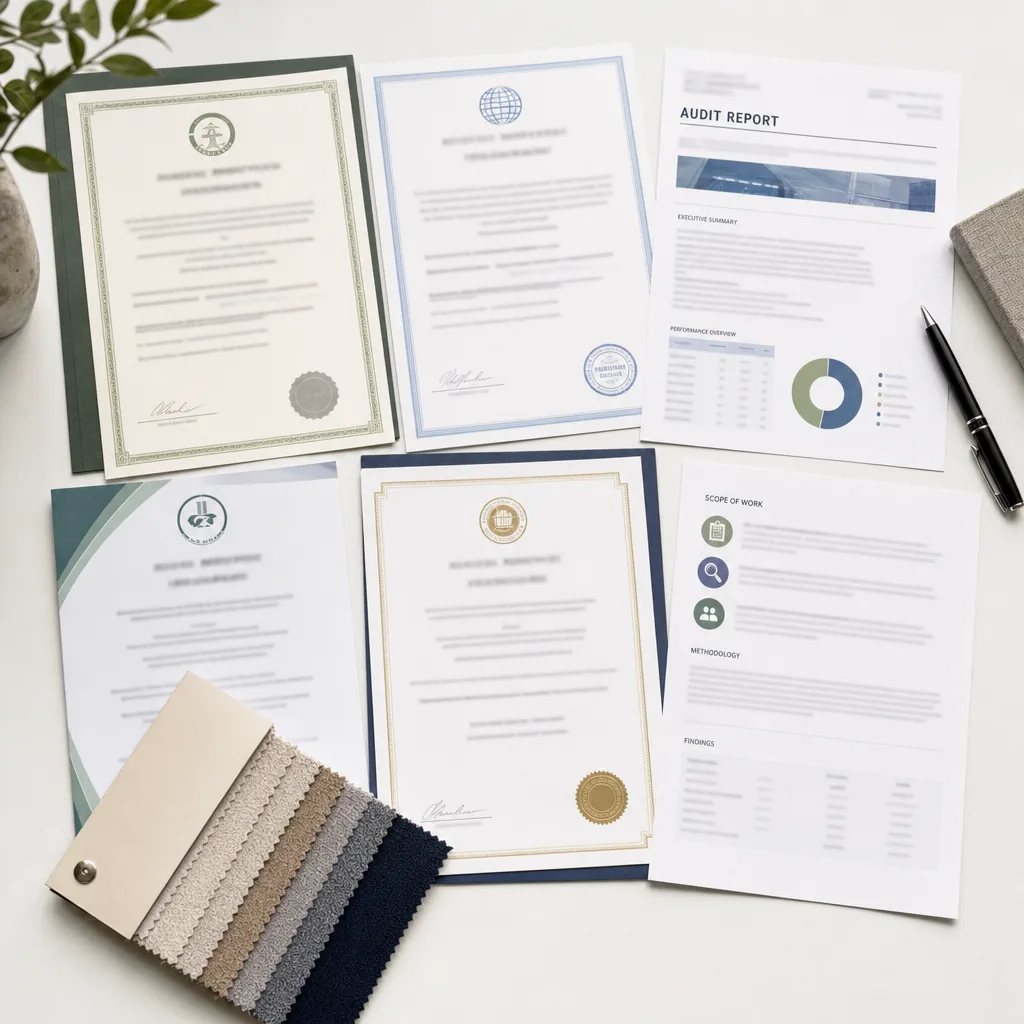
Compliance Documentation Checklist for First Hat Import to US/EU (2026 Update)
Read article →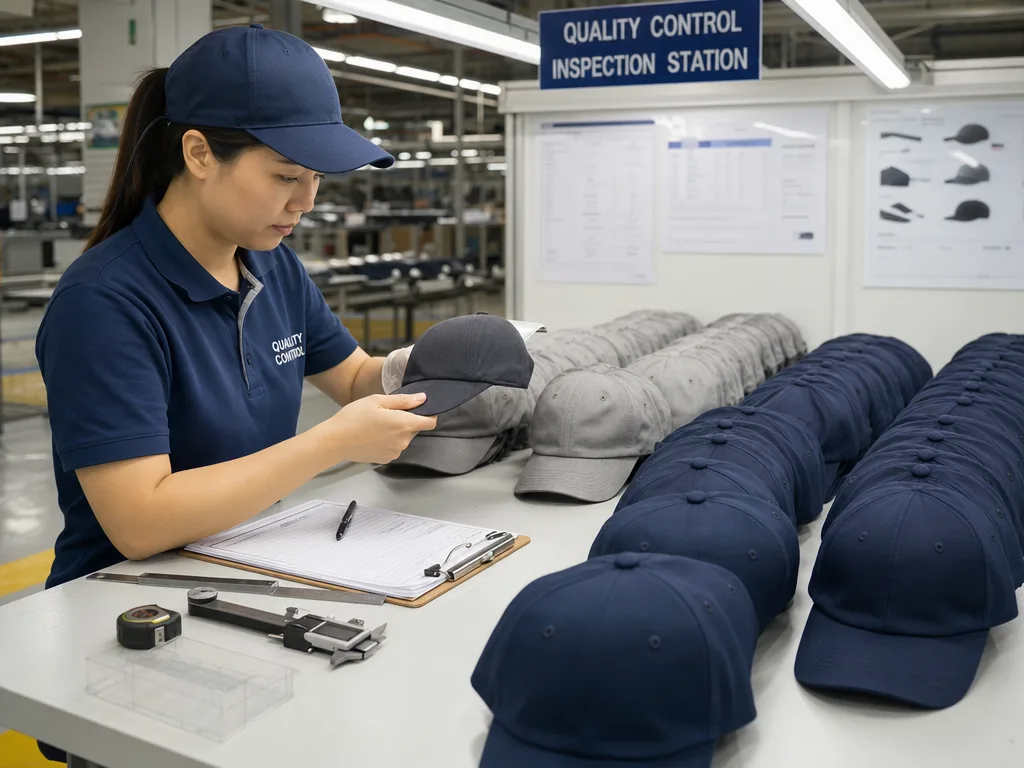
Cap Factory AQL Inspection Plan for Importers
Read article →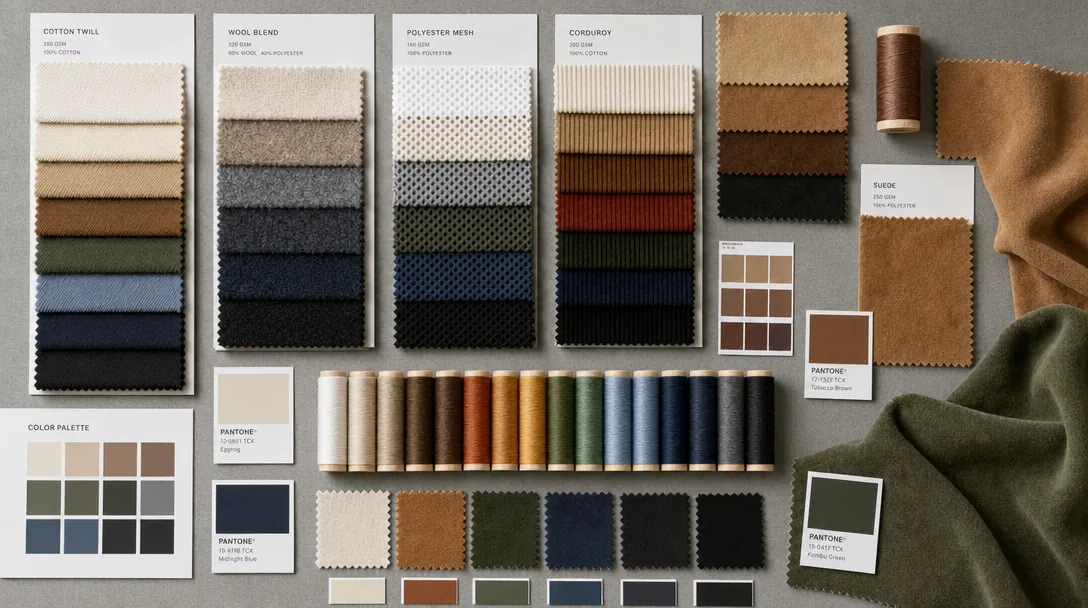
Bucket Hat Corduroy MOQ And Pricing Plan for Custom Hat Buyers
Read article →Sourcing custom hats does not have to be complicated. With the right manufacturing partner, clear specifications and a small upfront investment in sampling, you can launch a retail-quality product in 30 to 45 days.