
Merino Wool Beanie: Properties, Costs and How to Spec It Right - 2026 Buyer's Guide - Supplier Checklist
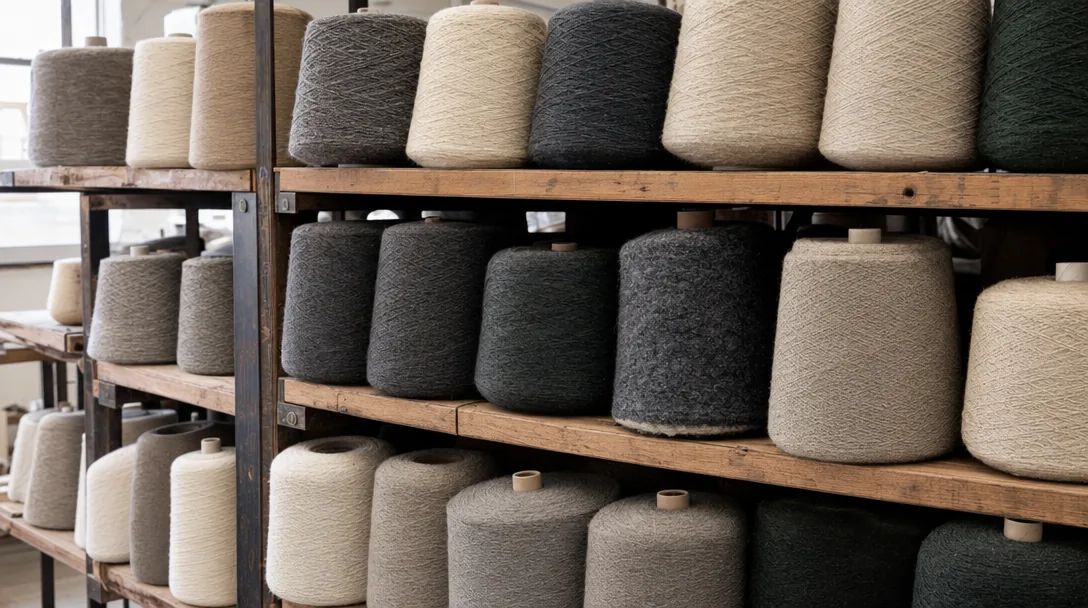
Merino Wool Beanie: Properties, Costs and How to Spec It Right - 2026 Buyer's Guide - Supplier Checklist is one of the most-asked questions we receive from international buyers, and for good reason. With dozens of factories competing for your order and an alphabet soup of technical terms in every supplier quote, even experienced importers can feel lost. This guide consolidates what we have learned producing custom hats for clients in 40+ countries.
Acrylic Beanie
An acrylic beanie is the lowest-cost knit that still looks retail-ready on a peg, which is why it dominates promo programs and entry-level winter assortments. Most factories knit it on 96- to 132-needle circular machines or computerized flat knitters using 100% acrylic yarn in 1x1 rib, 2x2 rib, or jersey with a folded cuff. A useful spec calls out yarn count, gauge, stitch density, cuff depth, finished measurements after wash, and whether the yarn is spun acrylic or bulked acrylic, because those variables drive hand feel, recovery, and pilling. Ask for low-pilling yarn, anti-static treatment, and a 3% to 5% dimensional tolerance. The crown finish matters too: hand-linked is cleaner than an overlock seam, and the difference is obvious once the hat is on a shelf.
For price, a plain 100% acrylic beanie from China usually lands around USD 1.20 to 2.80 FOB, with MOQ commonly 300 to 1,000 pieces per color and style. Costs move fast when you add jacquard logos, brushed yarn, woven labels, embroidery, or retail packaging. A heavier 7-gauge rib knit will price differently from a looser 9-gauge body, and a dyed-to-match cuff can add setup time if the yarn color is not already in stock. Compared with a merino wool beanie, acrylic wins on cash outlay, color flexibility, and production speed, but it gives up breathability, odor resistance, and the softer dry hand buyers expect at mid-market retail. That is why acrylic usually sits in value and volume programs, while merino wool beanie lines are reserved for assortments where fiber performance can carry a higher landed cost.
QC on acrylic is mostly about blocking the cheap look that gets rejected at first touch. Check pilling after abrasion, shade variation between dye lots, loose threads at the crown, twisted seams, uneven cuff tension, and yarn breaks that leave thin spots in the body. Lock the order to AQL 2.5 for major defects, Pantone TCX or a signed lab dip for color, and a wash test with no more than 5% shrinkage and no visible torque or distortion. If you are sourcing a broader cold-weather range, keep the same discipline across trims and construction: define gsm, stitch count, seam allowance, and label position before cutting starts. CrownsForge’s standard practice is to approve the yarn lot first and only then release bulk knitting, because once shade drift or pilling shows up in production, the cheapest hat becomes the most expensive problem.
Cotton Beanie
A cotton beanie is usually the cheapest knit cap to source, but it still needs a proper spec sheet or you end up approving a sample that cannot be repeated in bulk. For a standard 1x1 or 2x2 rib, specify combed or ring-spun cotton, 180 to 260 gsm finished weight, and a knit gauge in the 7 gg to 12 gg range depending on the handfeel and stretch you want. Ring-spun yarn gives a cleaner surface and better abrasion resistance than open-end yarn; if you want a softer touch, ask for enzyme wash or light silicone softening, then require a wash test so rib recovery does not collapse. Lock color to Pantone TCX, target bulk Delta-E under 2.0, and confirm yarn count, stitch density, crown decrease layout, and shrinkage allowance before cutting. In a merino wool beanie program, cotton is often the easiest benchmark sample because it exposes fit, crown shaping, and post-wash twist without wool’s loft and thermal behavior masking poor construction.
MOQ for a custom cotton beanie is usually 300 to 1,000 pieces per color, driven more by yarn availability, knit program changes, and label method than by sewing labor. Basic ex-factory pricing is commonly USD 1.20 to 2.80 per piece; better yarn, woven labels, tighter finishing, or denser embroidery can push that to about USD 2.80 to 4.50. The biggest cost levers are yarn quality, knitting setup, and wash finishing, not the final hand-stitching, so buyers comparing a cotton beanie with a merino wool beanie or an acrylic cap should separate fiber cost from process cost. CrownsForge’s standard practice is to price the knit body, trims, and decoration separately so buyers can see where the money goes. If the wider program includes bucket hats or promo caps, standardize care labels and carton marks across styles, but keep the cotton beanie tech pack and approval sample on its own track.
The failures that matter in production are usually visible: uneven rib tension, crown decreases that open after washing, cuff edges that curl, seam slippage at the fold, and size drift after heat exposure. Set a shrinkage target under 5 percent in both length and width after one 30 C wash, and add pilling and snag testing if the fabric is heavily washed or brushed. Inspect the inside for loose thread tails, check that the sweatband or inner tape does not torque the body, and make sure the cuff sits flat instead of rolling. Cotton is comfortable in mild weather and fine for retail basics or promos, but it dries slowly and insulates far less than merino, so it is the wrong fiber when the brief is genuine cold-weather performance. That is why a merino wool beanie should usually be benchmarked against a cotton sample first: if the cotton version already looks unstable, the wool spec needs a tighter approval gate, not a looser one.
Black Beanie Hat
A black beanie hat looks simple, which is why it exposes yarn quality and knit control fast. For a merino wool beanie, I would only specify 100% merino when the buyer actually needs the natural handfeel, odor resistance, and thermal performance; in many programs, a 90/10 merino-nylon blend is more stable in wear and less likely to bag out at the crown. Lock the yarn count, knit gauge, and finished weight before sampling. In practice, 7GG or 9GG circular knit with a 1x1 rib is common, with single-layer pieces landing around 85 to 140 gsm and double-layer cuffed constructions around 160 to 220 gsm. Black should be matched to a Pantone TCX reference at lab dip stage, then rechecked after wash, because weak dye systems often shift toward brown or green between lots. If the style sits beside a corduroy hat, acrylic beanie, or bucket hat program, black is the easiest anchor color only when replenishment shade is held tight.
For sourcing, the style name matters less than the technical sheet. Ask for merino micron range, shrinkage after one wash at 30 C, pilling grade to ASTM D3512 or ISO 12945-2, and colorfastness to washing and rubbing. If the logo is embroidered directly on the knit or on a patch, specify stitch density, underlay, and backing so the fabric does not tunnel or distort under Tajima, Barudan, or ZSK heads. A practical MOQ for a custom black beanie hat is usually 300 to 500 pieces per color if you want real lab dips, size control, and private labeling; below that, setup cost starts to dominate. In China, factory pricing is often about USD 2.20 to 4.80 ex-works for acrylic, USD 4.50 to 8.50 for a midweight merino blend, and higher for RWS wool, woven labels, and carton packing. For a premium merino wool beanie, that spread is normal, not a markup trick.
The failures I check first are dull but expensive: uneven crown decreases, twisted side seams, loose top closing, lint contamination, and size drift after steam finishing. Black knitwear shows oil marks and shade mismatch immediately under 6500K inspection light, so I would call for AQL 2.5 on major defects and a measurement table covering circumference, crown height, and cuff depth. CrownsForge’s standard practice is to freeze the knit spec before bulk and approve a sealed gold sample so the factory does not improvise between dye lots. The sourcing decision is straightforward: if the buyer needs warmth, odor resistance, and cleaner handfeel, a merino wool beanie is worth the tighter control and higher cost; if the brief is volume and price pressure, acrylic is easier to run and replace. Treat the black beanie hat as a control item, not an afterthought, because the discipline that keeps one core style clean usually protects the rest of the winter range too.
Slouchy Beanie
A slouchy beanie is a drape spec, not a logo spec. Most factories build it on 5-gauge to 7-gauge circular knit machines in 1x1 or 2x2 rib, then close the crown by linking panels or fully fashioning, depending on the target hand feel and labor cost. For a merino wool beanie, the buyer needs to lock yarn count, blend ratio, stitch density, finished length, cuff height, and stretch recovery before sampling starts, because the slouch only works when the knit has enough body to hang cleanly and snap back after wear. In practice, 100% merino or a 70/30 merino-nylon blend at roughly 180 to 260 gsm gives better drape and less collapse than cheap acrylic, but it also pushes up knitting and wash-finishing cost. MOQ is usually 300 to 500 pieces per color if stock yarn is available, then 1,000-plus once you want custom-dyed yarn, private labeling, or mixed size runs.
The spec sheet needs hard tolerances, not vague sample approval. Ask for relaxed and stretched dimensions, acceptable crown-height and opening-width tolerances, pilling after 5,000 cycles, shrinkage after a 30 C wash, and Pantone TCX targets when color consistency matters. For merino, fiber micron range is not optional: 19.5 micron yarn feels noticeably softer than 21.5 micron yarn, and that difference shows up fast in itch complaints and returns. I also want needle count, linking method, and wash-test results listed explicitly, because a slouchy profile exposes uneven rib tension, dropped stitches, twisted seams, oil marks from knitting lubricant, and cuff-edge roll. A hat can look clean on the table and still hang badly once it is steamed and worn, so the hanging sample matters more than the flat lay.
Pricing is driven by yarn grade and finishing, not by the word merino alone. In 2026, a realistic FOB range for a basic slouchy merino wool beanie is about $3.20 to $6.80 per piece at 300 to 1,000 units, while a heavier fully fashioned style with custom woven label, wash tag, and carton pack usually lands around $6.50 to $10.50 before freight. Our standard practice is to treat shrinkage control, yarn traceability, and AQL 2.5 inspection records as non-negotiable, because the sample can pass and the bulk order can still fail after the first wash. Choose merino when hand feel, temperature regulation, and premium positioning matter; choose acrylic when price stability and wide color runs matter more. A slouchy beanie scales cleanly only when the factory can prove the knit, the wash, and the inspection data all match the approved sample.
Cotton Beanie Men
A cotton beanie men program is simpler to knit than a merino wool beanie, but it still needs a tight spec. Most factories use ring-spun combed cotton in 20s/2 or 32s/2 for a midweight cuffed style, then run 12-gauge or 7-gauge circular machines depending on whether the buyer wants a cleaner fashion surface or a looser workwear knit. For a standard 100% cotton beanie, call out pre-shrunk yarn, finished weight in grams, circumference tolerance within plus or minus 1.0 cm, and a wash target after three cycles at 30 C. Cotton loses recovery faster than acrylic, so if the crown or cuff must bounce back, add 2% to 5% elastane in the rib. In Yiwu, a solid-color FOB price is usually $1.20 to $2.80 at 500 to 1,000 pcs, with yarn count, rib density, embroidery, and folding or polybagging driving most of the spread.
The details that matter are the ones operators can measure without guessing. Specify stitch density, body length, cuff height, Pantone TCX or sealed lab dip approval, and embroidery placement tolerance within 3 mm. If you are comparing knit cotton against a woven corduroy hat or a corduroy hat men's style, remember that the knit surface exposes plating, rib inconsistency, and seam twist much more clearly than woven fabric, so cosmetic defects are easier to see and harder to bury. For decoration, state backing type, trim cleanliness, and thread tail limits; loose trims, puckered backing, and over-pressed embroidery are common budget failures. MOQ is usually 300 to 500 pcs per color from stock yarn, but custom-dyed yarn or enzyme or garment-wash effects can push the order to 1,000 pcs and add 10 to 15 days. Buyers cross-shopping against a bucket hat women or camouflage bucket hat program should treat dye consistency and pattern matching as separate line items, not as nice-to-have extras.
The main failures on cotton beanie men orders are shrinkage, torque, pilling, and shade drift between lots. Cotton commonly shrinks 3% to 8% unless yarn preparation and finishing are controlled, so the spec should require a measured post-wash size rather than a fit sample that only looked right on a table. Check crown closure, seam flatness, cuff recovery, and handfeel after laundering; a soft hand at packing can turn boardy if the softener or resin balance is wrong. For incoming and inline checks, AQL 2.5 is the normal default for major defects, with stitch skips, shade banding, and dimension failures listed explicitly. If the brief is really a merino wool beanie, the decision shifts fast: merino gives better warmth-to-weight, better odor control, and less growth after wear, but the factory has less room to hide construction mistakes and the FOB cost is materially higher. Cotton fits promo volume and price pressure; merino fits performance and premium positioning when sub-$2.00 FOB is not the target.
100 Acrylic Beanie
A 100% acrylic beanie is usually the cheapest knit headwear you can buy at scale, but that low quote hides most of the risk. In practice it is built on a 3.0 to 5.0 gauge flat knitting machine in 1x1 or 2x2 rib, then linked at the crown, steamed, washed, and trimmed. If you want a quote you can compare, ask for yarn count, yarn type, finished weight in grams, cuff height, body length, stitch density, and whether the yarn is standard acrylic, anti-pilling acrylic, or spun acrylic. Basic acrylic can arrive looking clean and still fuzz badly after two or three wears, so anti-pilling performance and wash colorfastness should be written into the spec, not left as a sales promise. For branded programs, require Pantone TCX matching, measured shrinkage after wash, and a pre-production sample with the actual woven label or sewn patch before bulk approval. That is the same discipline you need when you are pricing a merino wool beanie against a lower-cost winter option; otherwise the comparison is just noise.
MOQ for a stock-shape acrylic beanie is usually 300 to 500 pieces per color, while custom jacquard, yarn-dyed stripes, or specialty packaging often pushes factories to 1,000 pieces or more. In China, a basic solid beanie commonly lands around USD 1.20 to 2.80 FOB, with embroidery, woven labels, or hang tags adding roughly USD 0.15 to 0.60 depending on stitch count and finishing. Against a merino wool beanie, the cost gap is obvious, but the performance gap is real too: acrylic holds warmth reasonably well, yet it breathes poorly and does not manage moisture like wool. That makes it a practical choice for promo runs, youth retail, and color-heavy programs, not for buyers who are selling natural-fiber hand feel, odor resistance, and better temperature stability. If the retail price is low and the color range is wide, acrylic is the rational spec; if the product promise is premium, merino still justifies the higher raw material cost.
The failures that matter are predictable: loose crown seams, uneven rib tension, pilling after abrasion, dye-lot shade drift, and embroidery puckering when the knit is too soft for the stitch density. I would check dimensions at rest and after stretch, yarn snag resistance, seam opening under load, and surface appearance after a basic rub test, then run AQL 2.5 on the shipment. For licensed sports programs or retail chains, ask for carton pack counts, batch traceability, and needle detection if metal trims are in the build. CrownsForge’s standard practice is to keep the approval sample tied to the production yarn and trim lot, because a sample knit in one yarn and bulk made in another is a common source of dispute. When buyers compare an acrylic beanie with a merino wool beanie, the rule is simple: choose acrylic for price, color volume, and straightforward replenishment; choose merino when the hand feel, odor control, and brand position justify the higher fiber cost.
Working with CrownsForge for merino wool beanie programs
A merino wool beanie program stays under control only when fiber spec, yarn control, and decoration are treated as one production system. Lock the technical inputs first: merino micron count, yarn count, knit gauge, finished weight, and a Pantone TCX reference for any contrast yarn or trim. For first-time orders, 7 to 10 working days for yarn approval and knit swatches is normal, then another 5 to 7 days if embroidery, a woven label, or a leather patch needs a second review. CrownsForge’s standard practice is to freeze the approved sample before bulk, because with wool the cost of late changes is not theoretical. On small runs, 100 to 300 pcs per color is a realistic MOQ for standard constructions; private-dyed yarns, jacquard layouts, or fully custom rib structures usually need more because dye-lot variance and remakes eat margin fast.
Decoration is where most merino wool beanie programs drift out of spec. We run embroidery on Tajima, Barudan, and ZSK heads, but stitch density has to stay conservative on merino: heavy fills crush the rib, reduce stretch recovery, and create puckering at the crown. For logo work, a satin stitch or low-density 3D puff is usually safer than a full-fill patch, and pull tests on 1.5 to 2.0 mm knit faces are worth doing before bulk. If a buyer is coming from acrylic beanies or structured caps, the rule changes immediately. Wool compresses, breathes, and pills differently, so decoration has to follow fabric behavior, not a hard-surface cap spec. I would rather reduce stitch count by 15 to 20 percent than ship a clean-looking sample that starts distorting after the first wear test.
Compliance and order control are what keep a merino wool beanie shipment clean at destination. The paperwork has to match the physical goods: fiber content, care label, carton marks, test reports, and purchase order all need to line up before shipment. For factory audits, sedex-audit-cap-supplier-guide.html">BSCI 2.0 or Sedex SMETA 4-Pillar is the baseline expectation depending on channel, and for retail buyers I check pilling grade, colorfastness, formaldehyde, and azo limits up front because wool accessories fail as often on documentation as on appearance. The production flow should stay simple and auditable: frozen sample, bulk approval, in-line photo checkpoints, AQL 2.5 final inspection, then carton-level traceability by color and size. That is what prevents shade drift, trim mismatch, and labeling errors from turning a basic merino wool beanie order into a chargeback case.
Frequently Asked Questions
Can I order a sample before bulk production?
Yes. We strongly recommend approving a pre-production sample before mass production. Samples are charged at 35 to 60 USD each plus express shipping, fully refundable against confirmed bulk orders over 500 pieces.
Do you support sustainability certifications?
Yes. We work with GOTS organic cotton, GRS-certified recycled polyester, OEKO-TEX Standard 100 fabrics, and are BSCI and Sedex audited. Certification documentation can be provided per order.
How long does production take?
Sampling takes 7 to 12 days. Bulk production runs 20 to 30 days depending on quantity, fabric availability and decoration complexity. Inspection and packing adds another 3 to 5 days before shipment.
What file format should I send for my logo?
Vector files (AI, EPS, PDF) are ideal. High-resolution PNG or JPG at 300 dpi on transparent background works as a fallback. Provide Pantone color references for accurate reproduction.
Which shipping methods do you support?
We support FOB, CIF and DDP shipping. Air express for samples and small orders, sea LCL for 100 to 500 pieces, sea FCL for 5,000+ pieces. Door-to-door DDP available for US, EU, UK, Canada and Australia.
What should buyers know about black bucket hat men?
When evaluating black bucket hat men, the key considerations are construction quality, decoration capability, MOQ flexibility and lead time. Cover everything buyers ask about black beanie hat: how it's manufactured, what specs to request from a factory, typical MOQ and pricing, common quality issues to inspect for, and how this ties back to the broader merino wool beanie sourcing decision. Cover everything buyers ask about cotton beanie men: how it's manufactured, what specs to request from a factory, typical…
What should buyers know about kangol bucket hat mens?
When evaluating kangol bucket hat mens, the key considerations are construction quality, decoration capability, MOQ flexibility and lead time. Cover everything buyers ask about black beanie hat: how it's manufactured, what specs to request from a factory, typical MOQ and pricing, common quality issues to inspect for, and how this ties back to the broader merino wool beanie sourcing decision. Cover everything buyers ask about acrylic beanie: how it's manufactured, what specs to request from a factory, typical MOQ…
What should buyers know about corduroy hat womens?
When evaluating corduroy hat womens, the key considerations are construction quality, decoration capability, MOQ flexibility and lead time. Cover everything buyers ask about black beanie hat: how it's manufactured, what specs to request from a factory, typical MOQ and pricing, common quality issues to inspect for, and how this ties back to the broader merino wool beanie sourcing decision. Cover everything buyers ask about acrylic beanie: how it's manufactured, what specs to request from a factory, typical MOQ…
What should buyers know about acrylic beanie hat?
When evaluating acrylic beanie hat, the key considerations are construction quality, decoration capability, MOQ flexibility and lead time. Cover everything buyers ask about acrylic beanie: how it's manufactured, what specs to request from a factory, typical MOQ and pricing, common quality issues to inspect for, and how this ties back to the broader merino wool beanie sourcing decision. Cover everything buyers ask about black beanie hat: how it's manufactured, what specs to request from a factory, typical MOQ…
Are merino beanies worth it?
If you value sustainability, comfort, durability, and superior thermal performance, a merino wool beanie is a smart and stylish investment. Despite the higher upfront cost, the long-term benefits—including shape retention, moisture management, and odour resistance—make it a practical addition to your wardrobe.
Is merino good for a beanie?
Made for all your outdoor adventures, merino is soft on skin, easy to layer and naturally temperature regulating and odour resistant. A fitted beanie, it's perfect for wearing under hoods or helmets while out hiking, climbing, skiing or mountain biking.
Are merino wool beanies worth it?
A: Yes, Merino wool is excellent for hats because it is breathable, quick drying, and temperature-regulating, providing comfort in various weather conditions.
Is merino yarn good for beanies?
Additionally, wool has a certain level of stretch to it, making it great for beanies. However, there are different types of wool you can choose from: - Merino wool comes from merino sheep and is known to be very fine and soft. It can be used for anything from socks to hats.
Is a merino wool beanie itchy?
Merino wool is finer and softer than other kinds of wool, which makes it less itchy. Its fibers are very short in length and smaller in diameter, which makes it a whole lot softer and gentler on the skin.
Ready to start your custom hat project?
Send us your tech-pack, sketch or even just an inspiration photo. We will respond with a detailed quotation and digital mock-up within 24 hours.
Request a free quoteRelated guides
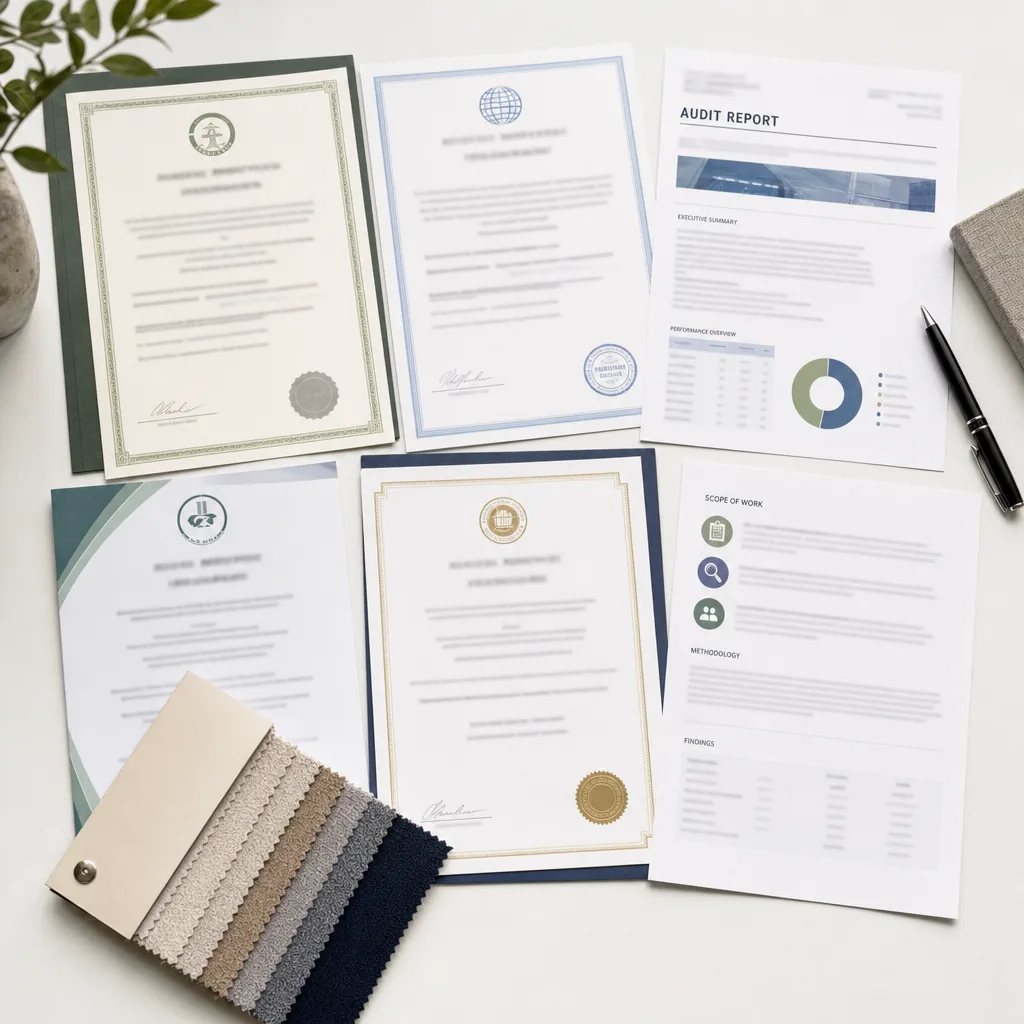
Compliance Documentation Checklist for First Hat Import to US/EU (2026 Update)
Read article →
Ball Caps for Men: A 2026 Sourcing Playbook for International Buyers - Cost & MOQ Breakdown
Read article →
10 Questions to Ask a Cap Manufacturer on Your First Call - Supplier Checklist
Read article →We hope this guide demystifies merino wool beanie: properties, costs and how to spec it right - 2026 buyer's guide - supplier checklist and helps you move forward with confidence. If you have questions specific to your project, our English-speaking sales engineers are one message away.