
Mens Bucket Hat with String: A Vertical-Specific Sourcing Guide - Cost & MOQ Breakdown
Every week, our sales team answers detailed questions about mens bucket hat with string: a vertical-specific sourcing guide - cost & moq breakdown. We wrote this guide so that wholesalers, streetwear brands, corporate buyers and promotional resellers can compare options with full information, and avoid the traps that show up only after production has started.
Fitted Hats with Patches
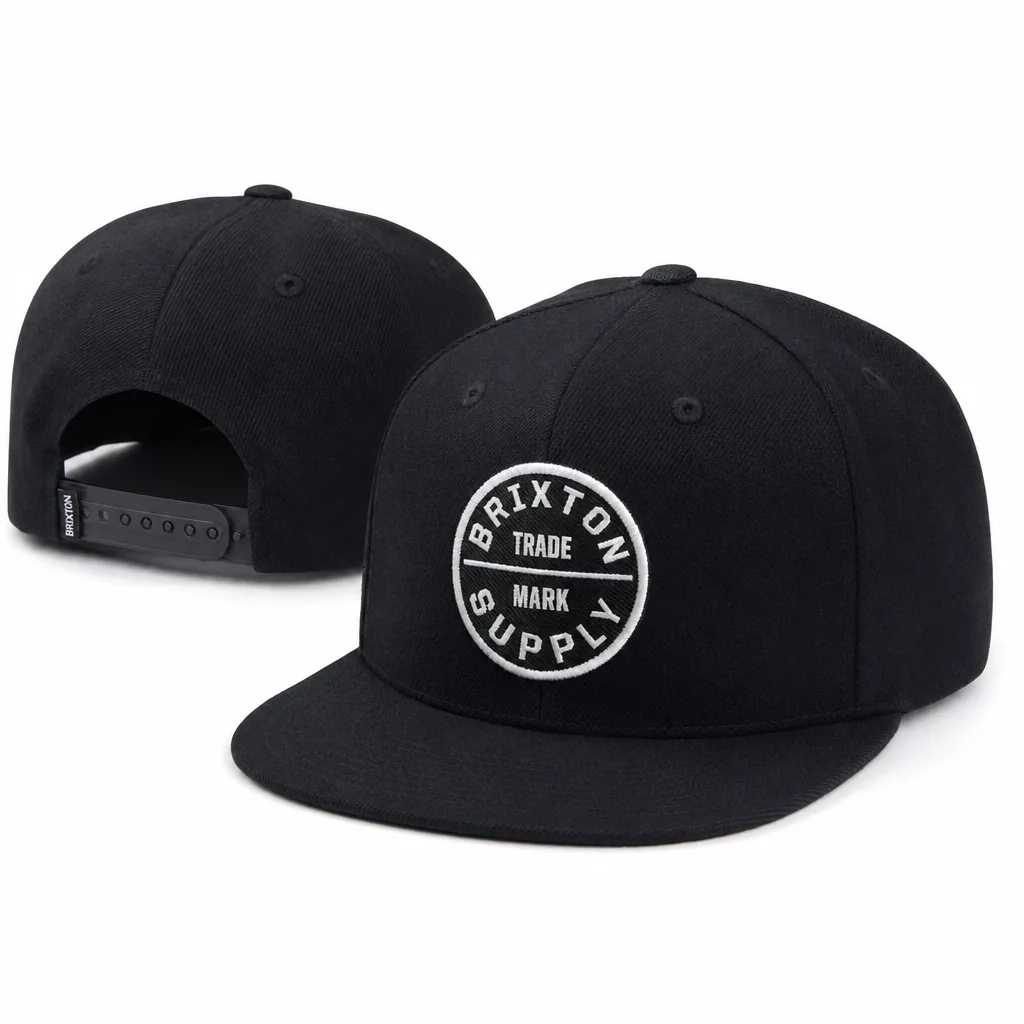
Fitted hats with patches are a different beast from adjustable or snapback caps — and if you're sourcing a mens bucket hat with string alongside fitted patch caps, you need to treat each as a vertical-specific product. For fitted hats, the crown construction is sewn from multiple panels (usually six) using a curved brim and a structured front. The patch itself is typically embroidered on a separate Tajima or Barudan multi-head machine, then heat-sealed or sewn onto the front panel. A common mistake buyers make is assuming a patch can be swapped between a fitted and a bucket hat without re-digitizing — the curvature and fabric tension differ entirely. For fitted hats, we require a 100% polyester or cotton-poly blend fabric at 280–320 gsm to hold the patch without puckering. If you're also ordering a mens bucket hat with string, expect separate digitizing files and separate machine setups, even if the patch design looks identical.
MOQ and pricing for fitted hats with patches follow a different logic than for bucket hats. For a standard fitted cap with a 3-inch woven or embroidered patch, our minimum is 500 pieces per color per size run — that's six sizes (6 7/8 to 7 5/8), so effectively 3,000 units total. Unit price lands around $4.80–$6.20 FOB Yiwu, depending on patch complexity and thread count. Compare that to a mens bucket hat with string, which typically runs at 1,000 pieces per color with a lower unit cost ($3.20–$4.50) because bucket hats have fewer panels and no structured brim. If you're a men's bucket hat designer also exploring sports team hats with fitted patches, note that patch hats require a separate sedex-audit-cap-supplier-guide.html">BSCI or Sedex audit for the embroidery workshop — not all factories have that. We do, but many subcontractors don't, which can delay delivery if the buyer's compliance team flags it.
Quality issues in fitted hats with patches are specific and often overlooked by first-time buyers. The most common defect is patch misalignment — the patch must sit exactly 1.5 cm above the brim seam, centered within ±1 mm. We inspect using a Delta-E < 2.0 tolerance for thread-to-Pantone matching, and AQL 2.5 for major defects. Another issue is brim curl inconsistency: fitted hats should hold a pre-curved brim at a 45–60 degree angle after steaming. If you're also sourcing a fur bucket hat women or a psycho bunny bucket hat in the same order, the patch hats will need separate packing — fitted hats stack poorly and can crush the brim if bagged with winter bucket hats for men. Our standard is individual polybag with a cardboard brim insert. One more thing: never let a factory batch-dye fitted hat panels with bucket hat fabric — the shrinkage rates differ, and you'll end up with a patch that warps after the first wash.
Bucket Hats for Men
A mens bucket hat with string looks simple until you write a spec a factory can actually hold. For a fashion build, 100% cotton twill at 180-250 gsm is standard; for outdoor or sport use, 70D-210D polyester taslan or nylon is the better material because it dries fast and keeps its shape after sweat and rain. The spec has to call out brim width, crown depth, seam allowance, topstitch spacing, sweatband material, and exactly how the cord is attached. Put the string type in writing too: round braided polyester, flat tape, or elastic with a cord lock all behave differently on the line. If the hat has embroidery, the production file should state whether the shop is running Tajima, Barudan, or ZSK heads, because a dense front logo can pull soft twill off grain and shift the panel by 2-4 mm if the backing and stitch density are not controlled.
MOQ is driven more by trim and color control than by the bucket shape itself. Stock twill in standard shades can work at 300-500 pieces per color, but once you ask for Pantone TCX matching, custom woven labels, and a dedicated cord, 1,000 pieces is the safer number. At that level, a basic mens bucket hat with string usually lands around USD 2.20-4.80 FOB, with the spread coming from fabric weight, lining, and hardware such as a plastic cord lock, metal toggle, or sewn-end finish. Washed twill, heavy canvas, or PU-laminated waterproof fabric typically adds USD 0.60-1.20 per piece before freight. The labor is not the same across builds either: a clean streetwear version is faster than a lined winter version, and every extra layer adds handling time plus a higher reject rate on the sewing floor.
The failures are predictable: off-center logos, wavy brim stitching, twisted cords, uneven crown height, and shade drift beyond Delta-E 2.0 against the approved Pantone TCX. A proper AQL 2.5 inspection should measure crown depth, brim width, cord length, panel symmetry, stitch count, and bartack strength, not just glance at the top view and release the carton. On bulk inspection, I would check side seams for puckering, brim edges for skipped stitches, and cord entry points for needle damage or weak reinforcement. Our standard practice is to lock the pre-production sample, trim sheet, and packing spec before deposit, because once production starts the line follows the last approved document, not the buyer’s memory. That discipline matters whether the order is for a promo giveaway, a streetwear drop, or a technical outdoor mens bucket hat with string that has to survive repeated field use.
90s Bucket Hat
Inspection is where a cheap-looking mens bucket hat with string usually falls apart, and the defects are boringly consistent: wavy brim stitching, uneven stitch pitch, twisted sweatbands, crooked cord exits, and dye-lot shade drift. I would hold the factory to AQL 2.5 on appearance and function, then set Delta-E at 1.5 for licensed or team colors, because anything looser is visible under retail LED lighting. The cord needs a real pull test, not a hand tug; 5 kg is a workable minimum for a polyester or nylon chin strap if the anchors are bartacked correctly. On the line, look for skipped stitches, thread tails longer than 3 mm, and heat damage where synthetic cord was cut with a hot knife. If those points are not in the spec, operators will optimize for speed, not consistency, and the first carton will look better than the tenth.
The pre-production sample should lock cord length, cord placement, brim diameter, crown height, and the exact stitching map before bulk cutting starts. For a mens bucket hat with string, you also need to decide whether the strap is functional, removable, or mostly decorative, because that choice changes labor, hardware, and reject risk. A sewn-in polyester cord with a cord lock adds about 20 to 35 seconds per piece and usually costs more than a simple fixed chin tie; a removable version adds hardware but makes packing and replacement easier. Flat-pack styles need tighter seam control than soft fashion buckets, since any crown imbalance shows up after compression and shipping. I would require a 24-hour fit check on the pre-production sample, plus a wash test and light abrasion check on the brim edge if the hat is meant for outdoor use or repeated retail handling. Those controls are cheap at sample stage and expensive after 300 pieces are already cut.
Ladies Bucket Hat Uk
A ladies bucket hat UK order is usually built on the same line as a mens bucket hat with string, so the real sourcing risk is spec drift, not styling. Fix the shell fabric first: 100% cotton twill at 240 to 280 gsm for retail, or 180 to 220 gsm if the buyer wants a lighter promo hand. Lock crown height, brim width, seam allowance, and stitch density in the tech pack before sampling starts. For a 5 to 6 cm brim, specify 8 to 10 rows of topstitching and hold finished brim width within +/- 3 mm. If a cord is included, define the diameter, stopper material, bartack count, and whether the cord is inserted before or after crown assembly. That matters because poor anchoring shows up quickly in wear testing, especially on outdoor and team programs where the hat gets repeated side tension.
MOQ and price move as soon as trims and labeling are added. A blank bucket hat can often start at 300 to 500 pieces per color if the factory is already running the same shell fabric, but a fully customized mens bucket hat with string, woven label, internal taping, and metal or plastic cord hardware is more efficient at 1,000 pieces. In Yiwu and Ningbo, a plain EXW unit usually lands around USD 1.20 to 2.20, screen print adds about USD 0.15 to 0.40, and embroidery or a small patch adds USD 0.35 to 1.20 depending on stitch count and machine time on Tajima, Barudan, or ZSK heads. Lock Pantone TCX before sampling and ask for Delta-E below 2.0 on approved swatches; swapping fabric during sampling wastes time because cotton dye uptake shifts with weave density and finishing.
Inspection is where most bucket hat programs get exposed. Check brim symmetry, seam slippage, puckering at the sweatband, needle marks on lightweight fabric, and cord pull strength at the attachment points. I would also verify crown height, panel alignment, and run a 30 C wash test for shrinkage and shade shift before bulk approval. For wool blends, sherpa-lined winter hats, or brushed polyester programs, add pilling, hand feel, and static control to the spec sheet. The practical control point is to keep the size run as one standardized trim set so label placement, cord routing, and hardware stay identical across every size and colorway. Use AQL 2.5 for general inspection, and do not release shipment until the buyer has confirmed fiber content, test method, and whether the factory can hold the same hardware and stitch density across the full lot without drift.
Black Bucket Hat Men
Black bucket hat men looks simple until you price it by the actual build. For a mens bucket hat with string, I break the cost into shell, brim, sweatband, lining, eyelets, cord, cord lock, and seam tape, because each one changes labor and reject rate. A 100 percent cotton twill shell at 250 to 320 gsm gives a softer retail hand; nylon taslan at 110 to 130 gsm dries faster and costs less to ship because it holds less water. On a 300 to 500 piece run, a plain unstructured cotton version usually lands around $1.85 to $3.20 FOB Yiwu. Add full lining, woven chin cord, and a metal toggle, and the range moves to about $2.60 to $4.10, depending on brim interfacing, shrinkage control, and stitch count. Black itself is not the cost driver. Shade consistency is. I ask for Pantone TCX and a lab dip before bulk cutting, because two blacks that look close on a screen can split badly under daylight or retail LEDs.
The spec that keeps this style from failing after a few wears is basic, but buyers skip it and pay later. I would lock in 6-panel or 8-panel construction, 3 to 5 rows of brim stitching, 8 to 10 mm topstitch spacing, and bartacks at both side seams where the cord anchors. On black fabric, the common defects are cord pull-out, a wavy brim edge, seam puckering, and shine marks from aggressive fusing. Sewing tension has to stay stable, and the brim folder should match the tape width instead of forcing the operator to stretch it. If the hat carries embroidery, Tajima, Barudan, and ZSK heads handle dense fills cleanly, but the digitizing has to keep underlay tight and avoid overbuilding the crown. I also set a Delta-E target under 2.0 for the shell and under 2.5 for trims, because mixed blacks are obvious once the hats hit a retail floor.
Quality control should catch the bad hats before packing, not at the warehouse dock. Under hard light, I check brim waviness, skipped stitches at the cord anchor, twisted cords, pressed shine from poor fusing, and panel-to-panel shade drift where the crown meets the brim binding. Final inspection should be AQL 2.5 at minimum, with a 4-point fabric check and inline review on at least 10 percent of the first bulk run. MOQ is usually 300 pieces for stock black fabric, then 500 to 1,000 once you add custom lining, a proprietary cord-lock, or woven labels. That same cost curve shows up on winter bucket hats for men: once you add fleece, thicker canvas, or extra seam reinforcement, unit price jumps 20 to 35 percent fast. The practical rule is to lock the crown depth, cord spec, and black shade early, or the mens bucket hat with string becomes a repeat-order problem.
Men's Bucket Hat Designer
MOQ on a mens bucket hat with string is usually set by trim and print method, not by the bucket shape. A stock cotton twill or washed chino program in one colorway can often start at 300-500 pcs per style, but once you add custom all-over print, contrast binding, metal cord ends, or a branded cord lock, the practical MOQ moves to 800-1,000 pcs because the cutter has more fabric waste and the sewing line needs separate setup. For ex-factory pricing, a plain 100 percent cotton version typically lands around USD 2.10-3.40 at 500 pcs and drops to about USD 1.65-2.60 at 3,000 pcs, depending on the sweatband, lining, woven label, eyelets, and polybag spec. Sherpa, faux fur, quilted padding, or heavy brushed twill can add USD 0.80-1.50 per piece before packing. The honest cost driver is the full trim stack, because a low-cost shell becomes expensive fast once the cord, stitching, and label program are no longer stock items.
QC has to be written around the defects buyers actually miss in photos. On bucket hats, a 3 mm brim mismatch is visible on head, and a 4 mm left-right drift in cord placement makes the whole mens bucket hat with string look sloppy even if the fabric is fine. I would call for AQL 2.5 on major defects, a pre-production sample, and a size set if the run spans 56-62 cm head sizes. Lock color to Pantone TCX and ask for Delta-E under 2.0 on repeat orders, especially if the hat is part of a team, resort, or promotion package that has to match other garments. Our standard practice is to separate shell, trim, and packing in the quotation so the buyer can see where the money is actually going, instead of guessing from a blended unit price.
For a dependable reorder program, keep the spec simple and spend the money where it survives wear: stitch density, wash stability, and trim control. A 6-panel or 8-panel bucket with 6-8 rows of brim topstitching, a 6-8 mm self-fabric or cotton cord, and a clean woven label usually performs better than layering on patches, novelty hardware, or heavy embroidery that can distort the crown. If embroidery is required, Tajima, Barudan, or ZSK heads can hold the logo cleanly, but the digitizing still has to respect the fabric weight and the curve of the crown; cheap digitizing shows up immediately as puckering. For buyers that want a stable long-term program, that is the difference between a hat that samples well and one that repeats well at scale.
Working with CrownsForge for mens bucket hat with string programs
For a mens bucket hat with string program, the weak link is usually the sample chain, not the crown shape. Once the tech pack is locked with Pantone TCX callouts, cord diameter, toggle spec, brim width, and stitch density, a development sample should land in 5 to 7 working days. If you add custom twill tape, contrast piping, woven labels, or a jacquard chin cord, budget 2 to 4 extra days because those trims rarely exist in the exact width and shade you want. For first orders, 300 to 500 pieces per color is the practical floor; pushing 100-piece MOQ almost always creates unstable pricing and weak finishing. On a simple cotton twill or 300D polyester build, FOB usually sits around $2.60 to $4.20 per piece, with the spread driven by fabric gsm, lining, cord material, seam tape, and whether the visor needs extra stiffening.
Decoration needs tighter control than most buyers expect. Our standard practice is to keep embroidery in-house on Tajima, Barudan, and ZSK heads, which shortens the path from art file to stitch-out and avoids the usual file drift from third-party decorators. Small chest-style logos are generally safe at 6,000 to 10,000 stitches; once you go beyond that, soft crowns and unstructured brims start to distort, especially on cotton twill and lighter polyester shells. For a mens bucket hat with string, cord attachment matters as much as the logo: round nylon cord handles abrasion differently from cotton or polyester, and a sloppy bartack will twist the crown after a few wear cycles. If you need woven labels, PVC badges, or heat-transfer graphics, choose them based on wash life and abrasion, not just appearance. The same block can handle a fashion version, a team issue, or a promotional run only if crown height, brim roll, and cord tension stay controlled.
Compliance and order control are where export programs succeed or fail. The factory-side baseline should be BSCI 2.0 or Sedex SMETA 4-Pillar expectations, backed by test reports for colorfastness, azo, and nickel release when metal toggles or cord tips are involved. AQL 2.5 is the right inspection level for this category because it catches cord-length mismatch, crown skew, off-center embroidery, and seam puckering before those defects spread through the lot. The production sequence should stay disciplined: approved tech pack, first sample, pre-production sample, inline inspection at 20 percent, then final inspection before carton close. That is what keeps a 500-piece trial order from turning into a 5,000-piece correction job. It also gives the buyer clean evidence for repeat production, so the next run of a mens bucket hat with string does not depend on memory or someone reinterpreting the fit block at the sewing table.
Frequently Asked Questions
How long does production take?
Sampling takes 7 to 12 days. Bulk production runs 20 to 30 days depending on quantity, fabric availability and decoration complexity. Inspection and packing adds another 3 to 5 days before shipment.
Do you support sustainability certifications?
Yes. We work with GOTS organic cotton, GRS-certified recycled polyester, OEKO-TEX Standard 100 fabrics, and are BSCI and Sedex audited. Certification documentation can be provided per order.
What file format should I send for my logo?
Vector files (AI, EPS, PDF) are ideal. High-resolution PNG or JPG at 300 dpi on transparent background works as a fallback. Provide Pantone color references for accurate reproduction.
What is the minimum order quantity (MOQ) for custom hats?
Our standard MOQ is 100 pieces per design and color, with sampling available from 1 piece. For complex multi-color logos or premium fabric upgrades, the MOQ can be lowered with a small per-piece surcharge.
Can I order a sample before bulk production?
Yes. We strongly recommend approving a pre-production sample before mass production. Samples are charged at 35 to 60 USD each plus express shipping, fully refundable against confirmed bulk orders over 500 pieces.
What should buyers know about bucket hat with string men?
When evaluating bucket hat with string men, the key considerations are construction quality, decoration capability, MOQ flexibility and lead time. Cover everything buyers ask about bucket hats for men: how it's manufactured, what specs to request from a factory, typical MOQ and pricing, common quality issues to inspect for, and how this ties back to the broader mens bucket hat with string sourcing decision. Cover everything buyers ask about black bucket hat men: how it's manufactured, what specs to request from a…
What should buyers know about nike bucket hats for men?
When evaluating nike bucket hats for men, the key considerations are construction quality, decoration capability, MOQ flexibility and lead time. Cover everything buyers ask about bucket hats for men: how it's manufactured, what specs to request from a factory, typical MOQ and pricing, common quality issues to inspect for, and how this ties back to the broader mens bucket hat with string sourcing decision. Cover everything buyers ask about fitted hats with patches: how it's manufactured, what specs to request from a…
What should buyers know about kangol bucket hat mens?
When evaluating kangol bucket hat mens, the key considerations are construction quality, decoration capability, MOQ flexibility and lead time. Cover everything buyers ask about fitted hats with patches: how it's manufactured, what specs to request from a factory, typical MOQ and pricing, common quality issues to inspect for, and how this ties back to the broader mens bucket hat with string sourcing decision. Cover everything buyers ask about bucket hats for men: how it's manufactured, what specs to request from a…
What should buyers know about best bucket hats for women?
When evaluating best bucket hats for women, the key considerations are construction quality, decoration capability, MOQ flexibility and lead time. Cover everything buyers ask about fitted hats with patches: how it's manufactured, what specs to request from a factory, typical MOQ and pricing, common quality issues to inspect for, and how this ties back to the broader mens bucket hat with string sourcing decision. Cover everything buyers ask about bucket hats for men: how it's manufactured, what specs to request from a…
Looking for a reliable hat manufacturer in China?
CrownsForge has produced custom hats for 800+ brands across 40 countries. From 100-piece launches to 100,000-piece retail programs, we deliver on time and on spec.
Get in touchRelated guides
Custom Leather Patch Hat Low Minimum: A 2026 B2B Sourcing Guide
Read article →
Mens Beanies: Properties, Costs and How to Spec It Right
Read article →
Bulk Trucker Hats Export Shipping Checklist for Custom Hat Buyers - Cost & MOQ Breakdown - Supplier Checklist
Read article →We hope this guide demystifies mens bucket hat with string: a vertical-specific sourcing guide - cost & moq breakdown and helps you move forward with confidence. If you have questions specific to your project, our English-speaking sales engineers are one message away.