
Men's Bucket Hat: A Vertical-Specific Sourcing Guide - Supplier Checklist
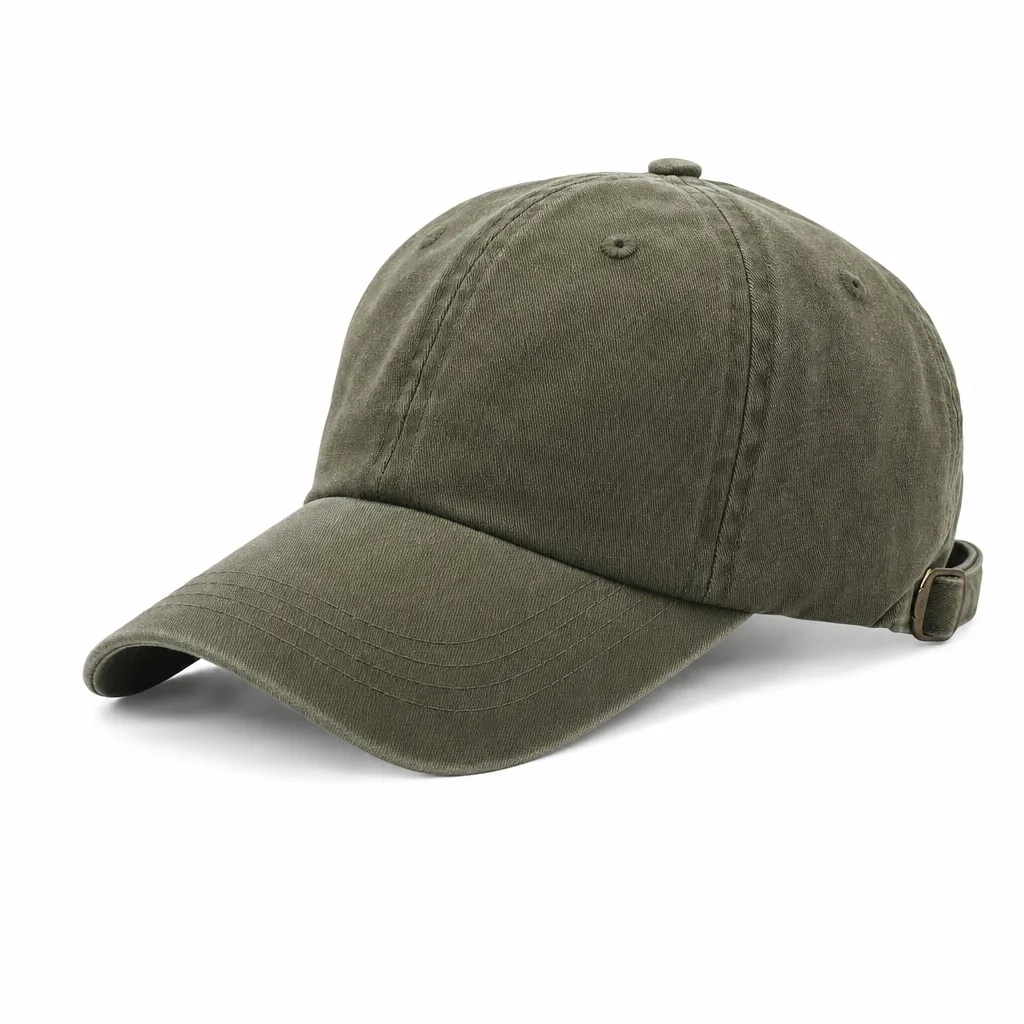
For brand owners, wholesalers and procurement teams entering the custom headwear category, men's bucket hat: a vertical-specific sourcing guide - supplier checklist is one of the highest-leverage decisions you will make. Get it right and your unit economics, retail story and reorder cycle all improve. Get it wrong and you carry the cost for years.
Baseball Hats for Men
Baseball caps expose different failure points than a men's bucket hat, so buyers should not recycle one tech pack for both. A standard men’s baseball cap is usually a 6-panel build in 100% cotton twill at 240-280 gsm, brushed chino at 220-260 gsm, or lightweight performance polyester at 140-180 gsm. The production sequence is predictable: panel cutting, front-panel fusing, eyelet sewing, crown assembly, visor board lamination, sweatband insertion, closure setting, decoration, then steaming and blocking. Structured caps normally use 0.6-0.8 mm buckram on the front two panels; unstructured dad caps remove that support, which makes fabric memory, seam balance, and top-button centering much more critical. For baseball caps, the non-negotiables are crown height, visor arc, closure type, sweatband material, seam tape width, and embroidery file format before the first proto is cut. Sizing discipline is also stricter than many importers expect. On fitted caps, head opening should be controlled by exact circumference in centimeters, not vague S/M/L labels, because 59.5 cm and 60.5 cm are not interchangeable once you account for blocking shape, sweatband stretch, and grading increments. A factory that cannot hold opening tolerance within ±3 mm on a cap will usually struggle with panel symmetry and brim balance on a men's bucket hat. That is why baseball-cap capability is worth auditing even if your main program is bucket hats: it shows whether the sewing floor actually controls pattern consistency, shaping pressure, and trim placement instead of relying on post-production steaming to hide defects.
The fastest way to separate a real headwear factory from a trader is the spec detail they can hold without improvising. A serious cap sheet should lock fabric composition, gsm tolerance within ±5%, color target by Pantone TCX or TPX, and visual approval under D65 lighting with an acceptable Delta-E of 1.5-2.0 for branded programs. Decoration specs matter just as much. Ask whether the line runs Tajima, Barudan, or ZSK heads, because dense front embroidery behaves differently by machine, backing, and frame setup. Before artwork approval, confirm stitch count, tatami or satin areas, underlay type, pull compensation, and whether 3D puff uses 2 mm or 3 mm EVA; otherwise the sample and bulk cap will not match. Inspection points should include visor asymmetry, back-seam offset, embroidery distortion, crown-height variance, sweatband twisting, eyelet position drift, and underbill shade variation. Our standard practice is AQL 2.5 for final inspection, with carton-level checks on size breakdown and metal-free needle control records available if the program requires it. As a pricing benchmark, a basic cotton-twill baseball cap with flat embroidery and hook-and-loop closure usually lands around FOB China $2.20-$3.80 at 300-500 pieces per color, while fitted programs often need 600-1,200 pieces total because size splits reduce marker efficiency and raise trim waste. If the supplier can hold those controls consistently, they are usually better equipped to manage the cleaner panel matching, brim stitch spacing, and bulk shade consistency a men's bucket hat program demands.
Designer Bucket Hats
Shape control is what separates a retail-grade designer men's bucket hat from promo merchandise. The pattern has nowhere to hide: if the crown is 3 to 5 mm too tall, the silhouette goes floppy; if the brim seam is overfed, you get a wavy edge that reads cheap at first glance. Most premium builds use a 3-panel or 4-panel crown, top circle, and separate brim, with 6 to 10 rows of topstitching at 7 to 9 SPI. Row spacing needs to stay within about +/-0.5 mm, not 1 to 2 mm, otherwise the brim starts looking uneven under store lighting. For body fabric, 8 oz to 12 oz cotton twill, washed canvas, nylon taslon around 105D to 210D, and wool-blend suiting in the 320 to 420 gsm range are all workable, but each needs a different interlining strategy. A soft enzyme wash on cotton usually needs a lighter fusible in the brim than a crisp nylon program, or the hat will buckle after laundering. The technical pack should lock down brim width, finished crown height, seam allowance, eyelet spec, SPI, wash test, and color standard before sampling starts. Use Pantone TCX for dyed body fabric and set an acceptable shade tolerance; on dark fashion colors, many buyers cap bulk variation at Delta-E 1.5 to 2.0 panel to panel. Circumference tolerance matters more on a men's bucket hat than on a structured baseball cap because there is no front buckram to mask bad grading: finished head opening should usually hold within +/-0.5 cm after wash. Our standard practice is to measure pre-wash and post-wash shrinkage separately, because a nominal 59 cm size can easily collapse to 58 cm if the fabric was not sanforized or the brim seam was steamed too aggressively during finishing.
A usable RFQ needs more than a sketch and logo file. Specify actual head sizes such as 57 cm, 59 cm, and 61 cm instead of S/M/L, define fabric composition down to yarn count when relevant, and call out decoration placement from seam to seam. If the design includes embroidery, ask the factory what head they plan to run it on; a Tajima, Barudan, or ZSK can all handle bucket hats, but dense fills crossing a curved crown seam will pucker unless the digitizing compensates for seam height and fabric stretch. MOQ in Zhejiang is typically 300 to 500 pieces per colorway in stock fabric, but custom lab dips, reactive piece dyeing, AOP, or garment washing usually push the real floor to 800 to 1,200 pieces. FOB pricing is straightforward if the spec is honest: a basic cotton twill men's bucket hat at 500 pieces often lands around $2.20 to $3.60, while satin lining, metal eyelets, woven labels, heavy embroidery, and specialty washes can move it into the $4.50 to $7.00 range. Inspection should focus on the failures that never show up in approval photos: brim waviness, topstitch drift, crown-panel mismatch, off-center embroidery, eyelet burrs, seam grin at the brim join, and wash twisting. For designer retail, AQL 2.5 is still common, but visual standards usually run tighter than a commodity promo order because one crooked stitch row can downgrade the whole carton. Check circumference by size set, not just one sample per color, and do a basic seam-slippage pull test on the brim attachment if you are using lightweight taslon or washed canvas. If a supplier only talks about buckram, visor board, and fitted-cap language, that is a bad sign; bucket-hat competence shows up in how they discuss brim blocking, shrinkage control, SPI consistency, and stabilization of an unstructured crown under laundering and packing pressure.
Cool Bucket Hats for Guys
A men’s bucket hat that still looks sellable after ocean transit is built from the shell and brim inward, not from the logo outward. For reliable retail shape, the safest specs are 100% cotton twill at 210–260 gsm, washed canvas around 230–250 gsm, or nylon taslon at 120–150 gsm with a 0.6–0.8 mm PP brim insert; LDPE works, but it tends to telegraph ripples after nested packing if the brim stitch tension is inconsistent. For adult men’s fits, I usually want a brim width of 58–63 mm, crown height 88–92 mm, top diameter 168–172 mm, and 6–8 concentric brim stitch rows at 4.5–5.0 mm spacing. Miss those numbers and the sample comes back with the two classic failures: a shallow crown that sits high on the head or a brim that folds like a promo giveaway after one wear. Color control should also be contractual. Lock shell, binding, and embroidery thread to Pantone TCX references, and set bulk shade tolerance at Delta-E 1.5 max on black, navy, olive, and other core darks where panel-to-panel mismatch is obvious under store lighting.
A usable tech pack for a men’s bucket hat needs more than fabric and artwork. It should state composition, gsm tolerance of ±5%, brim insert resin and thickness, sweatband material, eyelet type, seam allowance, stitch SPI, embroidery stitch count, label positions, and finished measurements by size. Do not buy a vague “one size” if the style is for retail; ask for finished head circumferences such as 58 cm, 60 cm, and 62 cm with tolerance held to ±0.5 cm, because poor grading is one of the most common hidden bulk failures. On inspection, AQL 2.5 is standard, but checkpoints need measurable limits: brim width within ±2 mm, embroidery placement within ±3 mm, and circumference within ±0.5 cm. If the style is pigment washed, enzyme washed, or made in deep reactive shades, add ISO colorfastness requirements—washing color change grade 4 minimum and dry crocking grade 4—rather than approving only by eye. In Yiwu and Dongguan, a basic cotton twill bucket usually lands around $2.20–$3.50 FOB at 500 pcs, while washed fabric, all-over print, or dense flat embroidery on Tajima, Barudan, or ZSK heads pushes it to roughly $3.90–$6.30 depending on stitch count, trim count, and packing density.
Funny Bucket Hats
Decoration accuracy is what makes or breaks a funny men's bucket hat; the joke can be clever, but if the artwork lands off-center or breaks at the seams, the style reads like a defect. Use base fabrics that behave predictably under print and wash: 220-260 gsm brushed cotton twill for stable embroidery, 8-10 oz washed denim for heavier streetwear programs, or 110-140 gsm polyester taslon when you need sublimation, faster dry time, or sharper photo graphics. Seam-crossing art should be printed on cut panels before crown assembly. If a supplier prints after sewing, expect registration drift, broken lines at every side-wall seam, and image distortion because bucket panels stretch on the curve. Lock the non-negotiables before sampling: shell composition, finished crown height, brim width, brim stitch-row count, and decoration method with artwork dimensions in millimeters, not “approximate” mockup notes.
Color control needs the same discipline as fit. Specify Pantone TCX for dyed shell fabric and Pantone Solid Coated for ink targets, then hold bulk approval to Delta-E 1.5 or tighter under D65 lighting; anything looser is where “cream” turns yellow and novelty artwork loses contrast. Buyers coming from baseball caps often underestimate how much a bucket silhouette skews graphics, so a strike-off on the actual cut panel is more reliable than a flat paper proof. MOQ is driven more by decoration complexity than by the hat itself: 144-300 pieces per colorway is normal for a basic embroidered men's bucket hat, while engineered repeat prints or all-over sublimation usually need 300-500 because of transfer setup, panel nesting loss, and higher reject rates. Current FOB in Zhejiang is typically US$2.20-3.80 for cotton twill with flat embroidery and US$3.20-5.20 for reactive-printed or full-graphic styles; retail extras such as woven loop labels, printed seam tape, custom sweatbands, or polybag-plus-insert packing usually add US$0.18-0.60 per unit.
Inspection should be stricter on novelty graphics than on plain fashion hats because these SKUs have low reorder tolerance; one spelling error or upside-down motif can wipe out the margin on the whole run. Run final inspection at AQL 2.5, but tighten artwork placement to ±3 mm and verify text, orientation, and opacity during inline checks, not only at final audit. For printed styles, ask for wash fastness of at least Grade 3-4 and rub fastness appropriate to the print system; for embroidery, check thread coverage, jump trimming, and whether the backing is telegraphing through lighter shell fabrics. The common failures on a funny men's bucket hat are brim waviness from uneven topstitch tension, seam mismatch on engineered prints, puckering around dense embroidery fills, and crown-to-brim twisting after wash.
If you are ordering sized production instead of one-size, specify finished head circumference clearly—58 cm, 60 cm, or a graded size run—because bucket blocks do not behave like fitted cap blocks and small pattern changes affect both drape and graphic placement. On the factory floor, our standard practice is to confirm brim flatness, crown symmetry, and seam alignment on a measured form, not by eye on a packing table. If the style includes mixed trims such as woven patches, appliqué, or internal printed tape, require a pre-production sample with all components installed; funny hats tend to stack multiple low-cost details, and that is exactly where lead times slip and defect rates climb.
Bucket Hats Festival
Festival sell-through lives or dies on hand feel and brim recovery, not on logo size. For a men’s bucket hat, I would spec the shell at 190-240 gsm cotton twill for mainstream merch, 210-230 gsm washed canvas when you want a broken-in look, or 110-140 gsm recycled polyester only if quick-dry performance or full sublimation is part of the brief. The base pattern is usually 4 side panels, 1 crown top, and a 5.5-7.0 cm brim, but the purchase order needs tighter controls: crown height, brim width tolerance of ±0.3 cm, 6-8 rows of brim stitching, eyelet type, sweatband material, and brim interlining at roughly 120-150 gsm. Leave those points vague and many factories will protect margin with a lighter shell and softer fuse, which gives you a floppy brim and poor shape recovery after packing. Color and fit also get mishandled more often on bucket hats than on caps. Tie solid-dyed programs to Pantone TCX and set a Delta-E target below 1.5, especially on black, olive, and washed neutrals where shade drift shows up immediately under outdoor light. Size grading should be written in centimeters or split clearly into S/M and L/XL, because suppliers that mainly build baseball caps often apply the wrong head-opening logic and the hat ends up riding too high or gripping the forehead. Our standard practice is to approve size sets on actual head blocks before bulk, because a bucket that measures correctly on paper can still wear wrong once the brim seam and sweatband pull tension into the opening.
Decoration is where cost moves fastest on a festival order. A plain men’s bucket hat in cotton twill with a woven loop label or small front embroidery is usually workable at 300-500 pieces per colorway, while reversible builds, all-over print, reflective piping, or sublimated polyester normally push MOQ into the 600-1,000 range because cutting loss, sewing minutes, and QC checks all increase. In Zhejiang, realistic FOB pricing for usable factory quality is about USD 2.10-3.40 for plain twill, USD 3.20-4.80 for washed canvas with embroidery, and USD 4.50-6.80 for reversible or printed polyester, assuming standard 1 pc/polybag packing, no custom metal trim, and embroidery run on Tajima or Barudan heads rather than hand-guided patch application. The claim pattern is predictable: brim twist after wash, uneven topstitch spacing, side-seam puckering, embroidery tunneling on soft panels, off-center eyelet punching, and color migration into the sweatband. AQL 2.5 final inspection should check head opening circumference, brim symmetry on a flat table, SPI consistency, label position, odor, and carton assortment by size and color. If the style uses pigment wash, reactive print, or dark contrast panels, add crocking, perspiration, and colorfastness testing before shipment. Too many festival programs approve a salesman sample, then discover after three humid weeks in transit that the sweatband is stained, the brim has warped, and the top panel no longer sits round.
Festival Bucket Hat
Packability is the first pass-fail spec on a festival men's bucket hat. Most weak samples come from factories using baseball-cap construction: hard buckram, over-fused brims, and crown panels that spring back instead of collapsing flat into a sling bag or back pocket. For this use case, the safest fabric window is 180-220 gsm cotton twill if you need clean embroidery, 210-230 gsm washed canvas for a softer hand and broken-in look, or 110-140 gsm nylon taslon when the brief calls for quick-dry performance and all-over sublimation. Construction should stay soft: 4-panel or 6-panel crown, brim topstitching at 5-7 mm pitch, and either no brim fusing or a very light 25-40 gsm fusible only if the buyer wants shape retention without boardiness.
Lock sizing in centimeters from the first tech pack: 58 cm, 60 cm, 62 cm, with head-opening tolerance at +/-0.5 cm, brim width tolerance at +/-0.3 cm, and crown height called out in the spec sheet. S/M/L labeling is too loose for this category because a men's bucket hat has no back adjustment to hide grading errors. The supplier checklist should stay technical: shell composition, gsm tolerance within +/-5%, Pantone TCX references for shell, lining, labels, sweatband material, eyelet finish, wash test method, and packing ratio. Decoration is usually the real cost lever. Small left-front or centered logos run cleanly on Tajima or Barudan flat heads, but full-panel festival artwork is better done in reactive print, pigment print, or sublimation on polyester-based shells; trying to force a front-logo cap workflow onto a full bucket silhouette usually creates registration drift, fabric waste, and ugly seam interruptions.
Inspection should focus on the defects that actually trigger claims: twisted brims, wandering stitch rows, panel shading, embroidery puckering, print ghosting, loose eyelets, bulky sweatband joins, and brim asymmetry visible when the hat is laid flat. I would inspect to AQL 2.5, measure head opening, brim width, and crown depth at inline and final, and add seam-pull plus dry/wet crocking checks, especially on washed canvas where needle damage can stay hidden until first wear. Festival conditions are rougher than buyers think—heat, sweat, sunscreen, repeated stuffing into bags—so colorfastness to perspiration should reach grade 3-4 minimum, with dark shades checked for bleed onto the inner band after rubbing and damp compression. In Yiwu, realistic FOB pricing today is about US$2.20-3.60 for basic cotton twill, US$3.80-5.80 for washed or printed styles, and US$5.50-7.20 with lining, woven labels, and embroidery; typical MOQs are 300-500 pieces per colorway on stock fabric and 800-1,200 pieces for custom dye or engineered placement print.
Working with CrownsForge for men's bucket hat programs
Sampling speed is the first real filter on a men's bucket hat program. For a standard shape in 180-220 gsm cotton twill, washed chino, or 8-10 oz canvas, a competent factory should turn digital artwork comments in 3-5 working days and deliver the first physical sample in 5-7 days once logo files, measurement chart, trim callouts, and labeling are complete. The timeline slips when buyers change structure, not graphics: widening the brim by 0.8 cm, raising crown height, shifting eyelet spacing, or changing from 6-row to 8-row brim topstitching typically adds 3-4 days because the paper pattern, marker layout, and sewing sequence all need to be rebuilt. For color-managed programs, shell fabric, binding, sweatband, and labels should be approved to Pantone TCX with a defined tolerance; on serious retail orders, bulk approval against a Delta-E target under D65 lighting is far more reliable than judging shade from phone images.
MOQ on a men's bucket hat is set by fabric and process constraints, not by the silhouette itself. A realistic opening quantity is 144-300 pieces per colorway when using stock cottons and standard trims, but custom-dyed shell fabric, printed lining, contrast binding, or combined decoration usually moves the floor to 500 pieces or more because mills, patch vendors, and label suppliers impose the real minimums. Decoration also has to be tested on the exact material and panel shape. Embroidery on a bucket hat brim is unforgiving; excessive stitch density or weak underlay will telegraph through 200 gsm twill, while 240 gsm canvas may need different backing to prevent tunneling and edge ripple. Good factories run strike-offs on Tajima or Barudan heads during sampling, then lock placement tolerances before bulk. The process should then stay disciplined: PP sample approval, inline checks on brim symmetry, circumference, SPI consistency, eyelet setting, and shade continuity, followed by a final audit at AQL 2.5 before FOB or DDP release. If brim width is drifting by even 0.5 cm, you want that caught inline, not after cartons are sealed.
Frequently Asked Questions
What file format should I send for my logo?
Vector files (AI, EPS, PDF) are ideal. High-resolution PNG or JPG at 300 dpi on transparent background works as a fallback. Provide Pantone color references for accurate reproduction.
What logo decoration techniques do you offer?
3D puff embroidery, flat embroidery, woven patch, leather patch, PVC patch, screen printing, sublimation, applique and laser etching, all in-house with no subcontracting.
Which shipping methods do you support?
We support FOB, CIF and DDP shipping. Air express for samples and small orders, sea LCL for 100 to 500 pieces, sea FCL for 5,000+ pieces. Door-to-door DDP available for US, EU, UK, Canada and Australia.
How long does production take?
Sampling takes 7 to 12 days. Bulk production runs 20 to 30 days depending on quantity, fabric availability and decoration complexity. Inspection and packing adds another 3 to 5 days before shipment.
Do you support sustainability certifications?
Yes. We work with GOTS organic cotton, GRS-certified recycled polyester, OEKO-TEX Standard 100 fabrics, and are BSCI and Sedex audited. Certification documentation can be provided per order.
How does ordering custom new era 59fifty fitted hats work?
When evaluating custom new era 59fifty fitted hats, the key considerations are construction quality, decoration capability, MOQ flexibility and lead time. Cover everything buyers ask about baseball hats for men: how it's manufactured, what specs to request from a factory, typical MOQ and pricing, common quality issues to inspect for, and how this ties back to the broader men's bucket hat sourcing decision. Cover everything buyers ask about designer bucket hats: how it's manufactured, what specs to request from a factory,…
How does ordering custom baseball hats for men work?
When evaluating custom baseball hats for men, the key considerations are construction quality, decoration capability, MOQ flexibility and lead time. Cover everything buyers ask about baseball hats for men: how it's manufactured, what specs to request from a factory, typical MOQ and pricing, common quality issues to inspect for, and how this ties back to the broader men's bucket hat sourcing decision. Cover everything buyers ask about designer bucket hats: how it's manufactured, what specs to request from a factory,…
What should buyers know about bucket hat men?
When evaluating bucket hat men, the key considerations are construction quality, decoration capability, MOQ flexibility and lead time. Cover everything buyers ask about baseball hats for men: how it's manufactured, what specs to request from a factory, typical MOQ and pricing, common quality issues to inspect for, and how this ties back to the broader men's bucket hat sourcing decision. Cover everything buyers ask about designer bucket hats: how it's manufactured, what specs to request from a factory,…
What should buyers know about nike bucket hats for men?
When evaluating nike bucket hats for men, the key considerations are construction quality, decoration capability, MOQ flexibility and lead time. Cover everything buyers ask about baseball hats for men: how it's manufactured, what specs to request from a factory, typical MOQ and pricing, common quality issues to inspect for, and how this ties back to the broader men's bucket hat sourcing decision. Cover everything buyers ask about designer bucket hats: how it's manufactured, what specs to request from a factory,…
Need a low-MOQ test order?
We help emerging brands launch with as few as 100 pieces. Premium fabric, in-house embroidery, retail-ready packaging.
Start a small orderRelated guides
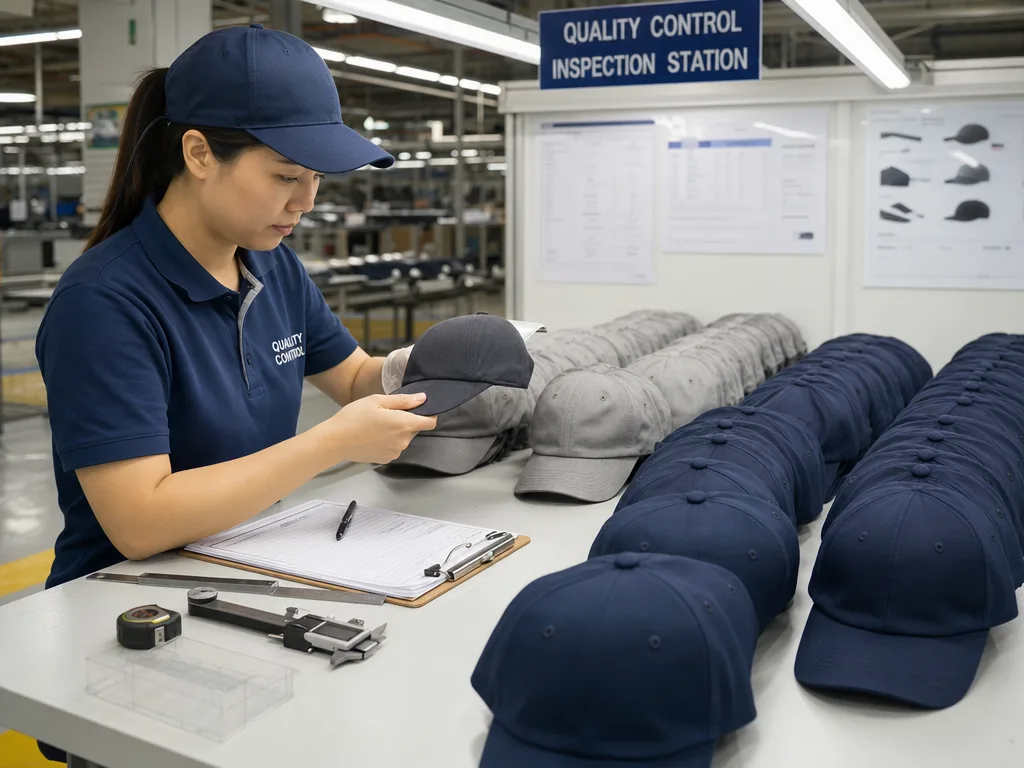
BSCI vs Sedex vs WRAP vs WCA: Compliance Audit Standards Compared (2026 Update)
Read article →
Primark Bucket Hat: A Vertical-Specific Sourcing Guide
Read article →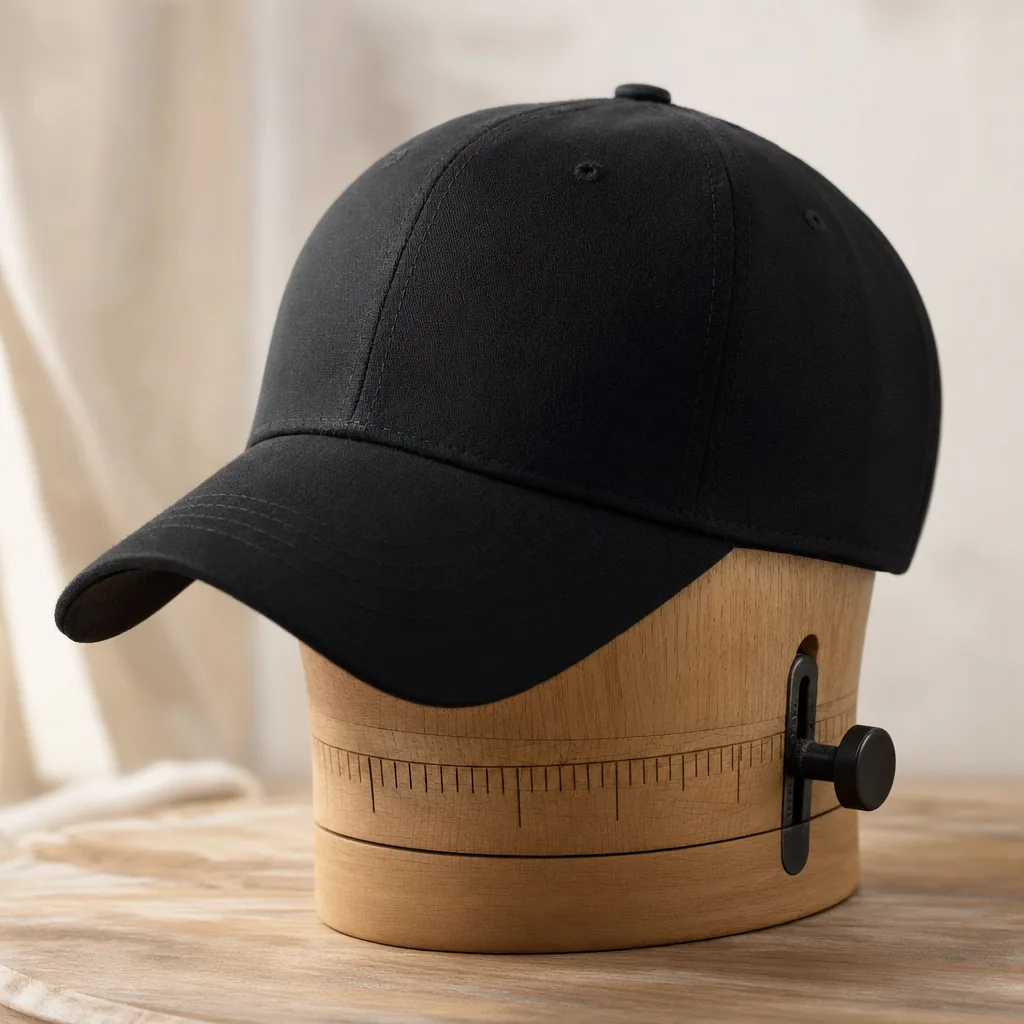
Customizing Blank Fitted Caps: New Era 59FIFTY, Otto, Imperial Buyer's Guide - Supplier Checklist
Read article →We hope this guide demystifies men's bucket hat: a vertical-specific sourcing guide - supplier checklist and helps you move forward with confidence. If you have questions specific to your project, our English-speaking sales engineers are one message away.