
Best Men's Bucket Hat Designer Options for Bulk Hat Programs
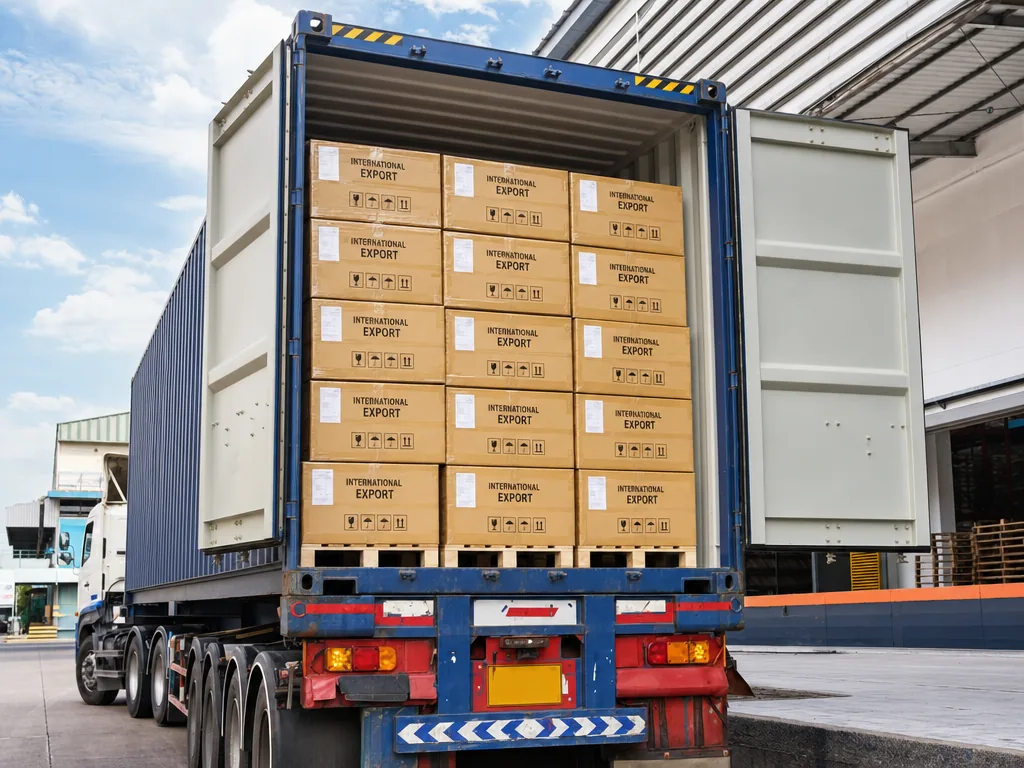
Best Men's Bucket Hat Designer Options for Bulk Hat Programs is one of the most-asked questions we receive from international buyers, and for good reason. With dozens of factories competing for your order and an alphabet soup of technical terms in every supplier quote, even experienced importers can feel lost. This guide consolidates what we have learned producing custom hats for clients in 40+ countries.
What really drives men's bucket hat designer cost and lead time
Fabric choice and brim engineering, not sewing labor, are what move a men's bucket hat designer program from a cheap promo cap to a retail-grade product. At 1,000 pieces, a 190–210 gsm cotton twill bucket hat with no lining, standard sweatband, four-row soft brim, and stock colors is usually a $2.10–$3.20 FOB Yiwu item. Change that to 320 gsm brushed canvas, 8-wale washed corduroy, PU-coated nylon taslan, recycled polyester ripstop, or sherpa-lined winter construction and the same silhouette moves into the $4.80–$7.50 range before freight, duty, and testing. Brim details are easy to underestimate: EVA inserts, contrast binding, 6–8 rows of topstitching, and stitch spacing under 2 mm slow the folder operator and raise inline reject rates. Custom Pantone TCX dyeing normally adds 12–18 days for lab dip, strike-off, bulk shade approval, and shrinkage checks. Delta-E below 1.0 is achievable on stable cotton/poly blends; washed cotton, corduroy pile, and coated nylon usually need a commercial tolerance of Delta-E 1.5–2.0.
Artwork is the second cost lever because a bucket hat gives you a small, curved, unstable decoration area. A logo that works at 75 mm on a T-shirt often has to be reduced to 48–55 mm on the front crown panel, with thinner details removed and color changes simplified. Dense satin or fill embroidery above 10,000–12,000 stitches can pucker 190 gsm twill or light nylon, especially after enzyme wash, so the file must be digitized with pull compensation and tested on Tajima, Barudan, or ZSK heads using the actual backing, thread, and fabric. Woven patches with heat-cut borders look cleaner for streetwear, while merrowed patches are safer for simple shapes and faster bulk sewing. CrownsForge’s standard practice is to make the pre-production sample with bulk fabric, final thread colors, approved seam allowance, brim width, wash process, label position, and packing method locked before cutting. Skipping that sample may save five calendar days, but it commonly creates two weeks of rework from off-center embroidery, panel torque after wash, warped brims, or an AQL 2.5 final inspection failure.
Lead time is set by compliance, trims, and logistics as much as by available sewing lines. EU and UK orders often require correct fiber-content labels, REACH-compliant trims, and rain-friendly nylon or coated cotton; Canadian programs may need bilingual care labels, heavier brushed cotton or corduroy for winter drops, and carton marks matching retailer routing guides. Licensed sports, outdoor, and chain-retail orders add UPC stickers, hangtags, polybag warning text, size or color sorting, metal detection records, and sometimes sedex-audit-cap-supplier-guide.html">BSCI 2.0 or Sedex SMETA 4-Pillar documentation. For a normal custom order, plan 7–10 days for development sampling, 18–30 days for bulk production after written approval, and 7–35 days for delivery depending on air freight, sea freight, rail, or DDP courier. The fastest programs use stock fabric, standard brim patterns, existing embroidery threads, and available trims. The slowest combine custom dye lots, reversible construction, garment washing, plated hardware, new cord-stopper molds, and artwork revisions after the sales date is already committed.
Black Bucket Hat Men
Black is not a safe default in a men’s bucket hat designer program; it is the color most likely to expose weak shade control. Lock the shell fabric before you approve artwork: 260–300 gsm cotton twill gives a clean streetwear crown, 10–12 oz enzyme-washed canvas gives a broken-in vintage hand, and 120–160 gsm recycled nylon taslan is the better choice when packability and light rain resistance matter. Never leave the tech pack at “black.” Specify Pantone 19-0303 TCX, 19-4007 TCX, or an approved buyer swatch, then approve a physical lab dip under D65 and TL84 with Delta-E under 1.0 for retail and under 1.5 for promotional programs. Cotton blacks from two dye lots can look identical at the cutting table and turn red or green under mall lighting.
Decoration on black fabric needs engineering, not just a logo file. For tonal embroidery, use 40 wt Madeira or Gunold polyester thread, proper edge-run plus tatami underlay, and enough stitch density to stop the black ground from grinning through; on Tajima, Barudan, or ZSK heads, we normally test tension on the actual panel curve, not a flat scrap. If the hat uses fleece lining for winter, add 0.5–1.0 cm to finished circumference because 180–220 gsm fleece reduces the internal fit. Pricing is driven by fabric, wash, trim, and decoration more than the bucket silhouette: a black cotton bucket hat with one front flat embroidery usually starts at 300 pcs/color around USD 3.20–4.80 FOB China, while 500–1,000 pcs often lands near USD 2.70–4.10. Enzyme wash, pigment wash, woven labels, metal eyelets, contrast lining, or all-over print can move the range to USD 4.50–7.50; 100-piece boutique runs commonly cost USD 6.50–10.00 FOB because dyeing, cutting, and machine setup are not efficiently amortized.
Sampling normally takes 7–10 days after measurements, artwork, and trims are confirmed; lab dips, print strike-offs, or custom-woven labels add another 5–7 days. Bulk production is usually 20–35 days after all approvals, but washed black must be measured after wash, not before, because 2–4% shrinkage can narrow the brim, reduce crown depth, and turn a medium fit into a tight small. Our standard practice at CrownsForge is to inspect black hats under D65 and TL84 light boxes, record Delta-E against the sealed standard, then check crown height, brim width, circumference tolerance of ±0.5 cm, sweatband length, seam slippage, brim symmetry, and embroidery pull before final AQL 2.5 inspection. A serious spec should also state stitch density per inch, wash method, lining weight, care label language, nickel-free trim requirement, polybag ventilation, and export carton moisture below 12%. Those details are what separate controlled designer-grade black headwear from generic promo stock.
Winter Bucket Hats for Men
A winter men's bucket hat designer spec has to start with bulk management, not decoration. If you take a summer 10 oz cotton bucket and simply add fleece, the crown swells, the brim cups, and the size grading collapses after pressing. For adult men’s programs, I use two finished sizes: M/L at 58 cm and L/XL at 60 cm, with ±0.5 cm circumference tolerance after steam blocking. Brim width should land at 6.5–7.5 cm, crown depth at 8.5–9.5 cm, and seam allowance at 6–7 mm for corduroy, sherpa, melton, or bonded constructions. Reliable winter shells include 11-wale cotton corduroy at 280–330 gsm, wool-blend melton at 380–450 gsm, recycled polyester sherpa at 420–500 gsm, and 210D nylon taslan with PU coating for wet-weather assortments. Specify the lining as its own component: 190T polyester taffeta keeps cost down and slides over hair, while 180–220 gsm polar fleece adds warmth but needs balanced crown panels to stop twisting. Avoid hard buckram; a soft nonwoven brim interlining gives recovery without making the hat look like a cheap fishing cap.
Color and decoration need tighter controls on winter fabrics because ribs, pile, and brushed fibers hide defects until final blocking. The tech pack should list Pantone TCX for shell fabric, Pantone TPX plus Madeira or Isacord thread references for embroidery, and lab-dip approval at Delta-E under 1.5 for solid-dyed corduroy or nylon. For heather fleece and melange wool, Delta-E under 2.0 is more realistic because the fiber mix scatters light differently. Keep small embroidered lettering above 5 mm high, and avoid dense satin fills on sherpa. Tajima, Barudan, and ZSK heads can all run clean work, but only when the digitizer uses edge-run underlay, tatami support, proper pull compensation, and water-soluble topping. A 75/11 ballpoint needle will not rescue bad digitizing on pile fabric. 3D puff can work on smooth corduroy, but foam edges often break across ribs, so flat embroidery, chenille patches, felt appliqué, woven labels, and silicone patches are safer for bulk programs. Realistic MOQ is 300–500 pieces per color for stocked corduroy or sherpa and around 1,000 pieces per color for custom dyeing. Typical FOB China pricing runs $3.20–$5.80 for corduroy/fleece styles and $5.50–$8.50 for wool-blend versions before premium trims.
QC for winter bucket hats must be written into the purchase order, not negotiated after cartons arrive. Use AQL 2.5 for major defects and AQL 4.0 for minor defects, with zero tolerance for broken needles, mold, sharp hardware, wrong fiber content, incorrect care labels, and needle fragments. Final inspection should measure brim symmetry, crown height, finished circumference, lining twist after steam pressing, seam puckering at the crown top, trapped pile in seams, and pull strength on snaps, drawcords, or chin cords. Needle detection is mandatory for retail chains and licensed sports programs; metal eyelets and snaps need to be logged before scanning so inspectors do not treat approved trims as contamination. For damp-climate deliveries, add colorfastness checks for rubbing, perspiration, and light water spray. Dark navy corduroy, black brushed wool, and forest green sherpa can bleed onto cream linings if dye fixation is rushed. I also require shrinkage after gentle wash or steam exposure within 3%, because a 60 cm L/XL hat finishing at 58.5 cm becomes a returns problem, not a measurement debate.
Bucket Hat Ireland
For an Ireland bucket hat program, the biggest cost swing is rarely sewing labor; it is fabric yield, wash loss, trim MOQ, and final routing into Dublin, Cork, Galway, or Belfast. A 100% cotton twill bucket hat in 220–260 gsm, 4-panel crown, 6–8 brim stitch rows, self-fabric sweatband, metal eyelets, and one woven side label should quote around US$3.05–4.10 FOB Ningbo at 500 pcs, US$2.45–3.25 at 1,000 pcs, and US$2.05–2.75 at 3,000 pcs. When the brief becomes a true men's bucket hat designer program—enzyme wash, contrast underbrim, jacquard inner tape, antique-brass eyelets, debossed leather patch, or 3D embroidery—the same shape usually moves to US$4.80–7.60 FOB because each trim adds tooling, rejection risk, and approval time. Winter Ireland assortments need a different bill of materials: 280–350 gsm sherpa fleece, 8-wale corduroy, wool-blend melton, or quilted nylon with 60–80 gsm padding can reach US$5.60–9.30 FOB. Compare FOB and DDP before signing. Irish VAT, EORI clearance, courier remote-area charges, and Belfast post-Brexit routing can erase a US$0.20 factory saving.
Plan MOQ by color, fabric, and trim, not by the headline order quantity. Stock cotton twill can often run at 300 pcs per color, but custom dyeing to Pantone TCX normally needs 600–1,000 pcs per color before the dye-house minimum stops punishing the unit cost. Printed lining, molded rubber patches, custom metal sliders, biodegradable polybags, barcode labels, and retail swing tags can push the practical MOQ to 1,000 pcs even if the sewing line can technically run fewer. Embroidery remains flexible, but digitizing still costs US$35–80 per logo, and raised embroidery on an unstructured bucket crown needs the right backing stack—usually tearaway plus light cutaway—or the panel puckers after wash testing. A stock-fabric salesman sample takes 7–10 days; custom dye, enzyme wash, yarn-dyed check, or washed corduroy usually needs 14–21 days before a proper pre-production sample is ready. Bulk production is typically 25–35 days after PPS approval, then 28–38 days by sea to Ireland or 5–8 days by air. Never approve from catalog photos; bucket hats expose shrinkage, brim waviness, and shallow crown depth faster than structured caps.
The tech pack must lock finished circumference, crown depth, brim width, brim stitch count, fabric gsm, lining construction, eyelet finish, label position, carton packing, and whether the hat must fold flat or hold shape for retail display. For men’s one-size retail, 58 cm with ±0.5 cm tolerance is workable, but better Irish boutiques often ask for S/M at 57 cm and L/XL at 59–60 cm to reduce returns. At CrownsForge, bulk fabric approval is checked under a D65 light box against the signed Pantone TCX standard, with Delta-E held below 1.5 before cutting; washed black, bottle green, and navy need extra control because enzyme wash can shift shade and reduce circumference by 1–2%. Final inspection should run AQL 2.5 for major defects and AQL 4.0 for minor defects, with 100% logo-position checking during first output. The common failures are uneven brim topstitching, twisted sweatband joins, off-center embroidery from poor hooping on Tajima or Barudan heads, and crushed crowns from overpacked export cartons. A serious men's bucket hat designer order should reserve one extra week for PPS correction instead of forcing risky bulk approval.
Bucket Hats Ireland
For Ireland bulk programs, the weak point is rarely the bucket hat pattern; it is recovery after folding, steaming, and 24 hours under carton pressure in a damp supply chain. I lock the tech pack before salesman samples: brim width tolerance ±2 mm, head circumference ±0.5 cm, crown height ±3 mm, label skew below 2 mm, loose thread ends below 5 mm, and no visible crown puckering after compression testing. Final inspection should use ANSI/ASQ Z1.4, AQL 2.5 for major defects and AQL 4.0 for minor defects, with at least 13 pieces measured per colorway on small lots. A men's bucket hat designer program for Irish boutiques, universities, golf clubs, festivals, or streetwear shops needs fabric with memory, not just a clean look on the QC table. I avoid 160 gsm cotton twill for folded retail stock; it waves at the brim. Safer specs are 220–260 gsm washed cotton twill, 280 gsm cotton canvas, or 120–160 gsm recycled nylon taslon with light PU coating and C0 DWR when rain resistance matters.
Decoration has to be approved on the actual shell fabric, lining, backing, thread, needle, and crown construction, not on a spare sample-room swatch. Run the stitch-out on Tajima, Barudan, or ZSK heads before bulk cutting. Washed cotton twill can tunnel under dense satin columns, while recycled nylon puckers fast if the digitizer uses heavy underlay or pushes beyond a 75/11 sharp needle. For a front logo, I keep flat embroidery around 8,000–12,000 stitches; beyond that, a soft bucket crown starts to feel like a patch unless the buyer wants a structured streetwear hand. 3D puff is only sensible for thick block artwork with clean foam-trim edges. Approve Pantone TCX, lab dips, or yarn-dyed strike-offs before production, targeting Delta-E under 1.5–2.0, dry and wet crocking grade 4 minimum, and cotton shrinkage within 3% after wash. CrownsForge standard practice is to photograph the approved stitch-out beside the color card and signed trim sheet before production embroidery starts.
MOQs and landed cost should be built around color splits, because Ireland orders often get over-fragmented by club crest, county color, woven label, hangtag, and compostable polybag requirements. For custom-dyed cotton, a realistic MOQ is 300–500 pieces per color; stock fabric can work at 200–300 pieces; 50–100 pieces usually means higher unit cost, limited trims, and no leverage on dyeing, enzyme wash, or carton ratio packing. Current FOB China pricing is typically US$2.80–4.20 for plain cotton twill, US$4.20–6.50 with flat embroidery and woven labels, and US$6.50–9.00 for recycled nylon, contrast lining, drawcord, cord stoppers, or water-repellent finishing. DDP Ireland often adds US$0.60–1.50 per piece depending on carton cube, HS code treatment, duty/VAT handling, and delivery point in Dublin, Cork, Galway, Limerick, or Belfast. Before balance payment, require a sealed pre-production sample, inline photos, carton-ratio verification, and final random inspection; a wrong color-size mix hurts sell-through faster than saving five cents on fabric.
Trippy Bucket Hats
Trippy bucket hats only look expensive when the artwork is engineered before cutting; printing finished blanks is how you get broken swirls, chopped typography, and muddy seams. For most bulk programs, the workable base is 180-220 gsm cotton twill, brushed cotton, 65/35 poly-cotton, or 150-180 gsm polyester microfiber if sublimation is required. A simple all-over print bucket hat can start at 300-500 pcs per colorway around $3.20-$5.80 FOB China, but a real men's bucket hat designer brief needs panel-level control: 3-5 mm bleed on every crown and brim piece, matched repeat direction across side seams, registered chrome lettering, optical line art, and gradient bands that do not jump after sewing. That extra cutting discipline usually adds 8-15% fabric waste and pushes a 500 pc run into the $5.50-$8.90 FOB range. Digital textile printing can support 100-200 pcs, but the unit price often lands at $9-$14 FOB because RIP setup, strike-off approval, and sewing line changeover barely shrink with quantity.
Color approval is the bottleneck on psychedelic artwork, not stitching capacity. A normal printed bucket hat sample takes 7-10 days, with bulk production around 25-35 days after deposit and approved sample, but neon green, acid orange, deep violet, and red-to-blue gradients often need one extra strike-off before the buyer signs off. Supply Pantone TCX references, layered AI or PSD files at 300 dpi, and a panel map showing repeat direction, face placement, seam priority, and whether the top crown button must carry the print. Sublimation gives the cleanest gradient edge and tighter Delta-E control, but it needs polyester or a poly-rich fabric; pigment print on washed cotton feels better for streetwear, though shade can shift after enzyme or stone wash. Winter versions in 8-wale corduroy, 280 gsm canvas, quilted polyester, or sherpa-lined builds are possible, but each substrate changes ink absorption, shrinkage, and brim memory, so testing normally adds 5-12 days before production timing should be counted.
QC for trippy hats has to be run like color-managed apparel, not novelty merchandise. Under D65 lighting, I would target Delta-E 1.5-2.5 for key Pantone shades on stable polyester sublimation, while approving a wider tolerance on washed cotton pigment print if the buyer wants a softer vintage hand. At AQL 2.5, inspectors should check front seam registration, crown height, brim width, brim waviness, sweatband twisting, top button centering, woven patch alignment, and stitch density around 7-9 SPI. The common failure is carton-to-carton shade drift: one carton passes alone, then a retailer hangs 24 units together and the purple family splits into three visible tones. A serious men's bucket hat designer specification should lock fabric gsm, wash treatment, artwork placement, lining, label position, size grading, carton pack, and acceptable shade variation before the price is treated as real. CrownsForge normally approves one size-set sample plus one bulk print panel before cutting production fabric.
Unique Bucket Hats
Unique bucket hats become expensive when the design changes the pattern, trim sourcing, or sewing sequence, not when it only changes the logo. A basic 260-280 gsm cotton twill bucket with one flat embroidery usually sits around $2.20-$3.40 FOB Yiwu at 300-500 pcs. Add reversible construction, contrast binding, jacquard tape, all-over reactive print, molded silicone patch, quilted lining, or a mixed-fabric crown, and the same men's bucket hat designer program often moves to $4.10-$7.80 before freight. Quote shell fabric, lining, sweatband, labels, trims, packaging, and decoration as separate cost lines because their MOQs rarely match. Stock twill can clear at 100-300 pcs per color; custom Pantone TCX dyeing usually starts at 500-1,000 meters, enough for about 2,000-4,000 hats after brim-width variation and 8-12% cutting loss. Winter versions using 320 gsm brushed cotton, 8-wale corduroy, sherpa fleece, or wool-blend melton typically add $0.80-$2.50 per unit and reduce carton efficiency by 15-25%.
Lead time is controlled by where the unique detail sits. A standard bucket sample with Tajima or Barudan flat embroidery can be ready in 5-7 days after digitizing approval if the logo stays under roughly 8,000 stitches and avoids the crown seam. A reversible bucket with printed lining, custom brim stitch rows, new woven label, and contrast binding usually needs 10-14 days because the first sample often reveals brim waviness, seam allowance drift, lining pull, or binding tension problems. Bulk production for 300-2,000 pcs normally runs 20-30 days after PP sample approval, plus 7-10 days if lab dips are required to hold Pantone TCX within Delta-E 1.5-2.0. Our standard practice at CrownsForge is to freeze crown height, brim width, panel count, sweatband material, stitch density, backing type, embroidery position, and care-label wording before cutting fabric. For Ireland-bound bulk orders, air DDP to Dublin is usually 6-9 days; sea plus truck consolidation is closer to 35-45 days.
QC on unique bucket hats should prioritize shape, symmetry, and decoration durability because an unstructured crown exposes small mistakes. Under AQL 2.5 final inspection, measure crown circumference, crown depth, brim width, seam alignment, label placement, and embroidery position; visible placements should hold within +/-3 mm, and circumference within +/-5 mm. Tajima, Barudan, or ZSK embroidery must be checked for thread breaks, puckering, loose bobbin, poor tension, and fill density that opens beyond roughly 0.42 mm stitch spacing on tight areas. Backing needs clean trimming without nicking washed cotton, ripstop nylon, or lightweight polyester. Wash testing is not optional for pigment dye, enzyme wash, vintage fade, black twill, and reactive print because weak fixation can shift beyond Delta-E 3.0 after one warm wash. For any serious men's bucket hat designer order, approve a sealed PP sample, define carton drop-test requirements, require needle detection when kids' sizing is included, and review current BSCI 2.0 or Sedex SMETA 4-Pillar audit documents before deposit.
Working with CrownsForge for men's bucket hat designer programs
A men's bucket hat designer program should be run as a soft-goods engineering job, not a logo placement exercise, because 20 gsm in fabric weight or one wrong fusing choice can change the block. For a new shape, budget 7–10 days for a blank fit sample and 12–18 days when the sample includes direct embroidery, woven label placement, silicone patch tooling, garment dye, or enzyme wash. A 280 gsm cotton twill gives a relaxed crown and softer drape; 320 gsm twill holds a cleaner brim but turns stiff fast if the interlining is too hard. For fall/winter builds, check the pattern again: 8-wale corduroy, 340 gsm brushed cotton, sherpa lining, and 150D recycled polyester fleece add bulk at the crown seam and can reduce visible crown height by 3–5 mm. Solid lab dips should match Pantone TCX under D65 with Delta-E under 1.5; garment-washed or enzyme-finished colors are more practical at Delta-E 2.0 because abrasion varies panel by panel. Realistic MOQ is 300 pieces per color for stocked cloth and 600–1,000 pieces for custom dye, jacquard, laminated fabric, or insulated construction.
Decoration has to follow the bucket curve; artwork lifted from a baseball cap tech pack usually distorts. On most men's bucket hats, safe front embroidery height is 45–55 mm before dense stitching pulls the panel off-grain, especially on soft canvas or washed twill. Wide satin borders, dense fills over 8,000–10,000 stitches, and tall vertical lettering are the defects I see most often at the embroidery line. Tajima and Barudan heads are reliable for flat embroidery, appliqué, merrowed patches, and standard woven-label attachment; ZSK machines are better when chenille, layered felt, or mixed-media badges are part of the design. I do not recommend 3D puff on enzyme-washed twill unless the shell has enough body, because foam expansion near the front seam makes the logo look swollen and cheap. CrownsForge’s normal control path for a first men's bucket hat designer order is one blank fit sample, one decoration strike-off, and one sealed pre-production sample before bulk cutting. The PP sample must lock stitch count, Madeira or Gunold thread color, label tolerance, brim width, wash hand-feel, seam taping, care label, and packing method.
Cost control comes from freezing the BOM before cutting and inspecting where the problem can still be corrected. Put every size, shell fabric, lining, sweatband, eyelet, trim, wash, and decoration option into a production matrix; otherwise small buyer revisions create mixed lots, shade drift, and carton shortages. I prefer three checkpoints: after cutting for panel shade, grain direction, and ply accuracy; after decoration for placement, skipped stitches, thread breaks, and backing removal; and at final packing for measurement, stains, labeling, polybag warnings, carton marks, and barcode scans. Final inspection normally uses AQL 2.5 for major defects and AQL 4.0 for minor defects, with tighter limits for licensed sports, department-store, or marketplace programs. Compliance files may include BSCI 2.0, Sedex SMETA 4-Pillar, OEKO-TEX Standard 100 declarations for fabric and thread, REACH statements for rubber or metal trims, and CPSIA documents if youth sizing is included. Realistic FOB Ningbo or Shanghai pricing for custom men's bucket hats runs about USD 3.20–7.80, depending on gsm, lining, wash, decoration, and retail packing; DDP must add HS code duty, carton CBM, destination handling, and recycled mailer or inner-carton requirements.
Frequently Asked Questions
Do you support sustainability certifications?
Yes. We work with GOTS organic cotton, GRS-certified recycled polyester, OEKO-TEX Standard 100 fabrics, and are BSCI and Sedex audited. Certification documentation can be provided per order.
How long does production take?
Sampling takes 7 to 12 days. Bulk production runs 20 to 30 days depending on quantity, fabric availability and decoration complexity. Inspection and packing adds another 3 to 5 days before shipment.
What logo decoration techniques do you offer?
3D puff embroidery, flat embroidery, woven patch, leather patch, PVC patch, screen printing, sublimation, applique and laser etching, all in-house with no subcontracting.
Which shipping methods do you support?
We support FOB, CIF and DDP shipping. Air express for samples and small orders, sea LCL for 100 to 500 pieces, sea FCL for 5,000+ pieces. Door-to-door DDP available for US, EU, UK, Canada and Australia.
What file format should I send for my logo?
Vector files (AI, EPS, PDF) are ideal. High-resolution PNG or JPG at 300 dpi on transparent background works as a fallback. Provide Pantone color references for accurate reproduction.
Ready to start your custom hat project?
Send us your tech-pack, sketch or even just an inspiration photo. We will respond with a detailed quotation and digital mock-up within 24 hours.
Request a free quoteRelated guides
Custom Logo Hats: When to Use It, Costs, and What to Ask Your Factory (2026 Update) - Cost & MOQ Breakdown
Read article →
Performance & Athletic Caps: Moisture-Wicking, UPF and Buyer Specs - Cost & MOQ Breakdown (2026 Update) (2026 Update)
Read article →
How to Choose a Custom Baseball Cap Manufacturer in China — 2026 Buyer's Guide
Read article →Sourcing custom hats does not have to be complicated. With the right manufacturing partner, clear specifications and a small upfront investment in sampling, you can launch a retail-quality product in 30 to 45 days.