
Hat With Patch Decoration QC Checklist for Custom Hat Buyers
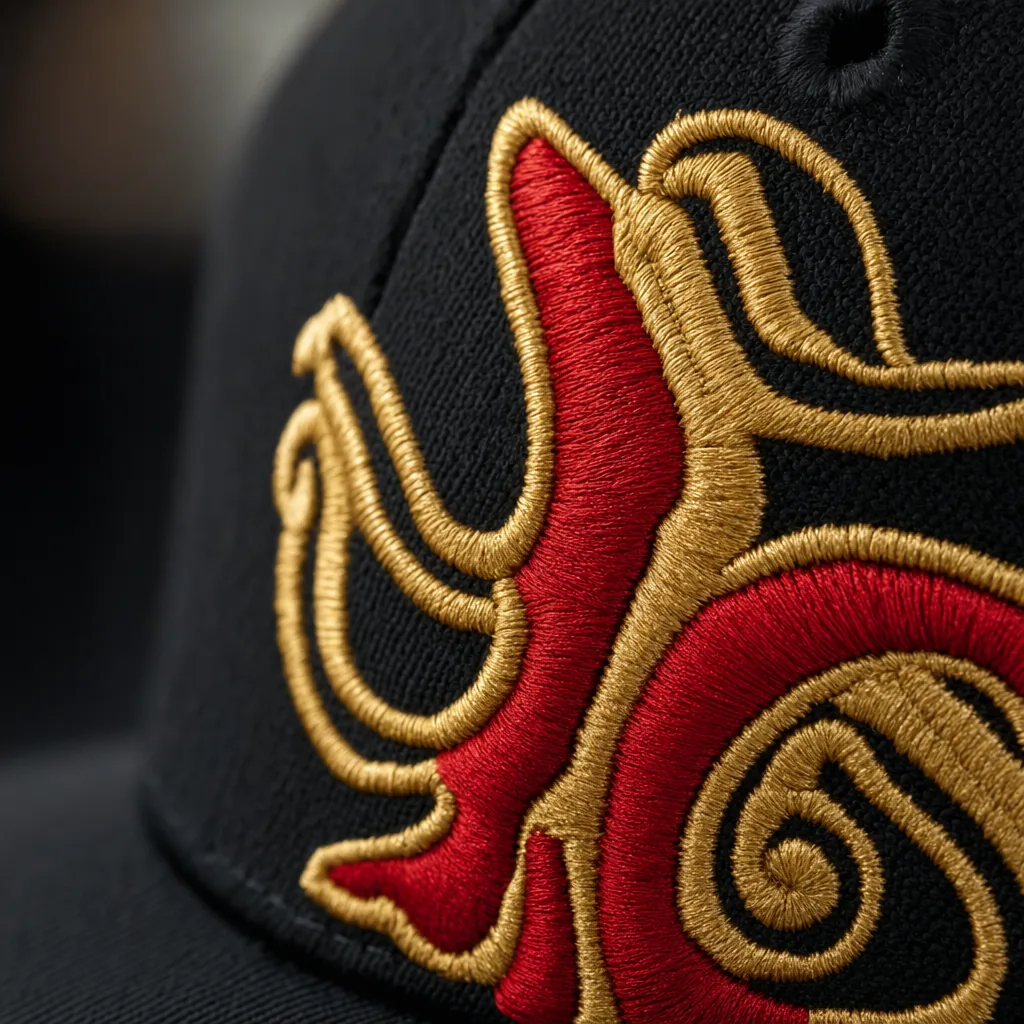
Hat With Patch Decoration QC Checklist for Custom Hat Buyers is one of the most-asked questions we receive from international buyers, and for good reason. With dozens of factories competing for your order and an alphabet soup of technical terms in every supplier quote, even experienced importers can feel lost. This guide consolidates what we have learned producing custom hats for clients in 40+ countries.
Why hat with patch decoration qc checklist needs a separate sourcing plan
A hat with patch decoration qc checklist needs its own sourcing plan because the failure points move from normal cap construction into the decoration interface: patch material, backing, border, adhesive, stitch path, placement tolerance, and heat/pressure behavior. A basic 6-panel cap inspection checks crown symmetry, visor curve, sweatband stitching, and size spec; a custom hat with patch adds another layer where leatherette can scorch, woven labels can pucker, PVC can lift at the corners, and chenille can shed during carton rub. For buyer intent, the search is usually not academic. Procurement teams are trying to avoid shipment rejections after a logo patch looks 3 mm off-center across 5,000 units or after a rubber patch passes sampling but fails a 48-hour heat test in transit. Our standard practice at CrownsForge is to lock patch approval separately from cap approval, with Pantone TCX or TPX references, Delta-E target under 1.5 for dyed fabric patches, and physical placement tolerance normally held to ±2 mm from center front.
Patch type changes cost and lead time more than most buyers expect. A custom patch for hat can be woven, embroidered, sublimated, genuine leather, PU leather, PVC rubber, TPU, silicone, chenille, or metal badge; each has different MOQ, tooling, and attachment method. Woven and embroidered patches usually add US$0.35–0.90 per cap at 500–2,000 pcs, while PVC or silicone can add US$0.70–1.60 because of mold fees around US$80–250 per design and colorway. Leather patches can be fast, but genuine leather complicates compliance and moisture control; PU is easier for vegan claims but must be checked for phthalates if selling into California or the EU. A custom patch hat using heat press on cotton twill may ship quickly, but the same patch on 100% polyester performance fabric needs lower temperature trials to prevent shine marks or panel distortion. That can add 2–4 days in pre-production testing before bulk cutting.
Compliance planning is different because the patch may come from a second-tier supplier, even when the cap body is made in an audited factory. For licensed sports, kids’ products, and retail programs, buyers should require material declarations for the custom patch hats, not just the cap fabric. PVC patches need CPSIA, REACH SVHC, and Prop 65 screening depending on market; metal badges need nickel release testing; leather needs azo dye and chromium VI control; adhesive films should be checked for formaldehyde and wash resistance. Factory audits such as sedex-audit-cap-supplier-guide.html">BSCI 2.0 or Sedex SMETA 4-Pillar cover labor systems, but they do not automatically verify every trim supplier’s chemistry. A proper hat patch custom sourcing plan also defines AQL: I would inspect major defects at AQL 2.5 and critical defects at 0, with separate checks for patch alignment, edge lifting, glue bleed, skipped attachment stitches, color mismatch, barcode labeling, and carton abrasion after vibration. Generic hat sourcing often misses those decoration-specific risks until final inspection, when correction is expensive.
Factory capability checks before quoting
Factory capability should be verified before any price discussion, because a cheap quote is useless if the supplier cannot control patch placement, panel shape, and decoration tolerance at bulk speed. For a custom hat with patch, ask what machines are in-house: Tajima, Barudan, or ZSK heads for embroidered patches; heat press stations with digital pressure control for woven or TPU patches; and lockstitch/post-bed machines for leather or PVC patch sewing. A real factory should explain stitch density, backing choice, merrow border limits, adhesive temperature windows, and whether the custom patch for hat is made in the same facility or subcontracted. I also ask for their normal placement tolerance: for front crown patches, ±2 mm is acceptable on structured caps, while ±3 mm may be realistic on soft unstructured dad hats. If they cannot discuss these numbers, their hat with patch decoration qc checklist is probably just a buyer-facing form, not a production tool.
Fabric and panel construction capability matter as much as the patch itself. A 280 gsm cotton twill, 210D nylon, 160 gsm polyester mesh, or wool-blend melton will all react differently under embroidery, heat pressing, and crown blocking. Before quoting custom patch hats, confirm they can cut 5-panel, 6-panel, camper, trucker, rope cap, and snapback patterns with consistent panel grain direction and crown height. Ask for available closures: plastic snap, brass buckle, Velcro, elastic Flexfit-style band, metal clip, and custom woven strap. For color control, serious suppliers should reference Pantone TCX for fabric, Pantone C/U for patch threads or printing inks, and a Delta-E target under 1.5 for lab dips when the order is color-sensitive. Our standard practice at CrownsForge is to check fabric shrinkage before decoration, because a patch applied before steaming can drift or wrinkle after crown shaping.
The sample room is where you find out whether the factory can actually build the hat patch custom design you approved on a screen. A capable room should produce embroidery digitizing, patch strike-offs, fabric lab dips, crown shape trials, and closure mockups within 7–12 days, not just send catalog photos. Ask who communicates revisions: a merchandiser alone is not enough for complex decoration; you want access to a technician who understands thread breaks, needle size, bobbin tension, heat-press dwell time, and seam allowance around the front panel. Audit readiness is also part of capability, especially for licensed sports, retail, or corporate programs. Check whether the supplier maintains BSCI 2.0, Sedex SMETA 4-Pillar, WRAP, or ISO 9001 records, and whether they can support AQL 2.5 final inspection with defect categories for patch skew, loose threads, puckering, glue bleed, shade variance, and carton labeling. A practical hat with patch decoration qc checklist starts before the PO, not after bulk goods are already sewn.
MOQ, pricing and sample approval
MOQ is where many buyers misread the real cost of a custom hat with patch. For most structured 5-panel, 6-panel, snapback, or dad cap programs, 300 pcs per color/style is the practical floor if the fabric is stock cotton twill, polyester ripstop, corduroy, or 280–320 gsm canvas. At 500–1,000 pcs, the unit price usually drops 8–18% because cutting, embroidery digitizing, patch molding, and line setup are spread properly. Below 300 pcs, expect surcharges or limited options: stock blanks, fewer patch shapes, and standard closures. A realistic FOB China price for a woven-label patch cap is often USD 3.20–5.80; PVC or silicone patches usually sit around USD 4.20–7.50 depending on mold size, backing, and cap fabric. Leather patches vary sharply: PU starts cheap, but genuine cowhide with debossing and edge burnishing can add USD 0.60–1.40 per cap.
Setup costs should be separated from unit price in any serious hat with patch decoration qc checklist. Embroidery digitizing for a merrowed patch normally runs USD 25–60 per design, while PVC/silicone mold fees are commonly USD 80–180 for small logos and USD 200+ for complex multi-level molds. Woven patches need artwork converted into thread-count limits, not just pasted from an Illustrator file; tiny letters under 1.5 mm will close up. For embroidered patches, check stitch density at about 8,000–12,000 stitches for a 75 mm front patch, depending on fill area and thread type. On Tajima, Barudan, or ZSK heads, excessive density causes puckering after heat pressing or sewing onto curved front panels. Pantone matching must specify Pantone TCX for fabric and Pantone C/U or thread cards for decoration; a Delta-E under 2.0 is tight, while 3.0–4.0 is more realistic for dyed cotton twill.
PPS approval should lock the patch, cap body, trims, and packaging before bulk production starts. Our standard practice at CrownsForge is to approve one physical pre-production sample with final buckram, sweatband, closure, eyelets, button, seam tape, and carton marking—not just the front logo. A custom patch for hat orders can fail because the patch looks correct but sits 3 mm off-center, has lifted corners after 24-hour flex testing, or creates needle marks through a laminated front panel. Buyers should approve patch placement tolerance, usually ±2 mm for front center, and request photos from top, side, inside, and close-up decoration angles. Packaging also affects QC: individual polybags add USD 0.05–0.10, hangtags USD 0.04–0.12, and reinforced export cartons reduce crushing on DDP shipments. Normal lead time is 7–12 days for PPS after artwork approval, then 25–40 days for bulk; add 10–15 days if fabric dyeing, custom patch molds, or third-party AQL 2.5 inspection is required.
Quality inspection and shipping risk
A serious hat with patch decoration qc checklist starts before the cartons are sealed, not when the forwarder is already waiting. For export orders we normally inspect to ANSI/ASQ Z1.4 with AQL 2.5 for major defects and AQL 4.0 for minor defects; for licensed sports or retail programs, buyers often tighten major defects to AQL 1.5. Measurement tolerance should be written on the tech pack: crown height ±0.5 cm, visor length ±0.3 cm, head circumference ±0.5 cm, patch placement ±2 mm from centerline, and snapback/strap alignment within ±3 mm. On a custom hat with patch, the common failures are crooked patch sewing, puckering around the patch edge, loose merrow thread, glue bleed on leather or TPU patches, and embroidery registration drift when the patch is stitched on Tajima, Barudan, or ZSK heads before attachment. I do not accept “close enough” placement on front panels because a 5 mm tilt is obvious in e-commerce photos.
Color and durability checks should be practical, not laboratory theater. Fabric shade should be approved against Pantone TCX or a sealed production swatch, with Delta-E under 1.5 for most cotton twill and under 2.0 for washed pigment-dyed caps where shade variation is part of the look. For a custom patch for hat order using woven labels, chenille, PVC, leather, or embroidered badges, check both the patch color and the cap fabric after steam pressing because heat can shift navy, forest green, and burgundy noticeably. Colorfastness to rubbing should meet ISO 105-X12 grade 4 dry and grade 3-4 wet for mainstream retail; sweat resistance is important on performance polyester, nylon taslan, and 100% cotton sweatbands. Embroidery defects need separate review: broken stitches, bird nesting, skipped satin columns, uneven 3D puff height, exposed backing, and thread tails over 3 mm should be counted, not waved through. Our standard practice at CrownsForge is to keep pre-production and shipment samples under the same lighting box, usually D65, TL84, and CWF.
Shipping risk is where many custom patch hats lose money even after passing sewing QC. Carton markings should match the purchase order: style number, color, size ratio, carton quantity, gross/net weight, carton dimensions, country of origin, and any retailer routing label. For FBA, club stores, and team licensees, inner polybag warnings, UPC/EAN labels, carton drop-test condition, and master carton burst strength, usually 32 ECT or 200 lb, must be confirmed before release. FOB Ningbo or Shanghai gives the buyer freight control, but DDP is safer for small promotional resellers who cannot manage customs bond, Section 301 exposure, or last-mile delivery disputes; the tradeoff is that DDP quotes hide duty and fuel volatility inside the unit price. A useful reorder file includes approved fabric gsm, patch mold or digitizing file, Pantone references, thread codes, carton specs, AQL report, defect photos, and the final packing list. That documentation turns a hat patch custom reorder from guesswork into a controlled repeat production run.
Buyer checklist for the next RFQ
A useful RFQ starts with the cap body, not the patch. Send the hat type first: 5-panel camp cap, 6-panel structured baseball cap, unstructured dad cap, trucker, snapback, bucket, or visor. Add crown height in cm, brim style, closure type, size range, and target fabric such as 16x12 cotton twill at 260 gsm, washed chino twill at 230 gsm, polyester ripstop at 110 gsm, or nylon taslan at 120 gsm. For color, do not write “navy” or “khaki”; give Pantone TCX or TPX references and accept a Delta-E tolerance, usually under 1.5 for solid-dyed fabric and under 2.0 for washed goods. If you need a firm quote, include order quantity by color and size, required delivery window, Incoterm request such as FOB Ningbo or DDP Los Angeles, packaging standard, barcode needs, and whether carton drop testing or AQL 2.5 final inspection is required.
For the patch itself, send vector artwork in AI, PDF, EPS, or SVG, plus a 300 dpi JPG mockup showing placement on the cap. A custom patch for hat production cannot be quoted cleanly from a low-resolution screenshot because the supplier must judge stitch density, edge shape, laser-cut tolerance, mold cost, and attachment method. Specify patch type: woven label, embroidered patch, chenille, PVC rubber, silicone, leather debossed, PU leather, sublimated twill, or felt applique. Give exact patch dimensions in mm, border style, backing, thread colors by Madeira or Pantone, and whether it is sewn, heat-pressed, Velcro-backed, or riveted. For embroidery patches, tell the factory if metallic thread, 3D puff, or merrowed edges are required; those details change both price and defect risk. A proper hat with patch decoration qc checklist should also state acceptable placement tolerance, normally plus or minus 2 mm for front-center patches and 3 mm on curved side panels.
Before asking for a locked unit price, send reference photos of an approved sample from the front, side, back, inside sweatband, closure, label area, and underside of brim. If the project is a custom hat with patch for retail, include hangtag, care label, country-of-origin label, polybag warning, UPC/EAN barcode, carton mark, and any licensed-brand compliance file. Our standard practice at CrownsForge is to separate prototype cost from bulk price: a simple woven patch sample may be US$45–80, PVC mold setup can run US$80–180, and leather deboss dies often sit around US$60–120 depending on size. Also state the test requirements up front: colorfastness to rubbing, nickel-free metal hardware, REACH or Prop 65 restrictions, needle detection for kids’ goods, BSCI 2.0 or Sedex SMETA 4-Pillar factory audit, and pre-shipment inspection level. Without these inputs, any quote for custom patch hats is only a rough buying-office estimate, not a production-ready offer.
Working with CrownsForge
CrownsForge runs a hat with patch decoration qc checklist program from the sample room outward, not as a final inspection afterthought. For a new custom hat with patch order, we first lock the cap body spec: crown height tolerance ±3 mm, brim arc, sweatband type, fabric gsm, closure hardware, and Pantone TCX color targets with an acceptable Delta-E usually under 1.5 for solid twill and under 2.0 for washed cotton. Patch development is treated as a separate controlled component. A woven patch, PVC patch, leatherette patch, chenille patch, or embroidered badge each gets its own approval sheet covering size tolerance, border thickness, stitch density, heat-cut edge quality, adhesive backing if used, and placement coordinates from the center front seam or side panel reference point. I do not approve bulk cutting until the pre-production sample has been checked against the buyer’s tech pack and a sealed golden sample is physically kept in the production office.
Decoration control is where most custom patch hats fail if the factory is careless. For sewn patches, we check thread tension, needle size, backing compatibility, and whether the patch edge lifts after a 30-cycle rub test; for heat-applied patches, we record press temperature, dwell time, pressure, and peel strength after cooling. A typical PVC patch may need 150–165°C for 12–18 seconds, but polyester performance caps can scorch or shine if the operator copies cotton settings. For a custom patch for hat using embroidery, our Tajima, Barudan, and ZSK lines are checked for registration drift before running bulk panels, especially on 3D puff or merrow-border badges. Patch placement tolerance is normally ±2 mm on front panels and ±3 mm on side or back panels, because a crooked badge is visible even when the cap sewing is technically acceptable. Bulk inspection follows AQL 2.5 for major defects and AQL 4.0 for minor defects unless the buyer sets stricter limits.
Export coordination matters because QC decisions affect carton loading, labeling, and customs paperwork. A hat patch custom program should define carton quantity, polybag format, suffocation warning language, barcode position, country-of-origin label, and whether hangtags are attached before final inspection. We test carton compression for long DDP routes, especially when structured crowns can collapse under mixed cargo, and we separate reworked goods from first-pass goods so the inspector can trace defect patterns by sewing line and decoration batch. For buyers requiring compliance, we align production records with BSCI 2.0 or Sedex SMETA 4-Pillar audit expectations, including needle control, wage records, chemical storage for adhesives, and subcontractor declarations if any patch component is produced off-site. The practical value of a hat with patch decoration qc checklist is that it connects sampling, decoration, inline QC, final AQL inspection, and FOB or DDP shipment timing into one system instead of letting each department make isolated decisions.
Frequently Asked Questions
What file format should I send for my logo?
Vector files (AI, EPS, PDF) are ideal. High-resolution PNG or JPG at 300 dpi on transparent background works as a fallback. Provide Pantone color references for accurate reproduction.
Which shipping methods do you support?
We support FOB, CIF and DDP shipping. Air express for samples and small orders, sea LCL for 100 to 500 pieces, sea FCL for 5,000+ pieces. Door-to-door DDP available for US, EU, UK, Canada and Australia.
Can I order a sample before bulk production?
Yes. We strongly recommend approving a pre-production sample before mass production. Samples are charged at 35 to 60 USD each plus express shipping, fully refundable against confirmed bulk orders over 500 pieces.
What logo decoration techniques do you offer?
3D puff embroidery, flat embroidery, woven patch, leather patch, PVC patch, screen printing, sublimation, applique and laser etching, all in-house with no subcontracting.
What is the minimum order quantity (MOQ) for custom hats?
Our standard MOQ is 100 pieces per design and color, with sampling available from 1 piece. For complex multi-color logos or premium fabric upgrades, the MOQ can be lowered with a small per-piece surcharge.
How does ordering custom hat patch work?
When evaluating custom hat patch, the key considerations are construction quality, decoration capability, MOQ flexibility and lead time. Explain the buyer intent behind hat with patch decoration qc checklist, when it differs from generic hat sourcing, and what decisions affect cost, lead time and compliance. Describe how CrownsForge manages hat with patch decoration qc checklist programs with sampling, decoration, QC and export coordination.
How does ordering custom leather patch hats work?
When evaluating custom leather patch hats, the key considerations are construction quality, decoration capability, MOQ flexibility and lead time. Explain the buyer intent behind hat with patch decoration qc checklist, when it differs from generic hat sourcing, and what decisions affect cost, lead time and compliance. Cover embroidery, patch, fabric, panel construction, closure options, sample room capability, audit readiness and communication checks.
What's the MOQ for custom leather patch hat low minimum?
When evaluating custom leather patch hat low minimum, the key considerations are construction quality, decoration capability, MOQ flexibility and lead time. Explain the buyer intent behind hat with patch decoration qc checklist, when it differs from generic hat sourcing, and what decisions affect cost, lead time and compliance. Describe how CrownsForge manages hat with patch decoration qc checklist programs with sampling, decoration, QC and export coordination.
How does ordering custom trucker hat patches work?
When evaluating custom trucker hat patches, the key considerations are construction quality, decoration capability, MOQ flexibility and lead time. Explain the buyer intent behind hat with patch decoration qc checklist, when it differs from generic hat sourcing, and what decisions affect cost, lead time and compliance. Describe how CrownsForge manages hat with patch decoration qc checklist programs with sampling, decoration, QC and export coordination.
Ready to start your custom hat project?
Send us your tech-pack, sketch or even just an inspiration photo. We will respond with a detailed quotation and digital mock-up within 24 hours.
Request a free quoteRelated guides
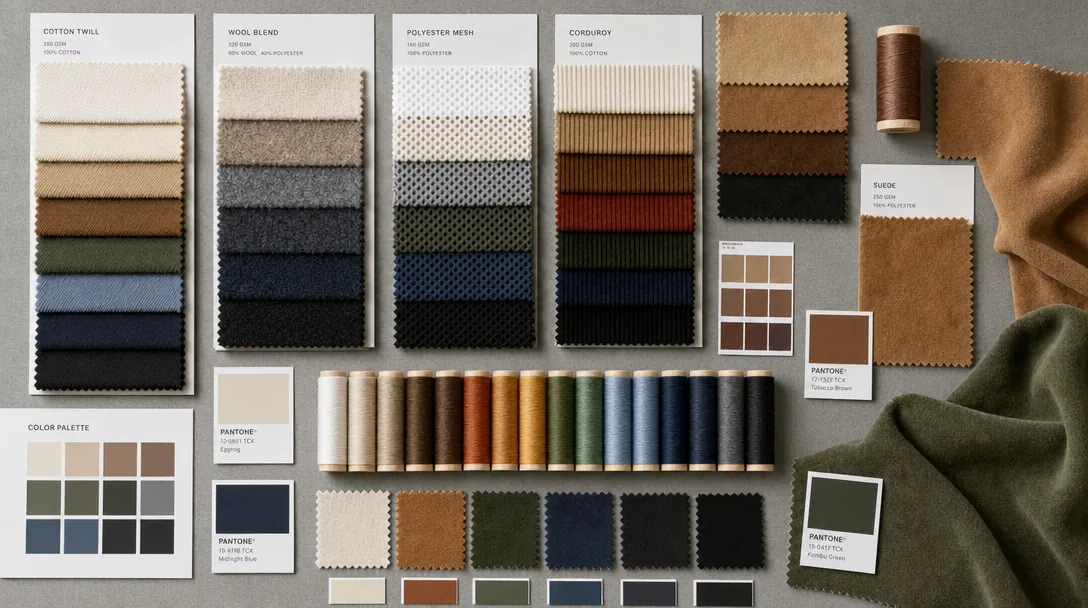
Corduroy Hat Vintage Reorder Planning Guide for Custom Hat Buyers
Read article →Bucket Hat Corduroy Retail Packaging Guide for Custom Hat Buyers
Read article →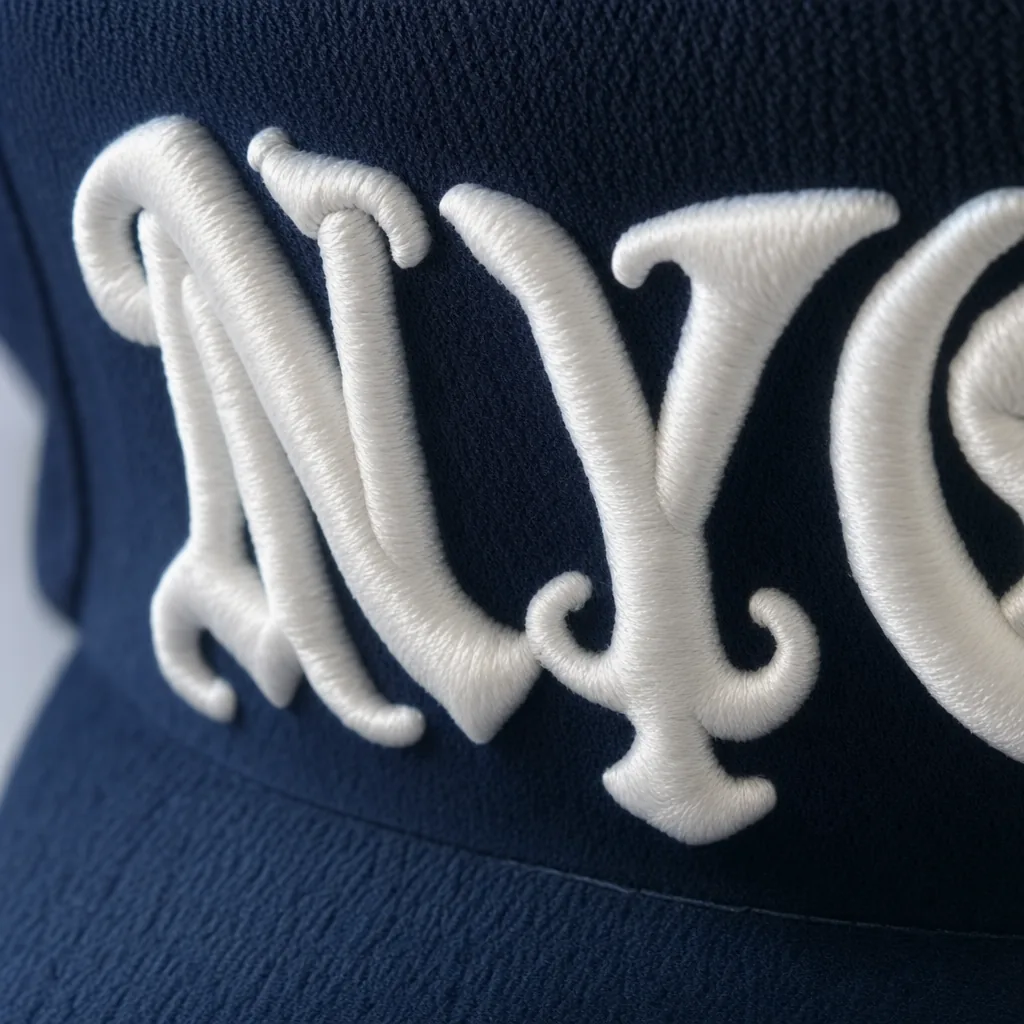
3D Puff Embroidery vs. Flat Embroidery: Which Is Best for Your Custom Cap Logo?
Read article →If you are ready to take the next step on hat with patch decoration qc checklist for custom hat buyers, our team can put a tailored quotation and digital mock-up in your inbox within 24 hours. Send the inquiry form on our contact page or message us directly on WhatsApp.