
Refreshing a Hat Collection: A Repeat-Order Playbook for Established Brands - Supplier Checklist
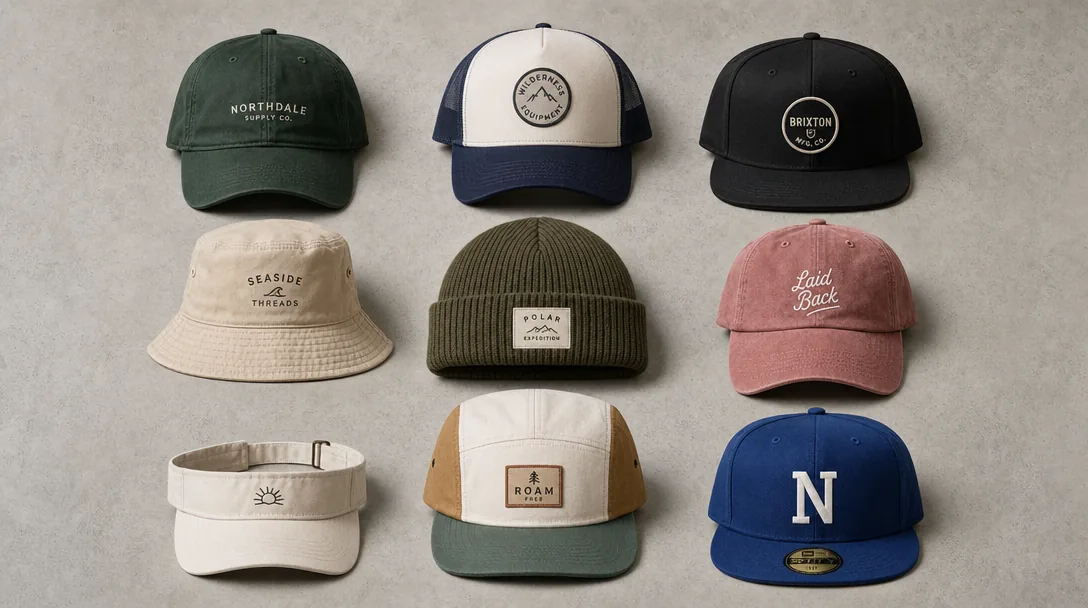
Refreshing a Hat Collection: A Repeat-Order Playbook for Established Brands - Supplier Checklist is one of the most-asked questions we receive from international buyers, and for good reason. With dozens of factories competing for your order and an alphabet soup of technical terms in every supplier quote, even experienced importers can feel lost. This guide consolidates what we have learned producing custom hats for clients in 40+ countries.
Why annual refresh outperforms major rebrand
Annual refresh beats a full rebrand because headwear recognition is brutally simple: shoppers read crown profile, visor curve, logo placement, and the main color block from about three meters away. Change all four at once and you are not launching a new season; you are asking retailers to re-educate the customer while old stock gets marked down 30% to 50%. The smarter move is to hold the proven architecture—say a 6-panel A-frame in 12x12 cotton twill with the same buckle or snap closure—and change one or two high-visibility details only. That might be a contrast undervisor, a raised 3D satin-stitch outline on the front mark, or a fabric shift from 260 gsm brushed twill to 300 gsm recycled canvas. That is the practical alternative to an overreaching rebranding cap line strategy: keep the shape and fit that already convert, but give wholesale accounts a clean reason to book a repeat order.
The factory math favors refresh as well. If the body pattern, buckram spec, sweatband construction, and visor board stay locked, you avoid reopening the full fit-approval cycle and most wear-test risk. A major rebrand typically triggers new embroidery digitizing, revised woven labels, care labels, hangtags, and sometimes packaging dielines, adding roughly $600 to $2,000 in pre-production cost before bulk cutting starts. A seasonal refresh is usually lighter: new Tajima or Barudan files, fresh strike-offs, and one lab dip to hit the Pantone TCX target within Delta-E 1.5 to 2.0. It also protects MOQ and quality control. Proven cap bodies can often be refreshed at 144 to 300 pieces per colorway, while a new silhouette may require 1,000-plus units to land at a sane FOB. Under AQL 2.5, inspectors also work faster against an existing TOP sample because drift in visor symmetry, seam allowance, snapback pull strength, or stitch density is obvious when only 20% to 30% of the visible spec changes.
Seasonal capsule strategy: 4 drops per year
Four drops per year only work when the launch windows are fixed and the carryover architecture is disciplined. I’d lock market dates to late February, mid-May, early August, and late October, then refresh fabrics, trims, and decoration while keeping 60-70% of the core blocks unchanged across the year. That prevents re-development costs from eating margin and gives retailers continuity in fit. Spring should sit in the 180-220 gsm range: enzyme-washed cotton twill, 70D nylon taslon, or 65/35 poly-cotton ripstop, with moisture-wicking polyester sweatbands and front buckram matched to the silhouette so an unstructured dad cap does not suddenly wear like a stiff promo cap. Most failed capsules are not bad concepts; they are factory-control problems such as crown puckering on lightweight panels, distorted visor curves, and trims that downgrade the hand feel versus the price point. Summer is the best quarter to test a rebranding cap line because demand is already built around travel, events, and short-run capsules, but the test has to stay narrow enough to read cleanly. I’d cap it at 2-3 colorways, 300-500 pieces per SKU, one proven silhouette, and one obvious branding change, whether that is a new wordmark, patch format, or closure trim. On 5-panel nylon and trucker programs, use 140-160 gsm polyester mesh, darker underbrims to hide sweat and sunscreen transfer, and adjusted embroidery files with lower stitch density so Tajima or Barudan heads do not tunnel the crown. If colors cross cotton, polyester, and mesh components, require shared lab dips against Pantone TCX references and hold bulk approval to Delta-E under 1.5 under D65 light; otherwise the shell, eyelets, visor sandwich, and back strap will drift enough to make the capsule look pieced together.
Fall and winter are where quarterly discipline turns into repeat orders because heavier materials amplify both quality and mistakes. Fall capsules should bridge weather with 8-wale corduroy, brushed canvas, or dense twills at 260-320 gsm, while staying on proven blocks so the update reads deliberate instead of risky. Winter needs a sharper material pivot: 20-30% wool melton blends for structured caps, quilt-lined ear-flap styles with low-loft 80-120 gsm polyester padding, and acrylic rib beanies in 9-12 gauge when you need warmth without excessive weight. Decoration also has to change with the substrate; thick direct embroidery that works on twill can sink or ripple on melton, so woven labels, felt appliqué, or merrowed patches often give a cleaner finish. The commercial win in a four-drop system is predictability, not SKU volume. Book shell fabric 45-60 days before ex-factory, lock closures and labels before lab-dip signoff, and run final inspection to AQL 2.5 with shade-band checks across cartons rather than relying on spot checks at packing. For established brands, a healthy seasonal cadence is usually 8-12 SKUs per drop with 30-40% carryover colors, not a full reset every quarter. That is how you keep MOQ pressure, freight costs, and dead inventory under control while still making the collection feel new. Buyers reorder the programs that arrive on time, match approved standards, and let them refresh a floor set without relearning fit every season.
When to keep the existing silhouette vs change construction
Keep the existing silhouette unless the data says the fit is costing you sales. In repeat-order cap programs, customers recognize crown profile and head feel faster than they notice a new embroidery layout, rope, or undervisor color. If sell-through is stable and fit-related returns are holding under roughly 1.5% to 2.0%, freeze the architecture: crown height, panel shape, visor length, brim curve, and closure position. A structured 6-panel snapback with hard buckram, a 70 mm flat visor, and a 58 cm finished circumference wears completely differently from an unstructured 5-panel camper with a 65 mm visor and shallower crown depth. For a rebranding cap line, the safer refresh usually sits in materials and trim, not pattern changes: move from 260 gsm cotton twill to 320 gsm brushed canvas, switch to a black undervisor, add a 5 mm braided rope, or update to Pantone TCX seasonal shades with bulk fabric shade controlled within Delta-E 1.0 to 1.5. Brands get this wrong when they chase novelty in the spec sheet while the customer is quietly reordering the shape that already fits.
Change construction only when the product story is strong enough to justify a different on-head experience and the channel can explain it clearly. The moment you move from a structured 6-panel to an unstructured 5-panel, cut crown depth by 8 to 10 mm, replace a flat PE visor insert with a pre-curved board, or downgrade buckram stiffness, you are not refreshing cosmetics; you are changing the build. That can be the right decision for a genuine use case—a summer run capsule in 120 gsm nylon taslon with laser-perforated side panels, a 140 gsm moisture-wicking mesh sweatband, and lighter front support—but it needs distinct naming, fit notes, and side-by-side imagery before reorder season. On the factory floor, the control point is a sealed reference sample and hard tolerances before bulk release: visor length, front panel width, crown depth, and sweatband circumference should stay within ±3 mm, with workmanship judged at AQL 2.5. Our standard practice is to keep the existing construction as the continuity SKU and test one new build for 60 to 90 days, then judge it on reorder rate, fit complaints, and whether bulk production can hold the spec without claim risk.
Repeat-order timing for retail inventory
Mid-July is the last safe PO window for most Q4 repeat orders moving by ocean, especially if you still need one revision loop before bulk. For a 1,200 to 3,000 piece reorder across 2 to 4 SKUs, a realistic factory calendar is 3 to 5 days for fabric and trim booking, 7 to 10 days for lab dips, strike-offs, or PPS approval, 18 to 24 days for cutting, embroidery, sewing, and packing, then 28 to 35 days water transit to the U.S. West Coast under FOB Ningbo or Shanghai. That timeline only holds if the cap is a true repeat using existing shell fabric, closure hardware, visor board, and approved embroidery files. Once the “refresh” includes a new 260 gsm brushed cotton twill, underbill color revision, woven label update, or logo adjustment that needs re-digitizing for Tajima, Barudan, or ZSK heads, it stops behaving like replenishment. Even a minor logo cleanup can add 2 to 4 days for punch file correction, sew-out approval, and thread mapping against Pantone TCX standards.
August discussions about a holiday rebranding cap line are usually a schedule-risk issue disguised as a costing issue. At that point, you are not comparing FOB rates anymore; you are pricing the penalty for lost time. Miss a trim approval, fail a top-of-production check, or push AQL 2.5 final inspection too close to vessel cutoff, and the fallback options get expensive quickly: split shipments, premium space bookings, or air freight at roughly $4.80 to $7.20 per kg, with structured caps typically packed 24 to 36 pieces per carton. On mid-price retail programs, that can erase 8 to 12 margin points before customs clearance. The brands that keep shelves full separate simple repeats from true line-refresh work early: they lock crown shape, shell fabric, sweatband construction, buckram, and closure specs before November, then leave only low-risk cosmetic edits open. For Q1 delivery, late October is the practical deadline if you want inventory landed before Lunar New Year starts choking dye houses, patch vendors, and trucking capacity across Zhejiang and Jiangsu.
Sampling cost discipline for established brands
Do not reopen full sampling on a true repeat. If the BOM, graded spec, approved PPS, and embroidery program are unchanged, bulk should run off the existing production master without a new cap sample. In a rebranding cap line, that distinction matters because repeat orders are execution, not development. On a standard 6-panel 100% cotton twill cap at 260 to 280 gsm, the approved standard already fixes crown height, visor curve, seam allowance, stitch density, eyelet placement, back-strap construction, label set, and Pantone TCX references. Paying another full sample charge for the same fabric, same Barudan or Tajima embroidery file, same closure, and same trims usually adds $35 to $120 per style, plus 3 to 7 extra days, without removing any real production risk. The right discipline is to separate a required PPS from a supplier’s internal reassurance sample. One protects the order; the other protects the factory’s comfort level, and established buyers should not automatically fund both. Resampling is justified only when the change affects sewability, decoration behavior, or finished fit. Moving from 270 gsm brushed twill to 300 gsm recycled canvas changes panel feeding, crown memory, and edge turn; changing flat embroidery to 3D puff on a Tajima, Barudan, or ZSK head changes foam thickness, underlay, needle size, pull compensation, and thread tension; replacing a woven patch with TPU heat transfer changes press temperature, dwell time, and hand feel. The same logic applies to a new buckle, different buckram stiffness, or a sweatband shift from standard poly-cotton to moisture-wicking performance tape, because those variables can alter shape retention and head fit. In those cases, the factory should quote the resample transparently and tie the charge to a real process variable. Vague “development fees” are usually where repeat-order costs get padded.
The most reliable control point is paperwork, not another hat on the table. A clean repeat-order file should reference the last approved PPS date, prior bulk approval photos, final BOM revision, and written confirmation that construction is unchanged. For color-sensitive programs, lock tolerances before PO release: fabric shade within the approved lab dip window, logo thread within Delta-E 1.5 to 2.0 against the standard under D65 lighting, and inspection at AQL 2.5 unless the brand requires tighter carton-level checks. If a supplier insists a fresh sample is mandatory, ask exactly what changed in the sewing method, material behavior, or decoration setup. If they cannot identify a technical variable, the request is probably cost recovery rather than risk control. For visual updates that do not affect structure, partial approvals are the cheaper and faster tool. Embroidery-outs, woven-label handlooms, patch strike-offs, silicone badge chips, or heat-transfer swatches usually run $10 to $25 each and can be approved in 24 to 72 hours. That is enough to verify thread coverage, satin edge sharpness, merrow consistency, backing color, or transfer adhesion without paying for a complete sample hat. Our standard practice is to keep the proven fit locked and reopen sampling only where process conditions changed. That is how established brands protect margin during a collection refresh: treat the repeat as a manufacturing control exercise, not a default redevelopment cycle.
When to test a 'limited drop' before commit
Run a 300-piece limited drop only when one customer-facing change could affect reorder velocity on a proven style. For an established brand, that usually means testing one variable against a locked base spec: a new Pantone TCX body color, flat embroidery versus 3D puff, a woven patch replacing direct stitch, or a revised logo lockup as part of a rebranding cap line. Do not change fabric, crown shape, and artwork in the same trial; once you stack variables, the sales readout is useless and the factory loses a clean control. Keep crown height, visor board, buckram weight, closure, seam tape, and sweatband identical to the existing repeat style so any result reflects market response rather than development noise. Done properly, a 300-piece run is still commercial, not a glorified sampling exercise: FOB is typically $5.80 to $9.50 per unit at that volume, depending on fabric, stitch count, patch construction, and trim count. The trigger for testing is uncertainty, not internal excitement. If you are moving from brushed cotton twill to 600D polyester, enlarging a front logo by 8 to 12 percent, adding metallic thread, or switching to a contrasting underbill, test before you place 2,000-plus units. Those edits look minor in a tech pack, but they can change sell-through, perceived value, and production stability. Metallic, rayon, and high-sheen threads regularly expose problems on Tajima or Barudan heads at bulk speed: thread breaks, edge distortion, poor fill coverage, and inconsistent puff height. A test lot should clear three gates before scale-up: measurable commercial traction, stable decoration quality, and no hidden process failure such as patch placement drift over 3 mm, satin-column fraying, or fabric shade variance above Delta-E 1.5 versus the approved standard.
A 300-piece run is also the smallest quantity that starts to reveal problems a showroom sample will hide. A cap can photograph well and still fail in hand: 380 gsm wool blend feels too heavy for a spring launch, a softened front panel collapses after steaming, or the front logo loses readability from six feet at retail. Split the drop deliberately so the feedback is usable. A practical allocation is 120 units to DTC, 120 units across two key wholesale accounts, and 60 units reserved for sales samples, internal wear testing, and wash or sweat trials. That structure gives you real data within 30 to 45 days on returns, conversion, margin tolerance, size skew, and whether accounts reorder without extra discounts. If the drop performs, the next move should be operationally dull. Lock the approved sew-by sample, embroidery DST file, thread card, color standard, measurement tolerance, and carton pack-out before you scale to 2,000 to 5,000 pieces. QC should stay under the same inspection discipline you expect in bulk, typically AQL 2.5 for majors and 4.0 for minors, with placement tolerance, stitch count, and shade band signed off in advance. Our standard practice is to treat the limited drop as a pre-bulk proof of both demand and manufacturability. If the style cannot repeat cleanly through cutting, embroidery, sewing, pressing, and final inspection, it is not a successful refresh; it is just a good-looking experiment.
Frequently Asked Questions
What is the minimum order quantity (MOQ) for custom hats?
Our standard MOQ is 100 pieces per design and color, with sampling available from 1 piece. For complex multi-color logos or premium fabric upgrades, the MOQ can be lowered with a small per-piece surcharge.
What logo decoration techniques do you offer?
3D puff embroidery, flat embroidery, woven patch, leather patch, PVC patch, screen printing, sublimation, applique and laser etching, all in-house with no subcontracting.
Can I order a sample before bulk production?
Yes. We strongly recommend approving a pre-production sample before mass production. Samples are charged at 35 to 60 USD each plus express shipping, fully refundable against confirmed bulk orders over 500 pieces.
What file format should I send for my logo?
Vector files (AI, EPS, PDF) are ideal. High-resolution PNG or JPG at 300 dpi on transparent background works as a fallback. Provide Pantone color references for accurate reproduction.
Which shipping methods do you support?
We support FOB, CIF and DDP shipping. Air express for samples and small orders, sea LCL for 100 to 500 pieces, sea FCL for 5,000+ pieces. Door-to-door DDP available for US, EU, UK, Canada and Australia.
How does ordering custom leather patch trucker hat work?
When evaluating custom leather patch trucker hat, the key considerations are construction quality, decoration capability, MOQ flexibility and lead time. Brands that drop 1-2 small evolutions per year retain customers better than brands that rebrand wholesale every 3 years. Small change = familiar but fresh. Spring (lightweight fabric, summer color palette), Summer (festival-ready), Fall (corduroy, transitional fabric), Winter (wool blend, beanies, lined caps). Predictable cadence = predictable customer purchasing.
What's the MOQ for custom leather patch hats no minimum?
When evaluating custom leather patch hats no minimum, the key considerations are construction quality, decoration capability, MOQ flexibility and lead time. Brands that drop 1-2 small evolutions per year retain customers better than brands that rebrand wholesale every 3 years. Small change = familiar but fresh. Spring (lightweight fabric, summer color palette), Summer (festival-ready), Fall (corduroy, transitional fabric), Winter (wool blend, beanies, lined caps). Predictable cadence = predictable customer purchasing.
How does ordering custom snapback trucker hats work?
When evaluating custom snapback trucker hats, the key considerations are construction quality, decoration capability, MOQ flexibility and lead time. Brands that drop 1-2 small evolutions per year retain customers better than brands that rebrand wholesale every 3 years. Small change = familiar but fresh. Spring (lightweight fabric, summer color palette), Summer (festival-ready), Fall (corduroy, transitional fabric), Winter (wool blend, beanies, lined caps). Predictable cadence = predictable customer purchasing.
What should I know about wholesale custom baseball cap?
When evaluating wholesale custom baseball cap, the key considerations are construction quality, decoration capability, MOQ flexibility and lead time. Brands that drop 1-2 small evolutions per year retain customers better than brands that rebrand wholesale every 3 years. Small change = familiar but fresh. Spring (lightweight fabric, summer color palette), Summer (festival-ready), Fall (corduroy, transitional fabric), Winter (wool blend, beanies, lined caps). Predictable cadence = predictable customer purchasing.
How to brand a cap?
Front Panels: Prime Real Estate. This is your main stage. ... Side Panels. Understated and cool. ... Back Panels. A good spot for slogans or web addresses. ... Under the Brim. Yes, it's a thing. ... Embroidery. ... Screen Printing. ... Heat Transfer. ... Woven or Embroidered Patches.
How do you tell customers your rebranding?
Some folks will always feel blindsided by these kinds of changes, chat through it with those accounts. Be proactive instead of reactive. I would message all my customers and simply say what you pointed out - it's just a rebrand and nothing is changing.
What does rebranding mean?
Rebranding is the process of changing the identity or perception of a company, product, or service. It involves updating or completely altering elements such as the brand's name, logo, tagline, design, messaging, or even its overall market positioning.
How to do a full rebrand?
Identify your new target audience and buyer personas. ... Explore your brand's updated story and vision. ... Establish new brand colors, logos, fonts, and graphics. ... Rethink your brand name and tagline. ... Launch your new brand. ... Track and measure brand awareness, sentiment, and reach.
Can you rebrand a logo?
A logo rebrand, on the other hand, involves creating an entirely new logo to represent a significant shift in your company's direction, mission, or values. This process is more extensive and often coincides with a broader rebranding strategy. A logo rebrand can also be called a logo redesign.
What is branding and rebranding?
Rebranding is a marketing strategy, very similar to branding, except it aims to update and refresh tired or out of date branding. This can include coming up with a completely new name, design, slogan or logo. Rebranding is usually completed with the intention to target a wider audience.
Looking for a reliable hat manufacturer in China?
CrownsForge has produced custom hats for 800+ brands across 40 countries. From 100-piece launches to 100,000-piece retail programs, we deliver on time and on spec.
Get in touchRelated guides
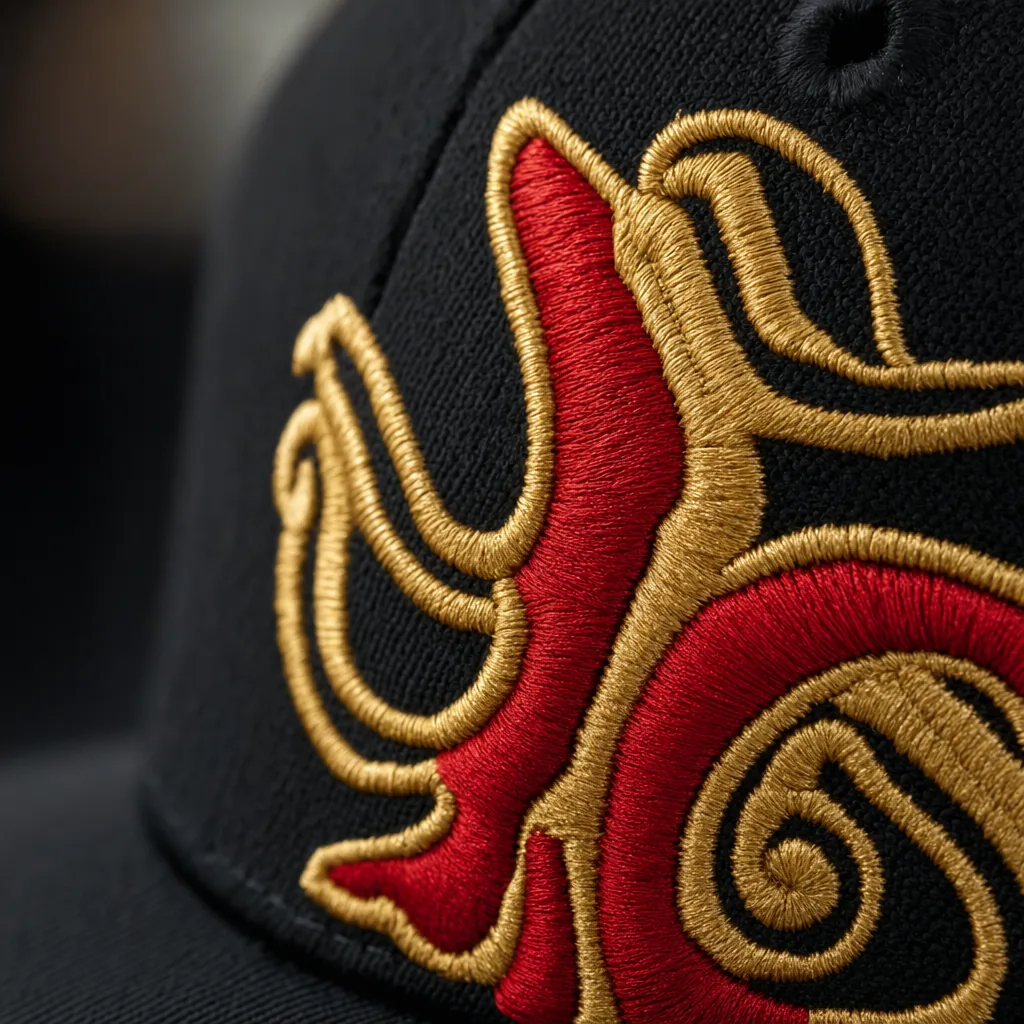
Custom Logo Hats: When to Use It, Costs, and What to Ask Your Factory (2026 Update)
Read article →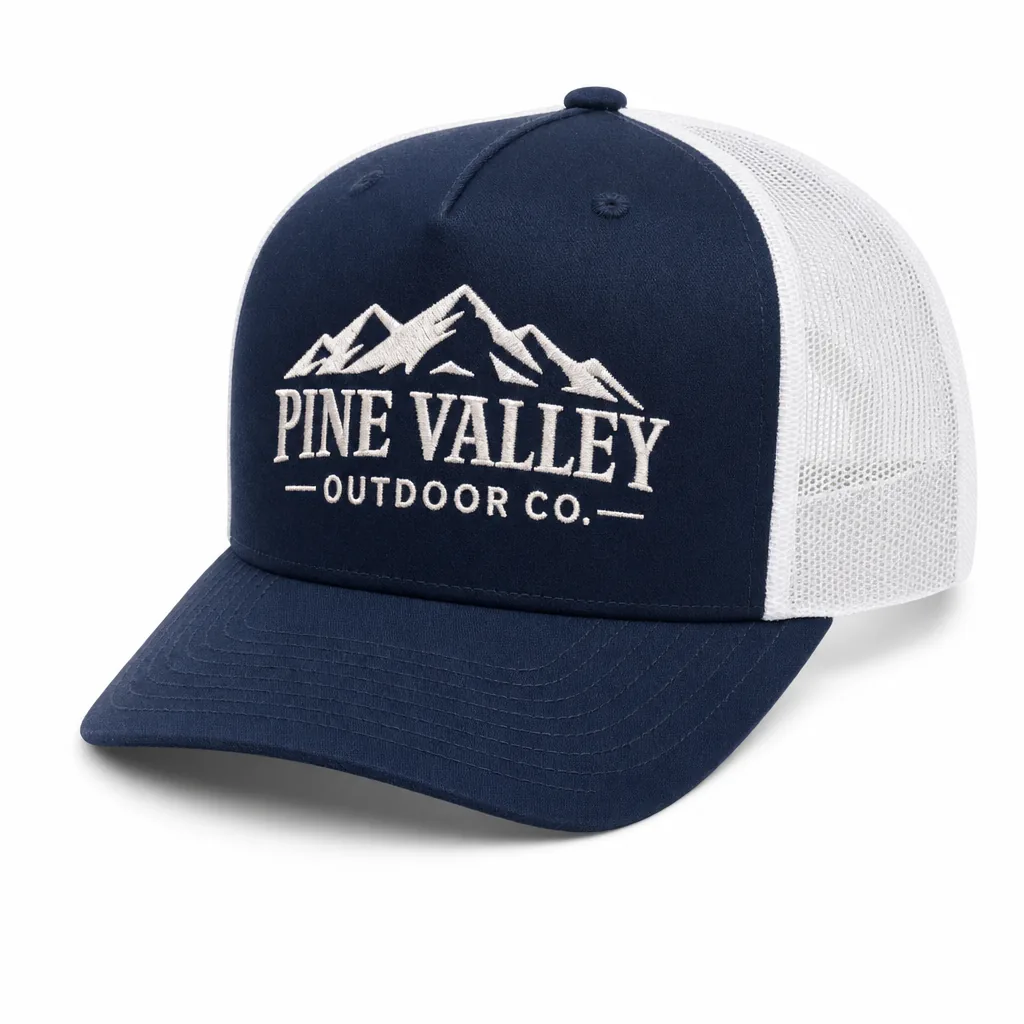
Mesh Caps Wholesale: Trucker Cap Manufacturing Specifications and Pricing
Read article →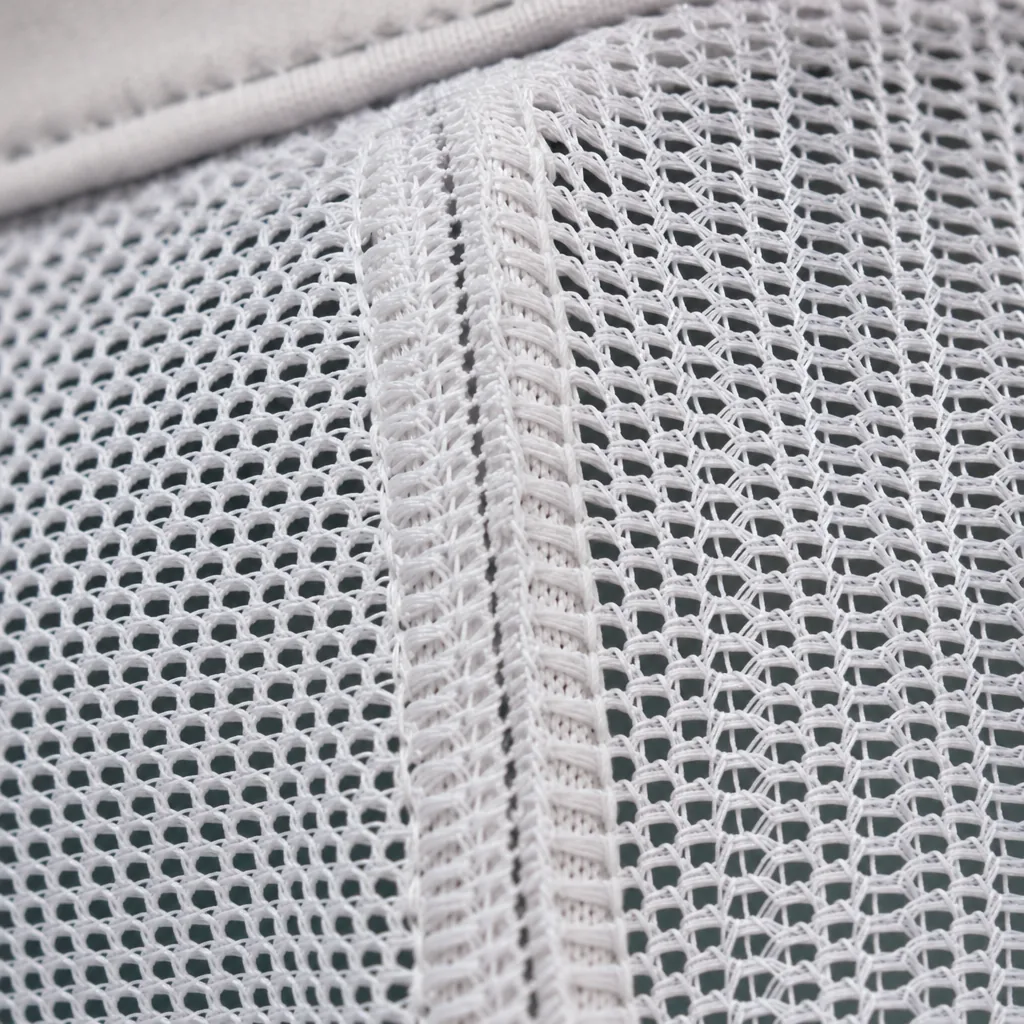
Custom Hat Trucker: The 2026 Sourcing & Manufacturing Playbook - Supplier Checklist
Read article →If you are ready to take the next step on refreshing a hat collection: a repeat-order playbook for established brands - supplier checklist, our team can put a tailored quotation and digital mock-up in your inbox within 24 hours. Send the inquiry form on our contact page or message us directly on WhatsApp.