
Festival Hat Women's: A Vertical-Specific Sourcing Guide
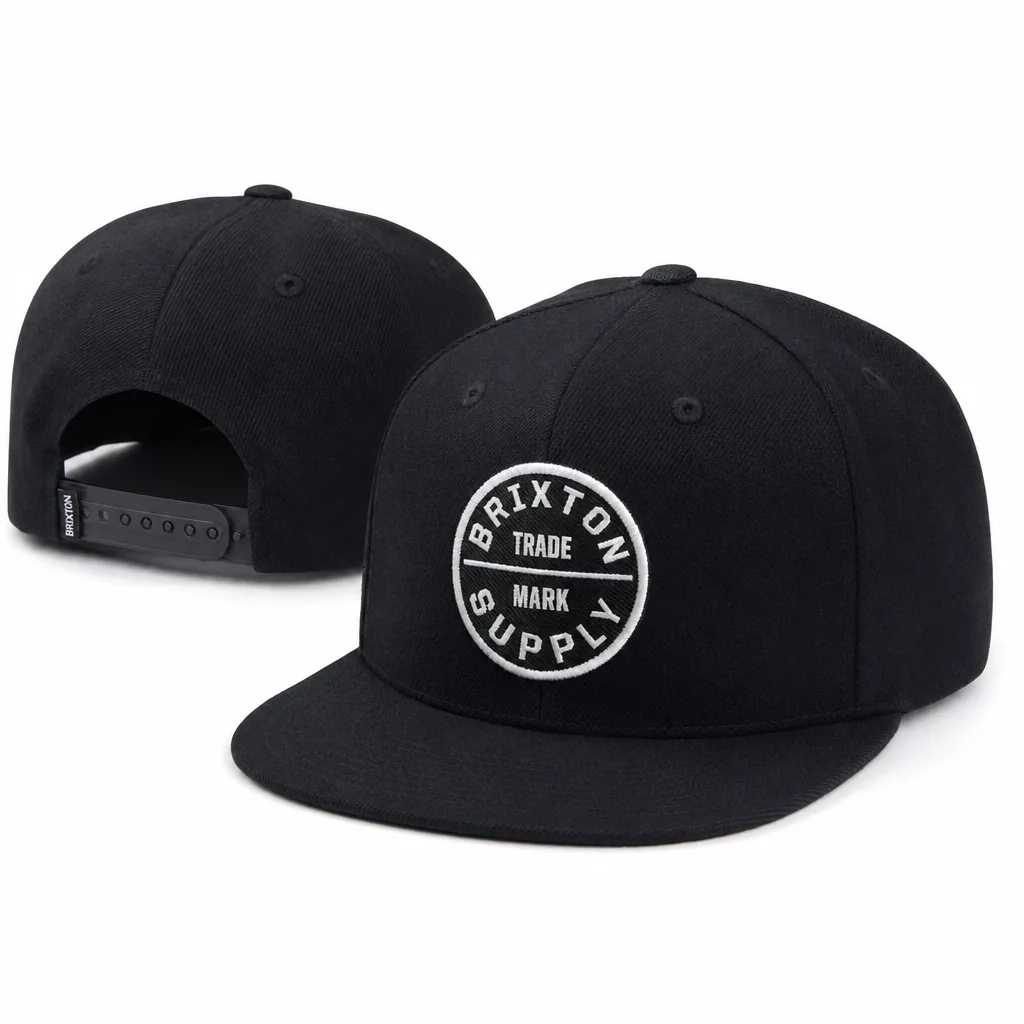
Festival Hat Women's: A Vertical-Specific Sourcing Guide is one of the most-asked questions we receive from international buyers, and for good reason. With dozens of factories competing for your order and an alphabet soup of technical terms in every supplier quote, even experienced importers can feel lost. This guide consolidates what we have learned producing custom hats for clients in 40+ countries.
Festival Bucket Hat
A proper festival bucket hat is usually built from 100% cotton twill, washed cotton, or 210D nylon with a soft lining only if the buyer wants more structure. The factory sequence is simple but unforgiving: panel cutting, crown stitching, topstitching, brim under-stitching, sweatband insertion, then embroidery or patch application before final steaming and shaping. For festival hat women's programs, I ask for 180-220 gsm cotton twill or 160-180 gsm nylon, 6-panel or 8-panel crown, 5.5-6.5 cm brim, and color targets tied to Pantone TCX, not vague shade names. If the order includes a drawcord like a mens bucket hat with string, specify cord diameter, stopper style, and breakaway safety if the product will be sold in markets that care about child-safety language. CrownsForge’s standard practice is to lock these details before sampling, because changing brim width or crown depth after approval usually breaks fit across the whole size run.
Buyers should expect a normal MOQ of 300-500 pieces per color for a simple blank hat, 500-1,000 pieces when there is custom embroidery, woven label packaging, or special washing, and around 1,000 pieces if they want cut-and-sew panels with all-over print. Factory pricing depends on fabric and decoration, but a plain cotton festival bucket hat often lands around $2.10-$3.40 FOB at 500 pcs, while full embroidery or applique can push it to $3.80-$5.50 FOB. A black bucket hat men style usually costs the same as a women’s style if the spec sheet is identical; the price difference comes from fabric weight, lining, and trim, not gender labeling. Do not let the supplier blur festival, sports team hats, and men's bucket hat designer requests together. They are different builds. A licensed team order may need color accuracy, seam reinforcement, and label controls, while a fashion order can tolerate softer construction and more variation in wash effect.
The quality issues that show up most often are not dramatic, just expensive in aggregate: brim waviness from poor interfacing, off-center embroidery, crooked side seams, puckering around eyelets, and shade variation across dye lots. I also check sweatband stitching, because that is where low-end factories cut thread tension and the hat starts collapsing after one wash. For inspection, use AQL 2.5 for major defects and insist on a pre-production sample plus a golden sample signed off against spec. If the style is meant to sit in the broader festival hat women's assortment, ask for head circumference, crown height, and brim stiffness to be tested on at least three wearers, not just one fit model. That catches the difference between a hat that photographs well and one that survives a summer market season. If the buyer is also sourcing a ladies bucket hat uk range, keep UK labeling, fiber content, and carton marking aligned early, because late compliance changes are usually more expensive than the hat itself.
Festival Bucket Hats
Festival bucket hats are usually built from the same basic playbook as a low-profile cap: cut the crown from 4 to 6 panels, stabilize the seams with woven interfacing, stitch the brim with topstitch rows, then finish with a sweatband and label pack-out. For a festival hat women's program, I would start with 100 percent cotton twill at 180 to 220 gsm for a softer hand, or 100 percent polyester twill if you need faster drying and better color consistency. Embroidery is typically run on Tajima, Barudan, or ZSK heads, and the factory should show you stitch density, backing type, and how they are handling small logos on curved surfaces. A real sample should survive a light wash test, keep the brim flat, and not twist at the side seams after steam pressing. If a supplier cannot explain how they control crown symmetry and brim recovery, they are not ready for volume.
What you should request from the factory is very specific: head circumference in centimeters, crown depth, brim width, stitch count per panel, thread type, and exact color references in Pantone TCX or a matched lab dip with Delta-E under 2.0. A decent one-size bucket hat is often 58 to 60 cm, but a ladies bucket hat uk program may need a smaller grade rule if you want the fit to sit higher and avoid drooping over the eyes. MOQ is commonly 300 to 500 pieces per color per design for screen print or simple embroidery, and 1,000 pieces is normal once you add custom woven labels, jacquard tape, or custom wash tags. FOB pricing usually lands around $2.10 to $4.80 per piece, depending on fabric weight, embroidery complexity, lining, and whether you add a chin cord like a mens bucket hat with string. The same factories that make sports team hats or a black bucket hat men style can usually handle a men's bucket hat designer brief, but only if the spec sheet is tight enough to prevent guesswork.
The failure points are predictable: puckered embroidery, warped brims, crooked topstitching, shade variation between dye lots, and cords that fail a simple pull test. Inspect seam allowance consistency, sweatband attachment, colorfastness against perspiration, and shrinkage after steam or a cold wash, because festival wear gets abused in heat, rain, and repeated packing. I would still apply AQL 2.5 to a bucket hat shipment, but I would add a functional check for brim shape recovery and a quick wear test on at least a few samples per size. Our standard practice is to compare pre-production samples against the signed golden sample under daylight and 6500K light, because bad color reads are common when buyers move from a screen mockup to a real cotton lot. The broader sourcing decision is simple: if the factory can already control fit, finish, and trim consistency for sports team hats, it can usually deliver festival hat women's orders without drama, but only if the buyer treats the hat as a technical garment, not a cheap souvenir.
Fitted Hats Women
Fitted hats women are usually built like a scaled-down structured cap, not a fashion bucket hat with a softer crown. The factory starts with a six-panel or five-panel pattern, then cuts wool-blend, brushed cotton, or polyester twill at 180 to 260 gsm, depending on whether the buyer wants a cleaner retail look or a lower-cost promo cap. For a true fitted shape, ask for a buckram front, matched sweatband, and an internal sizing tape with a tolerance of plus or minus 1/8 inch; that matters more than the logo art. Embroidery is normally done on Tajima, Barudan, or ZSK heads, with stitch density adjusted so the front panel does not pucker. The main spec sheet should call out crown height, brim curve, closure type if any, thread pantone, and seam allowance. In festival hat women's sourcing, these details decide whether the cap feels like a premium streetwear piece or a generic sports team hats item.
The numbers are straightforward. A 300 to 1,000 piece MOQ is normal for custom fitted hats women, though some factories push 500 minimum per color and size run. For blank stock caps, factory pricing can land around $2.20 to $4.50 FOB depending on fabric, embroidery count, and labeling; a fully custom build with woven patch, inner taping, and private neck label often moves into the $4.80 to $7.50 range. If the buyer is comparing this to a ladies bucket hat uk order or even a black bucket hat men line, fitted caps usually cost more because size grading and front-panel stability add labor. Ask for sample development with one pre-production sample, one size-set sample, and a wash test after 3 cycles at 30 C. CrownsForge typically treats the fitting spec as a production control issue, not a design detail, because bad fit creates returns faster than a visible embroidery flaw.
The common failures are predictable: inconsistent crown depth across sizes, off-center logos, wrinkled front panels, weak visor stitching, and sizing drift after steam pressing. On inspection, check for shade banding between panels, needle burn on dark fabric, loose back seam stitches, and sweatband distortion after compression packing. For women's festival orders, buyers also need to test comfort under heat and sweat, because a cap that looks good on a bench sample can feel stiff after a full day outdoors. If you want a design that crosses into men's bucket hat designer territory or a mens bucket hat with string style, do not assume the same trims and hardware translate to fitted caps. The sourcing decision should be based on end use: retail fashion, live events, or team merchandising. For festival hat women's programs, the best factory spec is the one that holds its shape, survives AQL 2.5 inspection, and ships consistent size runs without rework.
90s Bucket Hat
A 90s bucket hat is usually cut from washed cotton twill, 8 oz to 10 oz canvas, or a polyester-cotton blend if the buyer wants faster color matching and lower shrink risk. The factory sequence is straightforward but easy to get wrong: crown panels are die-cut, side seams are joined on single-needle or overlock machines, the brim is topstitched with 6 to 8 rows depending on stiffness, then the sweatband and labels are inserted before final steaming and pressing. For festival hat women's programs, I ask for a full spec sheet up front: crown height, brim width, stitching density, fabric weight in gsm, wash test target, and Pantone TCX reference for both shell and trim. If the design needs a more streetwear look, a black bucket hat men style can share the same body, but the finishing tolerances have to stay tight or the hat reads cheap immediately. Our standard practice is to approve a pre-production sample against a sealed color standard before bulk cutting.
Buyers should expect MOQ around 300 to 500 pieces per color for a simple 90s bucket hat, with prices usually landing at $2.10 to $4.80 FOB depending on fabric, lining, custom print method, and whether the brim uses foam or interfacing. Embroidery adds cost fast because dense logos on a soft bucket hat need stabilizer control and clean backing trim; a small front motif on a Tajima or Barudan head is fine, but oversized embroidery can distort the brim. If you need a mens bucket hat with string or a ladies bucket hat uk sell-through version, specify cord gauge, cord-lock type, and bartack reinforcement at the side seams so the strap does not tear under tension. For sports team hats, buyers often overlook licensing rules and shrinkage after hot wash, which becomes a problem when the same body is scaled across youth and adult sizes.
The main quality checks are dimensional consistency, brim symmetry, seam slippage, and colorfastness. A decent factory should hold ±0.5 cm on crown and brim measurements, keep thread tension even across all panels, and pass at least 3A to 4A rubbing fastness if the fabric is dark dyed. Inspect for puckering at the brim topstitch, skipped stitches at the side seam, loose thread tails inside the sweatband, and crooked labels, because those are the defects that make a festival hat women's order look like a low-end giveaway. If the buyer is comparing a men's bucket hat designer sample against a promotional cap, the real difference is usually not pattern complexity but finish discipline and fabric handfeel. The broader sourcing decision is simple: if the hat needs fashion credibility, push for better fabric and tighter tolerances; if it is a volume event program, keep the construction simple and spend the budget on stable sizing and clean packaging.
Ladies Bucket Hat Uk
A real `ladies bucket hat uk` order is usually built from a 5- or 6-panel crown with a stitched 4- to 5-cm brim, then garment-washed or enzyme-washed if the buyer wants a softer hand feel for summer retail. For a festival hat women's program, the factory should quote the fabric by gsm and fiber content up front: common options are 100% cotton twill at 230 to 280 gsm, 16x12 or 20x16 weave, or recycled polyester for faster dry time and lower shrink risk. If you are sourcing into the UK, ask for Pantone TCX matching on the crown, thread, and eyelets, plus a wash test and colorfastness report against rubbing and perspiration. Our standard practice is to confirm crown depth, brim width, seam allowance, and whether the sweatband is self-fabric or cotton tape, because those details control fit more than the exterior artwork does.
Buyers usually ask for MOQ, and the honest answer is that it depends on decoration. For plain woven bucket hats, 300 to 500 pieces per color is normal; for embroidery, a reasonable first run is 500 to 1,000 pieces if you want stable unit pricing. At that volume, FOB China pricing is often around USD 2.20 to 4.80 for basic cotton with woven label and simple embroidery, then climbs if you add all-over print, sandwash, custom lining, or metal trims. A `festival hat women's` style with a custom jacquard tape, woven patch, and screened underbrim can move into the USD 5.50 to 8.00 range before freight and duty. Buyers comparing against a `black bucket hat men`, `mens bucket hat with string`, or even a `men's bucket hat designer` sample should not copy the style blindly; the head opening, brim drape, and chin cord spec need to match the intended user and retail channel, not just the reference photo.
The common failures are boring but expensive: brim waves from poor stitching tension, crown twist from off-grain cutting, puckering around eyelets, and topstitch bite that distorts the brim after washing. Ask the factory for a pre-production sample, then inspect it under AQL 2.5 with a hard spec sheet: crown height, brim width tolerance of +/- 0.3 cm, logo placement tolerance of +/- 0.5 cm, and no more than 3 mm stitch skip in visible zones. If the hat is intended for outdoor events, specify UV-resistant thread and a strap that can survive 20 to 30 pull cycles without tearing; that matters more for `sports team hats` and `mens bucket hat with string` crossovers than buyers expect. The broader sourcing decision is simple: if the same base pattern can support both ladies and unisex retail, keep the block consistent and change only decoration, but if the fit target is truly fashion-led, treat the `festival hat women's` piece as a separate product with its own fit block, trim stack, and QC standard.
Black Bucket Hat Men
A black bucket hat men program looks simple until you try to hold spec and shade across a full production run. The base fabric is usually 100% cotton twill at 240 to 280 gsm, or a 150D to 300D recycled polyester if the buyer wants quicker dry time and less shrinkage. For a cleaner retail hand, request a 6-panel cut with 8 to 9 cm crown height, 5.5 to 6.5 cm brim, matching topstitch count, low-profile seam tape, and a color target of Pantone TCX black with Delta-E under 2.0 against the approved lab dip. If the hat needs to sit next to a festival hat women's colorway, keep the same crown block and only change trim, because that saves grading time and reduces fit drift between SKUs. Buyers asking for a mens bucket hat with string should specify cord diameter, stopper type, bartack count, and whether the cord is removable for compliance in certain retail channels.
Our standard practice at CrownsForge is to quote bucket hats from a sealed sample and a tech pack, not from a loose reference photo, because the price swings hard with seam construction, wash treatment, and branding. Typical MOQ is 300 to 500 pieces per color for a basic black bucket hat men style, with FOB pricing around $1.20 to $2.80 each for cotton twill, and $2.40 to $4.20 if you add custom jacquard tape, embroidery, or a printed lining. A ladles bucket hat uk order often needs slightly shorter crown depth and softer brim recovery, while sports team hats usually need heavier thread density and stronger sweatband tape. If the buyer wants a men's bucket hat designer look, expect tighter tolerances on panel alignment, cleaner topstitch spacing, and better trims, which adds cost fast. For promotional programs, a 5,000-piece run can drop unit cost by 15 to 25 percent once the marker and embroidery program are fixed.
The inspection points that matter most are color consistency, brim symmetry, seam slippage, and sweatband attachment. Black fabric exposes every defect: white slubs, needle oil marks, puckering at the side seams, and poor reactive dye fixation show up immediately under warehouse lighting. Check circumference at 58, 60, and 62 cm if you are selling unisex sizes, and reject lots where the brim twists more than 5 mm after steaming, because that becomes customer-return material fast. For festival hat women's sourcing, the lesson is the same: the silhouette may be different, but the factory discipline is identical, so insist on pre-production samples, inline checks at AQL 2.5, and final carton audit against the approved black master. If the supplier cannot control a basic black bucket hat men order, they usually cannot hold the softer drape and trim accuracy that a summer festival line needs.
Working with CrownsForge for festival hat women's programs
For a first-time festival hat women's order, the main risk is not decoration, it is timing. Our standard sampling path is 5 to 7 days for a proto sample, then 7 to 10 more days for fit and artwork revisions if the buyer is changing crown depth, brim width, or trim placement. For woven labels, heat-transfer logos, and edge-stitch color matching, we usually lock a Pantone TCX reference before cutting bulk so the lot does not drift. CrownsForge generally keeps MOQ flexible for new programs: 300 to 500 pieces per color on simple cotton twill or nylon, and lower if the style is shared across related SKUs such as a ladies bucket hat uk drop, a black bucket hat men crossover, or a mens bucket hat with string variant. That matters because many brands want one fit platform, then different trims or pack-ins for festival, resort, and team-promotional channels.
Decoration is where buyers often lose margin if the factory is not disciplined. For festival hat women's runs, the cleanest methods are flat embroidery on the front panel, patch appliques for textured logos, and silicone or woven labels when the artwork is too detailed for stitches. Tajima, Barudan, and ZSK heads all handle the work, but the digitizing file has to be set for the actual fabric weight: 260 to 320 gsm cotton twill behaves differently from washed denim or 100 percent nylon. On structured crowns we keep underlay tighter to avoid puckering; on soft unstructured styles we usually cap stitch density to prevent the front panel from collapsing. Buyers comparing against sports team hats or a men's bucket hat designer style should ask for sew-outs on the real base fabric, not a paper mockup, because thread sheen and logo readability change a lot under daylight and stage lighting.
The order-management part is what keeps a seasonal buy from turning into an air-freight problem. Our standard practice is to build the approved size set, trim list, color card, and packing spec into one worksheet so production, QC, and shipping are working from the same revision. For compliance, we can support sedex-audit-cap-supplier-guide.html">BSCI 2.0 and Sedex SMETA 4-Pillar audits, plus REACH and CPSIA documentation where the destination requires it; for color tolerance we normally hold Delta-E within 2.0 to 2.5 against the approved lab dip. Final inspection is usually AQL 2.5 on major defects and 4.0 on minor defects, with carton counts and size ratios verified before export. That is the part first-time buyers usually need most on a festival hat women's program: not just a cap that looks right, but a repeatable process that can scale from 500 pieces to 20,000 without changing the fit, logo placement, or delivery date.
Frequently Asked Questions
How long does production take?
Sampling takes 7 to 12 days. Bulk production runs 20 to 30 days depending on quantity, fabric availability and decoration complexity. Inspection and packing adds another 3 to 5 days before shipment.
Can I order a sample before bulk production?
Yes. We strongly recommend approving a pre-production sample before mass production. Samples are charged at 35 to 60 USD each plus express shipping, fully refundable against confirmed bulk orders over 500 pieces.
What file format should I send for my logo?
Vector files (AI, EPS, PDF) are ideal. High-resolution PNG or JPG at 300 dpi on transparent background works as a fallback. Provide Pantone color references for accurate reproduction.
Do you support sustainability certifications?
Yes. We work with GOTS organic cotton, GRS-certified recycled polyester, OEKO-TEX Standard 100 fabrics, and are BSCI and Sedex audited. Certification documentation can be provided per order.
What logo decoration techniques do you offer?
3D puff embroidery, flat embroidery, woven patch, leather patch, PVC patch, screen printing, sublimation, applique and laser etching, all in-house with no subcontracting.
What should buyers know about bucket hat with string men?
When evaluating bucket hat with string men, the key considerations are construction quality, decoration capability, MOQ flexibility and lead time. Cover everything buyers ask about black bucket hat men: how it's manufactured, what specs to request from a factory, typical MOQ and pricing, common quality issues to inspect for, and how this ties back to the broader festival hat women's sourcing decision. Cover everything buyers ask about festival bucket hat: how it's manufactured, what specs to request from a factory,…
What should buyers know about nike bucket hats for men?
When evaluating nike bucket hats for men, the key considerations are construction quality, decoration capability, MOQ flexibility and lead time. Cover everything buyers ask about festival bucket hats: how it's manufactured, what specs to request from a factory, typical MOQ and pricing, common quality issues to inspect for, and how this ties back to the broader festival hat women's sourcing decision. Cover everything buyers ask about black bucket hat men: how it's manufactured, what specs to request from a factory,…
What should buyers know about kangol bucket hat mens?
When evaluating kangol bucket hat mens, the key considerations are construction quality, decoration capability, MOQ flexibility and lead time. Cover everything buyers ask about festival bucket hat: how it's manufactured, what specs to request from a factory, typical MOQ and pricing, common quality issues to inspect for, and how this ties back to the broader festival hat women's sourcing decision. Cover everything buyers ask about festival bucket hats: how it's manufactured, what specs to request from a factory,…
What should buyers know about fur bucket hat women?
When evaluating fur bucket hat women, the key considerations are construction quality, decoration capability, MOQ flexibility and lead time. Cover everything buyers ask about festival bucket hat: how it's manufactured, what specs to request from a factory, typical MOQ and pricing, common quality issues to inspect for, and how this ties back to the broader festival hat women's sourcing decision. Cover everything buyers ask about festival bucket hats: how it's manufactured, what specs to request from a factory,…
Looking for a reliable hat manufacturer in China?
CrownsForge has produced custom hats for 800+ brands across 40 countries. From 100-piece launches to 100,000-piece retail programs, we deliver on time and on spec.
Get in touchRelated guides
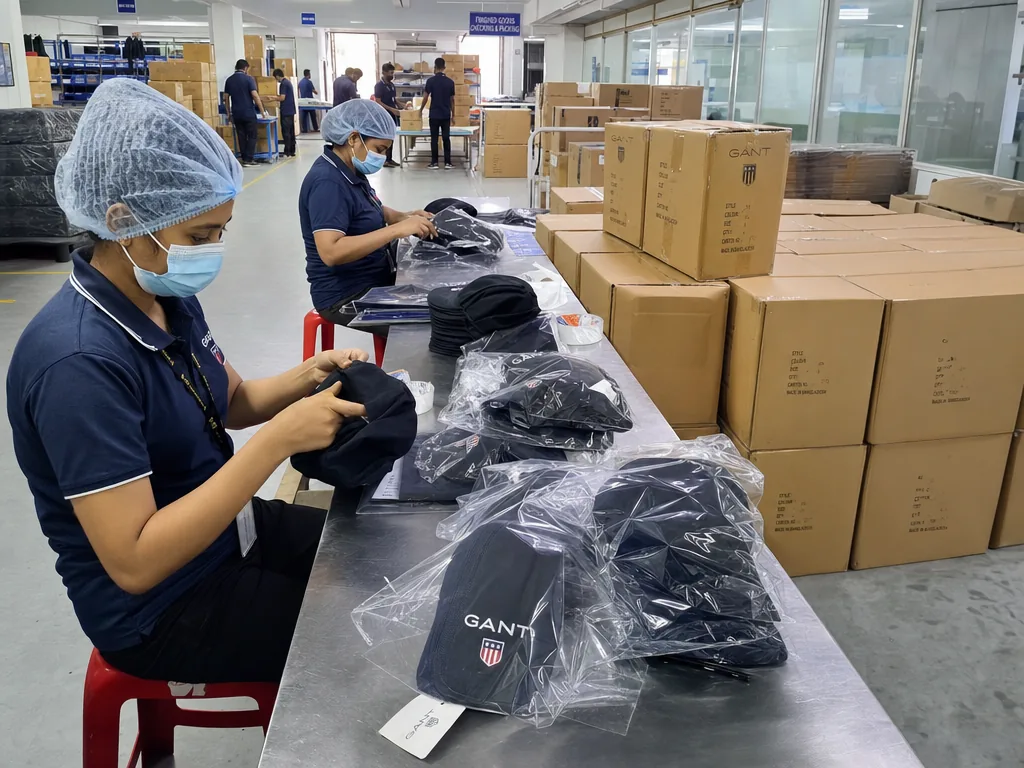
Building a Repeat-Order Workflow with Your Hat Factory
Read article →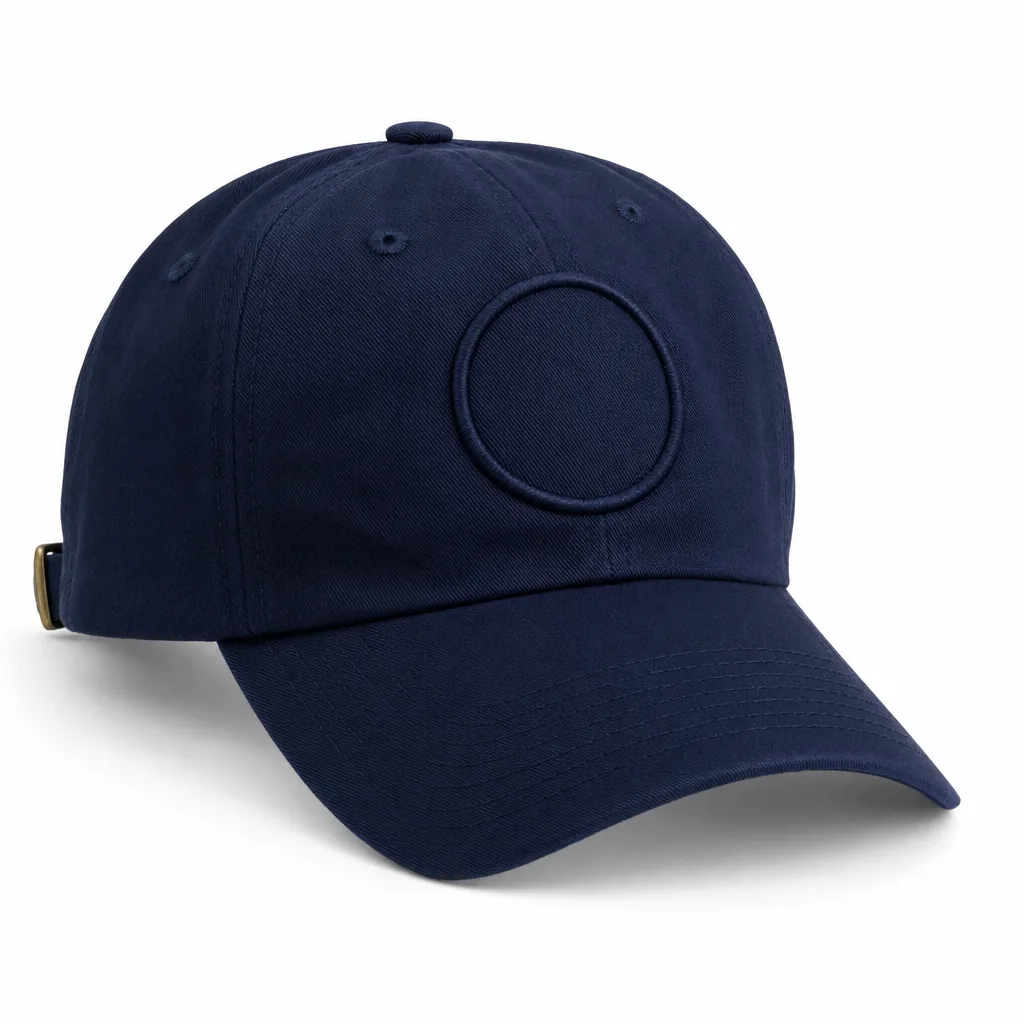
Custom Embroidered Hats: The 2026 Sourcing & Manufacturing Playbook
Read article →Reversible Bucket Hats: A Vertical-Specific Sourcing Guide
Read article →Sourcing custom hats does not have to be complicated. With the right manufacturing partner, clear specifications and a small upfront investment in sampling, you can launch a retail-quality product in 30 to 45 days.