
Fedora Hats For Men Sample Approval Process for Custom Hat Buyers - Cost & MOQ Breakdown
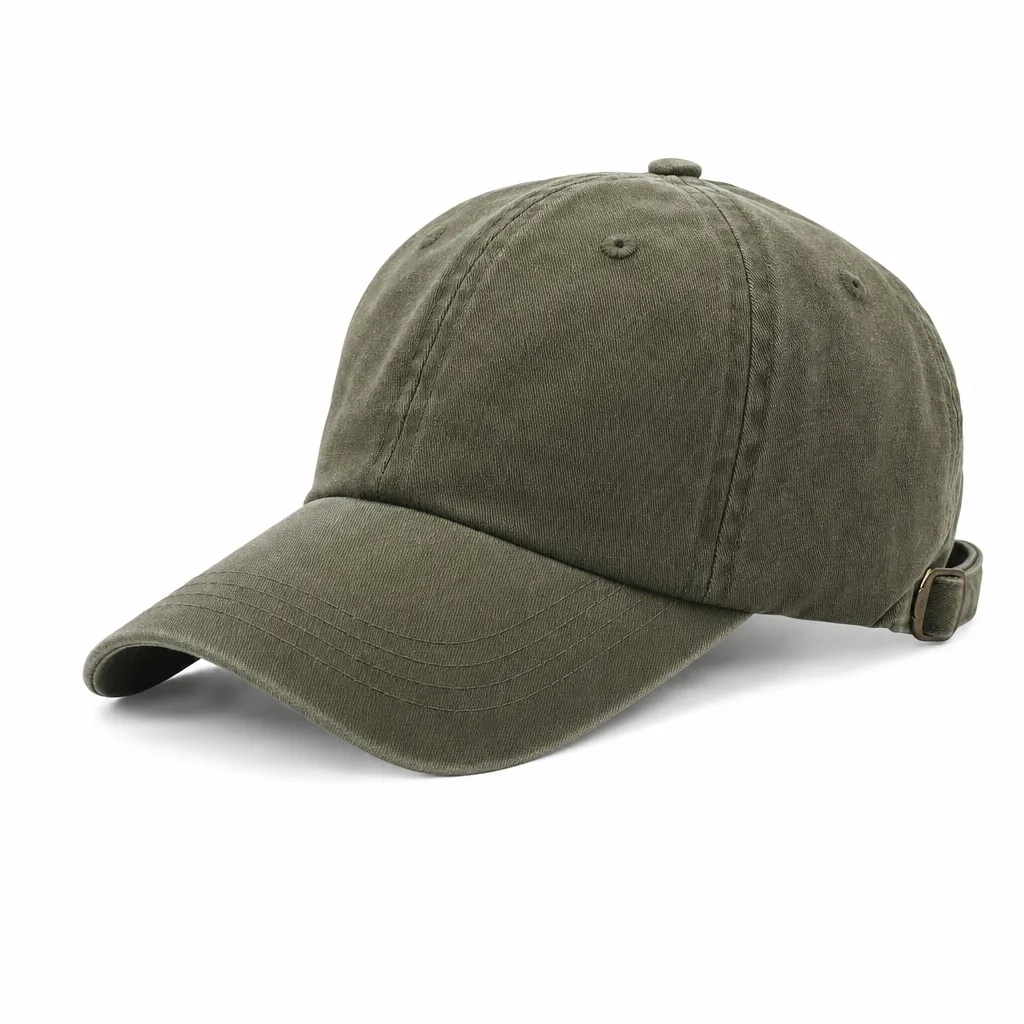
Every week, our sales team answers detailed questions about fedora hats for men sample approval process for custom hat buyers - cost & moq breakdown. We wrote this guide so that wholesalers, streetwear brands, corporate buyers and promotional resellers can compare options with full information, and avoid the traps that show up only after production has started.
Why fedora hats for men sample approval process needs a separate sourcing plan
The fedora hats for men sample approval process diverges from a basic snapback or trucker cap because the construction is fundamentally different. A fedora requires a blocked crown, a brim stiffened with buckram or wire, a sweatband sewn by hand or on a specialized machine, and a felt or wool body that cannot be heat-pressed like a structured baseball cap. The proto sample is not just a logo placement test—it is a structural validation. Buyers targeting a vintage or premium aesthetic demand raw-edge brims, bound edges, or a specific snap-brim curve. Treating a fedora like a custom baseball cap order yields a sample with a collapsed crown or wavy brim. At CrownsForge, we allocate a separate sample development timeline of 12 to 15 working days for fedoras versus 7 to 10 for a structured cap, because the blocking and drying process alone takes 3 to 4 days. Proto sample cost for a fedora runs $85 to $120, compared to $35 to $55 for a custom fitted baseball cap, due to handwork and material waste from cutting felt or wool bodies.
The sourcing plan must also account for material compliance differences. Fedora bodies are typically wool blends (30–50% wool with polyester or rayon for stability) or 100% wool felt, and dyeing uses different chemistry than cotton or polyester. If sourcing under sedex-audit-cap-supplier-guide.html">BSCI or Sedex SMETA, the felt mill must have environmental compliance documentation, as wool wet-processing generates higher BOD and COD loads than cotton knit. First-time buyers often overlook that the stiffener or sweatband adhesive may contain phthalates or formaldehyde, causing the sample to fail a restricted substance list (RSL) test. MOQ for a fedora sits higher—typically 500 to 1,000 pieces per style versus 300 to 500 for a custom baseball cap—because cutting dies for crown and brim are specific to each shape and size. A separate sourcing plan locks in the felt supplier, stiffener type, and sweatband material before digitizing; otherwise, you pay $85 to $120 for a second or third sample round and the lead time extends by two weeks.
The compliance angle affects the fedora hats for men sample approval process differently than for other headwear. A fedora sold as a fashion accessory in the EU or US falls under the General Product Safety Regulation (GPSR) or CPSIA, requiring labeling (fiber content, care instructions, country of origin) and physical testing: brim stiffness, flammability for wool felt, and sweatband colorfastness. A custom fedora order may also require a sweatband moisture-wicking performance test, as the band is typically leather or faux-leather and not washable. Sweatband sizing is critical—internal circumference ranges 56 to 62 cm, with a sewing tolerance of ±2 mm, or the hat feels loose or tight. That precision is unnecessary for a custom baseball cap with a plastic snapback. The separate sourcing plan avoids a sample that looks right but fails on fit, compliance, or durability, killing the season's launch. We require a separate tech pack for fedoras including a brim-curve diagram, sweatband cross-section, and felt density specification, and reject any sample request reusing a baseball cap spec sheet.
Factory capability checks before quoting
For a serious fedora hats for men sample approval process, quoting starts with capability, not unit price. The first check is whether the factory can hold crown height, brim snap, and trim placement on the exact build you want: wool felt around 180-220 gsm, polyester felt, or straw and paper braid with the right stiffness and rebound. On a competent sample floor, I expect repeatability within 2-3 mm on crown profile, brim width, and ribbon placement, plus dedicated blocks for each shape instead of a technician freehanding every sample. If they also make custom fitted hats for men or custom baseball hats for men, that only matters if they can show separate block sizes, seam allowances, and tolerance control. Otherwise the factory is guessing, and the quote is built on guesswork.
Embroidery and patch capability separate a workable factory from a brochure factory. Ask what is actually on the floor: Tajima, Barudan, or ZSK heads are the normal answer when the team understands stitch density, underlay, needle count, and top-thread tension on felt, wool blend, or bonded crown panels. For patch work, they should be able to quote twill, woven labels, faux leather, PVC, and direct embroidery patches, then explain merrowed versus laser-cut edges, heat-press temperature, backing options such as paper, sew-on, or Velcro, and the scorch risk on darker felts. Color control matters just as much. A competent sample team will reference Pantone TCX, not a phone photo, and will state a Delta-E target under 2.0 on repeat orders, with thread, sweatband, and lining colors listed on the sample sheet so nobody argues later.
Audit readiness and response speed are part of factory capability, not separate paperwork. If a supplier has worked under BSCI 2.0 or Sedex SMETA 4-Pillar, they usually understand working-hour records, subcontracting control, chemical compliance, and lot-level traceability for fabric and trims. That matters when a buyer asks for a second sample with a different sweatband, a changed closure, or a revised lining spec, because the factory should be able to state the cost delta, sample lead time, and revision count without re-quoting from scratch. Our standard practice is to confirm sample-room turnaround, revision limits, packing method, and whether the quoted price includes one or two development rounds before any production MOQ is discussed. That keeps the fedora hats for men sample approval process tied to measurable output instead of vague promises.
MOQ, pricing and sample approval
MOQ in the fedora hats for men sample approval process should be set by construction complexity, not by the brim width. A plain wool-felt body can sometimes start at 100 to 200 pieces per color and size run, but once you add a custom sweatband, woven label, bound edge, or metal badge, the practical floor usually jumps to 300 pieces because every extra component creates a new material hold and QC checkpoint. A true pre-production sample commonly costs $35 to $85 depending on crown block, brim finish, ribbon width, and whether the prototype uses stock trims or fully custom parts. That is where buyers lose money: each revision after the first sample typically adds 5 to 10 working days, plus another courier charge, so a slow approval cycle costs more than the sample itself.
Freeze color, trim, and decoration before bulk, not after the first fit sample. Logo digitizing on Tajima, Barudan, or ZSK heads usually runs $20 to $60, while chenille patches, woven patches, and metal badges should be quoted separately because they need different stitch-outs, backing tests, and attachment checks. For wool felt and grosgrain, I would confirm color under D65 light against Pantone TCX and hold Delta-E within 2.0 if the buyer cares about repeatability; felt will expose dye-lot drift fast. Stitch density also has to be locked at this stage, with satin columns around 3.0 to 3.5 mm for small text and a tighter underlay on script so the felt does not pucker. Our standard practice is to freeze trims, stitch count, and label placement before approval, because changing any of them later usually blows up both lead time and cost.
Lead time is usually longer than sales quotes suggest. A realistic schedule is 7 to 12 days for sample development, then 15 to 25 days for bulk once materials are in hand, plus another 3 to 7 days if packaging needs custom printing, barcode stickers, or individual polybagging. For a 300 to 500 piece run of midweight wool felt with standard ribbon and one-color decoration, FOB pricing commonly lands around $6.50 to $11.00 per piece; stiffer bodies, bonded liners, or structured sweatbands push fedora hats for men above that range quickly. I would also budget AQL 2.5 inspection on bulk, because a cheap sample means nothing if crown height, brim curl, sweatband tension, or color consistency drifts on the line. The approval step is a control gate: if fit, hand feel, and decoration are not matched on paper and in the prototype, bulk will expose the gap immediately.
Quality inspection and shipping risk
For the fedora hats for men sample approval process, the sample has to be judged against the same gate used for production, not a loose “looks fine” review. I would inspect it with AQL 2.5 for major defects and AQL 4.0 for minor defects, then verify crown height, brim width, front pinch symmetry, sweatband alignment, and finished weight. On wool-felt and wool-blend bodies, a realistic tolerance is +/-3 mm on key dimensions, with Pantone TCX locked before approval and Delta-E kept under 2.0 when shade consistency matters. Common failures are not subtle: brim waviness from poor blocking, ribbon skew, loose thread ends, skipped stitches at the sweatband, and liner puckering after steam shaping. If the sample looks clean on a table but loses shape after handling, folding, or boxing, it is not production-ready.
Embroidery and decoration need their own check because dimensional accuracy does not prevent run-to-run drift. For custom fedora hats for men with embroidery, confirm stitch density, underlay stability, pull compensation, thread tension, and logo placement after brushing and light steam; a Tajima, Barudan, or ZSK head set a little off can still produce a decent first sample and then fail badly on repeat production. I also want wet and dry rub checks on sweatbands, printed labels, and trims, plus a simple perspiration simulation on white cloth to catch dye migration. Outer carton marks must match the packing list exactly: SKU, color, size breakdown, carton count, gross weight, net weight, and country of origin. Wrong marks are not cosmetic; they trigger customs holds, warehouse discrepancies, and chargebacks when the shipment lands.
FOB and DDP need to be fixed before sample approval, because they change what risk is actually being signed off. Under FOB, the buyer usually controls main freight and destination clearance, so the file should include verified carton dimensions, CBM, gross weight, and a packing list that matches the retained sample. Under DDP, the error tolerance is tighter: consignee name, invoice value, HS code assumption, and label language have to be frozen early or the cargo can sit while documents are reworked. Our standard practice is to archive approved sample photos, measurement sheets, trim specs, stitch counts, carton artwork, and defect notes in one reorder folder. That record stops a second PO from turning into a fresh approval cycle when the buyer expects the same hat six months later, not a near match.
Buyer checklist for the next RFQ
Send a complete RFQ package if you want a real number for the fedora hats for men sample approval process. A vague style note just gets you a fantasy quote. The buyer should attach front, side, back, and inside photos of the reference hat, plus a flat sketch if the crown or brim is changing. State crown height, brim width, ribbon width, sweatband type, lining, and the block profile, because a teardrop crown, center-dent crown, and pinch-front are different setups on the form line. Give dimensions in millimeters, not “medium brim” or “classic fit.” A 58 cm fitted sweatband with 10 mm sizing tape is not the same job as a relaxed fashion fit, and the block, cutting loss, and tolerance all change with it. If the RFQ also covers custom fitted hats for men or custom made hats for men, split those into separate spec lines so the factory does not mix build methods and pricing logic.
Color and trim data need the same discipline. Use Pantone TCX for felt, ribbon, lining, and thread, and say whether the finish should read matte, brushed, or slightly lustrous under shop light. If there is embroidery, send DST or EMB files, stitch count, logo placement in millimeters, and whether the artwork fits a 0.4 to 0.5 mm satin column or needs tatami fill; those two constructions price and sew very differently on Tajima, Barudan, or ZSK heads. For badges, patches, and woven labels, include vector files in AI, EPS, or PDF plus a close reference photo of the texture. Also specify packing: individual polybag, tissue insert, size sticker, carton marks, and whether cartons need 5-ply or 7-ply export-grade compression. Mixing fedora hats for men with custom baseball hats for men or custom cowboy hats for men in one RFQ muddies the labor content and makes the quote less useful.
Price the sample phase before you talk MOQ. Say whether you need a proto sample, sales sample, or pre-production sample, and whether courier charges are billed back or offset against bulk. For a standard wool-felt fedora, sample fees usually land around USD 35 to 80 per piece, with 7 to 12 days for the first sample and 3 to 5 days for a revision if the block is already approved; a changed brim curl or crown profile usually triggers another round. Put the acceptance criteria in writing: measurement tolerance, color tolerance to Delta-E 2.0 to 3.0 against the Pantone target, and whether bulk inspection will be AQL 2.5. The RFQ should also name the target MOQ, shipping term, and final approval owner. Without those three items, the fedora hats for men sample approval process turns into back-and-forth on lead time, rework, and freight instead of a clean approval path.
Working with CrownsForge
The fedora hats for men sample approval process needs a buildable tech pack, not a mood board with a logo on it. Before anyone cuts felt or blocks straw, the factory needs crown height, brim width, pinch or center-crease profile, ribbon width, sweatband spec, lining, size range, and decoration method. For a standard custom fedora, a pre-production sample usually runs USD 45 to 120 per style, with 7 to 14 days after Pantone TCX targets, trim cards, and fabric references are locked. That fee is often credited against bulk if the same block, crown mold, and trim package can be reused. Felt, wool-blend, and straw bodies behave differently in steam shaping, edge binding, and crown blocking, so approval has to be based on the exact construction route, not on a similar silhouette pulled from custom baseball hats for men or custom cowboy hats for men.
We split approval into logo, color, and fit because lumping them together hides where the failure is. For embroidery, Tajima, Barudan, or ZSK heads are used for the first strike-off, then density, underlay, pull compensation, and thread tension are adjusted until the stitch sits flat on felt instead of tunneling or lifting at the edges. For printed marks or woven labels, the target should stay within Delta-E 2.0 of the approved Pantone TCX on core brand colors; anything looser starts drifting under showroom lighting and in carton-to-carton comparison. The liner, sweatband, and size tape are checked against the size chart before the sample leaves the floor, and any trim substitution gets written onto the sample sheet. That is the part buyers miss: the fedora hats for men sample approval process is about proving the same hat can be repeated across a 300- to 1,000-piece run without a second round of fixes.
Before export approval, the sample should pass measurement verification, stitch inspection, symmetry checks, and packing review. Our standard practice is AQL 2.5 for bulk inspection, but sample approval is stricter on visible defects because a crooked brim, off-center badge, or uneven ribbon is a straight rejection from most merchandising teams. If the program is moving FOB or DDP, carton marks, HS code, and commercial invoice wording should be aligned at sample stage so the paperwork does not change after sign-off. For low-MOQ programs, 100 to 300 pieces per color is common when stock bodies and trims are available; fully custom felt, imported lining, or a specialty leather sweatband can push MOQ higher because the material lot has to be dedicated. The real job of the fedora hats for men sample approval process is proving the production route is repeatable, not just getting one good sample off the bench.
Frequently Asked Questions
How long does production take?
Sampling takes 7 to 12 days. Bulk production runs 20 to 30 days depending on quantity, fabric availability and decoration complexity. Inspection and packing adds another 3 to 5 days before shipment.
Do you support sustainability certifications?
Yes. We work with GOTS organic cotton, GRS-certified recycled polyester, OEKO-TEX Standard 100 fabrics, and are BSCI and Sedex audited. Certification documentation can be provided per order.
What file format should I send for my logo?
Vector files (AI, EPS, PDF) are ideal. High-resolution PNG or JPG at 300 dpi on transparent background works as a fallback. Provide Pantone color references for accurate reproduction.
What is the minimum order quantity (MOQ) for custom hats?
Our standard MOQ is 100 pieces per design and color, with sampling available from 1 piece. For complex multi-color logos or premium fabric upgrades, the MOQ can be lowered with a small per-piece surcharge.
Can I order a sample before bulk production?
Yes. We strongly recommend approving a pre-production sample before mass production. Samples are charged at 35 to 60 USD each plus express shipping, fully refundable against confirmed bulk orders over 500 pieces.
What should buyers know about baseball hats men's?
When evaluating baseball hats men's, the key considerations are construction quality, decoration capability, MOQ flexibility and lead time. Explain the buyer intent behind fedora hats for men sample approval process, when it differs from generic hat sourcing, and what decisions affect cost, lead time and compliance. Describe how CrownsForge manages fedora hats for men sample approval process programs with sampling, decoration, QC and export coordination.
How does ordering custom fitted hats work?
When evaluating custom fitted hats, the key considerations are construction quality, decoration capability, MOQ flexibility and lead time. Explain the buyer intent behind fedora hats for men sample approval process, when it differs from generic hat sourcing, and what decisions affect cost, lead time and compliance. Describe how CrownsForge manages fedora hats for men sample approval process programs with sampling, decoration, QC and export coordination.
How does ordering custom embroidered baseball hats work?
When evaluating custom embroidered baseball hats, the key considerations are construction quality, decoration capability, MOQ flexibility and lead time. Explain the buyer intent behind fedora hats for men sample approval process, when it differs from generic hat sourcing, and what decisions affect cost, lead time and compliance. Describe how CrownsForge manages fedora hats for men sample approval process programs with sampling, decoration, QC and export coordination.
How does ordering baseball cap custom made work?
When evaluating baseball cap custom made, the key considerations are construction quality, decoration capability, MOQ flexibility and lead time. Explain the buyer intent behind fedora hats for men sample approval process, when it differs from generic hat sourcing, and what decisions affect cost, lead time and compliance. Cover embroidery, patch, fabric, panel construction, closure options, sample room capability, audit readiness and communication checks.
What qualifies a hat as a fedora?
A fedora (/fəˈdɔːrə/) is a hat with a soft brim and indented crown. It is typically creased lengthwise down the crown and "pinched" near the front on both sides. Fedoras can also be creased with teardrop crowns, diamond crowns, center dents, and others, and the positioning of pinches can vary.
What is fedora etiquette?
In a private. Space as well as in church or in any place of worship.
Looking for a reliable hat manufacturer in China?
CrownsForge has produced custom hats for 800+ brands across 40 countries. From 100-piece launches to 100,000-piece retail programs, we deliver on time and on spec.
Get in touchRelated guides
Custom Leather Patch Hat Low Minimum: A 2026 B2B Sourcing Guide
Read article →
Mens Beanies: Properties, Costs and How to Spec It Right
Read article →
Bulk Trucker Hats Export Shipping Checklist for Custom Hat Buyers - Cost & MOQ Breakdown - Supplier Checklist
Read article →We hope this guide demystifies fedora hats for men sample approval process for custom hat buyers - cost & moq breakdown and helps you move forward with confidence. If you have questions specific to your project, our English-speaking sales engineers are one message away.