
Fedora Hats For Men Decoration QC Checklist for Custom Hat Buyers - Cost & MOQ Breakdown
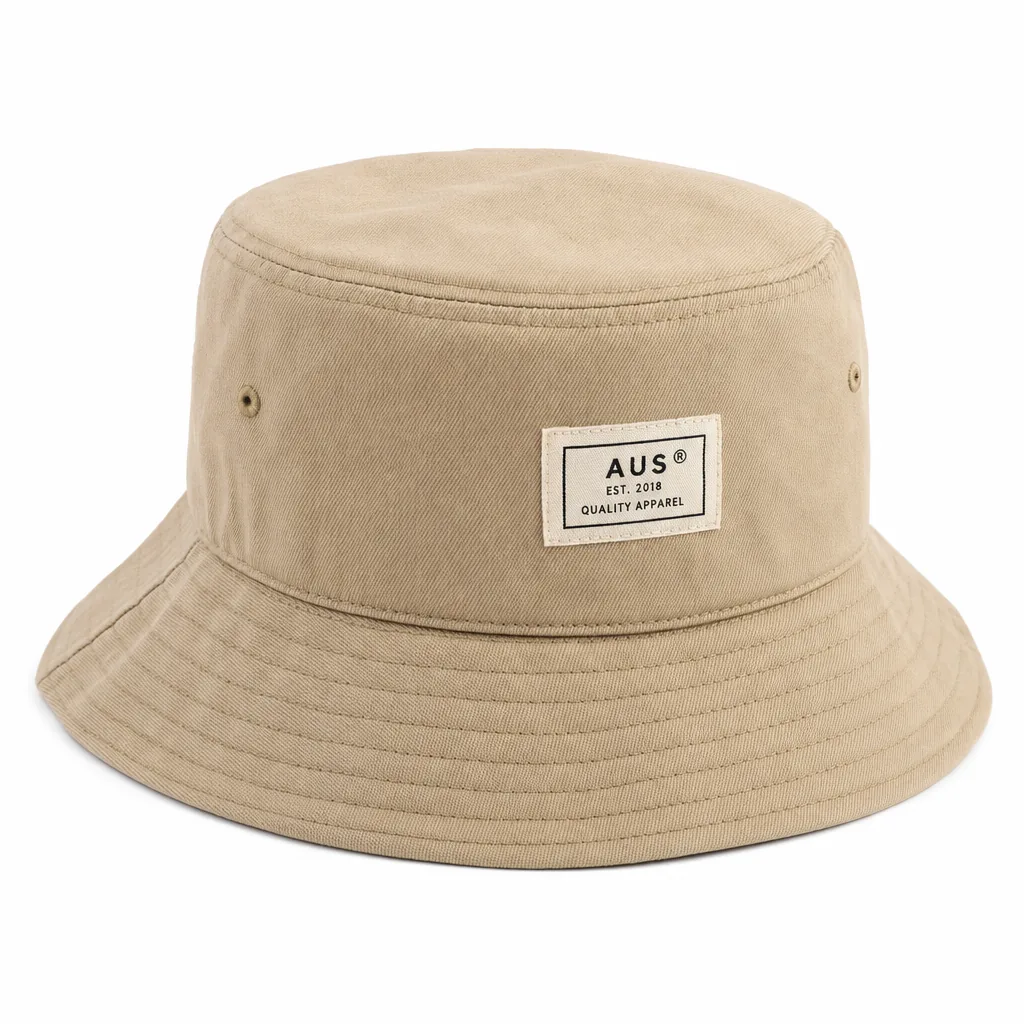
Every week, our sales team answers detailed questions about fedora hats for men decoration qc checklist for custom hat buyers - cost & moq breakdown. We wrote this guide so that wholesalers, streetwear brands, corporate buyers and promotional resellers can compare options with full information, and avoid the traps that show up only after production has started.
Why fedora hats for men decoration qc checklist needs a separate sourcing plan
Buyers asking for a fedora hats for men decoration qc checklist are usually trying to prevent the same expensive mistake: sourcing a blocked brimmed hat with the same controls used for a 6-panel cap. A fedora fails in different places. The weak points are crown centerline, brim snap symmetry, ribbon tension, sweatband bonding, and whether decoration pulls the body out of shape after blocking and final pressing. On a cap, you can often sign off embroidery from a flat panel strike-off. On a fedora, that is not enough. A metal badge that sits 2 mm high at the band line, a ribbon bow that drifts 3 mm off side seam, or embroidery that causes slight felt tunneling will read as defective the moment the hat is on a shelf. The fedora hats for men decoration qc checklist has to be built around the finished blocked form, with inspection gates after blocking, trim application, and final pressing—not just after logo setup. If the factory cannot provide stage photos with crown height, brim width, and trim alignment measurements, you are approving risk, not product.
Cost, MOQ, and lead time also move differently because fedora production depends on blocking, trimming, and shape retention rather than only cut-and-sew efficiency. Wool felt programs commonly use pre-formed hoods with density roughly equivalent to 180-260 gsm, while paper braid and polyester straw styles are driven by braid count, resin stiffness, and whether the brim edge is raw cut, bound, or overwelt. Decoration changes the reject rate fast: direct embroidery on felt usually needs reduced stitch density on Tajima or Barudan heads to avoid puckering, and logo plates add hand-setting labor plus separate controls for burrs, plating rub, and nickel-release risk. In practical terms, simple ribbon branding may start around 100-150 pcs per color, but custom-dyed grosgrain matched to Pantone TCX, embossed PU or leather sweatbands, or bespoke trims usually pushes MOQ to 200-300 pcs. Lead time is typically 35-50 days because blocking, drying, trim trials, and carton-pack shape testing cannot be rushed without higher fallout. CrownsForge normally inspects fedora decoration and shape at AQL 2.5 with tolerance points for crown height, brim width, band join alignment, and Delta-E no greater than 1.5 on visible contrast trims under retail lighting.
Factory capability checks before quoting
Before you ask for a price, verify the supplier can decorate a blocked fedora body rather than just stitch logos onto flat baseball-cap panels. That is where bad quotes start. A shop may own Tajima or Barudan multi-head embroidery lines and still fail on fedoras if the team only uses standard cap frames. On a blocked crown, the pinch, crown taper, and brim break reduce needle access, so the practical embroidery zone is usually around 45-60 mm high on the band area, sometimes less on narrow grosgrain setups. Ask for the maximum decoration field by substrate, because wool felt, paper braid, Toyo straw, raffia, and poly braid all respond differently to needle penetration, backing pressure, and thread tension. If they claim embroidery is possible, ask which thread system they run—Madeira Classic No. 40, Gunold rayon 120D, or metallic equivalents—and what their actual rejection rate is for puckering, thread breaks, or needle cutting on stiff bodies. A usable fedora hats for men decoration qc checklist should also confirm whether patches, debossed leather badges, woven labels, TPU emblems, or laser-cut appliques are done in-house or through a fixed subcontractor, plus the heat-press temperature window, dwell time, adhesive film spec, and a 24-hour post-bond peel check to catch edge lift and felt scorching.
Decoration capability means very little if the factory cannot control the hat body itself. Do not accept material descriptions like "wool" or "straw" with no numbers behind them. Ask for the actual build: 100% wool felt body weight, often around 180-220 gsm depending on finish; wool-poly blend ratio; paper braid width in millimeters; Toyo straw yarn count or denier; sweatband material; and band fabric composition. Then move straight to tolerances. A factory quoting serious fedora work should commit to crown height and brim width within plus or minus 3 mm, band placement within plus or minus 2 mm, and color matching within a commercially reasonable Delta-E target when trim is dyed to Pantone TCX. If they cannot explain how blocking molds, flange sets, stiffener chemistry, and internal sizing tape affect oval retention after pressing and packing, they are quoting outside their real process window. Our standard practice is to require a pre-production spec sheet, first proto timing around 5-7 working days, and bulk inspection to at least AQL 2.5 for visible decoration defects, band alignment, and shape consistency. Current sedex-audit-cap-supplier-guide.html">BSCI 2.0 or Sedex SMETA 4-Pillar records are worth checking, because weak audit discipline usually shows up in sample accuracy and quote reliability too.
MOQ, pricing and sample approval
MOQ is driven less by the hat silhouette than by how many moving parts you add to it. For custom fedora hats for men, a practical factory entry point is usually 144 to 300 pieces per colorway when you are using stock wool felt or paper braid bodies, a standard grosgrain band, and one decoration method. Once you specify custom crown blocks, branded sweatbands, woven interior labels, or retail box packs, the efficient band moves to 500 pieces because trim mills and packaging vendors will not run tiny lots cheaply. Decoration setup is where many buyers misread the quote: metal logo molds commonly run $80 to $180, woven label sampling $35 to $60, embroidery digitizing $25 to $75, and screen fees for printed satin liners or care labels another $20 to $50 per color. A fedora hats for men decoration qc checklist should always separate one-time setup from repeat-order unit cost, otherwise the first PO looks artificially expensive and the second PO looks misleadingly cheap.
Pre-production sample approval is the stage that prevents most bulk claims. For a proper PPS, I expect the supplier to submit the actual hat body, final sweatband material, the exact ribbon width, trim placement specs, and all approved artwork on the same sample, not a half-finished prototype. If Pantone matching is required on ribbon, edge binding, or woven labels, specify the Pantone TCX or coated reference in writing and agree an acceptable Delta-E tolerance up front; for textile trims, Delta-E under 1.5 is achievable on stable polyester ribbons, while dyed felt and natural fibers often need a more realistic commercial tolerance. If embroidery is part of the style, stitch density has to be checked against the substrate, because a fedora body cannot take the same fill behavior as custom baseball hats for men on cotton twill. Dense fills above about 0.45 mm can pucker lighter bodies, while too-open fills expose the ground and make logos look cheap.
Packaging and lead time are where buyers either protect margin or quietly lose it. A clean landed-cost review should include inner support, tissue, size stickers, hangtags, polybags if required, export cartons, carton drop resistance, and whether each hat ships nested or individually boxed. Individual retail boxes can add $0.45 to $1.20 per unit depending on board grade and print treatment, and they increase carton cube, which matters more than the box price when freight is DDP. Standard bulk lead time for custom made hats for men in fedora construction is typically 30 to 45 days after PPS approval and deposit, but that assumes trims are in-house and no holiday bottlenecks. If you mix programs such as custom fitted hats for men, custom cowboy hats for men, and fedoras in one PO, planning complexity goes up fast because the sewing line, blocking, and finishing steps are different. Our standard practice is to freeze all trims and packaging before bulk starts, then inspect against AQL 2.5 using the approved PPS as the only pass-fail reference.
Quality inspection and shipping risk
The costliest shipping failures on custom fedoras usually start in the purchase order, not on the water. If the defect standard is vague, the factory, in-line QC, and third-party inspector will all judge decoration differently, and a usable fedora hats for men decoration qc checklist has to close that gap before bulk sewing starts. For fashion headwear, I treat ANSI/ASQ Z1.4 single sampling with AQL 2.5 for major defects and 4.0 for minor defects as a sensible baseline, but only when the criteria are measurable. On wool felt and wool-poly blend bodies, major defects should include logo placement off more than 3 mm from approved coordinates, broken embroidery runs longer than 5 mm, foil or heat-transfer cracking after five flexes, visible hoop burn, ribbon puckering that pulls the crown line off shape, and sweatband glue bleed visible from 30 cm under D65 light. Minor defects can cover ribbon-end mismatch under 2 mm, thread tails under 3 mm, or slight stitch density inconsistency that does not change artwork legibility. Decoration mistakes also read harsher on a fedora than on a six-panel cap because the crown curve, brim line, and hatband form a visual reference around the entire body. I normally lock crown height to ±3 mm, brim width to ±2 mm, and internal circumference to ±5 mm against the sealed size chart, then inspect decoration at normal wear angle rather than flat on a table. That is where underlay exposure, uneven satin column width, edge bite into felt, and registration drift become obvious. On multi-head embroidery runs using Tajima, Barudan, or ZSK machines, I want the bulk report to record stitch count, density, needle spec, backing type, and run speed; the same DST file sewn at 650 spm and 850 spm can produce visibly different edge sharpness and felt distortion. Our standard practice is to approve a sealed pre-production sample with defect photos attached, because “match sample” by itself is not an inspection standard.
Color migration and trim instability are the quiet failures that show up after the goods leave China. Dark grosgrain bands, PU sweatbands, printed linings, and leather-look trims can all transfer onto light felt during humid transit, especially when cartons sit at 70 to 85 percent relative humidity. I would require dry and wet crocking at Grade 4 minimum, perspiration colorfastness at Grade 3-4, and decoration color within Delta-E 1.5 of the approved Pantone TCX reference under D65 lighting. If the style uses metallic foil, flock transfer, or screen print on the sweatband or lining, add a tape-adhesion check and a 24-hour aging review after packing simulation, because some failures only appear after compression and temperature swing. These are cheap tests compared with a chargeback on a 2,000-piece shipment. Carton control is the last gate, and it is where good production gets ruined by bad logistics discipline. Each master carton should carry style number, color code, size run, PO number, carton sequence, gross and net weight, country of origin, and any FNSKU or ASN barcode required by the buyer’s warehouse. Fedora packing specs need the same precision as the decoration spec: crown support insert grade, brim separator board, polybag thickness in microns, desiccant count, carton burst strength, and upright orientation marks should all be written into the packing SOP. Wool felt takes a compression set faster than most buyers expect, so I prefer a drop-test review and carton compression check before release, especially for FOB shipments where the factory loses visibility once cargo is handed to the forwarder. If claims do happen, sealed sample photos, measurement sheets, Pantone approvals, DST files, carton mark artwork, and final AQL reports under one style revision are what make the case defensible.
Buyer checklist for the next RFQ
A usable RFQ for decorated fedoras starts with the technical spec, not the logo file. Lock the five cost drivers before asking for price: silhouette, hat body, decoration method, QC standard, and trade term. For silhouette, give crown height, brim width, brim edge construction, and size range in millimeters and centimeters. A 115 mm center-dent crown with a 65 mm snap brim does not quote like a 130 mm blocked crown with a 75 mm pencil curl, because blocking labor, stiffener add-on, brim flanging time, and carton cube all change. For body material, name the exact substrate: 100% wool felt, rabbit-blend felt, Toyo straw, paper braid, or corduroy over a formed shell. Tie all visible colors to Pantone TCX or an approved physical swatch, and if ribbon, binding, or patch leather is dyed, state a color tolerance such as Delta-E below 1.5 under D65 lighting. That level of detail is what makes a fedora hats for men decoration qc checklist usable instead of theoretical.
Define every trim and decoration as a measurable part, not a vague idea. “Logo on band” is not quotable; “45 x 18 mm debossed leather patch, centered on left band position, placement tolerance +/-2 mm” is. State whether the branding is direct embroidery, a woven label sewn into the grosgrain, a die-cast zinc alloy badge, a screen print on the sweatband, or a heat-applied transfer, then add finished size, attachment method, and acceptable defect level. Include ribbon width, bow style, sweatband material, lining spec, and packaging standard. Send vector art in AI, EPS, or editable PDF with fonts outlined, plus multi-angle mockups showing front, left, right, interior, and underbrim views. If embroidery is involved, give target width and estimated stitch count; 4,500 stitches on grosgrain behaves very differently from 10,000 stitches on a flat felt panel, even on Tajima or Barudan heads. A measured reference photo with a ruler on crown height, brim width, and inside circumference prevents the shape disputes that usually surface at final inspection.
Turn the quote request into a firm offer by adding the commercial data and QC limits that factories usually have to guess. Give the size run by head circumference, for example 57 cm, 59 cm, and 61 cm, or provide the dozen ratio for fitted packs. Break MOQ out by component instead of style alone: a stock felt body may be workable at 100-150 pieces per color, but custom ribbon dyeing, printed satin linings, private blocking molds, or embossed leather patches often push the practical MOQ to 300 pieces or higher. State your inspection rule up front—AQL 2.5 major and 4.0 minor is a normal baseline—and add brim waviness tolerance, logo placement tolerance, carton drop requirement, and whether PPS approval is mandatory before bulk. At CrownsForge, we do not finalize EXW, FOB, or DDP pricing until those variables are fixed, because packaging density, duty treatment, and freight mode can shift landed cost by more than $1.20 per hat on a mid-volume order.
Working with CrownsForge
The make-or-break point in a fedora hats for men decoration qc checklist is locking decoration variables before bulk cutting and blocking, because wool felt, rabbit-fur felt, paper braid, and grosgrain do not behave the same once steam, heat, and crown forming start. A usable pre-production sample should tie back to a signed tech pack with measurable tolerances: crown height and taper, brim width within ±3 mm, sweatband SPI, logo placement from a fixed seam or bow point, and color approval against Pantone TCX for textiles or Pantone Coated for plated trims and print inks. For embroidery, a strike-off on the actual hat band or patch substrate is non-negotiable. A 5,000-stitch file that runs clean on 14 oz cotton twill can bury into melton wool or wave a 25 mm grosgrain band if underlay, pull compensation, needle size, and thread tension are not re-digitized for Tajima or Barudan heads. In practice, sample lead time is usually 7 to 12 days, with sample charges around $45 to $120 per style, while custom metal badges, deboss dies, or woven-label setup can add another $30 to $90.
Bulk control should start with first-piece approval at line start, then continue with in-line checks every 20 to 30 pieces; waiting for a final inspection after packing is how crooked bands and distorted brims slip through. On decorated fedoras, the highest-risk points are brim symmetry after blocking, band join alignment, decoration placement within ±2 mm, embroidery puckering, adhesive squeeze-out on metal trims, and crocking on printed grosgrain after dry and wet rub tests. Better programs also verify body, band, and patch color under D65 light with a practical Delta-E target of 1.5 to 2.0, especially on black components where a charcoal band against a true-black crown looks cheap immediately. MOQ is typically 100 to 300 pieces per colorway for felt or straw bodies, and realistic pricing for mixed-decoration builds lands around $6.80 to $18.50 FOB Yiwu depending on felt grade, sweatband material, trim count, and whether the artwork is embroidery, woven label, deboss, or badge application. Our standard release gate is AQL 2.5 with zero tolerance on critical defects, plus carton drop and moisture-barrier checks before export handoff.
Frequently Asked Questions
How long does production take?
Sampling takes 7 to 12 days. Bulk production runs 20 to 30 days depending on quantity, fabric availability and decoration complexity. Inspection and packing adds another 3 to 5 days before shipment.
What file format should I send for my logo?
Vector files (AI, EPS, PDF) are ideal. High-resolution PNG or JPG at 300 dpi on transparent background works as a fallback. Provide Pantone color references for accurate reproduction.
Can I order a sample before bulk production?
Yes. We strongly recommend approving a pre-production sample before mass production. Samples are charged at 35 to 60 USD each plus express shipping, fully refundable against confirmed bulk orders over 500 pieces.
What is the minimum order quantity (MOQ) for custom hats?
Our standard MOQ is 100 pieces per design and color, with sampling available from 1 piece. For complex multi-color logos or premium fabric upgrades, the MOQ can be lowered with a small per-piece surcharge.
What logo decoration techniques do you offer?
3D puff embroidery, flat embroidery, woven patch, leather patch, PVC patch, screen printing, sublimation, applique and laser etching, all in-house with no subcontracting.
What should buyers know about baseball hats men's?
When evaluating baseball hats men's, the key considerations are construction quality, decoration capability, MOQ flexibility and lead time. Explain the buyer intent behind fedora hats for men decoration qc checklist, when it differs from generic hat sourcing, and what decisions affect cost, lead time and compliance. Describe how CrownsForge manages fedora hats for men decoration qc checklist programs with sampling, decoration, QC and export coordination.
How does ordering custom fitted hats work?
When evaluating custom fitted hats, the key considerations are construction quality, decoration capability, MOQ flexibility and lead time. Explain the buyer intent behind fedora hats for men decoration qc checklist, when it differs from generic hat sourcing, and what decisions affect cost, lead time and compliance. Describe how CrownsForge manages fedora hats for men decoration qc checklist programs with sampling, decoration, QC and export coordination.
How does ordering custom embroidered baseball hats work?
When evaluating custom embroidered baseball hats, the key considerations are construction quality, decoration capability, MOQ flexibility and lead time. Explain the buyer intent behind fedora hats for men decoration qc checklist, when it differs from generic hat sourcing, and what decisions affect cost, lead time and compliance. Describe how CrownsForge manages fedora hats for men decoration qc checklist programs with sampling, decoration, QC and export coordination.
How does ordering baseball cap custom made work?
When evaluating baseball cap custom made, the key considerations are construction quality, decoration capability, MOQ flexibility and lead time. Explain the buyer intent behind fedora hats for men decoration qc checklist, when it differs from generic hat sourcing, and what decisions affect cost, lead time and compliance. Cover embroidery, patch, fabric, panel construction, closure options, sample room capability, audit readiness and communication checks.
Looking for a reliable hat manufacturer in China?
CrownsForge has produced custom hats for 800+ brands across 40 countries. From 100-piece launches to 100,000-piece retail programs, we deliver on time and on spec.
Get in touchRelated guides

10 Questions to Ask a Cap Manufacturer on Your First Call - Supplier Checklist
Read article →
Hat With Patch Decoration QC Checklist for Custom Hat Buyers
Read article →
Switching Hat Manufacturers Mid-Program Without Losing Quality - Supplier Checklist
Read article →We hope this guide demystifies fedora hats for men decoration qc checklist for custom hat buyers - cost & moq breakdown and helps you move forward with confidence. If you have questions specific to your project, our English-speaking sales engineers are one message away.