
Fedora Hats For Men Decoration QC Checklist for Custom Hat Buyers - 2026 Buyer's Guide
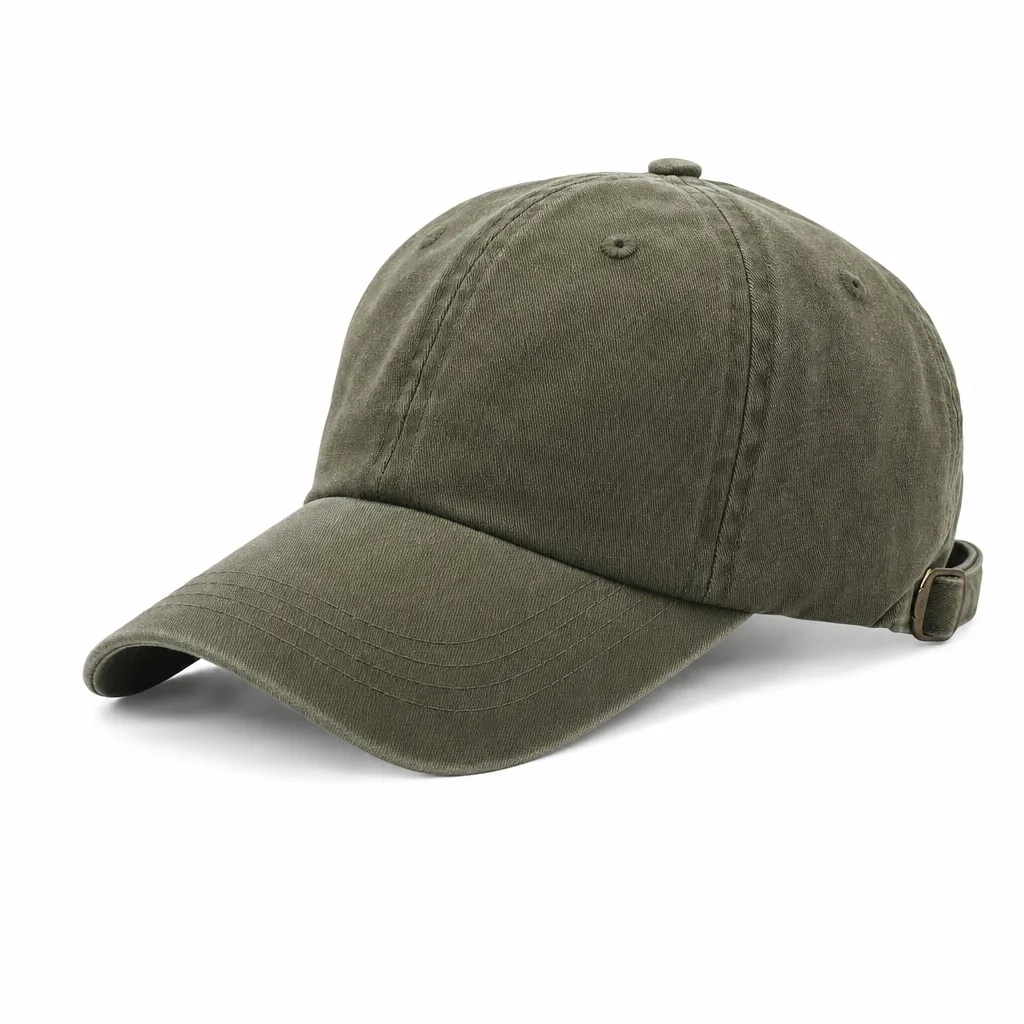
Fedora Hats For Men Decoration QC Checklist for Custom Hat Buyers - 2026 Buyer's Guide is one of the most-asked questions we receive from international buyers, and for good reason. With dozens of factories competing for your order and an alphabet soup of technical terms in every supplier quote, even experienced importers can feel lost. This guide consolidates what we have learned producing custom hats for clients in 40+ countries.
Why fedora hats for men decoration qc checklist needs a separate sourcing plan
A useful fedora hats for men decoration qc checklist starts from one hard fact: a fedora body reacts to decoration like a formed component, not a flat panel. Buyers who source it like a six-panel 260 gsm cotton twill cap usually discover defects after blocking, brim setting, steaming, and final pressing, when the rework window is already gone. Wool felt, fur felt, paper braid, and sinamay all have low tolerance for concentrated stitch density, heat, and compression marks. On felt sidewalls, embroidery tighter than about 0.40-0.45 mm spacing often causes puckering, while patch constructions above roughly 1.8 mm total edge thickness can telegraph through the crown. Foil or hot-stamp settings that look safe on visor stock can glaze felt at around 115-125°C or bleed adhesive into grosgrain ribbon. Even sweatband closing matters: if topstitch tension pulls the opening too tight after decoration, the finished oval can drift 3-5 mm off the approved block profile and the brim will no longer sit level.
That is why decoration approval has to happen on the actual blocked body with the final crown height, brim width, ribbon width, and sweatband build locked first. A clean strike-off on leftover material proves almost nothing on a pinch-front fedora, because curvature changes hoop tension, needle entry angle, and trim placement tolerance. Tajima and Barudan heads that run a logo cleanly on baseball caps can still leave hoop burn, needle tracking, or distortion once the design is sewn across a fedora sidewall or near the brim break. In production, the safer decoration method is often not the cheapest one: low-density direct embroidery may add about $0.35-$0.90 per piece, while stitched leather or debossed PU patches, metal plates, or riveted badges more often land at $0.80-$1.80, plus 2-4% handling loss from scorch, edge lift, or placement error. Our standard practice is to require one extra pre-production round on the final block to verify logo distance from the brim break, ribbon interference, carton compression resistance, and shape recovery after pressing.
Compliance and inspection are the other reasons this category needs its own sourcing plan. A single fedora can combine wool felt shell, polyester or viscose grosgrain, PU or genuine leather trim, plated metal hardware, sweatband, satin lining, and decorative feathers, and each material changes the test matrix. In real buying terms, that usually means REACH SVHC screening, California Proposition 65 review for coated trims, azo dye restrictions on colored textiles, formaldehyde limits on certain linings, and sharp-point and pull-force checks on buckles, conchos, or logo plates. The QC standard also has to be stricter than for plain caps because a fedora sidewall gives you fewer seam landmarks to hide mistakes: a 2 mm logo shift is easy to see, and color drift above Delta-E 1.5 against the approved Pantone TCX standard stands out immediately on solid felt. I would normally set inline inspection at 10-20% of decorated output, then final random inspection at AQL 2.5, with tighter acceptance criteria for crown deformation, logo position, edge lift, adhesive strike-through, and ribbon shading mismatch.
Factory capability checks before quoting
Verify decoration capability before you ask for a price. A factory that spends 90% of its time on baseball caps can easily crush a fedora crown, distort the brim break, or leave hoop marks on wool felt during embroidery and heat pressing. Ask what they decorate on actual blocked fedora bodies, not flat test swatches: side-wall direct embroidery, satin monograms on 25 to 38 mm grosgrain bands, woven labels, debossed PU or full-grain leather patches, die-cast zinc alloy logo plates, and edge-fold appliqué. If they claim embroidery, ask for machine details—Tajima, Barudan, or ZSK heads—plus the hooping method they use for curved felt shells, whether magnetic frames, custom jigs, or low-pressure fixtures. On wool felt and rabbit-hair blends, competent digitizing usually means satin columns no narrower than 0.35 to 0.40 mm, density reduced to prevent tunneling, and underlay adjusted for loft instead of copied from a cap file. For color-critical logos, thread approval should reference signed Pantone TCX or Pantone C standards, with a practical Delta-E under 1.5. If they cannot show strike-offs, reverse-side cleanup, trim points, and macro photos on curved surfaces, they have already failed a serious fedora hats for men decoration qc checklist.
Material control matters more on fedoras because the decoration sits on a shape-sensitive shell, not a forgiving six-panel cap. A capable supplier should state exactly what bodies they run: blocked wool felt, rabbit-hair blend felt, polyester felt, paper braid, or suiting-fabric trilby constructions, and give realistic weight ranges—roughly 180 to 320 gsm for fabric styles, with felt composition tolerances declared up front. Ask how they stabilize the crown before decoration so the bash line, flange, and brim edge stay true, and ask for the component sheet before sampling: sweatband material, grosgrain width, brim binding width, internal seam taping, visible edge construction, and badge attachment method. Good factories can tell you whether a metal trim is fixed by prong, rivet, or adhesive, and should name the adhesive system rather than saying only "glue." The sample room is the real capability check: 7 to 12 calendar days is a believable proto lead time for a custom decorated fedora with band, trims, and packaging, while 3-day promises usually mean outsourced digitizing or skipped approvals. Before you shortlist anyone, confirm current sedex-audit-cap-supplier-guide.html">BSCI 2.0 or Sedex SMETA 4-Pillar audit status, a written needle-control policy, and final inspection reporting built around AQL 2.5 with measurement tables and defect photos.
MOQ, pricing and sample approval
MOQ on fedora programs is set by trim loss and setup cost, not by the hat block itself. In Zhejiang, a stock-body fedora with only a ribbon swap, private-label sweatband, or standard debossed metal tab can sometimes open at 24 to 50 pieces per color, but a true custom run is usually 48 to 100 pieces once you introduce mixed size ratios, printed satin lining, non-standard 38 mm or 50 mm grosgrain, or dyed petersham that has to hit a Pantone TCX reference within an agreed Delta-E tolerance. Any usable fedora hats for men decoration qc checklist should require price breaks at 50, 100, 300, and 500 units, because below 100 pieces the factory is recovering ribbon wastage, lining overage, mold setup, and size balancing rather than giving you a stable unit cost. As a realistic FOB China range, expect about $6.80 to $10.50 for a wool-blend body with standard grosgrain band at 100 pieces, $12.00 to $22.00 for 100% wool felt with bound brim, branded sweatband, printed lining, and plated hardware, and another $0.40 to $1.80 per hat if you add specialty trims such as custom woven labels, rigid badges, or hand-set decorative bands.
Sample approval is where most fedora orders are either controlled or lost. Decoration charges are modest in absolute dollars but expensive when the order is only 50 or 100 hats: embroidery digitizing commonly runs $25 to $60 per logo, bullion-style or chain-stitch rebuilds can exceed that if the file has to be optimized for Tajima, Barudan, or ZSK heads, metal badge molds typically land around $80 to $200, and woven label setups are often $35 to $70 before trim-mill minimum yardage even starts. The PPS must lock down measurable specs, not just artwork approval: ribbon width in millimeters, logo position from side seam, stitch density, backing type, plating tone, badge edge finish, sweatband material, and acceptable shade band for dyed trims. On a curved crown, a badge that looks fine on a flat rendering can telegraph, tilt, or distort the felt once pressed and stitched.
Lead time and packing need approval at the same stage because fedora bodies deform far more easily than a standard 6-panel cap. Proto or PPS development normally takes 7 to 12 days, revisions another 3 to 7, and bulk 25 to 40 days, with delays if the felt body is custom dyed, the grosgrain is sourced from an outside mill, or hardware plating misses color. Protective packing is not a minor add-on: crown fillers, brim support, tissue wrap, barcode labels, individual polybags, and stronger export cartons usually add about $0.35 to $1.20 per hat depending on whether the insert is folded recycled board, molded pulp, or vacuum-formed PET. Those details belong inside the fedora hats for men decoration qc checklist before deposit payment. For bulk release, tie final inspection to AQL 2.5 before carton sealing under the factory’s BSCI 2.0 or Sedex SMETA 4-Pillar workflow, when ribbon skew, badge misalignment, sweatband delamination, and crown crush are still reworkable.
Quality inspection and shipping risk
Late inspection is where fedora programs lose margin, because decoration errors on a blocked crown cannot be reworked cheaply once trims are attached and cartons are sealed. The fedora hats for men decoration qc checklist should be frozen before bulk cutting, then enforced at three gates: in-line after blocking, in-line after trim or ornament attachment, and final random inspection under ANSI/ASQ Z1.4, General Inspection Level II. On a 1,200-piece order, single sampling typically means an 80-piece final sample, with AQL 2.5 for major defects and 4.0 for minor. For men’s fedoras, I treat logo placement deviation over 2 mm from approved centerline, bow skew above 3 mm, visible hoop burn, needle cuts on wool felt or wool-poly bodies, broken stitches, loose sweatband seams, and unreadable size labels as major defects. Minor defects are limited to recoverable pressure marks, thread tails under 5 mm on concealed areas, or light carton abrasion that does not affect presentation. Shape must be checked after a 24-hour recovery period out of carton, because wool felt, paper braid, and polyester-wool blends relax after compression and can make a centered ornament read visibly off once the crown resets.
Dimensional tolerances should be written into the approved sample, not argued over during final inspection: head opening within +/-5 mm, brim width +/-3 mm, crown height +/-4 mm, and decoration placement +/-2 mm. If the hat uses grosgrain, a chain trim, metal badge, or side bow, inspect both alignment and attachment strength; steaming regularly shifts trims, and weak lockstitch tension is a common failure point. For embroidered ornaments or patches, the golden sample record should include machine platform, needle size, backing, stitch count, and density—whether the run was done on Tajima, Barudan, or ZSK heads matters when a repeat order has to match hand feel and edge definition. Color control is just as critical as stitch quality: write approvals against Pantone TCX references, hold Delta-E below 1.5 for premium programs or 2.0 for standard runs, and require dry and wet crocking of at least grade 4 on dark bands, printed linings, and faux-leather sweatbands. Before shipment, carton marks must match the PO, SKU, size ratio, ASN data, and commercial invoice exactly; I have seen more chargebacks from carton-data mismatches than from visible sewing defects. Archive the final fedora hats for men decoration qc checklist, sealed trim cards, lab dips, AQL report, embroidery file version, and carton-pack photos, or the second PO will drift even if the first shipment passed.
Buyer checklist for the next RFQ
Send decoration engineering data before anyone prices the hat body. A fedora hats for men decoration qc checklist is only useful when every point can be measured against a datum, not interpreted by a merchandiser. Call out crown height, brim width, head size range, felt composition, finished weight per hat, sweatband material, and every trim position in millimeters from a fixed reference such as center front and brim edge. “Logo on band” is unusable. Specify ribbon material, grosgrain width at 25 mm or 38 mm, bow placement on left or right, edge finish, and whether the mark is direct embroidery, foil print, deboss on leather, or a zinc-alloy plaque with pin or prong attachment. Separate color standards correctly: Pantone Solid Coated for coated print surfaces, Pantone TCX for textile trims, and note any acceptable Delta-E tolerance by component. If embroidery is involved, write the sew-out rules into the RFQ instead of approving by eye later. State stitch count range, minimum satin column width, fill density, thread brand if continuity matters, backing type, and whether approval must match a Tajima, Barudan, or ZSK run, because texture and edge definition do shift by machine family and digitizing method. For woven labels, metal badges, and leather patches, include finished dimensions, thickness, edge construction, plating color, and attachment method. Our standard practice is to reject decoration files that arrive only as JPG or PNG; usable source files are AI, EPS, or layered PDF with text outlined and line weights that can actually survive production.
Reference photos only shorten sampling when they show construction details, not just styling angles from a lookbook. Send front, back, both side views, top view, inside crown, sweatband join, liner print, seam taping, ribbon attachment, and close-ups of every ornament with a ruler in frame. Those images prevent basic quoting errors: a 38 mm grosgrain band consumes materially more ribbon and labor than a 25 mm band, and a rabbit-blend felt body prices in a different bracket from polyester felt or low-density wool felt. If color is brand-critical, state the tolerance in writing. Delta-E under 1.5 is achievable on printed ribbon, labels, and plaques; dense felt bodies usually need a wider acceptance band, often 2.0 to 2.5, because dye-lot variation is harder to control on heavy formed goods. Put compliance, packaging, and commercial terms in the same RFQ, because these are cost drivers, not afterthoughts. Specify polybag type, crown support insert, silica gel requirement, barcode location, inner pack, master carton size and burst strength, and whether the shipment must pass a drop test. Add order quantity by color and size, target Incoterm such as FOB Ningbo or EXW, destination port, and inspection standard such as AQL 2.5 with major and minor defect criteria defined for decoration. If trims require nickel release testing, if dyes must be azo-free, or if the supplier must hold BSCI 2.0 or Sedex SMETA 4-Pillar audit coverage, write that into the first inquiry. Adding those requirements after sample approval usually changes tooling, material selection, and lead time by weeks, not days.
Working with CrownsForge
The biggest mistake in a fedora hats for men decoration qc checklist is approving decoration before the hat body, blocking spec, and trim stack are frozen. A fedora is shape-sensitive: crown height can relax 3 to 5 mm after steaming, brim width can drift if the flange is inconsistent, and ribbon placement can visually amplify even a small blocking error. The control point should be a signed pre-production sample that locks crown height, brim width, ribbon width, sweatband attachment method, and logo position from fixed landmarks such as the side seam, ribbon edge, and brim break. For embroidery, test on the actual substrate—100% wool felt, wool-poly felt, paper braid, or sinamay—not on substitute swatches. A 9,000-stitch logo that holds on dense felt can sink, pucker, or distort on a softer blocked body if backing, underlay, and run speed are copied from a baseball cap program. On Tajima or Barudan heads, record stitch count, Madeira or Gunold thread ticket, backing weight, needle size, speed range, and acceptable edge definition against the signed master under D65 light. At CrownsForge, that record is more useful than any vague note saying the logo should look clean.
Decoration approval needs written tolerances, not subjective comments like “looks close.” For foil marks, deboss patches, ribbon prints, heat-applied labels, and metal ornaments, freeze the Pantone reference, acceptable Delta-E—typically 1.5 to 2.0 for visible trims—adhesion standard, and rub resistance before bulk release. If the style uses a metal badge, also lock plating tone, burr limit, pin position, and pull strength; 3.5 to 5.0 kgf is a realistic benchmark depending on whether the attachment is prong-set, stitched, or glued with a hot-melt film. Inline control should happen at first-piece approval before the line clears 30 units, again around 20% output, and at final packing, with defects graded to an agreed plan such as AQL 2.5 major and 4.0 minor. On fedoras, I would tighten ornament loss, logo misplacement, and obvious stitch sink to major zero tolerance at first-piece because those defects usually scale fast once blocking and decoration fall out of sync. Inspectors should separately measure body shape and decoration: a centered logo on a crown that is out of symmetry, or a clean badge on a brim with poor curl memory, is still a reject.
Export readiness is the last place a good fedora program gets damaged. Final inspection should verify carton assortment, barcode and country-of-origin labeling, carton marks, and pack method, but delicate trims need more than a standard cap packout. Fedora styles with ornaments, ribbon prints, or high crowns usually need inner ring supports, acid-free tissue, polybag venting, desiccant sized for voyage length, and lower carton compression to avoid brim set marks during 30 to 45 days on water. If humidity swings are expected, especially on wool felt or paper braid bodies, specify moisture-control packing and check for corrosion risk on plated trims after carton sealing. Realistic timing matters just as much as workmanship: pre-production samples typically take 7 to 12 days, bulk blocking plus decoration 25 to 40 days depending on blocking capacity and trim lead time, and vessel booking another 5 to 10 days in peak season. Buyers should put those gates, plus rework windows and final AQL date, into the production calendar; if they live only in chat messages, the factory will optimize for ship date instead of decoration stability.
Frequently Asked Questions
What is the minimum order quantity (MOQ) for custom hats?
Our standard MOQ is 100 pieces per design and color, with sampling available from 1 piece. For complex multi-color logos or premium fabric upgrades, the MOQ can be lowered with a small per-piece surcharge.
Do you support sustainability certifications?
Yes. We work with GOTS organic cotton, GRS-certified recycled polyester, OEKO-TEX Standard 100 fabrics, and are BSCI and Sedex audited. Certification documentation can be provided per order.
Which shipping methods do you support?
We support FOB, CIF and DDP shipping. Air express for samples and small orders, sea LCL for 100 to 500 pieces, sea FCL for 5,000+ pieces. Door-to-door DDP available for US, EU, UK, Canada and Australia.
What file format should I send for my logo?
Vector files (AI, EPS, PDF) are ideal. High-resolution PNG or JPG at 300 dpi on transparent background works as a fallback. Provide Pantone color references for accurate reproduction.
How long does production take?
Sampling takes 7 to 12 days. Bulk production runs 20 to 30 days depending on quantity, fabric availability and decoration complexity. Inspection and packing adds another 3 to 5 days before shipment.
What should buyers know about baseball hats men's?
When evaluating baseball hats men's, the key considerations are construction quality, decoration capability, MOQ flexibility and lead time. Explain the buyer intent behind fedora hats for men decoration qc checklist, when it differs from generic hat sourcing, and what decisions affect cost, lead time and compliance. Describe how CrownsForge manages fedora hats for men decoration qc checklist programs with sampling, decoration, QC and export coordination.
How does ordering custom fitted hats work?
When evaluating custom fitted hats, the key considerations are construction quality, decoration capability, MOQ flexibility and lead time. Explain the buyer intent behind fedora hats for men decoration qc checklist, when it differs from generic hat sourcing, and what decisions affect cost, lead time and compliance. Describe how CrownsForge manages fedora hats for men decoration qc checklist programs with sampling, decoration, QC and export coordination.
How does ordering custom embroidered baseball hats work?
When evaluating custom embroidered baseball hats, the key considerations are construction quality, decoration capability, MOQ flexibility and lead time. Explain the buyer intent behind fedora hats for men decoration qc checklist, when it differs from generic hat sourcing, and what decisions affect cost, lead time and compliance. Describe how CrownsForge manages fedora hats for men decoration qc checklist programs with sampling, decoration, QC and export coordination.
How does ordering baseball cap custom made work?
When evaluating baseball cap custom made, the key considerations are construction quality, decoration capability, MOQ flexibility and lead time. Explain the buyer intent behind fedora hats for men decoration qc checklist, when it differs from generic hat sourcing, and what decisions affect cost, lead time and compliance. Cover embroidery, patch, fabric, panel construction, closure options, sample room capability, audit readiness and communication checks.
What should your fedora match?
For casual wear, pair your fedora hat with well-fitted jeans, a crisp button-down shirt, and leather shoes or clean sneakers. Business casual calls for chinos or dress pants with a blazer and dress shoes.
How to choose fedora color?
Color Coordination: Matching Your Fedora with Your Outfit Classic colors like black, grey, navy, and brown are always safe choices, and our Black Colored Hats Collection offers a range of options in this timeless hue. For a modern twist, consider seasonal colors that complement your suit, shirt, and tie.
Looking for a reliable hat manufacturer in China?
CrownsForge has produced custom hats for 800+ brands across 40 countries. From 100-piece launches to 100,000-piece retail programs, we deliver on time and on spec.
Get in touchRelated guides
Compliance Documentation Checklist for First Hat Import to US/EU (2026 Update)
Read article →
Cap Factory AQL Inspection Plan for Importers
Read article →
Bucket Hat Corduroy MOQ And Pricing Plan for Custom Hat Buyers
Read article →Sourcing custom hats does not have to be complicated. With the right manufacturing partner, clear specifications and a small upfront investment in sampling, you can launch a retail-quality product in 30 to 45 days.