
Custom Wool Blend Ball Cap: A 2026 B2B Sourcing Guide
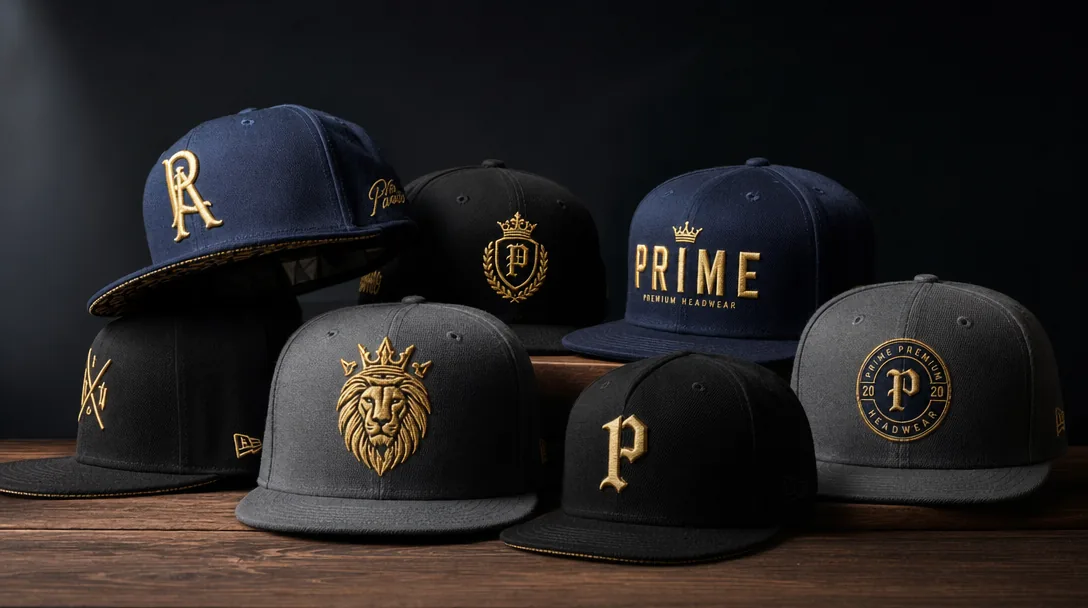
Every week, our sales team answers detailed questions about custom wool blend ball cap: a 2026 b2b sourcing guide. We wrote this guide so that wholesalers, streetwear brands, corporate buyers and promotional resellers can compare options with full information, and avoid the traps that show up only after production has started.
Organic Cotton Cap Wholesale Custom
Organic cotton cap wholesale custom is not a fabric swap; it changes the whole sourcing conversation because certified organic cotton behaves differently from standard twill. If you are comparing it against a custom wool blend ball cap, the first thing to ask the factory is whether the cotton is GOTS-certified or at least organic-content verified, then check yarn count, weave, and finishing. For structured six-panel caps, 16x12 or 20x16 cotton twill is common; for softer retail caps, washed canvas or brushed twill at 240-280 gsm is more forgiving. A serious factory should also specify sweatband material, stitch density, and whether the crown uses buckram or a lighter fuse insert. Our standard practice is to quote cotton caps with pantone-matched panels and a cleanly controlled shrink allowance, because cotton will move more than polyester when steam-pressed or washed.
Buyers usually want the factory-side numbers before they ask for samples. For a custom embroidered ball cap in organic cotton, realistic MOQ starts around 300-500 pieces per colorway if you are using stock fabric, and 1,000+ if you need custom-dyed fabric, woven labels, or specialty closures. In China, FOB pricing for a basic unwashed organic cotton cap often lands around USD 2.20-3.80 at 1,000 pieces, while heavier construction, 3D embroidery, or garment washing can push it to USD 4.50-6.50. Insist on a sample approval set that includes fabric hand-feel, color delta-E under 2.0 against your Pantone TCX, embroidery density, and closure type; otherwise you will get a decent-looking pre-production sample and a weaker bulk run. This is where a custom baseball cap manufacturer earns its keep, because the same production line may also handle wool blends, ripstop tactical cap manufacturer orders, and even a custom waterproof cap manufacturer spec without mixing trims or thread systems.
The quality failures I see most often are boring but expensive: crown panels cut off-grain, sweatbands that twist after washing, low-grade Velcro that loses grip after 20-30 cycles, and embroidery backing that shows through lighter fabrics. For organic cotton, check shade banding between lots, seam puckering around the front panels, and oil spots from sewing machine maintenance. On inspection, ask for AQL 2.5 for major defects and 4.0 for minor defects, plus pull tests on seams and closure tabs. If you are building a broader line, decide early whether the organic cotton cap is meant to sit beside a custom wool baseball cap as a premium retail item or be the value tier against your custom wool blend ball cap; that choice affects lining, branding method, carton pack-out, and target landed cost. A factory that can control all of those variables usually ships better than one that only knows how to stitch panels together.
Recycled Polyester Cap Manufacturer Bulk
Recycled polyester caps start with rPET pellets made from post-consumer bottles, then spun into filament yarn or staple fiber before weaving, knitting, or felting. For a cap factory, the important question is not “is it recycled?” but whether the fabric was made from GRS-certified feedstock, what the yarn denier is, and how the crown holds shape after steam-setting and buckram insertion. A typical bulk spec for a 6-panel custom embroidered ball cap would call for 100% recycled polyester twill at 180–220 gsm, 2/1 or 3/1 weave, pre-shrunk below 3%, with color matched to Pantone TCX and a finished Delta-E under 2.0. If you are comparing a custom baseball cap manufacturer against a ripstop tactical cap manufacturer, ask for seam slippage data, sweatband composition, and whether the factory uses Tajima, Barudan, or ZSK embroidery heads for left-chest or front-panel logos, because thread density and backing choice affect puckering more than the base fabric does.
For bulk sourcing, realistic MOQ usually lands at 300–500 pieces per colorway for a standard recycled-poly six-panel, with price tiers around $1.80–$2.80 FOB China for simple blank caps, $2.60–$4.20 for a custom embroidered ball cap with 8,000–12,000 stitches, and $4.50–$7.50 if you add bonded seams, reflective trim, or a structured sandwich bill. If the factory also claims to be a custom waterproof cap manufacturer, make them prove the laminate performance with a hydrostatic head target, not just a PU coating claim; 3,000 mm is common, 5,000 mm is better for true rain use. On the audit side, I would request GRS transaction certificates, sedex-audit-cap-supplier-guide.html">BSCI 2.0 or Sedex SMETA 4-Pillar if the buyer has compliance requirements, plus an in-line AQL 2.5 plan for panel symmetry, stitching SPI, visor curvature, and logo placement tolerance within 3 mm.
The common defects are predictable: recycled yarn lots with shade variation between rolls, shiny face after hot pressing, weak colorfastness at the sweatband, and crown collapse because the interfacing spec was copied from a cheaper custom wool baseball cap without adjusting for polyester drape. Buyers shifting between a custom wool blend ball cap and a recycled-poly program should compare handfeel, thermal behavior, and price stability across seasons; wool blends are heavier, more expensive, and more sensitive to pilling, while recycled polyester is easier to scale and usually safer for repeat production when you need consistent bulk replenishment. Our standard practice is to approve a pre-production sample, then a washed test and a fit check on head forms before cutting mass production, because the real failure mode is rarely the fabric itself — it is usually inconsistent fusing, bad embroidery tension, or a bill that warps after packing.
Ripstop Tactical Cap Manufacturer
A serious ripstop tactical cap manufacturer should be quoting more than just “6-panel with Velcro.” Ask for the exact fabric construction first: 100% polyester ripstop is common for tactical use, usually 100D x 100D or 150D x 150D with a 5 mm grid, 160–220 gsm depending on handfeel and abrasion target. For sun protection and field use, I want a full spec sheet covering yarn denier, PU or TPU coating if waterproofing is needed, crown structure, bill insert type, and seam reinforcement at the front panels and sweatband join. If the factory is also a custom waterproof cap manufacturer, they should be able to explain hydrostatic head, seam sealing, and whether the coating survives repeated bending without cracking. A competent custom baseball cap manufacturer will also give you stitch density targets, typically 8–10 stitches per inch on main seams, plus a realistic lead time: 25–35 days for samples, 30–45 days for production once fabric is in hand.
MOQ is usually 300–500 pieces per color for a tactical cap with standard fabrics, but it jumps fast if you need custom-dyed ripstop, laser-cut patch zones, or molded closures. Pricing in 2026 is usually around $2.20–$3.80 FOB for a basic unbranded style, $3.80–$6.50 for embroidery, laminated panels, or waterproof construction, and $0.40–$1.20 extra for custom labels, rubber patches, or laser-engraved buckles. The quality issues I inspect first are panel skew, stitch puckering on the ripstop grid, weak Velcro adhesion after 20 cycles, and inconsistent crown height between sizes. If the cap uses embroidery, ask whether they digitize on Tajima, Barudan, or ZSK heads and request a trim test on dense logos; poor digitizing will distort the grid and show immediately on dark polyester. For buyers comparing a custom embroidered ball cap against a custom wool baseball cap or a custom wool blend ball cap, the key tradeoff is performance versus drape: ripstop is better for durability and weather resistance, while wool blends usually win on shape, warmth, and higher perceived retail value.
The sourcing decision comes down to end use, not just fabric preference. A custom wool blend ball cap is usually a better fit for lifestyle, heritage, or premium teamwear programs, while ripstop belongs in outdoor, tactical, utility, and workwear collections where abrasion and moisture matter more than softness. If you want one factory to cover both, ask whether they can source 80/20 wool-poly or acrylic-wool blends at 280–320 gsm for the wool styles and still run technical synthetics without changing workmanship standards. Our standard practice is to treat both categories under the same AQL 2.5 inspection framework, but with different checkpoints: wool blend caps need colorfastness, pilling resistance, and crown symmetry; ripstop caps need seam integrity, coating uniformity, and hardware pull tests. That comparison matters because a custom wool blend ball cap can tolerate a slightly softer hand and higher retail margin, while a ripstop program usually lives or dies on functional consistency and low defect rates.
Working with CrownsForge for custom wool blend ball cap programs
For a custom wool blend ball cap program, the first risk is usually not the fabric; it is the sample path. Our standard practice at CrownsForge is to start with a 5-7 business day proto sample after final artwork, then a 7-10 business day pre-production sample if the build includes complex paneling, sandwich brim, contrast undervisor, or mixed trims. For first-time buyers, I recommend locking the spec sheet before decoration approval: crown height in centimeters, brim curve, stitch count, sweatband composition, and wool blend ratio, usually 50/50 wool-poly or 80/20 wool-viscose depending on hand-feel and pilling targets. A real custom wool baseball cap should also have a clear shrinkage tolerance, because wool blends can move 2-4% after steam setting if the fabric is not stabilized correctly.
MOQ flexibility matters more than most sourcing teams admit. We can usually start custom embroidered ball cap runs at 200-300 pieces per colorway if the artwork is simple, and scale to 1,000+ units once lab dips and fit approval are signed off. For buyers comparing a custom wool blend ball cap against a ripstop tactical cap manufacturer or a custom waterproof cap manufacturer, the key difference is process discipline: wool blends need tighter shade control, while ripstop and coated fabrics need seam sealing or PU compatibility checks. Decoration is done in-house on Tajima, Barudan, and ZSK heads, which lets us control 3D puff density, flat embroidery registration, and applique edge quality without handing the job to a third party. That cuts correction loops by at least one round and keeps sampling costs from drifting.
Compliance and order management are where bad suppliers get exposed. For bulk runs, we work to AQL 2.5 for major defects and AQL 4.0 for minor defects, with incoming checks on crown fabric gsm, brim board thickness, thread tension, and color delta against Pantone TCX targets; anything over Delta-E 2.0 needs review before production release. Buyers who need retail or licensed distribution should ask for BSCI 2.0 or Sedex SMETA 4-Pillar documentation, plus fiber content and country-of-origin labeling that matches the commercial invoice exactly. The workflow is simple but strict: tech pack confirmation, strike-off or embroidery sew-out, pre-production approval, inline inspection at 30%, final packing check, then carton-level photo reporting before shipment. That is how you de-risk a custom wool blend ball cap order when you are scaling from test buys to repeat production across multiple seasons.
Frequently Asked Questions
Which shipping methods do you support?
We support FOB, CIF and DDP shipping. Air express for samples and small orders, sea LCL for 100 to 500 pieces, sea FCL for 5,000+ pieces. Door-to-door DDP available for US, EU, UK, Canada and Australia.
What logo decoration techniques do you offer?
3D puff embroidery, flat embroidery, woven patch, leather patch, PVC patch, screen printing, sublimation, applique and laser etching, all in-house with no subcontracting.
Do you support sustainability certifications?
Yes. We work with GOTS organic cotton, GRS-certified recycled polyester, OEKO-TEX Standard 100 fabrics, and are BSCI and Sedex audited. Certification documentation can be provided per order.
Can I order a sample before bulk production?
Yes. We strongly recommend approving a pre-production sample before mass production. Samples are charged at 35 to 60 USD each plus express shipping, fully refundable against confirmed bulk orders over 500 pieces.
What file format should I send for my logo?
Vector files (AI, EPS, PDF) are ideal. High-resolution PNG or JPG at 300 dpi on transparent background works as a fallback. Provide Pantone color references for accurate reproduction.
How do I find a reliable custom waterproof cap manufacturer?
When evaluating custom waterproof cap manufacturer, the key considerations are construction quality, decoration capability, MOQ flexibility and lead time. Cover everything buyers ask about recycled polyester cap manufacturer bulk: how it's manufactured, what specs to request from a factory, typical MOQ and pricing, common quality issues to inspect for, and how this ties back to the broader custom wool blend ball cap sourcing decision. Cover everything buyers ask about ripstop tactical cap manufacturer: how it's manufactured,…
How does ordering custom embroidered ball cap work?
When evaluating custom embroidered ball cap, the key considerations are construction quality, decoration capability, MOQ flexibility and lead time. Cover everything buyers ask about organic cotton cap wholesale custom: how it's manufactured, what specs to request from a factory, typical MOQ and pricing, common quality issues to inspect for, and how this ties back to the broader custom wool blend ball cap sourcing decision. Cover everything buyers ask about recycled polyester cap manufacturer bulk: how it's…
How does ordering baseball cap custom embroidery work?
When evaluating baseball cap custom embroidery, the key considerations are construction quality, decoration capability, MOQ flexibility and lead time. Cover everything buyers ask about organic cotton cap wholesale custom: how it's manufactured, what specs to request from a factory, typical MOQ and pricing, common quality issues to inspect for, and how this ties back to the broader custom wool blend ball cap sourcing decision. Cover everything buyers ask about recycled polyester cap manufacturer bulk: how it's…
What should I know about custom golf cap rope bulk?
When evaluating custom golf cap rope bulk, the key considerations are construction quality, decoration capability, MOQ flexibility and lead time. Cover everything buyers ask about recycled polyester cap manufacturer bulk: how it's manufactured, what specs to request from a factory, typical MOQ and pricing, common quality issues to inspect for, and how this ties back to the broader custom wool blend ball cap sourcing decision. Cover everything buyers ask about organic cotton cap wholesale custom: how it's…
Looking for a reliable hat manufacturer in China?
CrownsForge has produced custom hats for 800+ brands across 40 countries. From 100-piece launches to 100,000-piece retail programs, we deliver on time and on spec.
Get in touchRelated guides
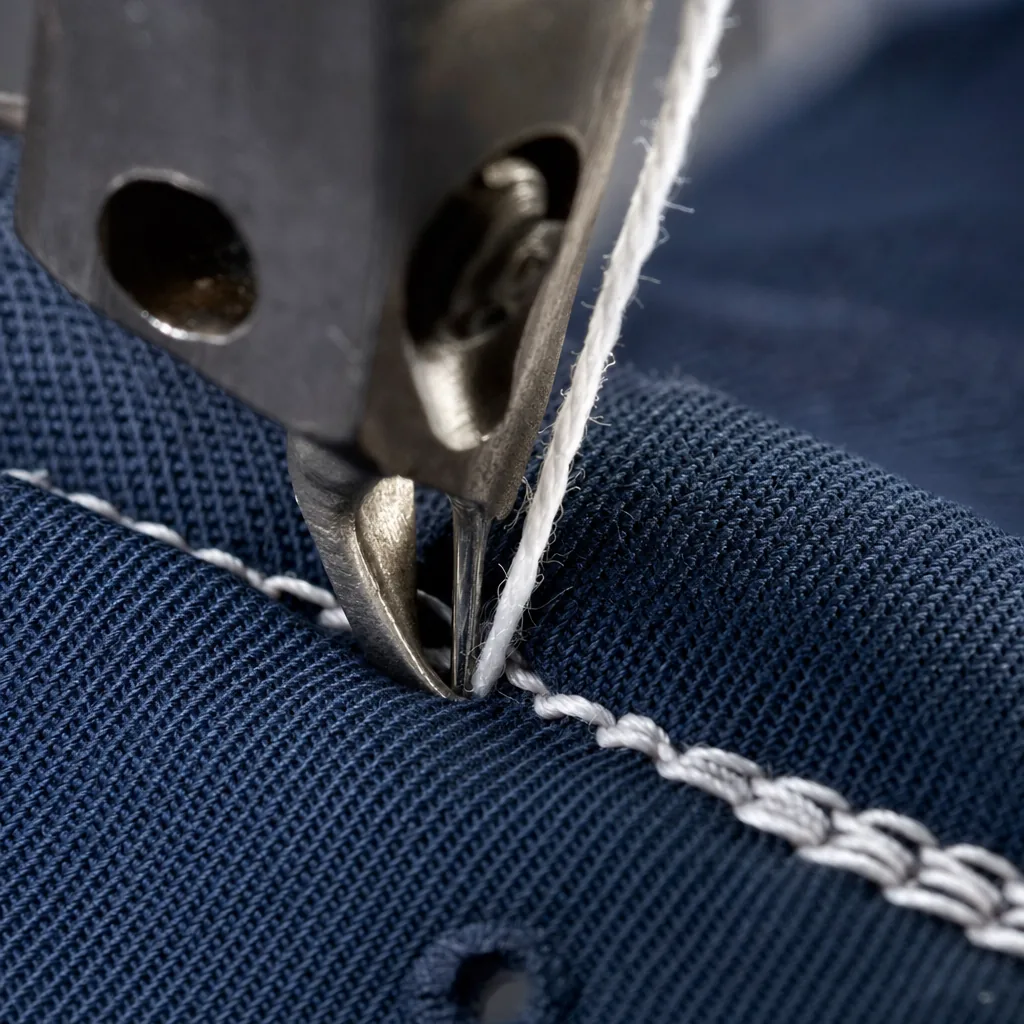
Embroidery Thread Libraries: Madeira, Isacord and What Your Cap Factory Uses
Read article →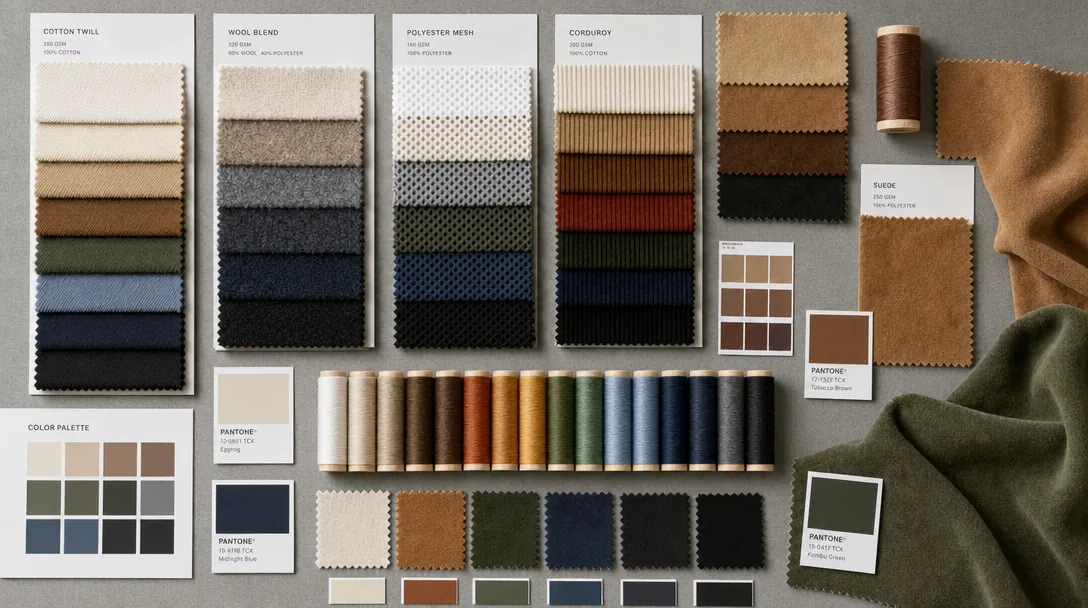
Cotton Twill Baseball Cap: Properties, Costs and How to Spec It Right
Read article →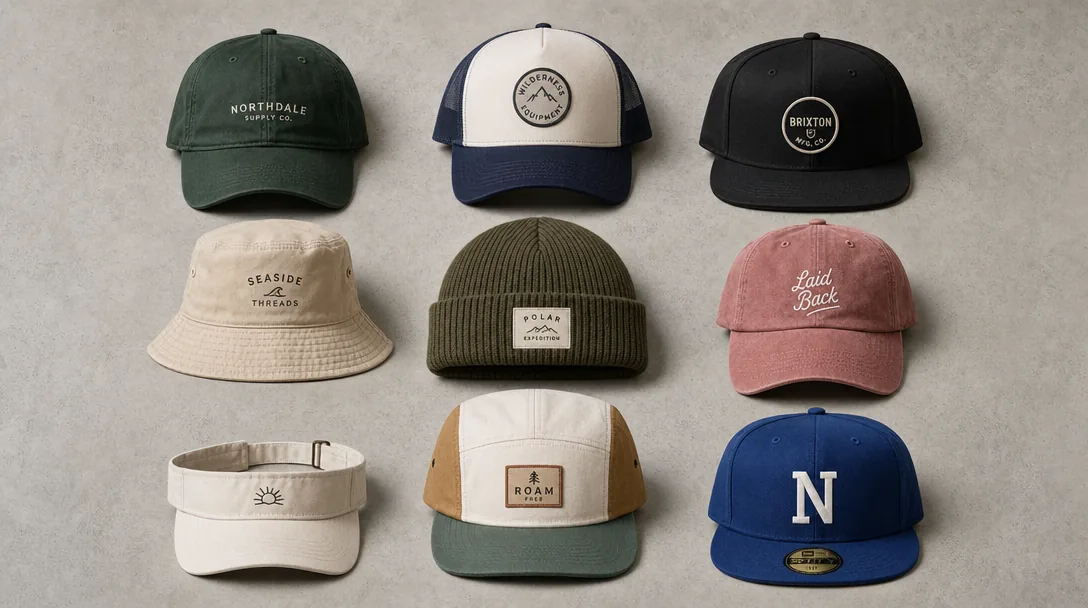
Promotional Caps & Corporate Gifts: Bulk Custom Hats for Brand Events
Read article →If you are ready to take the next step on custom wool blend ball cap: a 2026 b2b sourcing guide, our team can put a tailored quotation and digital mock-up in your inbox within 24 hours. Send the inquiry form on our contact page or message us directly on WhatsApp.