
Custom Made Trucker Hat: The 2026 Sourcing & Manufacturing Playbook (2026 Update) (2026 Update) - 2026 Buyer's Guide - Cost & MOQ Breakdown
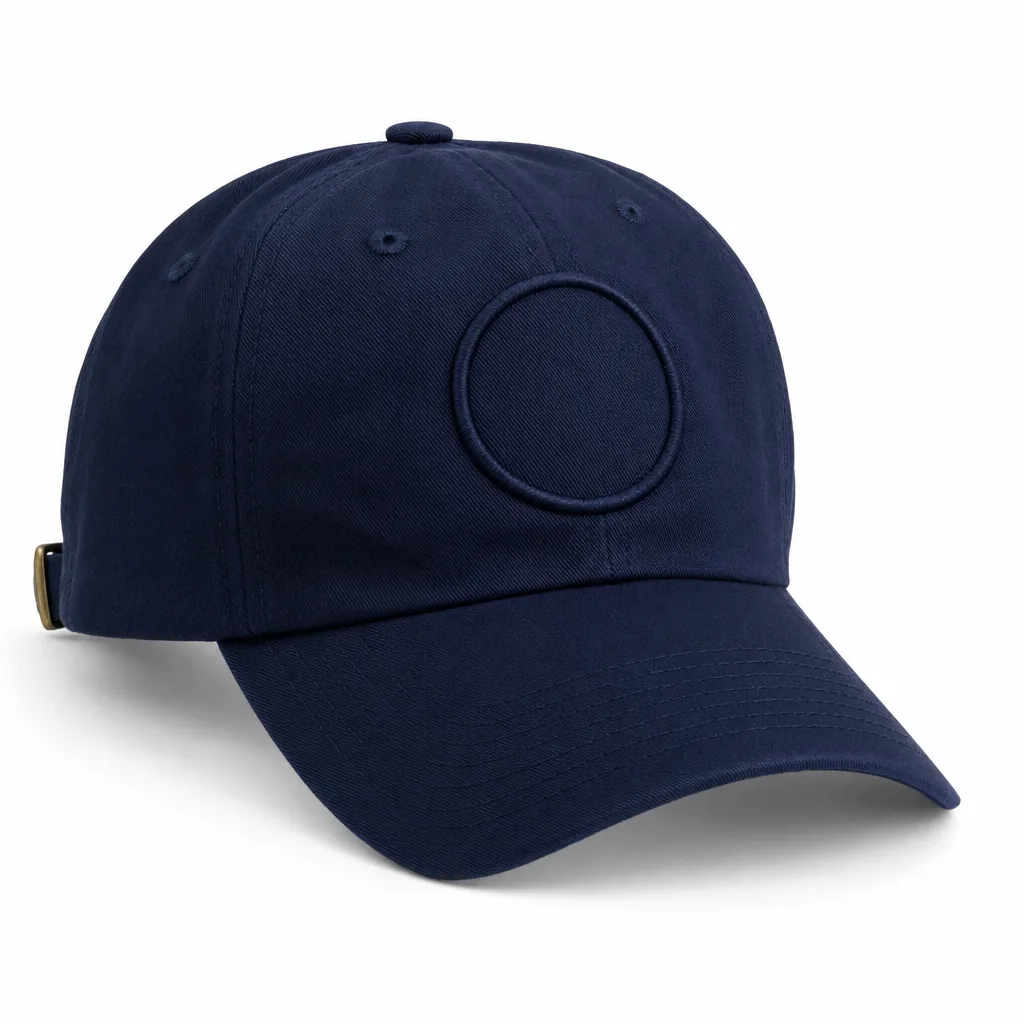
Custom Made Trucker Hat: The 2026 Sourcing & Manufacturing Playbook (2026 Update) (2026 Update) - 2026 Buyer's Guide - Cost & MOQ Breakdown is one of the most-asked questions we receive from international buyers, and for good reason. With dozens of factories competing for your order and an alphabet soup of technical terms in every supplier quote, even experienced importers can feel lost. This guide consolidates what we have learned producing custom hats for clients in 40+ countries.
Custom Embroidered Hats
Custom embroidered hats usually come down to one production decision that changes the entire build: direct embroidery on the front panel or embroidery on a separate patch that is sewn or heat-applied later. On a custom made trucker hat, direct stitch is the cleaner option when the art is simple, the stitch count stays under about 8,000, and the front panel has enough structure to hold tension. Once you push into fine serif type, small counters, gradient-like shading, or oversized crests, the foam or low-gsm front starts to pucker and the cap looks strained. A competent factory should ask for the native file format up front, usually DST, EMB, or AI/PDF for digitizing, then confirm the stitch count, underlay, backing, thread brand, and a sew-out photo before bulk approval. I also want to see the needle sequence and whether the panel is laminated or foam-backed, because both affect penetration, heat, and edge clean-up. Pantone TCX is still the right reference for the target shade, but thread color has to be judged visually first, then checked against Delta-E as a tolerance band, not treated like a perfect match.
Pricing and MOQ are driven more by decoration method than by the cap shell itself. For a standard custom made trucker hat, 300 to 500 pieces is a realistic MOQ for direct embroidery, while patch construction can sometimes start at 100 to 200 pieces because the patch run is decoupled from the cap sewing line. In Yiwu, a basic six-panel trucker with front embroidery usually lands around $2.20 to $4.20 FOB at 500 pieces, with 3D puff, woven labels, rope inserts, sandwich bills, custom underbill print, or heavier mesh such as 100 percent polyester 600D pushing it higher. Sampling is not cheap once you include digitizing revisions, hand labor, and courier; a serious pre-production package often runs $35 to $120. Ask for a split quote by body, decoration, and packaging so you can see whether the cost is sitting in stitching, trims, or fulfillment instead of guessing at a blended number.
The defects are predictable if you know where to look. Check for puckering around dense lettering, broken stitches at start-stop points, loose jump threads, crooked patch placement, and front panel collapse after steaming or pressing. On mesh-back styles, the face panel should stay square after embroidery; if the shop over-needles the crown, the hat twists and sits badly on the head. For inspection, I would set AQL 2.5 for major defects, verify sweatband colorfastness, and run at least one wash or heavy-sweat simulation if the buyer is selling into sports or workwear. Our standard practice is to lock the decoration spec before bulk cutting, because once 5,000 units are in motion, a bad stitch map is usually a scrap decision, not a repair. That matters especially on a custom made trucker hat, where mesh tension, foam density, and front-panel stabilizer all react differently to heat, moisture, and needle penetration.
Custom Hat Embroidery
Custom hat embroidery is a production step, not decoration. For a custom made trucker hat, start with vector art, a target logo width in millimeters, and Pantone TCX or Pantone C references, then digitize to DST or EMB for Tajima, Barudan, or ZSK heads. On a structured front panel, a clean flat logo usually lands around 7,000 to 14,000 stitches, with satin columns of 3 mm to 4 mm for letters, plus proper underlay to prevent sinkage. Ask for thread brand, needle count, minimum stroke width, seam clearance, and whether the front is cotton twill, foam-backed mesh, or a lighter laminate that needs reduced stitch density. CrownsForge’s standard practice is to approve a physical sew-out before bulk, because a file that looks correct on screen can fail once it hits curved foam, soft backing, or a narrow seam allowance.
Push the spec until the factory has no room to improvise. For a custom made trucker hat, request a sew-out photo measured against approved artwork, plus backing weight, cap frame type, thread color code, and any patch or applique callout if the logo is too detailed for direct stitch. Direct embroidery usually makes sense at 100 to 300 pieces per colorway, while patch-backed or special-panel programs often move to 500 pieces. In China, a simple 6,000 to 10,000-stitch logo commonly adds about USD 0.80 to 2.50 per hat, with higher labor for puff embroidery, metallic thread, or multi-location branding. Keep blank cap cost separate from embroidery cost when comparing quotes, because a low embroidery line item can hide an expensive base hat.
The recurring failures are predictable: thread tension too tight, underlay too light, registration drift on the second color, puckering on lightweight foam, and logos placed too close to the seam or mesh break. Inspect the first carton under AQL 2.5 with a ruler and magnifier, not just by eye, and check stitch density, skipped stitches, thread tails, needle punctures, and whether the backing is trimmed flush enough to avoid skin irritation. A proper custom made trucker hat also needs a bend test, because stiff backing that cracks after one fold means the factory optimized for appearance instead of wear. When the artwork is small, letter-heavy, or highly detailed, a woven patch or PVC patch is usually the better call than direct embroidery, especially on low-density foam fronts or soft structured mesh where stitch pull can distort the logo.
Custom Trucker Hat
A custom made trucker hat is decided before decoration ever starts. The real levers are crown build, mesh grade, and front-panel reinforcement: a 5-panel foam front wears differently from a 6-panel structured cap with buckram or midweight nonwoven backing, and a 100% polyester mesh back holds shape better than a soft nylon blend. For quoting, specify panel height, center seam or no center seam, visor curve, sweatband construction, closure type, and the artwork size in millimeters. If the logo is embroidered, the factory should digitize for Tajima, Barudan, or ZSK heads, with stitch density tuned to the shell fabric so the face panel does not pucker. For patches, call out backing, border finish, and attachment method; for print, lock Pantone TCX or CMYK targets and a Delta-E tolerance instead of saying “close enough.”
MOQs for overseas production are usually 300 to 500 pieces per colorway, with some stock-base programs starting at 100 to 200 units if the decoration is simple. In China, a blank cap in a standard polyester-mesh and cotton-twill build may land around $1.20 to $2.20 FOB, while a decorated custom made trucker hat with embroidery, woven patch, or PVC badge usually runs $2.40 to $4.80 FOB depending on stitch count, fabric choice, and packaging. Add $0.20 to $0.60 for polybagging, hangtags, or barcode stickers, and budget $30 to $80 per sampling round before freight. The practical decision is not whether to go cheaper; it is whether you are sourcing a promo trucker or a retail program, because that changes the factory lineup, the tolerance stack, and how much rework you can absorb.
Quality control should focus on the defects that actually show up on wear. Check crown symmetry, mesh tension, sweatband attachment, visor lamination, snapback strength, and embroidery registration; loose threads over 3 mm, logo drift, crown tilt, and wrinkled front panels are common rejection points on receipt. For production control, AQL 2.5 is the normal visual-inspection baseline, but tighter programs should lock critical dimensions like crown height, brim curve, and logo placement to within ±2 mm. CrownsForge’s standard practice is to approve one physical sample against a written spec sheet before bulk starts, because “same as sample” is not a spec and it usually becomes a dispute later. On a custom made trucker hat order, measurable standards beat verbal approval every time: exact materials, exact decoration files, exact tolerances, and a lot that can be repeated without guessing.
Custom Trucker Hats
If the order is for resale, the cheapest line item is usually the one that causes the most pain later. A custom made trucker hat with stitched patches and a clean 60/40 poly-cotton front can look fine on a vendor quote, then lose margin through rework when the patch placement shifts 3 mm or the visor curve is inconsistent across the batch. Buyers should also ask for the actual closure spec, because a 7-position plastic snap is not the same as a self-fabric strap with metal buckle in either cost or fit control. For promotion or team programs, spend the extra time on head circumference grading, sweatband spec, and print placement tolerances; those are the details that separate a saleable production run from a cheap-looking one.
Hat Trucker Custom
The defects that matter are measurable in hand, not vague impressions. Check crown symmetry, front panel stiffness, mesh recovery after compression, visor stitch density, and whether the sweatband is properly taped instead of loosely folded in by hand. On a trucker custom hat, the usual failures are off-center embroidery, puckering around dense logos, weak snap closures, mismatched dye lots between front and mesh, and warped brims from poor heat-setting. A proper inspection plan should use AQL 2.5 for general apparel defects, with tighter control on logo position, size variance, and color consistency across the lot. For retail or team orders, approve size and pre-production samples before bulk, then verify carton count, moisture protection, and drop resistance before shipment. That is where a custom made trucker hat either holds spec through sewing, packing, and export, or quietly turns into a margin leak.
Trucker Custom Hat
A custom made trucker hat is a bundle of production choices, not a logo slapped onto foam. The fit and hand feel come from crown height, panel count, mesh denier, front-panel reinforcement, brim curve, and closure type. In a real factory flow, the front panels are cut in foam or buckram, stitched to polyester or nylon mesh backs, the visor is formed and topstitched, then the sweatband, eyelets, labels, and decoration are added before blocking and final packing. A spec sheet that does not name the panel count, crown height, bill length, closure hardware, mesh gauge, and color target in Pantone TCX or PMS is too vague to quote correctly. If the logo is embroidered, call out stitch count, thread brand, backing type, and digitizing notes for Tajima, Barudan, or ZSK heads; otherwise you are approving a sample image, not a repeatable order.
For MOQ and pricing, 300 to 500 pieces per colorway is the normal floor if you want sane unit economics and consistent materials. Smaller runs of 100 to 200 pieces are possible, but they usually carry a higher setup charge and less leverage on fabric, patch, and packing costs. In Yiwu and comparable sourcing clusters, a basic polyester foam-front custom made trucker hat with one-color embroidery often lands around $1.35 to $2.10 FOB at 500 pieces; a structured six-panel version with a woven patch, plastic snapback, and custom inner taping is more commonly $2.20 to $3.80, depending on mesh quality, labor, and carton packing. Costs move quickly once you add washed cotton twill, thick sandwich bills, PVC patches, or multi-location decoration, so a quote should separate cap body, decoration, and packaging line by line.
The common failures are mechanical and easy to spot if you know where to look: warped brims, off-center seams, weak mesh that collapses after steaming, loose embroidery backing, oil marks from handling, and snap closures that crack in cold transit. On inspection, check panel symmetry, crown height within 3 to 5 mm, logo placement against the center seam, and stitch density at stress points; for branded programs, color should stay within Delta E 2.0 to 3.0 against the approved standard. AQL 2.5 is the normal baseline for apparel bulk checks, with a sealed golden sample and approved top, side, and back pre-production photos used as the reference set. For promotion-only runs, buy the cheapest acceptable custom made trucker hat. For retail, licensing, or streetwear, pay for better mesh, tighter panel control, and a decoration method that survives wear, steam, and transit without drifting off spec.
Working with CrownsForge for custom made trucker hat programs
A serious custom made trucker hat program starts with one question: can the factory turn artwork into a true pre-production sample without guessing. A credible sample window is 7 to 10 days after the final vector file, Pantone TCX references, crown height, mesh gauge, bill curve, and closure type are frozen. If those inputs are still moving, the clock slips because stitch registration, panel tension, and foam shaping all shift with every revision. The sample should arrive with measurements, not just photos: crown depth in millimeters, front panel backing spec, stitch count, seam allowance, embroidery density, and a color match written to a Delta-E target of 2.0 or better. That is the difference between a repeatable custom made trucker hat and a loose interpretation that changes once bulk sewing starts.
MOQ should reflect commercial risk, not a factory's preferred carton count. For stock-based builds using existing panels, mesh, and snapbacks, 100 to 300 pieces per colorway is realistic. For a fully bespoke custom made trucker hat with private labeling, woven labels, custom taping, matched thread, and specialty trim, 300 to 500 pieces is a more honest starting point. In practice, the cleanest path is to launch one or two silhouettes first, then roll the stronger seller into replenishment without reopening the entire file. CrownsForge's standard practice is to keep the first order tight, prove fit and sell-through, and only then widen the range once the buyer has actual demand data instead of assumptions.
Decoration and trim drive cost faster than most buyers expect, so process choice comes before aesthetics. Direct embroidery on Tajima, Barudan, or ZSK heads is the cleanest route for a custom made trucker hat when the logo is simple and the run stays under 10,000 pieces; 3D puff adds foam, extra trim, and a higher reject rate on small lettering. Woven patches, sublimated underbills, seam tape, and heat-transfer labels each create different failure points, which is why a sample that looks good in photos can still fail on the line. A practical FOB range for a 5-panel or 6-panel custom made trucker hat with a structured foam or buckram front, polyester mesh back, and standard plastic snapback is about USD 2.20 to 4.80, depending on stitch count, patch complexity, and packing spec. Metallic thread, contrast underbill printing, or upgraded closures move both labor and MOQ up quickly.
Compliance and order control are where sourcing stops being guesswork. A sedex-audit-cap-supplier-guide.html">BSCI 2.0 or Sedex SMETA 4-Pillar audit does not make a weak factory strong, but it does tell you whether labor, safety, and traceability systems are documented behind the quote. For export programs, I want fabric composition records, needle policy logs, carton drop-test specs, and an AQL 2.5 inspection plan written before bulk cutting starts. That matters more on a custom made trucker hat than on a generic blank because the buyer is paying for repeatability, shade consistency, and documented tolerances as much as the hat itself. The cleanest orders use one approval chain, one owner on each side, sealed color chips, and a revision log that records every change after sampling, so nobody argues later about crown height, logo placement, or mesh color.
Frequently Asked Questions
How long does production take?
Sampling takes 7 to 12 days. Bulk production runs 20 to 30 days depending on quantity, fabric availability and decoration complexity. Inspection and packing adds another 3 to 5 days before shipment.
What logo decoration techniques do you offer?
3D puff embroidery, flat embroidery, woven patch, leather patch, PVC patch, screen printing, sublimation, applique and laser etching, all in-house with no subcontracting.
Which shipping methods do you support?
We support FOB, CIF and DDP shipping. Air express for samples and small orders, sea LCL for 100 to 500 pieces, sea FCL for 5,000+ pieces. Door-to-door DDP available for US, EU, UK, Canada and Australia.
What is the minimum order quantity (MOQ) for custom hats?
Our standard MOQ is 100 pieces per design and color, with sampling available from 1 piece. For complex multi-color logos or premium fabric upgrades, the MOQ can be lowered with a small per-piece surcharge.
What file format should I send for my logo?
Vector files (AI, EPS, PDF) are ideal. High-resolution PNG or JPG at 300 dpi on transparent background works as a fallback. Provide Pantone color references for accurate reproduction.
How does ordering custom hat trucker work?
When evaluating custom hat trucker, the key considerations are construction quality, decoration capability, MOQ flexibility and lead time. Cover everything buyers ask about custom embroidered hats: how it's manufactured, what specs to request from a factory, typical MOQ and pricing, common quality issues to inspect for, and how this ties back to the broader custom made trucker hat sourcing decision. Cover everything buyers ask about custom hat embroidery: how it's manufactured, what specs to request from a…
How does ordering custom embroidered trucker hats work?
When evaluating custom embroidered trucker hats, the key considerations are construction quality, decoration capability, MOQ flexibility and lead time. Cover everything buyers ask about custom embroidered hats: how it's manufactured, what specs to request from a factory, typical MOQ and pricing, common quality issues to inspect for, and how this ties back to the broader custom made trucker hat sourcing decision. Cover everything buyers ask about custom trucker hats: how it's manufactured, what specs to request from a…
How does ordering custom made hats for men work?
When evaluating custom made hats for men, the key considerations are construction quality, decoration capability, MOQ flexibility and lead time. Cover everything buyers ask about custom embroidered hats: how it's manufactured, what specs to request from a factory, typical MOQ and pricing, common quality issues to inspect for, and how this ties back to the broader custom made trucker hat sourcing decision. Cover everything buyers ask about custom trucker hats: how it's manufactured, what specs to request from a…
How does ordering high quality custom trucker hats work?
When evaluating high quality custom trucker hats, the key considerations are construction quality, decoration capability, MOQ flexibility and lead time. Cover everything buyers ask about custom embroidered hats: how it's manufactured, what specs to request from a factory, typical MOQ and pricing, common quality issues to inspect for, and how this ties back to the broader custom made trucker hat sourcing decision. Cover everything buyers ask about custom trucker hats: how it's manufactured, what specs to request from a…
How much should a trucker hat cost?
Trucker Hats Known for their mesh back panels, perfect for ventilation. Average cost: $5 - $60+ depending on the brand.
Who makes the highest quality trucker hats?
Richardson Trucker Hats. Richardson makes some of the best men's trucker hats with high quality and comfort. ... New Era Trucker Hats. New Era makes some of the best-looking trucker hats with stylish designs and a perfect fit. ... Adidas Trucker Hats. ... Pacific Headwear Trucker Hats. ... Dri Duck Trucker Hats.
How much do people charge for custom hats?
Rubber and Embroidered Patch Hats: Prices begin at $20 for 50 pieces (minimum) and reduce to $16.75 per hat for 100+. Embroidered Hats: Prices start at $22 each for 25 pieces (minimum) and go down to $16.75 per hat for 100+.
What does a 47 trucker hat mean?
The '47 or 47 on hats and caps refers to the '47 Brand company. '47 refers to 1947, which is the year that the '47 Brand company was started by Italian immigrant brothers, Henry D'Angelo and Arthur D'Angelo.
Ready to start your custom hat project?
Send us your tech-pack, sketch or even just an inspiration photo. We will respond with a detailed quotation and digital mock-up within 24 hours.
Request a free quoteRelated guides
Promotional Caps & Corporate Gifts: Bulk Custom Hats for Brand Events - Supplier Checklist
Read article →
Mens Beanies: Properties, Costs and How to Spec It Right (2026 Update)
Read article →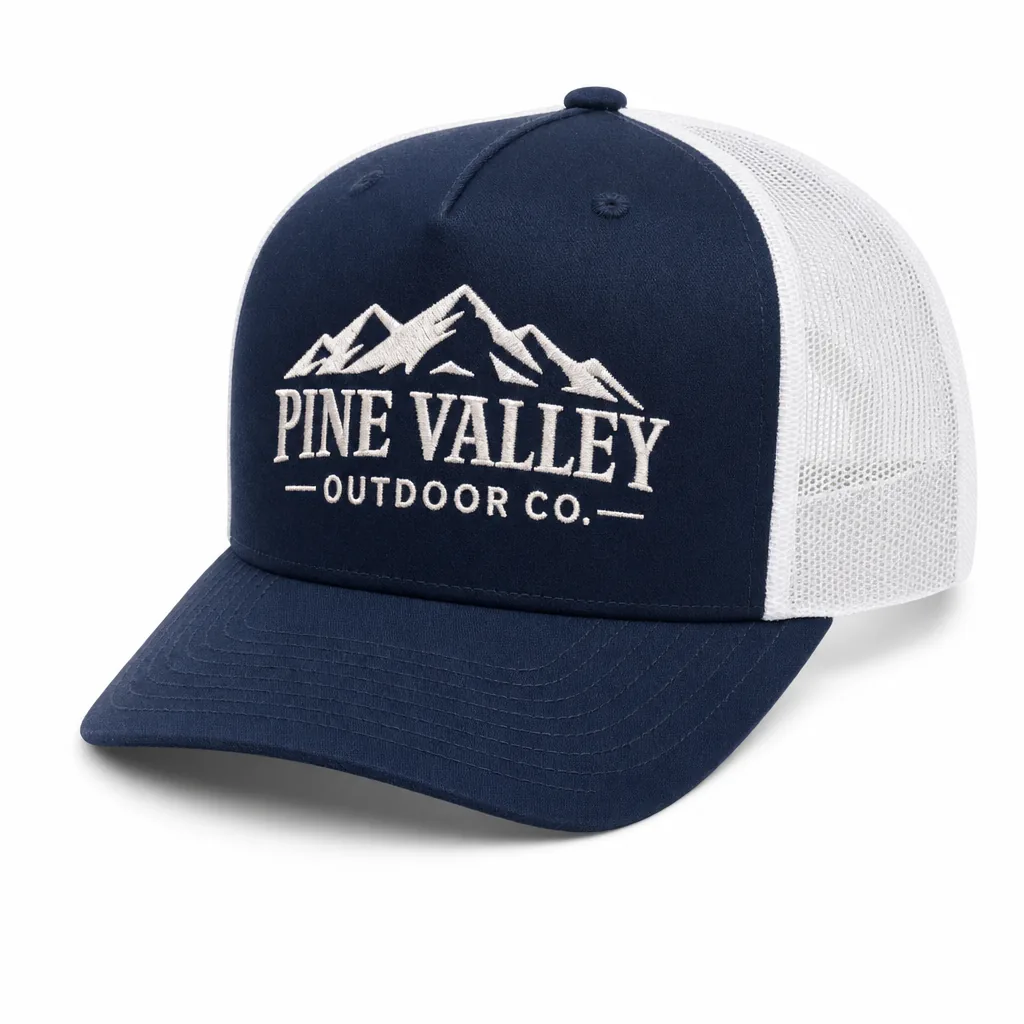
Mesh Caps Wholesale: Trucker Cap Manufacturing Specifications and Pricing - Supplier Checklist
Read article →If you are ready to take the next step on custom made trucker hat: the 2026 sourcing & manufacturing playbook (2026 update) (2026 update) - 2026 buyer's guide - cost & moq breakdown, our team can put a tailored quotation and digital mock-up in your inbox within 24 hours. Send the inquiry form on our contact page or message us directly on WhatsApp.