
Custom Made Trucker Hat: The 2026 Sourcing & Manufacturing Playbook (2026 Update) (2026 Update) - 2026 Buyer's Guide - Cost & MOQ Breakdown - 2026 Buyer's Guide
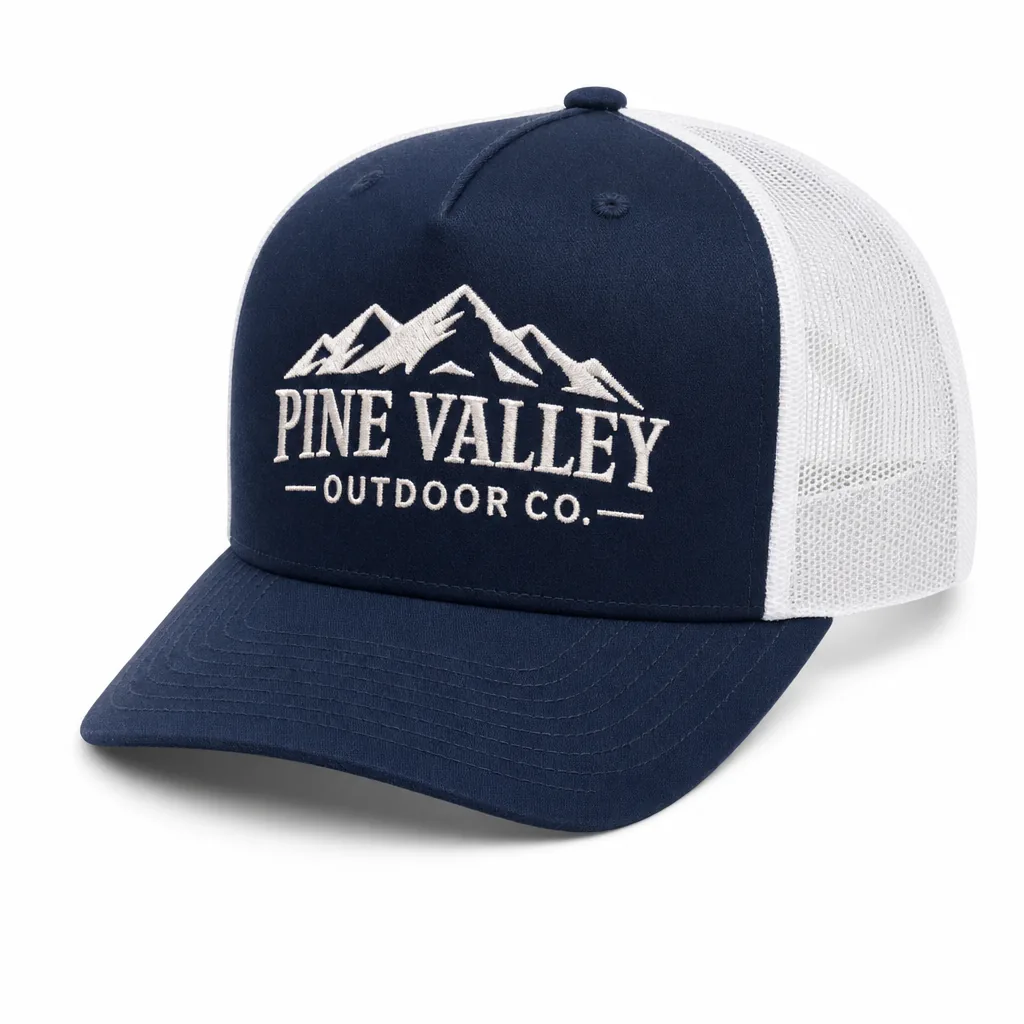
Every week, our sales team answers detailed questions about custom made trucker hat: the 2026 sourcing & manufacturing playbook (2026 update) (2026 update) - 2026 buyer's guide - cost & moq breakdown - 2026 buyer's guide. We wrote this guide so that wholesalers, streetwear brands, corporate buyers and promotional resellers can compare options with full information, and avoid the traps that show up only after production has started.
Custom Embroidered Hats
Embroidery is still the quickest way to make a custom made trucker hat look retail-ready, but the make-or-break step is digitizing for the actual cap profile, not cleaning up the AI file. A 5-panel foam trucker behaves very differently from a 6-panel buckram front: foam crowns compress, rebound, and exaggerate push-pull on wide fills. On the floor, we normally run front logos on Tajima or Barudan multi-heads at 700 to 850 stitches per minute with 40 wt polyester thread; faster than that, dense fills start flagging and edge satin loses definition. A usable embroidery spec should define maximum logo size, target stitch count, center-front tolerance of ±2 mm, thread brand or equivalent, and color reference in Pantone TCX or Pantone Coated. For 3D puff, 2 mm to 3 mm EVA foam is standard, but the artwork must cooperate: satin columns need enough width, usually at least 1.2 mm, and small counters or thin serifs will collapse after trimming. Side embroidery on standard trucker mesh is usually poor practice because 75D to 150D polyester mesh deflects under the needle; if a buyer insists on side branding, a woven patch, twill patch, or heat-applied TPU badge gives cleaner results and fewer rejects.
Bulk consistency comes from a cap tech pack, not from repeated email notes. Buyers should lock down front fabric composition and weight—240 to 280 gsm cotton twill, 10 oz brushed canvas, or poly-cotton foam laminate—plus mesh denier, sweatband construction, snapback resin grade, visor board thickness, brim stitch rows, seam tape color, and button material. For embroidery approval, insist on a digitized sew-out on the actual crown material, not just on backing cloth, and define backing cleanup, thread sheen, and ownership of the DST or EMB file. If you are matching licensed or branded colorways, a Delta-E tolerance of 1.5 to 2.0 on the front panel is realistic; thread can be close while the cap body drifts enough to look wrong at retail. In China, MOQ for one colorway is usually 144 to 300 pieces, with much better line efficiency at 500-plus. A standard custom made trucker hat with flat embroidery typically lands around $2.20 to $3.80 FOB Ningbo or Shanghai at 300 to 500 units. Add roughly $0.15 to $0.35 for 3D puff, $0.10 to $0.25 for a side hit, $0.08 to $0.18 for back arch embroidery, and more for woven labels, printed seam tape, or individual retail packaging.
The defects that actually hurt sell-through are usually subtle: color registration drifting half a millimeter, buried thread breaks inside fills, bobbin loops on the inside, puckering around over-digitized areas, or front panels crushed by over-hooping and then disguised with steam. AQL 2.5 is the right baseline for finished hats, but the inspection points need to be cap-specific: logo legibility at 1 meter, satin edge continuity, crown symmetry, visor curvature, stitch density consistency, and rebound of the front panel after carton compression. On foam truckers, an embroidery file can sew clean in inline inspection and still distort after shaping, packing, or a 25-day ocean transit if the panel tension was wrong at embroidery. Our standard practice is to check top-of-production, inline, and final packed samples because embroidery and cap assembly cannot be treated as separate processes. When factories split cut-and-sew and embroidery across subcontractors, root-cause analysis gets sloppy fast, and the buyer ends up arguing over whether the problem came from digitizing, foam density, stabilizer choice, or crown construction instead of receiving a shelf-ready custom made trucker hat.
Custom Hat Embroidery
Embroidery is where a custom made trucker hat stops being a blank with decoration and starts showing whether the factory understands cap construction. A proper file should be digitized as DST for Tajima, Barudan, or ZSK multi-head machines, with stitch direction, underlay, pull compensation, trims, thread sequence, and backing specified before the PP sample. On 5-panel foam-front truckers, satin columns wider than 10-12 mm often tunnel the foam and create a ridge around the logo; on structured cotton twill or poly-cotton fronts, 0.38-0.45 mm stitch spacing with 75D/2 or 120D/2 polyester thread is usually more stable. The tech pack should list logo width and height in millimeters, placement from visor seam and center line, thread brand, Pantone TCX target, backing type, and whether the execution is flat embroidery, 3D puff, applique, chenille, or a mixed technique. Any artwork crossing the center seam needs separate approval, because even well-maintained machines can show 1-2 mm outline shift from needle deflection and panel thickness.
Decoration cost is driven by stitch count, setup time, thread changes, machine speed, and manual finishing. For China production, 144 pieces is a realistic low MOQ for one front logo, but 300-600 pieces normally gives cleaner scheduling, better thread shade consistency, and lower unit cost. Digitizing is usually $25-$60 per logo if billed separately. A 6,000-8,000 stitch flat front logo adds about $0.35-$0.80 per cap; 3D puff typically adds $0.60-$1.20 because EVA foam must be placed, stitched slower, torn away cleanly, and hand-trimmed. A 12,000-15,000 stitch front logo with side embroidery can exceed $1.50 before the blank cap cost, especially with five or more thread colors. Our standard practice at CrownsForge is to quote embroidery as its own line item, because it exposes whether the buyer is paying for real stitch work or a vague decoration surcharge.
Inspection should measure logo stability, panel shape, and wearer comfort, not just whether the artwork is present. Under AQL 2.5, pull samples across cartons and check logo center within +/-2 mm horizontally and +/-3 mm vertically against the approved PP sample; premium retail programs should lock tighter tolerances before bulk cutting starts. Check thread color under D65 lighting, because Delta-E above 1.5-2.0 is visible on clean brand colors such as red, royal blue, white, and black. The most common failures are puckered front panels, mesh caught in the hoop, loose bobbin thread, bird-nesting inside the crown, skipped stitches over the center seam, puff foam showing at corners, and backing that feels abrasive on the forehead. If the sample already shows density problems, poor trimming, or shade drift, bulk production will usually get worse under deadline pressure. Embroidery is a factory-floor control test: hooping discipline, needle condition, tension setting, and machine maintenance all show up in the finished cap.
Custom Trucker Hat
A custom made trucker hat should be specified as a mixed-material product, not priced like a stock baseball cap. The front panel drives both appearance and failure risk. A classic 5-panel trucker usually uses 3 to 5 mm PU or polyester foam laminated to tricot; if the lamination weight is uneven, dense embroidery will tunnel, ripple, or lean after heat setting. For a cleaner retail finish, many buyers switch to a 6-panel build with 180 to 240 gsm cotton twill or poly-cotton twill on the front crown, often around a 108x56 or 128x60 construction, because it supports satin columns, tatami fills, and 3D puff with less distortion. The back mesh also needs a real spec, not “poly mesh.” In production terms, that means calling out yarn denier, hole geometry, and recovery. A 60D to 75D polyester mesh is common on price-driven promo caps, while 100D-plus mesh with tighter rebound performs better for streetwear and team programs where the cap gets worn hard. Color control is another place buyers leave too much to factory interpretation. Twill can usually be matched to Pantone TCX within Delta-E 1.0 to 1.5 under D65 light-box review, but mesh and snapback resin rarely track the same because dyed yarn and injected plastic reflect light differently. On black, navy, and dark olive styles, that mismatch is obvious if the closure is sourced from a different vendor lot than the crown fabric. The practical fix is to approve a material card showing front fabric, mesh, sweatband, seam tape, top button, visor edge, and snap in one set before bulk. Our standard practice is also to test visor recovery after 24-hour carton compression, because lower-grade PE board will take a permanent wave long before embroidery quality fails.
Decoration is where unit cost and rejection rate move fastest. On Tajima, Barudan, and ZSK heads, raised embroidery only works if the front panel has enough stiffness, the puff foam height is controlled, and stitch density stays realistic. For twill-front truckers, satin spacing around 0.35 to 0.40 mm is usually the upper safe limit before puckering starts; on foam-front builds, the same logo may need lighter underlay and fewer overlaps to avoid cutting through the face. If the logo has fine counters, distressed edges, or small text under 4 mm height, a woven patch or merrowed badge is often more repeatable than forcing direct embroidery. A clean tech pack should lock panel count, crown height, visor curve, PE board thickness, 8-row bill stitching, sweatband width, seam tape print, snap color, eyelet treatment, and packing ratio per inner and master carton. MOQ and cost should reflect the actual build, not just the silhouette. In China, 144 to 300 pieces per style/color is a workable range for a custom made trucker hat, though custom-dyed fabric, private-label trims, or mixed-size patch programs usually push the minimum closer to 500. At roughly 500 pieces FOB, a standard foam-front/mesh-back cap with flat embroidery typically lands around $2.20 to $3.40; a premium twill-front version with 3D puff, woven patch application, or upgraded internal taping is more often $3.10 to $5.20. QC tolerances should be written into the PO: logo placement within ±2 mm, finished head circumference within ±0.5 cm, visor symmetry within ±3 mm, and final inspection at AQL 2.5. The defects worth policing hardest are rear mesh tearing at the seam, visor warp after transit, off-center artwork, weak snap posts, and color drift between crown fabric and closure resin.
Custom Trucker Hats
A dependable custom made trucker hat is won or lost in the tech pack, not at embroidery. The generic China shorthand—5-panel, high-profile foam front, mesh back, PE visor, PP snap—is nowhere near enough to control shape across bulk. Lock the front foam at 3 to 5 mm, crown height at 16.5 to 18.0 cm, brim length at 7.0 cm, brim width at 19 to 19.5 cm, and visor stitching at 6 or 8 rows with matching SPI. Call out sweatband content and width, too; a 20 mm brushed poly sweatband wears very differently from a 25 mm cotton-rich band once the cap sees heat and perspiration. Mesh spec matters more than most buyers realize: 210D polyester mesh runs lighter and cooler, while 420D nylon mesh holds seam tension and crown rebound better after compression packing. Leave those details open and your approved sample turns into bulk with a softer front, weaker memory, or a crown sitting 5 to 8 mm lower. Decoration on truckers also needs its own process window. Foam-backed fronts are less forgiving than cotton twill, especially on tall block lettering and dense fills. For clean embroidery, I usually want wider edge-run underlay, extra pull compensation, and machine speed held around 650 to 750 spm on Tajima, Barudan, or ZSK heads; push past that and you start seeing foam cutting, thread breaks, and tunneling. If the logo is over 9,000 stitches, ask whether the factory is using 40 wt rayon or polyester thread and whether they are capping stitch density to protect the panel. For patches, define edge finish, backing, and attachment method in writing—merrowed edge woven patch, laser-cut TPU patch, or direct-sew twill appliqué all behave differently in wash, heat, and freight compression. Heat seal alone is a weak retail solution in hot climates; stitched attachment is far safer.
The expensive failures on a custom made trucker hat are usually structural and only show up after packing or wear. In inspection, I check crown height variation over 5 mm, logo centering beyond 3 mm off datum, visor twist after carton compression, mesh splitting at the side joins, top-button wrap looseness, and snap tabs that whiten or crack in low-temperature handling. AQL 2.5 is a practical shipment standard, but only if the pass-fail criteria are measurable before bulk starts: head circumference tolerance within plus or minus 0.5 cm, visor symmetry within 3 mm, colorfastness to crocking at grade 4 minimum, perspiration resistance, and no needle damage on open mesh. Our standard practice is to treat inline QC as the real control point, because once the crown is blocked and the binding closes the seam, a bad seam allowance or weak mesh join is buried. Cost and MOQ move fast once you step outside stock components. With stock foam, stock mesh, and standard PP snaps, most China factories will quote 144 to 300 pieces per colorway; ask for custom-dyed mesh, molded rubber labels, printed seam tape, or exclusive snap tooling and the practical MOQ becomes 500 to 1,000 pieces. For 2026 FOB pricing, a basic foam-front trucker with flat embroidery is typically $2.10 to $3.40 at 300 to 500 units, depending on stitch count, closure source, and carton ratio. Twill-front, corduroy-front, or patch-heavy builds with shaped brims usually land at $3.80 to $6.50 FOB. Color control should be written into the approval standard as well: Pantone TCX references for all dyed parts, Delta-E under 1.5 on front fabric, and under 2.0 on mesh are realistic targets for a stable production lot.
Hat Trucker Custom
A custom made trucker hat is decided by the BOM long before the sales sample looks good on screen. Lock the shell construction first: 5-panel foam front, 6-panel structured cotton twill with mesh back, or washed chino with no buckram and a softer hand. The front panel spec should be measurable, not “premium”: EVA foam laminated to polyester at 3-5 mm, 108x58 cotton twill at 220-260 gsm, or recycled polyester at 150-180 gsm with GRS documentation if you are making a sustainability claim. Mesh is where weak factories quietly cheapen the cap; entry-grade nylon mesh is often 70D-80D and creases badly after carton compression, while better polyester mesh in the 90D-100D range usually recovers shape more cleanly after transit. Buyers should also define crown height in millimeters, visor board thickness, curve profile, seam tape color, sweatband fiber content, snap material, and whether sandwich piping is decorative or structural. Leave those open and the sample room will substitute whatever trim is cheapest that week.
Decoration has to match the shell, or the cap will fail in production even if the approval sample looked fine. Foam fronts and structured twill fronts do not run the same way on Tajima, Barudan, or ZSK multi-heads: flat embroidery on a standard trucker might hold 750-900 spm, but 3D puff on foam usually needs slower speed, lighter upper-thread tension, and cleaner underlay to stop edge collapse and needle drag. If the digitizing was built like a hard buckram cap, dense fills will sink into foam and the logo loses height. Patch programs change the process again: woven patches need controlled merrow width or laser-cut edge sealing, PVC patches add mold tooling and heat-press variables, and sublimated emblems can drift if the white point is not standardized against Pantone TCX references. Realistic China MOQs for a basic custom made trucker hat are 144-300 pieces per colorway, with FOB pricing around $2.10-$3.40 for a stock foam-front version and $3.20-$5.20 for structured twill with upgraded mesh and branded internals. The better savings are in spec discipline and QC: set Delta-E at 1.5-2.0 to approved lab dips, call AQL 2.5, define closure pull strength, and check visor twist, panel symmetry, top-button centering, embroidery registration, and snap fatigue before shipment.
Trucker Custom Hat
The weak points on a custom made trucker hat are always the transitions, not the logo itself. Foam front to mesh back, sweatband join, visor binding, and snapback anchoring are where you see puckering, brim twist, and crown collapse after shipment. A dependable mid-market spec is usually a 5-panel or 6-panel body with 2.5-4.0 mm laminated polyester foam, a 230-280 gsm brushed cotton twill or 210-260 gsm poly twill visor, and 18x16 or 20x20 polyester mesh in the 100-140 denier range. Low-end suppliers shave cost by using softer foam, lighter mesh, or paperboard inserts; that can cut $0.08-$0.18 per cap, but it shows up fast when cartons are compressed or sit in humid transit. If the front needs 3D embroidery, the file has to be digitized specifically for foam on Tajima, Barudan, or ZSK heads. Running a flat embroidery file on foam is the standard cause of edge bite, loose satin columns, and thread breaks around tight corners. A usable tech pack for a custom made trucker hat should lock measurable tolerances, not just photos and comments. Specify crown height in centimeters, visor length and curvature, button diameter, snapback resin grade, sweatband composition, underbill color, seam tape artwork, and Pantone TCX references for every visible component. Mixed-material caps need a realistic color standard because foam, twill, and mesh never absorb dye the same way; Delta-E under 1.5 is achievable on like-for-like dyed fabric, while under 2.0 across mixed substrates is a practical factory target. Also call out the visor insert as PE or EVA, never paperboard. Once paperboard brims go into ocean freight at high humidity, they warp and rarely recover to retail shape. Our standard practice is to verify color under D65 lighting and check visor symmetry with a 3 mm maximum left-right deviation before bulk approval.
MOQ and pricing shift quickly once you move beyond stock bodies. For a stock-shape custom made trucker hat with standard black or white mesh, plastic snap, and front embroidery, 144-300 pieces per colorway is common, with 2026 FOB China pricing around $2.20-$3.40 depending on stitch count and fabric mix. Add custom-dyed mesh, printed seam tape, woven flag labels, contrast sandwich visor, underbrim print, or a proprietary crown pattern, and the realistic MOQ moves to 500-1,000 pieces per style because the factory has to open dedicated material lots and absorb setup loss. A premium build with 3D embroidery, woven patch, branded interior taping, and individual retail polybag or box usually lands around $4.80-$7.50 FOB. If a quote comes in well below that band, check whether they downgraded foam thickness, mesh denier, sweatband from cotton/poly to all polyester, or reduced stitch density on the logo. Inspection should focus on assembly accuracy and stress points, because those decide whether the cap survives actual wear. The defects worth writing into your QC checklist are crooked logo placement from bad hoop alignment, foam-panel puckering, visor mismatch over 3 mm, exposed mesh trimming, weak bartack at the snap arch, and bulky sweatband joins that irritate the forehead. AQL 2.5 works for most promo and mid-tier retail programs, but licensed goods should tighten majors around logo position, closure pull strength, needle damage, and color continuity against the sealed sample. sedex-audit-cap-supplier-guide.html">BSCI 2.0 or Sedex SMETA 4-Pillar tells you something about compliance, but it does not replace in-line process control. Top-of-production approval, seam-strength pull checks at side seams and closure, and carton moisture control before loading catch far more real defects than a last-minute final sort. That is usually the difference between a clean reorder and a claim-heavy shipment.
Working with CrownsForge for custom made trucker hat programs
The sample stage is where a custom made trucker hat program either becomes repeatable or burns margin through preventable revisions. A realistic counter-sample lead time is 7 to 10 calendar days after artwork, Pantone TCX references, bill curve, and BOM are frozen; add 4 to 7 days if the style needs a new PVC mold, silicone patch tooling, or a non-standard visor profile. First orders run cleaner when you lock one body first: 5-panel foam front with 100% polyester mesh, 6-panel brushed cotton twill with nylon mesh, or a high-profile A-frame. Changing crown height, closure, patch type, underbill, and sweatband at the same time makes root-cause analysis useless when the sample comes back wrong. A real sample review is done with a tape, caliper, and spec sheet, not a WeChat photo. The checks that matter are front panel stiffness, foam thickness in millimeters, mesh denier, visor symmetry, seam allowance consistency, snapback pull strength, and logo placement to center front, normally within ±3 mm. On foam fronts, bad digitizing causes puckering fast; dense fills and aggressive underlay collapse the laminate, so stitch density and pull compensation need adjustment before bulk approval. Our standard practice is to issue a pre-production sheet with logo size in mm, decoration method, patch position, visor sandwich detail, sweatband material, inner labels, packing ratio, and carton dimensions before cutting starts. That document prevents most of the expensive disputes caused by “standard” assumptions.
MOQ has to match the process, not the sales quote. A basic custom made trucker hat with stock twill, standard polyester mesh, flat embroidery, and a regular PE snapback can usually start at 144 to 300 pieces per colorway. Once you introduce custom-dyed fabric, mixed decorations, molded patches, woven tape, or several small color splits under one PO, the practical MOQ moves to 500 to 1,000 pieces if you want stable cost and less schedule risk. In current factory terms, a straightforward cap at 300 pieces often lands around $3.20 to $5.10 FOB Ningbo; at 1,000 pieces, the same specification usually drops 12% to 20%, depending on fabric gsm, stitch count, closure type, and whether inserts, hangtags, or individual polybags are required. Decoration is where experienced factories say no early instead of fixing artwork problems in bulk. Flat embroidery on twill and brushed cotton runs cleanly on Tajima or Barudan heads; fine outlines, satin columns, and text below 4 mm often hold better on ZSK with controlled underlay and tighter thread-path management. If the art is not embroidery-friendly, forcing it onto a foam front is a mistake; woven patch, PVC patch, leatherette label, sublimated front panel, or heat transfer usually gives a cleaner result. Order control matters just as much as decoration. CrownsForge normally locks each PO through BOM confirmation, strike-off or mold approval, pre-production sample, inline inspection, and final random inspection at AQL 2.5. For U.S. retail and licensed programs, buyers should also ask for current BSCI 2.0 or Sedex SMETA 4-Pillar reports, plus REACH SVHC, CPSIA, AZO, and Prop 65 review on trims, inks, and prints where relevant.
Frequently Asked Questions
What is the minimum order quantity (MOQ) for custom hats?
Our standard MOQ is 100 pieces per design and color, with sampling available from 1 piece. For complex multi-color logos or premium fabric upgrades, the MOQ can be lowered with a small per-piece surcharge.
Do you support sustainability certifications?
Yes. We work with GOTS organic cotton, GRS-certified recycled polyester, OEKO-TEX Standard 100 fabrics, and are BSCI and Sedex audited. Certification documentation can be provided per order.
How long does production take?
Sampling takes 7 to 12 days. Bulk production runs 20 to 30 days depending on quantity, fabric availability and decoration complexity. Inspection and packing adds another 3 to 5 days before shipment.
What logo decoration techniques do you offer?
3D puff embroidery, flat embroidery, woven patch, leather patch, PVC patch, screen printing, sublimation, applique and laser etching, all in-house with no subcontracting.
Can I order a sample before bulk production?
Yes. We strongly recommend approving a pre-production sample before mass production. Samples are charged at 35 to 60 USD each plus express shipping, fully refundable against confirmed bulk orders over 500 pieces.
How does ordering custom hat trucker work?
When evaluating custom hat trucker, the key considerations are construction quality, decoration capability, MOQ flexibility and lead time. Cover everything buyers ask about custom embroidered hats: how it's manufactured, what specs to request from a factory, typical MOQ and pricing, common quality issues to inspect for, and how this ties back to the broader custom made trucker hat sourcing decision. Cover everything buyers ask about custom hat embroidery: how it's manufactured, what specs to request from a…
How does ordering custom embroidered trucker hats work?
When evaluating custom embroidered trucker hats, the key considerations are construction quality, decoration capability, MOQ flexibility and lead time. Cover everything buyers ask about custom embroidered hats: how it's manufactured, what specs to request from a factory, typical MOQ and pricing, common quality issues to inspect for, and how this ties back to the broader custom made trucker hat sourcing decision. Cover everything buyers ask about custom trucker hats: how it's manufactured, what specs to request from a…
How does ordering custom made hats for men work?
When evaluating custom made hats for men, the key considerations are construction quality, decoration capability, MOQ flexibility and lead time. Cover everything buyers ask about custom embroidered hats: how it's manufactured, what specs to request from a factory, typical MOQ and pricing, common quality issues to inspect for, and how this ties back to the broader custom made trucker hat sourcing decision. Cover everything buyers ask about custom trucker hats: how it's manufactured, what specs to request from a…
How does ordering high quality custom trucker hats work?
When evaluating high quality custom trucker hats, the key considerations are construction quality, decoration capability, MOQ flexibility and lead time. Cover everything buyers ask about custom embroidered hats: how it's manufactured, what specs to request from a factory, typical MOQ and pricing, common quality issues to inspect for, and how this ties back to the broader custom made trucker hat sourcing decision. Cover everything buyers ask about custom trucker hats: how it's manufactured, what specs to request from a…
How much should a trucker hat cost?
Trucker Hats Known for their mesh back panels, perfect for ventilation. Average cost: $5 - $60+ depending on the brand.
Who makes the highest quality trucker hats?
Richardson Trucker Hats. Richardson makes some of the best men's trucker hats with high quality and comfort. ... New Era Trucker Hats. New Era makes some of the best-looking trucker hats with stylish designs and a perfect fit. ... Adidas Trucker Hats. ... Pacific Headwear Trucker Hats. ... Dri Duck Trucker Hats.
How much do people charge for custom hats?
Rubber and Embroidered Patch Hats: Prices begin at $20 for 50 pieces (minimum) and reduce to $16.75 per hat for 100+. Embroidered Hats: Prices start at $22 each for 25 pieces (minimum) and go down to $16.75 per hat for 100+.
What does a 47 trucker hat mean?
The '47 or 47 on hats and caps refers to the '47 Brand company. '47 refers to 1947, which is the year that the '47 Brand company was started by Italian immigrant brothers, Henry D'Angelo and Arthur D'Angelo.
Ready to start your custom hat project?
Send us your tech-pack, sketch or even just an inspiration photo. We will respond with a detailed quotation and digital mock-up within 24 hours.
Request a free quoteRelated guides
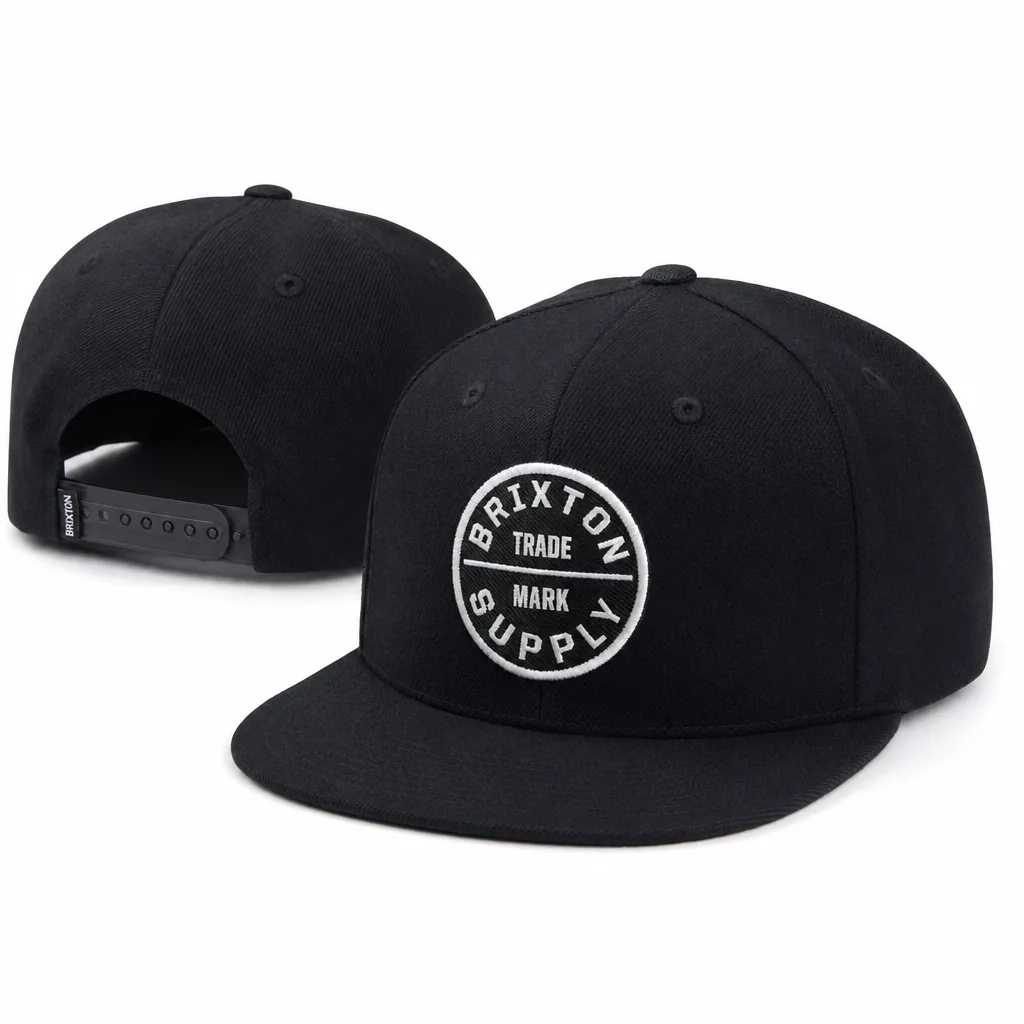
Fitted Hats Custom: A Vertical-Specific Sourcing Guide
Read article →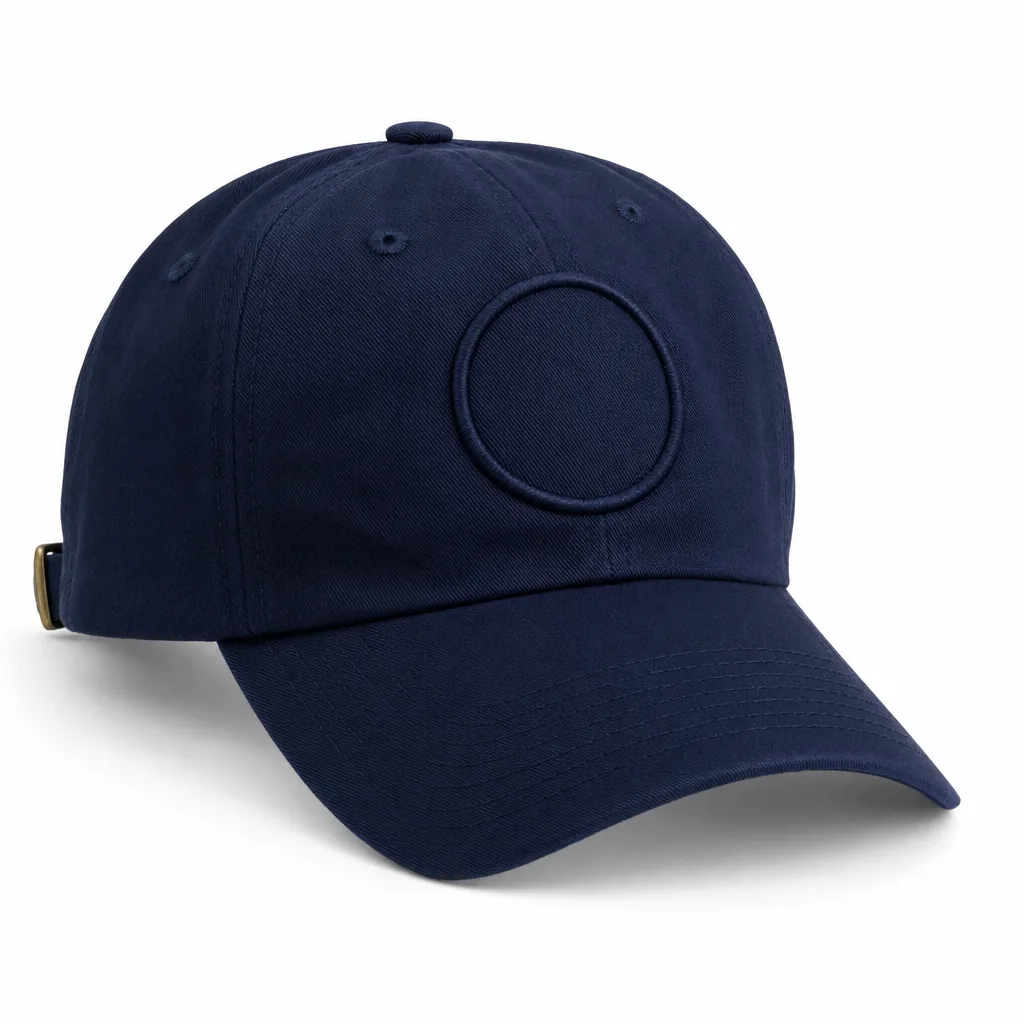
Custom Made Trucker Hat: The 2026 Sourcing & Manufacturing Playbook - 2026 Buyer's Guide - 2026 Buyer's Guide - 2026 Buyer's Guide
Read article →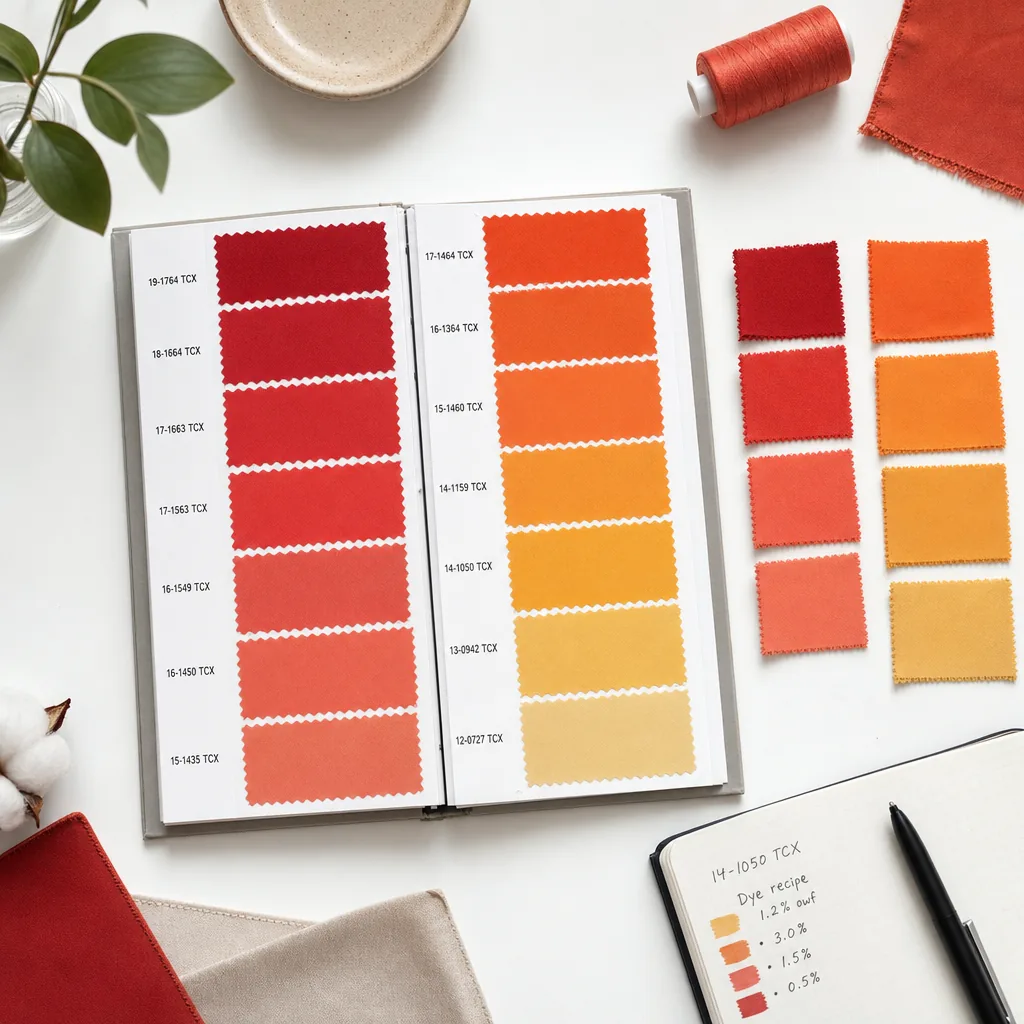
Pantone Color Matching for Custom Caps: A Manufacturer's Reference - 2026 Buyer's Guide
Read article →We hope this guide demystifies custom made trucker hat: the 2026 sourcing & manufacturing playbook (2026 update) (2026 update) - 2026 buyer's guide - cost & moq breakdown - 2026 buyer's guide and helps you move forward with confidence. If you have questions specific to your project, our English-speaking sales engineers are one message away.