
Custom Made Trucker Hat: The 2026 Sourcing & Manufacturing Playbook (2026 Update) (2026 Update) - 2026 Buyer's Guide - 2026 Buyer's Guide - Supplier Checklist (2026 Update)
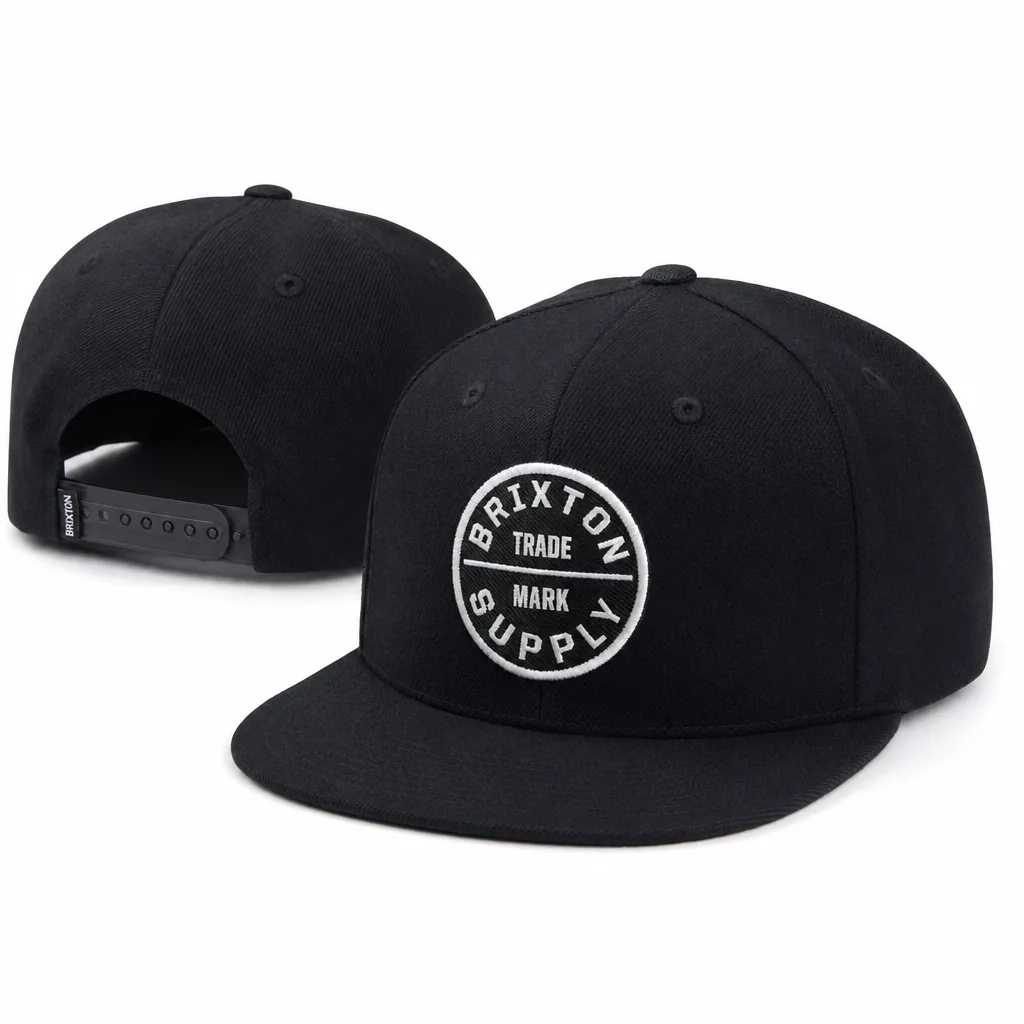
Every week, our sales team answers detailed questions about custom made trucker hat: the 2026 sourcing & manufacturing playbook (2026 update) (2026 update) - 2026 buyer's guide - 2026 buyer's guide - supplier checklist (2026 update). We wrote this guide so that wholesalers, streetwear brands, corporate buyers and promotional resellers can compare options with full information, and avoid the traps that show up only after production has started.
Custom Embroidered Hats
Embroidery quality is decided in digitizing, not by pushing a Tajima or Barudan faster on the line. A custom made trucker hat needs a cap-specific file built around crown angle, center seam, and front-panel construction; a flat garment file usually breaks down on a 5-panel foam trucker once you introduce 2.0 to 3.5 mm EVA foam, laminated buckram, and a steep crown pitch. On structured fronts, clean output normally sits around 600 to 750 stitches per minute on Tajima, Barudan, or ZSK cap frames; beyond that, registration starts to drift and narrow satin columns fuzz or split, especially with 40 wt polyester thread. For tatami fills, practical density is usually 0.38 to 0.45 mm, while 3D puff areas need lower density, wider columns, and enough underlay to support lift without slicing the foam. Any copy under 5 mm high should be questioned before sampling, because counters close, serifs disappear, and rework becomes guesswork. A usable RFQ has to define the embroidery method and the hat construction in the same document. Specify whether the logo is direct embroidery, a merrowed patch, or a seam-crossing front design; then list front fabric weight in gsm, mesh denier, visor shape, seam-tape color, snapback resin type, and color reference such as Pantone TCX with an agreed Delta-E tolerance if brand color matters. Ask for a stitch-count estimate, backing spec, thread brand or equivalent, and a sew-out on the actual crown material rather than flat twill. In Yiwu and Dongguan, stock material MOQ is commonly 144 to 300 pieces per colorway, but custom-dyed trims, special mesh, or proprietary foam fronts usually move the minimum to 500 to 1,000 pieces. As a working range, standard front embroidery adds about $0.35 to $1.20 per hat, while a basic foam-front custom made trucker hat with 6,000 to 8,000 stitches often lands around $2.20 to $3.80 FOB China at 300 to 500 units; layered 3D puff, printed internal taping, woven labels, and upgraded canvas or suede fronts can push that to $4.50 to $7.00.
Inspection should focus on defects buyers actually get returns for, not cosmetic trivia. The failures that hurt sell-through are registration drift between color blocks, exposed foam on puff embroidery, needle cuts on the front panel, birdnesting at thread starts, loose thread tails inside the crown, and tunneling on visor embroidery when the board stock is too soft or the underlay is wrong. For a custom made trucker hat, plus or minus 2 mm is a realistic front-logo placement tolerance; demanding tighter than that on bulk production usually creates disputes, not better consistency. Confirm whether the visor is embroidered before or after curving, because the sequence changes how the logo sits visually once the cap is worn. If artwork crosses the center seam, inspect both sides for stitch deflection, height mismatch, and gap opening at the seam line. AQL 2.5 is the right final-inspection baseline for hats, but embroidery problems need to be caught inline, not after packing. Our standard practice is to lock the pilot sample, approve the PPS, and then check the first 30 to 50 bulk pieces on the floor before full-speed production; if the digitizing is wrong, discovering it after 1,000 caps means expensive rework and visible repair marks. For repeat programs, thread-lot control matters more than many buyers realize: an off-shade navy or black can miss target by more than Delta-E 1.5 under D65 light and still look acceptable under factory lighting, which is how replenishment orders drift. Buyers should also verify whether production runs under sedex-audit-cap-supplier-guide.html">BSCI 2.0 or Sedex SMETA 4-Pillar audited systems, especially when labor compliance and traceable subcontracting are part of the vendor scorecard. Saving $0.20 on the shell never offsets poor stitch formation or a puff logo that collapses after shipping compression and weekend retail handling.
Custom Hat Embroidery
Embroidery is where a custom made trucker hat either looks retail-clean or immediately reads as cheap, and the root cause is usually bad digitizing rather than the logo on the machine head. A 5-panel foam trucker front needs a different file than a 6-panel cotton twill crown with buckram: lower fill density, wider edge-run underlay, lighter pull compensation, and fewer sharp direction changes. If the digitizer simply scales a twill file onto foam, you get tunneling, satin edges dropping into the face, or needle cuts that split the foam lamination after packing and transit. Ask for the actual run file format (.DST, .DSB, or native .EMB), finished logo size in mm, total stitch count, needle spec, backing recipe, and the sampling speed; a logo sewn cleanly at 650 spm may start fraying or losing registration at 850 spm on bulk production.
Thread and color control matter more than most buyers think. For team, promo, and workwear programs, 120D/2 trilobal polyester is usually the safer choice than rayon because it holds up better to UV, sweat, and abrasion from handling. If brand color is tight, call out the nearest Pantone TCX or TPG reference and agree an acceptable Delta-E tolerance before sampling; under D65 lighting, Delta-E below 2.0 is realistic on premium polyester thread, while exact matching gets less predictable once sheen changes across rayon lots. The specs that actually prevent rework are basic but non-negotiable: front panel gsm, foam thickness, buckram type, crown height, visor curve, snapback resin grade, logo placement tolerance, and whether inside run stitches must be covered by sweatband tape. For 3D puff, lock foam at 2 mm or 3 mm and keep minimum stroke width at 2.5-3.0 mm, because thin serif fonts and distressed outlines collapse fast under pressure.
MOQ and cost need to be tied to construction, not guesswork. In Zhejiang, a stock-body trucker with one center-front flat embroidery placement is commonly workable at 48-100 pcs per color, but a true custom made trucker hat with custom crown pattern, mesh color, woven labels, printed seam tape, and tailored packaging is usually more realistic at 144-300 pcs per colorway. Center-front logos often run 8,000-15,000 stitches; left-front or side hits are more often 4,000-8,000. Current FOB ranges are typically $2.20-$4.80 for stock caps and $3.80-$7.50 for fully custom builds, with each additional 1,000 stitches adding about $0.08-$0.18 depending on machine time and thread changes. Our standard practice is to inspect embroidery under D65-equivalent lighting, hold placement to ±2 mm, and audit finished goods at AQL 2.5; defects like registration drift, hoop burn, bird's nests on the backside, thread breaks, and crushed puff are obvious as soon as cartons are opened.
Custom Trucker Hat
The bill of materials decides whether a custom made trucker hat survives retail handling or shows up looking like a gas-station promo cap. The front panel is the first fork in the road: 8-12 oz cotton twill or brushed chino with 0.35-0.45 mm buckram gives cleaner embroidery columns and better carton recovery than low-density PE foam, while EVA foam at 2.5-3.0 mm is what you use for a tall vintage crown when shape matters more than long-haul dent resistance. For the back, most factories run polyester mesh in the 100-140 gsm range, but gsm alone is not enough; denier, hole stability, and seam tear performance matter more once the cap is snapped on and off a few hundred times. A 5-panel build gives you a cleaner front billboard for oversized logos, while a 6-panel crown fits more consistently across head sizes because the shaping is distributed across two front panels instead of one broad face. Decoration changes the process more than most buyers realize. 3D embroidery on a foam-front trucker runs best on Tajima, Barudan, or ZSK heads using 40 wt polyester thread, 75/11 needles, and lower machine speed to prevent foam cutting and edge distortion; if the digitizer does not build proper underlay and pull compensation, your satin borders will sink or split at the crown curve. Woven patches, sublimated emblems, and heat transfers each have different failure modes: too much dwell time can warp mesh, overheat can gloss twill, and low-grade adhesive will bleed through light front panels after container heat exposure. On our standard practice, we call out front construction in the tech pack because the same logo behaves very differently on laminated foam, buckram-backed twill, and unstructured chino.
If you are buying for retail, lock the spec in writing and do not approve from beauty shots alone. A soft unstructured front usually cannot hold clean satin columns above about 4 mm without puckering, and cheap foam lamination often shows permanent crush marks after 60-90 days in export cartons. A proper tech pack for a custom made trucker hat should list crown height in cm, visor length and width to the mm, curvature profile, mesh hole pattern, sweatband composition, snapback resin color, stitch count per logo, and Pantone references for every visible component. For color-sensitive programs, a practical tolerance is Delta-E below 1.5 on dyed twill and below 2.0 on mesh, where lot variation is harder to control. Pricing tells you where corners are being cut. In 2026, a basic mesh-back cap with flat embroidery is usually $2.10-$3.40 FOB China at 300 pcs, while a foam-front version with 3D embroidery, custom seam tape, woven flag label, visor sticker, and individual polybag typically lands at $3.20-$5.20 FOB. Full-custom MOQ is commonly 144-300 pcs per colorway; stock-body programs can start around 48-96 pcs, but you give up control over crown geometry and trim matching. The defects that actually kill orders are small and cumulative: 2-3 mm logo drift at the center seam, visor asymmetry, skipped stitches at the sweatband overlap, brittle snap closures after cold transit, and mesh tearing at the rear seam join. Write AQL 2.5 into the PO, ask for a PP sample, size spec report, compression test for foam fronts, and current BSCI 2.0 or Sedex SMETA 4-Pillar records before you release bulk.
Custom Trucker Hats
A custom made trucker hat usually fails in construction before it fails in branding. “5-panel mesh back snapback” is not a usable spec; it leaves too many variables open in cutting, lamination, shaping, and closure assembly. For a stable mid-profile build, lock the crown height at 10.5-11.5 cm, front panel material as either 3-5 mm EVA foam or a 300-350 gsm laminated polyester, and mesh at 140-180 gsm with denier stated—commonly 75D or 100D polyester if you want repeatable tension and less sidewall distortion. Brim insert should be called out as 1.8-2.0 mm PE, not just “pre-curved,” and the snap should be virgin HDPE or POM if you want fewer field failures in cold weather. Sweatband spec matters more than most buyers think: a 180-220 gsm poly-cotton or brushed polyester band will sew cleaner and wick better than the cheapest open-end cotton blends.
Color and decoration need the same discipline as the shell because mesh caps exaggerate defects under retail lighting. If the front fabric is matched to a Pantone TCX reference, approve a lab dip and hold bulk fabric to Delta-E under 1.5 in a D65 light box; otherwise the laminated front, seam tape, and button wrap will drift across lots. For embroidery, set logo height, stitch count range, backing weight, pull compensation, and minimum satin width before the file runs on Tajima, Barudan, or ZSK heads. Foam fronts are unforgiving: bad digitizing causes tunneling, crown break waviness, and foam collapse around dense fills. Pricing in Zhejiang follows decoration complexity more than silhouette. A stock-body trucker with one front embroidery location typically runs 144-300 pcs per colorway at roughly $2.20-$3.40 FOB China; custom-dyed fabric, branded snap closures, woven patches, printed seam tape, and interior labels usually push MOQ to 500-1,000 pcs and cost to $3.60-$5.20, with premium retail trims often landing at $5.50-$7.00 FOB.
Inspection on a custom made trucker hat should target defects that cannot be hidden after shaping or packing. The expensive failures are panel asymmetry over 3 mm, foam crush marks, mesh puckering at side seams, visor stitch drift, top-button misalignment, skipped embroidery, and snaps that crack or release under pull. Final inspection at AQL 2.5 is standard, but I treat front-panel appearance more aggressively than the table suggests because the cap face is effectively a billboard. Measure crown height, visor width, logo placement, and left-right symmetry at PP sample, inline, and final—not just with factory photos. A sealed pre-production sample should also lock visor stitch rows, seam tape color, button diameter, eyelet construction on the front panel, and snap pull strength so there is no argument once bulk is cut. Our standard practice is to check those points before embroidery starts, because once 3,000 shaped truckers are packed, rework options are limited and usually more expensive than remaking the lot.
Hat Trucker Custom
The shape of a custom made trucker hat is decided long before decoration starts. Front panel architecture, mesh denier, visor insert, and snap quality determine whether the cap still stands square after a month of wear or folds into a giveaway profile. For entry-price programs, the common spec is a 5-panel or 6-panel build with 3-4 mm polyester foam, 100-120 gsm polyester mesh, a 1.6-1.8 mm PE visor board, and a 7-hole PVC snapback. That build is serviceable, but it is not forgiving. If the front logo needs crisp satin borders or 3D embroidery, I would move to laminated foam or a buckram-backed 8-12 oz cotton twill front; low-density foam wrinkles under stitch load and exposes bad underlay immediately. A usable RFQ should lock crown height in centimeters, brim length and curve, seam tape color, sweatband composition, top button diameter, eyelet construction, and Pantone TCX references before sampling, not after the first prototype misses color. Embroidery on foam is where weak production teams get found out fast. A 6,000-12,000 stitch logo behaves differently on Tajima, Barudan, and ZSK heads if thread tension, pull compensation, and center-walk underlay are not adjusted for a soft substrate. Mesh also needs a real specification rather than a photo approval. A 210D polyester mesh holds a structured crown better and resists seam distortion, while softer nylon mesh breathes well but can skew during sewing and create puckering at the side seam. For branded programs, set Delta-E at 1.5-2.0 on visible color-critical parts, especially when matching optic white foam, black mesh, dyed twill, and closure plastic in one cap. In Yiwu, practical MOQ is usually 144-300 pieces per colorway for baseline embroidery, but rope trim, woven patches, printed underbrims, or custom-molded snaps usually push the real floor to 500-1,000 pieces. Current FOB ranges are typically $2.20-$3.90 at 300-500 pieces for a clean baseline build, and $4.50-$7.80 for premium versions with 3D embroidery, microsuede visor, woven sweat labels, and retail packing.
Inspection is where margin is protected on a custom made trucker hat order. The recurring failures are embroidery drift on the foam front, crown asymmetry, visor twist, mesh puckering at side seams, snapback offset, and sweatband staining from poor handling. I would run final inspection at AQL 2.5 for majors and 4.0 for minors, but relying on final random inspection alone is lazy management. The right control points are after cutting, after embroidery, after crown assembly, and after shaping. Measure crown height, bill length, opening circumference, visor symmetry, and logo placement against the sealed sample and graded spec. On a tall foam-front trucker, a logo sitting 3 mm too high already makes the cap look top-heavy on shelf; at 5 mm, most buyers will reject it immediately. Mixed materials make truckers much less tolerant than a basic brushed-cotton baseball cap. Foam exaggerates digitizing mistakes, mesh reveals sewing-tension problems, and color variation across twill, thread, mesh, and PVC closures shows up fast under retail lighting. Pre-production approval should be checked under daylight and a D65 lightbox, not under factory fluorescent tubes only, because metamerism is common on black mesh, optic white foam, and bright polyester thread combinations. At CrownsForge, we lock panel pattern, seam allowance, backing type, top button size, and visor resilience before bulk cutting because reshaping at finishing will not rescue a bad front profile. If the factory holds BSCI 2.0 or Sedex SMETA 4-Pillar, that is useful for compliance, but it does not replace process discipline on the line; the cap still lives or dies on pattern accuracy, machine setting, and in-line QC.
Trucker Custom Hat
The front panel decides whether a custom made trucker hat looks premium or cheap after one wear. Embroidery should be run on flat cut panels before crown assembly; once the mesh, sweatband, and snapback are sewn in, hoop stability drops and registration drifts, especially on 3D puff logos wider than 90 mm. On the factory floor, Tajima, Barudan, and ZSK multi-head machines all handle trucker work well, but the result depends more on panel prep than machine brand: 5-panel structured caps usually need 160-180 gsm buckram behind 10x10 cotton twill or 65/35 poly-cotton canvas, while foam-front programs use 3-5 mm laminated EVA or PU foam to hold the taller promo profile. If the visor is pre-curved aggressively, weak front structure will torque the logo off center by 2-4 mm, which buyers often miss until the goods are packed.
Specifications prevent overruns better than artwork ever will. A workable tech pack for a custom made trucker hat should fix crown height, panel count, visor curve, PE brim insert thickness, snapback resin grade, sweatband fiber content, seam tape print, and Pantone TCX references for both shell fabric and thread. If shade consistency matters, put the tolerance in the PO: Delta-E under 1.5 is realistic for dyed fabric, while embroidery thread is usually controlled under 2.0 because lot variation is wider. In Yiwu and Dongguan, a basic 5-panel mesh-back cap with flat embroidery typically lands around $2.10-$3.40 FOB China at 144-300 pieces per colorway; a cleaner premium build with 3D puff, suede visor, woven patch, custom inside tape, and branded trims is more often $4.20-$7.80 FOB, with MOQ moving to 300-500 pieces.
Trucker-cap claims rarely come from one dramatic failure; they come from small defects repeated across 20 cartons. The failure points worth inspecting are front-panel skew after embroidery, uneven brim sandwiching, foam puckering, rear seam cracking where mesh joins the side panels, and snapback pegs breaking below roughly 5 kg pull. On decoration, check push-pull distortion, satin column density, thread tension, underlay coverage, and backing trim cleanliness; 3D puff higher than 5 mm becomes unstable fast if the digitizing is wrong. Our standard practice is inline plus final inspection to AQL 2.5, with crown and visor measurement tolerance held to +/-0.5 cm and carton drop tests before loading. If decoration is subcontracted, expect wider shade variation, longer lead times, and more disputes over responsibility, so audit status like BSCI 2.0 or Sedex SMETA 4-Pillar matters before you compare a 20-cent price gap.
Working with CrownsForge for custom made trucker hat programs
Most custom made trucker hat programs go off track before decoration ever starts. If the cap body is not locked, every sample round becomes a moving target: front buckram hardness, foam compression set, mesh spring-back, and visor curve all change the profile more than a logo file does. A first prototype should take 5 to 7 working days only after the tech pack is complete, Pantone TCX references are confirmed, and the trim matrix is closed. On a foam-front build, changing from 3 mm EVA-laminated foam to a softer PU sponge can drop crown height by 4 to 6 mm, weaken stitch support, and create tunneling on large fills. We typically freeze the body spec early: 220 to 260 gsm cotton twill or poly-cotton front panels, 140 to 180 gsm polyester mesh, PE visor insert thickness, snapback type, and sweatband performance after wash and salt-perspiration testing. Digitizing also has to match the machine and the crown geometry, not just the artwork. A file that runs clean on a Tajima 6-head can still pucker on a Barudan or ZSK line if underlay, stitch density, and pull compensation were built for flat twill instead of a tall foam crown. For 3D embroidery, we usually lower density, widen columns, and test run speed to avoid foam cutting and edge collapse. If the profile and pattern stay unchanged, a revision sample should be 3 to 5 days; if you alter crown height, seam position, visor shape, or closure spec, treat it as a new development round because fit and embroidery registration both need to be revalidated.
The real MOQ break on a custom made trucker hat is usually trim complexity, not sewing capacity. A straightforward 5-panel cap with stock mesh, stock plastic snap, and one front embroidery is often workable from 144 pieces per colorway. Once you introduce custom-dyed mesh, Pantone-matched webbing, printed seam tape, woven flag labels, rubber or molded PVC patches, or branded inner taping, the economic MOQ typically moves to 300 or 500 pieces because dye minimums, trim loss, and setup waste stop making sense below that level. FOB China pricing stays decoration-driven: about $2.20 to $3.80 per piece at 300 to 500 units for standard front embroidery, and roughly $3.60 to $5.80 when you add appliqué, inside branding, metal eyelets, or specialty shells such as 70D water-repellent nylon, 600D polyester, or recycled mesh. The safest approval path is not complicated, but it has to be disciplined: lab dip or stock-color approval, physical prototype, pre-production sample, inline inspection, and final random inspection at AQL 2.5 before balance payment. Our standard practice is to hold embroidery placement to +/- 2 mm, verify visor symmetry, top-button centering, and snapback engagement force, and measure color tolerance against the approved standard, typically within Delta-E 1.5 to 2.0 on visible panels. If the order ships to the US or EU, ask for AZO, REACH SVHC, and Proposition 65 declarations where applicable, and make sure the factory’s BSCI 2.0 or Sedex SMETA 4-Pillar audit is current. That paperwork matters less for small trial runs than for repeat programs, but once a style scales, compliance failures are far more expensive than a delayed sample.
Frequently Asked Questions
What is the minimum order quantity (MOQ) for custom hats?
Our standard MOQ is 100 pieces per design and color, with sampling available from 1 piece. For complex multi-color logos or premium fabric upgrades, the MOQ can be lowered with a small per-piece surcharge.
Do you support sustainability certifications?
Yes. We work with GOTS organic cotton, GRS-certified recycled polyester, OEKO-TEX Standard 100 fabrics, and are BSCI and Sedex audited. Certification documentation can be provided per order.
How long does production take?
Sampling takes 7 to 12 days. Bulk production runs 20 to 30 days depending on quantity, fabric availability and decoration complexity. Inspection and packing adds another 3 to 5 days before shipment.
What logo decoration techniques do you offer?
3D puff embroidery, flat embroidery, woven patch, leather patch, PVC patch, screen printing, sublimation, applique and laser etching, all in-house with no subcontracting.
Can I order a sample before bulk production?
Yes. We strongly recommend approving a pre-production sample before mass production. Samples are charged at 35 to 60 USD each plus express shipping, fully refundable against confirmed bulk orders over 500 pieces.
How does ordering custom hat trucker work?
When evaluating custom hat trucker, the key considerations are construction quality, decoration capability, MOQ flexibility and lead time. Cover everything buyers ask about custom embroidered hats: how it's manufactured, what specs to request from a factory, typical MOQ and pricing, common quality issues to inspect for, and how this ties back to the broader custom made trucker hat sourcing decision. Cover everything buyers ask about custom hat embroidery: how it's manufactured, what specs to request from a…
How does ordering custom embroidered trucker hats work?
When evaluating custom embroidered trucker hats, the key considerations are construction quality, decoration capability, MOQ flexibility and lead time. Cover everything buyers ask about custom embroidered hats: how it's manufactured, what specs to request from a factory, typical MOQ and pricing, common quality issues to inspect for, and how this ties back to the broader custom made trucker hat sourcing decision. Cover everything buyers ask about custom trucker hats: how it's manufactured, what specs to request from a…
How does ordering custom made hats for men work?
When evaluating custom made hats for men, the key considerations are construction quality, decoration capability, MOQ flexibility and lead time. Cover everything buyers ask about custom embroidered hats: how it's manufactured, what specs to request from a factory, typical MOQ and pricing, common quality issues to inspect for, and how this ties back to the broader custom made trucker hat sourcing decision. Cover everything buyers ask about custom trucker hats: how it's manufactured, what specs to request from a…
How does ordering high quality custom trucker hats work?
When evaluating high quality custom trucker hats, the key considerations are construction quality, decoration capability, MOQ flexibility and lead time. Cover everything buyers ask about custom embroidered hats: how it's manufactured, what specs to request from a factory, typical MOQ and pricing, common quality issues to inspect for, and how this ties back to the broader custom made trucker hat sourcing decision. Cover everything buyers ask about custom trucker hats: how it's manufactured, what specs to request from a…
Ready to start your custom hat project?
Send us your tech-pack, sketch or even just an inspiration photo. We will respond with a detailed quotation and digital mock-up within 24 hours.
Request a free quoteRelated guides
Fitted Hats Custom: A Vertical-Specific Sourcing Guide
Read article →
Custom Made Trucker Hat: The 2026 Sourcing & Manufacturing Playbook - 2026 Buyer's Guide - 2026 Buyer's Guide - 2026 Buyer's Guide
Read article →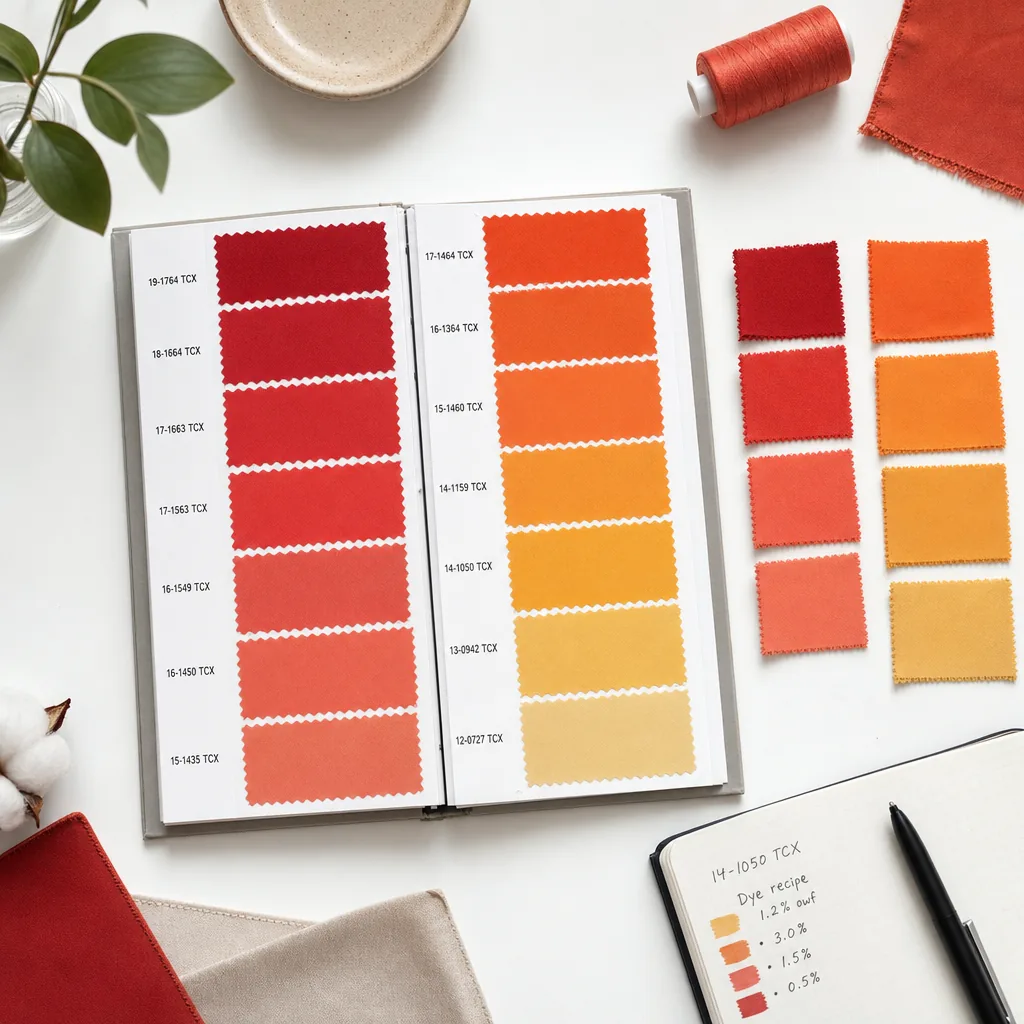
Pantone Color Matching for Custom Caps: A Manufacturer's Reference - 2026 Buyer's Guide
Read article →We hope this guide demystifies custom made trucker hat: the 2026 sourcing & manufacturing playbook (2026 update) (2026 update) - 2026 buyer's guide - 2026 buyer's guide - supplier checklist (2026 update) and helps you move forward with confidence. If you have questions specific to your project, our English-speaking sales engineers are one message away.