
Custom Logo Hats: When to Use It, Costs, and What to Ask Your Factory - Supplier Checklist (2026 Update) - Cost & MOQ Breakdown
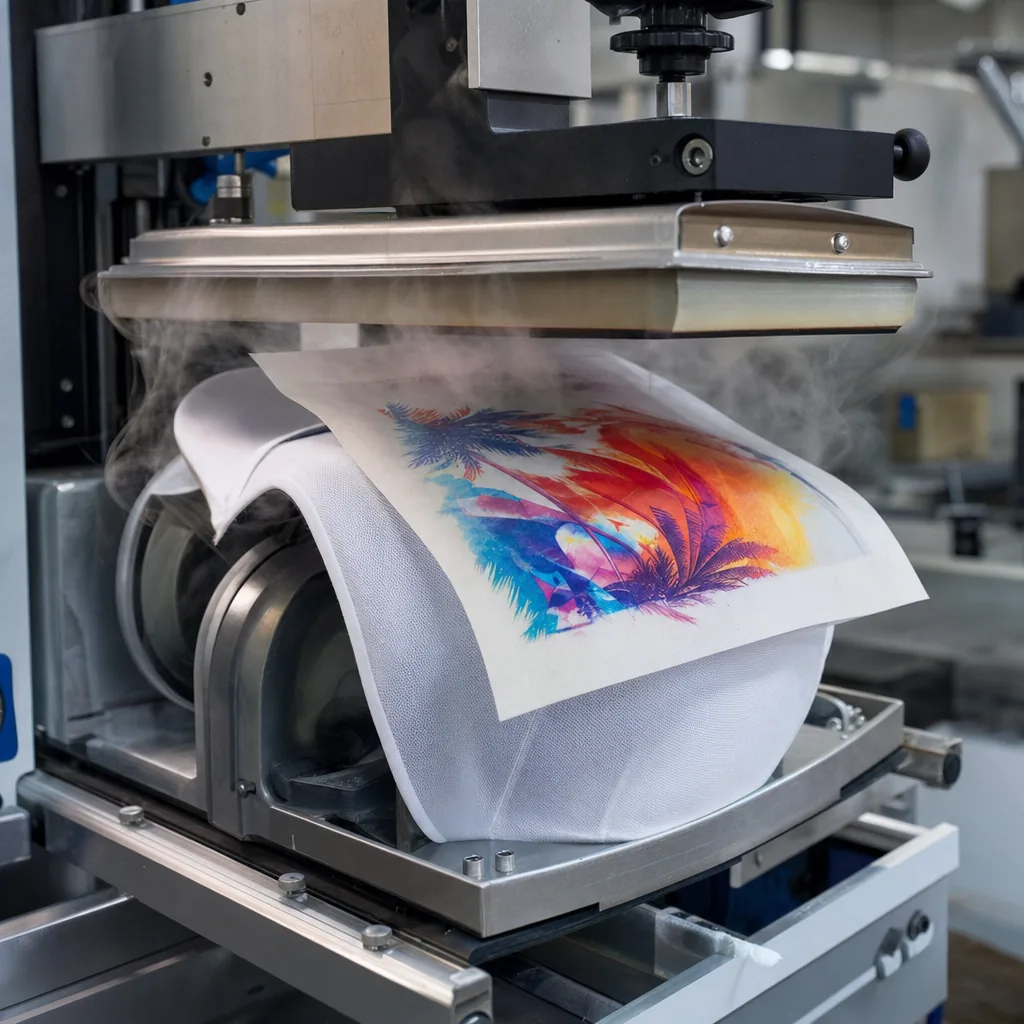
Every week, our sales team answers detailed questions about custom logo hats: when to use it, costs, and what to ask your factory - supplier checklist (2026 update) - cost & moq breakdown. We wrote this guide so that wholesalers, streetwear brands, corporate buyers and promotional resellers can compare options with full information, and avoid the traps that show up only after production has started.
Custom Embroidered Patches
Use embroidered patches on custom logo hats when the mark needs hard edges, stacked color blocks, or the uniform, licensed look that direct embroidery often softens on brushed cotton or heavy chino. Treat the patch as a separate component, not a line hidden inside “logo charge.” Base fabric matters: polyester twill at 180-220 gsm is the default for sports and promo programs, wool-blend felt gives better edge depth on vintage styles, woven damask holds small text better than embroidery below roughly 2.0 mm letter height, and PU patch stock should be specified by thickness, usually 0.6-1.0 mm. Most factories run patches on Tajima, Barudan, or ZSK multi-heads using 120D/2 polyester thread; metallic thread, chenille, or 3D foam change both machine speed and defect risk. Cost moves on finished size in mm, stitch count, fill density, border construction, backing weight, and attachment method. If the buyer sends only a JPG, the factory is guessing stitch path, thread trims, edge treatment, and even whether a merrow border is possible on the artwork, which is why first quotes based on casual artwork often get revised after sampling.
A usable RFQ should specify patch size, Pantone TPX or TCX reference, border type, backing fabric, target thickness, and whether the patch is sewn before crown assembly or after cap make-up. Pre-assembly sewing is usually cleaner on structured 5-panel and 6-panel hats because the front panel can run flat, keeping placement within +/-2 mm and reducing crown distortion. Post-assembly attachment is more practical on washed dad caps, bucket hats, and heavily curved fronts that do not feed well under a flat operation. Ask for the stitch count, backing gsm, border width in mm, and a strike-off photo next to a ruler; otherwise buyers approve something that looks fine in a cropped image but reads oversized once it hits a low-profile crown. In Zhejiang, patch-only MOQs are commonly 100-300 pieces per design, while full custom logo hats orders usually start at 144, 288, or 500 units. A standard 65 x 45 mm twill patch with merrow border is typically $0.18-$0.45 at 500 pieces; dense fill, laser-cut shapes, metallic thread, hook backing, or faux leather pushes it to $0.55-$1.20. Sewing onto the cap adds about $0.10-$0.30, and digitizing usually runs $15-$40 per design.
Quality failures on patches are easy to spot if the factory writes the inspection points correctly. Split the quote into three line items: patch price, attachment labor, and cap body price. Then inspect against measurable tolerances, not vague “looks good” language. Reject merrow wobble over 1.0 mm, exposed jump threads, bobbin show-through on satin columns, puckering from excessive stitch density, scorch marks on laser-cut edges, and obvious shade drift against the approved Pantone under D65 or TL84 lighting. For attached patches on finished caps, realistic production tolerance is +/-2 mm side-to-side and +/-3 mm from top seam to brim line; if the order is licensed merchandise, tighten visual standards even if the lot still audits at AQL 2.5. Heat-applied patches need peel testing after 24 hours and again after warm-box exposure, because adhesive that looks fine off the press often starts lifting after container heat and compression. CrownsForge standard practice is to compare direct embroidery and patch application on the exact shell fabric before freezing the decoration method, because shell texture changes edge sharpness more than most buyers expect.
Custom Hat with Patch
Patch construction drives both unit cost and failure rate on custom logo hats; the cap body is usually the easy part. Direct-sewn patches are still the lowest-risk choice for embroidered, woven, felt, printed twill, and leatherette badges because stitch attachment survives carton compression and 40-50°C summer containers better than adhesive-only bonding. Heat-applied TPU or silicone can look sharper at the edge and avoids needle marks on foam-front truckers, but only when the press is calibrated and logged. In real production, most factories run 145-160°C for 12-18 seconds with 3-5 bar pressure, then cool under restraint; miss that window and patch lifting shows up after freight, not on day one. Hook-and-loop makes sense for tactical, airsoft, and event programs where the cap and badge are sold as separate SKUs, but it adds material cost and another alignment point. Size and crown shape matter more than many buyers realize. On a standard 5-panel trucker or mid-profile 6-panel cap, 55-75 mm wide is the safe patch range; once you push past 80-85 mm, the patch starts fighting the front-panel curve and wrinkling on low-profile or unstructured crowns. A dense embroidered patch also behaves differently from a thin woven label: the first can collapse a soft 260-280 gsm brushed cotton front if the stitch count is too high, while the second may telegraph adhesive through light polyester. Your tech pack should treat the patch as its own component: finished size in mm, material, edge type (merrow, satin border, laser-cut), backing, attachment method, Pantone reference, and placement tolerance within ±2 mm from centerline. If the brand color is critical, ask for Delta-E under 2.0 on thread-matched elements and approve faux leather or genuine leather against a physical swatch, not a phone photo.
Cost on patch styles follows patch complexity more than base cap cost. A standard 6-panel cotton twill cap with a 63 mm direct-sewn embroidered patch typically lands around 144 pieces per colorway MOQ, with FOB China pricing roughly $3.40-$5.50 each at 300 pieces, depending on closure, fabric weight, and stitch count. Move to molded TPU, genuine leather, oversized woven patches, or extras like custom seam tape, woven flag labels, and branded polybags, and the same custom logo hats usually climb to $5.90-$9.00 FOB at 300-500 pieces. Setup charges are normally separate: embroidery digitizing runs about $35-$80 per logo, while a silicone or TPU mold fee is more often $60-$150 depending on cavity size and relief depth. If a supplier quotes the same price for all patch types, they are probably hiding quality shortcuts somewhere else. Inspection needs to go beyond a generic AQL 2.5 carton check because patch defects often appear after compression, not during sewing. The failure list is predictable: skipped border stitches, uneven merrow width, edge fray on laser-cut twill, glue bleed, off-center placement, crown distortion from over-dense stitching, and patch lift after heat exposure. Ask whether the patch is applied before or after sweatband closing, because that changes access, shape retention, and rework options. On our line at CrownsForge, we also run pull checks on patch corners, a 24-hour carton conditioning test, and heat-aging at 60-80°C for bonded badges to simulate summer transit. For embroidered patch programs, it is smart to ask which machines are being used—Tajima, Barudan, and ZSK all handle borders slightly differently—and whether the factory will send a pre-production sample showing the patch attached to the actual cap panel, not just the patch loose on a table.
Custom Patch for Hat
Patches make sense on custom logo hats only when you spec them as an engineered component, not as a vague decoration line on the tech pack. “Custom patch for hat” covers very different constructions: merrowed embroidered badges, laser-cut twill appliqués, woven damask patches, molded PVC, full-grain or veg-tan leather, PU, and dye-sublimated polyester. They do not behave the same on a cap body. Embroidered patches give good relief but start losing detail below about 0.8 mm stroke width; woven patches hold cleaner micro text and fine outlines closer to 0.4-0.5 mm; PVC stays sharp under rain, sweat, and abrasion but becomes visibly stiff once thickness goes past 1.0-1.2 mm. On a low-profile 6-panel in 285-300 gsm cotton twill, a thick patch can print through the front panel unless the buckram, seam allowance, and stitch path are adjusted. A high-crown trucker with a foam front hides that problem far better. If you want the patch to match the hat, send a patch spec with finished size in mm, substrate, border type, backing, attachment method, target thickness, and exact placement from center front and visor seam. Use Pantone TCX for fabric coordination and Pantone Coated when thread or print references are involved, and set a realistic color tolerance such as Delta-E under 2.0 for brand-critical programs. Loose strike-off approval is not enough; you need a sewn cap sample because merrow borders distort on curved panels, heat-seal films can bleed on PU, and pattern-tacked patches can drift if the jig is off. Our standard practice is to hold front patch placement to ±2 mm; beyond that, the hat reads crooked at first glance, especially on clean 5-panel silhouettes.
Cost catches buyers off guard because a patch adds both trim conversion and a separate attachment step. For 2026 China FOB budgeting, an embroidered or woven patch on a standard brushed-cotton cap usually adds $0.28-$0.75 per piece, depending on patch size, border finish, and whether it is sewn flat or attached with a Juki programmable pattern tacker. PVC typically lands at $0.45-$1.10 because of mold amortization and slower handling, while real leather is more often $0.60-$1.50 once you factor deboss depth, edge paint, hide yield, and reject rate around scars or color variation. In many mid-volume programs, direct 3D embroidery is still cheaper than a separate patch once you go above 3,000 hats and the logo is simple enough to digitize cleanly on Tajima, Barudan, or ZSK heads. MOQ is usually driven less by the patch itself than by the cap bill of materials. A practical MOQ for patch-based custom logo hats is 144-300 pieces per colorway when the cap factory manages sewing and sources patches locally; standalone patch vendors may quote 500 pieces, but that number means little if your shell fabric, snapback hardware, or inner tape already sets a higher minimum. Ask bluntly whether the patch supplier is covered under sedex-audit-cap-supplier-guide.html">BSCI 2.0 or Sedex SMETA 4-Pillar, because small outsourced workshops are where color drift, adhesion failure, and late rework usually start. Development charges are typically $25-$60 for embroidered or woven strike-offs, $50-$120 for PVC mold setup, and $80 or more for leather deboss tooling. At AQL 2.5 final inspection, tighten patch checkpoints beyond generic trim standards: off-center placement, edge lifting after a 24-hour cure, puckering, loose merrow yarn, needle cuts on woven borders, and visible mismatch versus the approved strike-off are the defects that trigger actual claims.
Custom Patch Hat
Patch hats solve a real production problem: artwork that collapses in direct embroidery on a curved front panel. If your logo has serif text below 4 mm cap height, negative spaces under roughly 0.8 mm, distressed edges, or more than 6-8 clean color breaks, forcing it into 12,000-18,000 stitches on buckram usually gives you thread buildup, muddy outlines, and front-panel distortion. For custom logo hats, patch type should follow the art file, not whatever is trending on social media. Embroidered patches need about 0.8-1.0 mm minimum line weight and enough fill to support a merrow or satin border. Woven patches hold finer detail, commonly 0.4-0.5 mm, so they are the safer choice for small lettering, map outlines, and collegiate crests. PVC patches outperform thread in abrasion, salt spray, and UV exposure, but on unstructured 5-panels or 110-120 gsm nylon they often feel too rigid. Attachment method is where factories quietly save money and where buyers get claims. A sewn patch is still the most stable option for wash durability, edge retention, and long-term appearance on brushed cotton twill, corduroy, and 600D polyester. Heat press with film backing works on foam-front truckers and some taslon shells, but on pigment-washed cotton it can leave press shine, adhesive shadowing, or edge lift after a few wear cycles. Hook-and-loop only makes sense if the user actually needs interchangeable insignia; otherwise it adds about $0.35-$0.70 per cap and creates unnecessary bulk on the crown. The practical advantage of patch-based custom logo hats is lower stitch tension on the cap body, which means less puckering than dense flat or 3D embroidery on dad hats, low-profile 6-panels, and lightweight nylon shells.
A usable tech pack for patch hats has to control placement and color, not just shape. Call out patch size in millimeters, border type, backing, attachment method, stitch coverage, and center-front tolerance; +/-2.0 mm is realistic for standard production, while +/-1.5 mm is achievable on tighter programs if the factory slows setup and checks first-off samples. Use Pantone Solid Coated for printed, PVC, or transfer surfaces, and Pantone TCX only when matching textile trims or shell fabric. If the patch needs to coordinate with apparel, ask for strike-offs or lab dips reviewed under D65 lighting and define a Delta-E tolerance: under 1.5 for core brand colors, under 2.0 for general retail. Also specify crown height, buckram thickness, front seam construction, visor curve, and shell fabric weight, because a patch sewn across 260 gsm brushed twill behaves very differently from one applied to 210 gsm chino or 105 gsm recycled taslon. Cost is driven more by decoration workflow than by the cap blank. In current factory pricing, a stock 6-panel cotton twill cap with a 65-75 mm sewn embroidered patch usually lands around $2.30-$4.20 FOB China at 144-300 pieces. Woven patches may reduce cost by $0.10-$0.20 at 1,000 units because they run faster and cleaner, while PVC, faux leather, or hook-and-loop builds typically add $0.25-$0.85 each. Fully custom programs with booked shell fabric, custom inside taping, woven labels, and bespoke closures usually need 300-500 pieces per colorway to price sensibly. The defects worth watching are crooked placement, border skips, edge fray, adhesive bleed, needle marks on suede-touch fabrics, and puckering caused by poor top-thread tension on Tajima or Barudan heads. Our standard release protocol is AQL 2.5 for visuals, then extra pulls for placement measurement, 24-hour edge-lift checks, lot-to-lot shade consistency, and stitch-security or peel testing depending on the attachment method.
Custom Patch Hats
Patch hats are the cleanest solution when a logo will not survive direct embroidery on a curved crown. If your smallest letters are under about 2.0 mm cap height, a woven polyester patch will usually read better than flat stitch embroidery, and far better than 3D puff, because the weave can hold counters and thin outlines without the fill spread you get on Tajima or Barudan heads. Buyers should spec four items separately on the PO: face material, edge finish, backing, and attachment method. Those choices change both appearance and failure rate. Merrow-edge embroidered patches suit collegiate, heritage, and team programs, but they look heavy on shallow 5-panels. Laser-cut twill, microfiber suede, or PU gives a flatter streetwear look. PVC is more practical for marine, workwear, and outdoor custom logo hats because it handles sweat, rain, and abrasion better than leather or felt. The operational advantage is consistency across silhouettes. Once the patch construction is approved, you can move the same branding from foam truckers to unstructured 6-panels, rope caps, and bucket hats without re-digitizing for every crown profile or fighting push-pull distortion. That matters if you are running mixed programs at 144 to 500 units per style. Fine woven patches should also be tied to yarn denier and weave density, not just artwork approval; coarse yarn will blur letters even when the vector file is perfect. For color control, textile patch faces should reference Pantone TCX, while PVC or printed patch elements should use Pantone Coated. If cross-program consistency matters, put Delta-E tolerance in writing instead of accepting “match as close as possible,” which is where patch programs usually go loose.
Attachment is where most patch-cap failures start. On structured fronts, sewn application is safer than heat-only film because cartons can sit at 45 to 55°C in summer containers, and corners that looked flat at final inspection start lifting by the time goods reach a U.S. warehouse. For production, I would specify the exact method: satin stitch border sew, zigzag, or programmable pattern sewing on a Juki pattern sewer. Oversized patches are another routine mistake. If a patch bridges the center seam on a 6-panel cap without shaping allowance, it will tent, wrinkle, or twist off grain. Put patch width and height in millimeters on the tech pack, state whether seam bridging is allowed, and set placement tolerance; our standard control is ±2.0 mm left-right and ±3.0 mm vertical, checked under AQL 2.5 for skew, edge lift, adhesive bleed, thread tension, and needle marking on PU or suede fronts. Cost is driven more by patch construction than by the cap shell. In Yiwu and Dongguan, a basic brushed cotton twill 6-panel with a sewn woven patch usually lands around $2.20 to $3.40 FOB China at 144 to 300 pieces per colorway. Genuine leather, molded PVC, chenille, or multilayer appliqué is more realistically $4.20 to $5.80 FOB because setup loss, reject risk, and labor minutes climb fast. PVC logos typically add a $30 to $80 mold or setup charge, and imported leather can push MOQ to 300 pieces even if the cap body itself would run at 144. A proper RFQ should include patch size, material gsm or type, border spec, backing, stitch coverage if embroidered, placement drawing, and approved Pantone references. Before shipment, inspect the failures that actually create resale returns: off-center patches, inconsistent patch height between sizes, glue strike-through, warped leather after pressing, loose edge sewing, and corners catching during polybag insertion.
Hat Patch Custom
Patch selection drives defect rate and real unit cost more than most buyers expect, often more than the cap body itself. For custom logo hats, a damask woven patch is still the most economical option at roughly $0.08-$0.20 each at 3,000 units, but only if the artwork suits the weave grid; fine serif text below about 1.0 mm cap height will fuzz or fill in. Embroidered badges usually run $0.18-$0.42, with cost moving on stitch count, border type, and whether the badge is run on Tajima or Barudan heads at standard density or with raised fill. Molded PVC or TPU patches are typically $0.35-$0.85 before freight, and that number jumps fast when the mold needs more cavities, undercuts, or exact Pantone matching. Leather is where vague RFQs create the most disputes: many factories quote 0.8-1.2 mm PU and call it leather, while real veg-tan or chrome-tan needs hide grading, a deboss die, and controlled laser power to avoid char halos. Ask for material, thickness in mm, backing, border finish, and the minimum line width the process can actually hold; a 0.4 mm stroke may survive in a woven patch but will close up in a 2.5-3.0 mm PVC mold or wash out on faux suede after heat embossing.
The application method needs to be specified as tightly as the patch itself. A usable tech pack should call out border type (merrow, heat-cut, laser-cut, turned edge), backing (plain, heat seal, hook-and-loop, PSA), placement from crown center line, and whether the patch is attached pre- or post-assembly. On a 5-panel foam trucker, front placement should stay within +/-2 mm; on an unstructured brushed cotton twill dad cap, +/-3 mm is more realistic because the crown shifts during sewing and the seam tape changes the feed. Post-assembly sewing over a center seam is where puckering shows up first, especially on corduroy, brushed twill, and 70D taslon nylon; heat-applied patches have a different failure mode, with gloss, adhesive bleed, or edge lift after carton compression. MOQ usually follows the patch supplier, not the sewing line: the cap factory may accept 144 pieces, but woven patches often start at 1,000, embroidered badges at 500-1,000, and PVC closer to 2,000 once tooling amortization makes sense. In 2026 FOB China terms, a standard sewn patch usually adds $0.25-$0.75 per hat, while leather, PVC, and mixed-process patches land around $0.70-$1.50 after scrap and extra handling. Inspect under AQL 2.5 with explicit checkpoints for crooked placement, frayed edges, skipped stitches, bubbling, and delamination, and if color matters, approve the patch face against Pantone TCX or TPX with visible Delta-E held around 1.5-2.0.
Working with CrownsForge for custom logo hats programs
Most custom logo hats fail before bulk sewing starts. The real risk is a weak pre-production process: approved PDF art that does not translate to the crown shape, wrong patch construction, or an untested fabric/logo combination. A disciplined program should run 2 to 4 business days for mockups, 4 to 7 days for digitizing and strike-off approval, and 7 to 12 days for a physical PPS sample depending on fabric availability, closure type, and decoration method. Direct embroidery, woven patch, PVC patch, sublimated applique, and screen print each need different setup logic and approval points. For embroidery, buyers should review stitch count, underlay, pull compensation, push-pull balance, and cap-frame distortion on the actual profile being produced. A file that runs clean on a flat panel can still pucker on a structured 6-panel crown if the digitizing was built lazily. On Tajima, Barudan, and ZSK cap frames, that mistake shows up fast around center seams, buckram edges, and heavy-fill logos above 8,000 stitches.
Color and materials need the same level of control because brand damage usually comes from shade drift and inconsistent trims, not obvious sewing defects. If the buyer supplies Pantone TCX references, shell fabric, sweatband, visor sandwich, top button, and patch base should be checked under D65 lighting, with critical shades held around Delta-E 1.5 to 2.0 where the substrate allows it; on heathered or brushed fabrics, a wider tolerance is more realistic. Patch construction must be locked before sampling because merrow edge, satin stitch border, laser-cut heat seal, molded PVC, and raw-edge applique all change lead time, attachment method, and failure risk in washing or abrasion. MOQ also needs an honest discussion. Stock cotton twill or brushed chino programs can start around 144 to 300 pieces per colorway, but custom-dyed fabric, recycled polyester, water-repellent nylon, or mixed decoration usually needs 500 to 1,000 pieces per style-color to price correctly. A basic 6-panel custom logo hat with flat embroidery typically lands around $2.40 to $4.20 FOB China at 300 to 1,000 pieces; patch programs are more often $3.10 to $5.80, and premium 5-panel nylon or performance mesh builds can push past $6.50 once molded trims, printed seam tape, or custom labels are added.
Reliable execution is not about who sends the nicest sample photos; it is about whether the factory controls the order after approval. The checkpoints should be explicit: tech pack review, BOM confirmation, PPS sign-off, line-set sample, inline inspection, and final random inspection to AQL 2.5 unless the buyer specifies different major and minor limits. At CrownsForge, approvals are tied to PO-level records so fabric lot, logo revision, carton ratio, and ship window can be traced if there is a claim after delivery. Buyers should ask for current BSCI 2.0 or Sedex SMETA 4-Pillar reports, needle-control procedure, restricted-substance controls for inks and soft PVC, and metal-detection policy if the program touches children’s product requirements or licensed retail standards. For patch-heavy custom logo hats, ask who owns the mold, embroidery file, and artwork separations, whether replacement patches can be ordered separately, and whether the patch vendor is qualified with incoming QC standards. In first orders, outside patch inconsistency causes more rework than sewing defects on the cap line itself. Also confirm barcode format, carton marking, ASN capability, split-ship handling, and pre-shipment photo records before the ex-factory date is locked.
Frequently Asked Questions
What is the minimum order quantity (MOQ) for custom hats?
Our standard MOQ is 100 pieces per design and color, with sampling available from 1 piece. For complex multi-color logos or premium fabric upgrades, the MOQ can be lowered with a small per-piece surcharge.
Do you support sustainability certifications?
Yes. We work with GOTS organic cotton, GRS-certified recycled polyester, OEKO-TEX Standard 100 fabrics, and are BSCI and Sedex audited. Certification documentation can be provided per order.
How long does production take?
Sampling takes 7 to 12 days. Bulk production runs 20 to 30 days depending on quantity, fabric availability and decoration complexity. Inspection and packing adds another 3 to 5 days before shipment.
What logo decoration techniques do you offer?
3D puff embroidery, flat embroidery, woven patch, leather patch, PVC patch, screen printing, sublimation, applique and laser etching, all in-house with no subcontracting.
Can I order a sample before bulk production?
Yes. We strongly recommend approving a pre-production sample before mass production. Samples are charged at 35 to 60 USD each plus express shipping, fully refundable against confirmed bulk orders over 500 pieces.
How does ordering custom embroidered logo hat work?
When evaluating custom embroidered logo hat, the key considerations are construction quality, decoration capability, MOQ flexibility and lead time. Cover everything buyers ask about custom embroidered patches: how it's manufactured, what specs to request from a factory, typical MOQ and pricing, common quality issues to inspect for, and how this ties back to the broader custom logo hats sourcing decision. Cover everything buyers ask about custom hat with patch: how it's manufactured, what specs to request from a…
How does ordering custom hat leather patch work?
When evaluating custom hat leather patch, the key considerations are construction quality, decoration capability, MOQ flexibility and lead time. Cover everything buyers ask about custom hat with patch: how it's manufactured, what specs to request from a factory, typical MOQ and pricing, common quality issues to inspect for, and how this ties back to the broader custom logo hats sourcing decision. Cover everything buyers ask about custom patch for hat: how it's manufactured, what specs to request from a factory,…
How does ordering custom embroidered baseball hats work?
When evaluating custom embroidered baseball hats, the key considerations are construction quality, decoration capability, MOQ flexibility and lead time. Cover everything buyers ask about custom embroidered patches: how it's manufactured, what specs to request from a factory, typical MOQ and pricing, common quality issues to inspect for, and how this ties back to the broader custom logo hats sourcing decision. Cover everything buyers ask about custom hat with patch: how it's manufactured, what specs to request from a…
What's the MOQ for custom embroidered patches no minimum?
When evaluating custom embroidered patches no minimum, the key considerations are construction quality, decoration capability, MOQ flexibility and lead time. Cover everything buyers ask about custom embroidered patches: how it's manufactured, what specs to request from a factory, typical MOQ and pricing, common quality issues to inspect for, and how this ties back to the broader custom logo hats sourcing decision. Cover everything buyers ask about custom hat with patch: how it's manufactured, what specs to request from a…
Ready to start your custom hat project?
Send us your tech-pack, sketch or even just an inspiration photo. We will respond with a detailed quotation and digital mock-up within 24 hours.
Request a free quoteRelated guides
Fitted Hats Custom: A Vertical-Specific Sourcing Guide
Read article →
Custom Made Trucker Hat: The 2026 Sourcing & Manufacturing Playbook - 2026 Buyer's Guide - 2026 Buyer's Guide - 2026 Buyer's Guide
Read article →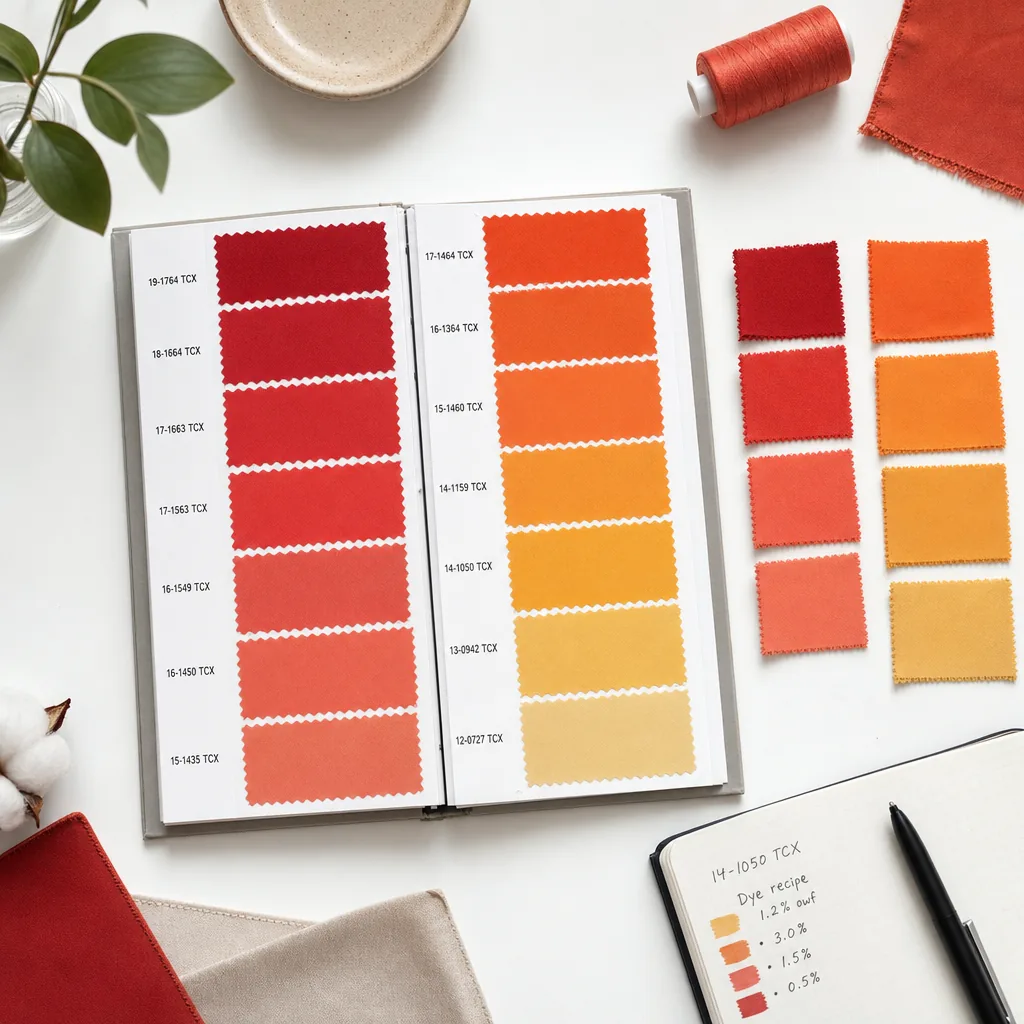
Pantone Color Matching for Custom Caps: A Manufacturer's Reference - 2026 Buyer's Guide
Read article →We hope this guide demystifies custom logo hats: when to use it, costs, and what to ask your factory - supplier checklist (2026 update) - cost & moq breakdown and helps you move forward with confidence. If you have questions specific to your project, our English-speaking sales engineers are one message away.