
Custom Logo Hats: When to Use It, Costs, and What to Ask Your Factory - Supplier Checklist (2026 Update) (2026 Update)
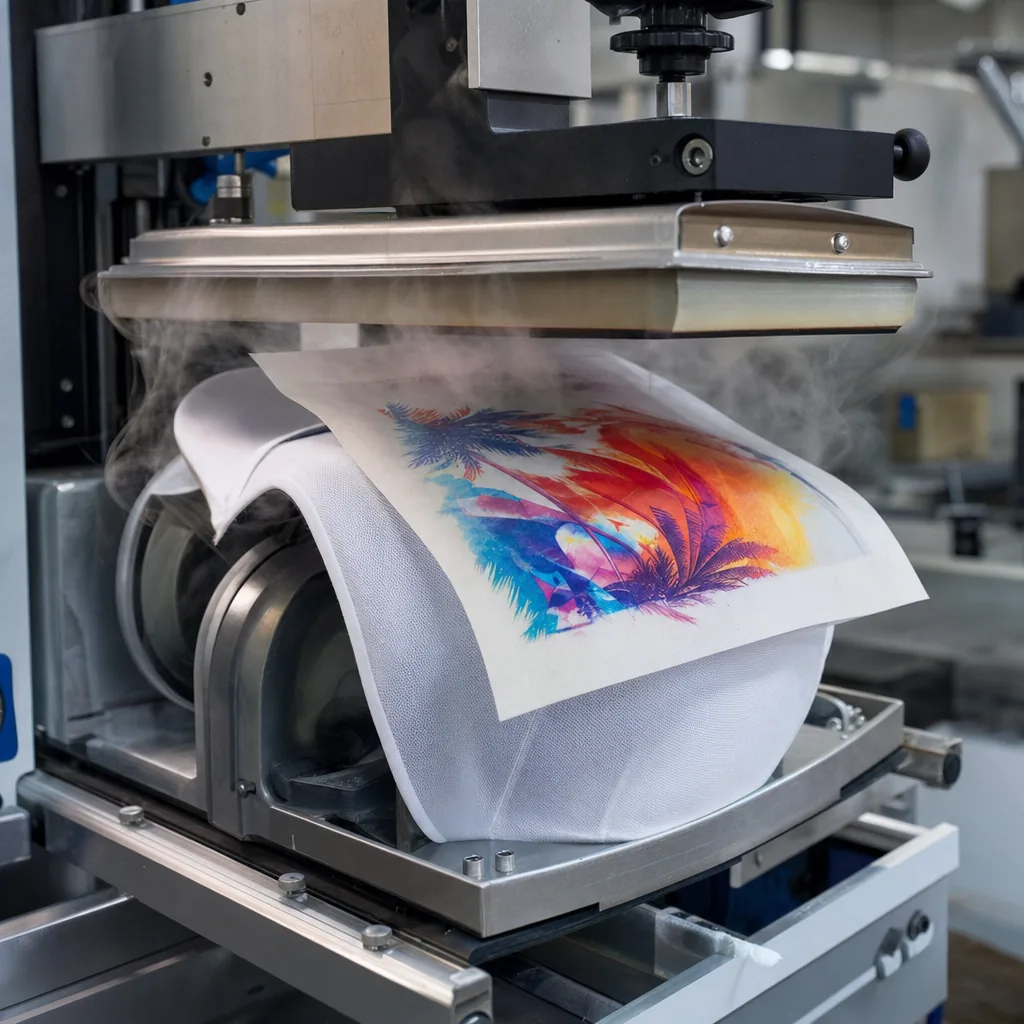
Every week, our sales team answers detailed questions about custom logo hats: when to use it, costs, and what to ask your factory - supplier checklist (2026 update) (2026 update). We wrote this guide so that wholesalers, streetwear brands, corporate buyers and promotional resellers can compare options with full information, and avoid the traps that show up only after production has started.
Custom Embroidered Patches
Embroidered patches make the most sense on custom logo hats when you need the logo to look identical across unstable surfaces: brushed cotton twill, 210D nylon taslon, corduroy, trucker foam, even washed pigment-dyed fronts. Direct embroidery reacts to each substrate differently; stitch columns sink into soft foam, pull on lightweight nylon, and distort over center seams. A patch isolates the artwork from those variables. The reliable base materials are 180-220 gsm polyester twill for sharp small text, wool-blend felt for heritage looks, and merrowable acrylic cloth when you want a thick overlocked edge. Most patch runs are stitched on Tajima, Barudan, or ZSK multi-heads with 120D/2 polyester thread; rayon can look richer but is less forgiving on abrasion and sweat. For hats, stitch-down attachment is still the safe choice. Heat-seal-only patches save a few labor cents, but edge lift after sweat, crown flex, and export-carton compression is a common failure mode.
The spec sheet is what separates a clean patch program from a cheap-looking one. Call out finished size in millimeters, border type, backing, stitch coverage, thread brand, and Pantone reference, then ask how the factory approves thread color under D65 light. No honest factory will promise a perfect Pantone TCX or Pantone C thread match; embroidery thread is approved visually, and even a Delta-E under 2.0 is already tight for most mills. Placement tolerance for a front patch should be held to ±2 mm, and you need to confirm whether it crosses the center seam on a 6-panel cap or sits on a flat 5-panel crown. A patch that looks fine on a desk sample can wrinkle badly once sewn onto a low-profile body with heavy buckram, so the pre-production sample must be made on the actual hat, not a swatch.
Costs are usually misread because the patch itself is cheap; setup and attachment labor move the total. In China, a basic 60 x 30 mm polyester twill patch at roughly 60-75% stitch coverage typically runs $0.18-$0.45 at 1,000 pieces. A fully filled design, irregular laser-cut shape, metallic thread, chenille, or 3D foam detail pushes that to about $0.55-$1.20 before attachment. Sewing the patch onto custom logo hats generally adds $0.12-$0.35 per cap, especially if operators need a post-bed machine to avoid crushing a structured front. On inspection, the defects worth catching first are loose merrow, exposed bobbin thread, laser scorching, puckering, distorted shape after pressing, and centerline drift. Our standard practice is AQL 2.5 on appearance plus an attachment check: repeated crown flex, edge-rub, and a 24-hour recheck for edge lift if heat-seal backing is involved. If the patch vendor and cap factory are separate, make sure both sites are covered by sedex-audit-cap-supplier-guide.html">BSCI 2.0 or Sedex SMETA 4-Pillar and that you see a true pre-production sample on the final cap.
Custom Hat with Patch
Patch construction is the right answer when the logo is the limiting factor, not the hat body. If your artwork has fine serifs, distressed texture, negative space below about 1.2 mm, or type under 4 mm cap height, direct embroidery will close up on brushed cotton twill, washed chino, and foam-front truckers no matter how good the digitizer is. A separate patch keeps the logo stable before it ever touches the crown. Use woven patches for tiny copy and clean edges, 3 mm embroidered twill with satin border for sports and promo programs, molded TPU/PVC for raised branding, and leather or PU for lifestyle SKUs. In practice, patch sheets are run first on Tajima, Barudan, or ZSK heads, then laser cut, merrowed, or satin edged before attachment. That means the patch has its own artwork file, strike-off, and QC standard, which is exactly why it holds detail better than stitches driven straight into a curved front panel.
For custom logo hats, the real operational benefit is repeatability across silhouettes. One approved patch can move from a 6-panel dad cap to an A-frame snapback, bucket hat, visor, or cuff beanie without re-digitizing for different panel curves, fabric stretch, and stitch compensation. That matters when the same logo behaves differently on 10 oz cotton twill, 600D polyester, 21-wale corduroy, or acrylic knit. The downside is cost and timing: patch production usually adds 5 to 9 days, and unit cost climbs about $0.35 to $1.80 depending on material, size, border construction, and attachment method. At 300 pieces, a basic twill cap with a standard embroidered patch typically lands around $2.40 to $4.20 FOB Ningbo; molded PVC, genuine leather, or oversized woven badges can push it to $4.80 to $7.50 before mold charges or custom packaging.
A patch spec sheet should read like a manufacturing instruction, not a mood board. Lock the patch size in millimeters, placement point, border type, backing, attachment method, and tolerance; for front placement, anything looser than +/-2 mm is asking for visibly crooked goods. Merrow borders are durable but bulky on small badges, laser-cut edges look cleaner but need stable fabric and controlled adhesive, and satin borders are the safest all-around choice on cap fronts. If you heat-apply, ask for the exact press window—typically 145 to 160°C for 10 to 18 seconds—because nylon, foam, and lightly structured fronts can gloss or deform fast. For molded TPU/PVC, specify thickness and Shore A hardness; for leather or PU, call out thickness in mm and whether edge paint is required. Color approval should reference Pantone TCX for textiles or Pantone Coated for synthetic surfaces, with a target Delta-E under 2.0 under D65 lighting. Require both a loose patch sample and a finished pre-production sample, then inspect bulk to AQL 2.5 for edge lift after 24 hours, stitch-down puckering, adhesive bleed, merrow unraveling, and dry/wet crocking.
Custom Patch for Hat
Use a patch when the logo is too fine or too rigid for direct embroidery on a curved crown. On custom logo hats, woven patches usually hold cleaner detail once line weight drops below about 1.0 mm; below that, direct embroidery starts showing pull, fill spread, and wavering edges, especially on small serif letters or outlined icons. Embroidered twill patches still make sense when you want loft and a heritage look, but they need enough real estate to breathe. PVC is practical for workwear and outdoor programs because it resists abrasion, sweat, and wipe-down cleaning; leather, PU, and felt are mainly visual choices and need stricter incoming checks for grain consistency, edge finish, and color shift. Patch size also has to match crown geometry. A 90 x 50 mm badge can sit flat on a structured 5-panel trucker with foam front, then start lifting at the corners on a low-profile 6-panel chino cap because the front panel radius is tighter and the backing is softer.
A usable spec sheet should lock down patch size in mm, base material, border type, thickness, backing, and attachment method by cap silhouette, not just say “embroidered patch.” Merrow borders are durable but bulky and poor for sharp corners; laser-cut or heat-cut edges look cleaner on modern shapes, but bad yarn selection or cutting temperature can leave edge shine, hard melt, or early fray. Ask for Pantone references correctly: TCX for textile approvals, Pantone Coated if the artwork is print-originated, and define a color tolerance for core shades—Delta-E under 1.5 is realistic for branded retail programs. Center-front placement tolerance should be no looser than +/- 3 mm, and on lighter shell fabrics under roughly 220 gsm, edge stitching can visibly distort the panel unless the factory adjusts backing and stitch density.
Patch cost is driven more by construction than by the patch category name. In China, an embroidered twill patch at 5,000 pcs usually lands around $0.18-$0.45 each; woven patches are more often $0.35-$0.90 depending on pick density, yarn count, and border finish; molded PVC is commonly $0.60-$1.30 once tooling and color-layer setup are included. Application onto the cap adds roughly $0.12-$0.35 per unit for edge stitch, heat-bond plus stitch, or satin tack-down. A finished patch cap typically ends up around $1.80-$4.50 FOB depending on shell fabric, buckram, closure, and whether you are stacking other trims like inside taping print or side embroidery. Failure points are predictable: border puckering, crooked placement, weak heat-bond after carton compression, laser-cut burrs, and crown deformation. Our standard practice is incoming patch inspection for size tolerance, border symmetry, stitch coverage, and color drift, then finished-goods inspection at AQL 2.5 with placement, edge security, and post-pack appearance called out separately. If the patch is embroidered, machine setup on Tajima, Barudan, or ZSK heads matters; poor tension and registration will show immediately in small text and satin edges.
Custom Patch Hat
Use a patch when direct embroidery will either mangle the artwork or break the brand book. On custom logo hats, the usual triggers are copy under 2.0 mm cap height, outlines below 0.8-1.0 mm, halftones, distressed fills, gradients, or licensed marks that need exact clear space. Woven damask patches built with 50D-75D yarns routinely hold detail that a standard 0.3 mm satin column on a Tajima or Barudan head simply cannot. Material choice changes both appearance and failure risk: embroidered twill gives the most traditional depth, woven keeps small text sharp, printed twill handles gradients, faux leather and suede look premium but can crack under repeated heat, and molded PVC is the most forgiving for outdoor, marine, and promo use because it is wipe-clean and colorfast. Construction method matters more than buyers expect. Sewing the patch onto the front panel before crown assembly is usually the cleanest route on 6-panel cotton twill or polyester caps because placement can be held to about plus or minus 1.5 mm and the panel stays flatter; attaching a stiff patch to a finished crown is where you start seeing puckering, center-seam drift, and crushed buckram. Merrowed edges are durable but visually bulky on logos under 60 mm wide. Heat-cut or laser-cut edges look sharper at retail, but they need controlled stitching density or a reliable heat-press recipe to prevent edge lift after carton heat exposure. For long-term wear, stitched application is still safer than glue-only attachment on most custom logo hats.
If you want usable pricing instead of vague factory answers, spec the patch and cap together in one line item. Include patch type, finished size in mm, edge finish, backing, attachment method, artwork colors, cap fabric weight, crown profile, closure, and color standard. A proper RFQ looks like this: 65 x 50 mm woven patch, heat-cut edge with satin border, stitched application, 260 gsm brushed cotton twill shell, mid-profile 6-panel, plastic snapback, Pantone TCX references for fabric, and Delta-E under 1.5 against the approved patch background. Also lock placement tolerance in writing. Many factories will treat a 2-3 mm front shift as acceptable, but on front-center custom logo hats that reads crooked immediately, especially when the patch crosses the center seam. Cost is driven more by patch complexity than by the hat shell. In current China FOB terms, a stock 6-panel twill cap with a basic embroidered patch usually falls around $2.20-$3.40 at 300-500 pcs. Woven premium patches, faux leather, suede, or molded PVC typically move the finished cap to roughly $3.80-$6.20, and custom PVC molds or deboss plates often force MOQ to 500 pcs or more because tooling spreads badly below that. Our standard practice is to inspect patch hats to AQL 2.5 with extra focus on skewed placement, loose merrow threads, glue bleed on light panels, needle cuts around the stitch line, and edge lift after heat aging. A pre-production sample is not optional here; it is the cheapest way to catch adhesion failure, crown collapse on unstructured fronts, and pressure marks from packing before bulk goods are sealed.
Custom Patch Hats
Patch caps make sense when the logo will fail on the machine head, not when the buyer just wants a different look. Once linework drops under roughly 1.0-1.2 mm, or copy gets below 4.5-5 pt at finished size, direct embroidery on a curved crown starts filling in even on a tuned Tajima or Barudan. A woven damask patch holds small text, negative space, and tight borders far better because the artwork is built on a flat loom before it ever touches the cap. For bolder marks, an embroidered patch on polyester twill with 70-85% stitch coverage is still the most forgiving construction. On custom logo hats, patch material should be chosen by use case, not trend: TPU and PVC handle sweat and abrasion, felt gives depth on varsity programs, and PU or genuine leather works only if the buyer accepts natural grain variation and color shift. The spec sheet has to control the patch as tightly as the cap body. Lock patch size in millimeters, border type, backing, thickness, and placement tolerance; for center-front applications, +/-2 mm from CF is realistic, while 3 mm drift is obvious at retail. If you need brand color consistency across multiple reorders, call out Pantone TCX or coated references and a Delta-E target under D65 lighting; for licensed programs, I usually push for Delta-E <=1.5 on the patch yarn or print. Heat-applied patches need real process data, not just “iron on”: adhesive grade, press temperature, dwell time, and pressure matter, especially on brushed cotton, washed twill, or foam fronts where low-melt glue can bubble or release after carton compression. Our standard practice is to approve patch strike-off, cap blank, and a golden sample together, because most failures happen at the interface between the two, not in either component alone.
Most patch-hat defects are predictable from cap construction. A 5-panel foam trucker gives you a clean landing zone, so large patches sit flat with minimal read-through. A structured 6-panel cotton twill cap is less forgiving: the center seam, buckram edge, and crown curvature can telegraph through thin woven or leather patches, especially above 65-70 mm width. In production I like finished patch thickness around 1.2-2.5 mm depending on material; thinner than that, edge lift becomes common, thicker than that, the patch can bridge over the seam and look tented. Sew-down attachment is still the safest for durability, while merrow borders need enough edge density to avoid fray and needle exposure. Inspection should be set up like a placement program, not a casual visual check. Run AQL 2.5 with measurement points for patch width/height, center-front distance, skew angle, edge adhesion, and color approval against the sealed standard. Typical failures are off-center placement, heat-seal bubbling, needle marks outside the stitch path, merrow unraveling, and thread shades drifting from approved Pantone. MOQ is usually more flexible than direct embroidery because one patch lot can feed several cap colors; 144-300 pcs per style is common, while the patch itself may need 500 pcs per design or colorway. In China, a basic embroidered-patch cap at 300 pcs normally lands around $2.20-$4.80 FOB depending on fabric, closure, and patch size. Molded TPU, suede, or genuine leather usually pushes that to about $3.80-$6.50 FOB, and if the patch is applied manually instead of through a fixed jig, labor variance shows up fast in both cost and placement consistency.
Hat Patch Custom
Lock the patch method before you finalize the cap body. On custom logo hats, a 60 x 30 mm woven patch, a 2.0 mm molded TPU badge, and a merrowed embroidered emblem all load the front panel differently, so they change buckram choice, sewing sequence, and even whether an unstructured crown will hold shape. Dense embroidered patches routinely pucker low-profile fronts unless the base uses firm buckram or a heavier shell such as 260-280 gsm cotton twill. TPU and PVC badges add rigidity but can collapse a soft 5-panel in 180-200 gsm brushed cotton if the patch is too wide. PU leather and microfiber patches are even less forgiving: too much heat or dwell time during pressing blisters the grain and leaves shiny pressure marks on dark fabrics. Ask the factory whether the patch is woven on label looms, laser-cut from twill, merrowed on a Merrow machine, or molded separately and sewn after panel assembly. That answer tells you the actual detail limit. In practice, embroidered patch text below 4 mm usually fills in, while woven patches can hold 0.8-1.0 mm linework if the art is simplified and the yarn denier is matched to the design.
Write the patch spec like a real tech pack, not an email saying “add patch.” Call out size in millimeters, border type, finished thickness, backing, attachment method, Pantone TCX reference, and front-center placement tolerance of plus or minus 2 mm. If color matters, especially on stone, beige, or ecru programs, require substrate or thread matching to Delta-E 1.5-2.0 against the approved standard under D65 light. You also need three approvals: a patch strike-off, a loose physical patch, and a sewn cap photo or salesman sample, because edge lift and crown drag only show after attachment and shaping. If the factory cannot tell you whether the badge is sewn pre-assembly, applied post-sewing, or heat-pressed after blocking, treat that as a process-control issue.
Patch cost is usually driven more by the badge construction than by the cap itself. In Zhejiang, patch MOQ is often 100-300 pieces per design even when the hat MOQ is 144 or 200, because the patch supplier has separate setup, color changes, and QC. For 2026 FOB pricing, adding a basic embroidered patch to a cotton twill cap typically adds $0.18-$0.45 per piece; woven patches run around $0.22-$0.50; molded TPU or rubber badges are usually $0.45-$0.90 each plus a one-time mold charge of roughly $80-$180, depending on size and cavity count. A second patch location usually adds another $0.12-$0.35 per cap for handling, sewing, trimming, and reinspection. The right factory questions target failure points: is the patch made in-house or outsourced, what tack-down stitch is used on Barudan or Tajima heads, and have heat-applied badges passed peel tests after 40 C carton aging. Final inspection should be AQL 2.5 with separate checks for patch skew, edge fray, glue bleed, loose thread tails, and corner lift; when the patch is the main branding element, those are major defects, not cosmetic notes.
Working with CrownsForge for custom logo hats programs
The fastest way to de-risk custom logo hats is to approve fit before decoration. Any factory worth using should send a blank fit sample in 5 to 7 working days, then a decorated proto in another 7 to 10 once the logo file, stitch count, placement, and Pantone TCX references are locked. If you are changing the crown pattern, adding a custom buckle, enzyme wash, underbrim print, or a woven label that needs a new loom card, plan on another 10 to 14 days. MOQ is usually set by decoration setup and trim loss, not by whether the body is a 6-panel dad cap, 5-panel foam trucker, or acrylic-wool snapback. On stock 108x56 cotton twill, 12x12 brushed cotton, or 150D polyester twill, 144 pcs per colorway is workable for flat embroidery; molded TPU, soft PVC, chenille, or leather patches usually push realistic MOQ to 300 to 500 because setup waste and handwork rise fast.
Decoration control is where schedules either hold or slip. If embroidery is done in-house on Tajima, Barudan, or ZSK heads, the factory can adjust underlay, pull compensation, column width, and 3D puff foam height before bulk sewing starts; when decoration is outsourced, registration issues often show up after panels are already closed, which is expensive rework. For patch-based custom logo hats, buyers should ask direct questions about patch base, backing, and attachment method. Woven damask, embroidered twill, suede microfiber, vegetable-tanned leather, and TPU all behave differently on curved front panels, especially on low-profile crowns with less face area. Edge stitch, merrow stitch-down, heat-applied film, and sew-plus-press methods can change cost by about $0.18 to $0.85 per cap and materially affect edge lift, wash resistance, and seam read-through. At CrownsForge, standard control is color check against approved swatches to Delta-E 1.5 to 2.0 where substrate allows, followed by a PPS with placement measurements, seam-shadow review, visor alignment, and needle-penetration checks before fabric is released to cutting.
Compliance becomes non-negotiable once custom logo hats move from test orders into retail, promo, or licensed programs. A capable factory should already run under BSCI 2.0 or Sedex SMETA 4-Pillar, maintain fabric and trim traceability by lot number, and inspect to AQL 2.5 unless your PO specifies tighter limits. The approval path should be written down, not improvised over WhatsApp: tech pack review, lab dip or fabric hanger approval, digitizing sign-off, pre-production sample, inline inspection at roughly 20% to 30% output, final random inspection, then packing approval before vessel booking. For straightforward baseball caps, 25 to 35 days bulk lead time after sample approval is normal; imported trims, retailer ticketing, mixed carton assortments, or specialty patch work can stretch that to 40 to 55 days. Once volume scales from 300 pcs to 10,000+, the right questions shift to reserve greige commitments, shade-band control across dye lots, barcode accuracy, carton drop-test spec, and whether the factory can split FOB Ningbo, FOB Shanghai, and DDP air or sea shipments without relabeling errors.
Frequently Asked Questions
What is the minimum order quantity (MOQ) for custom hats?
Our standard MOQ is 100 pieces per design and color, with sampling available from 1 piece. For complex multi-color logos or premium fabric upgrades, the MOQ can be lowered with a small per-piece surcharge.
Do you support sustainability certifications?
Yes. We work with GOTS organic cotton, GRS-certified recycled polyester, OEKO-TEX Standard 100 fabrics, and are BSCI and Sedex audited. Certification documentation can be provided per order.
How long does production take?
Sampling takes 7 to 12 days. Bulk production runs 20 to 30 days depending on quantity, fabric availability and decoration complexity. Inspection and packing adds another 3 to 5 days before shipment.
What logo decoration techniques do you offer?
3D puff embroidery, flat embroidery, woven patch, leather patch, PVC patch, screen printing, sublimation, applique and laser etching, all in-house with no subcontracting.
Can I order a sample before bulk production?
Yes. We strongly recommend approving a pre-production sample before mass production. Samples are charged at 35 to 60 USD each plus express shipping, fully refundable against confirmed bulk orders over 500 pieces.
How does ordering custom embroidered logo hat work?
When evaluating custom embroidered logo hat, the key considerations are construction quality, decoration capability, MOQ flexibility and lead time. Cover everything buyers ask about custom embroidered patches: how it's manufactured, what specs to request from a factory, typical MOQ and pricing, common quality issues to inspect for, and how this ties back to the broader custom logo hats sourcing decision. Cover everything buyers ask about custom hat with patch: how it's manufactured, what specs to request from a…
How does ordering custom hat leather patch work?
When evaluating custom hat leather patch, the key considerations are construction quality, decoration capability, MOQ flexibility and lead time. Cover everything buyers ask about custom hat with patch: how it's manufactured, what specs to request from a factory, typical MOQ and pricing, common quality issues to inspect for, and how this ties back to the broader custom logo hats sourcing decision. Cover everything buyers ask about custom patch for hat: how it's manufactured, what specs to request from a factory,…
How does ordering custom embroidered baseball hats work?
When evaluating custom embroidered baseball hats, the key considerations are construction quality, decoration capability, MOQ flexibility and lead time. Cover everything buyers ask about custom embroidered patches: how it's manufactured, what specs to request from a factory, typical MOQ and pricing, common quality issues to inspect for, and how this ties back to the broader custom logo hats sourcing decision. Cover everything buyers ask about custom hat with patch: how it's manufactured, what specs to request from a…
What's the MOQ for custom embroidered patches no minimum?
When evaluating custom embroidered patches no minimum, the key considerations are construction quality, decoration capability, MOQ flexibility and lead time. Cover everything buyers ask about custom embroidered patches: how it's manufactured, what specs to request from a factory, typical MOQ and pricing, common quality issues to inspect for, and how this ties back to the broader custom logo hats sourcing decision. Cover everything buyers ask about custom hat with patch: how it's manufactured, what specs to request from a…
Ready to start your custom hat project?
Send us your tech-pack, sketch or even just an inspiration photo. We will respond with a detailed quotation and digital mock-up within 24 hours.
Request a free quoteRelated guides
Fitted Hats Custom: A Vertical-Specific Sourcing Guide
Read article →
Custom Made Trucker Hat: The 2026 Sourcing & Manufacturing Playbook - 2026 Buyer's Guide - 2026 Buyer's Guide - 2026 Buyer's Guide
Read article →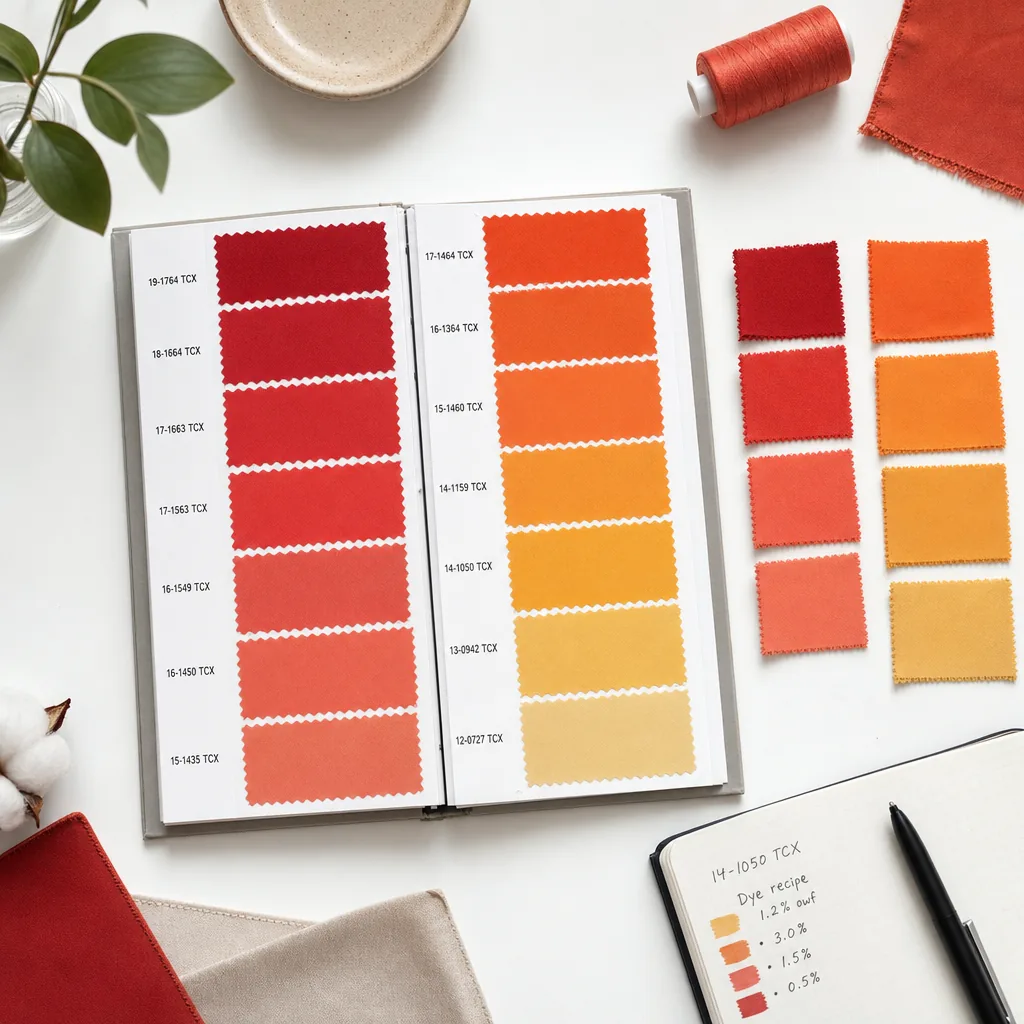
Pantone Color Matching for Custom Caps: A Manufacturer's Reference - 2026 Buyer's Guide
Read article →We hope this guide demystifies custom logo hats: when to use it, costs, and what to ask your factory - supplier checklist (2026 update) (2026 update) and helps you move forward with confidence. If you have questions specific to your project, our English-speaking sales engineers are one message away.