
Custom Logo Hats: When to Use It, Costs, and What to Ask Your Factory - Supplier Checklist (2026 Update) - 2026 Buyer's Guide - 2026 Buyer's Guide
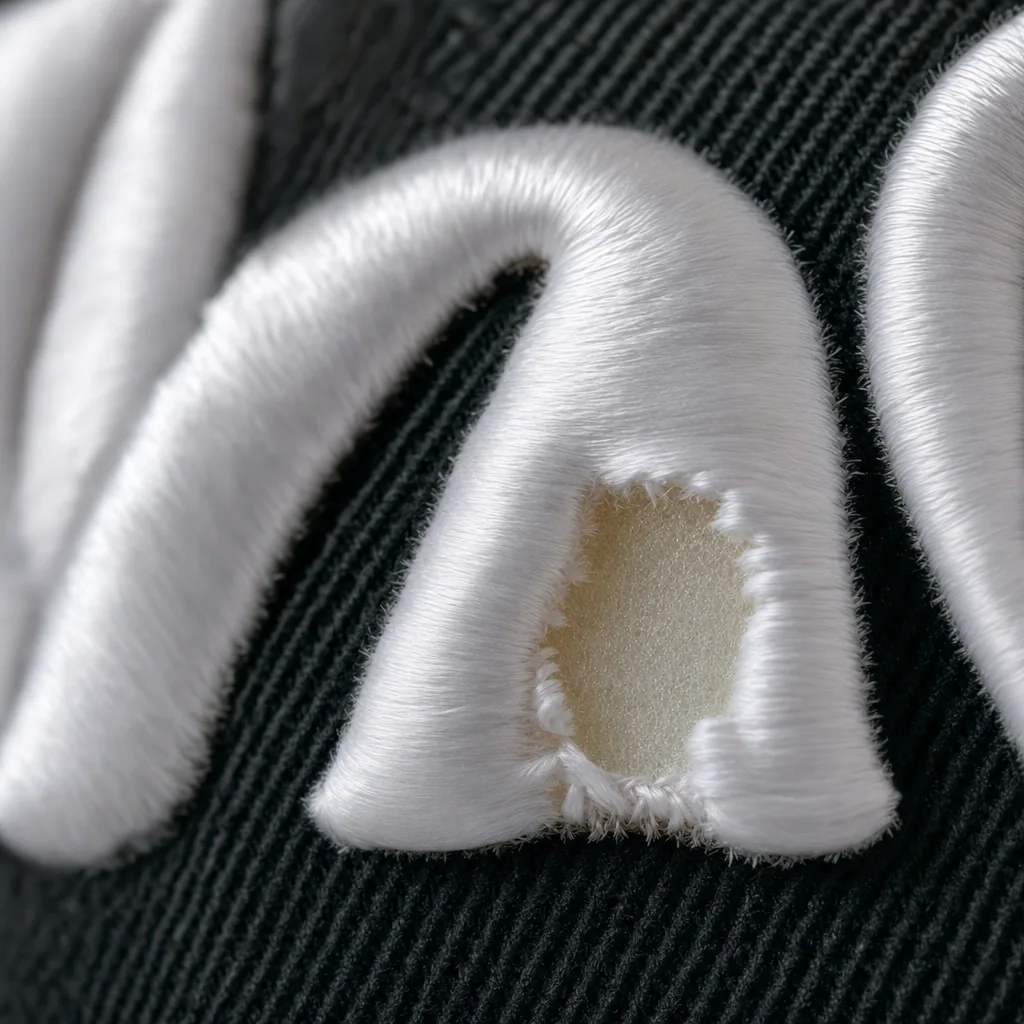
Custom Logo Hats: When to Use It, Costs, and What to Ask Your Factory - Supplier Checklist (2026 Update) - 2026 Buyer's Guide - 2026 Buyer's Guide is one of the most-asked questions we receive from international buyers, and for good reason. With dozens of factories competing for your order and an alphabet soup of technical terms in every supplier quote, even experienced importers can feel lost. This guide consolidates what we have learned producing custom hats for clients in 40+ countries.
Custom Embroidered Patches
Embroidered patches are best for custom logo hats when the logo should read like a badge, not just decoration stitched directly into fabric. The construction is usually cotton twill, felt, polyester canvas, or faux leather with 120D/2 polyester thread on Tajima, Barudan, or ZSK heads; rayon looks softer but is less forgiving in wash and abrasion tests. Use merrowed borders for classic round or shield shapes, satin stitch for cleaner custom outlines, and laser-cut edges only when the base fabric has a stable backing. I reject patch artwork with strokes below 1.0 mm, lettering under 4.5 pt, heavy gradients, or photo shading because stitch pull and thread spread will muddy the mark. For that level of detail, woven patches, sublimated patches, silicone badges, or direct flat embroidery usually inspect cleaner. The practical advantage is modularity: one approved 55–70 mm front badge can move across trucker caps, dad hats, 5-panels, bucket hats, and beanies with only the sewing jig and placement adjusted.
Your tech pack should lock down patch size in millimeters, shape, base material, border type, backing, stitch coverage, thread count, and attachment method before sampling. Color references need to be realistic: Pantone TCX is better for textile thread matching, while Pantone Solid Coated is only a graphic starting point. For licensed sports or retail programs, specify Delta-E 1.5–2.0 under D65 lighting; promotional buyers often accept Delta-E 3.0 because thread lots vary. Placement also changes the result. A patch that looks flat on the table can curl on a structured buckram crown, wrinkle on foam trucker fronts, or bridge over a center seam if the badge is too wide. Lockstitch attachment is the most durable and retail-clean, zigzag gives a tactical look, tack stitching is cheaper but less refined, and hook-and-loop requires both hook backing on the patch and loop tape sewn to the cap. Our standard practice at CrownsForge is to approve both the loose patch and a sewn pre-production sample on the actual cap body.
In the Yiwu and Dongguan supply chain, standalone embroidered patch MOQ is usually 100–300 pieces per design, but cap production runs more smoothly at 300–500 finished hats per colorway because operators can batch the post-bed sewing. A basic 60 mm merrow-edge patch costs about USD 0.18–0.45 in volume. Dense satin borders, 6–9 thread colors, metallic thread, felt bases, faux leather, or irregular laser-cut shapes push the patch to roughly USD 0.50–1.10. Sewing to the cap adds USD 0.12–0.30, while a Velcro system adds another USD 0.20–0.45 for hook and loop materials. Expect strike-offs at USD 35–80 because digitizing, thread changes, and machine setup are spread across one or two samples. Put inspection tolerances in the PO: center-front placement within ±2 mm, skew under 2 degrees, edge lift below 1.5 mm, no exposed base fabric on satin borders, no loose thread tails, and no oil marks. Use AQL 2.5 minimum, and request sedex-audit-cap-supplier-guide.html">BSCI 2.0 or Sedex SMETA 4-Pillar records if the patch supplier is subcontracted.
Custom Hat with Patch
Use a patch when the logo has information density that thread cannot reproduce cleanly on a curved crown. For custom logo hats, I move small lettering under 4 mm, thin keylines, gradients, shields, mascot crests, and sponsor stacks away from direct embroidery and into woven patches, embroidered patches, TPU badges, felt appliqué, or debossed leather/PU labels. Tajima, Barudan, and ZSK heads can produce sharp embroidery, but counters in A, e, B, and R close fast on cotton twill, brushed canvas, corduroy, and acrylic-wool blends, especially after washing or steaming. For structured 6-panel caps, a merrowed-edge embroidered patch gives the cleanest heritage look; for detailed artwork, laser-cut woven patches hold finer edges and smaller type. Heat-applied badges are fine on foam truckers and low-profile dad caps, but cheap hot-melt film, uneven platen pressure, or a dwell time 2–3 seconds off spec can cause edge lift after wear, wash testing, or container heat exposure above 50°C.
A usable RFQ should never say only “front patch.” Specify finished patch size in millimeters, artwork file format, backing type, edge finish, attachment method, Pantone TCX targets, and acceptable color tolerance. For embroidered patches, ask for thread type, estimated stitch count, merrow width, border style, and whether attachment is lockstitch, zigzag, satin border, or hidden tack. For woven patches, require a physical strike-off because 1.8 mm lettering can look readable in a PDF and disappear in yarn. For leather or PU labels, define thickness, deboss depth, edge paint, grain, and color range; Delta-E under 1.5 is realistic for controlled synthetic PU, while natural veg-tan leather may vary Delta-E 3–5 across hides. Lock the cap body at the same time: fabric gsm, buckram stiffness, crown height, visor sandwich color, sweatband composition, closure type, and seam allowance. At CrownsForge, our standard practice is approving patch placement with a paper template before sampling because a 3 mm center-front shift is obvious.
Patch pricing is driven by the badge process as much as the cap body. In 2026, a basic cotton twill cap with one sewn embroidered front patch usually lands around US$2.20–$3.80 FOB Ningbo or Shanghai at 300–1,000 pieces, assuming standard fabric, no wash, and a normal plastic snapback or metal buckle. Woven patches, TPU badges, leather labels, corduroy, nylon taslon, acrylic-wool blends, side embroidery, custom taping, or branded closures can push custom logo hats into the US$4.20–$6.50 range before freight and duty. Confirm both MOQs: the cap line may accept 144–300 pieces per colorway, while the patch vendor may require 100–500 pieces per artwork. QC should check patch skew against the center seam, puckering, exposed bobbin thread, inconsistent SPI, adhesive bleed, loose merrow yarn, and edge lift after heat-aging or wash testing. Use AQL 2.5 for major appearance defects, and request peel-test or pull-test records for heat-applied parts because patches add one more supplier and one more failure point.
Custom Patch for Hat
Use a custom patch when the logo has detail that direct embroidery will punish: serif text below 4 mm, distressed edges, gradients, photo effects, more than 6 thread colors, or thin lines under roughly 0.5 mm. For custom logo hats, a stitched patch is still the safest construction for baseball caps; adhesive-only patches are a warranty risk because containers and inland trucks can sit at 55–60°C, and cheap EVA hot-melt film starts lifting at the corners after heat cycling. Merrowed embroidered patches suit outdoor, school, and team logos; laser-cut twill or felt patches give a flatter streetwear look; woven patches can hold 0.3–0.5 mm line work; sublimated patches handle gradients; PVC and silicone are better for tactical or waterproof styles but can make a 180–220 gsm cotton twill crown feel front-heavy.
Do not approve a patch from a flat patch card alone. A patch that looks clean on paper can pucker badly once sewn over a six-panel center seam, a foam trucker front, or a high-profile buckram crown. The pre-production sample should show the real cap body, real patch backing, real sewing method, and real placement. For most front panels, I set placement tolerance at ±2 mm for retail orders and ±3 mm for promotional programs; looser than that looks crooked on shelf. The tech pack should state patch size in millimeters, edge type, border width, backing, base fabric, Pantone TCX or Pantone Coated references, Delta-E tolerance, and measurement points from the crown seam and visor edge.
Costs are not complicated, but buyers often forget the mold, die, and extra handling charges. In Yiwu, 2026 MOQs are typically 144–300 pieces per cap colorway, while simple patch-only production may start around 100 pieces. A basic embroidered patch sewn onto cotton twill usually adds $0.30–$0.80 FOB per hat; woven or sublimated patches are often $0.25–$0.70; PVC, molded silicone, or genuine leather usually adds $0.85–$1.90, plus $35–$120 for a mold, die, or laser program. Inspection should cover incoming patches and finished hats under AQL 2.5: D65 lightbox color check, 3M tape pull on edges, rub test for printed surfaces, stitch security after flexing, and placement against the approved grid. If the cap is enzyme washed or garment washed, test after washing, because fabric shrinkage can wrinkle the patch border.
Custom Patch Hat
Patch hats are the right call when direct embroidery would damage the artwork or distort the crown. On custom logo hats with text below 3 mm, thin serif strokes, halftones, distressed edges, or more than 6 thread colors, even a well-tuned Tajima, Barudan, or ZSK head will start closing counters and softening corners. A patch lets the logo be built on a stable base first, then sewn or heat-applied to the cap, instead of forcing 8,000–14,000 stitches into a curved front panel. That matters most on unstructured dad hats, 5-panel camp caps, foam truckers, and lightweight 180–220 gsm cotton twill, where dense embroidery can pull the panel inward and create tunneling behind the logo. The practical choices are embroidered twill, woven damask, printed satin, PVC, debossed faux leather, genuine leather, and molded rubber. Use woven or printed patches for small lettering and fine linework; use embroidered patches when you want texture; use leather or PVC when durability and perceived value matter more than fine detail.
Treat the patch as its own component, not as a vague decoration note on the cap tech pack. Specify patch width and height in millimeters, border type, backing, attachment method, and placement measured from center front and the visor seam. For borders, call out merrowed, satin stitch, laser-cut, hot-cut, or die-cut; each gives a different edge thickness and minimum radius. Color should be locked to Pantone TCX for fabric/thread and Pantone Coated for printed or PVC surfaces, with a realistic Delta-E tolerance of under 2.0 for key brand colors and under 3.0 for secondary colors. Woven patches need thread denier and weave density; embroidered patches need coverage percentage, thread type, and stitch direction; leather patches should state thickness, usually 0.8–1.2 mm for caps, plus emboss depth. Our standard practice at CrownsForge is to approve the patch and finished cap together because a clean flat sample can look oversized, tilted, or too stiff once it sits on a low-profile crown.
For 2026 costing, separate the cap body, patch, and application charge or the quote will hide the real cost driver. A 6-panel cotton twill cap with a sewn embroidered patch usually runs about $3.20–$5.80 FOB China at 300 pieces, using stock 260–300 gsm twill, standard sweatband, and individual polybag packing. Woven or printed patches often save money on detailed logos because they avoid high stitch counts and long embroidery machine time. PVC, molded rubber, genuine leather, reflective print, and custom inside taping push typical pricing to $6.50–$9.00 FOB, before freight, duty, or DDP service. Normal MOQ is 100–144 pieces per colorway; 48–72 pieces can work on stock blanks, but setup, digitizing, laser cutting, molds, and hand placement make the unit cost jump. Put the failure points into your checklist: off-center placement over 2 mm, skewed stitch-down, perimeter puckering, glue bleed, weak adhesion after heat cycling, fuzzy merrow edges, leather scorch, PVC flash, and color migration. Require AQL 2.5 final inspection, a corner pull test, and a 24-hour post-press aging check for heat-applied patches.
Custom Patch Hats
Patch hats should be quoted and approved as two components: the cap shell and the applied badge. That matters because the patch process—not the crown style—usually decides detail limits, lead time, and rework risk on custom logo hats. Woven patches, made on shuttle or rapier looms with fine polyester yarn, can usually hold text down to about 1.2-1.5 mm if the artwork is clean and the border is not overcrowded; they are the best option for busy crests, small separators, and thin outlines. Embroidered patches on Tajima, Barudan, or ZSK heads give better relief and a more traditional handfeel, but clean readability normally falls off below 2.0 mm letter height because satin columns spread and fill stitches close up on curves. PVC, TPU, silicone, and debossed leather patches solve that detail problem differently, but each requires a mold, die, or laser program and more process control at attachment.
A factory cannot engineer patch hats from a JPEG and a rough verbal note. Send vector art, patch size in millimeters, border construction, backing type, attachment method, cap fabric, and placement referenced from center front or the visor seam. A loose patch approval is not enough; a 65-75 mm badge can look centered on the table and still sit visually high or skewed once it follows the crown curve of a structured 6-panel or a low-profile dad cap. Realistic FOB China pricing for custom logo hats with woven or standard embroidered patches usually lands around USD 3.20-6.80 at 100-300 pieces per colorway, depending on shell fabric, closure, sweatband spec, and patch sewing time. PVC or leather patches often add USD 40-120 in mold or die charges, so they make more sense at 300-500 pieces and above. Ask whether patch MOQ is separate from cap MOQ, whether setup charges are credited on bulk, and who retains the mold for reorders.
Most patch-hat failures come from placement, puckering, or weak attachment—not from the patch artwork itself. Put tolerances in writing before sampling: patch position within ±2 mm, patch size within ±1 mm, angle skew under 2 degrees, and color tolerance at Delta-E under 2.0 for strict brand work or under 3.0 for promotional programs. On sewn patches, inspect the inside crown for loose bobbin thread, needle damage, and tunneling, especially on washed denim, 260-320 gsm canvas, corduroy, and lightweight nylon taslan where the shell can distort under edge stitching. On heat-applied woven or embroidered patches, require a 24-hour peel test and at least one light wash or steam exposure test; adhesive that looks acceptable right off the press often fails after humidity, carton compression, or transit heat.
For bulk QC, AQL 2.5 for major defects and AQL 4.0 for minor appearance issues is a practical baseline, and carton checks matter because factories often run one blank body across multiple patch graphics on the same line. Our standard practice at CrownsForge is to separate cap cost, patch cost, and attachment labor on the quotation so buyers can see where the price is moving. Patch construction is the right choice when you need tactile texture, exact logo consistency across caps, jackets, and bags, or removable branding through hook-and-loop. If the artwork is simple, the target FOB is aggressive, and delivery speed matters more than surface effect, direct embroidery is usually the cleaner answer for custom logo hats.
Hat Patch Custom
Patch type decides whether the logo looks intentional or cheap after three months of wear. For custom logo hats with bold artwork, an embroidered twill or felt patch works well above roughly 0.8 mm line weight; below that, switch to woven because 75D/100D threads can hold small letters and tight outlines better than rayon embroidery on a Tajima or Barudan head. Printed polyester patches are the right call for gradients, halftones, and mascot art with facial detail, while molded PVC fits fishing, tactical, and workwear caps where abrasion resistance and wipe-clean performance matter. Do not approve a patch from a flat PDF alone. Ask for patch size in millimeters, base cloth weight in gsm, border type, backing, stitch count or weave density, Pantone C or TCX references, and the exact attachment method. Merrow borders are tough but bulky on low-profile dad caps; satin-edge stitch-down is cleaner for retail; heat-bond film alone is risky on foam fronts and structured truckers because crown flex and carton pressure can lift corners.
Separate the patch price from the cap price or you cannot compare suppliers honestly. In Zhejiang production, a 75 mm embroidered twill patch with plastic backing usually adds $0.28–$0.55 at 500 pcs; woven patches run about $0.22–$0.48; molded PVC is closer to $0.45–$0.90 depending on mold depth, color layers, and fine raised detail. Setup is not free: embroidery digitizing is typically $25–$80, woven artwork setup $30–$70, and a PVC mold $80–$180. If the logo sits next to a brand color, specify Pantone TCX for fabric or Pantone C for print/ink and set Delta-E tolerance before sampling; realistic bulk tolerance is often ΔE 1.5–2.0 for controlled programs, not “same as screen.” For inspection, use AQL 2.5 but add defect definitions for patch-specific failures: placement off by more than 3 mm, visible tilt over 2 degrees, puckering on buckram fronts, skipped satin stitches, merrow unraveling, adhesive bleed on light fabric, and filled counters on letters like A, R, and P.
Working with CrownsForge for custom logo hats programs
Bulk orders should be controlled by checkpoints, not by trust or a nice sample photo. After sample approval, issue a locked production sheet covering fabric lot, Pantone tolerance or Delta-E limit, Madeira or Gunold thread numbers, panel measurements, patch die references, packing ratio, carton marks, barcode format, and inspection criteria. A serious cap line checks fabric cutting, panel embroidery, crown closing, visor setting, trimming, thread cleaning, metal detection when required, and final packing. Final inspection is typically AQL 2.5 for major defects and AQL 4.0 for minor defects, with tighter limits for licensed sports, retail, or uniform programs. Compliance files may include BSCI 2.0, Sedex SMETA 4-Pillar, material declarations, CPSIA, Prop 65 statements, and restricted substance confirmations. For repeat custom logo hats, retain approved fabric swatches, logo files, patch molds, thread cards, polybag specs, carton CBM, and barcode layouts. The first order should prove fit, color, decoration, and logistics; the reorder should not restart development from zero.
Frequently Asked Questions
What file format should I send for my logo?
Vector files (AI, EPS, PDF) are ideal. High-resolution PNG or JPG at 300 dpi on transparent background works as a fallback. Provide Pantone color references for accurate reproduction.
Which shipping methods do you support?
We support FOB, CIF and DDP shipping. Air express for samples and small orders, sea LCL for 100 to 500 pieces, sea FCL for 5,000+ pieces. Door-to-door DDP available for US, EU, UK, Canada and Australia.
Can I order a sample before bulk production?
Yes. We strongly recommend approving a pre-production sample before mass production. Samples are charged at 35 to 60 USD each plus express shipping, fully refundable against confirmed bulk orders over 500 pieces.
What logo decoration techniques do you offer?
3D puff embroidery, flat embroidery, woven patch, leather patch, PVC patch, screen printing, sublimation, applique and laser etching, all in-house with no subcontracting.
What is the minimum order quantity (MOQ) for custom hats?
Our standard MOQ is 100 pieces per design and color, with sampling available from 1 piece. For complex multi-color logos or premium fabric upgrades, the MOQ can be lowered with a small per-piece surcharge.
How does ordering custom embroidered logo hat work?
When evaluating custom embroidered logo hat, the key considerations are construction quality, decoration capability, MOQ flexibility and lead time. Cover everything buyers ask about custom embroidered patches: how it's manufactured, what specs to request from a factory, typical MOQ and pricing, common quality issues to inspect for, and how this ties back to the broader custom logo hats sourcing decision. Cover everything buyers ask about custom hat with patch: how it's manufactured, what specs to request from a…
How does ordering custom hat leather patch work?
When evaluating custom hat leather patch, the key considerations are construction quality, decoration capability, MOQ flexibility and lead time. Cover everything buyers ask about custom hat with patch: how it's manufactured, what specs to request from a factory, typical MOQ and pricing, common quality issues to inspect for, and how this ties back to the broader custom logo hats sourcing decision. Cover everything buyers ask about custom patch for hat: how it's manufactured, what specs to request from a factory,…
How does ordering custom embroidered baseball hats work?
When evaluating custom embroidered baseball hats, the key considerations are construction quality, decoration capability, MOQ flexibility and lead time. Cover everything buyers ask about custom embroidered patches: how it's manufactured, what specs to request from a factory, typical MOQ and pricing, common quality issues to inspect for, and how this ties back to the broader custom logo hats sourcing decision. Cover everything buyers ask about custom hat with patch: how it's manufactured, what specs to request from a…
What's the MOQ for custom embroidered patches no minimum?
When evaluating custom embroidered patches no minimum, the key considerations are construction quality, decoration capability, MOQ flexibility and lead time. Cover everything buyers ask about custom embroidered patches: how it's manufactured, what specs to request from a factory, typical MOQ and pricing, common quality issues to inspect for, and how this ties back to the broader custom logo hats sourcing decision. Cover everything buyers ask about custom hat with patch: how it's manufactured, what specs to request from a…
Ready to start your custom hat project?
Send us your tech-pack, sketch or even just an inspiration photo. We will respond with a detailed quotation and digital mock-up within 24 hours.
Request a free quoteRelated guides
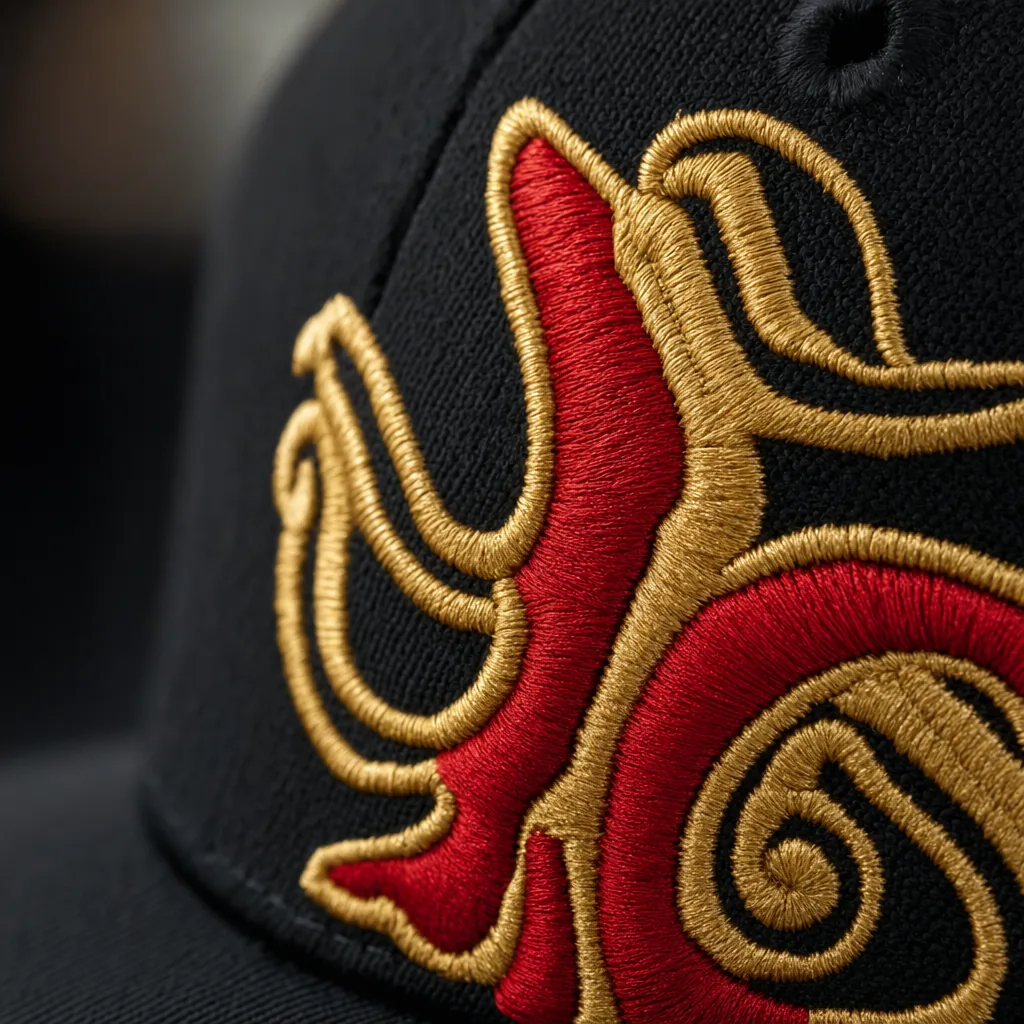
Custom Logo Hats: When to Use It, Costs, and What to Ask Your Factory - Supplier Checklist - Cost & MOQ Breakdown
Read article →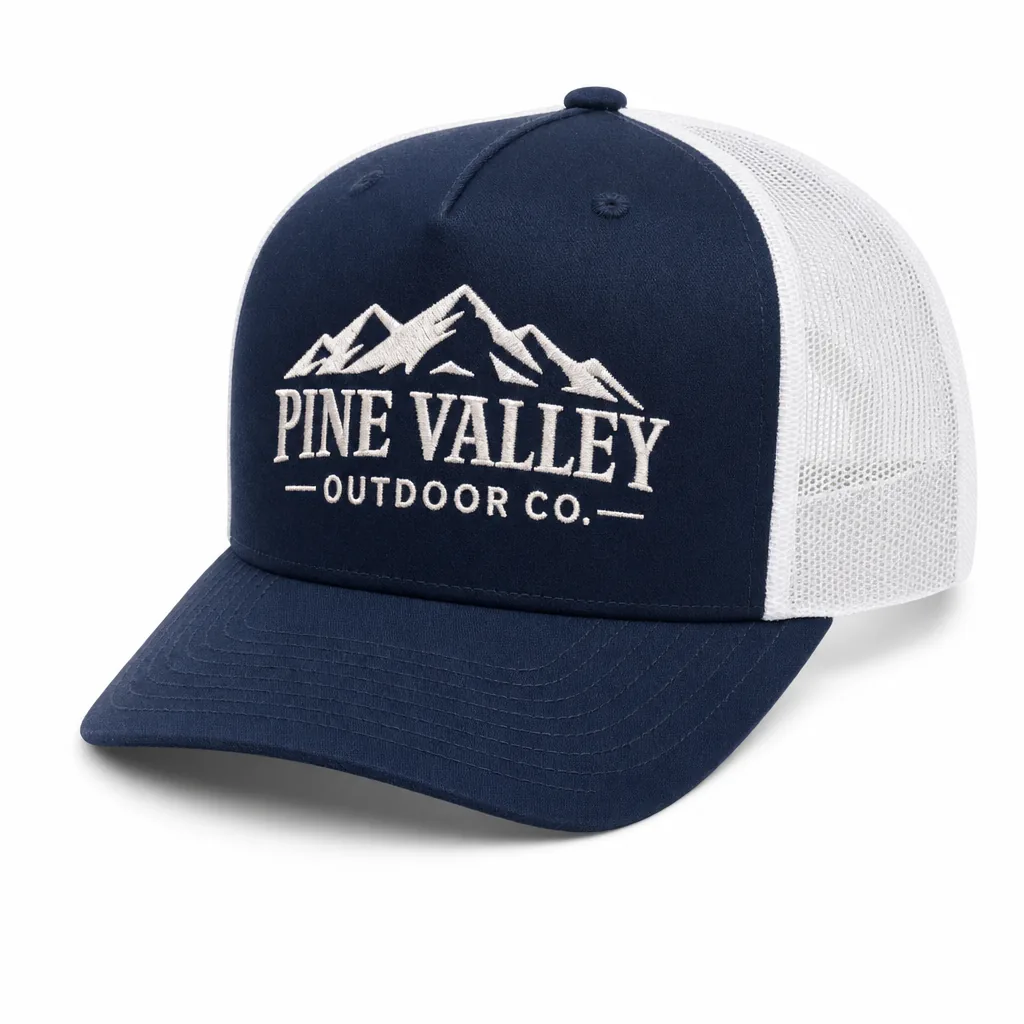
Trucker Hat Mesh Panel QC: Defects Buyers Should Catch Early (2026 Update)
Read article →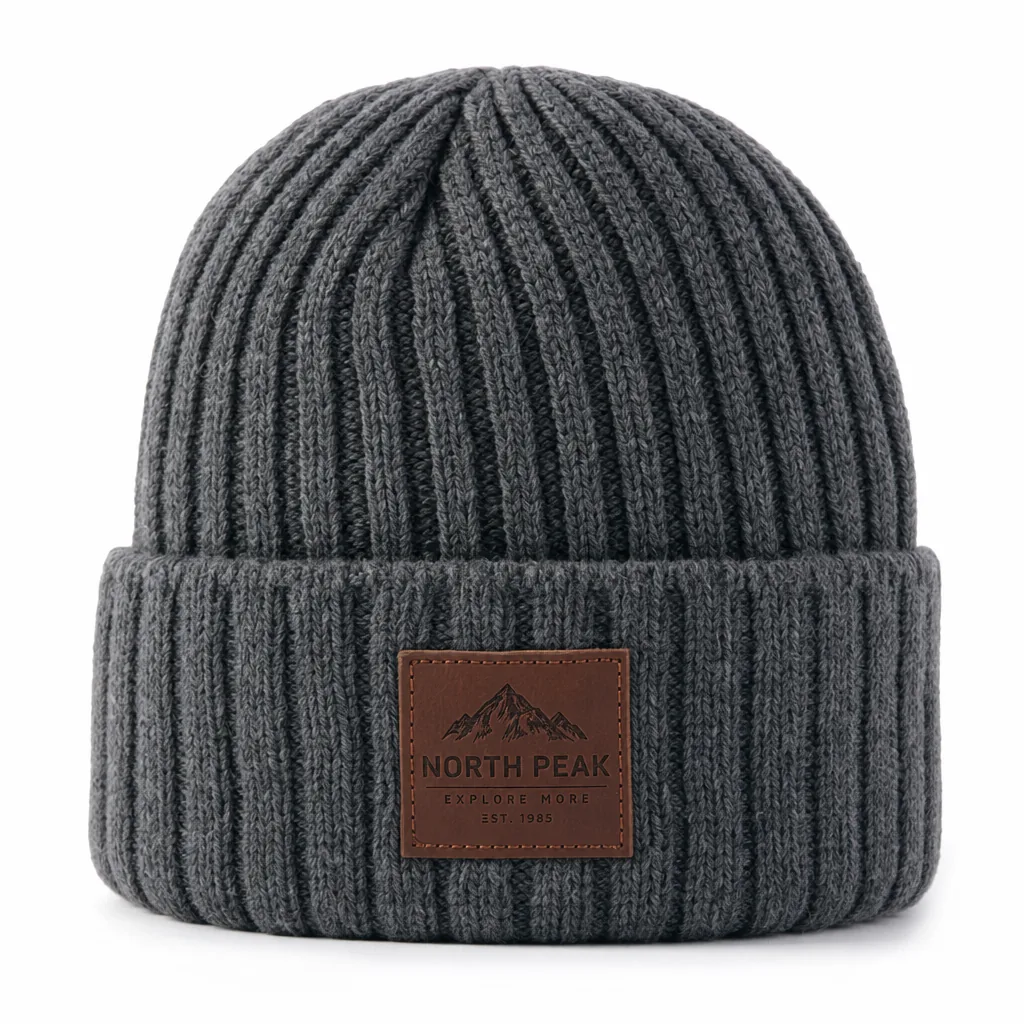
Cap Fabric Guide: Cotton Twill, Wool Blend, Polyester & Performance Materials
Read article →If you are ready to take the next step on custom logo hats: when to use it, costs, and what to ask your factory - supplier checklist (2026 update) - 2026 buyer's guide - 2026 buyer's guide, our team can put a tailored quotation and digital mock-up in your inbox within 24 hours. Send the inquiry form on our contact page or message us directly on WhatsApp.