
Custom Logo Hats: When to Use It, Costs, and What to Ask Your Factory (2026 Update) (2026 Update)
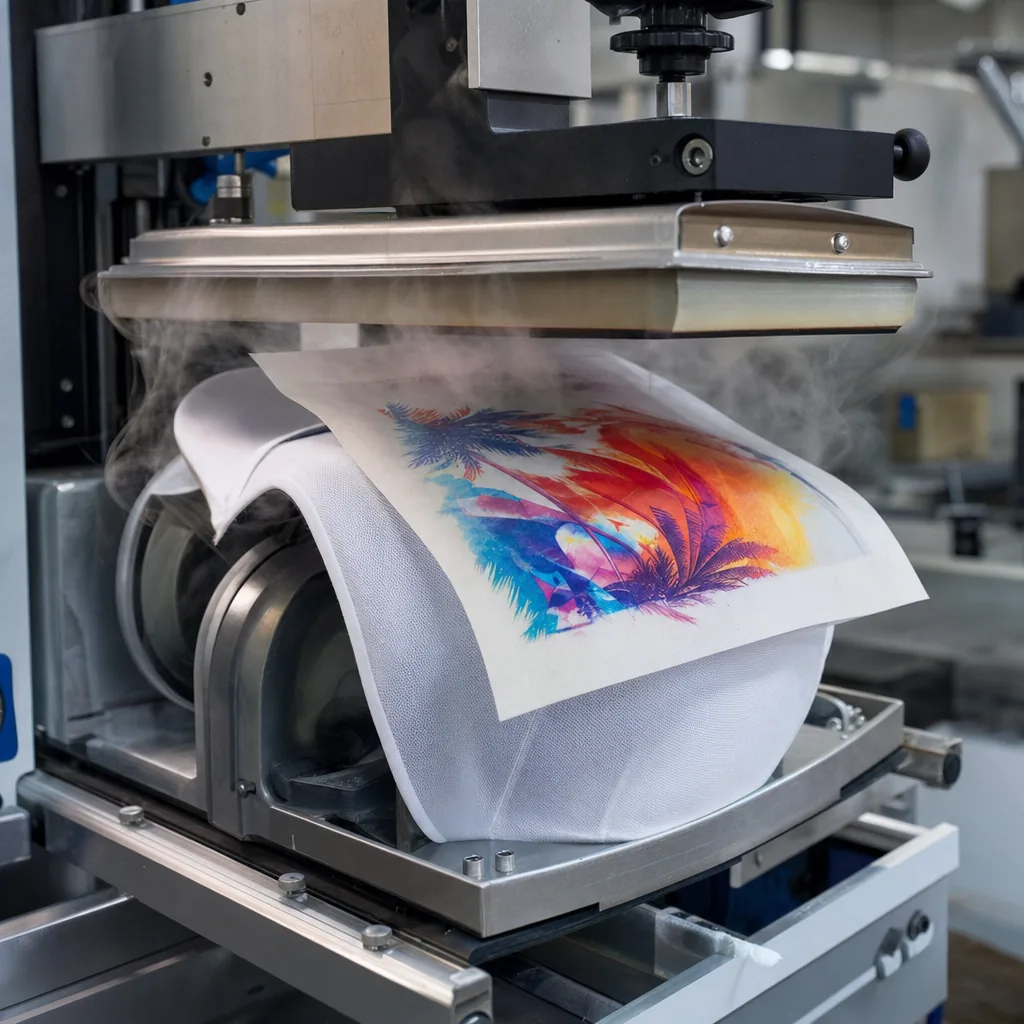
Every week, our sales team answers detailed questions about custom logo hats: when to use it, costs, and what to ask your factory (2026 update) (2026 update). We wrote this guide so that wholesalers, streetwear brands, corporate buyers and promotional resellers can compare options with full information, and avoid the traps that show up only after production has started.
Custom Embroidered Patches
Treat an embroidered patch as a separate trim program, not cheap direct embroidery. On custom logo hats, the patch has its own digitizing file, base cloth, edge finish, backing, and attachment spec, so it needs independent tolerances and approval criteria. Fine detail is where buyers get burned: once you add a merrow or satin border, text below about 4.5–5 pt and linework under 0.8 mm usually closes up, especially on 75D or 120D polyester thread. Standard face materials are 210–260 gsm polyester twill, acrylic felt, polyester canvas, and brushed cotton, typically run on Tajima, Barudan, or ZSK multi-head embroidery machines. Merrow is efficient and durable, but it limits shape complexity; laser-cut or heat-cut edges handle irregular badges and crest outlines better, though loose-weave fabrics can show edge fuzz after abrasion testing and transit. Patches make more technical sense than direct embroidery when the logo has multiple color blocks, a heritage badge look, or needs to be shared across different crown profiles without re-digitizing every cap body. That matters if you are running the same art across unstructured dad caps, 5-panel foam truckers, and high-profile acrylic-wool snapbacks, where stitch angles and push-pull behave differently. The factory spec should call out patch size in millimeters, base fabric and gsm, border type, backing, stitch coverage, thread composition, Pantone TCX references, and placement tolerance. For front-center application, ±2 mm is a realistic acceptance standard; at 3 mm drift, most buyers will spot the error immediately on a retail shelf. Our standard practice is to keep front patch build around 1.8–2.2 mm total thickness so the crown still sews, curves, and cartons without visible distortion.
Attachment is where good-looking patch hats turn into chargebacks. Sewing is still the most reliable method for custom logo hats, especially on textured fronts like brushed cotton twill, foam truckers, and buckram-backed structured crowns. Heat press attachment can pass a pre-shipment photo and still release after a week in a hot container if the crown curvature, glue film, and press dwell are not matched; 150–160°C for 12–18 seconds is common, but that does not guarantee bond strength on every shell fabric. Hook-and-loop has a place for tactical and team programs, but if the loop field is even slightly off-square, the front panel can torque and the cap loses symmetry. Side-panel, over-seam, and curved placements also carry higher reject risk because the operator is fighting seam bulk and variable crown tension. Cost is driven less by embroidery minutes than by handling between the patch line and the cap sewing line. In China, a basic 2.25- to 3.0-inch embroidered patch at 500 pieces in 2026 typically runs about $0.28 to $0.75 each, depending on stitch density, thread count, border finish, and whether you specify metallic or specialty yarns. Sewing that patch onto the cap usually adds $0.08 to $0.30 for front-center placement, with more for side or seam-crossing locations. Inspection should focus on post-shipment failures: skipped stitches at corners, exposed bobbin, uneven merrow width, laser-edge fuzzing, puckering from excessive stitch density, shade variation above Delta-E 1.5 to approved thread cards, and placement drift. AQL 2.5 is normal for finished caps, but patch placement should be checked with tighter in-line control because a front badge off by 2.5–3.0 mm reads defective faster than a minor sewing imperfection elsewhere.
Custom Hat with Patch
Patch type matters more than cap silhouette. For custom logo hats, the practical choices are merrowed embroidered, heat-cut embroidered, woven, and molded TPU or faux leather. Merrow is the workhorse because it wears hard and hides minor edge irregularity, but the border consumes about 2.5-3.5 mm and only behaves on relatively simple outlines. It works well on 108 x 58 cotton chino twill, 16 oz acrylic-wool snapbacks, and other stable fronts; it looks clumsy on narrow shield shapes or badges with tight inside corners. Heat-cut or laser-cut embroidered patches hold sharper geometry, but only if the satin edge density is high enough and the melt line is clean. If the border is underbuilt, abrasion will expose the base after a few wash or rub cycles. Artwork detail should drive the patch construction. Once text drops below about 4 mm cap height, embroidery starts closing counters, especially on buckram-backed front panels where the crown curve compresses detail. Woven patches hold small copy and thin strokes better because the yarn grid is finer than standard embroidery thread. TPU is useful when buyers want a matte molded look, raised lines, or weather resistance, but printed TPU color needs to be specified against Pantone coated values and approved with a Delta-E target that is actually measurable. Thread is different: for embroidered patches, color approval is usually by physical strike-off, not numerical Delta-E, because rayon and polyester thread reflect light differently lot to lot.
Attachment is where patch programs succeed or fail. A sewn patch applied after cap assembly is still the safest method because the operator can follow the crown curve, compensate for seam bulk, and control puckering on structured fronts. Heat press attachment looks cleaner on flat, low-profile artwork, but press settings are unforgiving. On a 260 gsm cotton twill body, too much heat or dwell time can create face sheen, adhesive strike-through, or distortion near the center seam; on foam-front truckers it can collapse the foam and print the seam allowance through the patch. Standard flow is patch embroidery on Tajima, Barudan, or ZSK heads, then cutting, backing, and final attachment by lockstitch, zigzag, heat press, or a sew-plus-press combination. Our standard practice is to approve the patch as a loose sample first, then review it again on the finished cap because a patch that lies flat on the table often wrinkles once it bridges front-panel seams. Most factory disputes come from vague specs and vague QC. A usable patch callout should state finished size in millimeters, placement point, tolerance, edge finish, backing, stitch coverage, and attachment method—for example: 65 x 45 mm embroidered patch, merrow border, Pantone Black C reference, 75% fill, nonwoven backing, lockstitched to center front, placement tolerance +/-2 mm. Cost is driven by decoration more than shell: at 300 pcs, a basic 6-panel cotton twill cap with sewn embroidered patch typically runs about $2.20-$4.80 FOB China, while a premium wool-blend snapback with patch, custom inside taping, woven flag label, and retail packaging lands closer to $5.50-$9.00 FOB. The patch itself is usually $0.28-$1.20 depending on stitch count, border, and backing. Inspect under AQL 2.5 for off-center placement, skipped stitches, merrow fray, glue bleed, overpress bubbling, visor warp, and weak bond; for heat-applied patches, add a 3M tape pull and symmetry checks across at least 32 pieces per lot.
Custom Patch for Hat
Use a patch when the logo fights the cap geometry. On curved front panels, center seams, foam trucker fronts, and washed dad hats, direct embroidery starts to distort once you push fine outlines, tonal shading, or small type. For custom logo hats, the practical patch formats are merrowed embroidered, woven, printed twill, laser-cut satin, leather or faux leather, and molded PVC. Each has a hard limit. Embroidered patches start losing definition below roughly 0.8 mm line width and 3 mm letter height, even on a clean Tajima or Barudan file. Woven patches hold sharper detail, typically the equivalent of 5-6 pt type if contrast is high and the art is simplified. Printed twill handles gradients, halftones, and photographic color breaks that thread simply cannot reproduce, while PVC is the better choice for fishing, moto, and outdoor programs because it shrugs off sweat, abrasion, and light rain better than thread constructions.
Attachment method decides whether the patch looks retail or cheap. On structured 6-panel caps with buckram, pre-assembly applique is usually the cleanest route because the patch can sit flat before the crown is closed, which avoids seam-bridge lifting and patch tilt. Finished-cap sewing works, but labor rises fast and placement drift becomes more common, especially on low-profile unstructured caps and foam-front truckers. A usable production spec should call out patch size in mm, border type, backing, base fabric weight—210-250 gsm twill is standard for embroidered and printed bases—Pantone TCX reference, and placement tolerance of +/-2 mm measured from visor centerline. If you are heat pressing, ask for adhesive type, temperature window, dwell time, and peel method; if you are using PVC, specify thickness, typically 0.8-1.5 mm, plus Shore A hardness and whether a new mold fee applies.
Patch cost is driven less by the face material than by setup, revision, and application labor. In China, cap-linked patch orders usually start to make sense at 100-300 pcs per design; standalone patch runs often need 500 pcs to absorb setup and freight. A 50 x 70 mm woven or embroidered patch is commonly $0.18-$0.45 ex-factory, printed twill with heat backing runs about $0.35-$0.80, and molded PVC is usually $0.60-$1.40 depending on thickness, color count, and mold status. Sewing the patch onto the cap adds roughly $0.12-$0.35 for standard application and more for post-assembly work on finished crowns. The hidden cost is revision. Change the border shape, shrink text after sample review, or adjust crest centering, and you can lose 3-5 days on a new embroidery tape, woven file, or PVC mold correction. QC should be written into the PO before bulk: AQL 2.5, angle check against visor line, pull test on random samples, and color tolerance within Delta-E 2.0-2.5 under D65 lighting. Our standard practice is to quote direct embroidery beside patch application, because some 9,000-12,000 stitch logos run cleaner and cheaper as embroidery than as a premium patch.
Custom Patch Hat
Patch hats solve detail problems that direct embroidery cannot, but they add a second manufacturing process and a second set of failure points. For custom logo hats with fine text, negative space, or distressed artwork, woven patches are usually the most reliable choice because they can hold roughly 0.8-1.0 mm linework and cleaner edge definition than standard embroidery on a curved front panel. Embroidered patches still work well for bolder logos, but once you run small copy through a Tajima, Barudan, or ZSK head on a structured crown, stitch spread and crown curvature start eating clarity fast. Material matters just as much as stitch type: PVC is durable but too stiff for many low-profile 6-panels, faux suede marks easily under heat and pressure, and genuine leather needs tightly controlled tanning lots or you will see visible shade shift cap to cap. Attachment method is where a lot of factories cut corners. Glue-only application looks acceptable on fresh samples, then starts lifting after freight exposure when cartons sit at 50-60°C inside a container and low-grade heat film softens. Sewn attachment is safer, especially with merrow, satin, or edge stitch borders that mechanically lock the patch to the crown. Placement also has to respect cap construction. A patch that sits cleanly on a flat strike-off can pucker badly across a center seam or pull unevenly over hard buckram. On trucker caps with foam fronts, oversized patches often telegraph every needle hole, while on washed cotton twill the same patch may sink and wrinkle unless stitch tension and backing are matched to the fabric weight.
Most quality problems come from vague tech packs, not from the patch itself. Buyers should specify patch size in millimeters, border finish, backing type, weave density or embroidery coverage, Pantone TCX reference, and placement tolerance; ±2 mm is a realistic production standard, tighter only on simple placements. The hat body spec is equally important because profile, panel count, buckram stiffness, visor curve, and fabric weight all change how the patch behaves after sewing. A 240 gsm brushed cotton twill unstructured 5-panel will not carry a 70 x 45 mm patch the same way a structured polyester trucker with a 3 mm foam front will. If the patch crosses the center seam, call it out in writing or shift the artwork off-center to avoid needle deflection, seam grin, and visible distortion. Cost is driven more by patch construction and attachment labor than by the cap shell. In China, workable MOQs for patch-based custom logo hats are typically 144-300 pieces per colorway, with some patch suppliers accepting 100-piece runs if yarn colors are already on the machine. A realistic add-on cost is about $0.28-$0.75 for woven patches, $0.35-$0.90 for embroidered patches, $0.45-$1.10 for laser-engraved PU leatherette, and higher for real leather once REACH-compliant tanning and lot consistency are required. Finished patch hats usually land around $2.20-$4.80 FOB Ningbo or Shanghai at 300-1,000 pieces; premium fabrics, custom seam tape, metal hardware, and retail packaging can push them over $6.00 quickly. At CrownsForge, we treat patch and cap as one QA flow: patch strike-off approval, blank-cap fit sample, D65 light check with pre-agreed Delta-E tolerance, then final inspection to AQL 2.5 for puckering, frayed borders, skipped stitches, adhesive bleed, and post-compression lifting after aging.
Custom Patch Hats
Patch selection changes the manufacturing route for custom logo hats more than most buyers expect. Once a front patch gets past roughly 55 to 60 mm wide, it should usually be sewn onto the front panel before crown assembly on a structured 6-panel or trucker cap; otherwise the center seam shadows through the patch, edge tunneling shows up, and the crown can twist under the presser foot. Woven patches are the cleanest solution for fine typography, small serif text, and outlines under about 2.0 mm, because even a well-digitized 9,000 to 12,000-stitch direct embroidery file on a Tajima or Barudan head will start to lose edge definition at that scale. Embroidered patches need more engineering than buyers assume: merrow versus heat-cut edge, 0.3 mm nonwoven or paper backing, and stitch density calibrated so the patch stays flat instead of curling into a puckered disk on a curved front panel. Material behavior matters just as much as artwork. PVC patches add weight and can fight the curve of a low-profile dad cap, so post-sew application only works if the operator controls heat, dwell time, and placement carefully. Genuine leather and PU patches need needle spacing, edge paint, and carton compression resistance specified up front, because cracking after export packing is a common failure on cheap runs. A usable tech pack should call out material, finished patch size in mm, border type, backing, attachment method, and placement tolerance of ±2 mm, plus Pantone TCX references for both cap fabric and patch. For color-critical programs, require Delta-E below 2.0 against approved lab dips; olive-on-olive mismatches are where factories get exposed fast.
Costing should be split into two line items: cap body and patch program. In 2026, a solid China-made chino twill or brushed cotton twill cap body typically runs about $2.10 to $3.40 FOB in usable volumes, then the patch adds another $0.35 to $1.20 depending on material, size, border finish, and whether attachment is sewn, heat-applied, or combined. Standard woven- or embroidered-patch custom logo hats at 300 pieces usually land around $3.00 to $4.80 FOB. Molded PVC, real leather, faux suede, or multi-process patches with embroidery plus print can push past $5.20. MOQ is commonly 144 to 300 pieces per colorway; below 100 pieces, setup for digitizing, laser cutting, strike-off sampling, and handling can add $80 to $180, which distorts the unit economics quickly. Inspection is where patch hats fail, not quoting. Use AQL 2.5 for visual defects and check the defects that actually show up on the sewing floor: patch skew off center front, frayed laser-cut edges, skipped attachment stitches, glue bleed on heat-bonded patches, bubbling after 48 hours of carton aging, and crown deformation caused by over-tension during attachment. If the patch is sewn onto a finished cap, ask what machine the factory uses; a Barudan or Tajima narrow-cylinder setup handles curved panels more cleanly than forcing a bulky patch through a generic flat station. Our standard practice is to approve patch programs only on finished caps, not loose swatches, because seam interference, curvature distortion, and compression damage only become obvious after assembly and packing.
Hat Patch Custom
Lock the patch construction before you quote the cap body; on custom logo hats, the patch is usually the first thing to fail in production, not the shell fabric. Woven damask patches are the safest choice when your artwork has micro text, thin serifs, or strokes below about 0.3 mm, because the weave holds detail that direct embroidery and heavy twill badges simply blur. Embroidered patches still make sense when you want loft and a premium hand, but once a 70 x 50 mm badge gets into roughly 9,000 to 12,000 stitches, fills start closing up and small counters disappear unless the digitizing is very disciplined. Common options are merrowed embroidered patches, laser-cut twill, woven damask, molded PVC at roughly 0.8 to 1.5 mm relief, debossed PU, vegetable-tanned leather, microfiber suede, and sublimated polyester for gradients. Each material changes crown behavior under carton pressure, especially on unstructured 6-panel caps and low-profile dad hats.
Attachment method matters as much as patch type. Heat-only bonding looks neat on day one, but on brushed cotton twill, washed canvas, and PU-coated fabrics, adhesive-only applications are the first to lift after carton compression or a 40°C ocean container. For retail custom logo hats, the safer standard is heat-seal backing plus perimeter stitching or controlled tack points. Single-needle stitch-down gives the flattest result, while zigzag or satin borders are better at hiding laser-cut edge irregularity but can telegraph puckering on soft crowns. If the patch crosses the center seam, distortion is predictable unless the front panel has proper buckram and the sewing operator stabilizes the seam before attaching. A usable RFQ should specify patch size in millimeters, edge finish, backing, stitch method, placement tolerance, and exact crown construction. Our standard practice is to hold patch placement to ±2 mm on approved bulk, inspect to AQL 2.5, and classify patch skew over 3 mm, glue bleed, edge lift, and shade mismatch beyond the approved Pantone standard or Delta-E tolerance as major defects.
Patch caps are usually priced by setup and attachment labor more than buyers expect. In China, a realistic MOQ for fully custom patch caps is 144 to 300 pieces per colorway; below that, the patch setup cost is spread across too few units. As of 2026, a mid-profile 100% cotton twill cap with a stitched embroidered twill patch typically lands around $2.20 to $3.60 FOB China at 300 to 500 units, depending on closure, sweatband quality, and decoration complexity. Woven patches are often $0.08 to $0.20 cheaper per cap than dense embroidered badges at volume because they sew faster and avoid high stitch counts. PVC usually adds $0.35 to $0.90 per cap once mold amortization, slower machine handling, and extra needle changes are included. If the patch is woven, ask for yarn denier and weave density; if embroidered, ask for thread brand, stitch count, and underlay plan on Tajima, Barudan, or ZSK heads. Always approve a strike-off before bulk, then do a 24-hour cure check and an inside-crown comfort review so rough stitch backs do not scratch the forehead.
Working with CrownsForge for custom logo hats programs
Lock the approval path before you argue over pennies. For custom logo hats, the real risk is not unit price; it is uncontrolled revisions that eat two weeks and then show up as embroidery changes during bulk. A standard 6-panel brushed cotton twill cap in 260 to 320 gsm with flat front embroidery should move from approved AI/PDF vector art to sample in about 5 to 7 working days, provided the Pantone TCX references, closure type, visor shape, and logo size are already frozen. Add molded PVC, laser-perforated poly side panels, suede microfiber appliqué, or custom inside tape printing, and sampling usually stretches to 7 to 12 working days because mold approval, strike-off color, edge finish, and attachment method each need a separate signoff. In practice, MOQ stays around 144 pcs per colorway on stock fabric and standard snapback or metal buckle trims; custom-dyed fabric, bespoke patch sets, or printed lining tape usually push the floor to 300 to 500 pcs per style. The approval set should end with a sealed golden sample tied to measurable tolerances, not vague comments like “looks good.” CrownsForge typically locks logo placement within +/-2 mm, crown height within +/-3 mm, and visor curve against the approved block, then references those limits during inline and final checks. For embroidery, thread shade should be matched to the approved standard within commercially acceptable Delta-E, and small text needs to be called out early: anything under 4 mm cap height is high-risk unless the digitizing accounts for underlay, pull compensation, and stitch density. A clean tech pack should also state seam count, eyelet type, sweatband material, back closure finish, carton packout, and labeling method, because those “minor” items are where factories often substitute without asking.
Decoration capacity matters more than a giant style catalog. Every outsourced process adds one more handoff where custom logo hats can go wrong through shade drift, missed delivery windows, or patch attachment failures. On embroidery programs, Tajima and Barudan heads are reliable for most flat stitch and 3D puff work, while ZSK heads tend to hold tighter registration on compact lettering and layered fills. Buyers should quote patches by construction, not appearance: merrowed embroidery, woven damask, printed twill with satin edge, molded PVC, leather, and suede microfiber all change needle time, edge control, hand feel, and freight weight. At 500 pcs, an embroidered patch commonly adds about $0.28 to $0.75 per cap; molded PVC is more often $0.65 to $1.20 depending on cavity count, thickness, and color breaks. Sewn, heat-applied, and hook-and-loop attachments are not interchangeable on durability or rework rate. A factory that samples well but lacks workflow discipline will usually fail in bulk. Ask for current sedex-audit-cap-supplier-guide.html">BSCI 2.0 or Sedex SMETA 4-Pillar audit reports, needle-control logs, and compliance data for colorfastness, azo dyes, and formaldehyde if the goods are shipping to the EU; for kids’ caps, get broken-needle procedure and metal detection policy in writing. Bulk control points should include incoming fabric shade check, cut-panel inspection, first-piece sewing approval, decoration signoff, and final inspection to AQL 2.5 with critical, major, and minor defects recorded separately. On hats, the repeat offenders are jump stitches, puckering around patch edges, off-center top buttons, visor topstitch waviness, and sweatband staining. Standard ex-factory lead time is usually 25 to 35 days after deposit and sample approval, but 40 to 45 days is normal once you add fabric above 300 gsm, multiple closures, or split terms such as FOB Ningbo plus DDP to a U.S. warehouse. If artwork cutoff, material booking, and approval milestones are not written into the timeline, the schedule is guesswork.
Frequently Asked Questions
How long does production take?
Sampling takes 7 to 12 days. Bulk production runs 20 to 30 days depending on quantity, fabric availability and decoration complexity. Inspection and packing adds another 3 to 5 days before shipment.
Do you support sustainability certifications?
Yes. We work with GOTS organic cotton, GRS-certified recycled polyester, OEKO-TEX Standard 100 fabrics, and are BSCI and Sedex audited. Certification documentation can be provided per order.
What file format should I send for my logo?
Vector files (AI, EPS, PDF) are ideal. High-resolution PNG or JPG at 300 dpi on transparent background works as a fallback. Provide Pantone color references for accurate reproduction.
What is the minimum order quantity (MOQ) for custom hats?
Our standard MOQ is 100 pieces per design and color, with sampling available from 1 piece. For complex multi-color logos or premium fabric upgrades, the MOQ can be lowered with a small per-piece surcharge.
Can I order a sample before bulk production?
Yes. We strongly recommend approving a pre-production sample before mass production. Samples are charged at 35 to 60 USD each plus express shipping, fully refundable against confirmed bulk orders over 500 pieces.
How does ordering custom embroidered logo hat work?
When evaluating custom embroidered logo hat, the key considerations are construction quality, decoration capability, MOQ flexibility and lead time. Cover everything buyers ask about custom embroidered patches: how it's manufactured, what specs to request from a factory, typical MOQ and pricing, common quality issues to inspect for, and how this ties back to the broader custom logo hats sourcing decision. Cover everything buyers ask about custom hat with patch: how it's manufactured, what specs to request from a…
How does ordering custom hat leather patch work?
When evaluating custom hat leather patch, the key considerations are construction quality, decoration capability, MOQ flexibility and lead time. Cover everything buyers ask about custom hat with patch: how it's manufactured, what specs to request from a factory, typical MOQ and pricing, common quality issues to inspect for, and how this ties back to the broader custom logo hats sourcing decision. Cover everything buyers ask about custom patch for hat: how it's manufactured, what specs to request from a factory,…
How does ordering custom embroidered baseball hats work?
When evaluating custom embroidered baseball hats, the key considerations are construction quality, decoration capability, MOQ flexibility and lead time. Cover everything buyers ask about custom embroidered patches: how it's manufactured, what specs to request from a factory, typical MOQ and pricing, common quality issues to inspect for, and how this ties back to the broader custom logo hats sourcing decision. Cover everything buyers ask about custom hat with patch: how it's manufactured, what specs to request from a…
What's the MOQ for custom embroidered patches no minimum?
When evaluating custom embroidered patches no minimum, the key considerations are construction quality, decoration capability, MOQ flexibility and lead time. Cover everything buyers ask about custom embroidered patches: how it's manufactured, what specs to request from a factory, typical MOQ and pricing, common quality issues to inspect for, and how this ties back to the broader custom logo hats sourcing decision. Cover everything buyers ask about custom hat with patch: how it's manufactured, what specs to request from a…
Looking for a reliable hat manufacturer in China?
CrownsForge has produced custom hats for 800+ brands across 40 countries. From 100-piece launches to 100,000-piece retail programs, we deliver on time and on spec.
Get in touchRelated guides
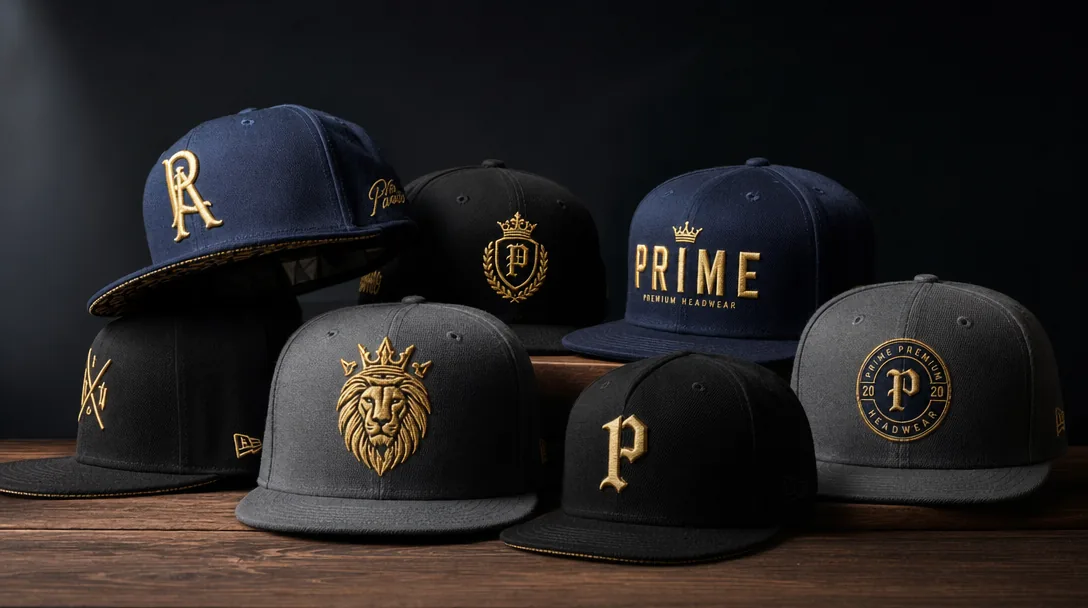
Custom Leather Patch Hat Low Minimum: A 2026 B2B Sourcing Guide
Read article →
Mens Beanies: Properties, Costs and How to Spec It Right
Read article →
Bulk Trucker Hats Export Shipping Checklist for Custom Hat Buyers - Cost & MOQ Breakdown - Supplier Checklist
Read article →We hope this guide demystifies custom logo hats: when to use it, costs, and what to ask your factory (2026 update) (2026 update) and helps you move forward with confidence. If you have questions specific to your project, our English-speaking sales engineers are one message away.