
Custom Logo Hats: When to Use It, Costs, and What to Ask Your Factory - 2026 Buyer's Guide
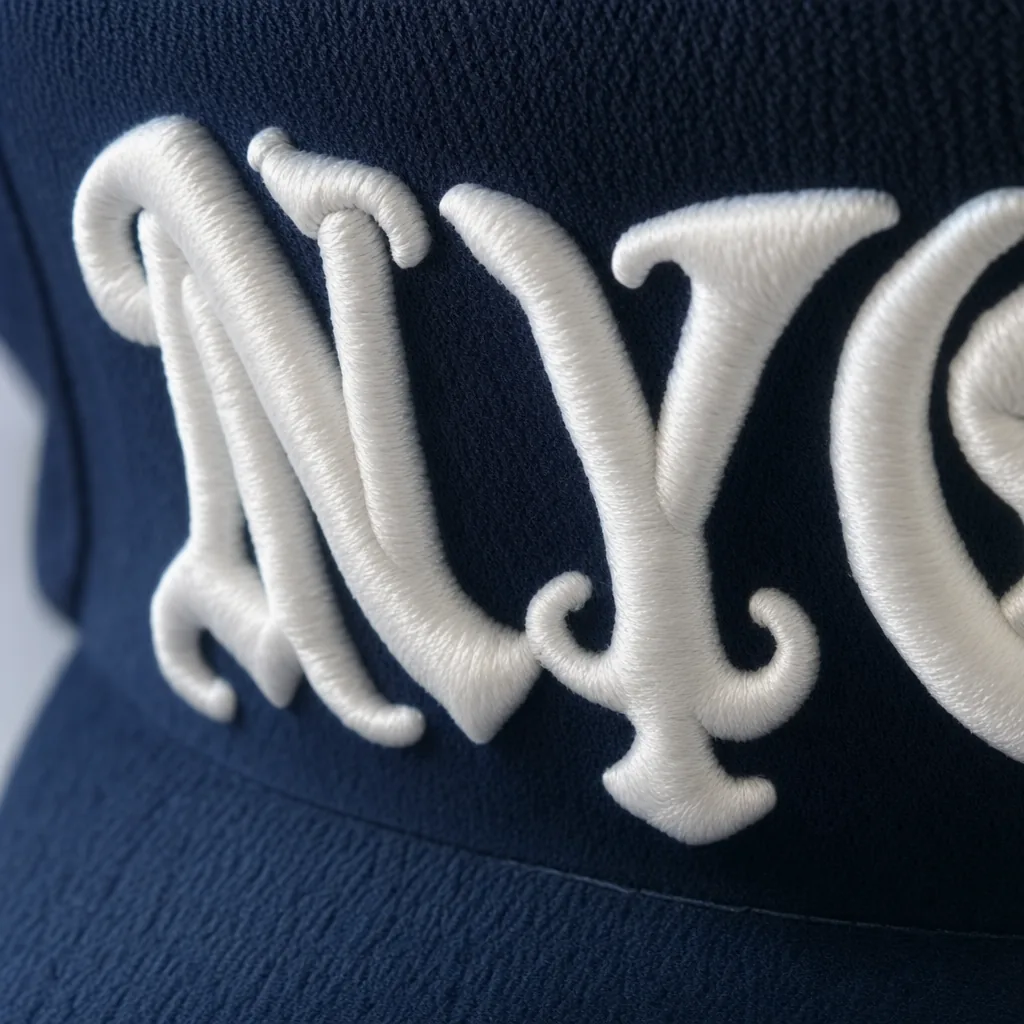
For brand owners, wholesalers and procurement teams entering the custom headwear category, custom logo hats: when to use it, costs, and what to ask your factory - 2026 buyer's guide is one of the highest-leverage decisions you will make. Get it right and your unit economics, retail story and reorder cycle all improve. Get it wrong and you carry the cost for years.
Custom Embroidered Patches
Embroidered patches earn their keep when the logo needs texture, the artwork has to stay consistent across multiple silhouettes, or the front panel fabric is too unstable for clean direct embroidery. On custom logo hats, the same DST file will not sew the same on a hard-buckram 6-panel, a 5-panel foam trucker, and an unstructured bucket; crown angle, seam bulk, and fabric tension all change stitch spread and edge sharpness. A patch isolates that variable. The badge is built first, usually on 210-280 gsm cotton twill, polyester twill, wool-blend felt, or polyester felt, then run on Tajima, Barudan, or ZSK heads before finishing with merrow, heat-cut, or laser-cut edges. I usually push buyers toward heat-cut with a satin border when the logo has squared corners, tight internal gaps, or negative space a merrow edge would eat. Write the patch spec like a control sheet, not a mood board. Lock the finished size in millimeters, base fabric, border construction, stitch count or coverage, backing, attachment method, and thread colors in Pantone TCX for textile references or Pantone Solid Coated when the brand team is matching print collateral. Good tolerances are ±1.5 mm on patch size, ±2.0 mm on placement from approved centerline, and Delta-E below 2.0 on critical brand colors from the sealed sample. If copy drops below 4 mm letter height, embroidered readability gets shaky fast: satin columns pinch, fill stitches close, and counters disappear after wash and wear. At that point, simplify the art or move to a woven patch instead of forcing embroidery to do a job it is bad at.
Patch cost is usually straightforward; rework cost is not. In Yiwu, a basic 60 x 30 mm embroidered patch in the 4,500-6,000 stitch range typically lands at $0.18-$0.45 each ex-factory, depending on thread colors, edge finish, and whether the backing is plain, heat-seal, or hook-and-loop. Applying that patch to custom logo hats adds about $0.10-$0.25 per cap for sew-on or heat-press attachment, while hook-and-loop systems run higher once you add the loop panel, extra handling, and alignment time. MOQ for loose patches is often 100-300 pieces per design, but attached programs usually follow cap-body production breaks like 144 or 288 units per colorway. The savings show up on replenishment orders because one approved patch can be applied across snapbacks, dad hats, truckers, and bucket hats without re-digitizing each crown shape. Quality control has to treat the patch and hat as one finished product. The failures that actually trigger claims are uneven merrow thickness, loose edge stitching, skipped satin border, heat-bond failure after bending, front-panel puckering, and placement drift that makes the cap look crooked on shelf. Inspect at AQL 2.5, measure placement from visor seam and side seams, and compare against the sealed sample on the actual crown curve, not flat on a packing table. Our standard practice is cross-carton sampling, light flex and adhesion testing, thread-trim checks, and color verification under consistent lighting before packing. If the supplier splits patch production and cap application into separate QA flows, patch consistency is usually the first thing that starts slipping.
Custom Hat with Patch
Patch caps solve a specific problem: the artwork is too fine for direct embroidery, or the brand wants a surface the cap body cannot provide. On real production lines, the practical options are woven patches, embroidered patches, and molded or printed badges that are heat-applied and then secured with stitch tacks or a full perimeter sew. If copy drops under roughly 4 mm letter height, or the logo has thin keylines and small counters, woven patches hold up better than satin-fill embroidery, which can close up even on well-digitized Tajima, Barudan, or ZSK heads. For fashion and team programs, I usually spec a merrowed woven patch or laser-cut twill patch sewn onto the front panel before final crown shaping; that cuts down puckering and front-panel distortion compared with stitching onto a finished cap. On custom logo hats sold at retail, that detail difference is obvious from a few feet away. Material choice has to match both the logo and the end use. Embroidered patches usually run 75D to 120D polyester thread on twill with paper or nonwoven backing for sew-on application; hot-melt or TPU backing is only reliable if the factory controls platen temperature, dwell time, and pressure, then still locks the badge with stitching. Leatherette, PVC, and molded TPU can look premium, but they also create more rejects from edge melt, surface scratching, and color drift than standard woven or twill constructions. On a basic 6-panel brushed cotton twill cap, a front patch typically adds $0.25 to $1.10 to FOB cost depending on size, edge finish, stitch count, and whether a strike-off is charged. In China, realistic FOB for patch-based custom logo hats is about $2.20 to $4.80 each at 144 to 300 pieces per colorway; specialty badges and multilayer patch builds often push landed cost above $5.50 before freight.
Most patch-cap failures come from vague specs, not weak sewing. A proper tech pack should lock patch size in millimeters, placement from center front with ±2 mm tolerance, edge finish, backing type, base material, weave density or embroidery coverage, and Pantone TCX references for all visible colors. I would also freeze the cap body at the same time: 5-panel or 6-panel construction, crown height, buckram weight, shell fabric gsm, sweatband composition, closure type, visor board, and acceptable shade tolerance such as Delta-E below 1.5 against the approved lab dip. If those points stay open, the factory can deliver a clean patch and still ship a hat that sits crooked, feels cheap, or reads off-brand. Inspection should stay patch-centric because that is where defects hide. The main checks are centering, skew, edge fray, skipped stitches, tunneling under dense embroidery, adhesive bleed on heat-set badges, and front-panel warping where the patch fights the buckram. Structured caps are especially tricky: an operator can sew the patch straight on the table and still pull the crown off grain, so the logo leans when worn. Our standard practice is to approve a patch strike-off first, then a sewn cap sample, because plenty of patch programs pass as loose components and fail after assembly. For bulk, I would inspect to AQL 2.5, verify placement on first-off and final random pull, and require peel and wash testing on any adhesive-backed badge before shipment.
Custom Patch for Hat
A patch is the right choice when custom logo hats need detail that front-panel embroidery cannot hold on a curved crown. Once outlines drop below 1.0 mm, serif text falls under roughly 4.5-5.0 mm cap height, or the artwork has distressing and negative space, direct embroidery starts to close up, especially on structured 6-panel caps with buckram. A patch also reduces needle penetration into the crown, which matters when a front logo would otherwise run 8,000-12,000 stitches and telegraph through the backing. The main constructions are merrowed embroidered patches, woven patches, laser-cut twill appliqué, molded PVC, felt, nubuck PU, and genuine leather, each with different edge behavior on low-profile versus high-crown shapes. The patch has to be engineered for the hat style, not just the artwork: a 70 x 50 mm patch that sits flat on a foam trucker can wrinkle badly on a brushed cotton twill unstructured cap. Lock the patch spec at sampling stage or expect avoidable trouble in bulk. Buyers should define size in millimeters, border finish, backing, attachment method, thread type, and Pantone TCX references, then confirm whether the patch is stitch-down, heat seal, or hook-and-loop for interchangeable programs. Ask for base fabric composition, ground weight in gsm, satin border width, merrow thickness, adhesive grade, and color tolerance; for licensed or tightly managed branding, Delta-E under 2.0 from the approved standard is a practical control point. If the patch is outsourced, confirm whether embroidery runs on Tajima, Barudan, or ZSK heads and whether cutting is laser or die-cut, because edge consistency is obvious at retail. In China, MOQ for patch caps is usually 144-300 pcs per colorway, with 500 pcs total often needed when several patch SKUs share one run. A basic chino twill cap with an embroidered patch typically lands around $2.20-$3.80 FOB Ningbo; woven, PVC, or leather-look versions are more often $4.20-$6.50, with the bigger cost swing coming from separate patch production, placement labor, and rework risk.
Inspection is where patch programs either protect margin or generate claims. The repeat failures are predictable: off-center placement, uneven topstitch margin, bubbling after heat application, merrow fray, glue bleed, puckering around the attach seam, and color drift from the approved sample. For AQL 2.5, centering should be checked with a hard placement template, not by eye, and CrownsForge standard practice is to lock center-front tolerance at plus or minus 2 mm before bulk starts. Heat-applied styles need a peel test and basic sweat and wash simulation before production approval, because adhesive that looks fine at the line can fail after packing, transit, and first wear. Bulk comparison should be against the sealed sample under D65 lighting, especially for woven grounds, dyed felt, and faux leather where shade shift shows fast. Patch custom logo hats are not automatically better than direct embroidery; they are better when the brand language needs dimension, mixed materials, removable branding, or small copy that stays legible at retail distance. If the logo is simple and stitch count is moderate, direct embroidery usually removes a full failure point and can save about $0.25-$0.80 per cap. But if the design depends on badge styling, heritage workwear cues, or licensed-emblem aesthetics, a properly specified patch gives cleaner edge definition and more consistent visual control across runs. The practical rule is simple: use patches for detail and material effect, not as decoration for its own sake.
Custom Patch Hat
Use a patch when direct embroidery cannot hold the artwork cleanly, not because someone wants a trend-driven trim. If the logo has serif text below about 4.5 mm cap height, lines under 0.6 mm, tonal shading, or more than 8 to 10 thread colors, a patch usually gives better definition than stitching straight into the crown. On actual custom logo hats, the safest repeat spec is still a front-center embroidered twill patch around 65 x 45 mm on a 100% cotton twill, chino twill, or acrylic cap body. That combination runs well in production, keeps the front panel stable, and avoids the distortion you see when thick molded PVC or full-grain leather is sewn onto a soft unstructured crown. Factories typically build the patch first from embroidered twill, woven damask, TPU, PVC, leather, or sublimated microfiber, then finish it with a merrow border, satin edge, laser cut, or die cut before attachment. Pricing gets sloppy fast when the patch spec is not locked. A buyer should define at least six points in the tech pack: patch material, finished size in millimeters, border construction, attachment method, placement tolerance, and color standard. A workable callout looks like this: front-center patch, 65 x 45 mm, merrow edge, Pantone Black C border, base matched to Pantone 19-4006 TCX, stitch-down plus heat backing, center deviation within +/-2 mm. Also ask what embroidery equipment is running the patch—Tajima, Barudan, and ZSK heads do not handle stitch density and edge sharpness exactly the same—and whether thread approval is from a physical thread card or just a phone photo. In Zhejiang, MOQ is commonly 100 to 144 pieces per colorway on stocked fabrics, but 300 to 500 pieces is more realistic once you add custom-dyed bodies, multiple patch placements, or specialty trims. A standard six-panel patch cap usually lands around $2.20 to $4.80 FOB Ningbo at 300 pieces; leather, reflective film, molded rubber, or inside branding can move it into the $5.50 to $8.00 range.
Most patch-cap failures show up in bulk inspection, not in the salesman’s pre-production sample. The repeat defects are crooked placement against the center seam, heat-press bubbling, weak fill coverage, frayed laser-cut edges, loose merrow yarns, and glue squeeze-out around the border. On custom logo hats with patches, I would check centering off the button and front seam, flex the attachment area by hand, test edge security with a fingernail pull, and review embroidery coverage under D65 light so density gaps do not get missed in a warm factory office. If the patch is printed, coated, or TPU-based, a Delta-E tolerance below 2.0 against the approved Pantone standard is reasonable for branded programs. Bulk release should be tied to AQL 2.5 inspection, not an informal visual check at packing. Patch weight also has to match cap structure. A 2.0 to 2.5 mm PVC badge or thick leather patch can collapse an unstructured dad hat, telegraph seam tension, or create front-panel waving after wear, while a thin woven label can look undersized and cheap on a high-profile snapback with buckram. CrownsForge’s standard practice is to review patch thickness against front-panel stiffness before sample sign-off because that pairing affects returns more than most buyers expect. If the style is marketed as washable, require at least one wash test plus a post-wash adhesion and edge-lift report. That is the real filter: choose a patch when it protects logo fidelity, production repeatability, and target FOB cost across reorders, not because it looks more premium in a mockup.
Custom Patch Hats
Patch hats earn their place when direct embroidery cannot hold the artwork cleanly: serif text under 3 mm cap height, distressed fills, negative space, or badge logos that need material contrast. For custom logo hats, the buying mistake is treating a patch cap like a normal embroidery order. It is two workflows with two failure points: first the patch is made, then it is attached to the cap shell or finished crown. That extra handoff affects cost, lead time, and consistency more than most buyers expect. Merrowed-edge embroidery patches suit classic team and heritage programs; laser-cut satin-stitch patches give a cleaner streetwear edge; woven patches hold finer copy once letter height drops below about 2.5 to 3.0 mm; molded PVC works for marine, workwear, and wet-use programs; PU and genuine leather fit premium retail, but need tighter color and grain approval. Any factory quoting patch-based custom logo hats should freeze five items before sampling: patch size in millimeters, edge finish, backing type, attachment method, and placement tolerance. Leave one of those open and bulk drift is almost guaranteed. In production, simple merrow patches usually add 2 to 4 days; woven or molded PVC normally adds 4 to 7 days before cap sewing even starts.
The spec sheet has to be tighter than for standard embroidery caps. I would lock crown profile, fabric composition, fabric weight in gsm, visor shape, closure, seam tape color, sweatband, patch dimensions, border construction, and whether the patch is heat-applied, stitch-down, or both. Attachment is where cheap orders fail. Once a front patch gets beyond roughly 65 mm wide, or the shell is 8W corduroy, washed canvas, brushed cotton twill, or acrylic-wool melton, heat-only bonding is asking for lifted corners after carton compression or container temperatures above 45°C. Better factories tack the patch first, then sew it down with a 1.5 to 2.0 mm edge margin; on our standard practice, that is the minimum for retail programs. Typical Zhejiang MOQ for fully custom patch hats is 144 to 300 pieces per colorway, while stock blanks with pre-made patches can sometimes run 48 to 100 pieces. FOB on a 6-panel 260 gsm cotton twill cap with one front patch is usually $2.20 to $4.10, with side embroidery, woven label, or interior taping upgrades adding about $0.18 to $0.60 per unit.
Inspection is where patch orders stay profitable or turn into claim stock. The repeat failures are predictable: placement drift beyond ±3 mm, front-panel rotation, glue bleed on light colors, bubbling from bad dwell time or platen pressure, merrow fray, skipped border stitches, and patch color missing the approved Pantone reference. On woven, printed, PU, and faux leather patches, I also watch edge-cut quality, backing stiffness, and surface tunneling after attachment to buckram-backed fronts, because a patch can look flat loose and still wrinkle once fixed to a structured crown. A disciplined supplier should inspect to AQL 2.5, compare bulk to the sealed sample under D65 lighting, verify brand-color drift within about Delta-E 1.5 to 2.0 on critical shades, and run a basic pull test on the attachment. That is why patch-based custom logo hats sit in the middle of the cost-performance range: more texture, material contrast, and retail badge value than direct embroidery, but more variables to control. If the goal is mixed materials and a stronger shelf look, patches are worth the extra process. If the goal is fastest repeatability and lowest defect exposure, direct embroidery is still the safer production choice.
Hat Patch Custom
Patch choice changes the manufacturing route, not just the look. On custom logo hats, a patch adds a separate component workflow—patch production, cutting, backing, and attachment—so it costs more time and introduces another defect point. That extra step is worth it when the artwork would fail in direct embroidery: serif text under roughly 3.0 mm cap height, negative space that would close up under satin fill, gradients, or logos carrying 8+ thread colors. Embroidered patches usually run on Tajima or Barudan heads over polyester twill, then get laser cut, merrowed, or finished with a satin border before cap attachment. Woven patches are made on label looms at higher detail resolution than embroidery, which is why they usually read better for small lettering and fine outlines. PVC, debossed PU, and genuine leather solve different problems again: PVC gives the cleanest edge definition and weather resistance, while leather carries a premium look but wider shade variation lot to lot. The spec sheet needs to control the patch as tightly as the hat body. State finished patch size in mm, base material, border type, backing, attachment method, Pantone TCX reference, and placement tolerance on the cap; otherwise you will get “factory standard,” which is where crooked placement and color mismatch start. Also specify crown profile, buckram stiffness, seam position, and whether the patch crosses the center seam, because a 65 x 50 mm patch that sits flat on a 5-panel foam trucker can tunnel badly on an unstructured 6-panel 220 gsm chino twill cap. In China, realistic add-on pricing is usually $0.22-$0.55 for woven, $0.28-$0.65 for embroidered, $0.45-$0.90 for PVC, and $0.60-$1.50 for leather or debossed PU, excluding the cap. MOQ is commonly 144-300 pieces per colorway, while genuine leather often starts closer to 300 due to die cost and hide yield. New laser, mold, or die setup typically adds $35-$120 per design.
QC failures on patch hats rarely come from the loose patch card; they come from the second assembly step. The defects I watch first are off-center placement, uneven topstitch margin, glue squeeze-out, lifting corners after heat press, edge fray on laser-cut twill, and density that collapses small embroidered detail. Color control matters too, especially on beige, khaki, olive, and athletic gold, where patch and cap fabric mismatches show immediately. If the approved standard is Pantone TCX, I would hold visible color variance to about Delta-E 2.0 or tighter on adjacent components. For custom logo hats going into team, workwear, or outdoor channels, require a pre-production sample on the actual cap body—not just a patch swatch—and inspect bulk at AQL 2.5 with patch placement held within +/-2 mm. Adhesion deserves its own checkpoint because patches often pass final press and fail 24 hours later. Heat-press bonding depends on glue film quality, platen temperature, dwell time, and the cap fabric surface; brushed canvas, heavy twill, and textured front panels are where corner lift starts. My standard practice is to check bond strength after full cooling, then recheck after a 24-hour rest, especially on stitch-and-press constructions. If the patch is sewn onto a curved front panel, ask for in-line photos showing alignment before topstitching, because distortion happens fast once the operator chases the curve. Sedex SMETA 4-Pillar or BSCI 2.0 audits tell you the factory has management systems, but they do not prove the patch is centered, bonded correctly, or compatible with the crown shape. That is the real buying point: a patch is a separate component with its own cost, lead time, and failure rate.
Working with CrownsForge for custom logo hats programs
Freeze the spec before sampling or your custom logo hats program turns into an expensive guessing exercise. A workable tech pack should lock down crown profile, visor curvature, buckle or snap closure, fabric composition and weight, sweatband type, seam tape artwork, logo position, embroidery size in millimeters, stitch count, patch dimensions, and target head fit. If any of that is left to “factory standard,” one sample round often becomes three, and each extra round typically adds 7 to 10 calendar days once approvals and courier time are included. On stock materials, a first proto in 5 to 7 working days is realistic; if you need Pantone TCX lab dips, custom-dyed 260 gsm cotton chino, enzyme-washed twill, or matched rope and closure trims, 10 to 14 working days is the honest range. MOQ is usually a materials question, not a sales question: a basic 6-panel dad cap in stock cotton chino may open at 144 pieces per colorway, while styles using suede sandwich brims, appliqué, rope trim, or 600D recycled polyester more often require 300 to 500 pieces because trim mills and patch vendors will not support smaller runs efficiently. The first negotiation point should be how the MOQ can be split without breaking the costing. Splitting 300 pieces across three logo versions sounds simple, but it changes digitizing charges, patch setup, trim booking, carton assortments, and FOB efficiency fast. Our standard practice is to confirm whether the split is by colorway, by logo, or by full SKU before quoting bulk, because that determines whether the program is actually repeatable instead of just sample-room friendly. Buyers should also ask for tolerance standards up front: visor shape consistency, embroidery placement tolerance of about plus or minus 2 mm, and color approval against Pantone with a stated Delta-E limit on dyed trims. If a supplier cannot define those controls in plain language, they are not really managing production; they are reacting to problems after sewing starts.
Decoration control matters more than a catalog full of silhouettes. For custom logo hats, the real risk is not whether a factory can show 50 cap styles; it is whether embroidery, patch production, and finishing are controlled tightly enough to keep bulk goods consistent. In practical terms, that means Tajima, Barudan, or ZSK heads for flat embroidery and 3D puff, plus reliable processes for merrowed patches, laser-cut twill patches, woven labels, TPU badges, silicone heat transfers, and screen printing on cut panels before sewing. Once decoration is subcontracted, lead times slip and placement drift shows up from carton to carton. The cost spread is not theoretical: standard front embroidery typically adds about $0.45 to $1.10 per cap depending on stitch count, thread changes, and foam use; a sewn-on merrow patch usually lands around $0.70 to $1.60; molded rubber badges can go higher once tooling, around $80 to $150 per design, is amortized. Ask technical questions, not showroom questions. What thread brand is running on the machines: Madeira, Gunold, or a local substitute? What backing is specified behind the logo: cutaway, tearaway, or heat-seal film? How is color checked against Pantone TCX or C cards, and what Delta-E threshold is accepted before trims are rejected? A competent factory should also explain why edge fray behaves differently on brushed cotton, acrylic twill, melton wool, and washed canvas, and how that changes patch border choice or needle density. On QC, the minimum serious answer is incoming material inspection, inline sewing checks, final measurement review, and AQL 2.5 final inspection before packing. If the program is for retail or licensed merchandise, also verify carton drop testing, needle control, and current social compliance status under BSCI 2.0 or Sedex SMETA 4-Pillar, because those issues surface long after a sample photo looks good.
Frequently Asked Questions
What logo decoration techniques do you offer?
3D puff embroidery, flat embroidery, woven patch, leather patch, PVC patch, screen printing, sublimation, applique and laser etching, all in-house with no subcontracting.
Which shipping methods do you support?
We support FOB, CIF and DDP shipping. Air express for samples and small orders, sea LCL for 100 to 500 pieces, sea FCL for 5,000+ pieces. Door-to-door DDP available for US, EU, UK, Canada and Australia.
Do you support sustainability certifications?
Yes. We work with GOTS organic cotton, GRS-certified recycled polyester, OEKO-TEX Standard 100 fabrics, and are BSCI and Sedex audited. Certification documentation can be provided per order.
What file format should I send for my logo?
Vector files (AI, EPS, PDF) are ideal. High-resolution PNG or JPG at 300 dpi on transparent background works as a fallback. Provide Pantone color references for accurate reproduction.
How long does production take?
Sampling takes 7 to 12 days. Bulk production runs 20 to 30 days depending on quantity, fabric availability and decoration complexity. Inspection and packing adds another 3 to 5 days before shipment.
How does ordering custom embroidered logo hat work?
When evaluating custom embroidered logo hat, the key considerations are construction quality, decoration capability, MOQ flexibility and lead time. Cover everything buyers ask about custom embroidered patches: how it's manufactured, what specs to request from a factory, typical MOQ and pricing, common quality issues to inspect for, and how this ties back to the broader custom logo hats sourcing decision. Cover everything buyers ask about custom hat with patch: how it's manufactured, what specs to request from a…
How does ordering custom hat leather patch work?
When evaluating custom hat leather patch, the key considerations are construction quality, decoration capability, MOQ flexibility and lead time. Cover everything buyers ask about custom hat with patch: how it's manufactured, what specs to request from a factory, typical MOQ and pricing, common quality issues to inspect for, and how this ties back to the broader custom logo hats sourcing decision. Cover everything buyers ask about custom patch for hat: how it's manufactured, what specs to request from a factory,…
How does ordering custom embroidered baseball hats work?
When evaluating custom embroidered baseball hats, the key considerations are construction quality, decoration capability, MOQ flexibility and lead time. Cover everything buyers ask about custom embroidered patches: how it's manufactured, what specs to request from a factory, typical MOQ and pricing, common quality issues to inspect for, and how this ties back to the broader custom logo hats sourcing decision. Cover everything buyers ask about custom hat with patch: how it's manufactured, what specs to request from a…
What's the MOQ for custom embroidered patches no minimum?
When evaluating custom embroidered patches no minimum, the key considerations are construction quality, decoration capability, MOQ flexibility and lead time. Cover everything buyers ask about custom embroidered patches: how it's manufactured, what specs to request from a factory, typical MOQ and pricing, common quality issues to inspect for, and how this ties back to the broader custom logo hats sourcing decision. Cover everything buyers ask about custom hat with patch: how it's manufactured, what specs to request from a…
Need a low-MOQ test order?
We help emerging brands launch with as few as 100 pieces. Premium fabric, in-house embroidery, retail-ready packaging.
Start a small orderRelated guides
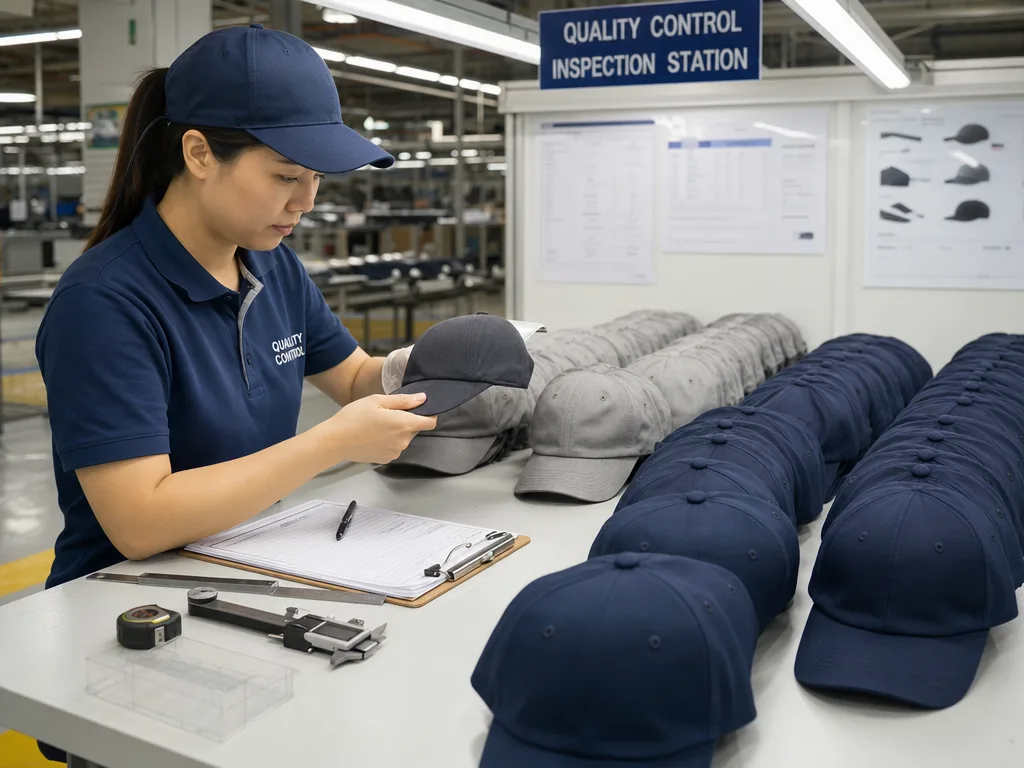
BSCI vs Sedex vs WRAP vs WCA: Compliance Audit Standards Compared (2026 Update)
Read article →
Custom Made Trucker Hat: The 2026 Sourcing & Manufacturing Playbook (2026 Update)
Read article →
Custom Wool Blend Ball Cap: A 2026 B2B Sourcing Guide
Read article →If you are ready to take the next step on custom logo hats: when to use it, costs, and what to ask your factory - 2026 buyer's guide, our team can put a tailored quotation and digital mock-up in your inbox within 24 hours. Send the inquiry form on our contact page or message us directly on WhatsApp.