
Custom Logo Hats: When to Use It, Costs, and What to Ask Your Factory - 2026 Buyer's Guide - Cost & MOQ Breakdown
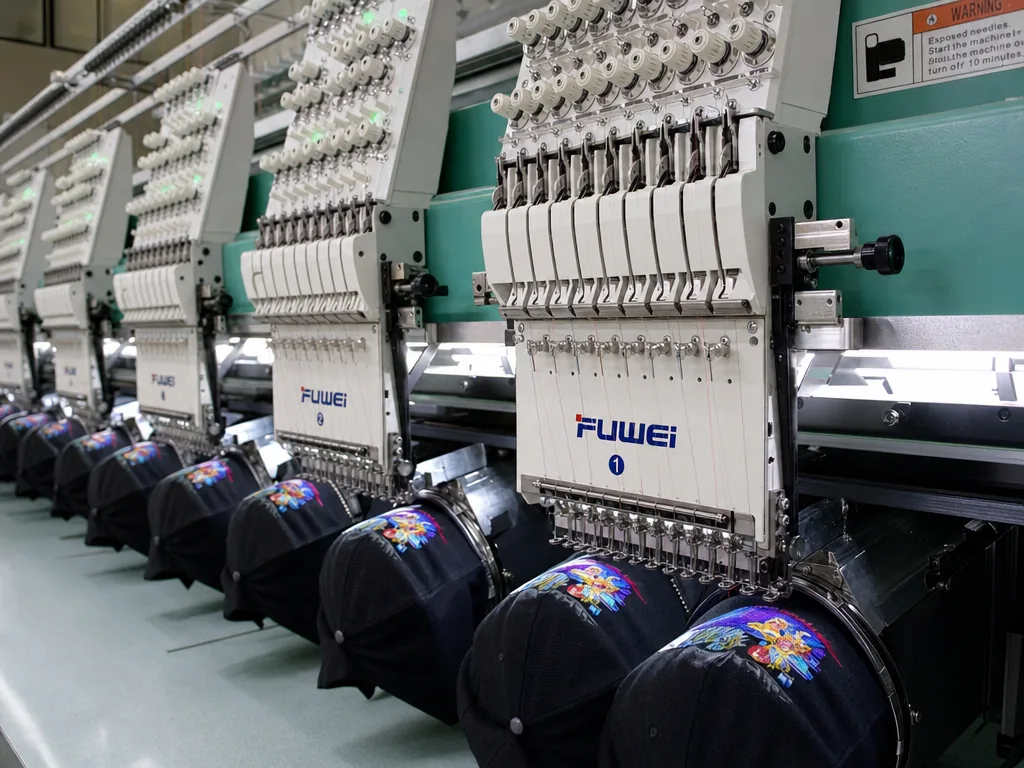
Custom Logo Hats: When to Use It, Costs, and What to Ask Your Factory - 2026 Buyer's Guide - Cost & MOQ Breakdown is one of the most-asked questions we receive from international buyers, and for good reason. With dozens of factories competing for your order and an alphabet soup of technical terms in every supplier quote, even experienced importers can feel lost. This guide consolidates what we have learned producing custom hats for clients in 40+ countries.
Custom Embroidered Patches
Use an embroidered patch when the logo needs a cleaner edge than direct embroidery can hold on a curved crown. The patch is stitched flat first, then attached to the cap by lockstitch, merrow edge plus sew-down, satin border, heat press, or adhesive backing with perimeter stitching. For most custom logo hats, a practical front patch sits around 55-70 mm wide; larger badges can look strong on truckers and 5-panel campers but start fighting the crown radius on structured six-panels. A factory should digitize the artwork for Tajima, Barudan, or ZSK heads using 120D/2 polyester or rayon thread on twill, felt, canvas, or woven backing, typically 180-320 gsm. Patches are the right choice for shields, circles, mascots, large fill areas, vintage club marks, and small internal lettering that would distort across a center seam. They are the wrong choice when the buyer expects a soft retail handfeel but specifies a stiff 3 mm merrow border on a low-profile unstructured cap.
The make-or-break detail is not the patch artwork; it is how the finished patch behaves after being pulled onto the crown. A flat 70 x 50 mm twill patch sewn onto a buckram-supported front can lift at the corners, ripple along the merrow edge, or sit visibly off-center if the operator follows the patch edge instead of a crown fixture. Ask for patch dimensions in millimeters, thread type, backing gsm, stitch density, border method, attachment method, Pantone TCX references, and the approved color tolerance, normally Delta-E 2.0-3.0 against the sealed sample. Small text under 4 mm high should move to woven patch, printed twill, or high-density transfer because embroidery closes counters and eats letter spacing. For curved-front caps, I prefer a softened backing, reduced border bulk, and a pre-curved patch sample before bulk approval. On dark caps, also check for adhesive bleed-through and light thread contamination after pressing.
Patch pricing is driven more by construction than by the cap body. A basic 60 x 45 mm embroidered twill patch usually has a 100-300 piece MOQ and costs about $0.45-$1.20 before application; chenille, felt applique, metallic thread, 3D puff on patch, reflective yarn, or woven-label hybrids can push the patch alone to $1.50-$3.80. Sew-down attachment adds roughly $0.20-$0.60 per cap, depending on stitch path and operator speed. Heat press can save a few cents, but I do not recommend it as the only attachment for humid storage, workwear programs, or caps expected to survive repeated washing. For finished patch custom logo hats made in China, $4.20-$7.50 FOB is realistic at 300-1,000 pieces on mid-grade cotton twill, polyester performance fabric, or foam-front truckers; wool blend, recycled polyester, water-repellent finish, or branded trims can add $0.80-$2.00. CrownsForge typically inspects patch orders under AQL 2.5 for skew over 2 mm, fuzzy borders, loose jump threads, corner lift, adhesive bleed, and inconsistent centering across cartons.
Custom Hat with Patch
Patch programs have two real MOQs: the cap body and the patch component. For stock 6-panel cotton twill, brushed chino, or polyester mesh trucker caps, 100-300 pieces is realistic for sewn woven or embroidered patches if the factory can pull blanks from existing fabric lots. PVC, silicone, debossed leather, and zinc-alloy patches usually start at 300-500 pieces because molds, color batching, curing time, and reject allowance are not economical below that. In 2026 FOB China pricing, a cotton twill cap with a woven patch typically runs USD 3.20-5.80; embroidered patch caps are USD 4.20-7.50; PVC patch styles are USD 4.80-8.20; and genuine or split leather patches land around USD 5.50-9.50 before premium buckles, licensed labels, individual polybags, carton customization, or DDP freight. For custom logo hats with many colorways, patches often beat direct embroidery because one approved patch can move across several crown fabrics without re-digitizing, re-hooping, or rebalancing thread tension for every SKU.
The quality risk is usually not the patch in isolation; it is how that patch behaves once sewn onto a curved crown. A stiff PVC or leather patch can distort a 160-180 gsm cotton twill front panel if the backing, needle size, stitch pitch, and heat-press setting are wrong. Woven patches need heat-cut or merrowed edges, no fraying, Pantone TCX color drift held around Delta-E 2.0-3.0, and readable small lettering with at least 1.2 mm stroke width. Embroidered patches should show clean satin borders, no birdnesting, no loose jump threads, and stable tension from Tajima, Barudan, or ZSK heads. At final inspection, use AQL 2.5 for major defects and measure placement with a ruler, not by eye: plus or minus 2 mm is a workable tolerance for front-center alignment. Glue bleed, puckering, tilted topstitching, cracked PVC, loose corners, and patches that lift after steaming or packing simulation should be classified as major defects. CrownsForge approves the loose patch first, then the finished patched-cap sample.
Custom Patch for Hat
For custom logo hats, use a patch when the logo needs repeatable detail across several cap bodies or when direct embroidery would distort on a curved crown. Woven patches are the cleanest option for small lettering, usually holding 2.5-3.0 mm text and thin outlines better than flat embroidery. Embroidered twill, felt, or tackle-twill patches suit bolder sports marks where thread height, a satin border, or a merrowed edge is part of the design. PVC and rubber patches work well on fishing, golf, and outdoor caps, but thickness matters: 1.8-2.5 mm is normal, while 1.2 mm low-cost PVC often curls after heat exposure, carton compression, or a 40 C wash test. For leather-look patches, do not write only “leather” in the tech pack. Genuine cowhide, PU, and microfiber differ in grain, edge darkening, laser-burn behavior, and landed cost. Also specify debossing, embossing, laser engraving, foil stamping, screen print, or molded color fill, because each process changes minimum line width and edge sharpness.
A proper patch spec should include size in millimeters, placement from crown center, edge type, backing, attachment method, thread color, and color standard. Use Pantone TCX for fabric, felt, suede, leather, and PU tones; use Pantone C or U for printed PVC, rubber, and ink layers. For retail programs, a Delta-E tolerance of 1.5-2.0 is realistic on controlled materials, while washed cotton, corduroy, and wool blends may need a signed physical standard instead of relying only on a Pantone callout. For woven and embroidered patches, confirm thread denier, stitch density, border type, and whether the edge is merrowed, laser-cut, heat-cut, or folded. For PVC, request a mold drawing before sampling; a simple 2D mold is usually $45-$90, while a deep 3D mold with layered relief can run $120-$250. Before sewing, typical patch costs are $0.35-$1.20 woven, $0.45-$1.80 embroidered, $0.80-$2.50 PVC, and $0.60-$1.60 PU, with attachment adding about $0.15-$0.40 per cap.
Most patch failures come from forcing a flat badge onto the wrong crown, not from bad artwork. A 70 mm front patch can sit cleanly on a structured 6-panel cap with buckram, but the same badge may buckle on a low-profile 5-panel camper if it crosses a seam or lands on a tight crown radius. I keep front patches under 70 mm wide on mid-profile custom logo hats unless the buyer approves a finished cap sample, not just a loose patch. Inspect finished placement at +/-2 mm from center and use AQL 2.5 for major defects on retail orders. Check for crooked stitching, puckering, loose merrow borders, glue bleed, color drift, edge lift, and patch cracking after flexing. Heat-applied patches should pass a peel test after 24 hours and again after one 40 C wash cycle. CrownsForge approves both the loose patch and the finished cap sample because brushed cotton, ripstop nylon, corduroy, and 280 gsm wool blend can make the same patch behave differently.
Custom Patch Hat
Patch construction is the right choice when one logo has to live across several custom logo hats without paying to re-digitize or rebalance artwork for every crown fabric. Produce the patch first, then sew or heat-apply it to either a flat front panel before blocking or to a finished crown; that order changes the curve, edge tension, and reject rate. A 70 mm embroidered patch usually lands around 8,000 to 14,000 stitches on Tajima, Barudan, or ZSK heads. Pushing higher can sharpen borders, but on a six-panel front it often adds thread bulk, longer machine time, and puckering with little retail-visible benefit. Woven patches are better for small text, especially below 6 mm letter height, while chenille works for varsity caps but loses clean detail under 5 mm. For leather, PU, or microfiber patches, specify 0.8 to 1.5 mm thickness, 0.3 to 0.5 mm deboss depth, edge paint, and REACH or California Prop 65 compliance. For PVC, lock the 2D or 3D mold, Pantone Solid Coated colors, Shore A hardness, and molded color count; above four or five colors, tooling cost and color-contamination rejects climb quickly.
A patch hat tech pack needs tighter placement control than most buyers put on the page. List cap style, panel construction, crown height, fabric weight in gsm, visor curve, closure, patch size, attachment method, placement from visor seam, Pantone TCX or Solid Coated references, and allowable Delta-E; for brand colors, Delta-E under 1.5 is a practical target. Front patch centerline tolerance should be +/-2 mm with tilt under 2 degrees, because anything looser shows immediately in PDP photography and team-order reorders. Our standard practice at CrownsForge is to approve the pre-production sample on bulk fabric, not leftover sample-yardage, because 260 gsm brushed cotton twill behaves very differently from 180 gsm polyester performance fabric under a heat press or sewing frame. Merrowed patches need enough edge margin to avoid chewing into the artwork. Satin-border patches look cleaner on streetwear caps. Pre-blocking attachment can contour better to the crown, but it raises puckering risk at seam junctions if thread tension, backing, and panel handling are not controlled.
Realistic MOQ for stock twill, standard mesh, and woven or embroidered patch hats is usually 100 to 300 pieces. Once the order moves into dyed-to-match fabric, private-color PVC, custom leather shades, metal badges, or Pantone-specific mesh, the MOQ is more often 500 to 1,000 pieces because mills, mold shops, and dye houses set their own minimums. For 2026 buying, FOB China pricing at 300 pieces is typically $3.20 to $5.80 for a stock cotton twill cap with a woven patch, $4.20 to $6.80 for an embroidered patch, and $5.50 to $8.50 for chenille, raised embroidery, molded PVC, or mixed-media executions. PVC and metal tooling commonly add $60 to $180, while development samples run $50 to $120 depending on mold complexity and artwork cleanup. Inspect patch hats under AQL 2.5 for major defects and 4.0 for minor defects, with specific checks for centering, border fray, glue bleed, heat-press scorching, warped panels, shade variation, and carton-to-carton placement consistency.
Custom Patch Hats
Patch construction is the right answer when direct embroidery will fail on curvature, density, or legibility. If your logo has strokes under roughly 0.5 mm, negative space that needs to stay open, or text below 4 mm cap height, a separately made patch will usually read cleaner than embroidery stitched straight onto a front panel. That is especially true on low-profile dad hats and foam truckers, where crown shape exaggerates thread pull and fill distortion. For custom logo hats, the most dependable combinations I see are laser-cut woven patches on unstructured 100% cotton twill, merrowed embroidered patches on 5-panel polyester foam truckers, debossed PU patches on 80/20 acrylic-wool snapbacks, and molded PVC on fishing or performance caps where sweat, UV, and wash resistance matter more than a heritage look. A patch also simplifies color management across a program: keep one cap shell and vary the badge by Pantone, instead of re-digitizing or rebalancing thread on six different crown fabrics. The patch spec has to be written like a manufacturing sheet, not a mood board note. Give finished size in millimeters, border style, substrate, backing, attachment method, Pantone TPX or TCX callouts, placement point from visor seam or crown centerline, and tolerance. On front-center applications, ±2 mm is realistic; anything looser looks crooked immediately on structured 6-panel baseball caps with a center seam. For embroidered patches, I do not approve satin borders below 0.3 mm, and I always want to review the DST or native digitizing file before sampling on Tajima, Barudan, or ZSK heads because pull compensation can close counters in small letters. For woven patches, specify yarn denier, weave density, edge finish, and whether a backing film is required to prevent fray. Color should be checked against approved strike-offs with Delta-E under 1.5, not by phone photos under mixed light.
MOQ and cost on custom logo hats are driven more by patch type and attachment method than by the cap body itself. A stock cotton twill dad hat or poly-mesh trucker with a sewn 2.25-inch embroidered patch typically lands around 144 to 300 pieces per color, with 2026 FOB China pricing in the $2.20 to $3.80 range depending on closure, fabric weight, and stitch count. Woven patches often reduce unit cost by about $0.08 to $0.20 once you are above 500 pieces because they run flatter, stitch on faster, and hold fine detail without high thread density. Debossed PU, genuine leather, chenille, molded PVC, and layered rubber usually add $0.35 to $1.20 per cap and push practical MOQ closer to 300 to 500 pieces because the patch vendor will impose its own minimums, mold charges, or color setup fees. Inspection failures on patch hats are predictable, so buyers should write them into the QC plan before bulk starts. Use AQL 2.5 and check for skewed placement, tunneling from over-tight edge stitching, merrow unraveling, adhesive bleed on heat-applied badges, weak bond after wash or rub testing, and warping caused by bad platen temperature or dwell time. On leather and PU, also look for cracked deboss lines after flexing; on PVC, check flash around the mold edge and hardness consistency by durometer if the order is technical. If the program is retail, licensed sports, or corporate compliance-sensitive, confirm the cap factory and the patch subcontractor are both covered under sedex-audit-cap-supplier-guide.html">BSCI 2.0 or Sedex SMETA 4-Pillar. CrownsForge treats patch suppliers as critical subcontractors because a clean cap body does not save you from a failed social audit or a bad adhesion lot.
Hat Patch Custom
Lock the patch method before you quote the cap. On custom logo hats, the patch is usually the variable that breaks sampling timelines, not the crown. A merrow-edge embroidered patch, woven label patch, laser-cut twill appliqué, molded TPU badge, and debossed leather tab all use different vendors, dies, and QC checkpoints. Artwork decides the process faster than buyer preference does: strokes under 0.3 mm, text below 3 mm cap height, sharp serifs, gradients, and micro ® marks routinely close up in embroidery, but they hold on woven, screen-printed, or dye-sublimated patches. Embroidered patches are commonly built on 210-300 gsm polyester twill and run on Tajima, Barudan, or ZSK multi-heads; woven patches come off label looms at higher detail density and usually read cleaner below 50 mm wide. I would not use a thick merrow border on washed dad caps or low-profile unstructured crowns, because that ridge telegraphs through the shell, distorts after enzyme wash, and can leave a pressure mark after export carton compression.
A workable tech pack for patch hats needs more than logo width. Specify finished size in millimeters, edge finish, backing, attachment method, stitch line, placement point, and tolerance—for example: “58 x 30 mm woven patch, heat-cut edge, no overlock, temporary iron-on backing for positioning only, perimeter lockstitch sew-on, centered on front panel, ±2 mm.” On 8-wale corduroy, brushed cotton twill, and foam trucker fronts, surface variation changes stitch bite and adhesive contact, so the factory should confirm whether the patch is pre-tacked, edge-sewn only, or heat-pressed plus sewn. Color control matters too: use Pantone TCX for fabric approval and set a patch-to-shell Delta-E target below 2.0 when the ground color must visually match. Real 2026 FOB China patch costs are typically $0.18-$0.45 for small embroidered patches, $0.22-$0.55 for woven, $0.35-$0.90 for PU or leather debossed, and $0.60-$1.40 for molded PVC or TPU, plus $0.08-$0.25 attachment. At CrownsForge, we treat front patch skew, loose perimeter stitching, and visible color mismatch as major defects under AQL 2.5, because retail buyers spot those first.
Working with CrownsForge for custom logo hats programs
The difference between a smooth custom logo hats program and a remake claim is paperwork discipline. Do not greenlight bulk on WeChat screenshots or a marked-up JPG; lock a signed tech pack and BOM before cutting. It should specify shell fabric by construction and weight—280 gsm brushed cotton twill, 210 gsm poly-cotton chino, or 160 gsm 228T nylon taslan—plus buckram spec, PE visor board thickness in mm, sweatband fiber content, crown height, closure hardware finish, seam tape wording, and exact logo position from key seams. Color control needs actual standards: Pantone TCX or coated references, approved lab dips with a stated Delta-E tolerance of 1.0 to 1.5 for retail programs, and thread callouts such as Madeira Polyneon or Gunold. For embroidery, require the digitized file, stitch count, backing spec, needle size, and machine family used in sampling. A 3D puff logo that runs clean on a Tajima at 8,200 stitches can collapse on a Barudan line if foam density, tension, or underlay is changed. At CrownsForge, the safest method is one sealed pre-production sample per colorway and decoration method, held both in the sewing line and packing area as the pass/fail standard. That sample should control visor curve, crown profile, panel symmetry, eyelet spacing, patch edge finish, and logo placement tolerance; for most programs, I would write embroidery and patch placement at plus or minus 2 mm, not “close enough.” Once you move past 6 SKUs, manage the order as a SKU matrix, not a casual reorder: style code, artwork revision, closure type, patch backing, size curve, carton pack, UPC, FNSKU if needed, and polybag warning requirements all need version control. Most expensive factory disputes are not about sewing quality; they come from one field in the packing spec changing after materials were already booked.
Compliance should be checked before deposit, not after bulk fabric is dyed. If the custom logo hats are for U.S. retail, licensed sports, or EU distribution, ask for the current BSCI 2.0 or Sedex SMETA 4-Pillar audit, restricted substance compliance, azo-free dye declaration, and nickel release test results for buckles, eyelets, and rivets. For children’s programs or mass retail, you may also need formaldehyde, lead, phthalate, and CPSIA or REACH-related documentation depending on trim and destination. A lot of buyers waste time reviewing polished final photos while ignoring process controls. The real risk is in inline: front panel torque from poor fusing, loose buckram causing logo collapse, seam grin on lightweight nylon, patch drift beyond 2 mm, thread contamination, oil stains around the needle plate, and top buttons wrapped so inconsistently that half the carton looks off-shade. Write the inspection plan into the PO. AQL 2.5 for major defects and AQL 4.0 for minor is a practical baseline for hats, but define what counts as major: wrong logo, wrong color, broken closure, severe puckering, or visor deformation should not be argued at final. Inline inspection at 10 percent output catches most issues cheaply; waiting for final random inspection after 5,000 units are packed is how a $0.18 defect becomes a full-airfreight remake. For DDP shipments, add carton drop testing, barcode scan verification, and carton marks by SKU and country of origin. If the program includes mixed packing or retailer routing guides, get that confirmed before production starts, because repacking export cartons in Yiwu after final audit is slow, labor-heavy, and usually costs more than buyers expect.
Frequently Asked Questions
What logo decoration techniques do you offer?
3D puff embroidery, flat embroidery, woven patch, leather patch, PVC patch, screen printing, sublimation, applique and laser etching, all in-house with no subcontracting.
Can I order a sample before bulk production?
Yes. We strongly recommend approving a pre-production sample before mass production. Samples are charged at 35 to 60 USD each plus express shipping, fully refundable against confirmed bulk orders over 500 pieces.
Do you support sustainability certifications?
Yes. We work with GOTS organic cotton, GRS-certified recycled polyester, OEKO-TEX Standard 100 fabrics, and are BSCI and Sedex audited. Certification documentation can be provided per order.
What file format should I send for my logo?
Vector files (AI, EPS, PDF) are ideal. High-resolution PNG or JPG at 300 dpi on transparent background works as a fallback. Provide Pantone color references for accurate reproduction.
Which shipping methods do you support?
We support FOB, CIF and DDP shipping. Air express for samples and small orders, sea LCL for 100 to 500 pieces, sea FCL for 5,000+ pieces. Door-to-door DDP available for US, EU, UK, Canada and Australia.
How does ordering custom embroidered logo hat work?
When evaluating custom embroidered logo hat, the key considerations are construction quality, decoration capability, MOQ flexibility and lead time. Cover everything buyers ask about custom embroidered patches: how it's manufactured, what specs to request from a factory, typical MOQ and pricing, common quality issues to inspect for, and how this ties back to the broader custom logo hats sourcing decision. Cover everything buyers ask about custom hat with patch: how it's manufactured, what specs to request from a…
How does ordering custom hat leather patch work?
When evaluating custom hat leather patch, the key considerations are construction quality, decoration capability, MOQ flexibility and lead time. Cover everything buyers ask about custom hat with patch: how it's manufactured, what specs to request from a factory, typical MOQ and pricing, common quality issues to inspect for, and how this ties back to the broader custom logo hats sourcing decision. Cover everything buyers ask about custom patch for hat: how it's manufactured, what specs to request from a factory,…
How does ordering custom embroidered baseball hats work?
When evaluating custom embroidered baseball hats, the key considerations are construction quality, decoration capability, MOQ flexibility and lead time. Cover everything buyers ask about custom embroidered patches: how it's manufactured, what specs to request from a factory, typical MOQ and pricing, common quality issues to inspect for, and how this ties back to the broader custom logo hats sourcing decision. Cover everything buyers ask about custom hat with patch: how it's manufactured, what specs to request from a…
What's the MOQ for custom embroidered patches no minimum?
When evaluating custom embroidered patches no minimum, the key considerations are construction quality, decoration capability, MOQ flexibility and lead time. Cover everything buyers ask about custom embroidered patches: how it's manufactured, what specs to request from a factory, typical MOQ and pricing, common quality issues to inspect for, and how this ties back to the broader custom logo hats sourcing decision. Cover everything buyers ask about custom hat with patch: how it's manufactured, what specs to request from a…
Ready to start your custom hat project?
Send us your tech-pack, sketch or even just an inspiration photo. We will respond with a detailed quotation and digital mock-up within 24 hours.
Request a free quoteRelated guides
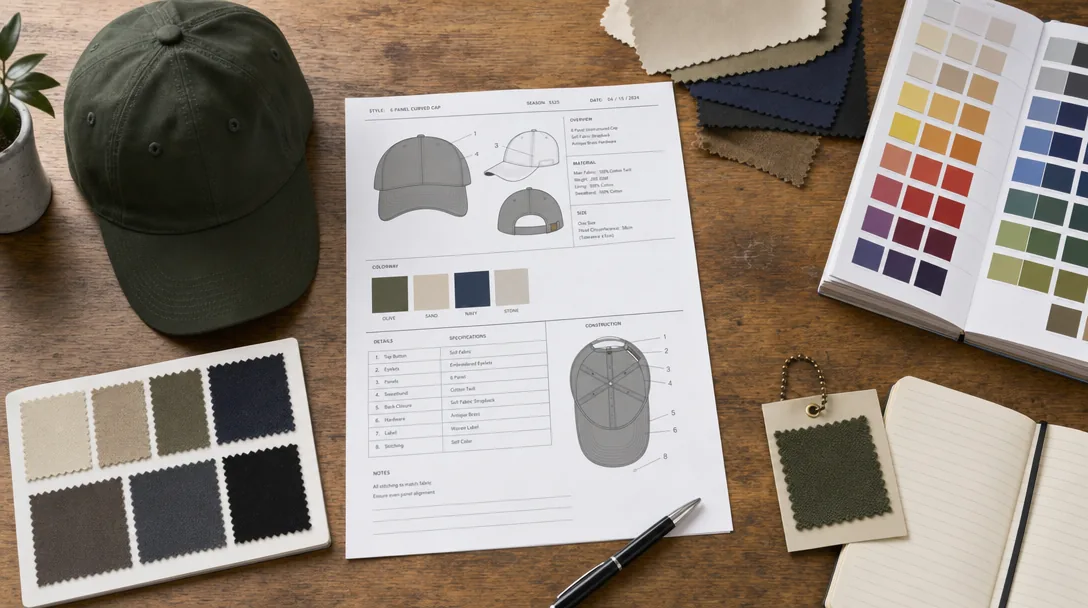
Performance & Athletic Caps: Moisture-Wicking, UPF and Buyer Specs - 2026 Buyer's Guide - 2026 Buyer's Guide
Read article →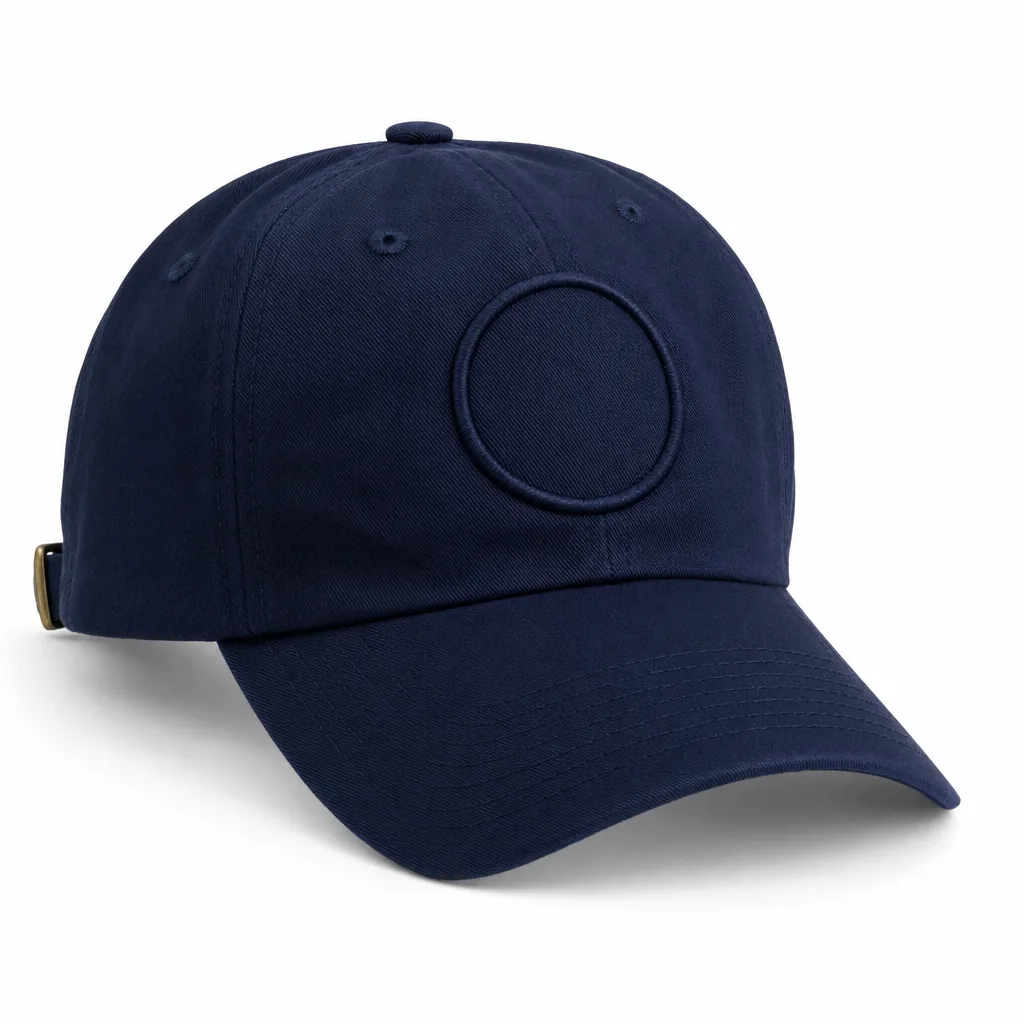
Country Trucker Caps: The 2026 Sourcing & Manufacturing Playbook
Read article →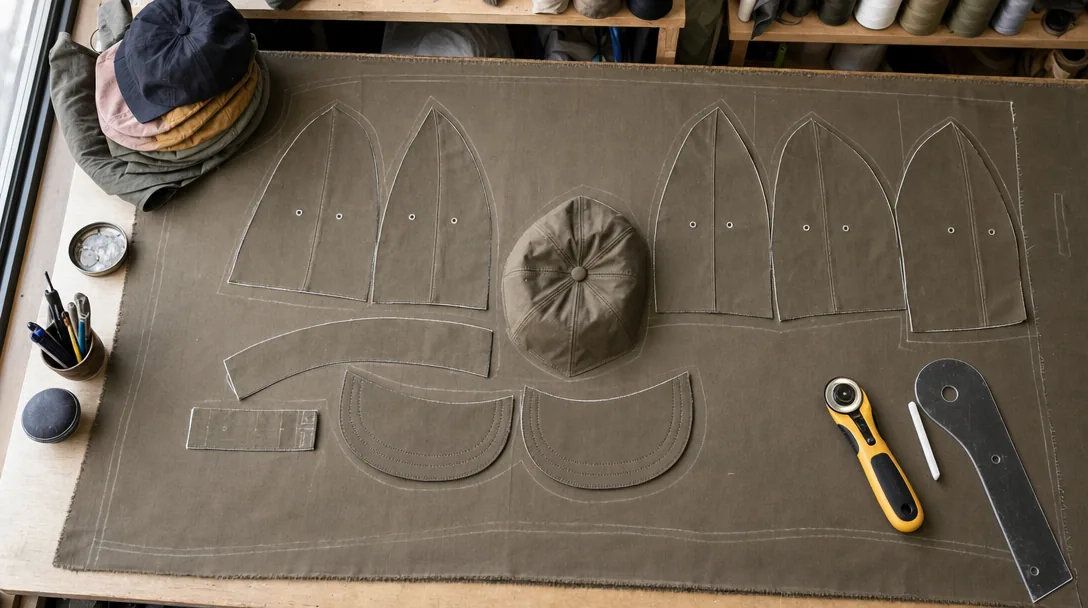
5-Panel vs 6-Panel Caps: Construction, Use Cases and Cost Compared (2026 Update)
Read article →If you are ready to take the next step on custom logo hats: when to use it, costs, and what to ask your factory - 2026 buyer's guide - cost & moq breakdown, our team can put a tailored quotation and digital mock-up in your inbox within 24 hours. Send the inquiry form on our contact page or message us directly on WhatsApp.