
Custom Hat Patch: When to Use It, Costs, and What to Ask Your Factory - Supplier Checklist - Supplier Checklist
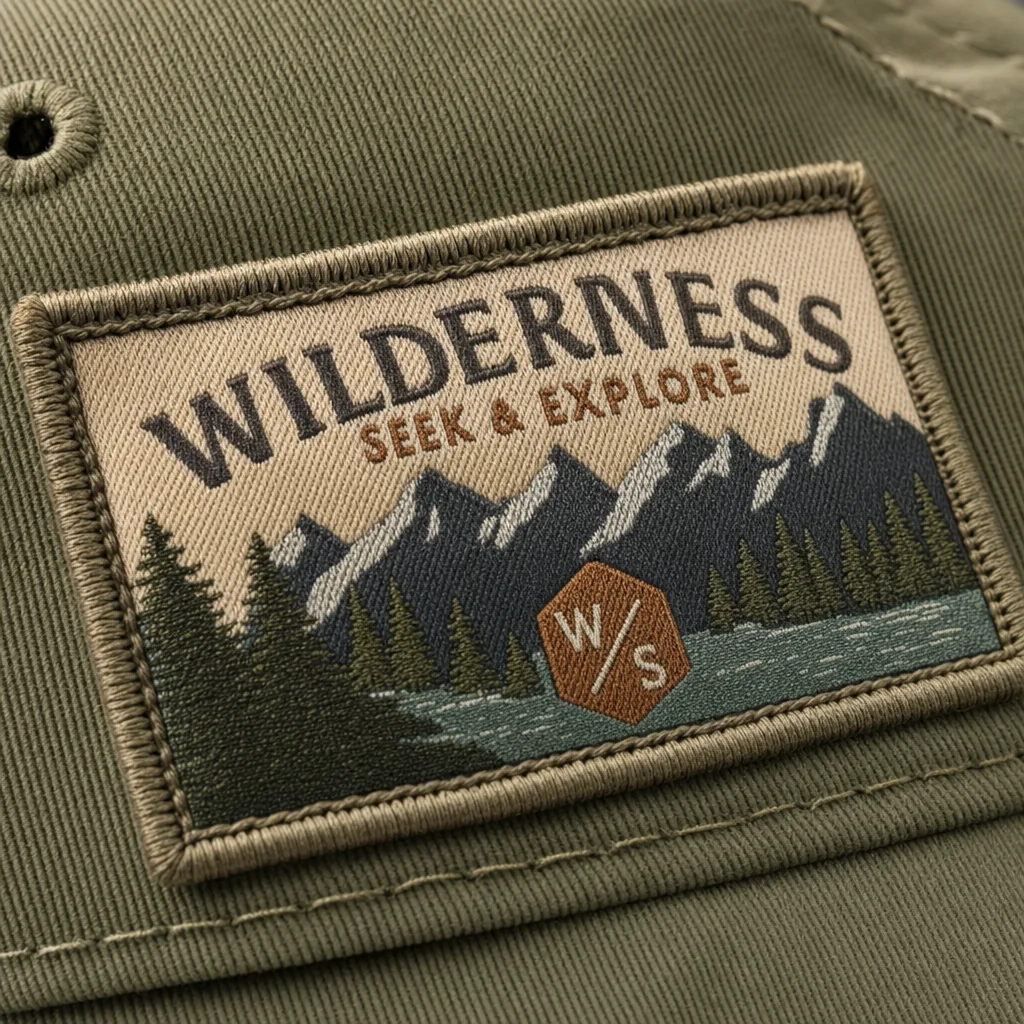
Every week, our sales team answers detailed questions about custom hat patch: when to use it, costs, and what to ask your factory - supplier checklist - supplier checklist. We wrote this guide so that wholesalers, streetwear brands, corporate buyers and promotional resellers can compare options with full information, and avoid the traps that show up only after production has started.
Custom Logo Hats
A custom hat patch is the quickest way to put a logo on headwear, but it is not a sticker; it is a small manufacturing system with real constraints. The first call is material: PVC and TPU for molded, high-relief logos; PU leather and genuine leather for a softer premium look; woven twill or felt for lower cost and faster sampling; silicone for a clean sportswear finish. Then lock the attachment method, because it changes the factory line. Sewn-on patches need clean die-cut edges, consistent stitch density, and enough border margin to survive crown curvature. Heat-transfer patches depend on adhesive film, press temperature, and dwell time. Velcro and PSA-backed versions are fine for prototype approval, but they are usually the first to fail in wear and wash tests. A competent factory should quote thickness in millimeters, edge treatment, Pantone TCX targets, and whether the cap is structured, unstructured, or foam-front. If they cannot explain how a 2.5 to 4.0 mm patch sits on a curved crown without puckering the front panel, they are guessing.
Do not send artwork and ask for a quote. Specify finished patch size, shape tolerance, border style, backing, exact placement on crown or brim, and whether the logo needs a flat matte surface or a raised 3D profile. For a custom hat patch order, I also ask for cap fabric weight, usually 180 to 240 gsm cotton twill or 110 to 130 gsm nylon, plus crown depth, brim curve, closure type, and whether the product must survive washing or only retail handling. Real factory numbers matter: patch MOQ is often 100 to 300 pieces per colorway if the body cap is in stock, while a fully custom cap-and-patch build usually starts at 500 to 1,000 pieces. In China, simple twill or felt patches often add about $0.25 to $0.80 per piece; PU leather, molded silicone, or 3D embroidery patches usually land around $0.80 to $2.50 before the cap cost. Plan on one to three sample rounds if you care about color matching or edge fidelity.
The checks that matter are alignment, border stitch bite, adhesive bleed, puckering on the front panels, and color drift against the approved Pantone. With a custom hat patch, the most common failure is not the patch itself but the interaction between patch weight and cap fabric; a thin 108 gsm cotton twill crown will crease under a heavy PVC badge if the interfacing is wrong. Ask for inline and final inspection criteria, ideally AQL 2.5 for general defects and a tighter placement tolerance for logos, because a 3 mm shift reads sloppy on a front panel. CrownsForge’s standard practice is to approve a pre-production sample against a sealed color standard before bulk cutting. That step is cheap insurance: once a 500-piece run is stitched, packed, and booked for export, rework gets expensive fast. A patch that cracks, lifts, or warps will cost more than a better one on the first reorder, which is why the brief should always include wear expectations, wash tests, and any heat-press limits before production starts.
Custom Embroidered Patches
A custom hat patch is the right choice when the logo has fine detail, layered fills, or small text that direct embroidery will crush on a curved crown. The first decision is the construction: embroidered twill, felt, leather, PVC, woven, chenille, or 3D puff all behave differently once you add merrowed edges, laser-cut outlines, or sew-on borders. For a custom embroidered patch, specify stitch density in stitches per square inch, thread system, and color against Pantone TCX, not loose language like “match approved.” On Tajima, Barudan, or ZSK equipment, a proper strike-off should show edge firmness, border width, and whether the thinnest stroke survives trimming and heat. As a rule, keep the narrowest element around 0.8 mm and avoid letters below 4 pt; once the stitch path tightens further, satin columns close up and the patch starts losing shape on the cap front.
Commercial terms matter as much as art when you source a custom hat patch. Give the factory the finished size, shape, border type, backing, and attachment method up front: sew-on, iron-on, Velcro, adhesive, or a combination backing. A basic custom hat patch order usually starts at 100 to 300 pieces, but MOQ rises fast for leather, chenille, 3D puff, or mixed-material builds. In China, a 5 to 7 cm embroidered twill patch often prices around $0.25 to $0.60 FOB at 300 to 500 pieces; leather or chenille can land around $0.80 to $2.00 depending on tooling, cutting method, and whether a mold is needed. Ask separately for sample lead time, mass-production lead time, and whether the quote covers the patch only or application to the cap, because a finished custom patch hat program changes labor, scrap, and freight math.
The failures are predictable and expensive: frayed edges, loose jump stitches, puckered borders, adhesive bleed-through, and color drift from the approved strike-off. If the patch is heat-applied, test peel strength after full cure and again after at least three wash cycles; weak hot-melt backing usually lifts at the corners first. For export runs, AQL 2.5 is the normal inspection baseline for size, placement, and workmanship, with pre-production approval before bulk cutting or embroidery starts. Our standard practice is to confirm thickness, backing, and application method before digitizing, because changing any of those later forces a second sew-out and wastes material. Use a custom hat patch when you need cleaner small logos, faster branding across mixed cap styles, or a more premium hand than direct embroidery can hold; use direct stitch only when the artwork is large enough to keep its detail without collapsing under the needle.
Custom Hat with Patch
A custom hat patch is the right move when you want a clean front logo without punching stitches straight into the crown fabric. In production, the patch is made first, then applied by heat seal, direct sew, or a sew-and-press method. For any custom hat patch order, name the substrate before pricing starts: embroidered twill, woven twill, felt, genuine leather, PU leather, silicone, and PVC all behave differently at the edge and in finishing. Fine text needs vector artwork and a 1:1 proof; a screenshot will not hold up when the merrow border is 1.2 mm and the linework is already near the limit. The hat spec matters just as much: 6-panel or 5-panel construction, structured versus unstructured front, buckram stiffness, visor board thickness, and closure type all affect whether the patch sits flat or telegraphs a wrinkle through the front panel.
Push for build numbers, not adjectives. Define patch width and height in millimeters, edge type, stitch density or mold depth, backing type, placement tolerance, and any requirement for sweat, UV, or wash resistance. If you want a raised profile, specify foam thickness and maximum stack height, because a 3 mm build that is fine on a structured cap can pucker a low-profile dad hat. Typical MOQ is 100 to 300 pieces for simple embroidered or woven patches, and 300 to 500 for molded silicone, PVC, or leather versions; smaller runs usually carry a setup fee. In volume, patch cost often lands around $0.80 to $1.80 for woven or embroidered styles, and $1.50 to $3.50 for molded PU or PVC, before hat body cost and application labor.
The usual failures are predictable: crooked placement, lifted corners, glue bleed, crushed foam, loose merrow stitching, color shift, and shrinkage after heat pressing. A proper custom hat patch approval needs a preproduction sample and a first-run photo taken under neutral light, because glossy films and dark leather can hide defects until packing. Ask for the exact placement template in millimeters from center front, the press temperature and dwell time if heat seal is used, and whether the factory is inspecting to AQL 2.5 for appearance and attachment strength. Our standard practice is to lock the patch spec and hat spec on one approval sheet, because a patch can be correct on paper and still fail once it hits a structured front panel or a soft, low-profile crown.
Custom Patch for Hat
A custom hat patch makes sense when the artwork needs a hard edge, raised texture, or a cleaner silhouette than direct embroidery can hold. The patch is built first, then sewn, heat-pressed, or less commonly riveted onto the front panel or crown. The construction choice is not cosmetic: embroidered twill, woven twill, merrowed-edge embroidery, PVC, PU leather, felt, and sublimated fabric behave differently in edge definition, hand feel, and wash durability. For a custom hat patch, the spec sheet matters more than the mockup. Lock the dimensions in millimeters, edge finish, backing type, stitch count or mold depth, Pantone TCX references, and attachment method, whether sew-on, iron-on, Velcro, or PSA adhesive. If that data is vague, the sample can look acceptable while bulk output drifts in thickness, border quality, or placement tolerance.
MOQ and pricing vary more than buyers usually expect. A simple woven or embroidered custom hat patch often starts around 100 to 300 pieces per design, while PVC or PU leather usually needs a higher commitment if the factory has to open a mold or cutting die. In China, EXW pricing is often about $0.18 to $0.60 per patch for basic embroidered work, and roughly $0.40 to $1.20 for PVC or PU leather depending on size, color count, and backing. That is only the decoration line. Add sewing labor, heat-press application, reject allowance, and rework, and the per-hat landed cost moves quickly. When comparing a custom hat patch against direct embroidery, price the full bill of materials, not just the patch itself.
Quality control is where custom hat patch jobs usually fail. On woven and embroidered patches, check for frayed edges, loose thread tails, and border misregistration; on PVC, look for sink marks, uneven fill, and trimming burrs; on heat-applied backing, test for bubbling or lift after wash and flex cycling. I would want color matched to Delta-E 2.0 or better against the approved standard, plus first-article placement checks in millimeters and a perimeter pull test before bulk approval. Our standard practice is to approve a photo spec, then seal a pre-production sample and golden sample, with in-line checks at AQL 2.5 before shipment. If the factory cannot state how the patch is attached, which machine or process is used, and how adhesion or seam strength will be verified, the sourcing problem is already there.
Custom Patch Hat
A custom hat patch is a separate component made first and then attached to the cap by sewing, heat press, or adhesive backing. The important decisions happen before artwork is locked: patch construction, edge treatment, thickness, and attachment method. Ask the factory exactly what they are making — woven, embroidered, PVC, leather, silicone, or TPU — because each one behaves differently on edge sharpness, hand feel, wash durability, and unit cost. For a custom hat patch, I look first at thickness in millimeters, border finish, and how the patch sits on the crown after steaming, washing, and flexing. If it is embroidered, specify stitch density, thread type, and whether the border is merrowed, laser-cut, or satin-stitched. If it is PVC or silicone, ask for Shore hardness, mold depth, and the smallest character height they can hold without fill-in. Give placement as center-point dimensions in millimeters; on a 5-panel cap or trucker, a 2 mm shift reads as sloppy immediately.
MOQ and pricing depend on whether the patch is made in-house or outsourced. For woven and embroidered custom hat patch programs, 100 to 300 pieces per colorway is common in China; molded PVC, leather, or thick silicone usually starts around 300 to 500 pieces because tooling, trim loss, and setup waste are real. A realistic factory price for the patch alone is often $0.25 to $1.20 for woven or embroidered work and $0.60 to $2.50 for PVC, leather, or thicker silicone, before sewing or heat application. Once you add cap body cost, decoration labor, packing, and carton charges, a basic FOB program often lands around $2.80 to $6.50 per unit depending on fabric, panel count, closure, and patch size. If a quote comes in far below that, check whether the supplier is cutting sampling, using thin backing, or underpricing labor.
The defects are predictable if you know where to look. On embroidered custom hat patch work, inspect merrowed borders for skipped loops, loose tails, and corner fray; on woven patches, text below about 5 pt usually turns soft and unreadable. For heat-applied patch orders, run a bend test after cooling and a 40 C wash test, because weak adhesive fails quickly on cotton twill and brushed polyester. Ask for Pantone TCX matching, a pre-production sample, and a measurement sheet showing patch width, crown placement, and stitch count. Our standard practice is to approve against a sealed sample and inspect to AQL 2.5; that is the only reliable way to keep a custom hat patch order consistent across colorways. The real sourcing choice is lifecycle: embroidered and woven patches are cheaper to tool and faster to reorder, while molded materials earn their cost when you need hard edges, raised detail, or a more premium hand.
Custom Patch Hats
A custom hat patch is the right move when you want a sharp front-panel graphic without paying for full-crown embroidery. The patch is made first, then applied by heat press, stitching, or both, and the right method depends on cap construction and how hard the hat will be worn. For a custom hat patch, lock the build before sampling: woven for fine text and small logos, embroidered for texture and visible thread depth, PVC for rigid shapes and bold branding, PU leather for a cleaner retail finish, felt for a soft vintage read, or rubber when you want high relief. A 100% cotton twill six-panel cap, a polyester mesh trucker, and a washed dad cap react differently under heat and pressure. That changes adhesion, seam puckering, and whether the front panel stays flat after pressing. If the factory cannot tell you the cap’s front structure, you are buying rework later.
The spec sheet should be measurable, not decorative. Send vector artwork, define Pantone TCX or Pantone C targets, set patch size in millimeters, specify border style, merrowed or laser-cut edge, and name the attachment method. If the patch is embroidered, request stitch count and backing type; if it is PVC or PU, ask for thickness in millimeters and hardness. For a custom hat patch program that needs repeatability, the cap itself also needs a spec: structured foam front, buckram-reinforced front, or unstructured panel, plus closure type and fabric weight, usually 200 to 260 gsm for cotton twill and 150 to 180 gsm for polyester mesh. MOQ is commonly 100 to 300 pieces per colorway for simple runs, but custom mold PVC or multi-SKU orders often move to 500. In Yiwu, a standard FOB price for a basic cap with a woven or embroidered patch usually lands around USD 2.20 to 4.80, while molded PVC, PU leather, or layered applique builds climb quickly.
The defects are easy to catch if you check the right places. The patch should sit flat with no lifted corners, glue bleed, or scorch marks from the press. On embroidered patches, look for broken threads in tight counters, low-density edges, and backing film that peels too easily after heat. On the hat, inspect crown symmetry, visor curve, seam alignment, sweatband stitching, and whether the patch is centered to the front-panel seam rather than eyeballed to the panel edge. A proper supplier checklist for custom hat patch sourcing should include AQL 2.5 inspection, Delta-E color tolerance, carton drop test results, and a signed pre-production sample before bulk. Our standard practice is to treat patch application as its own control point, because a clean patch on a warped cap is still a failed product. Patch type, cap construction, and order volume have to match before production starts, or the factory will spend your margin fixing defects that should have been caught at sampling.
Working with CrownsForge for custom hat patch programs
A custom hat patch program succeeds or fails on two points: how quickly the factory turns artwork into a physical PP sample, and how honestly it rejects artwork that will not survive on a curved crown. Our standard practice is a first sample in 5 to 10 working days, with woven, embroidered, PVC, leather, and multi-layer applique all carrying different lead times and failure modes. A buyer who only sends a logo file still needs stitch density, minimum stroke width, border width, edge tolerance, and Pantone TCX references locked before production. Flat artwork often looks fine on screen and then falls apart when it is stitched through a front seam, wrapped over a 58 to 60 cm crown, or placed within 2 to 3 mm of a seam allowance. The sample stage is where those errors are cheap; after 2,000 caps, they are not.
MOQ should follow setup cost, not a marketing slogan. For a straightforward custom hat patch order, 100 to 300 pieces per colorway is a practical entry point once the spec is approved; molded PVC, 3D embroidery, mixed-media patches, and laser-cut PU usually push the economic floor to 300 to 500 pieces. We separate patch construction from cap body pricing because a flat woven badge, a merrowed-edge embroidered patch, and a heat-seal TPU patch each carry different labor content, tooling, and reject rates. On the floor, patch production has to be scheduled with cap assembly so the crown profile, brim curve, and placement jig stay consistent from PP sample to bulk run. That matters more than shaving 10 or 15 cents off unit cost, because inconsistent placement shows up immediately when the patch sits across a seam or too high on the front panel.
Buyers should ask for proof, not vague compliance language. For qualified programs, CrownsForge keeps sedex-audit-cap-supplier-guide.html">BSCI 2.0 and Sedex SMETA 4-Pillar files available, and can support REACH, CPSIA, and azo-dye documentation when the destination market requires it. That matters for retail, team licensing, and corporate promotion orders, where one failed colorfastness or chemical test can hold freight at port or trigger a relabeling run. The job file should also show artwork approval, size approval, lab-dip approval for thread and patch colors, pre-production photos, in-line checks, and final AQL 2.5 inspection results in one place. If those records live in scattered email chains, a custom hat patch reorder will drift from the approved master sample fast. Good factories do not just produce the first run; they hold the second and third run inside the same tolerance window.
Frequently Asked Questions
What is the minimum order quantity (MOQ) for custom hats?
Our standard MOQ is 100 pieces per design and color, with sampling available from 1 piece. For complex multi-color logos or premium fabric upgrades, the MOQ can be lowered with a small per-piece surcharge.
Which shipping methods do you support?
We support FOB, CIF and DDP shipping. Air express for samples and small orders, sea LCL for 100 to 500 pieces, sea FCL for 5,000+ pieces. Door-to-door DDP available for US, EU, UK, Canada and Australia.
Do you support sustainability certifications?
Yes. We work with GOTS organic cotton, GRS-certified recycled polyester, OEKO-TEX Standard 100 fabrics, and are BSCI and Sedex audited. Certification documentation can be provided per order.
Can I order a sample before bulk production?
Yes. We strongly recommend approving a pre-production sample before mass production. Samples are charged at 35 to 60 USD each plus express shipping, fully refundable against confirmed bulk orders over 500 pieces.
What file format should I send for my logo?
Vector files (AI, EPS, PDF) are ideal. High-resolution PNG or JPG at 300 dpi on transparent background works as a fallback. Provide Pantone color references for accurate reproduction.
How does ordering custom leather patch trucker hat work?
When evaluating custom leather patch trucker hat, the key considerations are construction quality, decoration capability, MOQ flexibility and lead time. Cover everything buyers ask about custom logo hats: how it's manufactured, what specs to request from a factory, typical MOQ and pricing, common quality issues to inspect for, and how this ties back to the broader custom hat patch sourcing decision. Cover everything buyers ask about custom embroidered patches: how it's manufactured, what specs to request from a factory,…
What's the MOQ for custom leather patch hats no minimum?
When evaluating custom leather patch hats no minimum, the key considerations are construction quality, decoration capability, MOQ flexibility and lead time. Cover everything buyers ask about custom logo hats: how it's manufactured, what specs to request from a factory, typical MOQ and pricing, common quality issues to inspect for, and how this ties back to the broader custom hat patch sourcing decision. Cover everything buyers ask about custom patch hats: how it's manufactured, what specs to request from a factory, typical MOQ…
How does ordering custom embroidered trucker hats work?
When evaluating custom embroidered trucker hats, the key considerations are construction quality, decoration capability, MOQ flexibility and lead time. Cover everything buyers ask about custom logo hats: how it's manufactured, what specs to request from a factory, typical MOQ and pricing, common quality issues to inspect for, and how this ties back to the broader custom hat patch sourcing decision. Cover everything buyers ask about custom embroidered patches: how it's manufactured, what specs to request from a factory,…
How does ordering custom baseball hats with logo work?
When evaluating custom baseball hats with logo, the key considerations are construction quality, decoration capability, MOQ flexibility and lead time. Cover everything buyers ask about custom logo hats: how it's manufactured, what specs to request from a factory, typical MOQ and pricing, common quality issues to inspect for, and how this ties back to the broader custom hat patch sourcing decision. Cover everything buyers ask about custom patch hats: how it's manufactured, what specs to request from a factory, typical MOQ…
Need a low-MOQ test order?
We help emerging brands launch with as few as 100 pieces. Premium fabric, in-house embroidery, retail-ready packaging.
Start a small orderRelated guides
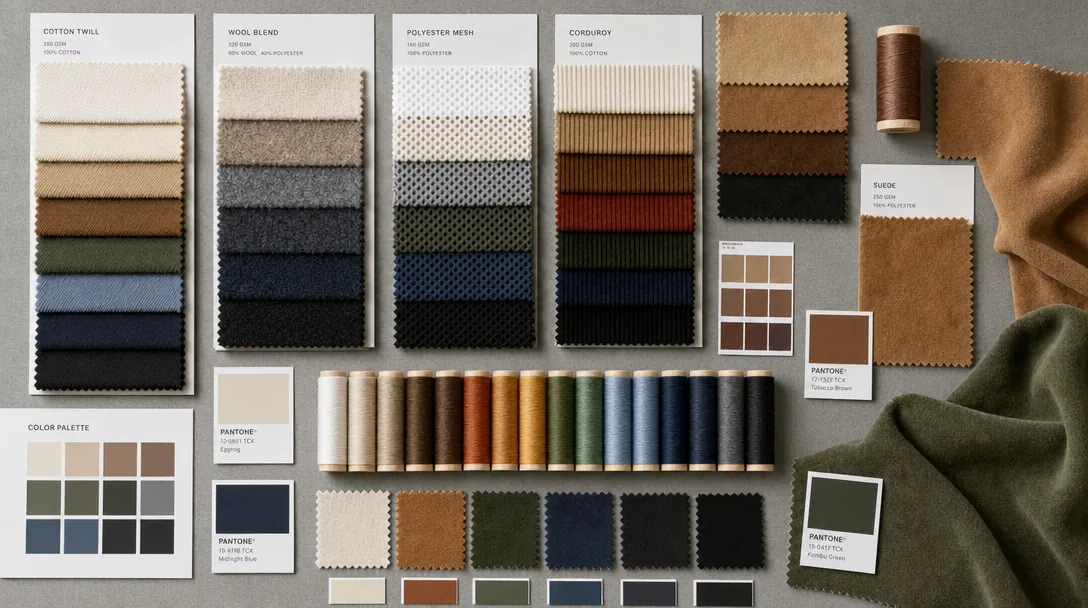
Camouflage Bucket Hat: Properties, Costs and How to Spec It Right (2026 Update)
Read article →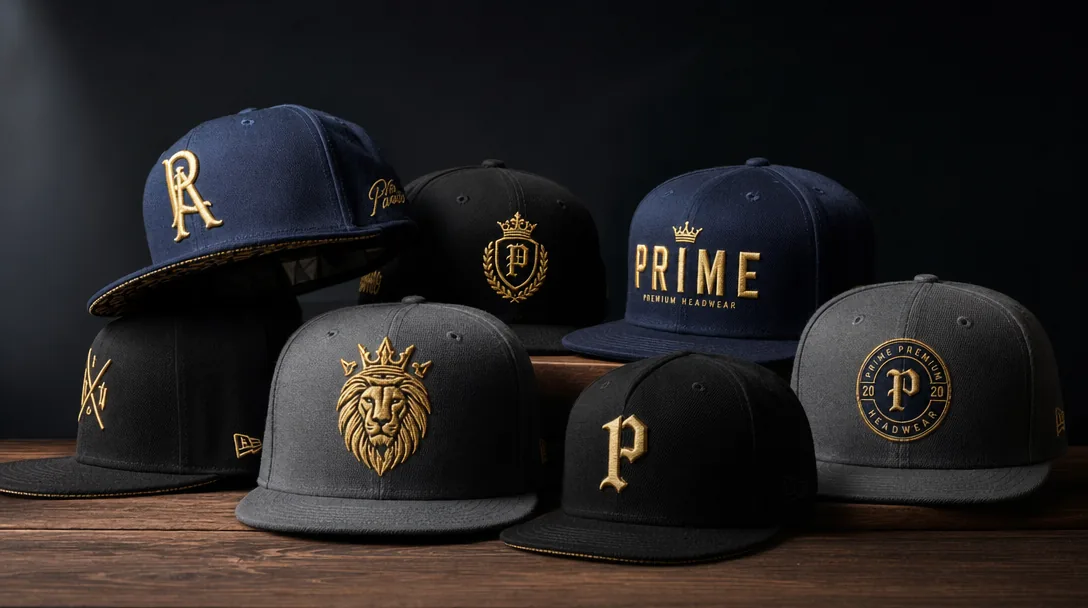
Refreshing a Hat Collection: A Repeat-Order Playbook for Established Brands
Read article →
Embroidery Hats Machine: When to Use It, Costs, and What to Ask Your Factory - Cost & MOQ Breakdown
Read article →We hope this guide demystifies custom hat patch: when to use it, costs, and what to ask your factory - supplier checklist - supplier checklist and helps you move forward with confidence. If you have questions specific to your project, our English-speaking sales engineers are one message away.