
Custom Hat Patch: When to Use It, Costs, and What to Ask Your Factory - Supplier Checklist - Cost & MOQ Breakdown
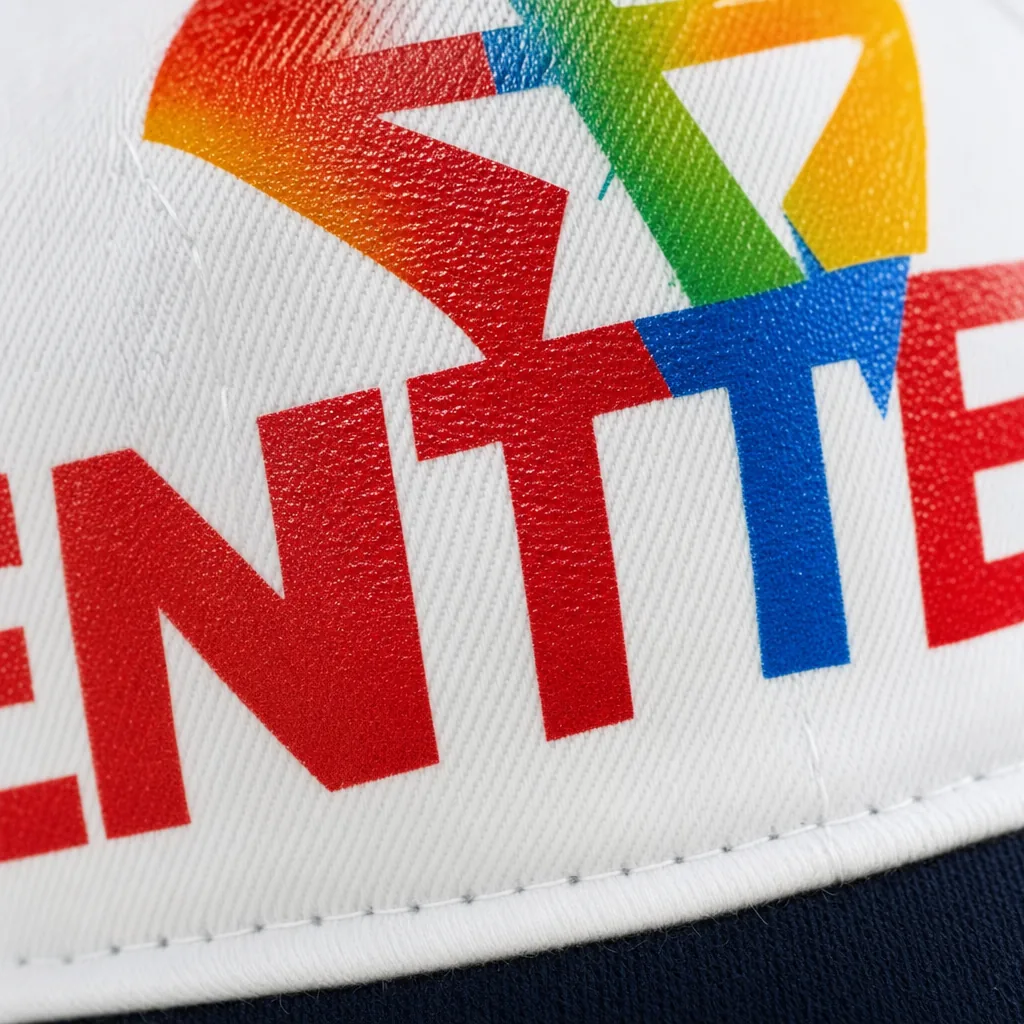
Every week, our sales team answers detailed questions about custom hat patch: when to use it, costs, and what to ask your factory - supplier checklist - cost & moq breakdown. We wrote this guide so that wholesalers, streetwear brands, corporate buyers and promotional resellers can compare options with full information, and avoid the traps that show up only after production has started.
Custom Logo Hats
A custom hat patch is the better production path when the artwork has small text, sharp corners, gradients, or more than three colors. Direct embroidery starts to fail on lettering below about 3.5 mm cap-height because stitch width and pull compensation soften the edges; a patch preserves the art and lets you control the build separately from the cap. For a clean custom logo hat, specify patch size in millimeters, border type, backing, attachment method, and placement tolerance, not just the artwork. Typical patch bodies are cotton twill, felt, suede, woven polyester, PVC, and TPU; sewn-on twill or felt patches are still the most stable for bulk runs, while PVC and TPU add relief but also tooling cost and longer lead time. For color control, approve against Pantone TCX or Pantone C under D65 daylight, not warehouse LEDs. In practice, custom hat patch work is strongest on 300 to 500-piece streetwear runs where front-panel embroidery would look crowded.
Start by asking how the patch is built, then how the cap is built. A structured 6-panel cotton twill cap at 260 to 280 gsm is standard, while washed canvas, brushed cotton, or wool-blend bodies change how flat the custom hat patch sits and how much seam distortion appears at the front panels. Embroidered or woven patches on 100D polyester twill are usually the cheapest option; molded PVC, TPU, chenille, and multi-layer 3D patches cost more because of tooling, curing, and slower handling. Realistic MOQ is 100 to 300 pieces for a simple patch hat custom order, and 500 pieces or more once you add custom backing, woven labels, sandwich visors, enzyme wash, or garment dye. Mid-volume FOB pricing in China typically lands around $2.20 to $4.50 per unit for a plain build, with freight, cartons, hang tags, and polybagging adding roughly $0.30 to $1.10 depending on destination and packout density.
Inspect the sample like a buyer who expects it to fail somewhere. The usual defects are crooked placement, bubbling from heat-applied backing, loose corners after washing, frayed edges, adhesive bleed, and front-panel puckering from overly dense stitching. Ask the factory to show the digitizing file and machine setup, because Tajima, Barudan, and ZSK heads do not behave the same way with thick fill columns and tight satin borders; bad digitizing can turn a clean custom hat patch into a lumpy badge. For approval, request AQL 2.5 photos, a 5 to 10 wash-cycle test, and a written acceptance standard for color variance, needle holes, and edge lift. CrownsForge’s standard practice is to lock patch spec, cap spec, and packing spec on one sheet before PO release, because most overrun and rework costs come from vague approvals, not the fabric itself.
Custom Embroidered Patches
A custom hat patch is the better choice when the logo needs cleaner edges than direct embroidery can hold, especially for small type, hairline strokes, or artwork with more than 6 to 8 thread colors. The patch is usually digitized first, then stitched on twill, felt, PVC, or faux leather using Tajima, Barudan, or ZSK embroidery heads before being cut by laser, hot knife, or Merrow border machine. For a real quotation, ask for the finished size in millimeters, border style, stitch density, backing method, and thread brand; those details move the price more than people expect. A 55 x 40 mm patch on a 5-panel foam trucker is a different job from a 70 x 50 mm shield on a cotton dad cap, and the factory should quote them separately rather than treating them as the same patch spec.
Do not leave the construction vague. If the art has raised areas, confirm whether the factory is doing flat satin stitch, full-fill embroidery, or 3D puff, because each one changes the needle count, hand feel, and final thickness on the crown. For a custom hat patch, heat-seal, Velcro, adhesive, and sew-on backings are not interchangeable: heat-seal is fastest for production, Velcro is used for tactical or team applications, adhesive is usually only for sample approval, and sew-on is the most secure for wash-heavy use. Standard patch pricing in China often lands around $0.25 to $0.60 per piece for simple 50 to 60 mm embroidered patches at 500 to 1,000 pcs, with 3D puff, merrowed edges, or multi-layer felt pushing it higher. Lock the spec before sampling, or you will end up paying twice for revisions.
Custom Hat with Patch
A custom hat patch is the right call when the logo needs sharper edge definition, more surface texture, or a cleaner front panel than direct embroidery can give you. Build the patch first, then sew, heat-press, or bond it onto the crown after panel construction. On a structured 6-panel cap, the substrate matters more than most buyers admit: PU leather reads flatter and more premium, woven twill keeps small type legible down to about 5-6 pt, felt gives a thicker hand, and PVC or silicone is the pick when you need raised relief, UV resistance, and better weather performance. Before approving a sample, check patch thickness, border width, stitch density, and how the edge lands over a seam line. If the factory cannot show topstitch, zigzag, laser-cut, and adhesive-backed options, they are not controlling the process.
The spec sheet should be tighter than the sales sample. Ask for exact patch size in millimeters, backing type, thread count, Pantone TCX targets for both cap and patch, and the decoration method used to make the custom hat patch, whether that is embroidery, laser-cut PU, screen print, debossing, woven construction, or a hybrid build. For MOQ, most factories will quote 100 to 300 pieces per colorway for a simple order, but low-MOQ pricing rises fast because the patch and cap are separate production steps. In 2025, a basic patch typically lands around $0.40 to $1.20 per piece at 300 to 500 units, with another $0.30 to $0.80 for application labor depending on placement and whether the crown is already assembled. Our standard practice is to sample the patch on the actual blank before locking the order.
The failures are repetitive: crooked placement, lifted corners after washing, glue bleed, puckering at the seam, fuzzy edges from poor digitizing, and color drift when the supplier matches by eye instead of using Pantone or a lab dip. Require AQL 2.5 inspection for both patch position and cap structure, and add a wash test or 50-cycle crocking rub test if the patch is bonded rather than fully sewn. For a custom patch hat program, treat the cap blank, decoration method, sewing sequence, packing spec, and carton count as one system, not separate decisions. That is what keeps the final hat from looking like a patch was slapped on after the fact, and it is usually what separates a clean reorder from a credit claim.
Custom Patch for Hat
A custom hat patch makes sense when you need a harder logo edge, more dimension, and better abrasion resistance than direct embroidery on the crown. The usual constructions are woven twill, 2.5D embroidered twill, PVC, PU leather, felt, silicone, and merrowed-edge patches, and they do not behave the same once they are pressed or sewn onto a cap. For flat-brim streetwear, a custom patch hat commonly uses a 55 to 65 mm patch on 300 to 450 gsm twill with laser-cut or heat-cut backing; for workwear or outdoor programs, PU leather or PVC is usually the better call because it holds up in damp storage and repeated handling without fuzzy borders. Give the factory exact width and height in millimeters, Pantone TCX references, edge finish, backing type, stitch density or thread count, and whether application is heat press, sew-on, or dual-method. A mockup is not enough if the patch has to cross a seam, sit on a curved crown, or land on a structured front panel with stretch.
Pricing is driven by material, tooling, and labor, and the spread is wider than most buyers expect. At 100 to 300 pieces, a simple woven or embroidered custom hat patch usually runs about USD 0.35 to 1.20 per piece, while PU leather, PVC, or multi-layer embroidered patches often land around USD 0.80 to 2.50; molded PVC also adds roughly USD 60 to 150 in tooling if the mold is not already available. Most suppliers still prefer 100 to 300 pieces per colorway for a standard custom patch hats order, but once you add multiple sizes, stitched borders, or custom backing, 500 pieces is where unit cost usually starts to settle. Ask for the patch and the cap as separate lines, because application labor can disappear into the quote when the patch needs pre-curving, edge trimming, or hand sewing. Sampling fees of USD 30 to 80 per style are normal, and you should confirm whether that fee is credited back after bulk approval.
Inspection is where patch orders usually fail, not at the rendering stage. Check frayed merrow edges, adhesive bleed on heat-activated backing, warping after pressing, and placement drift beyond 2 to 3 mm across the crown or visor. For stitched patches, inspect needle marks through the face fabric and confirm the patch is not bridging a seam unless that placement is intentional; on structured hats, a crooked patch shows immediately once the brim curvature is set. The right production check is pre-production photos plus AQL 2.5 on appearance, adhesion, and dimensional tolerance, with Delta-E under 2.0 if the brand color is sensitive and under 3.0 if the fabric lot is naturally variable. Our standard practice is to approve the patch on the actual cap body before bulk stitching, because a patch that looks clean on a flat sample can fail once it meets crown tension. In practice, choose a custom hat patch when the logo needs depth or a premium hand feel; choose direct embroidery when the art is small, simple, and cost pressure matters more than texture.
Custom Patch Hat
A custom hat patch is a base cap plus a separately made component, and that changes both cost and risk. The patch can be woven, embroidered, PVC, TPU, silicone, genuine leather, or felt, then sewn, heat-pressed, or Velcro-backed onto the crown or front panel. For a usable custom hat patch spec, ask for patch material, backing, edge finish, thickness, and artwork color target in Pantone TCX for textiles or Pantone C for coated or printed surfaces. A 2.5 to 3.0 mm PVC badge can look sharp on a flat board and still pucker on a low-profile six-panel cap if the front panel is too soft or the patch radius is wrong. Compared with direct embroidery, the patch route usually gives cleaner edges, better separation on multicolor logos, and easier late-stage artwork changes, but it adds another part that has to fit the cap body correctly.
Start with MOQ, unit price by volume tier, and attachment method, because those three usually decide whether the project is worth doing. A basic embroidered custom hat patch order often starts around 100 to 300 pieces per colorway, while molded PVC, TPU, or genuine leather patches more often need 300 to 500 pieces to cover tooling and setup. In China, a simple embroidered patch hat on a 280 gsm cotton twill cap can land around USD 2.20 to 3.80 FOB at 300 to 500 pcs; a more complex custom patch hat with 3D rubber, layered felt, or heavy merrow stitching can run USD 3.50 to 6.50 FOB depending on crown structure, stitch count, and pack-out. If you need DDP to the U.S. or EU, freight, duty, and last-mile handling can add another USD 0.80 to 2.20 per piece on a carton-efficient order, so ex-factory pricing alone is not a real comparison.
The defects are predictable: crooked placement, adhesive bleed, loose border stitching, patch shrink after heat pressing, color drift against approved art, and crown distortion from an overweight badge. I would specify AQL 2.5 for major defects, plus a peel test for sewn patches and a heat and wash check for heat-applied styles. On the spec sheet, the factory should list cap fabric, panel count, brim insert, sweatband material, patch size tolerance, backing type, stitch path, and whether the artwork was digitized for Tajima, Barudan, or ZSK embroidery heads. Our standard practice is to sample the patch on the actual cap body before bulk production, because a 70 x 50 mm patch that passes on a flat board may fail once it hits a structured front panel. That is the difference between a repeatable program and a one-off decoration order that gets expensive on reorder.
Custom Patch Hats
A custom hat patch is the better choice when you need a raised logo, a harder edge than direct embroidery, or a graphic that still reads from 3 to 5 feet away. The patch is usually built separately, then sewn, heat-pressed, or sometimes glue-assisted onto the cap shell; in production you’ll see PVC or rubber patches molded, woven patches loom-made, leather patches laser-cut or die-cut, and embroidered patches stitched onto twill or felt backers. For a real custom hat patch program, ask for the patch substrate, finished thickness in millimeters, edge treatment, backing type, and the exact application method. If the factory cannot tell you whether the patch is stitched after panel sewing or applied inline before final assembly, you should expect inconsistency in placement, bond strength, and lead time.
Lock the spec to Pantone TCX or Pantone C references, patch size in millimeters, target thickness, and a sample approval standard with a Delta-E tolerance, not a vague “close enough” signoff. A workable request sheet also includes cap style, fabric weight in gsm, crown structure, visor curve, and the offset from the center front seam, because a 2 mm shift is visible on a 58 cm structured cap. The usual defects are crooked placement, lifting corners on heat-applied custom hat patch jobs, over-thick patches that distort the front panel, fuzzy merrow borders, and color drift when the patch vendor and cap vendor are not matched. CrownsForge’s standard practice is to approve a pre-production sample built with production materials, not just an artwork proof, because that is where most failures actually show up.
MOQ is construction-dependent, but 300 to 500 pieces per style is a realistic starting point for patch-on-cap production; 200 pieces is possible when the factory already stocks the blank body and handles patching in-house. On pricing, a basic polyester or cotton twill cap with a simple woven patch often lands around $2.40 to $4.20 FOB at 500 units, while leather, PVC, or multi-layer embroidered patches usually move the cap to $4.80 to $7.50 FOB depending on stitch count, mold tooling, and application method. Buyers comparing custom hat patch options should ask for sample cost, tooling cost, repeat-order price, carton pack-out, and whether patching, sewing, and final QC sit under one PO. That last point matters because AQL 2.5 rejects get expensive fast when responsibility is split across vendors.
Working with CrownsForge for custom hat patch programs
The real risk in a custom hat patch program is not the patch alone; it is how it behaves after sewing, washing, carton compression, and transit. Our standard sampling cycle is 5 to 7 working days for a straightforward woven or faux leather patch on a blank cap, and 7 to 10 days when the artwork needs stitch-density tuning, edge cleanup, or a new mold for PVC or TPU. That is where we catch the failures that actually hurt margin: lettering that closes up below 0.8 mm stitch spacing, die lines that drift off a Pantone TCX target, or adhesive-backed patches that lift after heat pressing on 280 gsm brushed cotton or 100 percent polyester twill. For a first-time custom hat patch order, that sample stage is the difference between a controlled approval and a 5,000-piece rework.
MOQ is driven by patch construction, not just cap quantity. A woven or embroidered custom hat patch program can usually start at 100 to 300 pieces per colorway, while molded rubber, embossed PU, or mixed-material badges usually need 300 to 500 pieces to justify tooling and setup. On structured six-panel caps, we also check whether the patch can be sewn cleanly without puckering or crown distortion, because a flat front panel matters more than shaving 8 cents off unit cost. CrownsForge normally quotes the cap body and patch as separate operations, then locks the attachment method before bulk cutting starts, which avoids the usual surprise when a good-looking patch fails on a stiff front panel or a low-crown dad hat.
The finishing stack matters because a custom hat patch can fail in three places: the patch build, the attachment method, or the cap structure underneath it. We use Tajima, Barudan, and ZSK embroidery heads for patch finishing and direct decoration, then choose sew-on, heat-seal, Velcro, or hybrid mounting based on wear life, wash resistance, and hand feel. For QC, we work to AQL 2.5 on visual defects and check color against Pantone TCX where repeatability matters; for ongoing programs, we keep a master approval card so the second and third lots do not drift. That discipline is worth more than saving 10 cents on the quote, because a rework on a 1,000-piece retail run usually costs far more than the decoration delta.
Frequently Asked Questions
What is the minimum order quantity (MOQ) for custom hats?
Our standard MOQ is 100 pieces per design and color, with sampling available from 1 piece. For complex multi-color logos or premium fabric upgrades, the MOQ can be lowered with a small per-piece surcharge.
Which shipping methods do you support?
We support FOB, CIF and DDP shipping. Air express for samples and small orders, sea LCL for 100 to 500 pieces, sea FCL for 5,000+ pieces. Door-to-door DDP available for US, EU, UK, Canada and Australia.
Do you support sustainability certifications?
Yes. We work with GOTS organic cotton, GRS-certified recycled polyester, OEKO-TEX Standard 100 fabrics, and are BSCI and Sedex audited. Certification documentation can be provided per order.
Can I order a sample before bulk production?
Yes. We strongly recommend approving a pre-production sample before mass production. Samples are charged at 35 to 60 USD each plus express shipping, fully refundable against confirmed bulk orders over 500 pieces.
What file format should I send for my logo?
Vector files (AI, EPS, PDF) are ideal. High-resolution PNG or JPG at 300 dpi on transparent background works as a fallback. Provide Pantone color references for accurate reproduction.
How does ordering custom leather patch trucker hat work?
When evaluating custom leather patch trucker hat, the key considerations are construction quality, decoration capability, MOQ flexibility and lead time. Cover everything buyers ask about custom logo hats: how it's manufactured, what specs to request from a factory, typical MOQ and pricing, common quality issues to inspect for, and how this ties back to the broader custom hat patch sourcing decision. Cover everything buyers ask about custom embroidered patches: how it's manufactured, what specs to request from a factory,…
What's the MOQ for custom leather patch hats no minimum?
When evaluating custom leather patch hats no minimum, the key considerations are construction quality, decoration capability, MOQ flexibility and lead time. Cover everything buyers ask about custom logo hats: how it's manufactured, what specs to request from a factory, typical MOQ and pricing, common quality issues to inspect for, and how this ties back to the broader custom hat patch sourcing decision. Cover everything buyers ask about custom patch hats: how it's manufactured, what specs to request from a factory, typical MOQ…
How does ordering custom embroidered trucker hats work?
When evaluating custom embroidered trucker hats, the key considerations are construction quality, decoration capability, MOQ flexibility and lead time. Cover everything buyers ask about custom logo hats: how it's manufactured, what specs to request from a factory, typical MOQ and pricing, common quality issues to inspect for, and how this ties back to the broader custom hat patch sourcing decision. Cover everything buyers ask about custom embroidered patches: how it's manufactured, what specs to request from a factory,…
How does ordering custom baseball hats with logo work?
When evaluating custom baseball hats with logo, the key considerations are construction quality, decoration capability, MOQ flexibility and lead time. Cover everything buyers ask about custom logo hats: how it's manufactured, what specs to request from a factory, typical MOQ and pricing, common quality issues to inspect for, and how this ties back to the broader custom hat patch sourcing decision. Cover everything buyers ask about custom patch hats: how it's manufactured, what specs to request from a factory, typical MOQ…
Need a low-MOQ test order?
We help emerging brands launch with as few as 100 pieces. Premium fabric, in-house embroidery, retail-ready packaging.
Start a small orderRelated guides
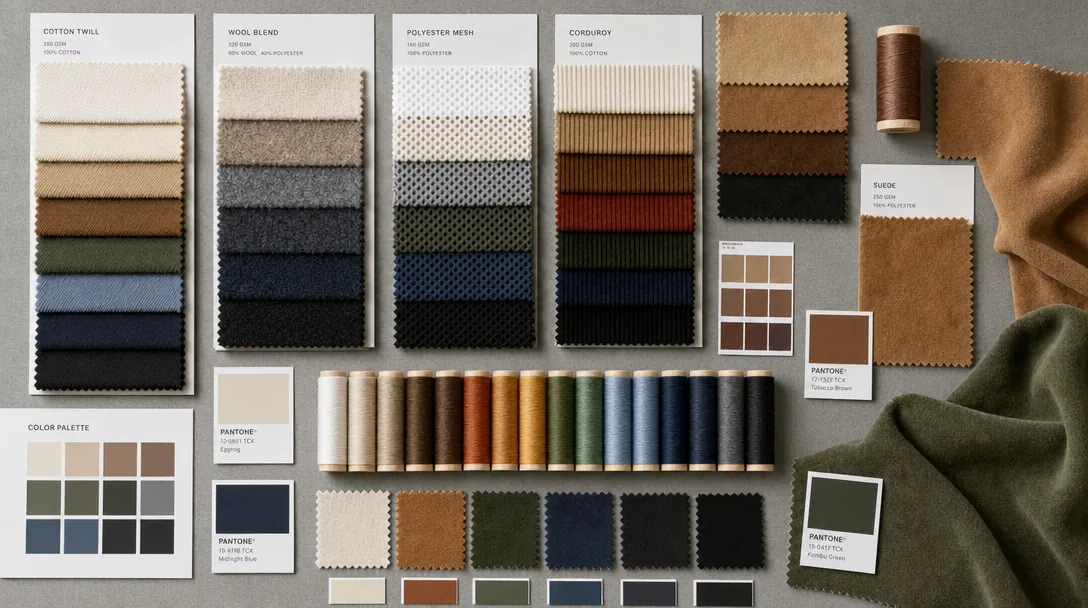
Camouflage Bucket Hat: Properties, Costs and How to Spec It Right (2026 Update)
Read article →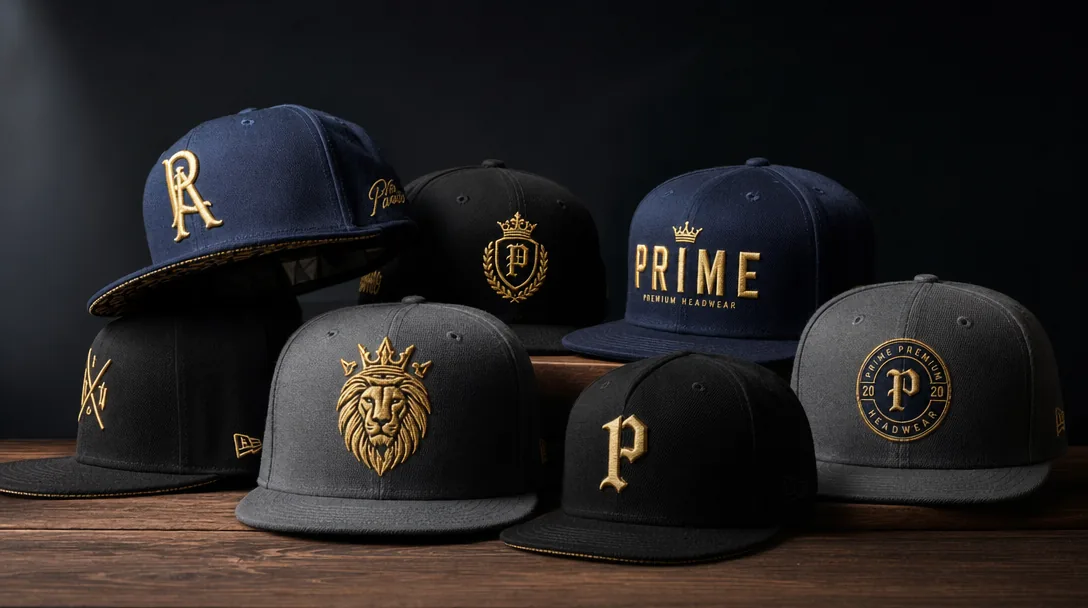
Refreshing a Hat Collection: A Repeat-Order Playbook for Established Brands
Read article →
Embroidery Hats Machine: When to Use It, Costs, and What to Ask Your Factory - Cost & MOQ Breakdown
Read article →We hope this guide demystifies custom hat patch: when to use it, costs, and what to ask your factory - supplier checklist - cost & moq breakdown and helps you move forward with confidence. If you have questions specific to your project, our English-speaking sales engineers are one message away.