
Custom Hat Patch: When to Use It, Costs, and What to Ask Your Factory - Supplier Checklist - 2026 Buyer's Guide
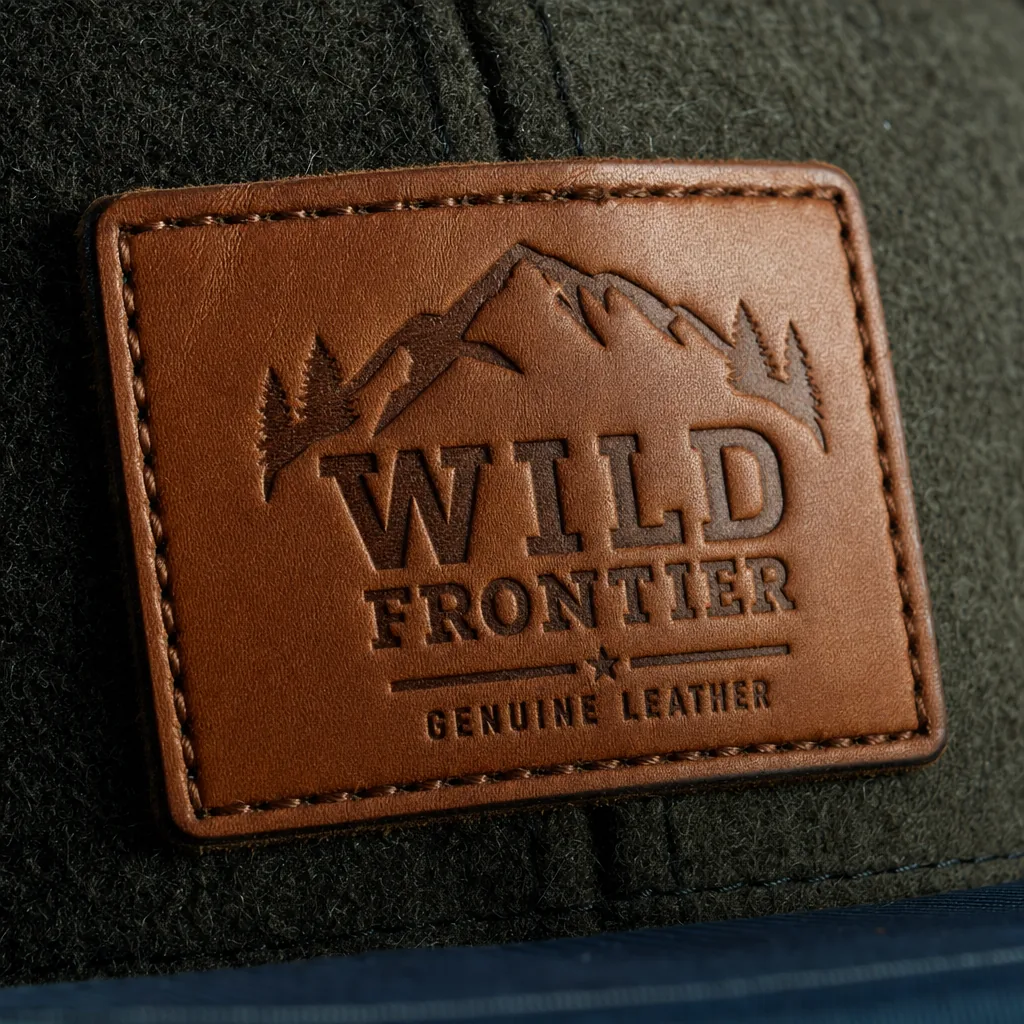
Every week, our sales team answers detailed questions about custom hat patch: when to use it, costs, and what to ask your factory - supplier checklist - 2026 buyer's guide. We wrote this guide so that wholesalers, streetwear brands, corporate buyers and promotional resellers can compare options with full information, and avoid the traps that show up only after production has started.
Custom Logo Hats
Patch construction is what sets the quote, not the logo style. A custom hat patch usually falls into five practical routes: embroidered patch with merrow or laser-cut edge, woven patch for text under about 3 mm cap height, molded PVC at roughly 0.6 to 1.2 mm relief, debossed leather or PU, and printed twill or sublimated patch for gradients. Each one has different limits on readability, hand feel, and wash performance once it is mounted on a curved crown. On structured 6-panel caps in 260 to 320 gsm cotton twill or brushed chino, stitch-down remains the most reliable attachment because it survives abrasion, sweat, and carton handling better than glue-only bonding. Heat press can work, but only if the patch base, shell fabric, and press settings are matched; too much temperature on washed cotton or foam-front truckers will telegraph glue lines or distort the panel. Placement timing changes the result more than most buyers expect. If the patch goes on after crown assembly, the operator is sewing across a curved surface, and that is where you start seeing topstitch drag, panel puckering, or visual misalignment of 1 to 2 mm. The problem shows fastest on low-profile unstructured caps, washed dad hats, and truckers with soft foam fronts. For retail programs, ask whether the factory applies the patch on flat panels before sewing or on the completed cap body, and ask for inside-and-outside photos from bulk, not just the pre-production sample. A patch can look clean on one sample and still fail in production if the patch is too rigid for the crown profile or the attachment method was chosen to save labor minutes rather than protect appearance and wear life.
A usable spec sheet needs more than vector artwork. Specify patch size in millimeters, edge finish, backing, attachment method, crown placement tolerance, material, and Pantone reference; for textile components, Pantone FHI or TPX is more practical than TCX when mills are matching dyed grounds, and acceptable shade variance should be defined up front. For woven or embroidered grounds, I would hold Delta-E to 1.5 to 2.0 against the approved lab dip and lock in minimum line width and text height so the digitizer does not simplify details without approval. If the custom hat patch is embroidered, confirm whether the vendor is running Tajima, Barudan, or ZSK heads and review stitch count before approval; a 9,000-stitch patch and a 14,000-stitch patch can look similar on screen but not in edge definition, run time, or cost. Most failures show up at the patch edge and in placement, not in the cap shell. During inspection, check centering to ±2 mm, rotation tolerance, fraying on laser-cut woven patches, skipped overlock on merrow borders, adhesive bleed on heat-applied pieces, and needle damage on suede, PU, or chrome-tanned leather. On curved panels, do a wear test instead of a table check; patches that look flat off-head often tunnel or bubble once the crown flexes. Bulk inspection is commonly run at AQL 2.5, but licensed sports, golf, and premium streetwear programs usually need tighter visual control on logo angle, edge consistency, and lot-to-lot shade. As a realistic FOB China range, patch-decorated cotton twill caps often land around $2.20 to $4.80 at 300 to 1,000 pieces, while PVC or genuine leather versions are more often $3.80 to $6.50 once mold fee, material grade, and closure choice are included.
Custom Embroidered Patches
An embroidered custom hat patch is usually the lowest-risk decoration option when the artwork is too detailed for direct embroidery but still needs texture and durability. It works across cotton twill, acrylic-wool blends, brushed canvas, corduroy, and foam trucker fronts because the patch itself stabilizes the logo and masks small sewing variation better than raw embroidery on a curved crown. The patch is normally run first on Tajima, Barudan, or ZSK heads with 120D or 150D polyester thread, then finished with merrow, satin border, hot knife, or laser cut depending on shape. For headwear, the base fabric matters as much as the thread: 0.6 to 1.2 mm twill, polyester felt, or nonwoven-backed fabric holds perimeter stitching cleanly, while cheap soft bases often ripple once attached to a structured 6-panel front with buckram. If the logo includes fine type, get a stitch-count estimate before sampling. In real production, text under 4 mm cap height and lines below roughly 0.8 mm rarely stay readable after edge compression and thread pull.
The spec sheet needs to lock down details that factories often leave vague: finished patch size in millimeters with ±1 mm tolerance, border construction, backing type, embroidery coverage, attachment method, and thread color matched to Pantone TCX or an approved Madeira or Gunold card. Also define the cap shell clearly, because an embroidered patch behaves differently on a flat foam front than on unstructured 12 oz brushed cotton twill or 21-wale corduroy. In Yiwu, MOQ is commonly 100 to 300 pieces per colorway when the cap and patch are made together; 50-piece runs are possible but usually add setup cost. A standard 2.25 to 2.5 inch embroidered patch typically adds $0.28 to $0.75 per cap FOB, with one-time digitizing at $20 to $60 unless the artwork has dense fills, sharp angle turns, or frequent thread changes.
Rejects usually come from loose controls, not embroidery capacity. The common failures are merrow seams opening on corners, puckering after attachment, off-center placement, small-letter registration loss, and visible thread shade variation between dye lots. Inspect embroidered custom hat patch orders to AQL 2.5 and check at least five points on bulk goods: edge finish, loose thread trims, patch symmetry, backing stiffness, and placement accuracy. For a front-panel application, I would cap placement drift at 2 to 3 mm from approved centerline; beyond that, the cap looks wrong on shelf even if the patch itself is clean. If color matters, approve thread and ground fabric under D65 lighting and hold the standard within Delta-E 1.5 to 2.0. Heat-seal backing alone is not enough for caps exposed to sweat, flexing, or washing; perimeter stitching or edge tack-down is more reliable. At CrownsForge, we do not release bulk until a pre-production cap sample confirms final placement, sewing method, and crown behavior on the actual shell.
Custom Hat with Patch
A custom hat patch is a joining problem, not just a decoration choice. The patch is produced on one line—embroidered, woven, molded PVC, TPU, PU leather, microfiber suede, felt, chenille, or printed twill—then married to a cap body that has its own geometry, buckram, and seam structure. Most failures start at approval stage, when buyers sign off artwork without locking physical limits: crown profile, front panel width, patch thickness, border construction, and placement tolerance. On a low-profile 6-panel cap, a front patch above roughly 70 mm tall usually starts fighting the panel curve; on a structured 5-panel trucker, 85-90 mm is still workable if the patch stays under about 2.0-2.5 mm thick. A merrow border plus 3D puff is usually a bad pairing because both consume crown height and needle clearance, and the cap will torque or pucker around the center seam. A usable spec sheet for a custom hat patch needs more than a logo file and finished size. Lock the patch material, border finish, backing, thickness in mm, stitch count or weave density, attachment method, and whether application is pre-assembly or post-sewing. Pre-assembly stitching gives cleaner topstitch margins on structured fronts because the sewing head has flat access; post-sewing heat application is faster but less stable on corduroy, brushed cotton twill, heather jersey, and other textured shells. Write color control into the PO: Pantone TCX for textiles, Pantone C when a molded PVC or TPU patch is matched to coated components, and Delta-E under 2.0 if the program is licensed or retail-facing. In China, a stock 5-panel or 6-panel cotton twill cap with a basic embroidered patch typically runs about $2.20-$4.20 FOB at 144-300 pcs per colorway; woven, TPU, PVC, or leatherette patch versions are more often $2.80-$5.80 FOB, with mold or deboss tooling adding $40-$150.
Inspection on a custom hat patch should be tighter than direct embroidery because the defect points multiply at both the patch edge and the cap panel. The defects that matter in bulk are patch rotation, topstitch margin variation, heat-press bubbling, adhesive bleed at corners, cracked PU after blocking, and edge lift after carton compression. On embroidered patches, watch for flagging where satin columns sink into loose twill or foam-backed fronts; on woven and sublimated patches, run a tape-pull and dry-rub test to catch fray, weak lamination, or ink crocking. For PVC and TPU, I want a cold-box check at 0-5°C plus rebound after master-carton stacking, because a patch that looks fine at room temperature can turn brittle or stay dented after ocean freight. On lightweight nylon or recycled polyester under about 220 gsm, oversized patches often distort the front seam and make the cap sit visibly off-center even when measured placement is correct. AQL 2.5 is a practical bulk standard, but patch placement needs its own tolerance because retail buyers notice misalignment instantly. Hold placement at ±3 mm for normal programs, and tighter—around ±2 mm—when the custom hat patch is keyed off a center seam, rope line, or visor stitch. Require a strike-off or PPS that shows patch material, border finish, attachment construction, and approved color against the actual cap fabric, not as a loose patch on white paper. Tajima, Barudan, and ZSK heads can all sew a clean patch, but machine brand does not solve bad engineering; if the patch is too thick for the crown shape, the result will still look amateur. Our standard practice is to specify woven patches for fine detail below 1.0 mm line weight, embroidered patches for texture, PVC or TPU for outdoor abrasion, faux leather for a premium hand, and heat-applied printed patches only when low setup cost matters more than long-term wear.
Custom Patch for Hat
A custom hat patch is a construction decision, not a decoration line item, and it directly affects detail, wear life, and defect risk. The main builds are embroidered twill, woven damask, molded PVC, genuine leather, PU, sublimation print, and chenille, but they do not solve the same problem. If your logo has strokes under 1.0 mm, tight counters, or small negative spaces, a woven custom hat patch will usually hold shape better than embroidery because you are not fighting stitch spread, pull compensation, and thread sheen. For bold varsity art, an embroidered patch with a merrow border or satin edge is still the most production-tolerant option on Tajima, Barudan, or ZSK heads. Chenille works for large fills, but fine outlines and registration become unstable below roughly 2.5 mm pile width. The biggest quality split is whether the factory makes the patch in-house and mounts it during cap sewing, or buys finished badges from a second vendor. Once patch making and hat assembly are separated, color drift, size variance, and placement error show up fast. Our standard practice is to approve both the loose patch and the mounted cap, because a patch that sits flat on the table can tunnel on a structured buckram front, pucker on a 5-panel foam trucker, or distort across the seam on an unstructured dad cap. If the artwork needs sharp edge definition, choose woven or print; if it needs texture and forgiveness, embroidery is safer in bulk.
A usable custom hat patch spec has to lock down measurable tolerances, not just artwork and size. Call out finished dimensions in mm, edge finish, backing, border stitch density, and placement from the center front line or crown seam; “approximate center” is how you get 3 to 5 mm drift across a run. If color matters, specify Pantone TCX or solid-coated reference, approval under D65 lighting, and an agreed Delta-E tolerance, typically under 1.5 for leather or PU print and under 2.0 for woven and embroidery where thread lots vary. Attachment method also needs to be explicit: sew-on, heat-applied, hook-and-loop, or heat plus perimeter stitch. For hats exposed to washing, sweat, or container heat above 50°C, direct sewing remains the safest attachment method. Cost is driven by setup and attachment complexity more than by the cap shell. At 500 pieces, a 2.25 to 2.75 inch embroidered patch usually adds about $0.28 to $0.65 FOB China; woven runs $0.22 to $0.55; PU $0.35 to $0.80; genuine leather $0.60 to $1.50; molded PVC $0.70 to $1.80, with tooling commonly another $80 to $250 for molds, dies, or cutting forms. MOQ is typically 144 to 300 pieces for embroidered or woven patch caps when one factory controls both patching and sewing, and 300 to 500 for PVC or die-cut leather. Under AQL 2.5, the repeat failures are off-center placement, skew against the center seam, bubbling from weak heat film, edge lift after stitching, needle marks, trapped thread ends, and shade mismatch against the approved strike-off.
Custom Patch Hat
Most custom hat patch failures happen at the interface between patch and cap, not in the logo file. A patch can pass strike-off review, then curl, tunnel, or telegraph the front panel once it is sewn or heat-bonded to the crown. Lock the patch construction before comparing quotes: embroidered twill with merrow edge, laser-cut woven damask, printed twill, molded TPU/PVC, genuine leather, PU, chenille, or sublimated polyester all behave differently in production. A 0.8 mm molded TPU patch will hold 2.0-2.5 mm micro text better than fill-stitch embroidery, but on a 180-220 gsm nylon camp cap it adds stiffness and can collapse the front if press dwell or temperature is too high. On brushed cotton twill dad hats, sewn patches often show stitch tunneling; on unstructured 6-panels without buckram, oversized patches wrinkle because the crown cannot resist the perimeter tension. Geometry matters as much as decoration type. Put placement tolerance on the PO: ±2 mm at center front is realistic for bulk production, while ±1 mm usually requires a structured front, stable jigs, and consistent operator setup. Size the patch to crown height and seam layout, not to the digital mockup. An 82 x 60 mm patch may sit cleanly on a trucker with a 9 cm crown and 3 mm EVA foam, but it will overpower a shallow dad hat or collide with the seam breaks on a 5-panel camper. For quotation, ask for patch substrate, border finish, backing, and attachment method together with cap specs such as fabric weight, panel structure, visor curve, closure, sweatband, and buckram type. If the patch material is dyed, specify Pantone TCX and an acceptable tolerance; for brand-sensitive shades, Delta-E under 1.5 is a reasonable requirement. In 2026 China FOB terms, a stock chino twill cap with a sewn embroidered custom hat patch typically lands around $2.20-$3.80, woven patch versions around $2.40-$4.20, and molded TPU/rubber patch caps around $3.10-$5.20 depending on patch size, closure, and mold amortization.
Inspection should focus on production stress points, because that is where a custom hat patch program usually breaks down at scale. The repeat defects are skewed placement, loose perimeter stitching, exposed base twill from weak edge coverage, glue bleed on heat-applied patches, and crushed front panels from over-pressing. If the patch is embroidered on Tajima, Barudan, or ZSK heads, check for hidden thread breaks under dense fills and confirm the satin border fully covers the cut edge. On coated nylon or 70D-210D ripstop, excessive SPI can pucker the panel or create tear points; on foam truckers, too much heat or pressure leaves permanent platen marks. AQL 2.5 is fine for most open-line orders, but licensed programs usually tighten logo centering, patch angle, and color match beyond general AQL acceptance. Ask for test data, not just approval photos. Heat-bonded patches should pass a peel check after 24 hours of conditioning; dark patch materials should be reviewed for crocking; leather and PU patches should be flexed to expose edge cracking or face delamination. Always sample the patch on the actual cap body, because a patch that looks clean on a flat strike-off can fail once it crosses a center seam, buckram, or curved front panel. Typical MOQs are 100-144 pcs per colorway for embroidered or woven patches on stock blanks, while genuine leather, molded TPU, and custom dies usually start at 300 pcs due to mold cost, die setup, or hide yield loss. My factory-floor rule is simple: use a custom hat patch when you need texture, depth, or mixed-material branding; if the artwork is flat, under 45 mm, and highly color-critical across multiple Pantones, direct embroidery or a transfer is usually cheaper and more reliable.
Custom Patch Hats
A custom hat patch is the practical choice when your logo has fine outlines, legal text, or multiple substrates across one program. You build the branding as a separate component—embroidered twill, woven damask, molded PVC, TPU, suede microfiber, felt, PU, or full-grain leather—then attach it by lockstitch, heat press, or a sew-plus-bond construction. That avoids re-digitizing every cap body and gives you cleaner results on curved fronts, especially on trucker mesh, washed chino twill, and unstructured 6-panels where direct embroidery can distort. For most orders, the lowest-risk format is a 65 x 50 mm or 70 x 45 mm patch on a structured cotton twill or A-frame cap, because the patch bridges minor panel curvature better than dense front embroidery. If your smallest text is under 2.0 mm cap height, specify woven rather than embroidery; a 70D to 100D woven label construction will hold detail that even a good Tajima or Barudan run cannot reproduce cleanly in thread. Material choice should follow artwork, not trend. Embroidered patches work well for collegiate logos and badge-style art, but once you need sharp type, halftone-like line control, or clean border geometry, woven damask is usually the better custom hat patch. For raised texture, a 2 to 3 mm EVA build under the patch gives more stable relief than trying 3D puff directly on a soft front panel; on low-profile or unstructured caps, puff often collapses around seams and eyelet tension. Leather, TPU, and PVC patches can look premium, but they also change attachment risk: leather can darken under heat, PVC edges can lift if the crown fabric has too much texture, and TPU shows glue squeeze-out immediately. Separate patch approval from cap-body approval in your development process. That single step reduces revision waste when Pantone TCX references, licensing copy, or seasonal colorways change after the hat shell has already been signed off.
Do not accept a single bundled quote for a custom hat patch cap. The factory should break out patch dimensions in millimeters, patch material, border finish, backing, attachment method, stitch count or weave density, Pantone TCX reference, and placement tolerance. Front placement looser than +/-2 mm starts to read visibly off-center at retail, and on A-frame caps the center seam makes even a 1.5 mm drift look worse. You also need the cap construction spec in writing: shell fabric weight, such as 180 gsm chino twill versus 260 gsm brushed cotton; buckram thickness; visor insert type; closure; sweatband composition; and carton ratio. A 70 x 45 mm laser-cut TPU badge on brushed cotton behaves very differently from a merrow-edge embroidered patch sewn onto lightweight twill, both in hand feel and in long-term edge stability. Typical 2026 China pricing at 300 to 1,000 pieces is around $2.40 to $4.90 FOB Ningbo or Shanghai for a standard custom hat patch cap, depending on cap body, patch type, and trim count. Real adders matter: suede or leather usually adds $0.35 to $1.10 per unit, branded inner tape or woven flag labels add another $0.25 to $0.60, and molded PVC often carries a higher setup burden than buyers expect. Development costs should also be listed separately: embroidery digitizing is commonly $15 to $40, woven sampling $30 to $80, PVC mold charges $80 to $200, and a pre-production sample hat $35 to $90. Inspection should target the defects that actually create claims: off-center placement, edge lift, skipped stitches, adhesive bleed, puckering, color mismatch above Delta-E 2.0 to approved standard, and poor brim-to-patch alignment. Our standard practice is AQL 2.5 with patch attachment and centering checked as dedicated points, not buried inside a generic final inspection.
Working with CrownsForge for custom hat patch programs
Most custom hat patch failures come from process mismatch, not bad artwork. The risk sits in the stack-up between crown shape, patch construction, and attachment method. A curved 6-panel front will immediately expose a patch that was approved flat on paper: a merrow border can consume 2 to 3 mm of visible art, and 2 mm EVA or PU foam under 3D embroidery can telegraph wrinkling on a low-profile crown if the buckram stiffness and front-panel angle were never sampled together. The only workflow that consistently avoids remakes is staged approval: 5 to 7 working days for a blank fit sample, 7 to 10 working days for a patch strike-off, then about 10 to 14 days for a full PPS after artwork revision, Pantone TCX or Pantone C references, placement size, and attachment specs are frozen. Buyers who compress those steps usually lose more time in rework than they save in calendar days. MOQ has to reflect construction reality. For a brushed cotton twill dad cap with one sewn custom hat patch, 144 to 300 pieces per colorway is commercially sensible; below that, digitizing, laser-cut setup, mold or die cost, and extra handling distort the unit economics fast. A straightforward embroidered or woven patch cap usually lands around $2.20 to $4.80 FOB China depending on shell fabric, patch size, closure, and whether the patch is sewn, heat-applied, or both. Once you move into molded TPU, genuine leather, microfiber suede, or multiple patch locations, FOB often climbs past $5.50 and can reach $6.50 to $7.20 on smaller runs. The cheapest way to split SKUs is to keep visor shape, shell fabric, sweatband, and closure constant across colorways so the variable cost stays in decoration rather than resetting the whole line.
Patch selection should be driven by legibility, edge behavior, and heat tolerance, not aesthetics alone. Merrowed embroidery, satin-edge embroidery, woven damask in 50D to 75D yarn, PVC, TPU, PU leather, and vegetable-tanned leather all behave differently once they are curved over a cap body. On Tajima, Barudan, or ZSK heads, dense embroidery can usually hold readable text at roughly 3.5 to 4 mm letter height; below that, woven patch construction gives cleaner counters and sharper outlines. Heat-applied badges need tighter control than many buyers realize: 145 to 165°C, 8 to 15 seconds dwell, and pressure calibrated against shell fabric, buckram, and backing thickness. Overpressing a structured front panel is not a cosmetic defect; it permanently distorts crown shape and turns finished goods into seconds. The factory should lock the technical file before cutting starts, not after the first sample goes wrong. That file needs artwork revision control, Pantone reference, shell fabric gsm, patch backing, edge finish, attachment method, placement tolerance, closure spec, packout, and inspection points. A disciplined custom hat patch program runs digital mockup, material card, physical strike-off, PPS, inline inspection, and final inspection to AQL 2.5. The checks that matter are patch placement within ±2 mm, edge lifting, skipped stitches, seam slippage around the attach area, adhesive bleed, and color review under D65 with a practical Delta-E target on woven or printed parts. CrownsForge standard practice is to keep those checkpoints tied to audit records as well: sedex-audit-cap-supplier-guide.html">BSCI 2.0 or Sedex SMETA 4-Pillar status, CPSIA and Prop 65 paperwork for U.S. shipments, REACH screening for trims, and needle-control logs for retailer compliance.
Frequently Asked Questions
What is the minimum order quantity (MOQ) for custom hats?
Our standard MOQ is 100 pieces per design and color, with sampling available from 1 piece. For complex multi-color logos or premium fabric upgrades, the MOQ can be lowered with a small per-piece surcharge.
Which shipping methods do you support?
We support FOB, CIF and DDP shipping. Air express for samples and small orders, sea LCL for 100 to 500 pieces, sea FCL for 5,000+ pieces. Door-to-door DDP available for US, EU, UK, Canada and Australia.
Do you support sustainability certifications?
Yes. We work with GOTS organic cotton, GRS-certified recycled polyester, OEKO-TEX Standard 100 fabrics, and are BSCI and Sedex audited. Certification documentation can be provided per order.
Can I order a sample before bulk production?
Yes. We strongly recommend approving a pre-production sample before mass production. Samples are charged at 35 to 60 USD each plus express shipping, fully refundable against confirmed bulk orders over 500 pieces.
What file format should I send for my logo?
Vector files (AI, EPS, PDF) are ideal. High-resolution PNG or JPG at 300 dpi on transparent background works as a fallback. Provide Pantone color references for accurate reproduction.
How does ordering custom leather patch trucker hat work?
When evaluating custom leather patch trucker hat, the key considerations are construction quality, decoration capability, MOQ flexibility and lead time. Cover everything buyers ask about custom logo hats: how it's manufactured, what specs to request from a factory, typical MOQ and pricing, common quality issues to inspect for, and how this ties back to the broader custom hat patch sourcing decision. Cover everything buyers ask about custom embroidered patches: how it's manufactured, what specs to request from a factory,…
What's the MOQ for custom leather patch hats no minimum?
When evaluating custom leather patch hats no minimum, the key considerations are construction quality, decoration capability, MOQ flexibility and lead time. Cover everything buyers ask about custom logo hats: how it's manufactured, what specs to request from a factory, typical MOQ and pricing, common quality issues to inspect for, and how this ties back to the broader custom hat patch sourcing decision. Cover everything buyers ask about custom patch hats: how it's manufactured, what specs to request from a factory, typical MOQ…
How does ordering custom embroidered trucker hats work?
When evaluating custom embroidered trucker hats, the key considerations are construction quality, decoration capability, MOQ flexibility and lead time. Cover everything buyers ask about custom logo hats: how it's manufactured, what specs to request from a factory, typical MOQ and pricing, common quality issues to inspect for, and how this ties back to the broader custom hat patch sourcing decision. Cover everything buyers ask about custom embroidered patches: how it's manufactured, what specs to request from a factory,…
How does ordering custom baseball hats with logo work?
When evaluating custom baseball hats with logo, the key considerations are construction quality, decoration capability, MOQ flexibility and lead time. Cover everything buyers ask about custom logo hats: how it's manufactured, what specs to request from a factory, typical MOQ and pricing, common quality issues to inspect for, and how this ties back to the broader custom hat patch sourcing decision. Cover everything buyers ask about custom patch hats: how it's manufactured, what specs to request from a factory, typical MOQ…
Need a low-MOQ test order?
We help emerging brands launch with as few as 100 pieces. Premium fabric, in-house embroidery, retail-ready packaging.
Start a small orderRelated guides
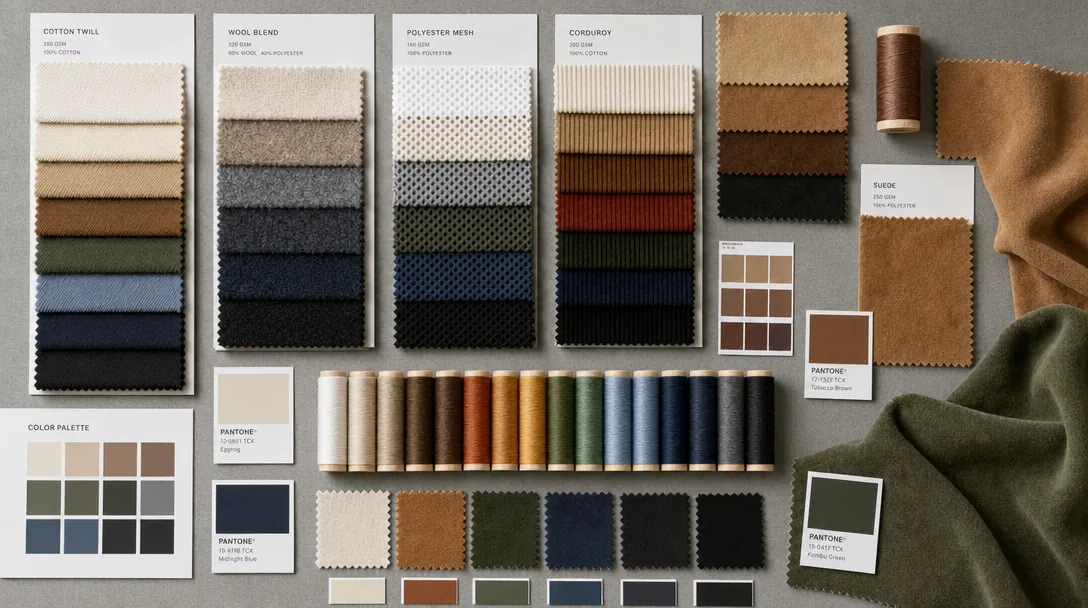
Camouflage Bucket Hat: Properties, Costs and How to Spec It Right (2026 Update)
Read article →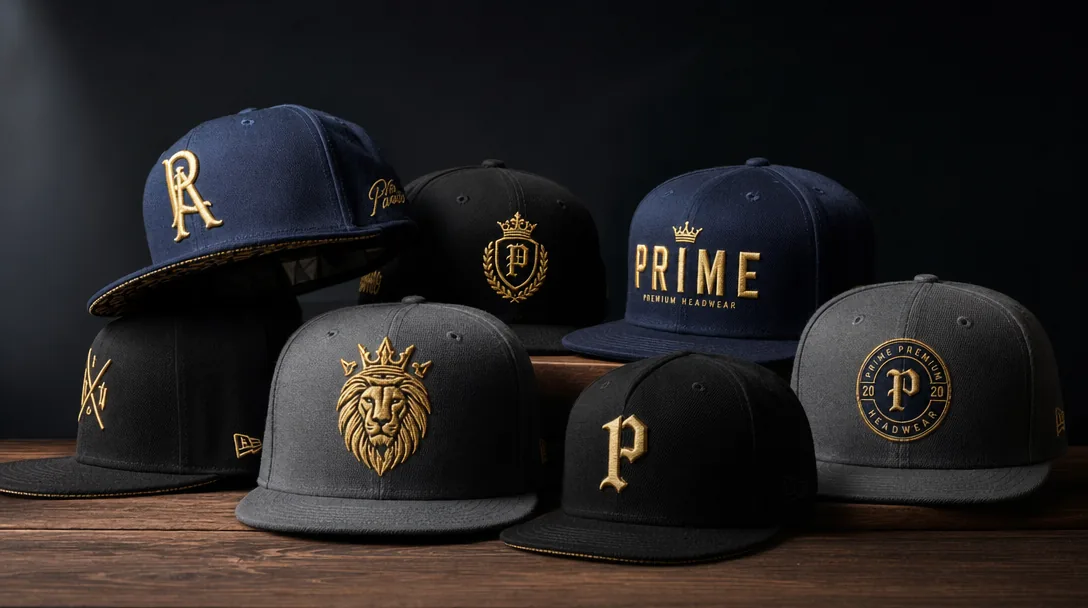
Refreshing a Hat Collection: A Repeat-Order Playbook for Established Brands
Read article →
Embroidery Hats Machine: When to Use It, Costs, and What to Ask Your Factory - Cost & MOQ Breakdown
Read article →We hope this guide demystifies custom hat patch: when to use it, costs, and what to ask your factory - supplier checklist - 2026 buyer's guide and helps you move forward with confidence. If you have questions specific to your project, our English-speaking sales engineers are one message away.