
Custom Hat Patch: When to Use It, Costs, and What to Ask Your Factory - Cost & MOQ Breakdown - Cost & MOQ Breakdown
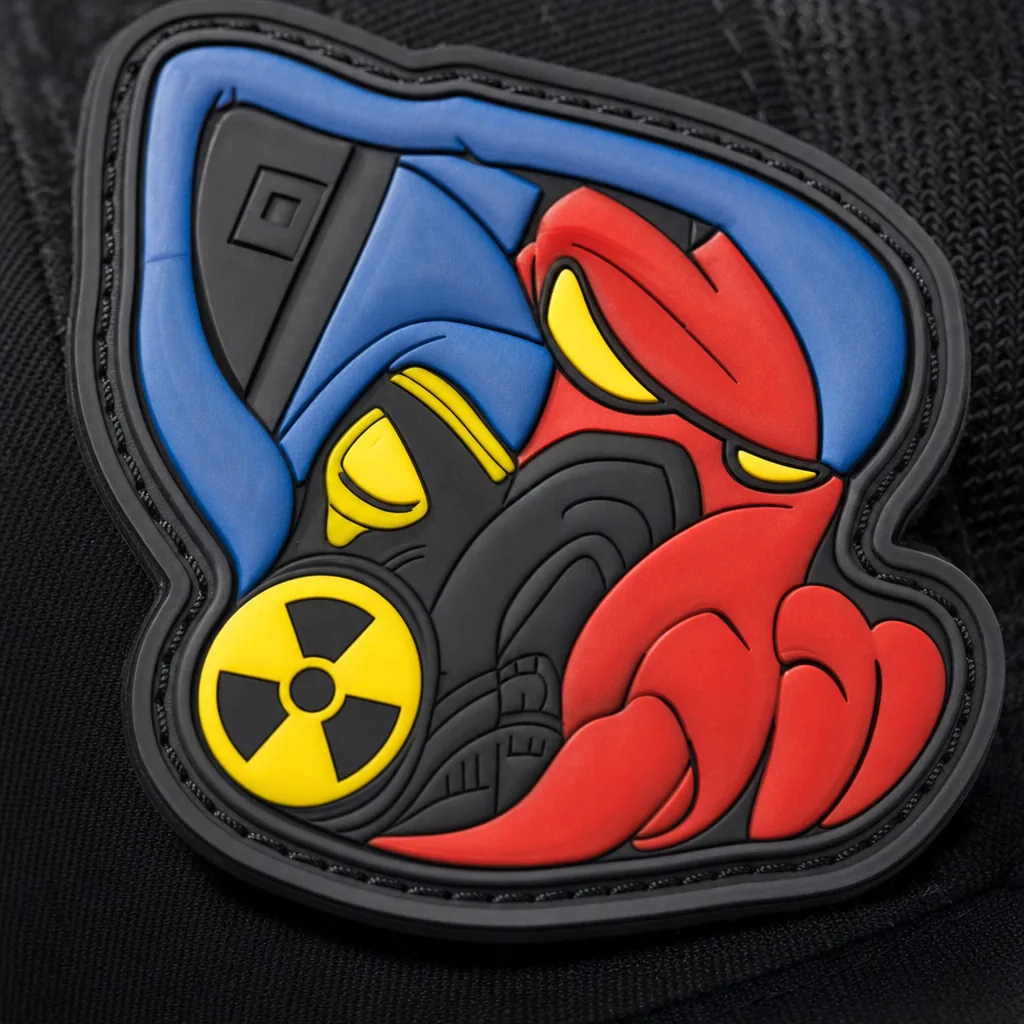
Custom Hat Patch: When to Use It, Costs, and What to Ask Your Factory - Cost & MOQ Breakdown - Cost & MOQ Breakdown is one of the most-asked questions we receive from international buyers, and for good reason. With dozens of factories competing for your order and an alphabet soup of technical terms in every supplier quote, even experienced importers can feel lost. This guide consolidates what we have learned producing custom hats for clients in 40+ countries.
Custom Logo Hats
Choose the decoration method before you cost the cap body, because a custom hat patch changes both unit economics and defect risk. Use a patch when the artwork has outlines under 1.0 mm, legal copy below 4 pt at final size, distressed textures, gradients, or licensed marks that need a crisp edge across a curved 58 cm cap front. On a standard 6-panel baseball cap, direct embroidery on Tajima, Barudan, or ZSK machines is usually cheaper by about $0.18 to $0.60 per piece if the logo stays under 7,000 to 8,000 stitches and does not rely on tiny knockouts. Once the buyer wants tighter Pantone TCX matching across multiple colorways, a separate patch is more stable lot to lot than trying to simulate detail with thread and underlay. Patch type drives setup cost more than attachment labor. Woven damask patches hold fine text best; laser-cut embroidery gives a heavier, raised look but needs enough border width to avoid fray; printed twill is the practical choice for gradients; molded PVC or TPU adds durability but usually requires an $80 to $180 mold; debossed leather or microfiber needs an engraved die in the $25 to $60 range. The spec sheet should call out patch size in millimeters, border type, backing, attachment method, and exact placement from visor seam to patch bottom edge. For woven or printed patches, I would write Delta-E 2.0 to 3.0 against the approved standard; for embroidery patches, the digitizer should confirm minimum satin width, pull compensation, and backing so text does not close up after pressing and carton compression.
MOQ is usually set by material sourcing and setup, not by the extra stitch line or heat press cycle needed to apply a custom hat patch. If you are using stock 108 x 56 cotton twill, acrylic-wool blend, or 600D polyester bodies with standard snapback, buckle, or hook-and-loop closures, most factories can run 100 to 144 pieces per colorway with one patch design. Typical FOB pricing is around $2.20 to $4.80 for dad hats or unstructured 6-panels with woven or embroidered patches, and $3.60 to $6.80 for structured truckers or snapbacks with PVC, leather, or mixed-process patches. Once you add custom-dyed shell fabric, matching underbill, printed seam tape, proprietary metal hardware, or two patch positions, the real MOQ usually jumps to 300 to 500 pieces per style-color because mills and trim vendors will not guarantee shade consistency on micro-runs. The expensive failures are predictable: crooked placement, edge lift, puckering on buckram fronts, weak adhesive laydown, and color drift between patch lots. A front patch can be only 3 mm off-center and still pass a casual visual check, which is why placement should be measured with a jig and held to ±2 mm, not judged by eye. Heat pressing above roughly 140 to 160°C can glaze brushed cotton twill or leave shine on suede-touch polyester, so the factory should state whether the patch is applied before or after final shaping. For heat-applied styles, ask for 24-hour peel and shear testing; for leather, specify genuine leather, PU, or microfiber and request REACH or Proposition 65 screening if the goods are for EU or US retail. AQL 2.5 is normal for export caps, but licensed programs usually inspect patch alignment and color tighter than the table alone would suggest.
Custom Embroidered Patches
Embroidery is usually the safest custom hat patch when you need abrasion resistance, fast visual read at 1 to 2 meters, and a lower unit cost than molded TPU, genuine leather, or zinc alloy badges. The common bases are 100% polyester twill at 180 to 220 gsm, acrylic felt around 1.2 to 1.5 mm, and cotton canvas for washed or enzyme-finished caps. Most factories run these on Tajima, Barudan, or ZSK multi-heads with 120D rayon or trilobal polyester thread, but machine brand matters less than file quality. If your art has gradients, knockouts under 0.6 mm, or text below roughly 1.0 mm cap height, the digitizer will close counters, widen columns, and simplify details; that is a file limitation, not an operator problem. Geometry matters too. A 55 x 30 mm merrow-edge patch hides edge fray and gives a forgiving sew line, while a 70 x 50 mm laser-cut patch with heat-seal backing can feel boardy on an unstructured 6-panel dad cap and may telegraph through lighter 10 oz cotton twill.
The spec sheet needs to control stitch behavior, not just appearance. Call out finished size in millimeters, border type, base fabric, backing, attachment method, thread type, and color references, then add stitch density targets: a fill spaced around 0.35 to 0.45 mm generally lays clean, while overpacked fills cause puckering, edge curl, and needle heat on dense areas. Ask for a sew-out photo under daylight-balanced lighting and a physical strike-off before bulk if the order is over 300 pcs. Also confirm whether the patch is sewn before or after crown assembly. Pre-assembly application gives flatter placement and cleaner topstitch on curved front panels; post-assembly is faster but alignment tolerance gets tighter, especially on low-profile crowns. In Yiwu and Dongguan, a 50 to 65 mm embroidered custom hat patch typically costs $0.18 to $0.45 at 500 pcs, with another $0.08 to $0.25 to sew onto the cap. Practical MOQ is usually 100 to 300 pcs per design if one factory handles both patching and cap sewing, but 200 pcs is more realistic when patch and shell come from different vendors because you need 2% to 5% spare units for spoilage and rework.
The failures are predictable, so write your QC points before sampling starts. The expensive defects are exposed base twill between fill areas, small-letter registration loss, merrow borders cutting into the artwork, loose jump stitches on the back, and corner lift after cartons are compressed in transit. Color needs realistic control as well: thread is matched to the nearest stocked cone, not mixed like ink, so exact Pantone hits are not always possible. Still, you should require the factory to note the nearest Pantone TCX or coated reference and flag visible Delta-E drift on approval samples. Our standard practice is to inspect embroidered patch caps at AQL 2.5, hold front-panel patch placement to +/-2 mm, and flex-test at least 32 pieces per lot for edge lift, skipped stitches, seam needle marks, and adhesion failure if heat-seal film is used. Those are the defects that often pass inline but show up after ocean transit, humidity swings, and carton stacking.
Custom Hat with Patch
A custom hat patch is not a trim decision; it is a two-step production process with two separate defect risks: patch conversion and patch attachment. The spec has to start with the patch type matched to the cap body and front-panel structure. Woven patches beat embroidery once copy drops below about 3 mm letter height or line weight is under 0.4 mm, because even a clean Tajima or Barudan file will start filling in on small text. Merrow-edge embroidered patches hold up well on structured 6-panel 260 gsm cotton twill or acrylic/wool snapbacks, but the same patch can print through an unstructured washed chino or distort a low-profile 5-panel camper. Debossed PU, microfiber, and full-grain leather patches give a cleaner retail look, but they need controlled dwell time, platen temperature, and pressure so the crown does not glaze or collapse. If a buyer only asks for a “custom hat patch,” the factory has to guess on half the critical variables, and that is where rework starts. A usable tech pack should state finished patch size in mm, border construction, backing, stitch coverage, Pantone TCX reference, placement from visor seam and centerline, and the attachment method: stitch-on, satin tack-down, heat seal, hook-and-loop, or ultrasonic weld for synthetic shells like Taslon or 600D polyester. Front-panel build matters just as much as patch design. A 65 x 45 mm patch behaves very differently on buckram-backed twill than on 120 gsm poly with foam lamination. Our standard practice is to lock placement tolerance at +/-1.5 mm, approve color under D65 light, and define Delta-E at 1.5 to 2.0 against the approved Pantone reference before bulk starts.
MOQ and unit price are driven more by stacked processes than by the custom hat patch itself. In China, a sewn-on patch cap program usually opens at 144 to 300 pcs per colorway, while the patch supplier may carry its own 100 to 200 pc minimum because woven-loom setup, embroidery digitizing, deboss molds, or laser cutting all have fixed prep costs. For a basic 6-panel brushed cotton twill cap, FOB China is typically US$2.10 to US$3.40 at 300 to 500 pcs with a woven or embroidered patch, standard sweatband, inner taping, and a plastic snap or metal buckle. Woven patches are often US$0.08 to US$0.20 cheaper than high-fill embroidery on text-heavy artwork; molded TPU, PU, or genuine leather usually adds US$0.35 to US$0.90 per hat depending on tooling and attachment method. Sampling is where budgets and timelines usually drift. Patch development alone commonly runs US$25 to US$80, especially if the first pass needs density changes, border cleanup, or a different backing after wash and abrasion tests. A fully made cap sample is more often US$35 to US$75 before courier, and a realistic lead time is 7 to 10 days for the patch plus another 7 to 12 days for cap assembly. Inspection should not lump everything into one pass/fail line item. Run patched caps to AQL 2.5 and call out patch-specific defects separately: edge lifting, skipped tack-down stitches, tilt angle, bubbling after heat press, over-press shine, needle marks, and puckering around the perimeter. Use a custom hat patch when you need one logo format across multiple cap bodies or artwork too fine for direct embroidery; skip it when the logo can stitch cleanly and the shipment window is under 25 days.
Custom Patch for Hat
A custom hat patch is not one process; it is patch production plus cap application, and most defects appear in the handoff between those two steps. Material choice matters more than buyers expect once the patch is forced over a curved front crown and, in many cases, over the center seam. On structured baseball caps and 5-panel foam truckers, embroidered and woven patches are usually the lowest-risk options because they flex around crown curvature better than 1.5-2.0 mm molded PVC or stiff 1.6-2.2 mm veg-tanned leather. If your logo includes text under 3 mm cap height, serif details, or lines below roughly 0.4 mm, a woven custom hat patch is usually the only clean solution; embroidery on Tajima, Barudan, or ZSK heads will close up unless the digitizer increases pull compensation and accepts some edge distortion. For athletic and collegiate programs, a 0.8-1.2 mm satin-stitch embroidered patch on 210-240 gsm twill with merrow or laser-cut edge is still the most forgiving spec on caps. Loose specs are where projects go sideways. “3-inch patch” is not a usable production instruction; buyers should call out finished size in millimeters, tolerance such as +/-1 mm, shape, base fabric weight, border type, backing, stitch coverage, and exact attachment method: edge sew, full perimeter stitch, tack stitch, heat press, or sew-plus-press. Color should be referenced to Pantone TCX or Pantone Solid Coated depending on material. On woven and dye-sublimated patches, Delta-E below 2.0 is realistic if the mill controls dye lots; on embroidery, thread matching is done from stock rayon or polyester cones, so strike-off approval is more reliable than chasing lab numbers. Also specify hat construction. A patch that crosses the center seam on a foam trucker often needs top-and-bottom edge stitching to prevent tenting, while leather or PVC needs migration and adhesion checks if applied to dark polyester or brushed cotton.
Cost is driven more by patch construction and attachment labor than by the cap body itself. In Yiwu, at 500 pieces on a stock hat blank, a 60-75 mm merrowed embroidered custom hat patch typically adds $0.18-$0.45 per cap, woven adds $0.22-$0.50, molded PVC runs about $0.35-$0.90, and genuine leather usually lands at $0.55-$1.50 before extras like oil-wax finish, laser engraving, debossing, or edge paint. Sewing the patch onto the hat generally adds another $0.08-$0.20 depending on stitch path and machine access. Heat press is cheaper, but it is the first thing I push back on for washed twill, brushed cotton, corduroy, or textured panels; if temperature, dwell time, and pressure are not tightly controlled, edge lift shows up fast in carton drop tests and normal wear. MOQ is usually practical rather than technical. On stock hat bodies, 144-300 pieces per colorway is common for patch caps, while patch-only production can start around 100 pieces. Once you add custom-dyed fabric, proprietary molds, or special leather embossing dies, the real MOQ usually moves to 500+ units because setup cost has to be amortized. Inspection should be on finished caps, not just loose patches. I would hold front-panel patch placement to +/-2 mm, check rotation against the visor centerline, and inspect at AQL 2.5 for skipped stitches, weak adhesion, edge fray, crown puckering, and seam distortion. Our standard practice is approval on both the loose patch and the finished cap, because a patch that looks perfect flat can still fail once it is applied over a structured crown.
Custom Patch Hat
A custom hat patch is a separate trim, not just a logo method, and most failures happen at attachment and placement rather than in the artwork itself. On structured 6-panel snapbacks, truckers, and A-frame caps, the practical front patch window is usually 57-76 mm wide by 38-55 mm high. Once you go beyond about 89 mm on a curved crown, you start fighting center-seam bulk, buckram memory, and edge lifting, especially on hard-front panels. Embroidered patches are normally run on Tajima, Barudan, or ZSK heads; woven patches come off high-density looms; PVC needs a dedicated mold before it ever reaches the sewing line. If a factory proposes glue-only attachment for a regular-wear cap, treat that as a failure point, not a cost saving. Sew-down, heat seal plus stitch reinforcement, or hook-and-loop are the methods that survive handling, freight compression, and real use. The spec sheet for a custom hat patch needs millimeter-level clarity because vague instructions create inconsistent bulk production. Call out finished size, material, border finish, backing, attachment method, Pantone TPX or TCX reference where relevant, and placement tolerance of no more than ±2 mm from crown center. Also specify whether the patch is applied pre-sewing or post-sewing; that decision changes distortion risk and labor cost. A patch that looks flat on a table can pucker badly once sewn onto a finished crown with buckram and sweatband tension underneath. On 260 gsm cotton twill, 150D recycled polyester, or 80/20 acrylic-wool blends, the factory should confirm needle size, SPI, press temperature, and dwell time if heat activation is involved. Our standard practice is to approve the strike-off on the actual cap shell, not just as a loose patch sample.
MOQ and cost are usually controlled by the patch process more than the hat blank. For stock caps using an embroidered or woven custom hat patch, workable China MOQs are typically 100-144 pcs per colorway, but fully custom caps with branded seam tape, custom fabric, and private-label trims usually need 300-500 pcs to price correctly. A standard brushed cotton twill cap with a 64 mm embroidered patch sewn on is commonly around $3.20-$5.80 FOB China at 100 pcs. Woven patches often run slightly lower, about $3.00-$5.20, because they hold fine detail better and use less thread time than dense embroidery. PVC is different: mold tooling is usually $80-$180 per design, and unit cost often lands around $4.20-$6.50 at 300 pcs. Genuine leather and suede patches start higher again because hide yield loss, color variation, and reject rates are real factory costs, not accounting noise. The questions that prevent expensive mistakes are straightforward: is the MOQ tied to the cap, the patch, or both, and was the sample made with the same production method as bulk. Woven and molded patch vendors often require 500-1,000 pcs per design even if the hat order is only 144 pcs, which leaves buyers with dead patch inventory. For QC, check centering against the crown seam, skipped merrow stitches, edge fray, stitch bite consistency, adhesive bleed, and puckering around the stitch line. Text below 3 mm cap height usually reproduces cleaner in woven than embroidery, and small color breaks should be held to a visible Delta-E tolerance if brand matching matters. Final inspection at AQL 2.5 is standard, but front-logo appearance on licensed or retail programs should be treated as zero tolerance. If the cap is garment washed or pigment dyed, confirm whether the patch is applied before or after wash, or the sample will pass while the bulk arrives with color shift, wrinkling, or cracked leather edges.
Custom Patch Hats
A custom hat patch is not just another decoration line item; it is a separate trim program with its own MOQ, tooling, and failure points, and that is where buyers usually misprice the order. The material choice should follow the cap body and the artwork, not trend photos. Woven patches built on 50D-100D yarns hold fine detail down to roughly 1.2-1.5 mm stroke width and outperform direct embroidery on small text. Soft PVC at 0.8-1.2 mm is more reliable for outdoor and fishing styles because the color is molded into the patch, so you do not get the coverage variation or thread abrasion you see on heavy-use caps. Leather and PU look strong on premium baseball caps, but once you push past about 1.4-1.6 mm thickness, the patch starts resisting the crown curve and the corners lift on low-profile shapes. Attachment method matters as much as patch material. Merrow-edge sew-on patches run clean on structured 6-panels with firm buckram, but the same perimeter stitch density can telegraph through foam truckers or 70D-210D nylon and leave visible puckering. Laser-cut woven or twill patches usually need a tighter topstitch to control edge lift, while PVC often runs best with glue tack plus perimeter sew rather than heat press alone; above 2.0 mm thickness, PVC can look bulky and may warp if the press temperature is too aggressive. If the factory outsources the patch instead of making it in-house, add 3-7 days to lead time and expect more color variation unless approvals are controlled against Pantone under D65 lighting. CrownsForge treats patch approval as a separate checkpoint for exactly that reason.
The spec for a custom hat patch should read like a production sheet, not a design brief. At minimum, call out finished size in mm, edge finish, backing type, attachment method by cap style, material thickness, patch curvature, Pantone reference, and placement tolerance from center front or seam line. Pre-curved patches are worth specifying for dad hats and 5-panels; a flat patch sewn onto an unstructured crown often tents at the corners after the first wear. On the line, ±2 mm placement tolerance is realistic, but only if the operator is working from a placement jig and the front panel has consistent structure. If your art includes licensed logos, serif lettering, or characters under 2.0 mm height, approve a pre-production sample on the actual hat body, not a loose patch card, because stitch pull and crown curvature will change the visual result. MOQ and cost usually follow two separate thresholds: the cap body and the patch process. A stock cotton twill cap with a woven or embroidered patch is commonly workable at 100-144 pcs per colorway, while molded PVC, genuine leather, and chenille more often need 200-300 pcs because of mold fees, die charges, laser setup, or slower handling at sewing. In current factory terms, patch application typically adds about $0.18-$0.45 per cap for woven or embroidered patches, $0.35-$0.80 for PVC, and $0.40-$1.20 for leather or PU with deboss or laser engraving. A realistic FOB range for a 6-panel cotton twill cap with patch is about $2.20-$4.80 before freight and duty. The defects are predictable: off-center placement, 2-3 mm rotation drift, glue bleed on light fabric, incomplete edge catch, PVC distortion after pressing, and leather cracking along the needle line. Under AQL 2.5, placement consistency across the lot is where claims usually start, not one obviously bad piece.
Working with CrownsForge for custom hat patch programs
Most custom hat patch failures happen at the engineering stage, not in costing. A patch can look clean on a flat strike-off and still tunnel, wrinkle, or lift once it is applied to a curved crown, especially on low-profile 6-panels, unstructured dad caps, or foam truckers with a hard front arc. The safest development flow is two-step: 5-7 working days to clean the vector file, confirm Pantone TCX references, choose edge finish and backing, then 7-10 days for a wearable sample after the construction is locked. Printed twill, woven labels, and flat TPU badges move fastest because there is no mold or pile calibration. Chenille, molded PVC, and debossed leather usually need another 2-4 days for strike-off approval, mold setup, or pile-density adjustment before attachment testing is meaningful.
MOQ only stays low when the cap body is already proven. On a stock 6-panel cotton twill shell at 260-300 gsm, with a merrowed embroidery custom hat patch under 2.5 inches, 48-100 pieces per colorway is realistic if you are not changing shell fabric, closure, taping, visor sandwich, and inside branding all at once. FOB Ningbo for that level is commonly $2.20-$3.80 depending on stitch count, front buckram, eyelet method, and closure type. Once you move into genuine leather, laser-etched PU, reflective print, suede, molded PVC, or high-frequency welded synthetics, practical MOQ usually jumps to 144-300 pieces per style and cost lands closer to $3.60-$6.50 because tooling amortization, attachment scrap, and slower handling start to matter. Tajima, Barudan, and ZSK heads each handle embroidery differently, but patch placement discipline matters more than machine brand once edge security and crown distortion are on the table.
Compliance is where weak patch programs get exposed fast. If the hats are headed for retail, licensed merch, or children’s channels, ask for sedex-audit-cap-supplier-guide.html">BSCI 2.0 or Sedex SMETA 4-Pillar audit status, needle-control logs, restricted-substance controls for inks, PU, PVC, and adhesives, plus actual test data for crocking, peel strength, and colorfastness. For children’s styles, badge corners, rivets, snaps, and detachable patch elements should be reviewed as small-parts risks before sample approval, not after the PO is placed. At CrownsForge, the disciplined workflow is tech-pack review, vector check, pre-production sample, inline inspection, final inspection at AQL 2.5, then carton photos and shipping-mark signoff before balance payment. That paperwork is what keeps a custom hat patch order stable, because placement tolerance, patch edge finish, backing type, and packing method can drift quickly if they are not frozen against the PO.
Frequently Asked Questions
What logo decoration techniques do you offer?
3D puff embroidery, flat embroidery, woven patch, leather patch, PVC patch, screen printing, sublimation, applique and laser etching, all in-house with no subcontracting.
Can I order a sample before bulk production?
Yes. We strongly recommend approving a pre-production sample before mass production. Samples are charged at 35 to 60 USD each plus express shipping, fully refundable against confirmed bulk orders over 500 pieces.
Do you support sustainability certifications?
Yes. We work with GOTS organic cotton, GRS-certified recycled polyester, OEKO-TEX Standard 100 fabrics, and are BSCI and Sedex audited. Certification documentation can be provided per order.
What file format should I send for my logo?
Vector files (AI, EPS, PDF) are ideal. High-resolution PNG or JPG at 300 dpi on transparent background works as a fallback. Provide Pantone color references for accurate reproduction.
Which shipping methods do you support?
We support FOB, CIF and DDP shipping. Air express for samples and small orders, sea LCL for 100 to 500 pieces, sea FCL for 5,000+ pieces. Door-to-door DDP available for US, EU, UK, Canada and Australia.
How does ordering custom leather patch trucker hat work?
When evaluating custom leather patch trucker hat, the key considerations are construction quality, decoration capability, MOQ flexibility and lead time. Cover everything buyers ask about custom logo hats: how it's manufactured, what specs to request from a factory, typical MOQ and pricing, common quality issues to inspect for, and how this ties back to the broader custom hat patch sourcing decision. Cover everything buyers ask about custom embroidered patches: how it's manufactured, what specs to request from a factory,…
What's the MOQ for custom leather patch hats no minimum?
When evaluating custom leather patch hats no minimum, the key considerations are construction quality, decoration capability, MOQ flexibility and lead time. Cover everything buyers ask about custom logo hats: how it's manufactured, what specs to request from a factory, typical MOQ and pricing, common quality issues to inspect for, and how this ties back to the broader custom hat patch sourcing decision. Cover everything buyers ask about custom patch hats: how it's manufactured, what specs to request from a factory, typical MOQ…
How does ordering custom embroidered trucker hats work?
When evaluating custom embroidered trucker hats, the key considerations are construction quality, decoration capability, MOQ flexibility and lead time. Cover everything buyers ask about custom logo hats: how it's manufactured, what specs to request from a factory, typical MOQ and pricing, common quality issues to inspect for, and how this ties back to the broader custom hat patch sourcing decision. Cover everything buyers ask about custom embroidered patches: how it's manufactured, what specs to request from a factory,…
How does ordering custom baseball hats with logo work?
When evaluating custom baseball hats with logo, the key considerations are construction quality, decoration capability, MOQ flexibility and lead time. Cover everything buyers ask about custom logo hats: how it's manufactured, what specs to request from a factory, typical MOQ and pricing, common quality issues to inspect for, and how this ties back to the broader custom hat patch sourcing decision. Cover everything buyers ask about custom patch hats: how it's manufactured, what specs to request from a factory, typical MOQ…
Ready to start your custom hat project?
Send us your tech-pack, sketch or even just an inspiration photo. We will respond with a detailed quotation and digital mock-up within 24 hours.
Request a free quoteRelated guides
Performance & Athletic Caps: Moisture-Wicking, UPF and Buyer Specs - 2026 Buyer's Guide - 2026 Buyer's Guide
Read article →
Country Trucker Caps: The 2026 Sourcing & Manufacturing Playbook
Read article →
5-Panel vs 6-Panel Caps: Construction, Use Cases and Cost Compared (2026 Update)
Read article →If you are ready to take the next step on custom hat patch: when to use it, costs, and what to ask your factory - cost & moq breakdown - cost & moq breakdown, our team can put a tailored quotation and digital mock-up in your inbox within 24 hours. Send the inquiry form on our contact page or message us directly on WhatsApp.