
Custom Hat Patch: When to Use It, Costs, and What to Ask Your Factory (2026 Update) - Supplier Checklist
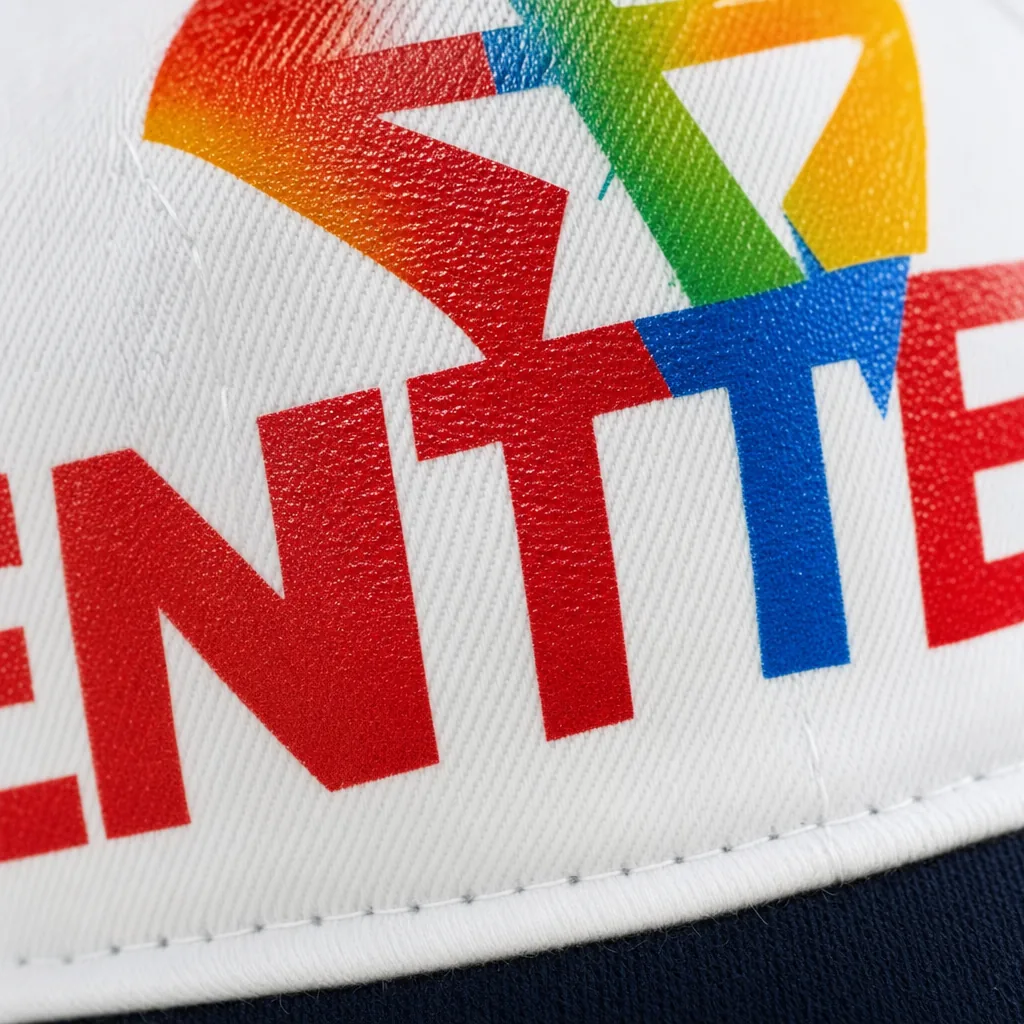
Custom Hat Patch: When to Use It, Costs, and What to Ask Your Factory (2026 Update) - Supplier Checklist is one of the most-asked questions we receive from international buyers, and for good reason. With dozens of factories competing for your order and an alphabet soup of technical terms in every supplier quote, even experienced importers can feel lost. This guide consolidates what we have learned producing custom hats for clients in 40+ countries.
Custom Logo Hats
Choose the decoration method by artwork geometry and cap construction, not by whichever option is cheapest on the quote sheet. A custom hat patch is usually the safer route when the logo has hard borders, small typography, or layered finishes that would distort on a curved front panel. Woven damask patches can hold roughly 0.6 mm line detail and cleaner negative space than flat embroidery, while 2D molded PVC gives sharper edge definition on athletic marks but adds noticeable stiffness to a low-profile 6-panel dad cap. For heritage looks, merrowed twill works well on structured crowns, but the raised border can look bulky on shallow unstructured profiles. Leather and PU patches read premium, but they are less forgiving on color consistency and can darken or blister if the adhesive and press temperature are not matched to the shell fabric.
The cap body matters as much as the patch. A 220–260 gsm 108x56 cotton twill front panel with 0.4–0.6 mm buckram can carry a sewn patch cleanly; the same patch on brushed chino or washed canvas may tunnel unless the perimeter stitch tension is dialed in. On the floor, patch application is usually done after panel assembly using a swing heat press, flat-bed press, or perimeter lockstitch depending on crown shape and backing. Tajima or Barudan heads handle sew-down borders reliably, but laser-cut woven edges and PU face materials need tighter needle selection and lower presser-foot pressure to avoid edge flare or bite marks. In most cases, CrownsForge treats patch size above 70 x 45 mm on a standard front crown as a risk point for puckering, especially on low-profile caps or foam truckers with uneven front-panel rebound.
Most sampling delays come from weak spec sheets, not factory incompetence. For a custom hat patch program, call out cap profile, crown height, panel count, visor curve, closure hardware, shell fabric composition, sweatband material, buckram thickness, and patch size in millimeters. Then specify the patch itself: border type, backing, Pantone reference, acceptable Delta-E tolerance, woven density or embroidery stitch count, and attachment method such as heat seal plus perimeter lockstitch. If color matters for retail, ask for pre-production photos on the actual cap fabric and a finished-worn sample, not a loose patch on white paper. MOQ is typically 100–144 pieces per colorway for standard twill caps, but leather patches and PVC molds usually price more efficiently at 300 pieces because die, mold, and screen charges are front-loaded. In current 2026 ranges, a basic 6-panel cotton twill cap with a sewn twill patch is commonly $2.10–$3.40 EXW at 300 units; woven patch caps run about $2.60–$4.20, and molded PVC patch styles are usually $3.20–$5.50 depending on patch size, closure, and carton density. Inspection should be set to AQL 2.5, with patch placement tolerance held to ±2 mm on the front crown, pull testing on bonded patches, and shade segregation at carton level to catch fabric or logo variance before shipment.
Custom Embroidered Patches
An embroidered custom hat patch is usually the safest choice when your artwork has bold outlines, limited color breaks, and you need a premium look without paying for direct embroidery across every panel. The patch itself is made first: twill or felt base fabric is cut, the logo is digitized for satin, tatami, or run-stitch fill, then sewn on Tajima, Barudan, or ZSK multi-head machines at roughly 600 to 850 stitches per minute depending on thread density and edge complexity. For cap use, I tell buyers to specify patch substrate, thread brand, backing, border type, and attachment method in the PO, not just the artwork. If you leave that open, one factory may quote merrow border on 2 mm polyester twill while another uses laser-cut edge on thin felt, and the visual result is completely different. For cleaner reproduction, keep minimum line width above 1.0 mm, text above 4.5 mm cap height, and no more than 6 to 8 thread colors unless you want a bulky surface.
The spec sheet should call out finished patch size in millimeters, tolerance of plus or minus 1.5 mm, Pantone TCX or coated references for both thread and base fabric, edge finish, backing, placement, and how the patch will be fixed to the cap. For a custom hat with patch, the most reliable attachment is direct stitch-down after crown assembly, usually with a hidden run stitch or edge topstitch; heat seal alone is not enough for hats that will see sweat, curvature, and repeated flexing. Common MOQ is 144 to 300 hats per colorway if the patch is applied in-line with cap production, though some factories can do 50 to 100 pieces with a surcharge if they already have matching blank bodies. Typical 2026 China pricing for a standard 6 cm embroidered patch on a mid-profile cotton twill cap is about $0.28 to $0.65 for the patch itself and $0.12 to $0.30 for application, on top of the hat cost. Digitizing usually runs $20 to $50 per logo unless waived on bulk orders; a new die line for laser cut or merrow setup can add another $15 to $40.
The biggest inspection failures on a custom patch for hat orders are edge fray, poor centering, inconsistent stitch density, puckering after attachment, and color mismatch between approved art and actual thread. I always check patch placement with a physical template because a 3 mm shift on a front panel is obvious at retail, especially on structured 5-panel foam or high-profile snapbacks. Thread coverage should be even with no base twill peeking through unintentionally, jump stitches trimmed cleanly, and no oil staining around light-color thread. On the hat side, inspect whether the patch contour sits flat over buckram, whether sewing has distorted the front panel, and whether needle penetration has caused visible stress marks on suede, nylon taslon, or washed canvas. Our standard practice is to inspect patch attachment under AQL 2.5 with special attention to pull strength, symmetry, and thread ends because the patch often becomes the first failure point in a custom patch hats program. If your artwork has tiny serif text, gradients, or photo detail, embroidery may be the wrong hat patch custom route entirely; that sourcing decision should be made before sampling, not after a disappointing PPS sample arrives.
Custom Hat with Patch
A custom hat patch is not a trim detail; it is a separate component with its own failure points, lead time, and tolerances. The first sourcing call is patch construction, because a 50 x 30 mm woven label with a merrow border behaves nothing like a 1.5 mm molded PVC badge, a 0.8 to 1.0 mm debossed PU patch, or a 2 mm felt patch with satin stitch edge. Each option changes unit cost, edge finish, attachment method, and how the front panel carries tension after application. On structured 6-panel caps with 250 to 320 gsm cotton twill and medium buckram, pre-sew attachment on the front panel is usually cleaner because you can hold the patch flat before crown shaping. On washed dad hats or nylon campers, post-sew placement can work, but only with a proper cap frame or platen support; otherwise you get smile distortion across the patch edge and visible puckering near the center seam. Attachment method should be specified as carefully as the patch artwork. Sewn-on patches are slower but more stable in wash and heat; heat-applied patches are faster, yet adhesive selection matters. For TPU or PU, the factory should state the hot-melt film type, press temperature, dwell time, and whether they add a perimeter tack stitch. I would not accept vague instructions like "front patch centered." Ask for exact patch size in mm, placement from visor seam and center seam, allowable rotation tolerance, border type, backing, and stitch count if sewn. For printed or woven color areas, give a Pantone reference and set a Delta-E target under 2.0 against the approved strike-off under D65 lighting. At CrownsForge, we treat a 2 to 3 mm placement shift as a defect on small-format front patches because it is obvious at retail distance.
Pricing on a custom hat patch program moves more with patch method than with cap silhouette. For 2026 China buying, a stock 6-panel cotton twill cap with a sewn woven patch typically lands around $2.30 to $3.90 FOB at 300 to 500 pcs per colorway. An embroidered patch version usually runs $2.70 to $4.60 because of thread consumption, backing, and machine time on Tajima or Barudan heads. Debossed PU, genuine leather, TPU, or PVC patches commonly sit in the $3.30 to $5.90 range, especially when you add custom dies, molds, or multi-location applications. MOQ is rarely just "one number": 144 to 300 pcs is realistic for woven or embroidered patches using stock cap materials, while molded rubber or real leather often pushes effective MOQ to 500 or 1,000 pcs once die amortization and color setup are included. The inspection points are consistent and easy to miss if your QC checklist is generic. Watch for off-center placement, patch rotation over 2 degrees, uneven topstitch margin, bubbling after heat press, glue bleed through light fabrics, merrow unraveling, exposed jump stitches, and panel collapse caused by over-pressing the buckram. If the patch is printed, run a tape pull and crocking check; if it is heat-applied, check peel strength after 24 hours, not just straight off the press. Bulk inspection should be AQL 2.5 with ruler-based placement checks, lot-to-lot color comparison against the approved strike-off, and random carton review under consistent light. A cheap patch supplier can wipe out the savings through rework, especially when the cap factory has to re-press, re-sew, or scrap distorted front panels.
Custom Patch for Hat
A custom hat patch should be chosen by the artwork’s technical limits, not by whatever looks good on a mockup. The five workable constructions are embroidered twill, woven, molded PVC, leather or microfiber PU, and printed patches with merrowed or laser-cut edges. If your logo has linework under 1.0 mm, embroidery will start to close up; a woven patch at 50 to 75 denier yarn gives cleaner text and tighter corners. For raised texture and weather resistance, molded PVC with 0.8 to 1.2 mm relief is more reliable than embroidery, especially for fishing, workwear, and moto programs. Leather is mostly a hand-feel decision: vegetable-tanned cowhide at 1.2 to 1.6 mm reads premium, while 0.8 to 1.0 mm microfiber PU is more consistent in color and easier to stitch without needle drag marks. Attachment is where a good custom hat patch usually fails in bulk. A patch that sits flat on a sample can tunnel, lift, or twist once you run 500 pieces on soft fronts or low-density brushed cotton under 270 gsm. Run stitch and satin edge stitch are the safest methods for most cotton twill and poly-cotton caps; heat-applied film adhesive is faster but more sensitive to carton pressure and storage temperature. Pre-assembly attachment gives the cleanest placement on flat 5-panels, while structured 6-panels with buckram often force post-assembly sewing and higher distortion risk. On Tajima or Barudan heads, tight radius corners and thick patch stacks need slower machine speed and fresh needles, otherwise you get skipped stitches and visible edge wobble.
The spec sheet for a custom hat patch needs more than size and artwork. Lock the finished patch size in millimeters with a tolerance of +/-1.0 to 1.5 mm, define border type, backing, stitch margin from edge, and placement from the cap centerline. For color, use Pantone TCX for textile references and set a target Delta-E under 2.0 for PVC or printed patches; otherwise your approval sample and bulk lot can drift visibly under D65 lighting. If the patch is embroidered, ask for thread brand and estimated stitch count; if woven, specify weave density; if leather or PU, confirm thickness, finish, and whether a topcoat is required to reduce scuffing. CrownsForge standard practice is to confirm whether the patch is attached before or after crown assembly because that single process choice affects placement accuracy more than most buyers realize. Cost and inspection should be discussed together because the cheapest patch type usually creates the highest rework risk. In Zhejiang, a basic embroidered patch on a standard cotton twill cap typically adds $0.35 to $0.90 FOB per unit, woven patches $0.45 to $1.10, PVC $0.80 to $1.80 depending on mold size and color count, and real leather roughly $1.20 to $2.50. MOQ is usually 144 to 300 pieces per colorway when the same factory makes both cap and patch; 50 to 100 is possible, but setup charges climb fast. At final inspection, use AQL 2.5 and check centering within +/-2.0 mm, edge security with a light peel test after 24-hour conditioning, and inside finishing around the sweatband where backstitching is often sloppy. Common failures are adhesive bleed, patch lifting after carton compression, uneven stitch tension, and color mismatch between sample approval and production lot.
Custom Patch Hat
A custom hat patch is a construction decision before it is a decoration decision. Patch thickness, edge build, and stiffness have to match the crown shape, or the cap will fight back in sewing and wear. On structured 5-panel and 6-panel caps, the cleanest result usually comes from sewing the patch onto the flat front panel before crown assembly, especially at 2.25 to 3.00 inches wide. That gives the operator better hoop control and keeps tension even, which reduces tunneling, edge lift, and front-panel puckering once the buckram is formed. Push a patch past about 3.50 inches on a low-profile curved front, and even a good sew-on can start bridging the crown and lifting at the corners. On washed chino dad hats, pigment-dyed twill, and truckers with 110 to 140 gsm polyester mesh, post-assembly attachment is more common, but the patch has to stay flexible enough to follow the crown curve or the hat will sit awkwardly on the head.
If you are buying a custom hat patch program, force the quote to separate patch cost from cap cost. Otherwise you cannot see where quality risk and margin padding actually sit. Lock down the patch base material, border finish, backing, thickness in mm, and attachment method: lockstitch sew-on, heat press, or sew-plus-adhesive tack. Ask whether the patch is merrowed, satin-stitched, die-cut, laser-cut, or folded-edge, because each finish changes both failure mode and labor time. For color-critical orders, specify Pantone TCX or Pantone Coated references and a Delta-E tolerance; under 1.5 is realistic for woven labels and molded PVC, but not for embroidered patches limited by Madeira or Gunold thread cards. If the patch is run on Tajima, Barudan, or ZSK heads, ask for stitch count and underlay spec, because over-dense fills curl after attachment. A digital mockup will never show that problem; a full-size strike-off will.
MOQ is usually driven by the patch process, not the cap shell. Embroidered and woven patches are workable at 100 to 144 pieces per colorway because they can be ganged efficiently, while molded PVC usually starts at 300 to 500 pieces once mold cost is included. In 2026 China FOB terms, a basic 260 to 280 gsm brushed cotton twill cap with a sewn embroidered custom hat patch at 300 pieces will typically land around $2.10 to $3.40. A better acrylic/wool blend cap with a damask woven patch, custom inside taping, and metal buckle is more often $3.80 to $5.90 FOB at 500 pieces. PVC usually adds $0.35 to $0.90 per cap after mold amortization; genuine leather adds about $0.60 to $1.50 depending on hide grade and deboss depth. Inspection is straightforward if you write the standard properly: placement tolerance within plus or minus 2 mm from centerline, rotation within 2 degrees, AQL 2.5 for appearance, and close checks for edge lift, adhesive bleed, thread show-through, and front-panel distortion.
Custom Patch Hats
A custom hat patch earns its place when direct embroidery starts losing information. If your artwork has serif text below 2.0 mm, reverse spaces tighter than 0.8 mm, halftones, tonal gradients, or a hard geometric outline, a woven, printed, PVC, or debossed patch will hold the design better than satin stitches on the crown. High-density woven damask is the safest choice for fine linework; embroidered twill gives a more textured look but starts to look muddy once stitch coverage gets too dense. PVC works when you want 3D depth, water resistance, and easy wipe-clean performance, while leather, PU, microfiber suede, and felt are more about hand feel and material contrast than raw detail retention. On structured 5-panel, A-frame, and foam trucker caps, I’d attach any patch over about 60 x 90 mm before crown assembly so the buckram stays flat and you avoid tunneling at the stitch line. On washed chino twill or unstructured dad caps, post-sew application is possible, but placement tolerance usually widens to +/-2 mm and crown-to-crown variation becomes more obvious.
A usable quote for a custom hat patch should read like a spec sheet, not a guess. Buyers should lock down patch material, finished size, border type, backing, attachment method, and exact location from center front and visor seam. For woven patches, ask for denier and edge finish; for embroidered patches, ask for stitch coverage and thread brand; for leather or PU, confirm thickness in mm and whether the logo is debossed, embossed, or printed. If color has to match packaging or apparel, send Pantone TCX or Pantone Coated references and define an acceptable Delta-E, because color drift on woven and printed patches causes more rework than thread shortages do. Ask for two approvals: first a patch strike-off, then a sewn cap sample. A patch can look perfect flat and still pucker once edge-stitched onto corduroy, Taslan nylon, or brushed canvas.
Costs are driven more by the hat program than the patch alone. A stock blank cap with one front woven or embroidered custom hat patch usually starts around 144 to 300 pcs per colorway; full custom cut-and-sew programs generally need 300 to 500 pcs per style-color to buy fabric, closures, sweatbands, and labels efficiently. In 2026 China pricing, a mid-profile 100% cotton twill cap with one front woven patch is typically US$3.10 to US$5.20 FOB Ningbo or Shanghai at 500 pcs. Add roughly US$0.45 to US$1.20 for PVC, depending on mold depth and color count; debossed PU or genuine leather usually adds US$0.35 to US$0.90. Oversized embroidered patches often surprise buyers because trim loss, digitizing time, and slower running speeds on Tajima, Barudan, or ZSK heads cut line efficiency. Inspection should target the defects that create chargebacks: off-center placement, edge fray, bubbling under bonded patches, crown distortion, and bulk-to-sample color mismatch. Use AQL 2.5, measure placement from fixed references, hold rotation within 3 degrees, and for bonded constructions require a pull test after heat, humidity, and carton-compression simulation.
Working with CrownsForge for custom hat patch programs
Sampling speed is the first metric to audit in a custom hat patch program because the expensive failures show up before bulk production, not during final packing. The usual trouble points are simple: Merrow edges that open after wash testing, embroidery densities above 0.40 mm stitch spacing that pucker the front crown, PVC mold shrinkage that throws patch dimensions off by 1 to 2 mm, and heat-applied backings that fight buckram or low-profile unstructured panels. For standard 6-panel brushed twill, chino twill, or mesh trucker bodies, a realistic sample lead time is 5 to 7 working days when the patch uses stock woven, embroidery, PU, or printed construction. If the style needs custom cap patterns, booked shell fabric, or a new TPU/PVC mold, 10 to 14 working days is normal, and anything faster usually means shortcuts in approval or testing. MOQ is driven by setup cost and material yield, not by what the buyer hopes to order. A sew-down woven custom hat patch on stock cotton twill can be commercially viable at 144 pieces per colorway, but genuine leather, molded rubber, chenille, or yarn-dyed camouflage programs usually need 300 to 500 pieces to absorb die charges, mold fees, leather cutting loss, and line changeover. In current FOB terms from Zhejiang, a basic patch cap test run usually lands around $4.20 to $6.80 per unit; add real leather, custom Pantone-matched PVC, or specialty fabrics and it moves closer to $7.50 to $10.50. At CrownsForge, the first thing we question is whether the decoration method matches the order size, because that decision affects both margin and defect rate more than buyers expect.
Patch selection should follow logo geometry and end use, not trend language from the merch team. If the artwork has serif detail, line weights under 0.5 mm, text below roughly 3 mm cap height, or tonal transitions, woven or dye-sublimated patches will hold detail far better than embroidery. For outdoor, youth, or promotional programs that need wipe-clean performance, 0.8 to 1.2 mm molded PVC or TPU is usually safer, provided the mold shrink allowance is built in from the start. Heritage and workwear styles generally read cleaner in Merrow-border embroidery, felt applique, or debossed PU on 10 to 12 oz canvas, brushed twill, or wool-blend melton. On the machine side, that means Tajima, Barudan, or ZSK heads for embroidery, laser cutting for clean twill or woven edges, and high-frequency embossing for synthetic leather badges. Scale risk sits in approvals and QC handoff, not in the patch itself. Once the order moves from 200 promo units to 10,000-plus retail pieces, the weak point is usually coordination between the patch vendor, cap sewing line, and packing team. The clean sequence is artwork feasibility review, digital mockup, pre-production sample, material sign-off, inline inspection at 20 to 30 percent output, and final inspection before shipment. For a custom hat patch program, placement tolerance should stay within plus or minus 2 mm to approved spec, printed patch color should be checked under D65 with a practical Delta-E target under 1.5, and attachment strength should be pull-tested before packing. Bulk inspection should run at AQL 2.5 major, with barcode scan checks, assort counts, carton drop review, and needle detection where required. Buyers should also ask for current sedex-audit-cap-supplier-guide.html">BSCI 2.0 or Sedex SMETA 4-Pillar audits plus REACH and Proposition 65 declarations covering PVC, inks, adhesives, and coated fabrics.
Frequently Asked Questions
How long does production take?
Sampling takes 7 to 12 days. Bulk production runs 20 to 30 days depending on quantity, fabric availability and decoration complexity. Inspection and packing adds another 3 to 5 days before shipment.
What file format should I send for my logo?
Vector files (AI, EPS, PDF) are ideal. High-resolution PNG or JPG at 300 dpi on transparent background works as a fallback. Provide Pantone color references for accurate reproduction.
Can I order a sample before bulk production?
Yes. We strongly recommend approving a pre-production sample before mass production. Samples are charged at 35 to 60 USD each plus express shipping, fully refundable against confirmed bulk orders over 500 pieces.
What is the minimum order quantity (MOQ) for custom hats?
Our standard MOQ is 100 pieces per design and color, with sampling available from 1 piece. For complex multi-color logos or premium fabric upgrades, the MOQ can be lowered with a small per-piece surcharge.
Which shipping methods do you support?
We support FOB, CIF and DDP shipping. Air express for samples and small orders, sea LCL for 100 to 500 pieces, sea FCL for 5,000+ pieces. Door-to-door DDP available for US, EU, UK, Canada and Australia.
How does ordering custom leather patch trucker hat work?
When evaluating custom leather patch trucker hat, the key considerations are construction quality, decoration capability, MOQ flexibility and lead time. Cover everything buyers ask about custom logo hats: how it's manufactured, what specs to request from a factory, typical MOQ and pricing, common quality issues to inspect for, and how this ties back to the broader custom hat patch sourcing decision. Cover everything buyers ask about custom embroidered patches: how it's manufactured, what specs to request from a factory,…
What's the MOQ for custom leather patch hats no minimum?
When evaluating custom leather patch hats no minimum, the key considerations are construction quality, decoration capability, MOQ flexibility and lead time. Cover everything buyers ask about custom logo hats: how it's manufactured, what specs to request from a factory, typical MOQ and pricing, common quality issues to inspect for, and how this ties back to the broader custom hat patch sourcing decision. Cover everything buyers ask about custom patch hats: how it's manufactured, what specs to request from a factory, typical MOQ…
How does ordering custom embroidered trucker hats work?
When evaluating custom embroidered trucker hats, the key considerations are construction quality, decoration capability, MOQ flexibility and lead time. Cover everything buyers ask about custom logo hats: how it's manufactured, what specs to request from a factory, typical MOQ and pricing, common quality issues to inspect for, and how this ties back to the broader custom hat patch sourcing decision. Cover everything buyers ask about custom embroidered patches: how it's manufactured, what specs to request from a factory,…
How does ordering custom baseball hats with logo work?
When evaluating custom baseball hats with logo, the key considerations are construction quality, decoration capability, MOQ flexibility and lead time. Cover everything buyers ask about custom logo hats: how it's manufactured, what specs to request from a factory, typical MOQ and pricing, common quality issues to inspect for, and how this ties back to the broader custom hat patch sourcing decision. Cover everything buyers ask about custom patch hats: how it's manufactured, what specs to request from a factory, typical MOQ…
Need a low-MOQ test order?
We help emerging brands launch with as few as 100 pieces. Premium fabric, in-house embroidery, retail-ready packaging.
Start a small orderRelated guides
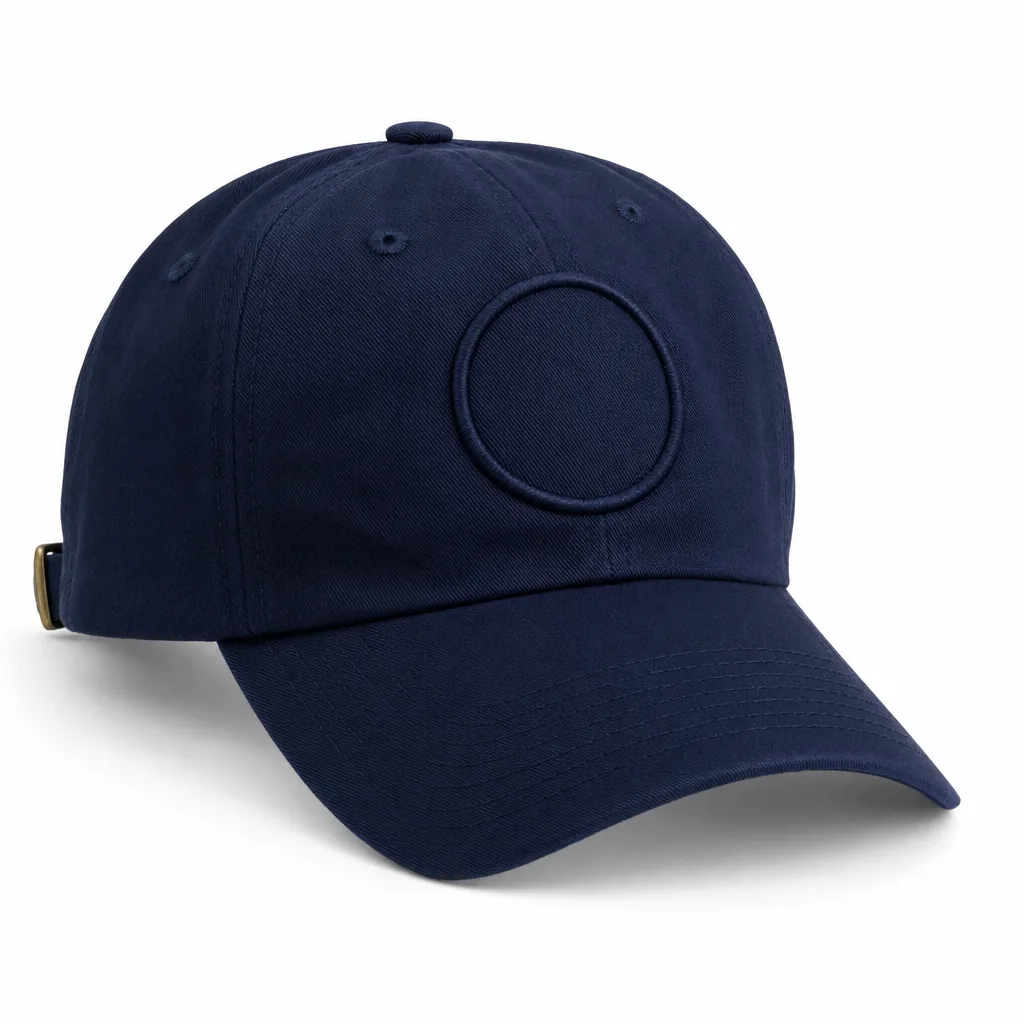
Custom Hat Embroidery: The 2026 Sourcing & Manufacturing Playbook (2026 Update)
Read article →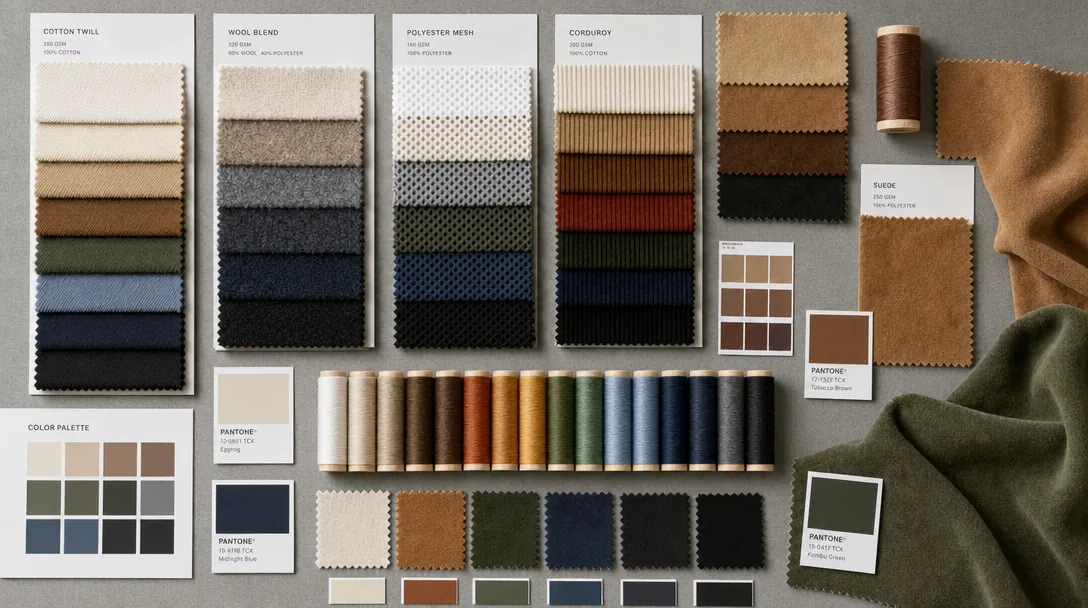
Bucket Hat Corduroy Decoration QC Checklist for Custom Hat Buyers - Cost & MOQ Breakdown (2026 Update)
Read article →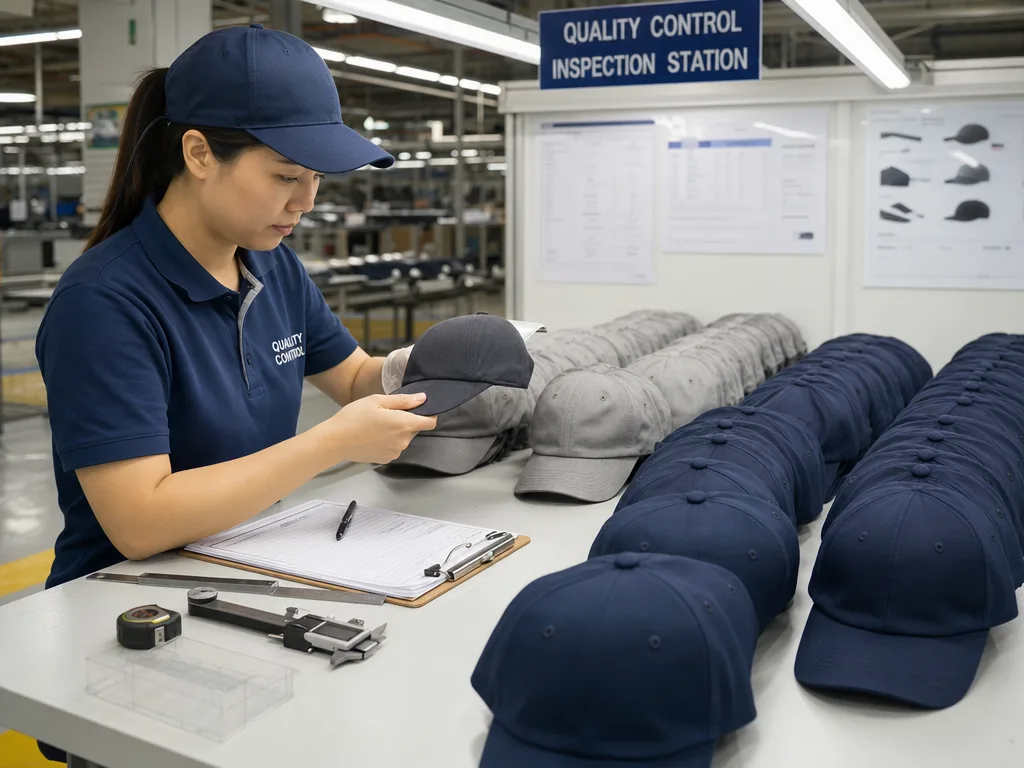
BSCI vs Sedex vs WRAP vs WCA: Compliance Audit Standards Compared - Supplier Checklist - Supplier Checklist - Cost & MOQ Breakdown
Read article →If you are ready to take the next step on custom hat patch: when to use it, costs, and what to ask your factory (2026 update) - supplier checklist, our team can put a tailored quotation and digital mock-up in your inbox within 24 hours. Send the inquiry form on our contact page or message us directly on WhatsApp.