
Custom Hat Patch: When to Use It, Costs, and What to Ask Your Factory - 2026 Buyer's Guide - Supplier Checklist
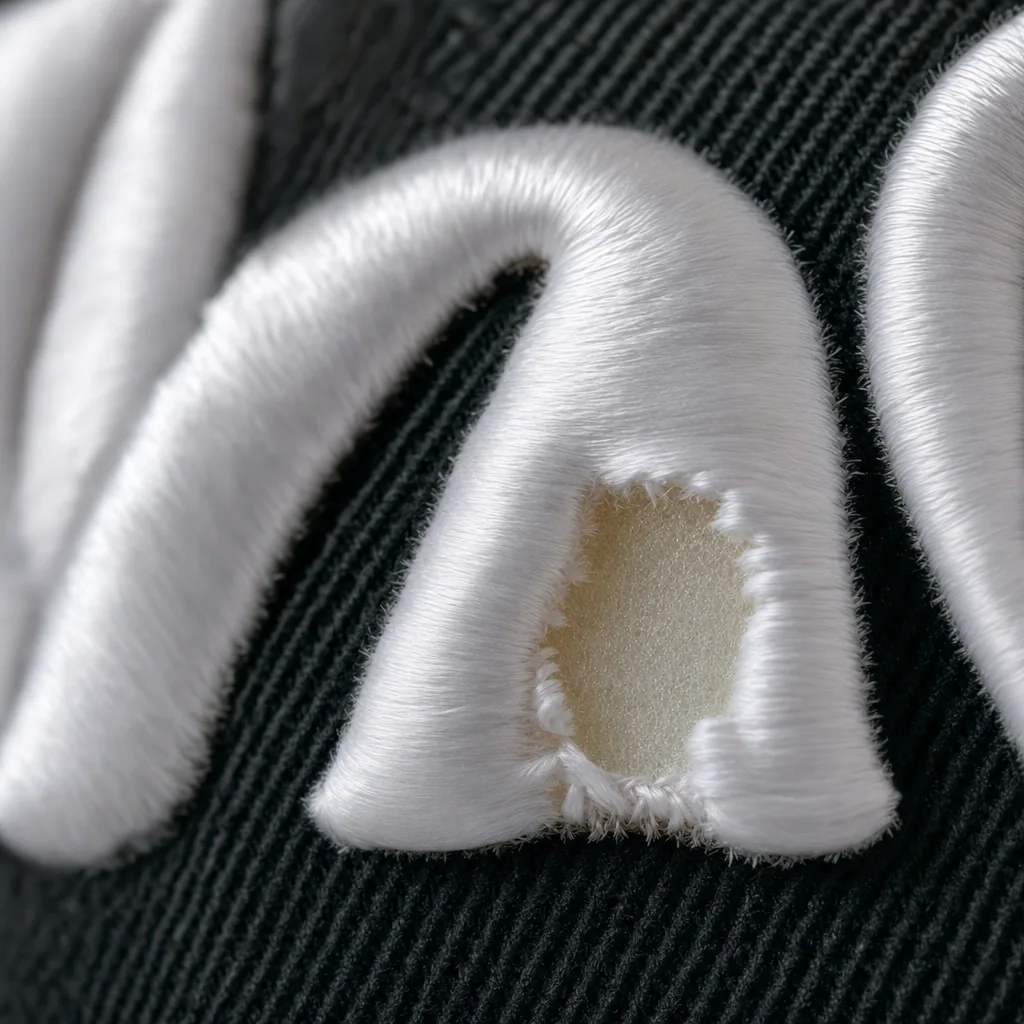
Custom Hat Patch: When to Use It, Costs, and What to Ask Your Factory - 2026 Buyer's Guide - Supplier Checklist is one of the most-asked questions we receive from international buyers, and for good reason. With dozens of factories competing for your order and an alphabet soup of technical terms in every supplier quote, even experienced importers can feel lost. This guide consolidates what we have learned producing custom hats for clients in 40+ countries.
Custom Logo Hats
A custom hat patch is the right choice when the logo has fine lettering, hard keylines, or licensed artwork that cannot drift from one cap style to the next. Embroidery straight onto the crown starts to break down once stroke weight drops below roughly 0.8 mm or the design mixes tight text with open negative space; a separate patch holds those details better and gives you one approved graphic package across 5-panel campers, 6-panel baseball caps, truckers, and beanies. The patch spec should be written like a component drawing, not a casual note. Call out finished size in millimeters, corner radius, border type, Pantone TCX or coated references, acceptable Delta-E target, backing, attachment method, and exact placement from center front and visor seam. On structured caps, I treat patch size tolerance at ±1.0 to 1.5 mm and placement at ±2.0 mm max; beyond that, the misalignment is obvious at retail. Material choice changes both appearance and failure risk. Woven patches are best for sharp text and clean fills; embroidered patches give texture but add thread relief; molded PVC handles outdoor and team merchandise; genuine leather and PU leather need controlled heat and pressure or they darken, glaze, or shrink. Attachment should match the shell fabric and crown shape: lockstitch box or satin-edge stitch for long-term security, heat press only when the backing adhesive and face fabric are compatible. A woven custom hat patch pressed onto 260 gsm cotton twill behaves very differently from one applied to brushed chino, 600D polyester, acrylic-wool blend, or 75D trucker mesh. If the shell has a DWR finish or heavy front buckram, ask whether the patch is applied before or after final blocking, because that decision affects edge lift and front-panel puckering.
Pricing moves more on patch construction and labor minutes than buyers expect. In 2026, a custom six-panel cotton twill cap with a woven or embroidered custom hat patch typically lands around $2.10 to $3.80 FOB China at 300 to 500 pieces, assuming standard inner tape, swing tag, and one polybag per dozen. Switch to genuine leather, molded PVC, debossing, metal eyelets, retail folding, barcode stickers, or individual polybags and the same hat can climb to $3.60 to $6.20. For fully custom production in Zhejiang, MOQ is usually 144 to 300 pieces per colorway; stock blanks can bring it down to 48 to 72, but then you give up tighter control over crown shape, fabric lot consistency, and visor curve. If the supplier quotes unusually low, check whether patch sampling, digitizing, mold cost, or second-stage attachment labor has been excluded. Inspection should focus on patch-specific defects, not just general cap workmanship. At pre-production, approve both the loose patch strike-off and the first assembled cap, because a patch that looks perfect flat can distort once sewn onto a curved crown. At final inspection, use AQL 2.5 for appearance and add practical tests: 24-hour conditioning before peel check on heat-applied patches, dry and wet crocking on printed or sublimated surfaces, and a manual bend test around the crown radius to expose edge lift. Watch for skew over 3 mm, bubbling from over-pressing, leather scorching, PVC flash, broken merrow, and color drift from the approved standard. For embroidered patches, ask whether they are running on Tajima, Barudan, or ZSK heads and what backing is used—tear-away, cutaway, plastic film, or heat-seal film—because backing choice directly affects edge stability and stitch read on small type.
Custom Embroidered Patches
Custom embroidered patches are the safest custom hat patch option when the brand wants a traditional athletic, outdoor, collegiate, or uniform look but needs more structure than direct crown embroidery. The patch has to be digitized as stitch paths for Tajima, Barudan, or ZSK heads; a factory that says it can simply “convert” an AI or EPS file is usually setting you up for heavy fills, broken outlines, and unreadable small type. For most logos, the cleanest bases are 240–300 gsm polyester twill, wool-blend felt, or 10–12 oz cotton canvas. Merrow borders work best on circles, shields, and rectangles; irregular silhouettes should be laser cut and locked with a satin edge, otherwise the perimeter frays after wash or abrasion. In the purchase spec, call out finished size in mm, base fabric, Madeira or Gunold thread type, Pantone C or TCX reference, border construction, backing, and cap placement tolerance. On any custom hat patch under 75 mm wide, keep embroidered text above 4.5 mm tall and line weight above 0.8 mm. Anything finer tends to close up after blocking, steam shaping, and thread bloom.
Embroidered patches also give better MOQ flexibility because the patch can be produced before cap sewing starts, which reduces risk on first runs and licensed approvals. In China, a realistic MOQ is 100–300 pieces per design, though 500 pieces usually cuts patch cost by 15–30% once digitizing, thread setup, and machine loading are amortized. A standard 65 mm patch typically lands around $0.35–$0.90 FOB China; metallic thread, felt base, 3D foam underlay, laser-cut edges, or very high stitch coverage can push it to $1.20–$1.80 before sewing. Application timing matters more than many buyers realize. If the patch is sewn after full crown assembly, the operator is fighting a curved panel and placement drift can easily exceed 3 mm. Our standard practice at CrownsForge is to attach front patches before sweatband closing whenever construction allows, which keeps alignment closer to ±2 mm from the approved centerline. The failure points show up after steaming, not on a loose patch: puckering, jump-thread cleanup, fuzzy merrow edges, adhesive bleed, and color drift. Ask for a finished cap sample after blocking, then inspect bulk at AQL 2.5 with placement, edge lift, and Delta-E checks against the approved standard.
Custom Hat with Patch
A retail-grade custom hat patch succeeds or fails on construction, not on the cap silhouette. Glue-only application is the first thing I reject for any hat expected to survive container heat, sweat, and repeated flexing; inside a summer container, surface temperature can hit 45–50°C, and low-grade adhesive starts creeping at the edges. Sewn attachment remains the safest option for embroidered, woven, merrowed, PVC, TPU, and leather patches, especially on structured 5-panel and 6-panel caps where front-panel tension is high. In the tech pack, front placement should be locked at ±2.0 mm from both center seam and visor line; on a 65 x 45 mm patch, 3 mm drift already reads crooked at first glance. Attachment timing matters too: sewing the patch before crown closing usually gives cleaner alignment, but post-assembly placement is sometimes necessary on foam truckers or high-profile buckram fronts where panel distortion changes the visual center.
Small detail is where many patch programs go wrong. If text falls below about 2.0 mm letter height or stroke width under 0.4 mm, standard satin embroidery will close up, especially after wash or abrasion. That is when a woven patch, print-plus-stitch badge, or high-density fill run on a Tajima or Barudan head with shorter stitch length is the practical choice. A usable spec sheet must define patch size in millimeters, border type, backing, stitch method, placement coordinates, and the exact hat body: panel count, crown height, buckram weight, fabric gsm, closure, visor sandwich, and Pantone TCX references for both shell fabric and thread. Material changes affect attachment more than most buyers expect; 300 gsm brushed cotton twill, 8-wale corduroy, and foam-backed trucker mesh all respond differently to needle penetration, heat press pre-tacking, and edge bite. Our standard practice is to approve the actual patch on the production fabric and final crown shape, not on a flat strike-off, because centering and edge lift often change once the patch is sewn onto a structured cap.
Cost is driven by setup and application labor more than by the patch itself. In Yiwu, a custom hat patch cap on basic chino twill or brushed cotton usually needs a 100–144 piece MOQ per colorway when the factory is making both the patch and cap body; below that, digitizing, mold charges, and line changeover push the unit economics out of line. For 2026 FOB Ningbo, expect roughly US$2.20–3.60 at 300 pieces for a sewn embroidered or woven patch cap, depending on patch size, stitch count, fabric, and closure. PVC, TPU, and genuine leather patches typically land around US$3.40–5.90 because mold fees, edge finishing, and slower sewing add real minutes on the line. Development cost is usually US$35–80 for the cap sample, plus US$20–60 for digitizing, laser-cut setup, or emboss tooling. Inspection should focus on patch-specific risk points: skipped edge stitches, rotation against the center seam, adhesive strike-through on light colors, and edge lifting after 24 hours of rest. Use AQL 2.5 for general defects, but add a pull test and color-control standard; Delta-E below 1.5 is achievable on the patch face, while mixed materials like PVC against cotton twill should be held to a more realistic Delta-E below 2.0.
Custom Patch for Hat
A custom hat patch is really two manufacturing processes with two separate failure points: patch conversion and cap attachment. Most rejects happen at the interface, not in the artwork itself. Embroidered patches are still the safest option for varsity marks, outdoor brands, and logos that benefit from thread height, but text below about 3 mm cap height will usually fill in on Tajima, Barudan, or ZSK multi-heads unless the digitizer opens the counters and cuts underlay. Woven patches outperform embroidery when you need 1–1.5 mm strokes, small serif text, or dense badge artwork, because the image is built on a fine loom structure instead of stacked satin columns. For gradients, halftones, camouflage, or photo-based art, printed twill or sublimated microfiber is the practical choice; embroidery will just muddy it. Material choice also has to match the hat body. A 55-75 mm front patch sits cleanly on a structured 6-panel with buckram, but the same patch on a washed chino dad hat can bridge the center seam and create a tent effect. PVC works well on youth sports, fishing, and workwear caps because it resists sweat, rain, and abrasion, but 1.2-1.5 mm thick PVC feels clumsy on low-profile unstructured crowns. Leather and debossed PU look premium, yet they darken or distort if the press temperature is too aggressive. My rule on a custom hat patch is simple: choose the patch type based on artwork detail first, then confirm the crown shape, seam position, and fabric hand before sampling. Buyers who reverse that order usually pay for avoidable revisions.
A usable tech pack removes judgment calls before the first strike-off. Specify patch size in millimeters, visible border width, backing type, attachment method, Pantone reference, placement from visor seam or crown center, and whether application happens pre-closing or post-closing. For woven and embroidered programs, add target stitch count or weave density; for printed patches, set a Delta-E tolerance under 1.5 against Pantone Coated, while dyed woven grounds are usually more realistic at Delta-E under 2.5. Attachment method changes both durability and appearance: merrow works for vintage badges, satin edge hides laser-cut or heat-cut edges, edge stitch is the cleanest on flat patches, and heat seal alone is not enough for hats that will see laundering or heavy flex. Our standard practice is to approve both the loose patch and the finished cap sample, because a perfect patch can still skew once it hits buckram or brushed cotton. Cost should be quoted as a separate line item, not buried inside the cap price. In 2026 FOB China, a custom hat patch typically adds $0.28-$0.65 for embroidery, $0.22-$0.48 for woven, $0.18-$0.40 for printed twill, $0.45-$0.95 for PVC, and $0.60-$1.40 for genuine leather or molded PU at 500-1,000 pieces. Tooling changes the MOQ: embroidery and woven can often start around 144-300 pieces per colorway, while PVC molds and embossing dies usually make 500 pieces the real floor. On inspection, hold placement to ±2 mm and rotation under 3 degrees. Under AQL 2.5, crooked placement, unreadable fine text, glue bleed, frayed cut edges, skipped stitches, PVC pinholes, oil bloom, and loose edge sewing should be logged as major defects, because those are the first issues a buyer sees when the carton is opened.
Custom Patch Hat
A custom hat patch should be costed and engineered as a separate trim plus an attachment operation, not treated like ordinary front embroidery. The patch is made first—embroidered twill, woven polyester, PVC, silicone, PU leather, genuine leather, TPU, felt, chenille, or printed canvas—then applied to the cap by lockstitch sewing, heat press, bar-tack reinforcement, or a combined sew-and-press method. Most failures happen at that second step. A merrow-border embroidered patch on 260 gsm brushed cotton twill is forgiving; a heat-pressed PU leather patch on 210D nylon taslan needs controlled platen pressure, 145–155°C temperature, 12–18 seconds dwell time, and cooling under weight or the edges will lift. Put placement tolerance in the tech pack: ±2 mm for center-front, ±3 mm for side panels, and maximum 2° visible skew. Also state whether the patch is attached before or after cap assembly. Pre-assembly stitching gives cleaner interiors on unstructured 5-panels; post-assembly attachment is faster but can distort buckram fronts, foam trucker panels, and curved side seams.
The factory spec should define patch size in millimeters, material thickness, backing type, border finish, thread or yarn count, stitch density, weave count, and colors by Pantone TCX or Pantone Solid Coated reference. For an embroidered custom hat patch, ask whether production runs on Tajima, Barudan, or ZSK heads, and approve a real stitch-out before bulk. Satin borders under 0.8 mm, weak underlay, and excessive jump trims are common causes of fraying after the first 500–1,000 caps. Woven patches using 50D or 75D polyester yarn hold 3–4 mm lettering better than embroidery, but they lose the raised texture buyers often expect on streetwear caps. For printed twill or sublimated patches, set Delta-E limits: under 2.0 for premium retail, 3.0–4.0 for promotional orders. Lock the cap fabric at the same approval stage—cotton twill, 300D heather polyester, acrylic knit, 8-wale corduroy, RPET canvas, or nylon ripstop—because adhesive bond, needle marking, and stitch pull change by substrate. Our standard practice at CrownsForge is to approve patch-only, blank-cap, and final pre-production samples before cutting bulk fabric.
For 2026 China sourcing, realistic MOQ is 144–300 pieces per colorway for embroidered or woven patch hats, and 300–500 pieces for PVC, silicone, or leather because tooling, color batching, or die cutting must be amortized. A cotton twill baseball cap with a 57–70 mm embroidered patch typically lands at $2.10–$3.80 ex-factory, depending on crown structure, closure, lining, and stitch count. Woven patches may save $0.10–$0.25 per unit; PVC, silicone, or genuine leather usually pushes the finished cap to $3.60–$6.50. Budget the small charges because they cause purchase-order arguments: digitizing $20–$50, PVC mold $80–$150, leather laser die $30–$60, heat-transfer film testing $15–$40, and custom placement jigs for curved-panel or side-panel patches. Use AQL 2.5 for general workmanship, but inspect logo application more tightly: no visible skew, no adhesive strike-through, no edge curling after heat-chamber testing, no loose thread tails over 3 mm, and no shade deviation beyond the approved production lot standard.
Custom Patch Hats
A custom hat patch earns its keep when the logo needs material contrast or line fidelity that cap embroidery cannot hold on a curved front. On a 6-panel baseball cap, direct embroidery on a Tajima or Barudan cap frame starts to lose small counters and tight serifs once line weight drops much below 0.8-1.0 mm; a woven damask patch can usually hold 0.6-0.8 mm cleanly, and a printed twill patch can go finer if the ink registration is controlled. The patch type matters because each behaves differently in assembly: merrowed embroidered patches need a wider border and look bulky under 50 mm, laser-cut woven patches give a cleaner retail finish, and soft PVC at 1.5-2.0 mm works well for outdoor or fishing hats but can print through unstructured fronts below about 220 gsm. In production, the practical range is usually 50-70 mm wide with total patch thickness around 1.2-2.5 mm, and placement tolerance should be locked at +/-2 mm from approved centerline.
If you are buying a custom hat patch program, the tech pack has to specify the patch as a separate component instead of treating it like decoration. Call out face material, backing, border finish, stitch color, attachment method, finished size in millimeters, Pantone TCX or coated reference, and acceptable color tolerance; if the patch must visually match the crown fabric, ask for Delta-E under D65 light of <1.5 for premium retail and <2.0 for promotional goods. Sew-on remains the safest attachment for wash and abrasion, especially on brushed cotton twill, foam trucker fronts, and acrylic-wool blends; heat press is workable for PU leather, sublimated twill, and some no-sew looks, but corner lift is common when temperature, pressure, and dwell vary from operator to operator. In Yiwu, the real MOQ is often 100-144 pieces per colorway for straightforward embroidered or woven patches, while PVC molds, deboss dies, or genuine leather skiving usually make 300 pieces the efficient break point. Current FOB pricing is typically $2.20-$3.60 for a brushed twill cap with a simple embroidered patch, and $3.40-$6.80 for PVC or leather versions depending on closure, fabric weight, and patch size.
Most custom hat patch failures are visible before final packing if the factory inspects the right points. The first defects I flag are crooked placement, bubbling from weak adhesive on combination-attached patches, puckering on lightweight fronts, raw-edge lift after abrasion, inconsistent merrow width, and thread mismatch between patch border and crown topstitching. Set inspection at AQL 2.5, treat detached edges and off-center placement as major defects, and physically check placement on at least 10 caps per lot against the approved centerline and vertical offset. For first orders, require a pre-production sample, photos of patch production before cap assembly, and either a peel test for heat-applied patches or stitch-security verification for sewn versions; that is where weak subcontractors usually get exposed. Leather and PU need extra controls: condition samples for 24 hours, verify deboss depth consistency, and check for edge cracking or dye migration after humid transit simulation. Our standard practice is to qualify both the patch vendor and the cap sewing line, then confirm sedex-audit-cap-supplier-guide.html">BSCI 2.0 or Sedex SMETA 4-Pillar status before discussing cost-down options.
Working with CrownsForge for custom hat patch programs
Decoration choice should be driven by artwork detail, cap fabric, and shipping conditions, not by the patch style that looks best on a mood board. CrownsForge runs embroidery on Tajima and Barudan multi-head machines, but thread has limits: lettering under roughly 4 mm high and line work below about 1.2 mm often looks cleaner as a woven, sublimated, printed, TPU, or leather patch. Brushed cotton, canvas, and midweight twill usually tolerate heat-seal backing plus perimeter stitch. Acrylic/wool blends, foam-front truckers, enzyme-washed caps, and high-crown structured bodies are safer with stitch-down, hidden tack points, or a hybrid attachment, because adhesive can creep when cartons sit in 50 to 60°C container heat. The control plan should be written before bulk: patch placement tolerance within ±2 mm, approved sew-out or strike-off sealed with the PO, thread density checked against the digitizing file, and color matched to Pantone TCX or Solid Coated references. For licensed printed custom hat patch work, I expect Delta-E around 1.5 to 2.0 on key colors and final inspection at AQL 2.5 major / 4.0 minor. One wrong backing, weak adhesive, or off-spec buckle can easily cost a week at ex-factory.
Frequently Asked Questions
How long does production take?
Sampling takes 7 to 12 days. Bulk production runs 20 to 30 days depending on quantity, fabric availability and decoration complexity. Inspection and packing adds another 3 to 5 days before shipment.
Can I order a sample before bulk production?
Yes. We strongly recommend approving a pre-production sample before mass production. Samples are charged at 35 to 60 USD each plus express shipping, fully refundable against confirmed bulk orders over 500 pieces.
What file format should I send for my logo?
Vector files (AI, EPS, PDF) are ideal. High-resolution PNG or JPG at 300 dpi on transparent background works as a fallback. Provide Pantone color references for accurate reproduction.
Do you support sustainability certifications?
Yes. We work with GOTS organic cotton, GRS-certified recycled polyester, OEKO-TEX Standard 100 fabrics, and are BSCI and Sedex audited. Certification documentation can be provided per order.
What logo decoration techniques do you offer?
3D puff embroidery, flat embroidery, woven patch, leather patch, PVC patch, screen printing, sublimation, applique and laser etching, all in-house with no subcontracting.
How does ordering custom leather patch trucker hat work?
When evaluating custom leather patch trucker hat, the key considerations are construction quality, decoration capability, MOQ flexibility and lead time. Cover everything buyers ask about custom logo hats: how it's manufactured, what specs to request from a factory, typical MOQ and pricing, common quality issues to inspect for, and how this ties back to the broader custom hat patch sourcing decision. Cover everything buyers ask about custom embroidered patches: how it's manufactured, what specs to request from a factory,…
What's the MOQ for custom leather patch hats no minimum?
When evaluating custom leather patch hats no minimum, the key considerations are construction quality, decoration capability, MOQ flexibility and lead time. Cover everything buyers ask about custom logo hats: how it's manufactured, what specs to request from a factory, typical MOQ and pricing, common quality issues to inspect for, and how this ties back to the broader custom hat patch sourcing decision. Cover everything buyers ask about custom patch hats: how it's manufactured, what specs to request from a factory, typical MOQ…
How does ordering custom embroidered trucker hats work?
When evaluating custom embroidered trucker hats, the key considerations are construction quality, decoration capability, MOQ flexibility and lead time. Cover everything buyers ask about custom logo hats: how it's manufactured, what specs to request from a factory, typical MOQ and pricing, common quality issues to inspect for, and how this ties back to the broader custom hat patch sourcing decision. Cover everything buyers ask about custom embroidered patches: how it's manufactured, what specs to request from a factory,…
How does ordering custom baseball hats with logo work?
When evaluating custom baseball hats with logo, the key considerations are construction quality, decoration capability, MOQ flexibility and lead time. Cover everything buyers ask about custom logo hats: how it's manufactured, what specs to request from a factory, typical MOQ and pricing, common quality issues to inspect for, and how this ties back to the broader custom hat patch sourcing decision. Cover everything buyers ask about custom patch hats: how it's manufactured, what specs to request from a factory, typical MOQ…
Looking for a reliable hat manufacturer in China?
CrownsForge has produced custom hats for 800+ brands across 40 countries. From 100-piece launches to 100,000-piece retail programs, we deliver on time and on spec.
Get in touchRelated guides
Ball Caps for Men: A 2026 Sourcing Playbook for International Buyers - Cost & MOQ Breakdown
Read article →
BSCI vs Sedex vs WRAP vs WCA: Compliance Audit Standards Compared (2026 Update) (2026 Update) (2026 Update)
Read article →
Custom Hat Patch: When to Use It, Costs, and What to Ask Your Factory (2026 Update) - Supplier Checklist
Read article →Sourcing custom hats does not have to be complicated. With the right manufacturing partner, clear specifications and a small upfront investment in sampling, you can launch a retail-quality product in 30 to 45 days.