
Custom Hat Patch: When to Use It, Costs, and What to Ask Your Factory - 2026 Buyer's Guide (2026 Update)
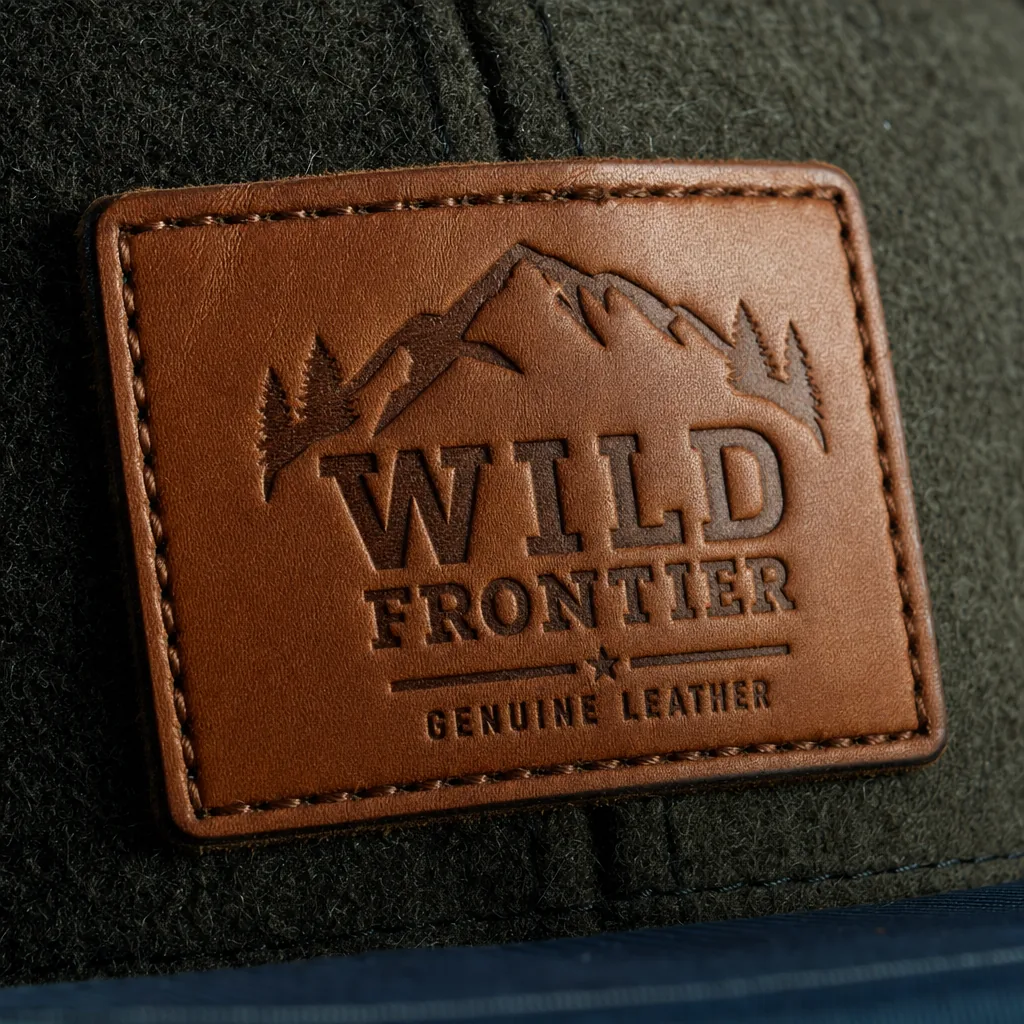
Custom Hat Patch: When to Use It, Costs, and What to Ask Your Factory - 2026 Buyer's Guide (2026 Update) is one of the most-asked questions we receive from international buyers, and for good reason. With dozens of factories competing for your order and an alphabet soup of technical terms in every supplier quote, even experienced importers can feel lost. This guide consolidates what we have learned producing custom hats for clients in 40+ countries.
Custom Logo Hats
On custom logo hats, most bulk failures start in the decoration package, not the cap body. For AQL 2.5 inspection, set measurable limits before production: front logo center within +/-2 mm from the crown seam or panel midpoint, patch tilt under 3 degrees, border stitch spacing variation under 1 mm, and no lifting after 20 seconds of steam plus a light bend test. A custom hat patch also needs edge control: no exposed merrow backing, glue bleed, burnt laser edges, loose satin stitches, needle cuts, or crown puckering around the attachment line. On washed cotton, foam-front truckers, and unstructured dad hats, these defects show faster because the fabric compresses unevenly under heat and clamp pressure.
Color approval should be tied to the patch material, not just a Pantone number in the tech pack. For PVC and printed twill, Delta-E under 1.5 against the approved strike-off is achievable if the factory controls ink batch, cure time, and surface gloss. Woven polyester patches often run closer to Delta-E 2.0 because yarn dye lots, heat pressing, and backing film shift the final shade. If the buyer specifies Pantone TCX for fabric and coated Pantone for logo color, keep both references on the inspection table; mixing textile and print standards is a common reason navy, black, and scarlet logos get rejected after bulk packing.
Decoration method should follow the artwork. Direct embroidery on Tajima, Barudan, or ZSK heads is still the best option for bold marks under about 9,000 stitches on 6-panel cotton twill, 280 gsm brushed canvas, or acrylic beanies. A custom hat patch is the better choice for gradients, small lettering, shield shapes, and programs that use the same branding across snapbacks, dad hats, foam truckers, and knit caps without redigitizing every crown profile. Woven patches can hold 0.4 mm line work, but text below 5-6 pt is risky; PVC gives sharper depth, but approve mold depth, Shore A hardness, odor, and flash trimming before bulk. CrownsForge confirms whether patches are attached before or after final blocking, because the wrong sequence can flatten a structured crown or twist a curved brim off-center.
Custom Embroidered Patches
The failure point of a custom hat patch is rarely the logo file; it is the way a dense stitched badge behaves after being sewn onto a curved crown. In audits I still see 2-3 mm center drift from the front seam, puckered merrow borders, trapped jump threads under the edge stitch, and rectangular patches turning slightly oval once pulled over a 6-panel crown. A flat approval card hides these problems. On a low-profile unstructured cap, there is no buckram to resist stitch tension, so a 45 mm x 70 mm embroidered patch with heavy satin borders can collapse the front panel or create a visible ridge above the visor seam. For inspection, measure placement from both the visor seam and center seam with a clear ruler, then pull at least 32 pieces under AQL 2.5 for symmetry, edge lift, loose threads, backing stiffness, and crown distortion. I also check Delta-E under a light box when thread color is matched to Pantone TCX, because “navy” from two polyester thread suppliers can be visibly different after washing.
Choose the patch construction around the cap body, not around the cheapest quote. Flat embroidered patches using 75D or 120D polyester thread run well on structured snapbacks, truckers, and firm 5-panel caps, especially when the front has buckram and can support 8,000-14,000 stitches without wrinkling. For dad caps, garment-washed cotton twill, enzyme-washed canvas, or soft corduroy, a woven label patch, felt patch, chenille patch, or debossed PU/leather patch usually sits flatter and wears better. In China, a realistic 2026 cost range is $25-$80 for digitizing or mold setup, $0.35-$1.20 per embroidered patch depending on size, backing, border, and stitch count, plus $0.12-$0.35 per cap for sewing attachment. CrownsForge approves the physical pre-production sample on the actual cap body, not only a PDF proof, because Tajima, Barudan, and ZSK tension settings, backing choice, and crown shape all change the finished result.
Custom Hat with Patch
A custom hat patch is a separate trim component, so the purchase spec must cover the patch itself, the cap panel it sits on, and the attachment process. For woven damask, specify 50D or 75D yarn, merrowed versus laser-cut edge, heat-seal backing, and finished tolerance, usually +/-1 mm on a 60 x 45 mm patch. For embroidered twill patches, ask for thread brand, stitch count, border type, and whether the run is on Tajima, Barudan, or ZSK heads; a dense satin border that looks clean on a flat table can still ripple on a curved 6-panel crown. Leather, microfiber leather, molded silicone, PVC, TPU, chenille, and sublimated polyester twill all need different controls. Cap-front leather is normally 1.0-1.5 mm thick, deboss depth should be about 0.3-0.6 mm, and color approval should reference Pantone TCX or Pantone Coated with an agreed Delta-E, not a phone photo.
The application sequence affects both cost and reject rate. Structured 6-panel caps are usually patched after crown blocking because the buckram and center seam distort placement if the patch is applied too early. Flat-front 5-panel campers, rope caps, and unstructured panels can often be patched before final assembly, which is cleaner for sewing but less forgiving if the panel shrinks during pressing. Avoid placing a rigid PVC or leather custom hat patch directly across a center seam unless the sample locks exact coordinates, bottom-edge height from the visor seam, and rotation tolerance. A workable factory standard is +/-2 mm horizontal and vertical placement and +/-1.5 degrees rotation; anything looser will be visible on front-facing retail product. Our standard practice at CrownsForge is to quote the cap body and patch as separate line items so buyers can compare woven, embroidered, PVC, and direct embroidery options at the same logo size.
Costs should be quoted by construction, not hidden inside a vague decorated-cap price. In 2026 China production, woven or embroidered patches are realistic at 100-300 pieces, leather or stock-shape PVC usually starts at 300-500 pieces, and a new PVC, TPU, or silicone mold commonly needs 500-1,000 pieces. A 280 gsm cotton twill cap with a 60 x 45 mm embroidered patch typically lands around $3.20-$5.80 FOB Yiwu at 300 pieces; molded PVC or silicone often moves to $4.80-$8.50 before freight, with mold charges of $80-$250 and pre-production samples at $35-$120. Inspect bulk under AQL 2.5 for major defects and AQL 4.0 for minor appearance issues. Check edge fray, broken satin borders, scorch marks, trapped dust, relief height, peel strength after 24 hours, and color under controlled light before approving shipment.
Custom Patch for Hat
A custom hat patch is an engineered trim, not a last-minute logo. The factory should build and approve it before cap assembly reaches the shaped front panel, because color, edge thickness, backing stiffness, and attachment method all change how the crown sits after blocking and steaming. Woven polyester is the cleanest choice for small type, QR-style marks, and thin strokes down to about 0.6 mm; embroidered patches look more premium but lose clarity below roughly 1.0 mm line width. Chenille works for varsity caps but adds bulk on low-profile 5-panel crowns. TPU and silicone make sense for golf, running, and outdoor caps where water resistance matters, while 1.2-1.6 mm PU or genuine leather fits workwear programs if the crown fabric can carry the weight without collapsing.
For woven patches, specify yarn type, thread density, border construction, backing, Pantone TCX target, and Delta-E tolerance; for brand colors, I normally reject anything over Delta-E 1.5 against the approved standard. For embroidered patches, ask for stitch count, Madeira or Gunold thread, merrowed versus laser-cut edge, and whether the supplier is running Tajima, Barudan, or ZSK heads. In 2026 China production, woven patches usually add $0.35-$0.80 per cap at 300 pieces, embroidered patches add $0.60-$1.40, silicone or TPU adds $0.90-$2.20 due to mold cost, and leather runs $0.75-$2.50 depending on thickness, deboss depth, edge paint, and reinforcement. Setup is usually $25-$80 for woven or embroidered artwork and $80-$180 for molded rubber tooling.
The real risk is not the loose patch on the inspection table; it is the patch after it is sewn or pressed onto a curved, tensioned crown. Your tech pack should state width and height in mm, corner radius, center-front position from the visor seam, allowed skew, and attachment method: satin stitch, zigzag stitch, edge stitch, heat press, or adhesive plus stitch reinforcement. Our standard practice at CrownsForge is to quote the custom hat patch separately from the cap FOB price because a late change in size, border, color, or application can move cost by $0.20-$0.70 per unit. For AQL 2.5 inspection, I check alignment across operators and cartons, with no more than 2 mm skew on most retail caps. Also test for puckering, loose edge stitches, glue bleed, heat-press shine, peel strength, and wash resistance, especially on nylon, polyester twill, and DWR-coated fabrics.
Custom Patch Hat
Final inspection on a custom patch hat should start with placement tolerance and attachment strength, because artwork approval does not prove the bulk hats are sellable. For a normal production run under AQL 2.5, I pull samples across at least three cartons and measure the patch centerline against the sealed PP sample. A ±2 mm left-right tolerance is acceptable for most structured 6-panel promo caps; for retail streetwear, licensed team goods, or any front-panel hero logo, ±1.5 mm is the practical limit. The lower patch edge must track parallel to the visor seam, especially on 5-panel and high-crown trucker shapes where a 2 mm tilt is visible from arm’s length. I also check border coverage, thread tails, skipped stitches at tight merrowed corners, and corner lift after a light fingernail peel test. The common failures are not mysterious: crooked hooping, excess top tension causing crown puckering, weak heat-press dwell time, and operators trying to force a thick custom hat patch onto a crown shape it was never sampled for.
Color and material mismatch create more bulk rejects than buyers usually budget for. If the approved custom hat patch uses Pantone TCX references but the embroidery thread, woven yarn, or twill ground drifts beyond Delta-E 1.5 to 2.0, the badge can look wrong even when the cap fabric itself is within tolerance. A 1.8-2.2 mm PVC patch, chenille badge, or layered woven label sewn onto a 150-180 gsm unstructured cotton twill dad hat will often pull the front panel out of shape; the same badge behaves much better on 240-280 gsm brushed cotton, polyester twill, or a buckram-supported crown. Tajima, Barudan, and ZSK heads can produce clean border stitching when the digitizing, needle size, and backing are correct, but they cannot rescue a poor material pairing. Our standard practice is to approve a physical pre-production sample before bulk cutting, because patch thickness, edge stiffness, hand feel, and panel memory decide the final silhouette. A cheap patch becomes expensive fast when rework, carton inconsistency, and retailer claims enter the costing sheet.
Custom Patch Hats
A custom hat patch is a construction decision, not a trim afterthought. The cap body and patch are usually made on separate lines, then joined late in sewing, so the attachment method controls whether the front panel stays clean or starts to pucker. On structured 5-panel and 6-panel caps, the better process is to block the front panel, mark with an acrylic placement jig, sew the patch after crown assembly, then steam and reshape. A 3.0 mm molded PVC patch needs different handling than a woven label: heavier needle, slower stitch speed, firmer buckram support, and usually perimeter stitching because hot-melt adhesive alone can soften during 45-55°C container or warehouse storage. On unstructured brushed cotton twill dad caps, heavy PVC or leather can telegraph through the fabric and pull the crown out of shape; woven, embroidered, printed twill, or thin faux-suede patches usually sit better.
Detail limits should be set before sampling, because each patch type has a different failure point. Embroidered patches run well on Tajima, Barudan, or ZSK heads, but lettering below about 4 mm cap height and linework under 0.4 mm will close up unless the digitizer simplifies the file. Woven patches can hold finer type and gradients better, but they look flatter and need clean laser-cut or heat-cut edges to avoid fray; merrow borders improve durability but add a thicker rounded edge that may look bulky on low-profile caps. Leather, PU leather, suede, silicone, and PVC patches are less predictable on color than thread-based patches. Pantone TCX or Pantone Coated references help, but expecting Delta-E under 2.0 on vegetable-tanned leather is not realistic. For 300-500 units per style/color, most mid-market custom hat patch programs land around $2.80-$6.50 FOB per cap, plus $35-$120 for digitizing, embossing dies, or PVC molds.
Most production problems start with an incomplete tech pack. A usable custom hat patch spec should list patch size in millimeters, shape, corner radius, base material, thickness, border, backing, Pantone reference, placement from center front and visor seam, attachment method, and tolerance. For bulk, +/-2 mm placement is realistic; +/-1 mm requires slower line speed, stricter in-line QC, and usually higher inspection cost. Approve the loose patch and the finished cap sample, because a patch that looks correct flat can look crooked once pulled over a curved crown. Inspection should follow AQL 2.5 for major defects and AQL 4.0 for minor appearance issues, with written reject definitions before bulk starts. Major defects should include patch offset above 6 mm, unreadable text, cracked PVC, exposed adhesive, delamination after tape pull, loose perimeter stitching, glue bleed, front-panel puckering, and crown collapse caused by weak buckram or poor fusing.
Working with CrownsForge for custom hat patch programs
The safest way to run a custom hat patch program is to approve the patch as a standalone component before anyone sews it onto a cap body. Our standard practice is a physical strike-off in 5–7 working days for woven, merrowed embroidery, chenille, PVC, faux leather, and sublimation patches, followed by a pre-production cap sample in another 7–10 working days using the actual shell fabric and front-panel construction. That sequencing catches the failures buyers miss on screen: a woven patch with sharp edge definition can distort once it wraps over a low-profile crown, and a heat-applied patch that looks fine on paper can leave press shine on brushed cotton twill or crush the nap on suede microfiber. On embroidery patch programs, Tajima or Barudan heads can execute 2D fill, satin borders, applique, and 3 mm 3D puff, but approval is meaningless unless stitch count, pull compensation, foam height, and border width are frozen in writing.
Most missed delivery dates come from soft approvals, not lack of machine time. A buyer should sign off Pantone TPX/TCX references, acceptable Delta-E tolerance for dyed components, backing type, border style, attachment method, cap fabric, and placement tolerance in one release; if placement is left open-ended, the sewing line will make its own call. On curved front panels, ±3 mm is normal; if you want ±2 mm on a premium retail custom hat patch, the factory needs a dedicated positioning jig, slower line speed, and tighter inline checks. MOQ usually follows the cap body, not the patch: in-stock cotton twill, chino, ripstop, or 600D polyester hats can start around 100–300 pieces per color, while custom-dyed shells, Pantone-matched sandwich brims, branded seam tape, or custom metal trims push practical MOQ to 500–1,000. Current FOB pricing is typically USD 2.80–5.50 for dad caps and truckers, and USD 4.50–8.50 for structured snapbacks with premium patch applications.
Loose paperwork is where patch programs get expensive. Before bulk cutting, there should be one signed tech pack covering crown height, visor curve, fabric weight in gsm or denier, buckram spec, sweatband construction, closure hardware, patch size, stitch count or mold size, packing ratio, carton marks, and final inspection level—usually AQL 2.5 for major defects. A disciplined factory will gate the order through artwork check, material confirmation, strike-off approval, pre-production sample, inline inspection, final audit, and shipment release. I also recommend asking for the patch cost as a separate line item; when digitizing fees, PVC mold charges, and remake liability are buried inside the cap FOB, buyers lose the ability to benchmark or challenge costs later.
Compliance matters as much as construction if the goods are going into chain retail, licensed sports, or corporate gifting. Ask for current sedex-audit-cap-supplier-guide.html">BSCI 2.0 or Sedex SMETA 4-Pillar audit status, restricted-substances declarations, AZO-free dye confirmation, and nickel-free statements for buckles, eyelets, and other metal trims. If the custom hat patch uses PVC or faux leather, get the material declaration before production, not after a failed customer lab test. The worst sourcing mistakes I see are administrative: no named approver, no dated reference photos, and no revision log tied to tolerance changes. Even a 0.5 mm border increase or a switch from heat-press to stitch-down should carry a revision number; otherwise the sample can look correct while bulk drifts by the third carton.
Frequently Asked Questions
What logo decoration techniques do you offer?
3D puff embroidery, flat embroidery, woven patch, leather patch, PVC patch, screen printing, sublimation, applique and laser etching, all in-house with no subcontracting.
Can I order a sample before bulk production?
Yes. We strongly recommend approving a pre-production sample before mass production. Samples are charged at 35 to 60 USD each plus express shipping, fully refundable against confirmed bulk orders over 500 pieces.
Do you support sustainability certifications?
Yes. We work with GOTS organic cotton, GRS-certified recycled polyester, OEKO-TEX Standard 100 fabrics, and are BSCI and Sedex audited. Certification documentation can be provided per order.
How long does production take?
Sampling takes 7 to 12 days. Bulk production runs 20 to 30 days depending on quantity, fabric availability and decoration complexity. Inspection and packing adds another 3 to 5 days before shipment.
What file format should I send for my logo?
Vector files (AI, EPS, PDF) are ideal. High-resolution PNG or JPG at 300 dpi on transparent background works as a fallback. Provide Pantone color references for accurate reproduction.
How does ordering custom leather patch trucker hat work?
When evaluating custom leather patch trucker hat, the key considerations are construction quality, decoration capability, MOQ flexibility and lead time. Cover everything buyers ask about custom logo hats: how it's manufactured, what specs to request from a factory, typical MOQ and pricing, common quality issues to inspect for, and how this ties back to the broader custom hat patch sourcing decision. Cover everything buyers ask about custom embroidered patches: how it's manufactured, what specs to request from a factory,…
What's the MOQ for custom leather patch hats no minimum?
When evaluating custom leather patch hats no minimum, the key considerations are construction quality, decoration capability, MOQ flexibility and lead time. Cover everything buyers ask about custom logo hats: how it's manufactured, what specs to request from a factory, typical MOQ and pricing, common quality issues to inspect for, and how this ties back to the broader custom hat patch sourcing decision. Cover everything buyers ask about custom patch hats: how it's manufactured, what specs to request from a factory, typical MOQ…
How does ordering custom embroidered trucker hats work?
When evaluating custom embroidered trucker hats, the key considerations are construction quality, decoration capability, MOQ flexibility and lead time. Cover everything buyers ask about custom logo hats: how it's manufactured, what specs to request from a factory, typical MOQ and pricing, common quality issues to inspect for, and how this ties back to the broader custom hat patch sourcing decision. Cover everything buyers ask about custom embroidered patches: how it's manufactured, what specs to request from a factory,…
How does ordering custom baseball hats with logo work?
When evaluating custom baseball hats with logo, the key considerations are construction quality, decoration capability, MOQ flexibility and lead time. Cover everything buyers ask about custom logo hats: how it's manufactured, what specs to request from a factory, typical MOQ and pricing, common quality issues to inspect for, and how this ties back to the broader custom hat patch sourcing decision. Cover everything buyers ask about custom patch hats: how it's manufactured, what specs to request from a factory, typical MOQ…
Need a low-MOQ test order?
We help emerging brands launch with as few as 100 pieces. Premium fabric, in-house embroidery, retail-ready packaging.
Start a small orderRelated guides
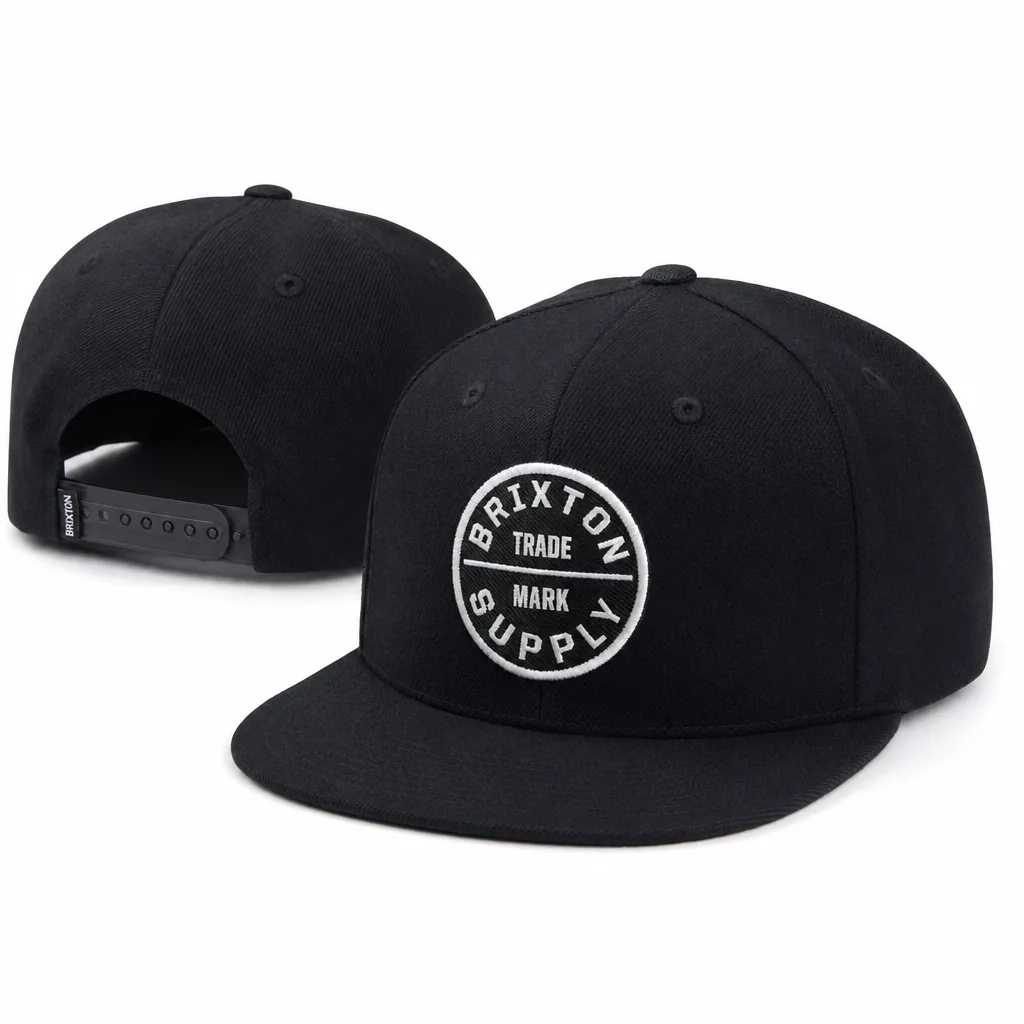
Baseball Hats Snapback: A Vertical-Specific Sourcing Guide
Read article →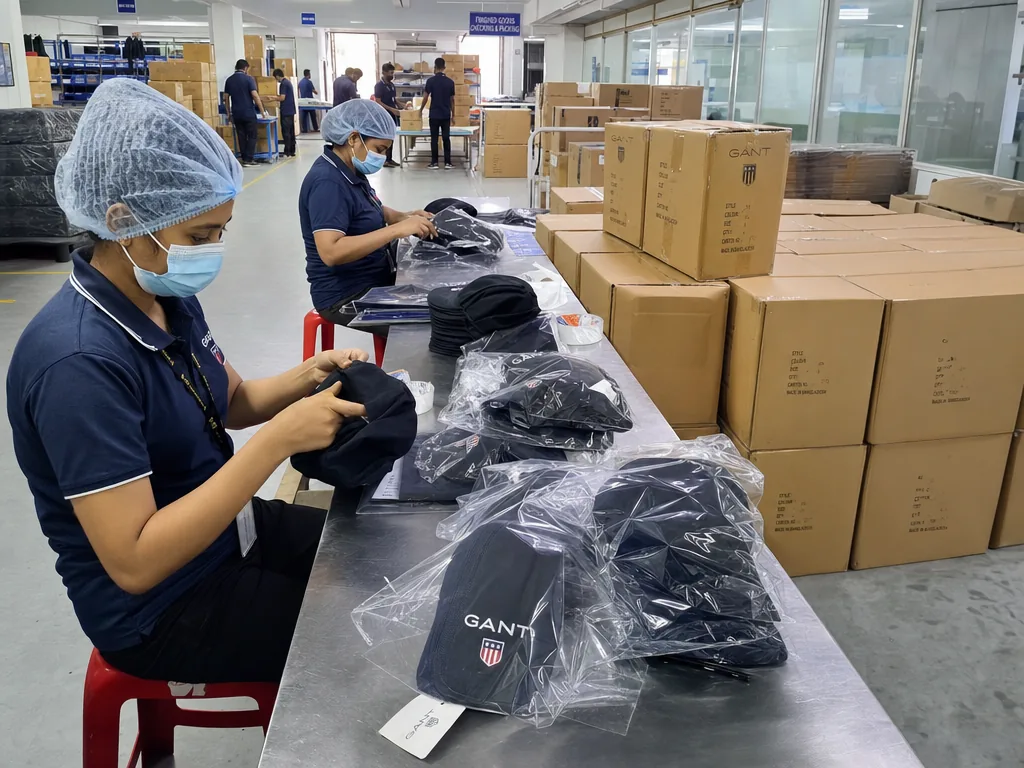
Cap Packaging Options: Retail-Ready, Hangtag, Polybag & Custom Boxes - Cost & MOQ Breakdown
Read article →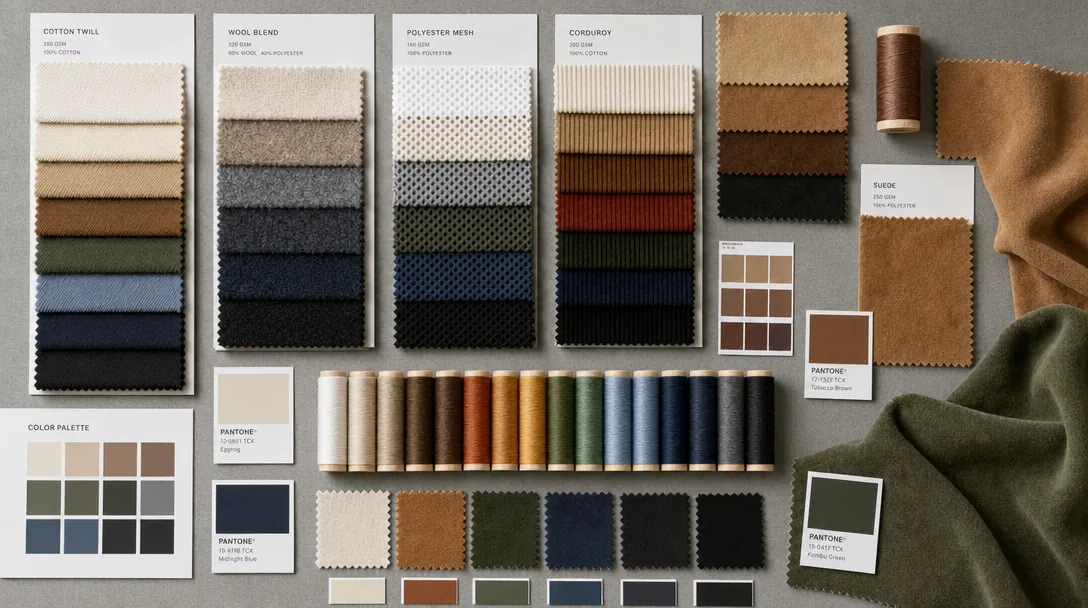
Camouflage Bucket Hat: Properties, Costs and How to Spec It Right - 2026 Buyer's Guide
Read article →If you are ready to take the next step on custom hat patch: when to use it, costs, and what to ask your factory - 2026 buyer's guide (2026 update), our team can put a tailored quotation and digital mock-up in your inbox within 24 hours. Send the inquiry form on our contact page or message us directly on WhatsApp.