Custom Hat Patch: When to Use It, Costs, and What to Ask Your Factory - 2026 Buyer's Guide - 2026 Buyer's Guide - Supplier Checklist
Every week, our sales team answers detailed questions about custom hat patch: when to use it, costs, and what to ask your factory - 2026 buyer's guide - 2026 buyer's guide - supplier checklist. We wrote this guide so that wholesalers, streetwear brands, corporate buyers and promotional resellers can compare options with full information, and avoid the traps that show up only after production has started.
Custom Logo Hats
Quote custom logo hats by decoration route first, because one flat JPG can become three different production jobs with three different risk profiles. A structured 6-panel cap in 280 gsm cotton twill with direct embroidery is usually straightforward on Tajima, Barudan, or ZSK heads once the file is digitized; most clean front logos land between 4,000 and 12,000 stitches. Above 15,000 stitches, I start watching for crown puckering, thread breaks, slower machine speed, and excessive backing that makes the front panel feel stiff. Small lettering under 4 mm high is another red flag, especially on brushed cotton or ripstop where the yarn texture eats detail.
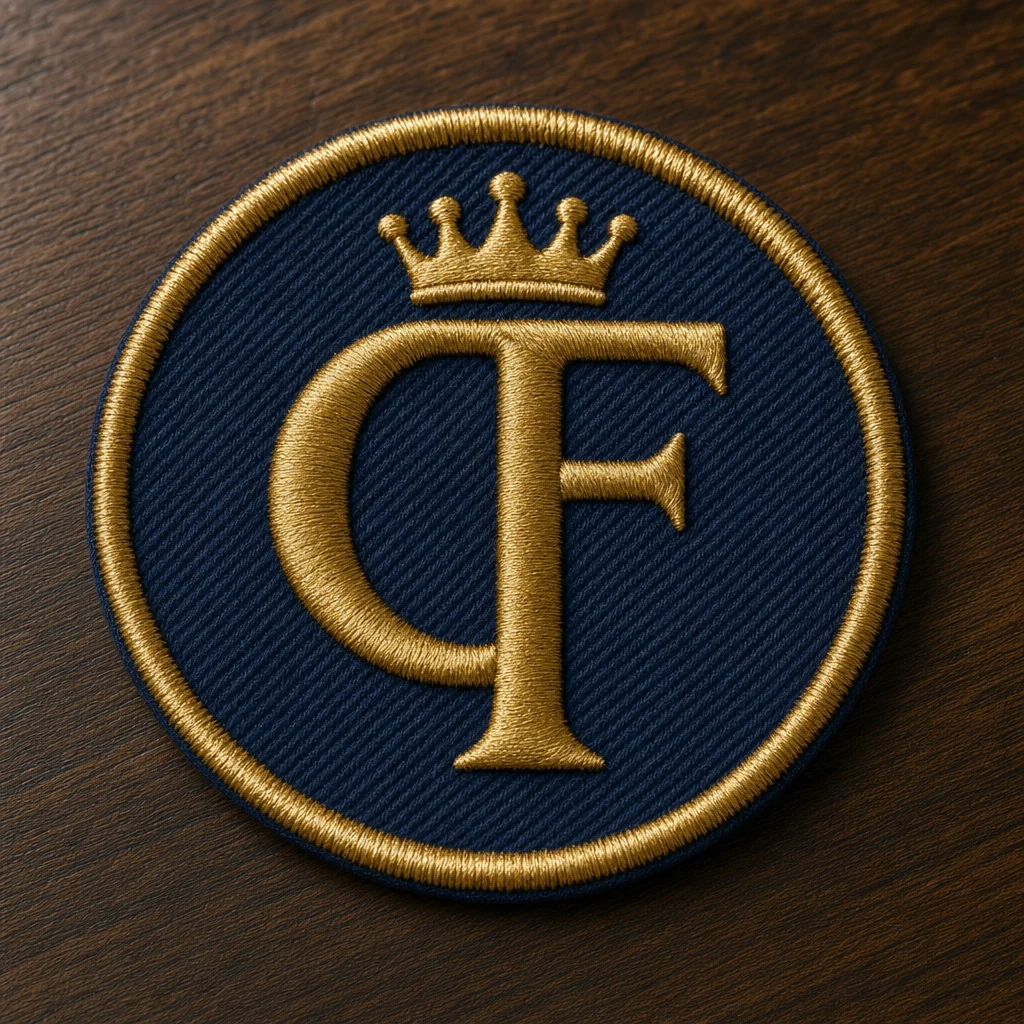
A custom hat patch is a separate component before it is a hat decoration, so specify it like a factory traveler, not a mood board. Woven, embroidered, PVC, molded rubber, leatherette, chenille, sublimated twill, and genuine leather patches all have different MOQs, edge behavior, and approval steps. List patch size in millimeters, border type, backing, attachment method, placement, and tolerance. Front-center patches can usually hold +/-2 mm on structured buckram caps; soft 5-panels and foam truckers are more honest at +/-3 mm because the crown moves under the presser foot or heat platen. Use Pantone TCX or TPX references and approve Delta-E under 1.5 for dyed fabric, under 2.0 for printed or sublimated patch substrates, against a physical swatch.
FOB China pricing for mid-grade custom patch hats usually sits around $3.20-$6.80 before hangtags, branded polybags, carton marks, or DDP freight; direct embroidery may start lower, while PVC molds, leather debossing dies, and chenille setups push cost up fast at small quantities. Normal MOQs are 100-300 pieces for direct embroidery, 300-500 for woven or embroidered patches, and 500-1,000 for PVC or rubber. Inspect bulk under AQL 2.5 major and AQL 4.0 minor for skew, glue bleed, loose edge stitch, crown puckering, needle cuts, frayed borders, scratchy inside knots, and lot-to-lot color drift. Heat-applied patches need a 24-hour peel test plus humidity or light-wash exposure; corner lift usually means short dwell time, weak platen pressure, contaminated fabric, or the wrong adhesive film for nylon, recycled polyester, or mesh. CrownsForge does not release bulk cutting until the cap body, patch, attachment, and logo position are approved together on one physical pre-production sample.
Custom Embroidered Patches
Embroidered patches are the most forgiving custom hat patch choice when the buyer wants raised thread texture, a varsity or motorcycle-club look, and the ability to reuse the same emblem across several cap bodies. A production-grade patch is typically stitched on 180-220 gsm polyester twill, cotton twill, felt, or microfiber suede using Tajima, Barudan, or ZSK multi-head embroidery machines, then backed with heat-seal film, nonwoven stabilizer, or hook-and-loop for removable programs. Merrowed borders work best on circles, shields, ovals, and rectangles above 45-50 mm. Irregular silhouettes, sharp corners, and thin script need laser-cut edges plus at least a 1.5 mm satin border; otherwise the edge will fuzz during abrasion testing or after a few wash cycles. A JPEG mockup is not enough for quoting. Send vector artwork, finished size in mm, Pantone TCX or Pantone Coated references, thread finish, backing type, edge construction, and callouts for gradients, faces, metallic thread, and lettering under 4 mm high.
Quote the patch and the cap separately because their minimums and bottlenecks are different. For one embroidered patch design sewn onto stock blanks, 100-300 pieces is realistic; for fully custom dyed, cut-and-sewn caps, expect 500-1,000 pieces because fabric dyeing, panel cutting, and sewing-line setup control the schedule. Digitizing normally costs $25-$60 per design, but dense mascot art, faux-3D fills, and small outlined lettering can take 2-3 hours of manual cleanup before a Tajima DST or Barudan file runs cleanly without thread breaks. At 300-1,000 pieces, a 55-75 mm embroidered patch usually lands around $0.35-$1.20 before attachment. Sewing adds $0.12-$0.35 per cap depending on crown stiffness, seam height, placement tolerance, and whether a curved positioning jig is needed. Heat press is faster, but I do not trust it on curved front panels unless the adhesive is tested on the exact shell fabric, such as 280 gsm cotton twill, polyester ripstop, nylon taslan, or brushed chino twill.
Most retail failures are tolerance problems, not obvious defects: border waviness over 1.5 mm, loose jump threads, puckering around dense fills, thread color drift above Delta-E 2.0 against the approved card, or a patch sitting 2-3 mm off center on the crown. Structured 6-panel caps are especially unforgiving because the front seam can push the patch sideways unless the operator clamps the crown on a curved jig and confirms the centerline before sewing. Our standard practice at CrownsForge is to approve one physical pre-production sample, then inspect bulk under AQL 2.5 for major defects and AQL 4.0 for minor cosmetic defects, with separate checks for adhesion, stitch density, edge fray, and placement. Use embroidered patches when durability, medium detail, and traditional branded texture matter. Choose woven patches for tiny text, PVC or silicone for waterproof outdoor programs, and leather or microfiber suede when a cleaner premium finish matters more than visible stitch depth.
Custom Hat with Patch
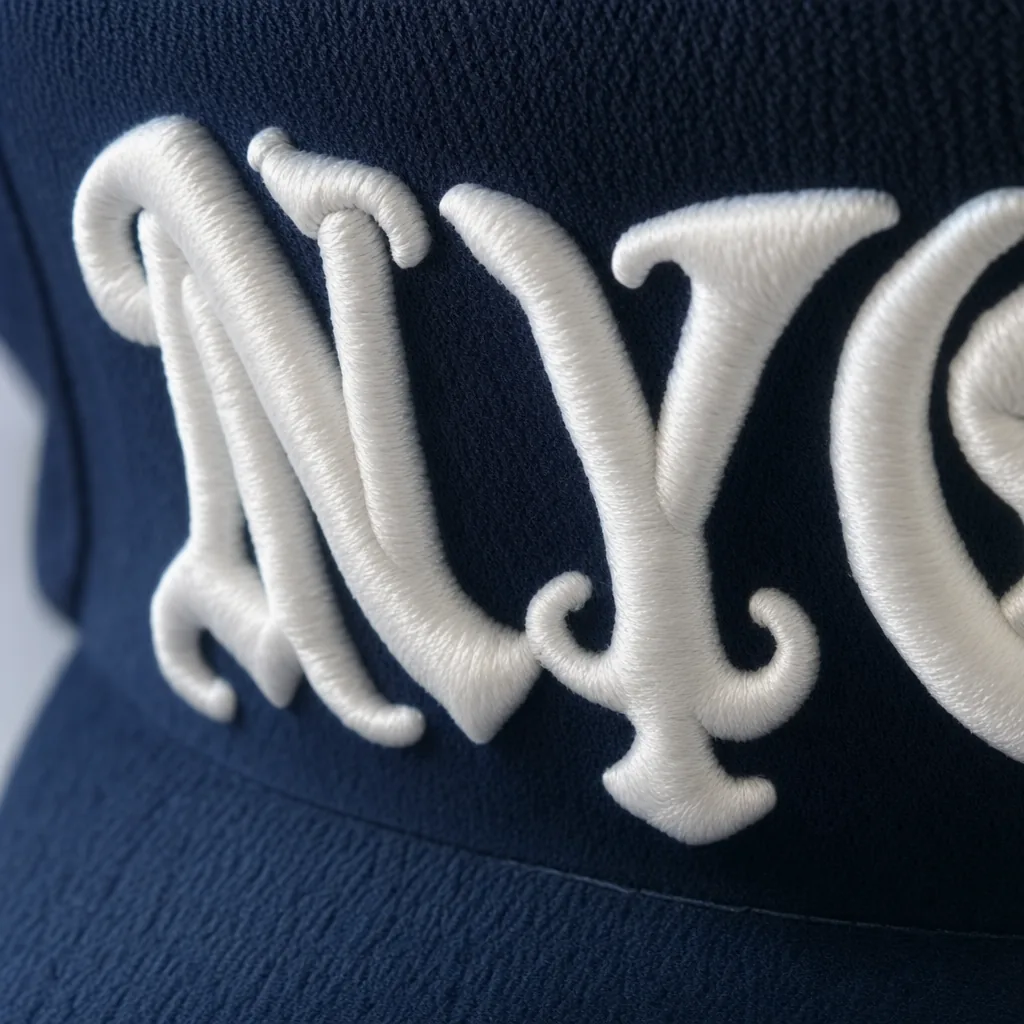
A custom hat patch is a separate engineered trim, not decoration added at the end. The cap body and the patch are made on different lines, so tolerance stacks up before the patch ever touches the curved crown: fabric shrinkage, buckram stiffness, patch thickness, edge finish, stitch tension, and final pressing all matter. Woven patches are best for tight artwork because polyester jacquard can hold roughly 0.35-0.45 mm line width and 4.5-5.0 mm letter height; below that, small text turns into noise after sewing. Embroidered patches, digitized for Tajima, Barudan, or ZSK heads, normally use 75D or 120D polyester thread on twill, felt, or canvas, but satin columns under about 1.2 mm tend to close up, fuzz, or distort after heat and pressure.
Match the patch construction to the crown, not just to the logo file. A 55 x 45 mm woven patch sits cleanly on a structured 6-panel trucker because buckram supports the stitching. The same size patch on an unstructured washed cotton dad cap can pull the front panel off grain unless the operator reduces thread tension and uses a wider stitch path. PU and leather patches are even less forgiving: 0.8-1.2 mm is the practical thickness range for most caps, while 1.5 mm starts to fight the crown curve. PVC and silicone need molds, sublimated twill needs color management, and debossed PU needs controlled heat dwell so the edge does not darken unevenly. A good custom hat patch is chosen for artwork detail, cap structure, wash process, hand feel, and target retail price, not because it looked good as a flat sample.
Do not request pricing until the custom hat patch is specified in production language. A usable brief includes patch width and height in millimeters, vector artwork, cut shape, border type, Pantone TCX or TPX references, base fabric, thread denier, backing, attachment method, stitch color, and placement tolerance. A real spec would read: 60 mm embroidered patch, merrowed edge, Pantone 19-4007 TCX black twill base, white 120D polyester thread, sewn with 301 lockstitch, centered on the front seam within ±2 mm and placed 3 mm above the visor seam with ±2 mm vertical tolerance. For 2026 costing, MOQ is typically 100-300 pieces per colorway with stock fabric and trims, but custom sweatbands, printed taping, dyed-to-match fabric, exclusive buckles, or special washes usually push orders to 500 pieces or more. At 500 pieces FOB China, plan about $2.80-$4.20 for a washed dad cap with a woven patch and $3.20-$5.20 for a structured trucker with an embroidered patch. PVC or silicone molds add about $45-$120 per design; leather emboss plates or cutting dies run $35-$90. Inspect finished caps at AQL 2.5, with separate checks for off-center placement, corner lift, glue bleed, warped merrow edges, loose loops, needle cuts, crown puckering, and Delta-E over 1.5-2.0 against the approved standard.
Custom Patch for Hat
A custom hat patch should be treated as its own BOM component, not as a vague “front logo” instruction. The factory has to make or source the patch, inspect it loose, then attach it to a curved crown without distortion, so the tech pack must define both the patch construction and the sewing method. Use a custom hat patch when direct embroidery cannot deliver the effect or legibility you need: 1.8–2.5 mm woven lettering, chenille varsity texture, molded PVC, rubber silicone, debossed leather, sublimated gradients, metallic thread, or high-density 3D texture. For woven patches, specify 50D or 75D polyester yarn, damask or taffeta ground, heat-cut, laser-cut, or merrowed edge, plus minimum readable letter height. Below about 1.8 mm, counters in A, R, B, and P often close even on a good damask loom. For embroidered patches, lock thread brand or equivalent, such as Madeira or Gunold, twill or felt base, backing weight in gsm, stitch density, and edge type: merrow, satin stitch, or laser cut. For PU and leather patches, define thickness, usually 0.8–1.5 mm for PU and 1.2–2.0 mm for genuine leather, plus grain, deboss depth, foil color, and approved swatch standard.
MOQ and unit cost depend more on the patch process than on the cap body. Woven and embroidered patches are workable at 100–300 pieces if the buyer accepts stock base fabric and standard thread colors. PVC and silicone usually start at 300–500 pieces because a mold must be opened; genuine leather can run at 100–200 pieces if stock black, brown, tan, navy, or gray hides are acceptable. Realistic 2026 FOB China adders are US$0.35–0.90 for woven patches, US$0.60–1.40 for embroidered patches, US$0.45–1.20 for PU leather, US$1.20–3.50 for genuine leather, and US$0.80–2.20 for PVC or silicone, excluding tooling. A flat PVC mold is commonly US$50–150; a deep 3D silicone mold with several color fills can reach US$180–350. Add US$0.10–0.35 per cap for placement marking, sewing labor, needle breakage risk, rejects, and extra QC. At CrownsForge, standard approval separates the loose custom hat patch from the sewn cap sample, because a patch that looks perfect on a table can still pucker on a structured crown.
Most custom hat patch failures happen during attachment or after the crown is shaped. Common defects include off-center placement, crown puckering, adhesive bleed, cracked PVC, uneven debossing, loose merrow threads, sharp molded edges, color drift, and small lettering that becomes unreadable once the cap is blocked. For a structured 6-panel cap, set front placement tolerance at ±2 mm from center and patch size tolerance at ±1 mm; looser standards are visible in PDP photos, team uniform shots, and retail QC. Use Pantone TCX for fabric, thread, and leather-like materials, Pantone C/U for printed or molded surfaces, and a realistic Delta-E limit of 2.0–3.0 depending on substrate and finish. Bulk inspection should follow ANSI/ASQ Z1.4 General Inspection Level II, with AQL 2.5 for major defects and AQL 4.0 for minor cosmetic issues. Define major defects before cutting bulk: wrong artwork, crooked patch, open stitch over 3 mm, exposed glue, cracked rubber, sharp PVC edge, color outside tolerance, or unreadable logo text. Before shipment, test approved samples with steam, dry rub, wet rub on dark fabric, and 20 hand-flex cycles across the crown.
Custom Patch Hat
A custom hat patch is not a decoration decision; it is a compatibility decision between a separate emblem line and a curved, tensioned crown. Embroidered patches on Tajima, Barudan, or ZSK heads use 75D/2 or 120D polyester thread, with merrowed, satin-stitched, laser-cut, or heat-cut edges. Woven patches are better for 2.5-4 mm lettering because the yarn sits flatter than embroidery. PVC and silicone need molds but hold repeatable raised detail; sublimated twill is the right call for gradients and photo effects; chenille works for varsity blocks, not fine logos; debossed leather should be skived to about 1.2-1.8 mm before application. I reject standard embroidery when text is under 4 mm high on a custom hat patch because fill stitches close up after steaming, carton compression, and wear. For structured cotton twill, canvas, and foam trucker fronts, perimeter stitching is still the safest attachment. Heat press alone is risky on brushed cotton, enzyme-washed fabric, water-repellent finishes, and high-curvature front panels.
No factory should quote a custom hat patch from a JPG and a cap photo. The tech pack must state finished patch size in millimeters, patch process, edge construction, Pantone TCX or TPX target, thread denier or material spec, backing type, adhesive if used, attachment method, stitch color, crown profile, front-panel fabric, buckram type, visor construction, closure, labels, and packing. Placement tolerance should be agreed before sampling: for most 5-panel and 6-panel caps, ±2 mm from center and ±3 mm vertically is realistic. Tighter tolerances sound professional on paper but create inspection arguments because twill, mesh, foam, and fused buckram relax differently after blocking and steaming. Our standard at CrownsForge is to approve the pre-production sample only with the final crown fabric, final patch, and final attachment method. A PVC or woven patch that lies flat on a table can flare at the corners once sewn onto a curved panel. Check merrow bulk, laser-cut edge sealing, leather skiving, adhesive coverage, and puckering around the stitch path before releasing bulk production.
MOQ and cost are usually driven by the patch, not the cap shell. Embroidered and woven patch hats can often start at 100-300 pieces per colorway if thread colors and backing are standard. PVC and silicone usually need 300-500 pieces because molds run about USD 80-180 per design, more for multi-level or oversized artwork. Genuine leather and metal patches make sense closer to 500 pieces unless the buyer accepts a high unit price and longer lead time. For 2026 FOB China, a 260-280 gsm cotton twill cap with an embroidered patch is typically USD 3.20-5.80 at 300 pieces; woven patch, USD 3.00-5.20; PVC patch, USD 4.20-7.50 plus mold; genuine leather, USD 4.80-8.50 depending on hide grade, thickness, deboss area, and attachment. Inspect under AQL 2.5 for major defects: crooked placement, lifted edges, glue bleed, cracked PVC, loose merrow yarn, stitch puckering, Delta-E above 2.0 against the approved standard, and distorted crown shape. The best custom hat patch is the one that survives sewing tension, freight compression, retail handling, and margin pressure.
Custom Patch Hats
Patch choice usually moves the quote more than the cap body. On a 5-panel camper, unstructured dad cap, foam trucker, or nylon rope cap, switching from 10 oz cotton twill to washed cotton or 210D nylon may change FOB by only $0.20–$0.70, while the custom hat patch can add $0.45–$3.50 per unit before tooling. Woven and embroidered patches are the safest low-MOQ choices: 100–300 pieces is realistic, and a 50–70 mm front patch normally adds $0.45–$1.20 depending on stitch density, merrowed border, laser-cut edge, twill backing, and sewn versus heat-pressed application. Chenille is wrong for small sponsor text; keep borders above 3 mm, avoid letters under 5 mm tall, and budget $1.20–$2.80 per cap. Genuine leather or suede runs $1.50–$3.50 based on hide grade, deboss depth, edge paint, and color sorting. PVC needs a mold, commonly $45–$120 per design, plus $0.80–$2.20 per patch; confirm whether that mold covers only one size, thickness, and colorway.
For China production, finished custom patch hats usually quote around $3.20–$7.50 FOB Ningbo or Shanghai at 300–1,000 pieces, using 10–12 oz cotton twill, washed cotton, polyester trucker mesh, or 160–220 gsm nylon. Domestic decoration can be justified for a 7-day event deadline, but after blank caps, separate patch production, application labor, spoilage, and inland freight, the same hat often lands two to four times higher. The failures are rarely visible on the quotation sheet: leather patches can tear an unstructured front panel unless backing tape is added; PVC above 60 mm feels heavy on thin nylon; heat-pressed woven patches can bubble on DWR-coated fabric or crowns with enzyme-wash residue. Our standard practice at CrownsForge is to lock Pantone TCX or Pantone Coated references, keep patch size tolerance at ±1.5 mm, hold placement within 2–3 mm of center, and approve the pre-production sample on the actual crown shape before bulk cutting.
Inspect the finished hat after the patch has relaxed on the curved crown, not only while it is flat on the sewing table. Use AQL 2.5 for major defects and define them before production: crooked placement over 3 mm, bubbling or lifting after a 24-hour rest, glue bleed, loose merrow threads, broken satin stitches, visible bobbin thread inside the crown, needle scarring around leather, front-panel puckering, and chenille pile crushed by packing. For sewn patches, check stitch length and thread tension; Tajima, Barudan, and ZSK heads can all produce clean work, but poor tension control creates wavy borders and oval logos. For adhesive-backed PVC or heat-transfer woven patches, require peel testing, dry/wet crocking, and a wash test if the cap is for golf, outdoor, school, or uniform use. Licensed sports, corporate resale, and university buyers should also ask for sedex-audit-cap-supplier-guide.html">BSCI 2.0 or Sedex SMETA 4-Pillar records, mold ownership terms, rejected patch destruction, and disposal rules for leftover branded components before paying the deposit.
Working with CrownsForge for custom hat patch programs
For a custom hat patch program, lock the construction before you argue over FOB cents. A 2.5 mm molded PVC patch on a foam-front 5-panel trucker creates crown pull and stitch-tension issues that do not exist with a 0.6 mm woven patch on 12 oz cotton canvas; oil-tanned leather behaves differently again after perforation, edge skiving, and a 40°C wash test. A realistic development calendar is 3–5 working days for artwork cleanup and digitizing review, 5–7 days for a patch strike-off, then 10–14 days for a finished PP cap once fabric, closure, visor board, sweatband, and cap block are confirmed. Send AI/EPS vector art, patch dimensions in millimeters, Pantone TCX/TPX or thread references, border type, backing method, and placement measured from the center seam or visor edge. Approve the patch and cap body separately before combining them; that simple sequence prevents losing two weeks when a merrow border hits a front seam, heat-transfer backing lifts, or leather puckers on 160 gsm washed twill.
MOQ and price should follow the patch process, not a vague promise to “try small.” Embroidered and woven patches are normally practical at 100–300 pieces per design; molded PVC, silicone, and debossed leather usually make sense at 300–500 pieces because molds, cutting dies, color mixing, and start-up scrap become expensive below that range. In our factory practice at CrownsForge, Tajima and Barudan heads handle embroidered patches and direct cap details, while patch sewing, heat pressing, crown blocking, thread trimming, and final QC run under the same production schedule. For 2026 costing, a custom hat patch usually adds US$0.35–US$1.20 for woven or embroidered patches, US$0.80–US$2.00 for PVC or silicone, and US$1.20–US$3.50 for leather, depending on thickness, backing, border, stitch-down pattern, and volume. Cheap quotes fail in predictable places: frayed edges, EVA backing curl, adhesive overflow, crooked placement, or color drift beyond Delta-E 2.0 against the approved lab dip.
Run the order from a signed spec sheet, not WeChat screenshots. The document should list crown style, fabric composition and gsm, closure, visor board material, sweatband, patch size, placement tolerance, Pantone or Madeira/Isacord thread codes, backing method, needle gauge, stitch density, carton marks, polybag rules, and approved sample photos. Retail and licensed programs may also need BSCI 2.0 or Sedex SMETA 4-Pillar records, azo-free dye declarations, nickel-free buckle statements, and leather or PU material declarations for EU import files. During bulk production, the useful checkpoints are patch placement within ±2 mm, stitch tension, edge lift, border cleanliness, adhesive bleed, shade consistency, and final inspection at AQL 2.5 major / 4.0 minor unless your retailer requires tighter limits. The clean milestone sequence is artwork approval, patch strike-off, PP cap sample, bulk material release, inline inspection at 20–30% completion, final QC, then FOB Ningbo/Shanghai or DDP shipment with carton-level packing photos before loading.
Frequently Asked Questions
How long does production take?
Sampling takes 7 to 12 days. Bulk production runs 20 to 30 days depending on quantity, fabric availability and decoration complexity. Inspection and packing adds another 3 to 5 days before shipment.
Do you support sustainability certifications?
Yes. We work with GOTS organic cotton, GRS-certified recycled polyester, OEKO-TEX Standard 100 fabrics, and are BSCI and Sedex audited. Certification documentation can be provided per order.
What file format should I send for my logo?
Vector files (AI, EPS, PDF) are ideal. High-resolution PNG or JPG at 300 dpi on transparent background works as a fallback. Provide Pantone color references for accurate reproduction.
What is the minimum order quantity (MOQ) for custom hats?
Our standard MOQ is 100 pieces per design and color, with sampling available from 1 piece. For complex multi-color logos or premium fabric upgrades, the MOQ can be lowered with a small per-piece surcharge.
Can I order a sample before bulk production?
Yes. We strongly recommend approving a pre-production sample before mass production. Samples are charged at 35 to 60 USD each plus express shipping, fully refundable against confirmed bulk orders over 500 pieces.
How does ordering custom leather patch trucker hat work?
When evaluating custom leather patch trucker hat, the key considerations are construction quality, decoration capability, MOQ flexibility and lead time. Cover everything buyers ask about custom logo hats: how it's manufactured, what specs to request from a factory, typical MOQ and pricing, common quality issues to inspect for, and how this ties back to the broader custom hat patch sourcing decision. Cover everything buyers ask about custom embroidered patches: how it's manufactured, what specs to request from a factory,…
What's the MOQ for custom leather patch hats no minimum?
When evaluating custom leather patch hats no minimum, the key considerations are construction quality, decoration capability, MOQ flexibility and lead time. Cover everything buyers ask about custom logo hats: how it's manufactured, what specs to request from a factory, typical MOQ and pricing, common quality issues to inspect for, and how this ties back to the broader custom hat patch sourcing decision. Cover everything buyers ask about custom patch hats: how it's manufactured, what specs to request from a factory, typical MOQ…
How does ordering custom embroidered trucker hats work?
When evaluating custom embroidered trucker hats, the key considerations are construction quality, decoration capability, MOQ flexibility and lead time. Cover everything buyers ask about custom logo hats: how it's manufactured, what specs to request from a factory, typical MOQ and pricing, common quality issues to inspect for, and how this ties back to the broader custom hat patch sourcing decision. Cover everything buyers ask about custom embroidered patches: how it's manufactured, what specs to request from a factory,…
How does ordering custom baseball hats with logo work?
When evaluating custom baseball hats with logo, the key considerations are construction quality, decoration capability, MOQ flexibility and lead time. Cover everything buyers ask about custom logo hats: how it's manufactured, what specs to request from a factory, typical MOQ and pricing, common quality issues to inspect for, and how this ties back to the broader custom hat patch sourcing decision. Cover everything buyers ask about custom patch hats: how it's manufactured, what specs to request from a factory, typical MOQ…
Looking for a reliable hat manufacturer in China?
CrownsForge has produced custom hats for 800+ brands across 40 countries. From 100-piece launches to 100,000-piece retail programs, we deliver on time and on spec.
Get in touchRelated guides
Custom Leather Patch Hat Low Minimum: A 2026 B2B Sourcing Guide
Read article →
Mens Beanies: Properties, Costs and How to Spec It Right
Read article →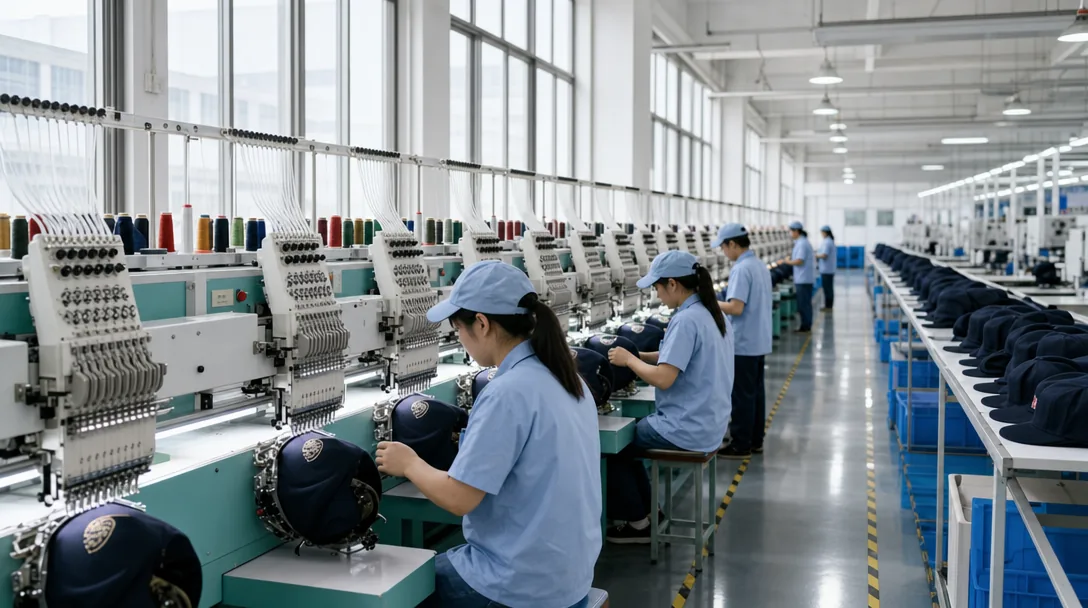
Bulk Trucker Hats Export Shipping Checklist for Custom Hat Buyers - Cost & MOQ Breakdown - Supplier Checklist
Read article →We hope this guide demystifies custom hat patch: when to use it, costs, and what to ask your factory - 2026 buyer's guide - 2026 buyer's guide - supplier checklist and helps you move forward with confidence. If you have questions specific to your project, our English-speaking sales engineers are one message away.