
Custom Hat Patch: When to Use It, Costs, and What to Ask Your Factory - 2026 Buyer's Guide - 2026 Buyer's Guide - 2026 Buyer's Guide
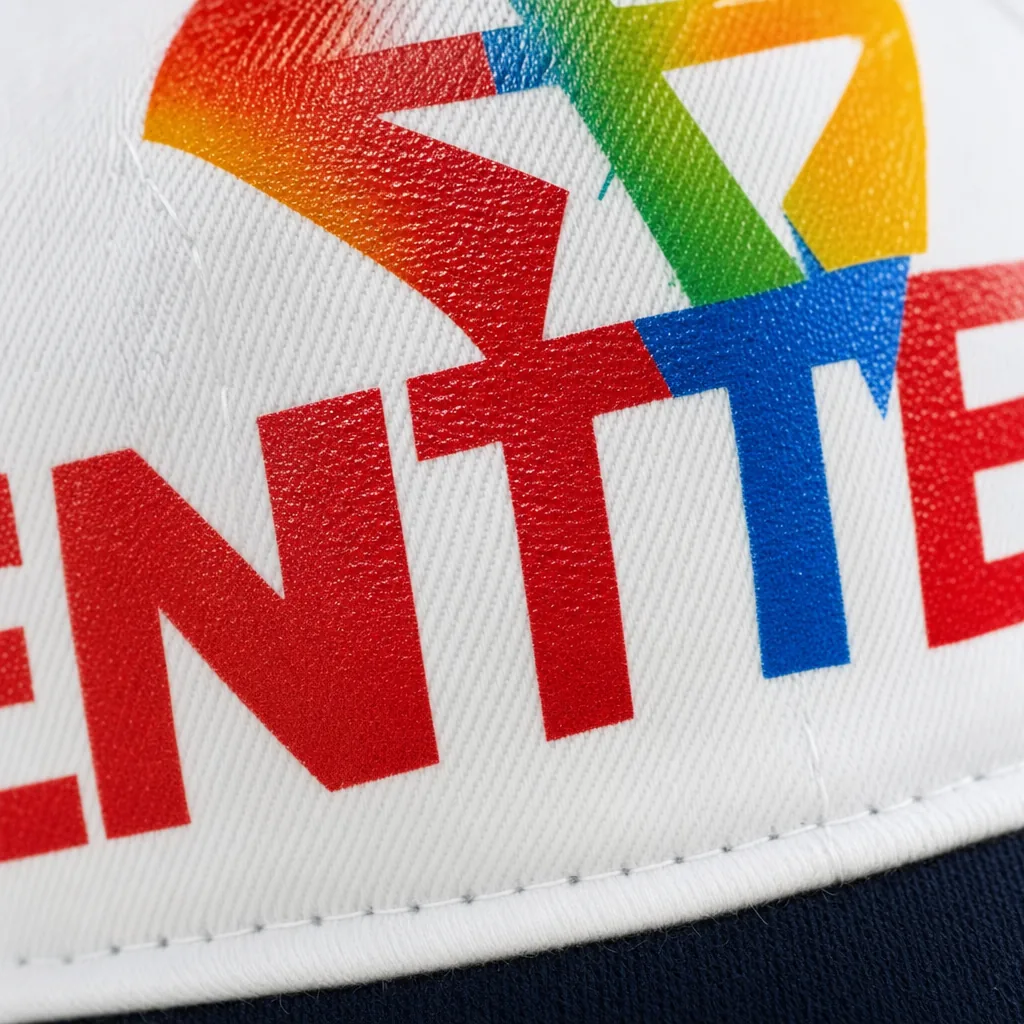
For brand owners, wholesalers and procurement teams entering the custom headwear category, custom hat patch: when to use it, costs, and what to ask your factory - 2026 buyer's guide - 2026 buyer's guide - 2026 buyer's guide is one of the highest-leverage decisions you will make. Get it right and your unit economics, retail story and reorder cycle all improve. Get it wrong and you carry the cost for years.
Custom Logo Hats
Choose decoration by logo geometry, not personal taste. If the artwork has serif text, counters under 0.8 mm, halftones, gradients, or a mascot face smaller than roughly 35 mm wide, a custom hat patch will usually hold detail better than direct embroidery on a structured front. On Tajima or Barudan heads, narrow satin columns and tiny fills start to sink into buckram and close up, especially on 6-panel acrylic-wool snapbacks and foam truckers. Woven patches are the safest option for small copy and clean outlines; embroidered patches give better relief but need heavier strokes; TPU or molded silicone works on 150D to 300D performance polyester where you want a sealed, modern surface; full-grain leather and PU belong on lifestyle caps, not high-sweat team headwear. The cap body matters just as much as the patch: a 240 gsm brushed cotton twill dad cap, a 5-panel foam trucker, and an 80/20 acrylic-wool crown all react differently to heat, needle penetration, and perimeter stitching.
Bad samples usually come from vague specs, not bad factories. Do not ask for a “premium” cap; specify crown height, profile, visor curve, fabric gsm, closure type, sweatband composition, patch size in mm, edge finish, backing, and attachment method. A merrow-edge woven patch sewn on a single-needle machine behaves very differently from a laser-cut patch tacked by heat press and locked with a satin border. Lock color standards early as well: Pantone Coated for printed patch elements, Pantone TCX for dyed textiles, and a tolerance target such as Delta-E below 1.5 on the body fabric and below 2.0 on the patch face. On price, a stock-material twill cap with a sewn woven custom hat patch usually lands around $2.20 to $3.40 FOB China at 300 pieces; an acrylic-wool snapback with custom inside taping and leather patch is more often $4.80 to $7.50 FOB. Most factories quote 144 to 300 pieces per colorway on standard materials, while molded TPU, custom-dyed fabric, or leather patches typically push MOQ to 500+, with $80 to $250 in mold or die charges.
Returns on patch hats usually come from attachment failure and placement drift, not from the art file. Treat the patch area as its own inspection point: centering within +/-2 mm from the crown centerline, top edge level, no puckering from excess hoop tension, and no edge lift after a 24-hour adhesive cure. On light cotton, check for glue bleed and stitch strike-through; on leather or PU, run dry-rub and flex tests to catch top-coat cracking before shipment. If the patch is sewn over buckram-backed fronts, inspect thicker corners for skipped stitches where operators tend to force-feed the panel. AQL 2.5 is the right final standard for most orders, but only if the defect list is explicit: visor symmetry, snap function, sweatband joins, loose threads over 3 mm, carton compression, and brim deformation after packing. Our standard practice is to add transit simulation for patch curl, because a hat can pass inline inspection and still arrive after a two-week ocean leg with lifted edges or a warped front.
Custom Embroidered Patches
Embroidered patches are the safest custom hat patch choice when the logo has bold outlines, medium detail, and has to sit cleanly on unstable surfaces like 8-wale corduroy, washed canvas, brushed cotton twill, or 3 mm foam trucker fronts. The patch itself is usually run on 210-300 gsm polyester twill, wool-blend felt, or poly drill on Tajima, Barudan, or ZSK multi-head machines, then finished with a merrow edge for simple shapes or hot-knife/laser cut for sharp corners and internal voids. The spec needs to be locked before sampling: finished size in mm, base fabric and gsm, merrow width, thread type, backing, attachment method, and color callout in Pantone TCX or Pantone Solid Coated. If you leave those open, the factory will substitute whatever 250 gsm twill, 120D rayon, or stock merrow yarn is on hand, and your repeat order will shift even if the artwork file never changes. Most failures start in digitizing, not sewing. On a 55 mm patch, text below about 4 mm cap height or strokes under 1.2 mm usually closes up once satin columns, edge-run underlay, and pull compensation stack together; that problem gets worse on high-coverage fills or soft felt bases. Ask for a full-scale sew-out, not a screenshot from Wilcom or Pulse, and confirm whether small letters will be manually digitized instead of auto-processed. Attachment matters just as much as embroidery quality: heat seal alone is unreliable on curved 5-panel foam truckers and heavily washed caps, while perimeter stitch or tack-down survives freight compression and wash better. At CrownsForge, cap pressing for patch bonding typically runs 145-155°C with a 24-hour bond check, because chasing adhesion with extra heat can warp EVA-backed fronts and leave a shiny press mark on dark twill.
Cost is driven more by stitch count, border construction, and application labor than by the patch blank itself. In China, MOQ for a custom hat patch program is commonly 144-300 pcs per colorway, though stock cap bodies with simple patch application can sometimes start at 72-100 pcs if the twill base and thread shades are already in-house. As a working number, a basic 2.25 inch twill patch with merrow edge usually costs about $0.18-$0.40 at 1,000 pcs; laser-cut irregular shapes with high stitch coverage, heat backing, and tighter trimming are more often $0.55-$1.00. Once applied to a hat, the realistic upcharge over a blank cap is about $0.35-$1.50 depending on whether the patch is pressed before crown assembly, perimeter-sewn on a flat panel, or stitched onto a finished crown by hand-guided operation. That last method is the slowest and where placement drift starts showing up. Treat inspection as finished-goods control, not patch-only approval. The repeat defects are exposed bobbin on satin borders, merrow thickness variation, laser scorch on light grounds, jump-stitch residue in small text, and patch placement drifting 3-5 mm off center. For a finished custom hat patch order, set AQL 2.5 with measurable tolerances: patch size ±1.5 mm, crown placement ±2 mm, no loose trims over 3 mm, and color approval under D65 light with an agreed Delta-E threshold if shade consistency matters across reorders. Metallic thread, optic white merrow, and black felt need extra scrutiny for crocking, lint pickup, and edge fray. Also ask whether the patch supplier and cap assembler are the same factory or subcontracted, because every handoff increases the odds of mixed borders, thread shade drift, and missed ex-factory dates.
Custom Hat with Patch
A custom hat patch only works when the patch construction and the cap body are specified together. Patch type drives both appearance and reject rate. For 100-500 pcs, embroidered patches are usually the lowest-risk option because they forgive small crown variation and sew cleanly onto most 6-panel cotton twill caps; in China, a standard 65 x 45 mm piece typically lands around $0.28-$0.65. Woven patches are better when text falls below 3 mm cap height or line weight drops under 0.8 mm, with unit cost more often $0.22-$0.48 at standard density. PVC gives crisp molded relief and strong weather resistance, but buyers should budget an $80-$150 mold charge before unit cost of roughly $0.55-$1.20 depending on thickness, color count, and whether the patch is stitched down after molding. Leather and PU patches usually run $0.60-$1.50 and need tighter press control to avoid edge curl, glazing, or scorch marks. Cap fabric changes the result more than most buyers expect. A 70 x 50 mm patch on 280 gsm brushed cotton twill behaves nothing like the same patch on a 150 gsm polyester running cap or a foam-front trucker. Unstructured dad caps will pucker if the backing is too rigid; low-profile crowns distort when a 3-4 mm PVC badge is placed too high; and any patch bridging the front seam needs enough flexibility or it will tent at the center. In production, the safest working size for a custom hat patch is usually 50-75 mm wide, with a merrow border around 2.5-3.5 mm or a laser-cut edge for tighter artwork. If the same patch is supposed to run across 5-panel campers, truckers, and fitted styles, that should be proven on PP samples, not assumed from a flat logo file.
A usable quote starts with a complete patch spec, not just artwork. Buyers should lock down material, finished size tolerance, edge finish, backing type, attachment method, Pantone reference system, and placement tolerance from center front before asking for pricing. On blank front panels, +/-2 mm placement is realistic; anything looser is visible immediately at retail. For embroidered patches, ask for stitch count range, thread spec such as 120D/2 polyester or rayon, backing weight, and which machines will run the job—Tajima, Barudan, and ZSK heads do not produce identical satin border coverage when digitizing is weak. For woven patches, request denier and weave density. For PVC, confirm thickness in mm, Shore hardness, glue type, and whether the custom hat patch is sewn after molding or only heat applied. The failure points are predictable enough to write directly into the PO: crooked placement, perimeter stitch skips, bubbling after heat press, panel puckering from over-tight sewing tension, and thread shade drift beyond Delta-E 1.5 against the approved lab dip or strike-off. AQL 2.5 is fine for final inspection, but patch centering and bond strength should be checked in-line because random final sampling will not catch setup drift early enough. Our standard practice is a physical PP sample, placement photos with a ruler reference, and flex testing on heat-applied units for 20-30 bends to expose edge lift before bulk packing. MOQ is usually 100-144 pcs per colorway, but most real cost improvement shows up at 300 and 500 pcs, especially when one custom hat patch can be shared across several cap bodies.
Custom Patch for Hat
A custom hat patch is not a single decoration method; it is a choice between constructions that behave very differently on a finished cap. The main options are embroidered twill, woven damask, molded PVC or TPR, dye-sublimated print, and genuine or PU leather, and the correct one depends first on artwork detail and second on crown shape. If your logo includes text under 4 mm cap height, thin serifs, or tight negative space, woven damask is usually the safer call because 50D-75D yarn holds cleaner edges than a 0.35 mm satin stitch running on Tajima, Barudan, or ZSK heads. For trucker caps and structured 5-panels, a merrowed or laser-cut embroidered patch gives the raised badge look buyers expect; for golf, uniform, and workwear programs, flat woven, TPU, or debossed leather sits flatter, packs better, and puts less stress on the front panel.
Attachment is where many custom hat patch programs go wrong, because the patch is made first and then applied in a second operation. That means you need two approvals: the patch strike-off and the finished-cap PPS. Your tech pack should lock the patch size in millimeters, border type, backing, stitch direction if embroidered, attachment method, Pantone TCX references, and acceptable color tolerance; for brand-sensitive shades, Delta-E under 1.5 is a reasonable target. Placement must also be defined by panel and seam relationship, not just by a center-front photo. On a structured crown, front-center placement should stay within +/-2 mm, and on multi-panel crowns the factory should confirm whether the patch bridges the seam or clears it by a fixed distance. Our standard practice is sewn attachment for anything expected to survive carton compression, wash testing, and container heat, because heat-press-only application tends to lift first at the corners on curved fronts.
Cost is driven more by patch construction and attachment labor than by the cap body itself. As a realistic 2026 China benchmark, embroidered and woven patches usually work from 100-144 pieces per design, while PVC and embossed leather normally need 300-500 pieces because mold and die charges have to be amortized. At 500 pieces, a sewn embroidered patch typically adds about $0.22-$0.55 per cap, woven $0.18-$0.40, molded PVC $0.45-$0.90, and real leather $0.60-$1.20, depending on patch size, stitch count, leather origin, edge finish, and whether application is single-needle sew, zigzag tack, or heat press plus stitch. Separate setup costs are normal: digitizing runs $20-$50, a laser die $35-$80, and a PVC mold $80-$180. The common failures are not dramatic; they are the kind that make a retail program look sloppy: off-center placement, merrow fray, skipped stitches, puckering on buckram fronts, glue bleed, and shade drift between the patch lot and the cap lot. Write inspection standards into the PO: AQL 2.5 for general defects, tighter visual placement criteria for licensed programs, plus pull tests on adhesion and crocking checks on dark leather or dyed twill. sedex-audit-cap-supplier-guide.html">BSCI 2.0 and Sedex SMETA 4-Pillar help with factory discipline, but they do not replace patch-line control.
Custom Patch Hat
A custom hat patch is a fit problem before it is a graphics problem. The patch has to match the crown architecture, or the cap will look wrong even if the artwork is clean. Woven patches are usually the safest choice for fine typography because they can hold about 0.8-1.0 mm line detail and cleaner negative space than direct embroidery on a 6-panel front. Molded PVC, typically 2.0-2.5 mm thick, gives more depth and better retail visibility, but it also creates edge memory and stiffness that fight against washed chino, brushed cotton dad caps, and other low-profile unstructured bodies. On foam truckers and buckram-backed structured crowns, that same PVC patch sits flatter and reads more intentional. Chenille, felt applique, microfiber suede, sublimated twill, and debossed leather all work, but each has a predictable failure mode: chenille pile inconsistency, felt edge fuzzing, sublimation ghosting, suede nap crush, or heat shadow on light fabrics.
Attachment method is where many custom hat patch programs go off-spec. Sewing a patch during crown assembly gives the best placement control because the panel is still flat, while secondary application on finished caps is more flexible for mixed SKUs but easier to misalign. Without a fixed metal jig or laser guide, 2-4 mm left-right deviation is common, and on flat-front streetwear caps that is an instant reject. The quote should therefore read like a spec sheet: patch size in mm, base material, border finish, backing, attachment method, Pantone reference, cap fabric weight, crown profile, and tolerance for placement and color. If it is woven, ask whether the edge is laser-cut, merrowed, or heat-cut; if it is leather-look, define genuine leather, PU, or washable microfiber because they age differently under heat press. Our standard practice is to test front-panel distortion before bulk, especially when embroidered patches run on Tajima or Barudan heads at aggressive stitch density on 210-230 gsm brushed cotton, where puckering shows up fast on unstructured caps.
Cost is driven more by patch construction and labor than by the hat shell. At 300 pieces, a basic cotton twill cap with a woven or embroidered custom hat patch typically lands around $2.20-$3.80 FOB China if placement is standard and the patch is single-layer. Once you move into molded PVC, multilayer applique, chenille, microfiber suede, or metal badges, the range usually climbs to $4.50-$7.00 FOB because of tooling, slower sewing speed, and higher reject rates. Practical MOQ is often 100-144 pieces per colorway for stock-style woven or embroidered patches, but custom PVC, debossed leather, and chenille generally need 300-500 pieces to absorb mold, die, or setup cost. For QC, set measurable limits instead of vague language: front placement within +/-1.5 mm, no edge lifting after a 60-second manual peel test, color variance within Delta-E 1.5-2.0 to approved standard, and AQL 2.5 final inspection at minimum. Premium retail orders should also add inline checks before buttoning and packing, because patch skew is cheaper to catch at sewing than at carton audit.
Custom Patch Hats
Use a custom hat patch when direct embroidery will break down: small text under 3 mm cap height, fine negative space, metallic effects, or a badge look that needs cleaner edges than a satin stitch can hold. The patch type should match the hat body, not just the artwork. Woven patches handle detail best; embroidered twill gives more texture but loses sharpness on fine lines; molded PVC adds depth but can feel heavy on soft crowns; genuine leather, nubuck, and PU work for deboss or laser mark but need careful edge treatment. On structured 6-panel caps and foam truckers, stitch-down is still the reliable attachment method. Heat-only film looks acceptable on a flat strike-off, then starts releasing at the center seam after container temperatures push past 50°C. On unstructured dad hats, keep total patch build under about 1.2 mm and avoid oversized badges, or the front panel will tunnel over the 100 to 120 mm crown arc and lose its shape.
Most factories leave the patch specification too loose, and that is where buyers get burned. A proper custom hat patch spec should call out finished size in mm, edge finish, total thickness, backing, weave density or stitch count, Pantone TCX reference, and placement tolerance of ±2 mm from center front. For woven patches, ask for yarn denier and color tolerance; on navy, forest, and black, I would hold Delta-E below 1.5 against the approved lab dip because lot-to-lot drift is common. Also confirm whether the patch is made in-house or subcontracted. Outsourced patch supply usually adds 3 to 7 days and creates familiar problems: merrow width variation, black tones that do not match the shell fabric, and uneven adhesive film.
Cost is driven more by patch construction and attachment labor than by the cap shell itself. In China, realistic MOQs are usually 144 to 300 pieces per colorway for woven or embroidered patches, while molded PVC and genuine leather programs often start at 300 to 500 units because die and mold costs need to be spread. Current FOB pricing for a brushed-cotton 6-panel with a 2.25 inch patch is typically $2.10 to $3.40 at 300 to 500 units; a foam trucker with woven patch is more often $2.60 to $4.20; real leather with deboss or laser mark and stitch-down usually lands at $3.80 to $6.50 depending on hide grade and edge finish. The expensive failures show up in QC, not on the quote sheet: inspect to AQL 2.5 for placement, puckering, edge lift, adhesive bleed, logo legibility at one arm’s length, and carton-compression damage on raised patches. Our standard practice is patch approval first, then a mounted pre-production sample on the actual hat body before bulk release.
Working with CrownsForge for custom hat patch programs
Most custom hat patch programs fail at the handoff points, not at the quoted FOB. If patch development, cap sewing, and ex-factory booking sit with different vendors, you lose days on every approval and usually discover fit or adhesion problems after bulk cutting. The cleaner model is one controlled workflow with hard gates: artwork review in 24-48 hours, digital mockup in 1 business day, patch strike-off in 3-5 days, and a sewn cap sample in 7-12 days when shell fabric is in stock. That timeline is realistic for standard 6-panel builds in 240-280 gsm cotton twill or 270 gsm brushed chino; it stretches quickly on melton wool blends, 70D ripstop, taslon, or coated nylon because pressing temperature, needle marks, and panel distortion have to be tested first. MOQ should follow construction economics, not a sales deck. For woven or embroidered custom hat patch styles on common baseball caps, 144 pcs is workable. For PVC, debossed leather, chenille, or any patch needing a mold, die, or dyed ground, 300-500 pcs is where unit cost starts to normalize. Below that, the patch often costs more than the cap body: woven patch $0.28-$0.55, embroidered $0.40-$0.90, chenille $0.90-$1.80, plus PVC mold charges around $80-$150 per design.
Patch type has to match crown structure, or you will fight puckering, panel collapse, and press shine through the whole run. Woven damask is the right choice when text drops under about 3 mm cap height; embroidery reads better on bold artwork and tolerates abrasion on workwear; PVC gives strong relief and wash resistance but can feel too heavy on unstructured 5-panels. Attachment method is a production decision, not a styling note. Sew-on is slower but safer on corduroy, brushed cotton, and buckram-backed fronts. Heat-applied patches are fine on stable twill and polyester blends, but they can telegraph through lightweight nylon or taslon if the adhesive film is too aggressive or the press dwell goes too long. Our standard practice is to control patch attachment and embroidery in the same production flow on Tajima and Barudan multi-heads, then verify placement before finishing rather than catching skew at final audit. A good tech pack should lock Pantone TCX references, weave density or stitch count, merrow or laser edge, backing spec, placement tolerance, closure code, and approved strike-off date. Final inspection at AQL 2.5 is standard, but the real protection comes earlier: inline checks on patch color and position, realistic tolerances of +/-0.5 cm on visible placement, Delta-E 1.5-2.0 targets on woven or printed areas, and current BSCI 2.0 or Sedex SMETA 4-Pillar records so the same custom hat patch program can scale from 300 pcs to 30,000 without second-lot surprises.
Frequently Asked Questions
What file format should I send for my logo?
Vector files (AI, EPS, PDF) are ideal. High-resolution PNG or JPG at 300 dpi on transparent background works as a fallback. Provide Pantone color references for accurate reproduction.
What logo decoration techniques do you offer?
3D puff embroidery, flat embroidery, woven patch, leather patch, PVC patch, screen printing, sublimation, applique and laser etching, all in-house with no subcontracting.
Which shipping methods do you support?
We support FOB, CIF and DDP shipping. Air express for samples and small orders, sea LCL for 100 to 500 pieces, sea FCL for 5,000+ pieces. Door-to-door DDP available for US, EU, UK, Canada and Australia.
How long does production take?
Sampling takes 7 to 12 days. Bulk production runs 20 to 30 days depending on quantity, fabric availability and decoration complexity. Inspection and packing adds another 3 to 5 days before shipment.
Do you support sustainability certifications?
Yes. We work with GOTS organic cotton, GRS-certified recycled polyester, OEKO-TEX Standard 100 fabrics, and are BSCI and Sedex audited. Certification documentation can be provided per order.
How does ordering custom leather patch trucker hat work?
When evaluating custom leather patch trucker hat, the key considerations are construction quality, decoration capability, MOQ flexibility and lead time. Cover everything buyers ask about custom logo hats: how it's manufactured, what specs to request from a factory, typical MOQ and pricing, common quality issues to inspect for, and how this ties back to the broader custom hat patch sourcing decision. Cover everything buyers ask about custom embroidered patches: how it's manufactured, what specs to request from a factory,…
What's the MOQ for custom leather patch hats no minimum?
When evaluating custom leather patch hats no minimum, the key considerations are construction quality, decoration capability, MOQ flexibility and lead time. Cover everything buyers ask about custom logo hats: how it's manufactured, what specs to request from a factory, typical MOQ and pricing, common quality issues to inspect for, and how this ties back to the broader custom hat patch sourcing decision. Cover everything buyers ask about custom patch hats: how it's manufactured, what specs to request from a factory, typical MOQ…
How does ordering custom embroidered trucker hats work?
When evaluating custom embroidered trucker hats, the key considerations are construction quality, decoration capability, MOQ flexibility and lead time. Cover everything buyers ask about custom logo hats: how it's manufactured, what specs to request from a factory, typical MOQ and pricing, common quality issues to inspect for, and how this ties back to the broader custom hat patch sourcing decision. Cover everything buyers ask about custom embroidered patches: how it's manufactured, what specs to request from a factory,…
How does ordering custom baseball hats with logo work?
When evaluating custom baseball hats with logo, the key considerations are construction quality, decoration capability, MOQ flexibility and lead time. Cover everything buyers ask about custom logo hats: how it's manufactured, what specs to request from a factory, typical MOQ and pricing, common quality issues to inspect for, and how this ties back to the broader custom hat patch sourcing decision. Cover everything buyers ask about custom patch hats: how it's manufactured, what specs to request from a factory, typical MOQ…
Need a low-MOQ test order?
We help emerging brands launch with as few as 100 pieces. Premium fabric, in-house embroidery, retail-ready packaging.
Start a small orderRelated guides
Custom Made Trucker Hat: The 2026 Sourcing & Manufacturing Playbook (2026 Update) (2026 Update) - 2026 Buyer's Guide
Read article →
Corduroy Hat Vintage Supplier Audit Checklist for Custom Hat Buyers
Read article →
Bulk Trucker Hats Export Shipping Checklist for Custom Hat Buyers - Cost & MOQ Breakdown - Cost & MOQ Breakdown
Read article →We hope this guide demystifies custom hat patch: when to use it, costs, and what to ask your factory - 2026 buyer's guide - 2026 buyer's guide - 2026 buyer's guide and helps you move forward with confidence. If you have questions specific to your project, our English-speaking sales engineers are one message away.