
Custom Hat Embroidery: The 2026 Sourcing & Manufacturing Playbook - 2026 Buyer's Guide
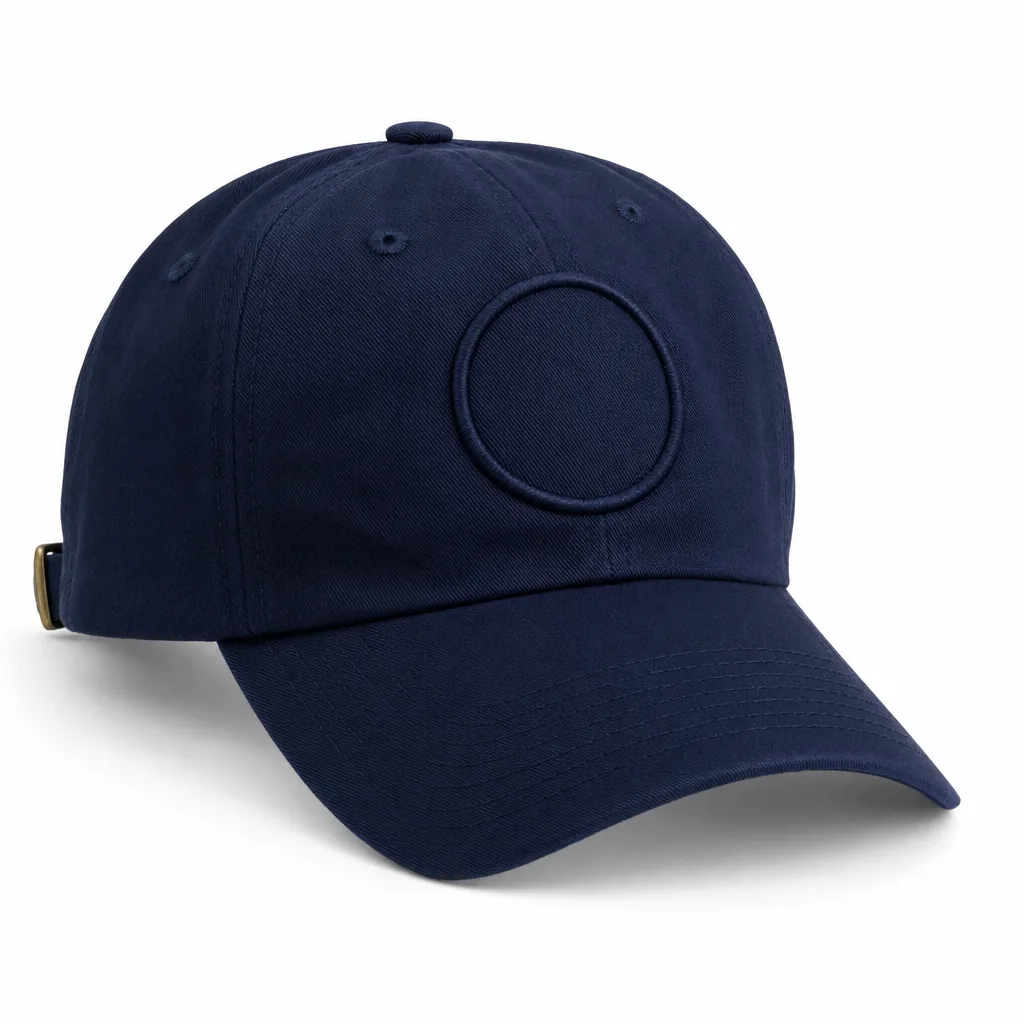
Every week, our sales team answers detailed questions about custom hat embroidery: the 2026 sourcing & manufacturing playbook - 2026 buyer's guide. We wrote this guide so that wholesalers, streetwear brands, corporate buyers and promotional resellers can compare options with full information, and avoid the traps that show up only after production has started.
Custom Embroidered Hats
Embroidery quality is decided at digitizing, not on the sewing floor. Strong custom hat embroidery starts with the cap shell because the same file will behave differently on a structured 6-panel cotton twill front, a brushed chino panel, and a foam-front trucker. On Tajima or Barudan cap frames, a firm buckram-backed front can usually hold fill density around 0.35 to 0.40 mm, while foam fronts need lighter density, wider satin columns, and restrained underlay so the stitches do not knife through the EVA or sink into the lamination. Ask for the digitizing assumptions before sampling: edge-run or zigzag underlay, pull compensation, stitch angle, maximum satin width, center-seam handling, and which details below sewing tolerance will be converted to run stitch or deleted. As a rule, outlines under 0.8 mm, serif text below 4 mm cap height, and any simulated gradient need to be redrawn for embroidery; a clean vector file is not the same thing as a sewable file. A usable RFQ should lock down logo size in millimeters, placement tolerance, stitch-count ceiling, thread spec, and color references by Pantone TCX or Pantone Solid Coated. If brand color is sensitive, ask the factory to confirm thread matching tolerance, because thread cards rarely land tighter than about Delta-E 1.5 to 2.0 against printed standards under D65 light. Thread choice also changes performance: Madeira Classic 40, Gunold Poly 40, and matte-finish polyester do not wear the same, and metallic thread usually slows output and raises reject rate on dense fills. For 3D puff, specify EVA foam thickness—normally 2 mm to 3 mm—and avoid narrow letterforms that invite split stitches and ragged edges. Our standard practice is to run the strike-off on the actual cap body, not flat backing, because seam height, buckram stiffness, and visor curve materially change how the design tracks under the needle.
Most production failures are cumulative rather than dramatic. A cap can pass a casual glance and still fail retail inspection for center-seam flagging, bobbin show-through on satin edges, exposed underlay, loose thread tails, or registration drift between puff and flat layers. On competent lines, ±2 mm front-logo placement is realistic; side and back hits often drift more if hooping is inconsistent or the factory is using lower-end cap drivers instead of well-maintained Tajima, Barudan, or ZSK heads. Trucker caps need extra scrutiny for mesh needle cuts, foam cracking after embroidery, visor asymmetry beyond 5 mm, uneven sweatband stitching, and fabric-lot variation above Delta-E 1.5 if you are matching a licensed or team palette. These are not cosmetic footnotes; they are the defects that trigger rework, chargebacks, and late shipments. Price only makes sense when tied to construction and process. In Zhejiang, stock-body programs usually run MOQ 144 to 300 pieces per colorway, while a true custom shell with dyed fabric, branded seam tape, custom undervisor, woven label set, or private-mold trims more often starts at 500 to 1,000 pieces. A 300-piece order for a standard trucker with one front embroidery location typically lands around $2.20 to $4.80 FOB China, with 3D puff, applique, metallic thread, or extra left/right/back hits adding roughly $0.25 to $1.20 per cap depending on machine time and reject risk. For final control, I would not go below AQL 2.5 for custom hat embroidery, and I want inline checks at first-piece, mid-run, and post-finishing. Caps that look clean coming off the machine can still distort in steaming, visor shaping, or carton compression if inspection happens only at the end.
Custom Made Trucker Hat
The make-or-break decision on a trucker isn’t the logo; it’s whether the front shell and the embroidery program were specified as one system. A structured front built with 180-220 gsm buckram behind 7 oz cotton twill or 65/35 poly-cotton twill will hold custom hat embroidery far better than a soft foam front when the artwork has satin borders, small text, or 3D puff. Foam-backed fronts can look good, but only when the design is bold and simplified; once you push fine detail across the center seam, satin columns spread, fills sink, and the seam starts telegraphing through the artwork. On Tajima, Barudan, and ZSK cap frames, digitizing has to account for crown curvature, seam height, push-pull, and cap-frame tension before sampling, otherwise the first prototype tells you nothing except that the file was rushed.
Good trucker specs block factory substitutions before they show up in bulk. Call out panel count, profile, front fabric composition, mesh weight or denier, visor board type, sweatband composition, seam tape artwork, snapback resin grade, and closure color by Pantone reference. For fabric and dyed trims, Pantone TCX is the practical standard; for printed labels and paper packaging, use Pantone Solid Coated, then set color tolerance at Delta-E under 1.5 for hero shades and under 2.0 for commercial runs. For custom hat embroidery, I would also lock stitch-count range, thread brand or sheen level, backing type, and EVA foam thickness at 3 mm if puff is required. Our standard practice is to flag any logo crossing the front seam, any text under 4 mm cap height, and any density above about 0.40 mm spacing before bulk approval, because that is where puckering and registration drift start costing real money.
Pricing moves quickly once you leave a stock body. In 2026, a standard six-panel trucker using an existing pattern and stock mesh usually sits around 144-300 pieces per colorway, with realistic FOB China pricing at $2.20-$3.80 for a basic twill-and-mesh cap with front embroidery. Once you add branded seam tape, woven labels, upgraded mesh, suede visor accents, appliqué, or a custom visor shape, you are more often at $3.90-$6.50 FOB; fully custom patterns, licensed packaging, or specialty trims can push MOQ to 500-1,000 pieces and unit cost past $7.00. Inspection is where weak factories get exposed fast: off-center embroidery, puckering at the seam, mesh breaks at junction points, wavy sweatbands, inconsistent visor curvature, and loose snap pegs are common failure modes. AQL 2.5 is the minimum sensible finished-goods standard, and closure pull testing plus carton drop review are worth requiring on DDP shipments where no one downstream will rework defects.
Custom Trucker Hat
Front-panel construction determines whether a trucker cap will embroider cleanly or become a reject magnet. The standard build is still a 5-panel crown with a laminated foam face, polyester mesh back, PE visor board, poly-cotton sweatband, and PVC snap, but buyers should spec the actual engineering values instead of relying on generic names. Foam should be called out at 3 mm or 5 mm, because that directly changes how custom hat embroidery performs on the machine. A 3 mm foam front can take 3D puff well when satin columns stay around 2.5 to 3.0 mm and the logo is not overloaded with dense fill. Once you push past roughly 8,500 to 9,500 stitches on a 90 mm-wide front logo, the foam starts tunneling, the crown loses shape, and registration drifts. On a properly tuned Tajima or Barudan head, I would expect front-logo placement tolerance within plus or minus 1.5 mm on stable material, but foam is less forgiving than buckram-backed twill. If the artwork includes fine serif text, thin outlines, or small negative spaces, switch from promo-style foam to a structured twill front with buckram support. A 230 to 260 gsm brushed cotton twill or 7x7 chino twill will hold edge definition far better than foam, especially for flat embroidery under 0.35 mm thread gaps. Mesh also deserves more discipline than "poly mesh" in the tech pack. Call out yarn denier and weight where possible; 75D to 100D polyester mesh with consistent hole size gives better seam stability and less side-panel distortion during sewing than cheap open mesh. Visor shape should be specified by length and curvature, not a factory photo, because a 7 cm visor with medium curve reads very differently at retail than an 8 cm flatter bill. These details affect not just appearance but sewing yield, packing compression, and how the finished cap feels when worn for more than ten minutes.
MOQ and FOB cost on trucker caps move with trim complexity and color control, not with the word "custom" on the purchase order. A stock-body cap with one front embroidery, standard mesh colors, PVC snap, and a woven flag label usually lands around 144 to 300 pieces per colorway if the factory already holds the crown pattern and core materials. In Yiwu, 2026 FOB pricing for that level of custom hat embroidery is typically US$2.10 to $3.40, assuming normal stitch counts and standard export packing. Once you ask for Pantone-matched dyed front panels, printed seam tape, molded closures, custom inner labels, recycled rPET mesh with transaction certificate support, or a revised crown profile, the practical MOQ jumps to 500 to 1,000 pieces per style and FOB usually moves into the US$3.80 to $6.50 range. Small orders get expensive fast because dyed fabric minimums, trim tooling, and cutting loss have to be absorbed somewhere. Most preventable defects are painfully predictable: off-center logos, puckering on foam fronts, exposed visor sandwich, side-seam mesh cracking, brittle snaps after cold transit, and crushed crowns from overpacked master cartons. For final inspection, AQL 2.5 is the baseline, but the method matters more than the acronym. Use a hard placement template for front logos, pull at least 12 pieces across cartons to compare stitch density and thread tension, verify visor symmetry left-to-right, and test snap closure engagement after repeated opening cycles. Our standard practice is to request a pre-production sample, then a line sample after the first 20 to 30 units, plus inside-finishing photos that show seam binding, sweatband joins, and backing cleanup. Fabric shade should hold to a realistic Delta-E of 1.5 to 2.0 against the approved standard, and if a factory claims sedex-audit-cap-supplier-guide.html">BSCI 2.0 or Sedex SMETA 4-Pillar compliance, confirm they are not switching mesh, thread brand, or foam density between sample and bulk.
Custom Trucker Hats
Front panel construction decides whether a trucker can carry clean custom hat embroidery; price comes later. Most China factories build truckers as 5-panel high-profile or 6-panel mid-profile caps with 120-140 gsm polyester mesh, a 1.8-2.2 mm PE visor board, and either 3 mm EVA foam or a cotton-twill face backed with 60-80 gsm buckram. Those materials are not interchangeable on the machine. Foam gives the classic promo-cap loft, but on Tajima, Barudan, or ZSK cap frames it shows needle strikes more easily and makes lettering below roughly 4 mm height look broken at normal density. Twill fronts are far more stable for satin columns, tatami fills, and tighter registration, especially when the logo has clean borders or small counters. Recycled polyester canvas can also work, but the operator usually has to slow from 750-800 spm to around 650-700 spm and rebalance underlay to control puckering. A trucker spec sheet should lock down crown height in centimeters, visor length and curvature, mesh gsm or denier, snapback resin type, sweatband composition, seam tape artwork, and logo size with placement measured from the visor seam in millimeters. Color control is where approvals often drift: dyed cotton fronts should generally hold within Delta-E 1.5-2.0 to approved Pantone TCX standards, while stock mesh from different mills can vary enough that side-by-side cartons look mismatched. If the artwork uses 3D puff, specify a satin column width of at least 2.5-3.0 mm, avoid narrow gaps, and confirm whether the front panel is center-seamed or seamless. That one line item determines whether a logo can cross the middle cleanly or will distort at the seam.
Sampling gets expensive when the buyer has not decided whether the trucker is a promo piece or a retail SKU. For a standard structured trucker with stock mesh, pre-curved visor, and a 3,000-5,000 stitch front logo, realistic MOQ is usually 144-300 pieces per colorway. Add dyed-to-match front panels, woven loop labels, inside printed taping, under-visor embroidery, or retail polybags with barcode stickers, and the honest floor moves to 300-500 pieces per style. In 2026, FOB China pricing for a basic structured trucker typically sits around $2.20-$3.60 at 300 units; better executions with recycled mesh, HD embroidery, sandwich bill detailing, and retail packing are more often $4.20-$6.80. Digitizing usually adds $35-$80, and fine script or gradient-driven art often needs two or three sew-outs before approval. Bulk failures on truckers are predictable, so they should be written into the PO and checked at inline plus final inspection. The common ones are crown asymmetry, visor warp after carton compression, mesh tearing at rear seam joins, snap misalignment, loose sweatband overlock, and push-pull distortion that makes a centered logo read crooked. For custom hat embroidery, I would hold front-logo placement to +/- 2 mm, inspect trim quality, bobbin show-through, backing comfort, and run a 12-hour carton compression test before shipment. Foam fronts need extra attention to needle cutting and panel collapse when fill density is too aggressive; twill fronts fail more often through hoop burn or poor stabilizer selection. AQL 2.5 works for general programs, but licensed sports, streetwear, and fashion retail usually need tighter visual standards than general AQL allows, especially on small lettering.
Hat Trucker Custom
On trucker caps, front-panel engineering determines whether custom hat embroidery looks retail-clean or collapses into puckering and drift. Most commercial builds use a 5-panel or 6-panel shell with a foam-backed polyester front, 70D-100D polyester or nylon mesh, and a PE visor insert around 2.5-3.0 mm. The common buyer mistake is approving artwork without locking cap geometry: shallow crowns distort wide logos, low-density foam buckles under dense fills, and post-sew embroidery on assembled fronts often pulls the panel off-register. The cleaner route is embroidering the front panel before crown assembly on Tajima, Barudan, or ZSK multi-head machines, especially for fills above roughly 6,000 stitches or logos wider than 90-95 mm. A usable tech pack should specify front-panel height in centimeters, visor length, mesh denier, sweatband composition, snapback or strap style, and Pantone TCX references for the face fabric, mesh, button, underbill, and seam tape. Also lock the visor shape before sampling: a logo that runs straight on a flat bill can twist once the crown is heat-shaped and the visor is pre-curved.
Pricing on trucker programs moves more on decoration complexity than on the cap silhouette itself. A stock-material trucker with 5,000-8,000 front stitches typically lands around $2.10-$3.40 FOB Ningbo or Shanghai at 300-500 pieces, while a fully custom build with matched trims, inside taping, woven labels, and 3D puff is more realistically $3.80-$6.50 FOB. Below 144 pieces per SKU, many suppliers switch to blank-cap decoration logic and add charges for digitizing, thread changes, and inefficient packing; true custom material development usually starts closer to 500-1,000 pieces per style. For 3D puff, specify 3 mm EVA, wider satin columns, and lower stitch density, or the thread will cut the foam during wash testing and carton compression. Inspection also needs to be written into the quote, not assumed: call out backing type, stitch-count limit, polybag spec, size-sticker method, tolerance, and AQL 2.5 final inspection. The repeat failure points are predictable—front-panel puckering, crushed foam, crooked patch placement, mesh cracking at the side seam, and weak crown shape from inconsistent heat forming—so approval should include both an embroidery strike-off and a signed golden sample under D65 lighting, with Delta-E targets below 1.5 for body fabric and below 2.0 for trims from separate mills.
Trucker Custom Hat
Front-panel construction is what separates a clean trucker from a cap that puckers, tunnels, or gets perforation lines after packing. The standard recipe—polyester foam front, polyester mesh back, PE visor board, 8-row visor stitch—does not tell you whether the cap can actually handle custom hat embroidery. What matters is the front architecture: a 5-panel seamless foam crown, a 6-panel seamed buckram front, or twill laminated over 2 to 3 mm foam. A 5-panel body gives the biggest usable embroidery field, usually 11 to 13 cm wide, but it is also the easiest to distort if the digitizer runs dense fills over about 0.40 to 0.45 mm spacing. On Tajima and Barudan heads, foam fronts need lower stitch density, lighter pull compensation, and center-out sequencing; otherwise you see tunneling, foam cutting, and needle marks that only show up after the caps are bagged and compressed. If the artwork includes 3D puff, the decision between 2 mm and 3 mm foam is not cosmetic—it changes edge sharpness, stitch angle, and failure rate in bulk production.
A trucker cap spec sheet should read like a production control document, not a loose design brief. Lock crown height, visor length and width, foam thickness, mesh denier or hole pattern, sweatband gsm, snapback resin grade, visor sandwich color, top button finish, seam tape artwork, and Pantone TCX references for fabric, labels, and trims before sampling. For custom hat embroidery, you should also freeze logo size limits, stitch-count range, backing type, thread brand, and whether the execution is flat stitch, 3D puff, or mixed embroidery plus patch. Buyers who send only a logo and "black mesh trucker" usually get a stock body, which is why fit, hand feel, and sewability drift between repeats. In practice, stock-material programs are workable at 144 to 300 pieces per colorway, but custom mesh, printed seam tape, woven labels, molded trims, or branded inner tape usually push MOQ to 500 to 1,000 pieces. In Yiwu or Dongguan, a basic trucker with 5,000 to 8,000 stitches typically lands around $2.10 to $3.40 FOB China at 300 pieces; a fully developed cap with 3D puff, inside branding, and custom packaging is more realistically $3.80 to $6.50.
Inspection is where margin is protected. The recurring trucker-cap failures are predictable: embroidery off-center by more than 2 to 3 mm, puckering around dense fills, mesh snagging, visor wave, mismatched snap closures, thread tails, and abrasive sweatband joins. Foam fronts add defects that cannot be repaired cleanly after assembly—strike-through, perforation tracks, and crushed puff caused by bad digitizing, wrong backing weight, or excessive cap-frame pressure. The right control plan is inline inspection during embroidery and sewing, then final inspection at AQL 2.5 with logo-position measurement, color verification against approved standards, snapback pull checks, carton drop testing, and needle-control or metal-detection procedures if the destination market requires them. Any supplier making truckers at scale should be able to explain how they digitize foam-front logos, which cap frames and machines they run—Tajima, Barudan, or ZSK—and whether the facility is audited to BSCI 2.0 or Sedex SMETA 4-Pillar. If they cannot answer those points clearly, they are not controlling the process; they are hoping the bulk run behaves.
Working with CrownsForge for custom hat embroidery programs
Most custom hat embroidery delays are caused upstream, not on the machine. If artwork approval drags, the line loses a full week before a single Tajima or Barudan head starts sewing. A disciplined timeline is 24 to 48 hours for digitizing, 5 to 7 working days for a counter sample, and another 3 to 5 days for a PPS once the cap spec is frozen: crown profile, fabric, visor shape, closure, eyelets, and logo placement. For a standard 6-panel cotton twill cap in the 260 to 280 gsm range, 144 pieces per colorway is a realistic MOQ. Once you add custom mesh, sandwich brim, printed seam tape, or multiple embroidery locations, the true economic floor usually moves to 300 to 500 pieces because each variation adds setup time, sampling risk, and often separate punch files. The expensive mistake is assuming one embroidery file fits every silhouette. A logo that runs clean on a structured snapback can pucker or sink on an unstructured dad cap unless pull compensation, underlay, column width, and stitch angle are rebuilt for that crown shape.
Process control matters more than headline capacity. A factory running custom hat embroidery well should handle flat embroidery, 3D puff, appliqué, woven patch stitching, sublimated patch application, and inside heat-transfer labels without sending half the steps to outside workshops, because every handoff adds lead-time and shade risk. On 3D puff fronts, 2 to 3 mm EVA foam is standard; densities usually need to be reduced and edge-walk underlay tightened so the foam lifts cleanly without tunneling through the buckram. Color approval also has to be locked physically, not by email screenshots: thread codes should be matched to sealed samples against Pantone Coated or Pantone TCX references, with agreed tolerance around Delta-E 1.5 to 2.0 for critical brand colors. Our standard practice is to pair that with documented needle control, incoming lot checks, inline inspections, and final inspection at AQL 2.5, backed by BSCI 2.0 or Sedex SMETA 4-Pillar systems. That is what keeps thread shade, visor board thickness, mesh denier, closure source, and ex-factory date consistent from sample run to repeat order.
Frequently Asked Questions
How long does production take?
Sampling takes 7 to 12 days. Bulk production runs 20 to 30 days depending on quantity, fabric availability and decoration complexity. Inspection and packing adds another 3 to 5 days before shipment.
Do you support sustainability certifications?
Yes. We work with GOTS organic cotton, GRS-certified recycled polyester, OEKO-TEX Standard 100 fabrics, and are BSCI and Sedex audited. Certification documentation can be provided per order.
What is the minimum order quantity (MOQ) for custom hats?
Our standard MOQ is 100 pieces per design and color, with sampling available from 1 piece. For complex multi-color logos or premium fabric upgrades, the MOQ can be lowered with a small per-piece surcharge.
What logo decoration techniques do you offer?
3D puff embroidery, flat embroidery, woven patch, leather patch, PVC patch, screen printing, sublimation, applique and laser etching, all in-house with no subcontracting.
Can I order a sample before bulk production?
Yes. We strongly recommend approving a pre-production sample before mass production. Samples are charged at 35 to 60 USD each plus express shipping, fully refundable against confirmed bulk orders over 500 pieces.
How does ordering custom embroidery trucker hat work?
When evaluating custom embroidery trucker hat, the key considerations are construction quality, decoration capability, MOQ flexibility and lead time. Cover everything buyers ask about custom made trucker hat: how it's manufactured, what specs to request from a factory, typical MOQ and pricing, common quality issues to inspect for, and how this ties back to the broader custom hat embroidery sourcing decision. Cover everything buyers ask about custom trucker hat: how it's manufactured, what specs to request from a factory,…
How does ordering custom embroidered trucker hats work?
When evaluating custom embroidered trucker hats, the key considerations are construction quality, decoration capability, MOQ flexibility and lead time. Cover everything buyers ask about custom embroidered hats: how it's manufactured, what specs to request from a factory, typical MOQ and pricing, common quality issues to inspect for, and how this ties back to the broader custom hat embroidery sourcing decision. Cover everything buyers ask about custom trucker hats: how it's manufactured, what specs to request from a…
How does ordering custom embroidery patches for hats work?
When evaluating custom embroidery patches for hats, the key considerations are construction quality, decoration capability, MOQ flexibility and lead time. Cover everything buyers ask about custom embroidered hats: how it's manufactured, what specs to request from a factory, typical MOQ and pricing, common quality issues to inspect for, and how this ties back to the broader custom hat embroidery sourcing decision. Cover everything buyers ask about custom trucker hats: how it's manufactured, what specs to request from a…
How does ordering custom made hats for men work?
When evaluating custom made hats for men, the key considerations are construction quality, decoration capability, MOQ flexibility and lead time. Cover everything buyers ask about custom embroidered hats: how it's manufactured, what specs to request from a factory, typical MOQ and pricing, common quality issues to inspect for, and how this ties back to the broader custom hat embroidery sourcing decision. Cover everything buyers ask about custom made trucker hat: how it's manufactured, what specs to request from a…
Ready to start your custom hat project?
Send us your tech-pack, sketch or even just an inspiration photo. We will respond with a detailed quotation and digital mock-up within 24 hours.
Request a free quoteRelated guides
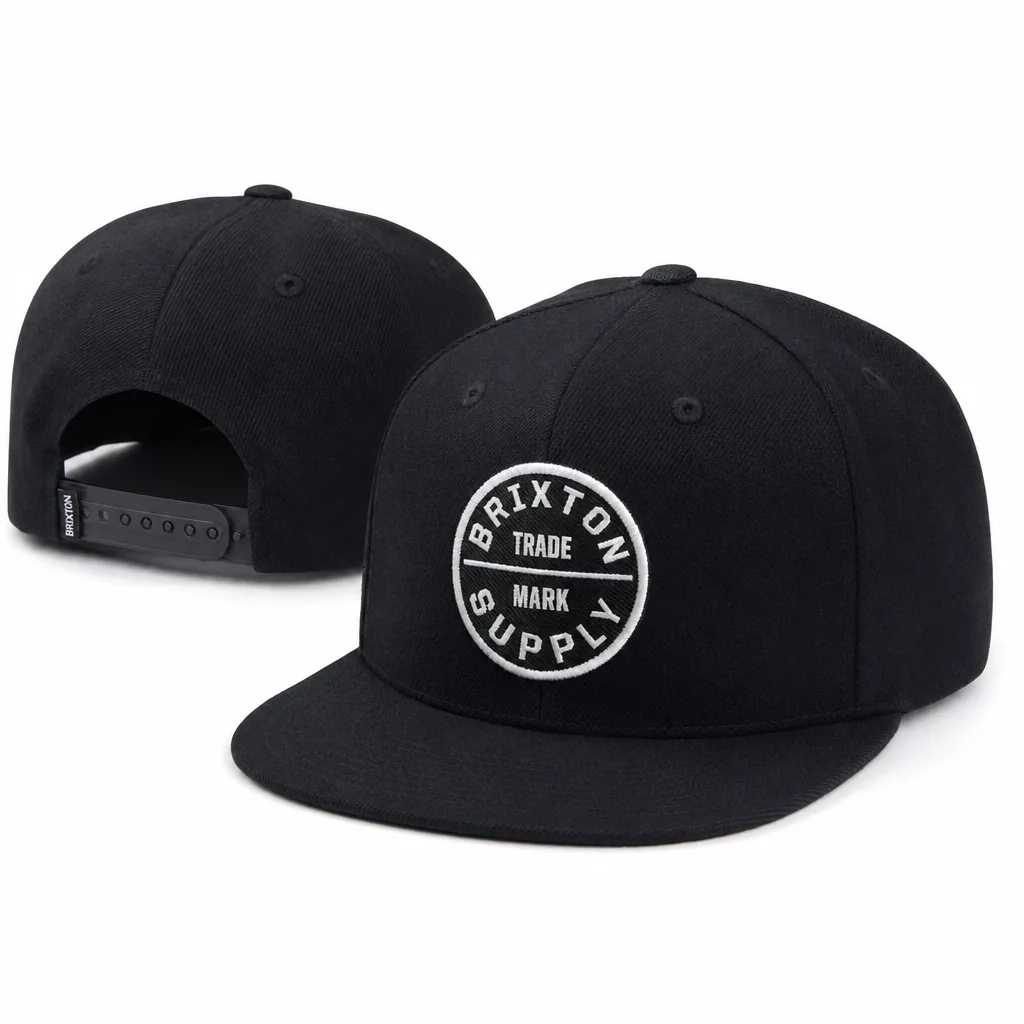
Snapback vs Fitted vs Adjustable: Cap Closure Systems Compared
Read article →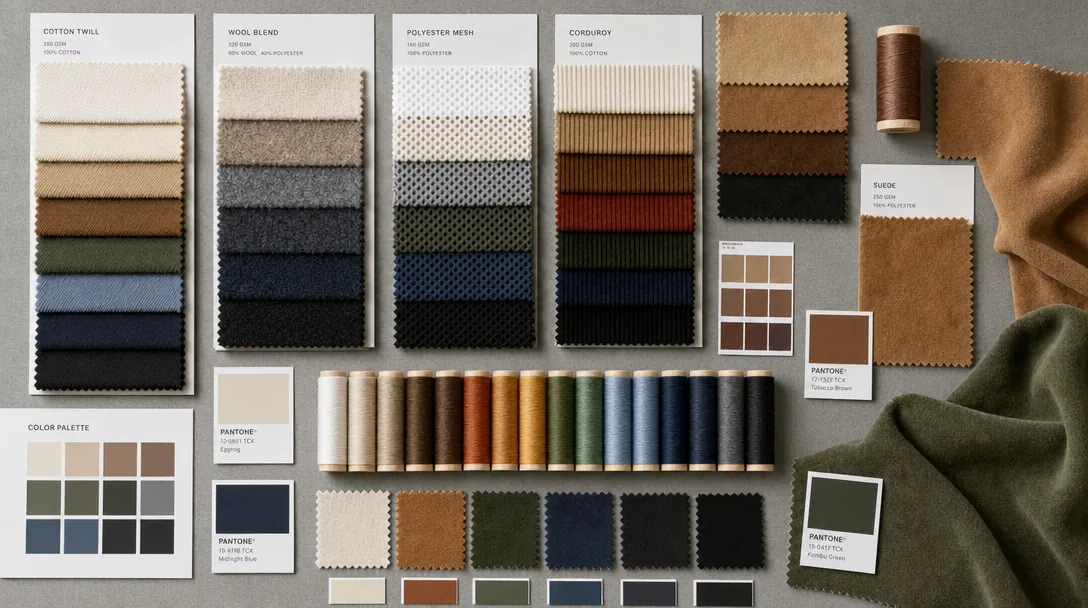
Sustainable Custom Hats: Eco-Friendly Materials, Recycled Fabrics & Certifications
Read article →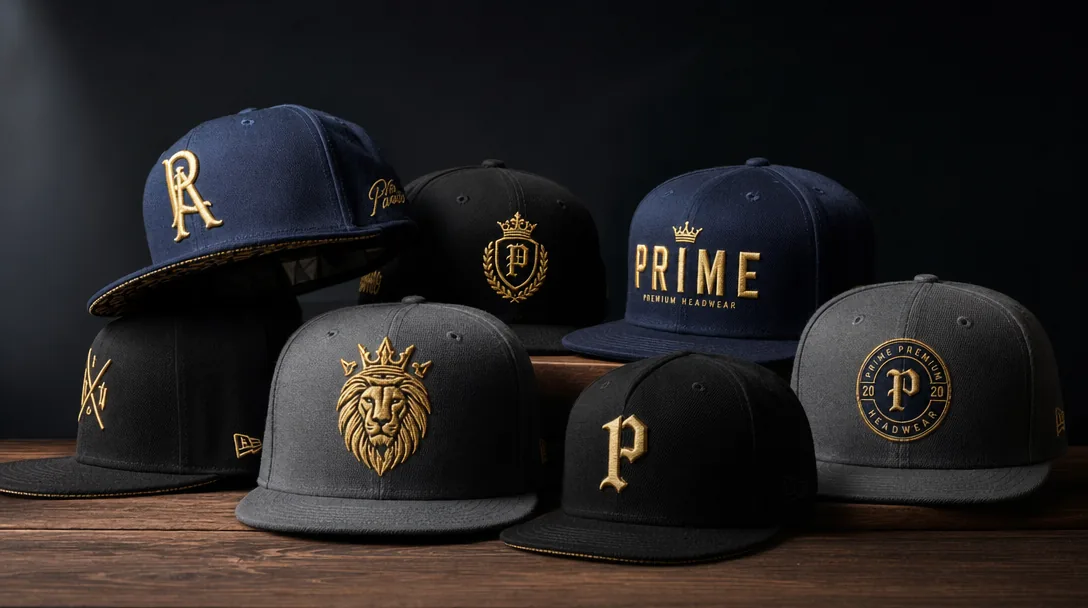
Woven Label Beanie Custom Bulk: A 2026 B2B Sourcing Guide
Read article →Sourcing custom hats does not have to be complicated. With the right manufacturing partner, clear specifications and a small upfront investment in sampling, you can launch a retail-quality product in 30 to 45 days.