
Custom Golf Hats: A Manufacturer's Guide to Performance Headwear - Cost & MOQ Breakdown - Cost & MOQ Breakdown - Cost & MOQ Breakdown
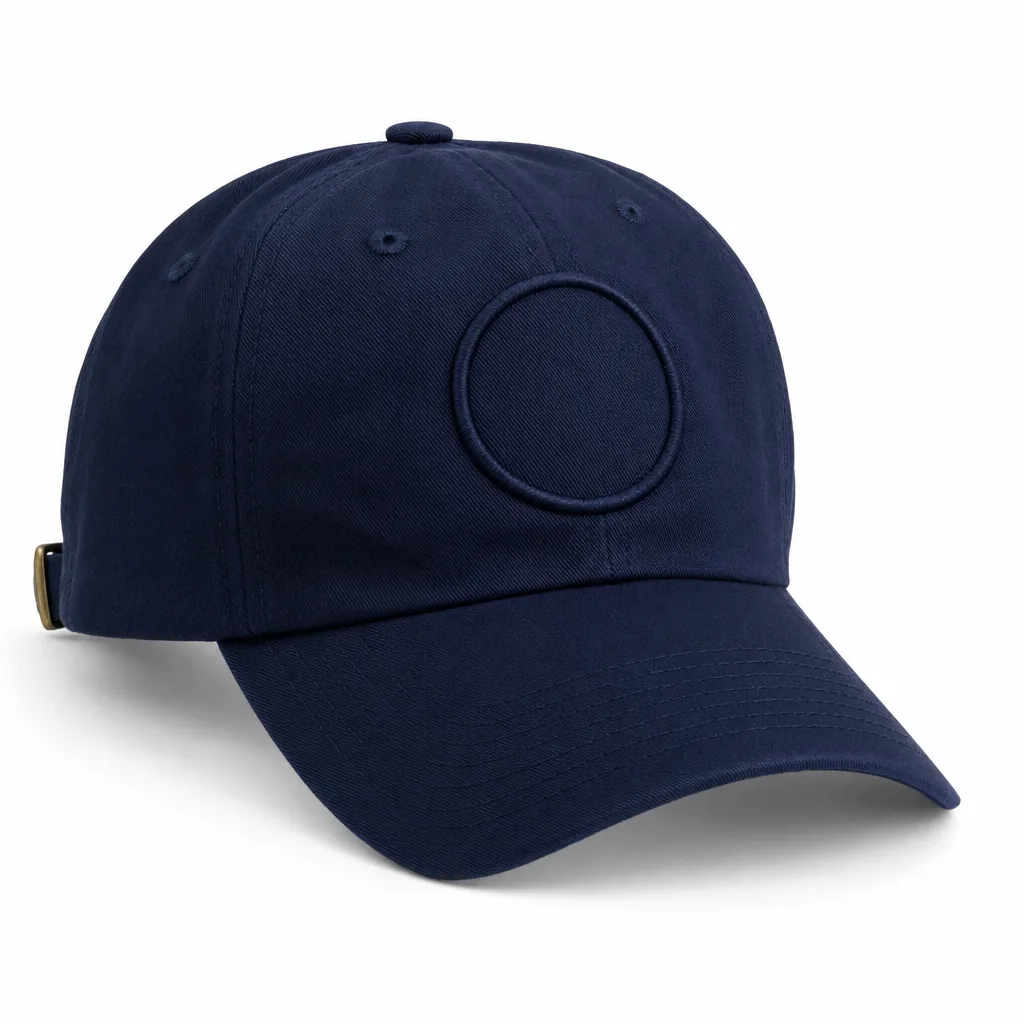
Custom Golf Hats: A Manufacturer's Guide to Performance Headwear - Cost & MOQ Breakdown - Cost & MOQ Breakdown - Cost & MOQ Breakdown is one of the most-asked questions we receive from international buyers, and for good reason. With dozens of factories competing for your order and an alphabet soup of technical terms in every supplier quote, even experienced importers can feel lost. This guide consolidates what we have learned producing custom hats for clients in 40+ countries.
The golf-specific silhouettes that dominate retail and tournament programs
The golf market does not reward vague silhouettes. The five styles that actually sell are the curved-brim performance baseball cap, the 5-panel low-profile golf cap, the rope hat with a braided cord above the visor, the performance bucket hat, and the visor. In practice, the curved-brim cap is the safest all-purpose SKU because it works for pro-shop retail, range staff, and tournament programs, and it takes flat embroidery cleanly on structured front panels without warping a sponsor mark. The 5-panel low-profile version shows up more in club shops and lifestyle assortments because the crown sits lower, the side profile is cleaner, and a woven patch or small emblem looks intentional instead of oversized. For custom golf hats, silhouette choice changes both perceived value and decoration cost: a stiff 6-panel crown with buckram front panels behaves very differently from a flatter, more technical build with laser-cut vents and a soft-structured profile.
Rope hats are the most opinionated option in the group. They sell when a club, resort, or brand wants a retro reference without tipping into novelty, but the cord adds a separate assembly step and usually increases factory cost by about $0.20 to $0.50 per piece at 500 to 1,000 units, depending on cord gauge, stitch density, and whether the braid is sewn before or after crown closing. Performance bucket hats are less about fashion and more about coverage: they make sense for tournament staff, caddies, coastal clubs, and summer resort programs where UPF 50+ fabric, 110 to 130 gsm polyester, and a 58 to 60 cm fit range matter more than a classic cap shape. Visors still have a place in hot-weather events and tennis-adjacent club shops, but the open crown makes them harder to position as premium product, so the margin ceiling is usually lower than on closed-crown custom golf hats.
The buying split is blunt. Range and practice staff want breathable, lower-cost custom golf hats in 100 percent polyester or polyester-spandex blends, usually with laser-cut side vents and a moisture-wicking sweatband. Tournament programs want the same base construction but often upgrade to tonal embroidery, TPU patches, or woven labels that hold up under camera flash and sponsor scrutiny. Club merchandise programs can absorb rope hats and bucket hats as higher-margin add-ons, while pro-shop retail usually needs all five silhouettes to cover traditional members and younger buyers in one assortment. A flat-embroidered 5-panel or 6-panel performance cap typically lands around $2.10 to $4.80 FOB at 500 to 1,000 pieces, while a rope hat or bonded performance bucket hat usually sits closer to $4.00 to $6.50 depending on fabric weight, sweatband spec, and closure type.
Why golf demands performance fabric (not cotton twill)
Cotton twill is the wrong substrate for custom golf hats because it absorbs sweat, gains weight, and dries slowly. On a four- to five-hour round in 82-95 F sun, that matters more than the logo. Once cotton starts holding moisture, the crown temperature climbs, the brim loses some stiffness, and the sweatband stays wet right where the player feels it. A proper golf spec is usually 100-150 gsm polyester microfiber or polyester-spandex at 92/8 or 95/5, often paired with a wicking finish, laser-perforated side panels, or a poly mesh stay. Those fabrics move perspiration across the face of the textile instead of trapping it in the yarn bundle, so the cap feels lighter through the back nine and does not come out of a travel bag smelling sour after one humid round.
Performance fabric also gives you better manufacturing control. Polyester panel fabric is more dimensionally stable than cotton through heat setting, embroidery, and repeated wet-dry cycles, which is why it holds shape better across 100 to 5,000 units for pro shops, member events, and corporate tournaments. On Tajima, Barudan, or ZSK heads, a stable front panel gives cleaner satin columns, more consistent stitch tension, and fewer puckers around curved seams, especially on dense front logos or 3D puff marks over structured buckram. Drying speed is the part most buyers miss: a 120 gsm wicking polyester crown can air-dry in roughly 30-60 minutes at room temperature, while cotton twill often stays damp for several hours around the sweatband and front seam. That gap shows up later as odor retention, distorted fit, and more rejects during AQL 2.5 inspection.
UPF sun protection for golf programs
Most performance polyester sits around UPF 30 to 40 before any specialty finish, mainly because a tight weave blocks a fair amount of ultraviolet light. That is acceptable for basic custom golf hats, but it is not the same as a verified UPF 50+ claim. To get a defendable result, buyers usually need a fabric built for it: 120 to 160 gsm polyester with a UV-absorbing finish, dense microfiber twill, or a nylon-poly blend with low pore size and stable dye retention. For wholesale golf hats going into resort, pro-shop, or licensed retail programs, the test report matters more than the spec sheet language. If the buyer asks for AS/NZS 4399 or AATCC 183, you need the exact fabric construction, not a loose “sun protection” promise.
For golf programs in Australia, Florida, Arizona, and Hawaii, UPF 50+ is often a buying requirement, not a nice-to-have. The practical way to lock it down is to freeze the full bill of materials before PP approval: crown fabric, mesh panel, visor, sweatband, closure, and any lining behind the front panel. A move from 150 gsm to 170 gsm, a switch from self-fabric to sandwich mesh, or a thick PVC patch over the tested area can invalidate the result because the lab tested a different build. With custom golf hats, decoration can stay compliant, but only if embroidery, woven labels, or heat-transfer branding do not force a fabric substitution or open up untested coverage gaps.
Testing is not expensive enough to skip, but it is cheap compared with a rejected bulk run. SGS, Bureau Veritas, and Intertek typically charge about $300 to $500 per SKU for UPF testing, with turnaround around 5 to 7 working days once the sample is ready. The usual failure points are boring and predictable: dark trims migrating into light fabric, loose knits opening under stretch, or a mill changing dye lots and surface finish after approval. CrownsForge treats UPF as a fabric spec, not a decoration feature, because embroidery does not rescue an underspecified base cloth. For custom golf hats aimed at tournament retail or resort programs, approve the exact fabric, color, and closure first, then test the final build before the bulk PO moves.
Moisture-wicking sweatband: the detail buyers don't notice until summer
A solid spec is a 180 to 220 gsm polyester-elastane sweatband with 8 to 12 percent elastane, stitched with a low-bulk overlock or coverstitch and checked for stretch recovery, seam stability, and shrinkage after a 3-cycle wash test. Poor trimming at the seam is what causes rubbing and band twist, not the fabric content alone, so QC has to look at assembly as much as material. For retail runs, team orders, and tournament merch, this is baseline hardware on warm-weather custom golf hats, not an upgrade to save for premium tiers. A good sweatband does not photograph well, but it is one of the few parts of the cap that directly affects whether the wearer keeps it on through the back nine.
Rope hats: why this silhouette became the golf hero category
Rope hats became the golf hero silhouette because they solve three problems at once: they photograph cleanly, hold a sharper crown than a soft unstructured dad cap, and read as premium without drifting into visor or full-performance territory. For custom golf hats, a 5-panel front gives you a flatter logo field and cleaner screen print or embroidery placement, while a 6-panel version sits lower and reads more classic. The rope is functional to the eye, not just decorative: it breaks up the crown, frames the brim, and gives the cap a distinct profile from 10 to 15 feet away. That matters in pro shops, tournament merch tables, and wholesale golf assortments, where buyers compare silhouette first and stitch density second.
The style migrated from fishing and outdoor headwear, then got pulled into golf by brands like Imperial, Melin, and Branded Bills because it holds shape on camera and still feels sport-adjacent. The engineering is simple, but the tolerances are not. Rope diameter, crown height, brim curve, and panel balance need to land together or the cap looks lopsided. For most custom golf hats, a 2.8 to 3.5 mm rope, medium-stiff buckram, and a brim board around 1.6 to 2.0 mm give enough structure without turning the front into a hard shell. In production, MOQ 100 is realistic for club programs and small wholesale tests, and it is enough to validate colorways, thread matching to Pantone TCX, and whether the rope contrast actually improves the read.
The category works because the margin sits in silhouette, not in complicated construction. The usual mistake is stuffing a small front panel with oversized embroidery, which crushes the crown and makes the rope look incidental. Keep decoration disciplined: one primary logo, tight placement, and a thread finish that matches the collection instead of fighting it. On custom golf hats, I would avoid heavy 3D puff unless the front panel height can support it; flat embroidery or mixed-satin stitching usually looks more expensive at this scale and holds up better on a curved brim. A well-proportioned rope cap can retail $4 to $8 above a standard dad cap while adding only a modest factory cost, which is why it keeps winning in club shops and golf retail.
Tournament + club merchandise compliance and timing
Tournament and club merchandise lives or dies on timing. For PGA member events, club championships, and charity tournaments, the workable planning window is 90 to 120 days before first delivery. That is not because a factory cannot sew faster; approvals, Pantone TCX matching, embroidery digitizing, and sample revisions consume the calendar. On custom golf hats, I expect buyers to define crown fabric, visor contrast, closure type, logo placement, and the exact artwork file before sampling starts. The color target should be written with a Delta-E limit, not described loosely; once drift moves past Delta-E 2.0 to 3.0, club buyers start rejecting lots, especially when the hat has to match a sponsor program or an existing apparel wall.
The safest workflow is to approve a physical sealed sample, not a phone photo. I have seen tournament committees reject otherwise clean wholesale golf hats because navy thread read warm under daylight, or because the embroidery landed 3 to 5 mm off the approved placement. Specify the base style in plain production terms: structured 5-panel polyester performance cap, 6-panel cotton twill, or mesh-backed trucker. Confirm stitch count, thread brand, and backing type before bulk cutting starts. CrownsForge’s standard practice is to keep the pre-production pack aligned to the signed strike-off and verify shade under D65 light, which matters when custom golf hats are tied to one-shot events with no room for substitutions.
Pro-shop retail runs on a different clock. Seasonal programs for May through September should be placed by January so there is room for sampling, replenishment, and freight recovery if an LCL shipment slips. That matters when custom golf hats are part of a broader apparel capsule, because one delayed cap can throw off the floor set and leave the buyer short on color blocking or size depth. For wholesale golf hats, lock the assortment plan, target retail price, and SKU split before Chinese New Year; after the holiday, blank-cap sourcing, embroidery queue time on Tajima or Barudan heads, and carton allocations tighten at once. MOQ and cost are driven more by decoration than by the shell itself. A basic 3D puff embroidery cap usually lands around $3.20 to $4.80 FOB at 300 to 500 pieces, while a performance model with laser-perforated side panels, bonded sweatband, and woven label often moves into the $5.50 to $7.50 range before freight. Add a second embroidery location or a woven patch, and expect another $0.35 to $0.90 per piece depending on stitch count, thread colors, and appliqué size.
Working with CrownsForge on golf programs
CrownsForge usually starts custom golf hats programs with 110 to 150 gsm performance polyester, most often a matte tricot or birdseye knit that holds embroidery cleanly and dries faster than brushed cotton. The first decisions that actually move cost are crown profile, panel count, and decoration method. A low-profile six-panel crown gives a flatter front for logo placement and tends to sit better with a left-chest style mark, while a structured mid-profile body looks more retail and keeps its shape on the shelf. We default to a moisture-wicking polyester sweatband because weak trim shows up fast on course, and we only spec laser-cut side vents or mesh backs when the airflow requirement justifies the extra sewing and cut loss. Closure choice matters too: snapback, strapback, and hook-and-loop each change packing volume, adjustment range, and unit price by a meaningful margin.
If the program needs UPF language, we treat it as a testing item, not a label preference, because unsupported claims get challenged by buyers and customs alike. Rope hats are straightforward when the factory already has the cord channel and binding sequence in place, so they do not carry the same setup burden as a new silhouette. Decoration is where most custom golf hats get overworked: flat embroidery, 3D foam, and woven patches all work, but stitch density has to follow the crown curvature or the front panel will pucker. On a low-profile body, I usually keep the front mark around 55 mm wide; once you push past that, seam distortion starts showing unless the panel is reinforced. Pantone TCX matching is standard, but for brand-critical colors we still target Delta-E under 2.0 and sample the thread against the shell before bulk approval.
Sampling typically takes 7 to 12 days, covering pattern confirmation, thread matching, and one embroidery file correction round; bulk production runs 25 to 32 days FOB Yiwu after carton specs, labeling, and trim are locked. Pricing is driven by shell fabric, stitch count, patch construction, and any lab work or licensed labeling, so there is no honest flat rate for every golf program. MOQ drops when the same body is reused across multiple colorways, which is why buyers who want 8 or 10 colors should keep the shell constant and change only thread, underbrim, or closure details. That keeps the cutting layout, sewing line, and embroidery program stable, and it is usually the difference between a workable wholesale margin and inventory that sits.
Frequently Asked Questions
How long does production take?
Sampling takes 7 to 12 days. Bulk production runs 20 to 30 days depending on quantity, fabric availability and decoration complexity. Inspection and packing adds another 3 to 5 days before shipment.
Do you support sustainability certifications?
Yes. We work with GOTS organic cotton, GRS-certified recycled polyester, OEKO-TEX Standard 100 fabrics, and are BSCI and Sedex audited. Certification documentation can be provided per order.
What logo decoration techniques do you offer?
3D puff embroidery, flat embroidery, woven patch, leather patch, PVC patch, screen printing, sublimation, applique and laser etching, all in-house with no subcontracting.
Can I order a sample before bulk production?
Yes. We strongly recommend approving a pre-production sample before mass production. Samples are charged at 35 to 60 USD each plus express shipping, fully refundable against confirmed bulk orders over 500 pieces.
Which shipping methods do you support?
We support FOB, CIF and DDP shipping. Air express for samples and small orders, sea LCL for 100 to 500 pieces, sea FCL for 5,000+ pieces. Door-to-door DDP available for US, EU, UK, Canada and Australia.
What's the MOQ for custom embroidered baseball caps no minimum?
When evaluating custom embroidered baseball caps no minimum, the key considerations are construction quality, decoration capability, MOQ flexibility and lead time. Performance baseball cap with curved brim, 5-panel low-profile golf cap, rope hat with rope detail above the brim, performance bucket hat, and visor. Each has a specific use case — driving range, tournament play, club merchandise programs and pro-shop retail. Standard cotton twill absorbs perspiration and stays heavy. Golf demands moisture-wicking polyester (typically…
How does ordering baseball cap custom logo work?
When evaluating baseball cap custom logo, the key considerations are construction quality, decoration capability, MOQ flexibility and lead time. Performance baseball cap with curved brim, 5-panel low-profile golf cap, rope hat with rope detail above the brim, performance bucket hat, and visor. Each has a specific use case — driving range, tournament play, club merchandise programs and pro-shop retail. Standard cotton sweatband saturates within 9 holes of summer play; polyester-elastane wicking sweatband moves…
How does ordering custom baseball team hats work?
When evaluating custom baseball team hats, the key considerations are construction quality, decoration capability, MOQ flexibility and lead time. Performance baseball cap with curved brim, 5-panel low-profile golf cap, rope hat with rope detail above the brim, performance bucket hat, and visor. Each has a specific use case — driving range, tournament play, club merchandise programs and pro-shop retail. Rope hats (a 5-panel or 6-panel cap with decorative rope above the brim, often in contrast color) became the golf…
What's the MOQ for custom logo hats no minimum?
When evaluating custom logo hats no minimum, the key considerations are construction quality, decoration capability, MOQ flexibility and lead time. Rope hats (a 5-panel or 6-panel cap with decorative rope above the brim, often in contrast color) became the golf cap of the 2020s. Originally a fishing/outdoor silhouette adopted by Imperial, Melin and Branded Bills. We produce equivalents at MOQ 100 pieces. Performance baseball cap with curved brim, 5-panel low-profile golf cap, rope hat with rope detail above the brim,…
Looking for a reliable hat manufacturer in China?
CrownsForge has produced custom hats for 800+ brands across 40 countries. From 100-piece launches to 100,000-piece retail programs, we deliver on time and on spec.
Get in touchRelated guides
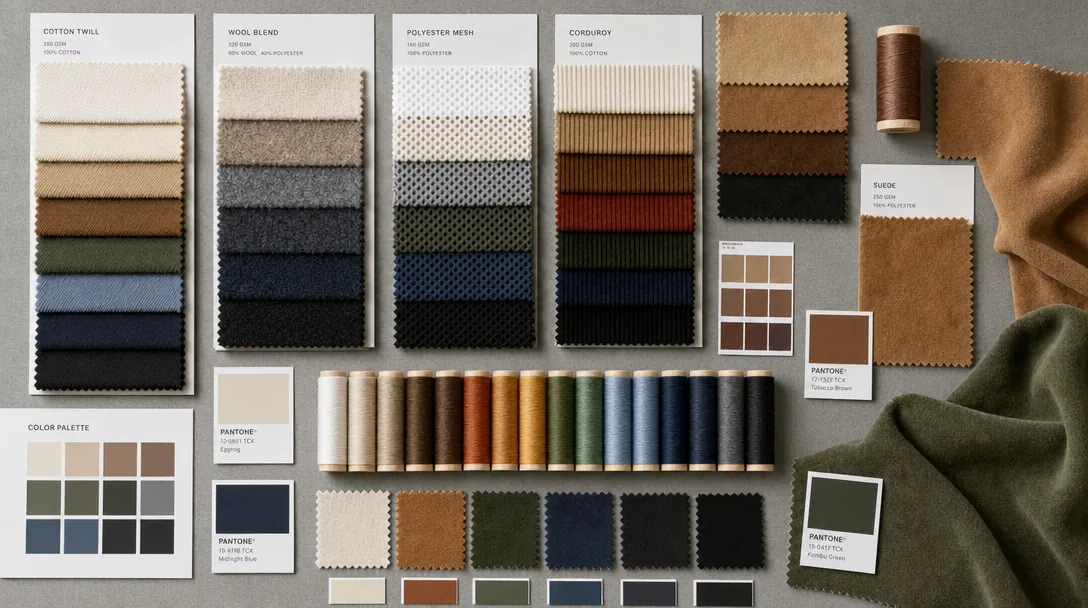
Camouflage Bucket Hat: Properties, Costs and How to Spec It Right - Cost & MOQ Breakdown - Cost & MOQ Breakdown - Cost & MOQ Breakdown
Read article →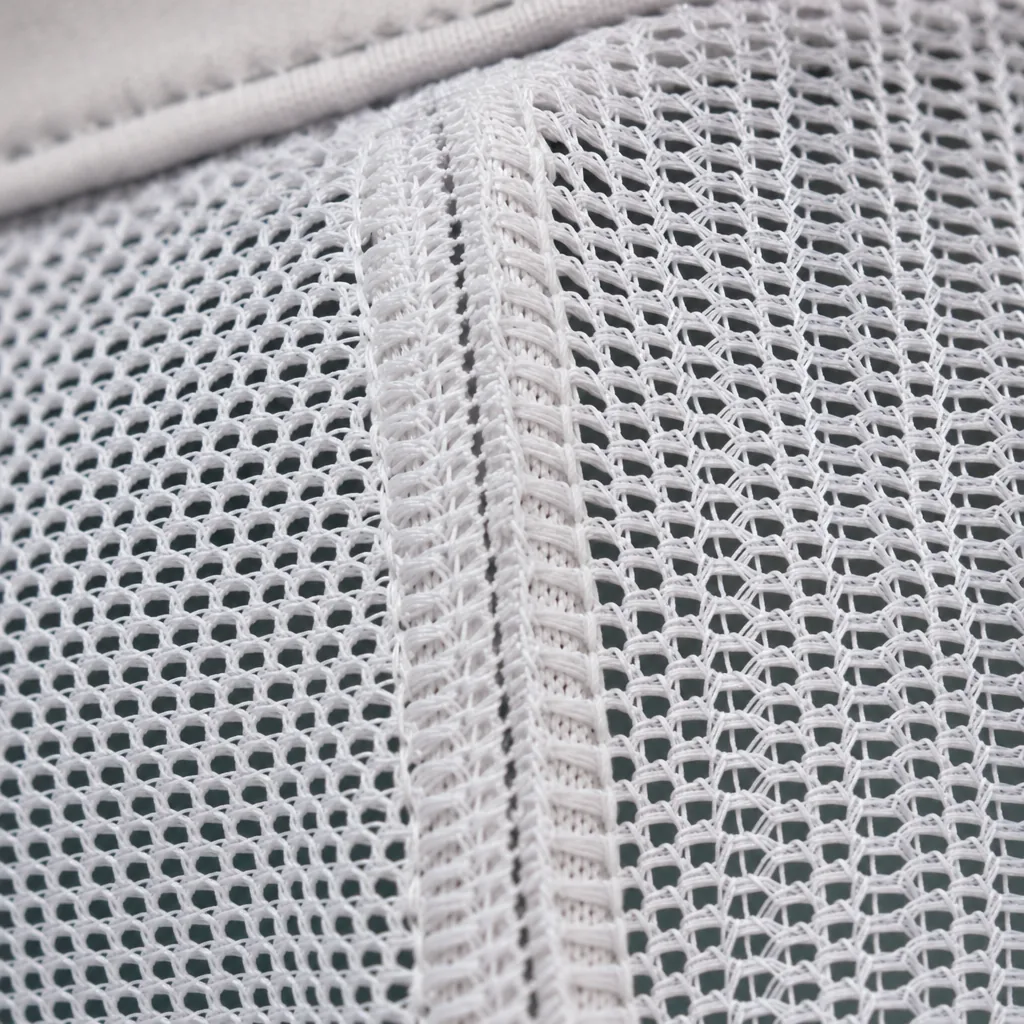
Custom Hat Trucker: The 2026 Sourcing & Manufacturing Playbook - Cost & MOQ Breakdown
Read article →Cap Sweatband Material Selection for Custom Headwear Buyers
Read article →We hope this guide demystifies custom golf hats: a manufacturer's guide to performance headwear - cost & moq breakdown - cost & moq breakdown - cost & moq breakdown and helps you move forward with confidence. If you have questions specific to your project, our English-speaking sales engineers are one message away.