
Custom Golf Hats: A Manufacturer's Guide to Performance Headwear - Cost & MOQ Breakdown - Cost & MOQ Breakdown - 2026 Buyer's Guide - Cost & MOQ Breakdown - Cost & MOQ Breakdown
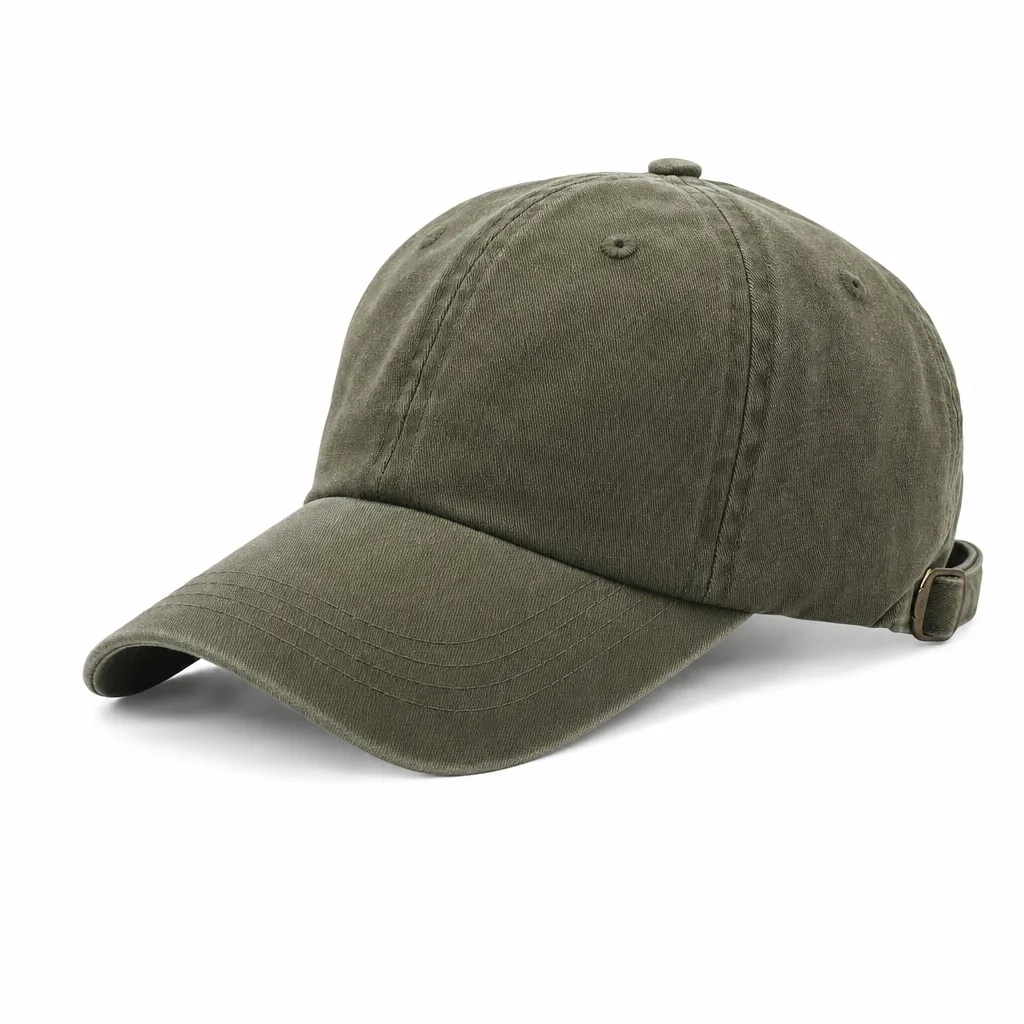
Custom Golf Hats: A Manufacturer's Guide to Performance Headwear - Cost & MOQ Breakdown - Cost & MOQ Breakdown - 2026 Buyer's Guide - Cost & MOQ Breakdown - Cost & MOQ Breakdown is one of the most-asked questions we receive from international buyers, and for good reason. With dozens of factories competing for your order and an alphabet soup of technical terms in every supplier quote, even experienced importers can feel lost. This guide consolidates what we have learned producing custom hats for clients in 40+ countries.
The golf-specific silhouettes that dominate retail and tournament programs
The volume winners in custom golf hats are still the 6-panel pre-curved performance cap and the seam-free 5-panel low-profile cap, but they win for different reasons. The 6-panel is the safer tournament body because it fits the widest age and head-size range and survives sweat, sunscreen, and repeated laundering better than fashion-first twills. The spec that holds up on course is usually 92/8 polyester-spandex or 100% woven polyester at 110-140 gsm, with side or rear laser perforation, a black or charcoal undervisor to cut glare, and a moisture-wicking sweatband laminated to 3-5 mm PU foam. On the production side, crown fabrics in the 150-300D range digitize cleanly for front embroidery; once you drop into lighter shells, logos start tunneling unless stitch density, pull compensation, and underlay are adjusted on Tajima or Barudan heads. The 5-panel has taken a real share of retail and sponsor-driven business because the uninterrupted front panel gives cleaner decoration across multiple logo types. Flat embroidery, TPU patches, silicone heat transfers, and high-density embroidery all sit better when there is no center seam breaking the artwork. That matters in tournament programs where one body may carry a club mark, a title sponsor, and a back-arch event date across different SKUs. Rope caps are the main crossover silhouette when buyers want pro-shop sell-through rather than one-day giveaway use: a semi-structured 5-panel crown, moderate front height, and rope placement roughly 5-8 mm above the brim seam reads premium; lower than that starts to look souvenir-grade. In factory costing, the rope usually adds only about $0.25-$0.60 FOB, which is why the style carries stronger retail margin than a plain performance cap.
Buckets and visors are secondary silhouettes, but they solve specific golf use cases that standard caps do not. A proper golf bucket should not be cut from heavy brushed twill; the better build is 100-130 gsm microfiber polyester or nylon-spandex with mesh lining, a 5.5-6.5 cm brim, and evenly spaced brim stitching so the edge does not wave after wash or container transit. These programs work for caddie crews, junior camps, hot-weather resort retail, and range staff, but they cost more because labor minutes are higher and brim symmetry is harder to hold at AQL 2.5. FOB is typically $4.20-$6.80 for a bucket versus about $2.60-$4.90 for standard custom golf hats in a performance cap body, depending on closure, fabric, and decoration method. Visors remain reliable for women’s events, warm-climate resorts, and sponsor programs where hairstyle compatibility matters, but the decoration window is much less forgiving. The front band height cannot support wide satin columns or dense crest fills without distortion, so artwork often has to be simplified or moved to a woven patch, TPU badge, or thin-column flat embroidery. Heat resistance also matters more than buyers expect: if the brim insert is poor-grade PE instead of stable HDPE, it can warp in a container that peaks above 50°C. Our standard practice is to steer serif-heavy logos, fine coordinates, and details under roughly 2.0 mm height away from direct embroidery on visors, even on ZSK heads, because readability drops fast once the curve and shallow crown height start fighting the stitch path.
Why golf demands performance fabric (not cotton twill)
Cotton twill is a poor default for golf because it holds moisture exactly where a player feels it most: the front panel, seam tape, and sweatband. A brushed cotton twill at 220-280 gsm can absorb roughly 8-10% of its own weight, then dry slowly once humidity and sweat load build up. After 18 holes, that usually means a heavier cap, softened brim edge, and visible salt lines around the lower crown, especially on white, stone, light gray, and pastel programs. For custom golf hats, the fabrics that consistently perform are lighter synthetics: 100-150 gsm microfiber polyester, 125-165 gsm poly-spandex dobby, or interlock knits finished for capillary wicking. Those constructions move moisture laterally across the fabric face so it evaporates instead of pooling behind the forehead panel. UV and heat exposure make the gap even wider. Cotton twill tends to feel acceptable in a showroom but breaks down on the course because it traps heat and takes longer to recover shape after repeated wet-dry cycles. A well-built polyester shell in the 75D-150D range dries faster, resists crown collapse, and keeps a cleaner silhouette through a full round and cart storage afterward. Our standard practice is to reject cotton as the baseline unless the buyer is intentionally making a lifestyle crossover cap, because in wear tests the small savings—typically $0.20-$0.45 per cap at MOQ 144-300—rarely justify the drop in comfort or the higher complaint rate on light colors.
The shell fabric is only half the story; active headwear fails when brands spec a performance outer and then build the inside like a promo cap. A golf-ready construction uses a 140-180 gsm polyester mesh sweatband or a Coolmax-type knit rather than cotton terry, which saturates quickly and becomes a wet band across the forehead. Venting matters too: laser-perforated side panels, honeycomb mesh inserts, and low-denier woven polyester improve airflow without pushing the hat into a running-cap look. For buyers sourcing custom golf hats, this is where pattern engineering matters more than catalog language. A fabric can pass a lab wicking test and still wear hot if the crown foam, backing, and sweatband are wrong. Decoration is another common failure point. Dense direct embroidery on a lightweight crown can choke airflow, pucker the panel, and create a sweat dam behind the logo. On Tajima or Barudan heads, we usually reduce stitch density, open the underlay, and keep large fill areas under control; for oversized marks, TPU patches, silicone heat transfers, or lightweight woven badges often outperform standard embroidery on performance shells. Quality control should also include colorfastness to perspiration, dimensional stability after wash, and shade approval against Pantone TCX with a practical Delta-E of 1.0-1.5, because golf programs often run in light, unforgiving colors. At final inspection, AQL 2.5 is the minimum serious buyers should expect, especially for white caps where puckering, panel shading, and sweatband bleed show immediately.
UPF sun protection for golf programs
UPF failures on custom golf hats usually come from design choices, not from the base polyester. White crowns, mesh inserts, and laser-perforated side panels are the common weak points, because they reduce cover factor even when the core fabric is a decent 120-160 gsm microfiber or interlock. That fabric may test around UPF 30+ by construction, but a sellable UPF 50+ claim needs lab data on the exact fabric, color, and finish, typically under AATCC 183 or AS/NZS 4399. If the program is shipping into Australia or high-UV states like Arizona, Florida, and Hawaii, treat dark shades as the safer baseline: black, deep navy, and forest routinely outperform optic white by a wide margin. Stretch matters too. An open-knit body that passes in a relaxed state can lose protection after wear if the crown distorts around larger head sizes. The biggest technical mistake is mixing protected and unprotected zones in the same cap architecture. Add 1.5-2.0 mm laser holes across the side panels or a coarse athletic mesh on the back, and the finished hat can fall below claim level fast, even if the front panels still meet spec. Embroidery run on Tajima or Barudan heads does not meaningfully change UV performance, but bonded seam tape, laminated buckram, TPU patches, and fused panel builds can affect how the lab defines the tested system. For golf programs, I would not approve UPF artwork, hangtags, or packaging until the final construction is locked, because a late switch from solid side panels to perforated panels is exactly the kind of floor change that forces a second test and creates paper-trail problems later.
The cost adder for a credible UPF program is usually moderate; the expensive part is testing the wrong build. On a stock dark polyester already qualified by the mill, UPF-capable fabric often adds only $0.18-$0.45 per hat, depending on gsm, dye depth, and whether the supplier is holding inventory in a near-Pantone TCX shade. Third-party verification through SGS, Intertek, or Bureau Veritas typically lands at $300-$500 per SKU, and buyers should treat that as per fabric-and-color combination, not per style name. A navy interlock and a white micro-perf version of the same custom golf hats are not the same compliance package. If the claim will sit under retailer QA review, ask for the report number, test standard, composition, shade, and finishing details, not just a mill declaration. MOQ is where most golf programs get caught. If you stay with stock black or navy UPF-rated polyester and a simple 6-panel build, 144-300 pieces is usually practical because the base cloth is already dyed and finished. Once you request a custom Pantone TCX match, fresh UV treatment, printed seam tape, moisture-wicking sweatband, or a revised perforation pattern, the workable MOQ usually moves to 500-1,000 units because dyeing, finishing, and retesting are now tied to your lot. At CrownsForge, the standard practice is to freeze composition, panel layout, and color before confirmation testing; changing any of those after approval is how buyers end up paying a second lab bill and delaying bulk by 7-14 days. For resort shops, school teams, and licensed programs, paperwork that matches the delivered SKU is what matters when a QA auditor asks questions months later.
Moisture-wicking sweatband: the detail buyers don't notice until summer
The sweatband is the part that decides whether custom golf hats survive a July round or get left in the trunk after one wear. Plain 100% cotton twill bands still show up on too many showroom samples because they are cheap and easy to sew, but on course they hold moisture, swell, and stay wet against the forehead. In a structured cap with PE-coated buckram, laminated front panels, and dense 3D embroidery, that trapped moisture has nowhere to go. The result is familiar on hot-weather returns: salt lines at the join seam, sunscreen and makeup staining on light interiors, and a clammy feel by the sixth or seventh hole. For actual summer sell-through, the safer spec is a moisture-management knit, usually 92/8 or 95/5 polyester-spandex at 140 to 180 gsm, with a lightly brushed skin side and enough stretch recovery to keep contact without biting the temples. The functional point is capillary spread, not just a softer handfeel. A proper wicking band pulls perspiration laterally across the knit face so it can evaporate through eyelets, perforated side panels, or mesh rear quarters instead of pooling at the skin line. If the crown fabric is a heavy 220 gsm cotton twill, even the best band will be fighting the shell, so performance caps should be built as a system: 120 to 160 gsm polyester or nylon taslon, laser-perforated panels, and a sweatband that can recover after repeated stretching. Our standard practice is a finished sweatband width of 32 to 35 mm with controlled binding tension; if operators over-stretch during joining, the band rebounds unevenly, curls at the edge, and creates pressure points that players notice before they ever comment on the visor shape.
Construction and QC are where factories quietly miss the spec. Moisture-wicking bands need clean seam joining, stable recovery after pressing, and consistent stitch density at the sweatband-to-crown attachment; otherwise they start rolling after a few wears and lose contact with the forehead. On bulk production I would check this at AQL 2.5, then do physical fit tests after final pressing because over-pressing can flatten the knit structure and reduce wicking efficiency. For dyed bands, perspiration colorfastness should be minimum grade 4, and shade should be checked under D65 light against the approved Pantone reference; on white and pastel interiors, even a small Delta-E drift or yellow cast makes the whole cap look cheap. If a factory cannot provide perspiration and crocking reports before bulk approval, the pre-production sample is not telling you much. The cost to get this right is too small to treat as an optional upsell. On custom golf hats made in China, moving from a basic cotton band to a brushed polyester-spandex wicking band usually adds about $0.15 to $0.25 per cap at 1,000 pieces. Dyed-to-match binding tape, jacquard logo knit, or anti-microbial treatment typically pushes that to $0.28 to $0.37, while laser-perforated side panels add another $0.05 to $0.12 depending on panel count and backing. That is trivial compared with chargebacks or slow sell-through from pro shops, resort accounts, and tournament merch tables in 90°F-plus weather. Buyers spend hours debating rope placement and crown height, but the wearer judges the hat after 18 holes, and the sweatband is usually the reason they buy the second one.
Rope hats: why this silhouette became the golf hero category
Rope hats took over golf because they deliver a premium visual cue without introducing a difficult pattern or a volatile cost structure. The standard build is a structured 5-panel pinch front or a medium-profile 6-panel with a braided cord set roughly 6 to 10 mm above the visor seam; that trim usually adds only $0.08 to $0.18 per cap, depending on cord diameter, braid density, and whether the yarn is matte polyester, shiny trilobal polyester, or cotton-feel PP. Compared with older sandwich-brim caps, the rope silhouette photographs cleaner, looks more current at retail, and avoids extra panel splits or binding operations. For custom golf hats, that is the sweet spot: the customer reads it as elevated product, while the factory still runs a stable sewing sequence on standard Juki single-needle and post-bed stations with no unusual setup loss.
The silhouette also works because the front panel architecture is decoration-friendly. A 5-panel rope cap gives uninterrupted space for flat embroidery, 3D puff, TPU weld patch, or a merrow-edge woven badge without a center seam breaking the logo; the 6-panel option is more forgiving on fit and holds heavier artwork with less torque across the crown. Most programs are built in 100% polyester twill at 160 to 190 gsm, poly-spandex at 180 to 220 gsm, or nylon taslon at 105 to 140 gsm when the buyer wants a lighter hand and faster drying. In production, rope placement needs to stay within plus or minus 2 mm or the cap reads visibly crooked under retail lighting, especially in high-contrast combinations like white/navy or cream/forest. On a well-managed program, MOQ can start at 100 pieces per colorway, with a structured recycled-poly twill rope cap, snapback closure, and a 5,000-stitch front embroidery landing around $4.20 to $6.80 ex-factory at 100 to 300 units.
What separates a strong rope hat from a weak one is shape control. A rope trim can hide nothing if the front profile collapses, the visor curve is inconsistent, or the logo sits off-center by even 3 mm. Buyers sourcing custom golf hats should inspect crown symmetry, buckram stiffness, visor match, top button centering, and rope alignment to AQL 2.5, not just approve decoration. Rope color is another common miss: contrast cords show shade drift faster than the shell fabric, so the yarn should be matched to the nearest Pantone TCX and confirmed on a pre-production sample under D65 daylight, with Delta-E tolerance kept practical for mixed-material components. At CrownsForge, we also check embroidery pull after hooping, especially on lighter 105 to 140 gsm nylon constructions where distortion shows much faster than on a 190 gsm twill body. That discipline is why the category feels premium in hand without being a complicated build.
Tournament + club merchandise compliance and timing
Tournament launches for custom golf hats usually fail at the approval stage, not on the sewing line. If a cap carries a club crest, sponsor mark, NCAA logo, or event lockup, lock written approval on artwork, placement, and stitch count 90-120 days before first tee. A late logo revision after digitizing is not a minor edit: a structured 5-panel cap with a raised front crest may need a new DST file, a fresh embroidery strike-off, and sometimes a different buckram weight if high-density stitching starts tunneling or distorting the crown. I tell buyers to approve against actual cap panels, not flat PDFs, because embroidery pull on recycled poly, heather jersey, and brushed cotton twill behaves differently once the panel is fused and hooped on Tajima or Barudan heads.
Color control is another place buyers get surprised. Provide Pantone Solid Coated or Pantone TCX references plus a physical standard, because thread sheen and fabric texture shift perceived color under D65 lighting. On dyed performance fabrics, a mill can usually hold Delta-E within 2.0 on premium runs; embroidery thread is less exact, and Delta-E 2.5-3.0 is a more honest tolerance with Madeira or Gunold stock shades. For club retail, work backward from shelf date, not tournament date: 7-10 days for sourcing and quote approval, 10-14 days for sample revisions, 25-35 days for production, and 18-35 days for ocean transit from FOB Ningbo or Shanghai to a U.S. DC. Air can save a launch, but usually adds $1.20-$2.80 per cap on lightweight styles. Once the hats are for pro-shop retail rather than giveaway use, UPC or EAN labeling, fiber-content and country-of-origin compliance, carton assortment accuracy, and AQL 2.5 final inspection stop being optional; CrownsForge also checks visor curvature, sweatband attachment, top-button centering, and logo registration because golf accounts reject crooked front embroidery faster than almost any category.
Working with CrownsForge on golf programs
Material control decides whether custom golf hats survive a summer season; decoration is secondary. For golf programs, performance woven polyester consistently outperforms brushed cotton because it holds crown memory, dries faster, and resists sweat-line deformation after repeated wear. The practical window is 120-160 gsm using 75D-150D filament yarns. Structured 6-panel shapes usually work best with mechanical stretch woven shells, while softer low-profile and rope styles can tolerate 8-12% spandex blends if the face fabric still has enough body to support the front panel. Laser-perf side panels and micro-mesh inserts need that balance; if the shell is too soft, the cap face caves in after heat exposure, washing, or a few rounds in a cart. Light colors are the easiest place to spot weak sourcing, so white, navy, and pastel country-club shades should be approved against Pantone TCX lab dips with Delta-E held below 1.5 under D65 lighting, not judged off a phone photo. At CrownsForge, we keep approved visor curve measurements, rope diameter, closure templates, and bulk shell swatches on file so repeat orders do not burn time re-developing the same cap.
UPF and comfort details need to be treated like compliance points, not brochure language. If a buyer wants UPF 30+ or 50+ on custom golf hats, the actual production fabric and construction should be tested under AATCC 183 before bulk, especially on white shells, sublimation prints, mesh backs, or laser perforation layouts where UV transmission can shift sharply. Sweatband substitutions also show up fast in wear testing: a 30-35 mm polyester knit sweatband with a quick-dry finish, paired with 3-5 mm EVA-backed front support, performs noticeably better than standard cotton twill tape and low-grade soft buckram in hot-weather play. Decoration should stay disciplined on golf profiles. Front logos that look acceptable on promo baseball caps often tunnel across the center seam or distort shallow crowns. A safe embroidery target is roughly 45-55 mm high and under 6,000 stitches for filled areas, with limited use of 3D puff on lightweight woven shells. Tajima and Barudan heads both sew cleanly, but slick polyester still demands proper underlay, seam compensation, and controlled thread density. Flat embroidery, matte silicone transfers, welded TPU patches, and clean appliqué usually read more premium than heavy raised fills, especially on rope hats where the braid already occupies visual space.
Lead times only stay real when the spec pack is frozen early. If shell fabric, artwork, closure, labels, decoration method, and packaging are confirmed in one pass, sampling is typically 7-12 calendar days, and bulk production runs about 25-32 days after sample approval and deposit. Add molded TPU badges, custom laser-perf tooling, or non-stock ropes, and you should expect extra strike-off time before line booking. MOQ is also tighter than many buyers assume. Stock-fabric custom golf hats can open around 144-300 pieces per colorway, but once you move into proprietary fabrics, custom trims, or multiple decoration methods, the cost structure usually makes better sense at 500-1,000 pieces. A straightforward performance cap is commonly around $3.20-$5.80 FOB Yiwu; tournament, resort, or licensed builds with upgraded trims and retail packing often land at $6.50-$9.50 FOB. Before releasing a PO, buyers should lock carton dimensions, net and gross weights, ex-factory date, and inspection protocol. Golf programs are usually checked to AQL 2.5 for major defects, and serious vendors should be able to provide current sedex-audit-cap-supplier-guide.html">BSCI 2.0 or Sedex SMETA 4-Pillar records without hesitation.
Frequently Asked Questions
What logo decoration techniques do you offer?
3D puff embroidery, flat embroidery, woven patch, leather patch, PVC patch, screen printing, sublimation, applique and laser etching, all in-house with no subcontracting.
Can I order a sample before bulk production?
Yes. We strongly recommend approving a pre-production sample before mass production. Samples are charged at 35 to 60 USD each plus express shipping, fully refundable against confirmed bulk orders over 500 pieces.
Do you support sustainability certifications?
Yes. We work with GOTS organic cotton, GRS-certified recycled polyester, OEKO-TEX Standard 100 fabrics, and are BSCI and Sedex audited. Certification documentation can be provided per order.
What file format should I send for my logo?
Vector files (AI, EPS, PDF) are ideal. High-resolution PNG or JPG at 300 dpi on transparent background works as a fallback. Provide Pantone color references for accurate reproduction.
Which shipping methods do you support?
We support FOB, CIF and DDP shipping. Air express for samples and small orders, sea LCL for 100 to 500 pieces, sea FCL for 5,000+ pieces. Door-to-door DDP available for US, EU, UK, Canada and Australia.
What's the MOQ for custom embroidered baseball caps no minimum?
When evaluating custom embroidered baseball caps no minimum, the key considerations are construction quality, decoration capability, MOQ flexibility and lead time. Performance baseball cap with curved brim, 5-panel low-profile golf cap, rope hat with rope detail above the brim, performance bucket hat, and visor. Each has a specific use case — driving range, tournament play, club merchandise programs and pro-shop retail. Standard cotton twill absorbs perspiration and stays heavy. Golf demands moisture-wicking polyester (typically…
How does ordering baseball cap custom logo work?
When evaluating baseball cap custom logo, the key considerations are construction quality, decoration capability, MOQ flexibility and lead time. Performance baseball cap with curved brim, 5-panel low-profile golf cap, rope hat with rope detail above the brim, performance bucket hat, and visor. Each has a specific use case — driving range, tournament play, club merchandise programs and pro-shop retail. Standard cotton sweatband saturates within 9 holes of summer play; polyester-elastane wicking sweatband moves…
How does ordering custom baseball team hats work?
When evaluating custom baseball team hats, the key considerations are construction quality, decoration capability, MOQ flexibility and lead time. Performance baseball cap with curved brim, 5-panel low-profile golf cap, rope hat with rope detail above the brim, performance bucket hat, and visor. Each has a specific use case — driving range, tournament play, club merchandise programs and pro-shop retail. Rope hats (a 5-panel or 6-panel cap with decorative rope above the brim, often in contrast color) became the golf…
What's the MOQ for custom logo hats no minimum?
When evaluating custom logo hats no minimum, the key considerations are construction quality, decoration capability, MOQ flexibility and lead time. Rope hats (a 5-panel or 6-panel cap with decorative rope above the brim, often in contrast color) became the golf cap of the 2020s. Originally a fishing/outdoor silhouette adopted by Imperial, Melin and Branded Bills. We produce equivalents at MOQ 100 pieces. Performance baseball cap with curved brim, 5-panel low-profile golf cap, rope hat with rope detail above the brim,…
Ready to start your custom hat project?
Send us your tech-pack, sketch or even just an inspiration photo. We will respond with a detailed quotation and digital mock-up within 24 hours.
Request a free quoteRelated guides
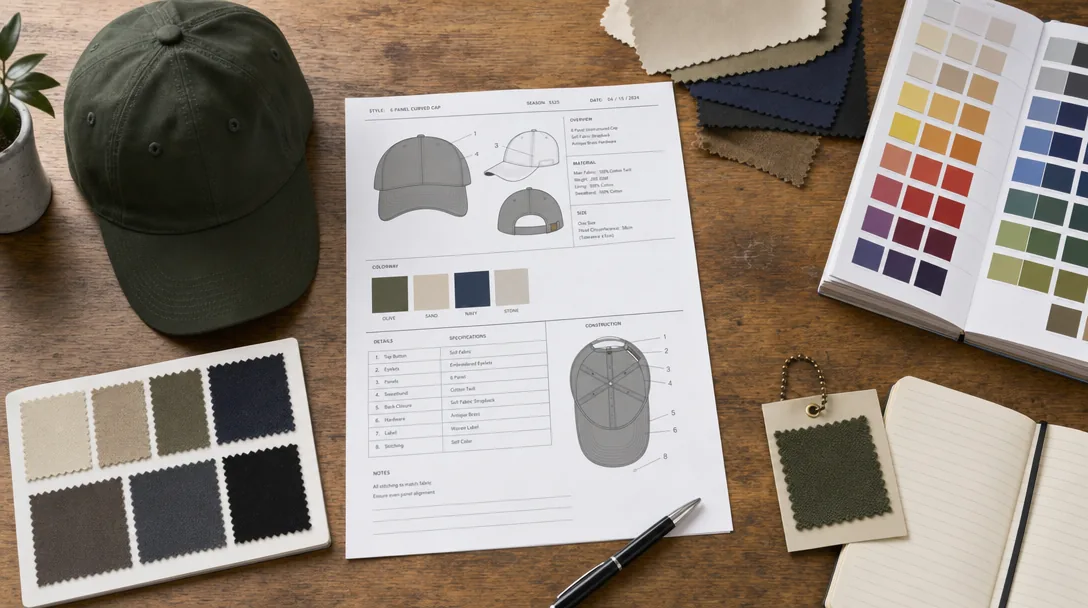
Performance & Athletic Caps: Moisture-Wicking, UPF and Buyer Specs - 2026 Buyer's Guide - 2026 Buyer's Guide
Read article →
Country Trucker Caps: The 2026 Sourcing & Manufacturing Playbook
Read article →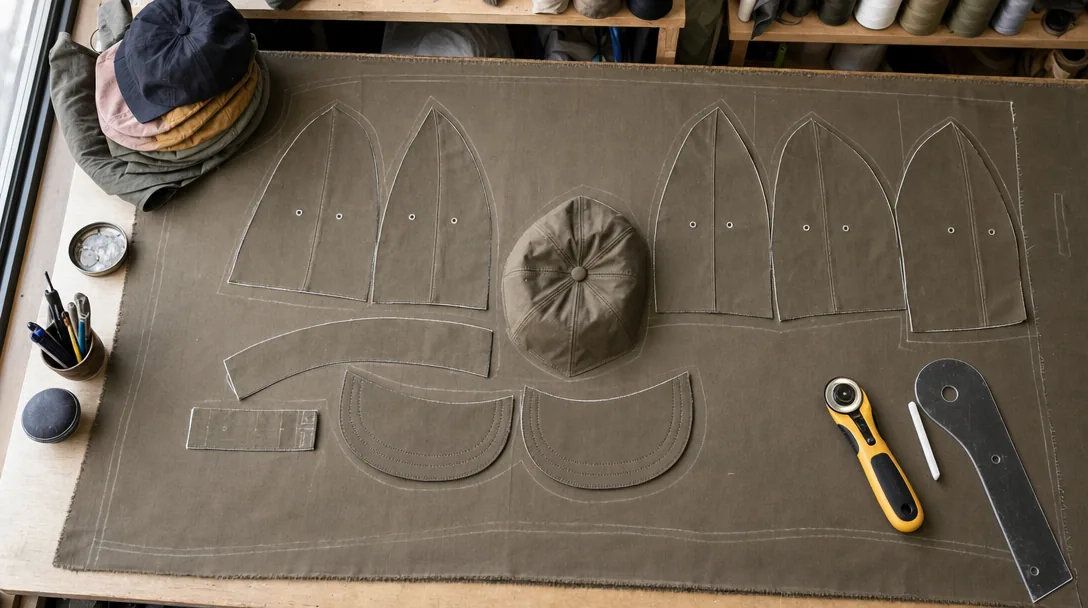
5-Panel vs 6-Panel Caps: Construction, Use Cases and Cost Compared (2026 Update)
Read article →If you are ready to take the next step on custom golf hats: a manufacturer's guide to performance headwear - cost & moq breakdown - cost & moq breakdown - 2026 buyer's guide - cost & moq breakdown - cost & moq breakdown, our team can put a tailored quotation and digital mock-up in your inbox within 24 hours. Send the inquiry form on our contact page or message us directly on WhatsApp.