
Custom Cap Closure Options and Cost: Snapback, Strap, Buckle (2026 Update)
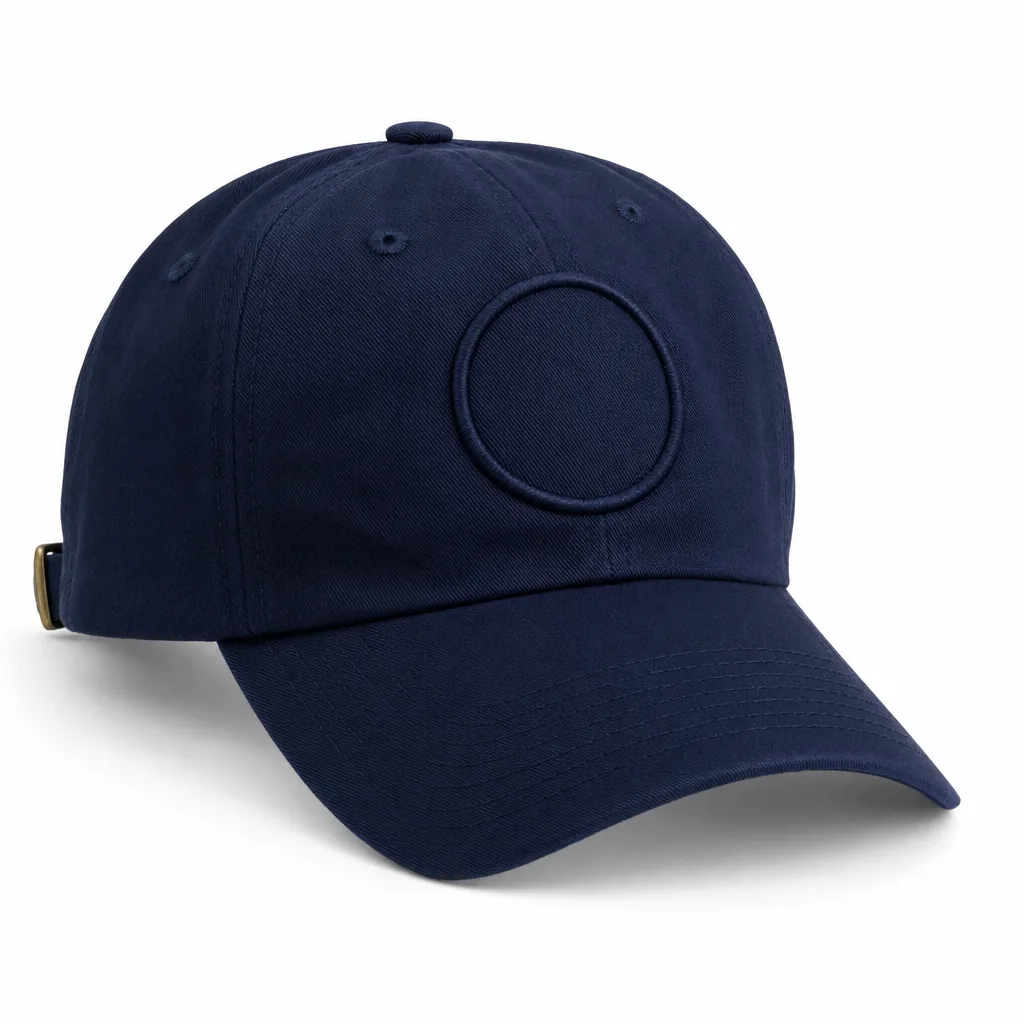
Every week, our sales team answers detailed questions about custom cap closure options and cost: snapback, strap, buckle (2026 update). We wrote this guide so that wholesalers, streetwear brands, corporate buyers and promotional resellers can compare options with full information, and avoid the traps that show up only after production has started.
What custom cap closure options cost means in real production
The back closure is not a trim detail; it changes BOM, sewing minutes, defect risk, and sometimes carton efficiency. In factory terms, custom cap closure options cost is the real upcharge versus a closed-back body: component price, added labor, scrap, and hardware handling. On a 6-panel 270 gsm cotton twill cap at 3,000 pcs, a stock 7-hole PP or acetal snapback usually adds $0.08 to $0.16 per unit. A self-fabric strap with tuck-in and metal slider is more like $0.24 to $0.42, because you are paying for strap cutting, turning, edge folding, bartack reinforcement, and slower attachment at the back opening. Genuine leather with an antique brass buckle commonly lands around $0.58 to $1.05, depending on hide yield, buckle plating, logo debossing, and whether the hardware needs REACH documentation for EU shipments.
Specs to request before a quote
Quality terms matter as much as the artwork, and vague wording is where suppliers hide variance. Put the inspection standard in writing: AQL 2.5 for major defects and AQL 4.0 for minor defects is a normal baseline for apparel accessories, with the actual sample size tied to ISO 2859-1 lot size. Spell out whether the factory must test closure pull strength, stitch slippage, colorfastness, and carton drop resistance before shipment. For metal snaps, buckles, or grommets, ask for the plating standard and corrosion screen up front; 24 to 48 hours of salt-spray is only a basic check, while higher-end programs may call for 72 hours or more. If the supplier can provide line-clearance photos, needle-detection records, and carton-counted inspection sheets, they are working to export discipline instead of improvising at final packout.
The point is to make custom cap closure options cost comparable across suppliers instead of buried inside a vague unit price. One factory may quote a cheaper strap or buckle but quietly use thinner webbing, looser tolerance on hole spacing, or no pre-production sample signoff; another may add 4 to 8 cents per cap because it is using a better zinc alloy, tighter QC on rivet setting, and documented inspection at the end of line. Those cents matter, but only after the same closure spec is on the table for every quote. In a proper RFQ, the buyer should specify closure type, material grade, width, thickness, plating finish, Pantone TCX target where color matters, and the exact approval sample that controls production. That is the only way to compare landed pricing without comparing apples to broken hardware.
Factory risks and quality checks
The biggest factory risk in closure work is not the hardware itself; it is drift between the approved sample and bulk production. On snapbacks, I watch for weak tooth engagement, off-center woven labels, and POM teeth cracking after cold-chain transit at 0 to 5 C. On webbing straps, the usual failures are frayed cut ends, loose bar-tacks, and buckle slip after a 5 kg pull test or a 30-cycle wash test at 40 C. On metal buckles, the common problems are plating below 8 to 10 microns, burrs at the prong, and strap-edge cutting during repeated adjustment. If a supplier is quoting a low custom cap closure options cost but cannot hold stitch density, webbing width, buckle alloy, and pull resistance across the order, the savings disappear in rework, replacement freight, and late cartons.
A serious custom hat factory should lock three checkpoints before bulk: pre-production sample, first-article inspection, and top-of-production signoff. The sample must show the actual closure code, thread spec, seam allowance, and Pantone TCX match for any woven tab or printed label, not a visual near-match. I expect an AQL 2.5 plan with defect classes defined in writing: critical for sharp edges, exposed needles, and broken hardware; major for misaligned closures, skipped stitches, or loose rivets; minor for surface scratches and small shade shifts. In a headwear factory China setup, the fastest way to avoid schedule slip is to freeze the BOM early, confirm carton counts and spare parts for repairs, and require the private label hat supplier to send photos of the first 20 pcs off the line before mass packing starts.
The practical control point is simple: test the closure the way the customer will abuse it, not the way it looks under fluorescent lights. That means random pull checks on straps, repeated open-close cycling on snaps, and dimensional checks on crown depth and back opening after steaming or washing so the closure still sits flat and centered. At CrownsForge, we treat any change in hardware finish, thread ticket, or sewing route as a new variable, because that is where hidden labor starts. When those inputs stay fixed, custom cap closure options cost stays predictable; when they drift, the real cost shows up as expedites, air freight, and missed launch windows, which are far more expensive than a 3 to 8 cent savings on the closure itself.
MOQ, lead time, and cost drivers
MOQ is the first variable that distorts a closure quote. At 300 pieces, the factory is still absorbing pattern making, tape cutting, machine setup, embroidery digitizing, and line changeover, so unit price can sit 20 to 40 percent above a 1,000-piece run. That is where custom cap closure options cost starts to move: a standard plastic snapback is usually the cheapest closure, while a self-fabric strap, leather strap, or antique-brass buckle adds labor and slower manual finishing. In practical terms, the closure upgrade alone often adds about $0.25 to $1.20 per cap, depending on whether the part is stock, dyed to Pantone TCX, debossed, or built as a stitched assembly instead of a simple sew-on component.
Closures also change the sewing route, not just the bill of materials. The factory has to match the back opening, sweatband width, seam allowance, and reinforcement tape to the closure spec, and that changes time at the flatbed, bartack, or binding station. If you add a PU patch near the adjuster, a metal buckle with laser engraving, or color-matched snaps, you are paying for extra handling and a higher scrap rate, not just a pricier part. The labor delta is usually the bigger driver: 12 to 25 extra seconds per cap sounds small, but across 5,000 units it is real money. The clean way to quote it is to separate base cap price from closure upgrade price so the buyer can see exactly where the custom cap closure options cost is coming from.
QC, packaging, and freight finish the equation. Needle detection, colorfastness checks to Pantone TCX, and AQL 2.5 inspection add labor and sometimes rework allowance, while polybags, size stickers, barcode labels, and master carton specs can add another $0.08 to $0.35 per cap. Shipping can move the answer even harder: a 40-foot container from Ningbo to Los Angeles may shift landed freight by a few cents in a soft market and more than $1.00 per unit when cube efficiency is poor or rates spike. For procurement, the useful comparison is not snapback versus buckle in isolation; it is the full custom cap closure options cost against MOQ, trim spec, QC standard, and the actual lane you will ship on.
How CrownsForge manages this order type
We lock the closure spec before bulk cutting starts. The buyer signs off the actual back hardware, not a placeholder photo, because a snapback, self-fabric strap, and zinc-alloy buckle all change crown tension, sweatband stitch length, and how the cap sits after wash testing. On a 300 to 500 piece run, our standard sampling cycle is 5 to 7 working days after artwork and closure approval, with one pre-production sample and one revision round if the first fit or finish misses the brief. That is what makes custom cap closure options cost readable in practice: a $0.12 hardware swing can turn into a larger labor delta once you account for bartacks, reinforcement tape, and extra handling at packing.
Every closure job gets a spec sheet procurement can actually use. We record Pantone TCX references for trim matching, stitch count, buckle finish, sweatband type, tail length, and carton pack-out so the same style can be reordered six months later without guessing. For metal buckles, we note nickel-plated, antique brass, or matte black, plus hole count or slider range for size control; for straps, we specify woven twill or polyester webbing and whether the end is folded, heat-cut, or sewn flat. That level of documentation is the cleanest way to explain cap closure options cost because it separates material cost from labor cost: snapbacks are fastest on the line, fabric straps are cheaper in hardware but slower when bartacking and end finishing are involved, and buckles add both unit cost and inspection time.
Quality control starts at the back opening, not the front logo. On bulk lots we check snap alignment, buckle plating, stitch security, hole spacing, and closure pull test against the tech pack, then run AQL 2.5 sampling on finished cartons before shipment booking. Our standard practice is to lock the closure record, sample photos, and deviation log into the job file, so repeat orders usually do not need fresh sampling unless the buyer changes factory, artwork, or trim source. For teams, streetwear labels, and promotional programs, the real savings come from holding the same closure spec, the same QC standard, and the same labor path from one PO to the next, instead of chasing the lowest opening quote.
Frequently Asked Questions
What is the minimum order quantity (MOQ) for custom hats?
Our standard MOQ is 100 pieces per design and color, with sampling available from 1 piece. For complex multi-color logos or premium fabric upgrades, the MOQ can be lowered with a small per-piece surcharge.
Which shipping methods do you support?
We support FOB, CIF and DDP shipping. Air express for samples and small orders, sea LCL for 100 to 500 pieces, sea FCL for 5,000+ pieces. Door-to-door DDP available for US, EU, UK, Canada and Australia.
Do you support sustainability certifications?
Yes. We work with GOTS organic cotton, GRS-certified recycled polyester, OEKO-TEX Standard 100 fabrics, and are BSCI and Sedex audited. Certification documentation can be provided per order.
Can I order a sample before bulk production?
Yes. We strongly recommend approving a pre-production sample before mass production. Samples are charged at 35 to 60 USD each plus express shipping, fully refundable against confirmed bulk orders over 500 pieces.
What file format should I send for my logo?
Vector files (AI, EPS, PDF) are ideal. High-resolution PNG or JPG at 300 dpi on transparent background works as a fallback. Provide Pantone color references for accurate reproduction.
How do I find a reliable custom waterproof cap manufacturer?
When evaluating custom waterproof cap manufacturer, the key considerations are construction quality, decoration capability, MOQ flexibility and lead time. Explain custom cap closure options cost in the context of a custom headwear RFQ, with the production details a buyer should verify before sampling. Cover dimensions, materials, tolerances, decoration files, carton requirements, AQL level, and the evidence a capable factory should provide.
How much does branded bills custom hat cost typically cost?
When evaluating branded bills custom hat cost, the key considerations are construction quality, decoration capability, MOQ flexibility and lead time. Explain custom cap closure options cost in the context of a custom headwear RFQ, with the production details a buyer should verify before sampling. Cover dimensions, materials, tolerances, decoration files, carton requirements, AQL level, and the evidence a capable factory should provide.
How do I find a reliable custom hat manufacturer usa?
When evaluating custom hat manufacturer usa, the key considerations are construction quality, decoration capability, MOQ flexibility and lead time. Explain custom cap closure options cost in the context of a custom headwear RFQ, with the production details a buyer should verify before sampling. Cover dimensions, materials, tolerances, decoration files, carton requirements, AQL level, and the evidence a capable factory should provide.
How does ordering custom embroidered snapback hat work?
When evaluating custom embroidered snapback hat, the key considerations are construction quality, decoration capability, MOQ flexibility and lead time. Explain custom cap closure options cost in the context of a custom headwear RFQ, with the production details a buyer should verify before sampling. Cover dimensions, materials, tolerances, decoration files, carton requirements, AQL level, and the evidence a capable factory should provide.
Need a low-MOQ test order?
We help emerging brands launch with as few as 100 pieces. Premium fabric, in-house embroidery, retail-ready packaging.
Start a small orderRelated guides
Camouflage Bucket Hat: Properties, Costs and How to Spec It Right (2026 Update)
Read article →
Refreshing a Hat Collection: A Repeat-Order Playbook for Established Brands
Read article →
Embroidery Hats Machine: When to Use It, Costs, and What to Ask Your Factory - Cost & MOQ Breakdown
Read article →We hope this guide demystifies custom cap closure options and cost: snapback, strap, buckle (2026 update) and helps you move forward with confidence. If you have questions specific to your project, our English-speaking sales engineers are one message away.