
Custom Camo Hats: Hunting, Outdoor and Tactical Cap Manufacturing - 2026 Buyer's Guide
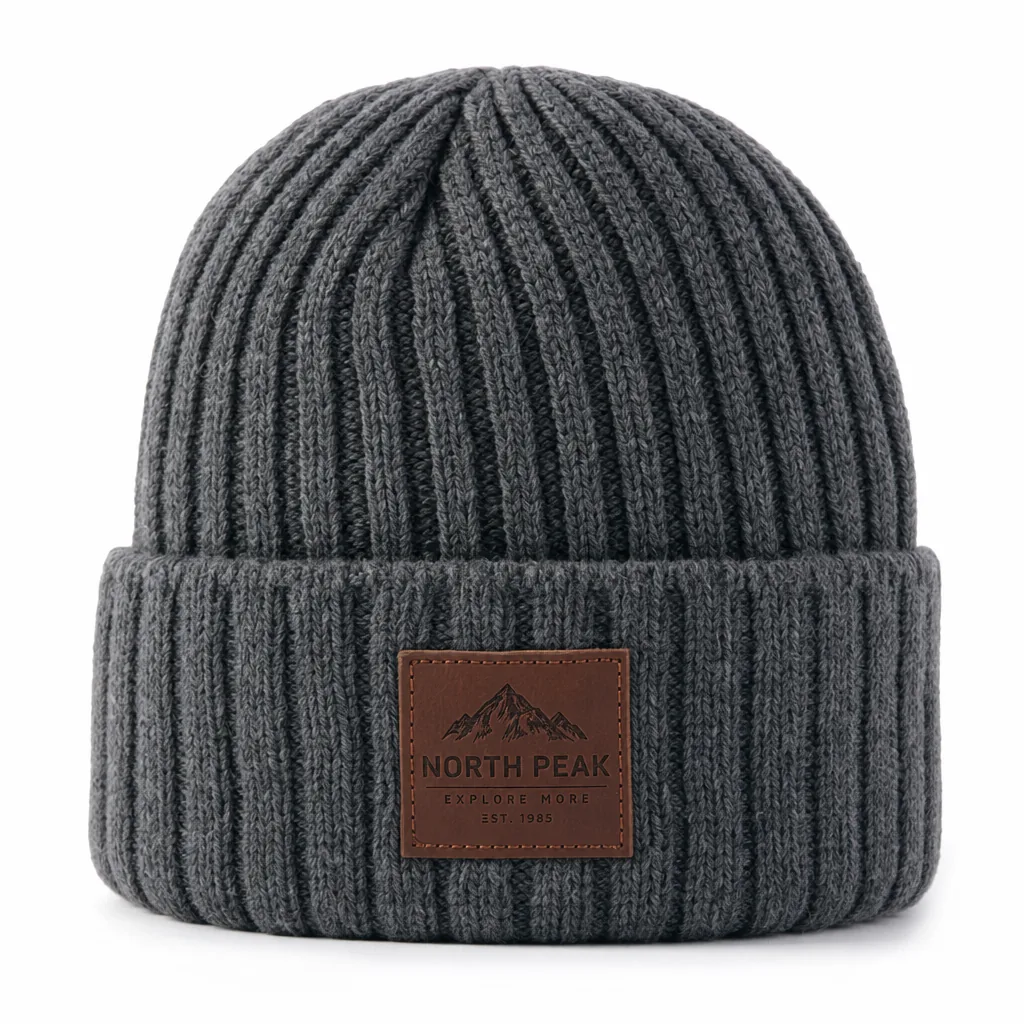
Every week, our sales team answers detailed questions about custom camo hats: hunting, outdoor and tactical cap manufacturing - 2026 buyer's guide. We wrote this guide so that wholesalers, streetwear brands, corporate buyers and promotional resellers can compare options with full information, and avoid the traps that show up only after production has started.
The four dominant camo families in retail and outdoor markets
Four camo families still drive most orders for custom camo hats, and each one wants a different factory setup: tree-realistic hunting, leaf-and-timber hunting, digital tactical, and classic woodland military. Buyers who lump them together usually waste the first sampling round on the wrong shell fabric or decoration spec, then burn 2 to 4 weeks reworking strike-offs and fit samples. Tree-realistic programs in the Realtree lane are the most unforgiving because the artwork depends on bark texture, shadow gradients, branch overlays, and clean negative space. On 180 to 220 gsm brushed cotton twill or 150 to 200 gsm polyester tricot, anything beyond about 1.5 mm panel-to-panel drift shows immediately at the center seam and visor wrap. In practical retail terms, these patterns sell best in hunting, feed-store, and outdoor-chain accounts on low-profile 6-panel caps with pre-curved PE visors, hook-and-loop or plastic snap closures, and blaze orange sandwich bills. Flat-brim streetwear shapes can work, but they are not the volume driver in this category.
Leaf-and-timber hunting camo, the Mossy Oak-style lane, carries a different commercial risk: licensing. Buyers need to decide up front whether they are buying authorized printed yardage, commissioning original artwork, or developing a non-infringing natural pattern, because that decision changes MOQ, approval flow, and landed cost fast. Licensed fabric commonly adds 10% to 25% over generic reactive-printed twill, and it often requires extra strike-offs plus placement approval before bulk cutting starts. Decoration also has to be engineered around pattern noise. Dense 3D puff logos that read well on solid black can disappear on busy camo unless the digitizer opens satin columns, backs off fill density, and adjusts underlay and stitch angle on Tajima or Barudan heads; in many cases, a flat embroidery logo with a merrowed patch gives cleaner contrast and lower rejection.
Digital tactical camo and M81 woodland serve a different buyer from deer-season hunting caps. Digital patterns influenced by MARPAT, ACU, and Multicam-style geometry read cleaner on 210D polyester, 5x5 ripstop, and 50/50 NYCO shells used for tactical caps, boonies, and performance truckers, while classic woodland still moves strongest in surplus, airsoft, workwear, and skate channels because the contrast blocks stay legible from 3 to 5 meters and on mobile product thumbnails. The factory control points shift as well. For all-over custom camo hats, I worry less about chasing perfect Delta-E on every green and brown than I do about repeat consistency, panel balance, and seam appearance under AQL 2.5. If the cutter loses pattern balance across the two front panels or the visor arc, the cap looks second-grade even when the print itself is technically clean.
Licensing reality for branded camo patterns
If you want genuine Realtree or Mossy Oak on custom camo hats, treat it as a licensed IP program from day one, not a last-minute fabric swap. Any factory with real outdoor-headwear experience will ask for a trademark authorization letter before bulk cutting, because the risk sits in the printed yardage, not just the finished cap. In practice, the camo fabric usually has to come from a nominated or approved mill, and MOQ is often tied to fabric output rather than hat units alone; a 1,000-cap order can still trigger a 1,500 to 3,000 meter fabric minimum depending on width, repeat size, and base cloth. Approval is also tighter. Instead of a casual lab dip review, licensed patterns normally require strike-off signoff against brand standards, with shade tolerance controlled more like a Delta-E target than a visual “close enough” check under warehouse lighting. The cost impact is real and predictable. Authentic licensed yardage typically adds 25% to 40% to finished FOB cost versus a non-licensed woodland print, and on smaller runs it can be higher once mill surcharges and wastage are allocated. A basic 6-panel cap in 210 gsm brushed cotton twill might absorb that better, while a technical style in 150D poly ripstop with laser-perforated side panels, welded taping, or moisture-management sweatbands gets expensive fast because every upgraded component magnifies the royalty-bearing shell cost. Lead time also stretches: expect roughly 3 to 5 weeks for artwork authorization, mill booking, strike-offs, and final approval before normal cap production even starts.
Most buyers do not actually need trademarked camo; they need the hunting or tactical visual language without licensing exposure. For custom camo hats sold through farm stores, regional outfitters, or promotional channels, original camouflage artwork is usually the better commercial decision. Build the print around the cap silhouette and end use: 210 to 230 gsm cotton twill for structured crowns, 240 gsm cotton canvas for rugged workwear shapes, or 75D to 150D polyester twill or ripstop for lighter fishing and tactical styles. The rule on the factory floor is simple: do not copy protected branch silhouettes, bark textures, or the negative-space breakup that makes a branded pattern recognizable from six feet away. A competent supplier will redraw leaf clusters, branch angles, and shadow density from scratch, then submit a strike-off with Pantone TCX references and a signed artwork record before bulk. Cheap "Realtree style" fabric is usually where importers get burned. If the vendor cannot produce mill paperwork, artwork origin files, and approval history, assume the price excludes the real cost of customs seizure, retailer compliance failure, or marketplace takedowns. Our standard practice is to hold original-camo programs to the same documentation discipline as any other private-label print: archived AI files, signed color comments, bulk fabric swatches, and pre-production cap approval before sewing starts. That sounds bureaucratic, but it is cheaper than reworking 5,000 caps after a retail buyer decides the pattern is too close to protected IP.
Cap silhouettes that work with camo patterns
Silhouette decides whether camo looks engineered or messy. For most commercial programs, the most forgiving shape is still a pre-curved 6-panel cap with a medium-profile crown at roughly 8.5-9.0 cm and a visor curve around 70-75 degrees. That geometry breaks up woodland, marsh, and digital repeats across stable seam lines instead of stretching the print into odd hot spots on the front crown. For hunting and outdoor retail, I’d usually spec 260-300 gsm brushed cotton twill when the brief calls for a quieter hand and lower sheen, or 120-160 gsm micro-peach polyester when faster dry time and lower water pickup matter more. Structured high crowns are where many custom camo hats go wrong: once the front panel gets too tall, the print balloons visually and oversized logos start fighting the pattern instead of sitting on it. Decoration has to be controlled, not timid. On broken-ground prints, 5,000-8,000 stitches of flat embroidery, a low-density woven patch, or a laser-engraved PU label will keep edge definition far better than thick applique or aggressive satin fills. If trims are being color-matched to the fabric, stay in muted Pantone TCX families and hold fabric-to-trim tolerance around Delta-E 1.5-2.0; wider drift makes the sweatband tape, top button, or patch border look visually detached from the camouflage base. Our standard practice is to reject heavy 3D puff on camo unless the artwork is extremely simple, because loft over about 0.8 mm starts to distort edges at seam transitions and pushes avoidable failures at AQL 2.5 final inspection.
For tactical, hiking, and range programs, a low-profile 5-panel usually gives the cleanest result because the single front panel creates a controlled branding zone without the visual bulk of a tall baseball cap. It performs best in 210-240 gsm cotton ripstop, 60/40 cotton-nylon blends, or 75D-150D polyester with C0 or C6 DWR depending on the market’s PFAS requirements. Those fabrics run very differently in production: ripstop is stable and resists seam slippage, while lighter denier polyester will pucker if the backing, needle size, and stitch density are not tuned correctly on Tajima or Barudan embroidery heads. The 5-panel also ships better than a tall structured cap, typically improving carton utilization by 8-12 percent on FOB orders where cubic-meter cost is not a rounding error. Trucker and bucket silhouettes work, but only when the end use is defined upfront. A camo trucker fits casual outdoor chains, fishing promotions, and music-merch crossover because mesh backs cut heat buildup and total cap weight; I’d choose a soft foam front or unstructured twill front unless the buyer specifically wants a loud streetwear crown. Bucket hats are stronger for fishing, trail, and sun-cover programs, especially in 220-260 gsm twill or quick-dry nylon with a 5.5-6.0 cm brim, multiple stitch rows for brim memory, and metal or embroidered eyelets based on corrosion risk. The recurring production mistake is overbuilt embroidery: on custom camo hats, heavy puff and complex digitizing muddy logo edges, exaggerate seam highs and lows, and create unnecessary rework on the factory floor.
Decoration on camouflage fabric
Readability is the real constraint on camouflage, not logo complexity. On custom camo hats, flat embroidery is still the safest decoration method because the thread sits above the printed ground and keeps its edge after sweat, brush abrasion, and roughly 20 to 30 home-wash cycles. On Realtree, Mossy Oak, Multicam, and standard woodland repeats, I would not spec satin columns under 2.5 mm or internal strokes under 0.8 mm; they may run cleanly on a Tajima or Barudan, but once the needle path crosses light-and-dark pattern changes, those fine details start to visually break apart. Good digitizing matters more than artwork bravado here: lower stitch density, clean underlay, and deliberate pull compensation keep the logo legible without turning the panel into a stiff puckered board. Color choice has to fight the print, not just match a brand deck. For hunting programs, blaze orange or safety orange—commonly around Pantone 16-1462 TCX—is still the most practical callout because it stays visible at distance and ties back to vest and trim colors already used in the field. For tactical caps, high-sheen trilobal polyester usually looks wrong on camo; matte black, coyote brown, ranger green, and dark olive read cleaner and feel more credible. For fashion retail, bone, ecru, and dirty off-white outperform optic white because the softer contrast works with muted printed grounds instead of sitting on top of them like a sticker.
When the logo includes small text, coordinates, badge lines, or unit-style insignia, a woven patch usually beats direct embroidery on camouflage. A high-density damask woven patch can hold simplified character heights around 1.0 to 1.2 mm, which is beyond what most embroidery can deliver cleanly on a busy printed base. Merrow borders are tough, but they add too much bulk on 5-panel campers and soft unstructured crowns; laser-cut or heat-cut edges are a cleaner spec, especially when the patch is top-stitched with a narrow satin border. On 210D or 300D ripstop, brushed cotton twill, and washed canvas, sew-on remains the most reliable attachment method. Heat press can work, but only after checking crown curvature, face fabric finish, and adhesive performance under field heat and laundering. Leather patches also work well on custom camo hats, but only if you keep the finish restrained. Debossed, matte patches in 1.2 to 1.6 mm genuine leather or PU-backed leather hold up better visually than glossy coated versions, with dark brown, saddle, and black giving the most stable contrast across mixed camouflage grounds. Placement tolerance is tighter than many buyers expect: on a solid cap, a 2 mm shift may slide by; on camo, that same shift is obvious because the patch border is the only geometric reference on an irregular print. I would avoid screen print and sublimation as the primary logo method here. Both depend on clean negative space and tight contrast control, and camouflage destroys both faster than most first-time buyers assume.
Blaze orange and hunter safety pairings
For U.S. firearm seasons, visibility is where programs fail in the field. A camo cap alone rarely satisfies blaze-orange rules, and the risk compounds when one SKU is sold across states that define compliance differently by head coverage, chest coverage, or total visible area. For custom camo hats, the safest spec is a split-visibility build: camouflage crown and visor, then blaze orange placed on the zones a game warden or retailer can read instantly — full front panel appliqué, 6 mm sandwich visor, top button, rear arch, or 3 mm visor piping. If the order is meant for multi-state retail, build to the stricter interpretation rather than the legal minimum; otherwise the same inventory can be acceptable in one market and non-compliant in another. Shade control cannot be casual. Lock the orange to Pantone 16-1462 TCX or an approved fabric cutting, then verify each dye lot under D65 light with a Delta-E target below 1.5 on trims, thread, and binding. Madeira Polyneon and Isacord polyester both hold shade well, but only when the factory is matching to a signed standard instead of approving color by eye on the sewing floor.
The most practical construction is still a camo shell with a removable blaze-orange cover, because one base cap can then serve archery, turkey, and rifle seasons without forcing the buyer to stock separate SKUs. At 3,000 pieces, that cover usually adds about $0.55 to $1.10 per unit depending on fabric and finish: 180-220 gsm fluorescent polyester twill with knit elastic and bound seams costs more than a basic slip-over hood, but it wears better and stays visible after rain, mud, and repeated handling. For permanent orange zones, 100% polyester twill or brushed tricot in the same 180-220 gsm range is the safer choice over low-cost cotton, which fades faster under UV and shifts shade more noticeably between lots. On Tajima or Barudan heads, blaze-orange embroidery over woodland, marsh, or snow prints needs wider satin columns, firmer underlay, and density controlled around 0.38-0.42 mm stitch spacing; otherwise small lettering disappears into the ground pattern. QC should treat orange parts as safety-critical trims, not decoration, with lot-to-lot shade checks, placement tolerance review, and AQL 2.5 inspection focused on brightness, seam alignment, and visible mismatches like a dull visor edge or a 2 mm piping variation.
MOQ, lead time and pricing for camo cap programs
MOQ on custom camo hats is set at the SKU level, not the PO total, and that is where new buyers misread factory economics. In real production terms, 100 pcs per design-color-size SKU is the lowest workable floor for a standard 6-panel cap if you expect stable FOB pricing, consistent carton counts, and acceptable cutting yield. Change the camo pattern, crown fabric, visor sandwich, closure, logo technique, or size grade and you have created a new SKU with its own marker, trim consumption, and setup time. A 300-piece order split across six camo patterns is six 50-piece micro-runs; that hurts spreading efficiency, panel matching, embroidery thread changes, and final packing accuracy. Once you add woven labels, PVC patches, hook-and-loop flag panels, or youth/adult splits, most factories will move the MOQ to 144-200 pcs per SKU because trim suppliers still quote minimum dye lots and packaging counts. At CrownsForge, small-lot custom camo hats below 100 pcs per SKU are possible, but the unit cost usually jumps 12%-20% because line balance and material waste stop working in your favor.
Sampling and lead time depend less on sewing than on how the camouflage fabric is approved. A stock 260-280 gsm brushed cotton twill or 65/35 poly-cotton twill cap can sample in 10-14 calendar days, but custom-printed or licensed camo usually adds 3-7 days for strike-off approval, repeat-scale confirmation, and base-cloth selection before cutting. Front-panel appearance is critical: a logo can measure perfectly centered and still look visually off if the camo repeat breaks badly across the center seam, so experienced factories freeze the fabric swatch, Pantone TCX trim callouts, embroidery file, and logo position before sewing the proto. A Tajima or Barudan sew-out is worth doing on any dense fill design because stitch coverage behaves differently on printed twill versus ripstop. For bulk, 25-30 days after sample approval and deposit is normal for stock fabric programs; licensed or mill-printed camo, 600D tactical shells, laser-cut loop panels, or multi-process decoration can push production to 35-45 days. FOB China pricing for custom camo hats usually sits around $3.40-$5.80 at 300-1,000 pcs, while builds with 3D embroidery, woven patches, moisture-wicking sweatbands, or 8,000-12,000 stitch counts typically add $0.40-$1.20 per cap.
Frequently Asked Questions
What logo decoration techniques do you offer?
3D puff embroidery, flat embroidery, woven patch, leather patch, PVC patch, screen printing, sublimation, applique and laser etching, all in-house with no subcontracting.
Can I order a sample before bulk production?
Yes. We strongly recommend approving a pre-production sample before mass production. Samples are charged at 35 to 60 USD each plus express shipping, fully refundable against confirmed bulk orders over 500 pieces.
What is the minimum order quantity (MOQ) for custom hats?
Our standard MOQ is 100 pieces per design and color, with sampling available from 1 piece. For complex multi-color logos or premium fabric upgrades, the MOQ can be lowered with a small per-piece surcharge.
How long does production take?
Sampling takes 7 to 12 days. Bulk production runs 20 to 30 days depending on quantity, fabric availability and decoration complexity. Inspection and packing adds another 3 to 5 days before shipment.
What file format should I send for my logo?
Vector files (AI, EPS, PDF) are ideal. High-resolution PNG or JPG at 300 dpi on transparent background works as a fallback. Provide Pantone color references for accurate reproduction.
How does ordering custom embroidered trucker hat work?
When evaluating custom embroidered trucker hat, the key considerations are construction quality, decoration capability, MOQ flexibility and lead time. Pre-curved baseball cap (hunting standard), 5-panel low-profile (outdoor/tactical), trucker hat (festival/casual outdoor crossover), bucket hat (fishing). Avoid 3D puff embroidery on camo — the dimensional logo competes visually with the pattern. Realtree-style (high-detail forest pattern with leaves and branches), Mossy Oak-style (similar but distinct branding/licensing),…
What should I know about custom hats bulk order?
When evaluating custom hats bulk order, the key considerations are construction quality, decoration capability, MOQ flexibility and lead time. 100 pieces per design/color combination. Sample 10-14 days (fabric sourcing adds 3-4 days vs. solid cotton twill). Bulk 25-30 days. FOB pricing $3.40-$5.80 per cap depending on fabric tier (equivalent forest vs. licensed Realtree). Realtree-style (high-detail forest pattern with leaves and branches), Mossy Oak-style (similar but distinct branding/licensing), digital camo…
What's the MOQ for custom embroidered trucker hats no minimum?
When evaluating custom embroidered trucker hats no minimum, the key considerations are construction quality, decoration capability, MOQ flexibility and lead time. Pre-curved baseball cap (hunting standard), 5-panel low-profile (outdoor/tactical), trucker hat (festival/casual outdoor crossover), bucket hat (fishing). Avoid 3D puff embroidery on camo — the dimensional logo competes visually with the pattern. Realtree-style (high-detail forest pattern with leaves and branches), Mossy Oak-style (similar but distinct branding/licensing),…
How do I find a reliable custom hat manufacturer usa?
When evaluating custom hat manufacturer usa, the key considerations are construction quality, decoration capability, MOQ flexibility and lead time. Pre-curved baseball cap (hunting standard), 5-panel low-profile (outdoor/tactical), trucker hat (festival/casual outdoor crossover), bucket hat (fishing). Avoid 3D puff embroidery on camo — the dimensional logo competes visually with the pattern. Realtree-style (high-detail forest pattern with leaves and branches), Mossy Oak-style (similar but distinct branding/licensing),…
Looking for a reliable hat manufacturer in China?
CrownsForge has produced custom hats for 800+ brands across 40 countries. From 100-piece launches to 100,000-piece retail programs, we deliver on time and on spec.
Get in touchRelated guides
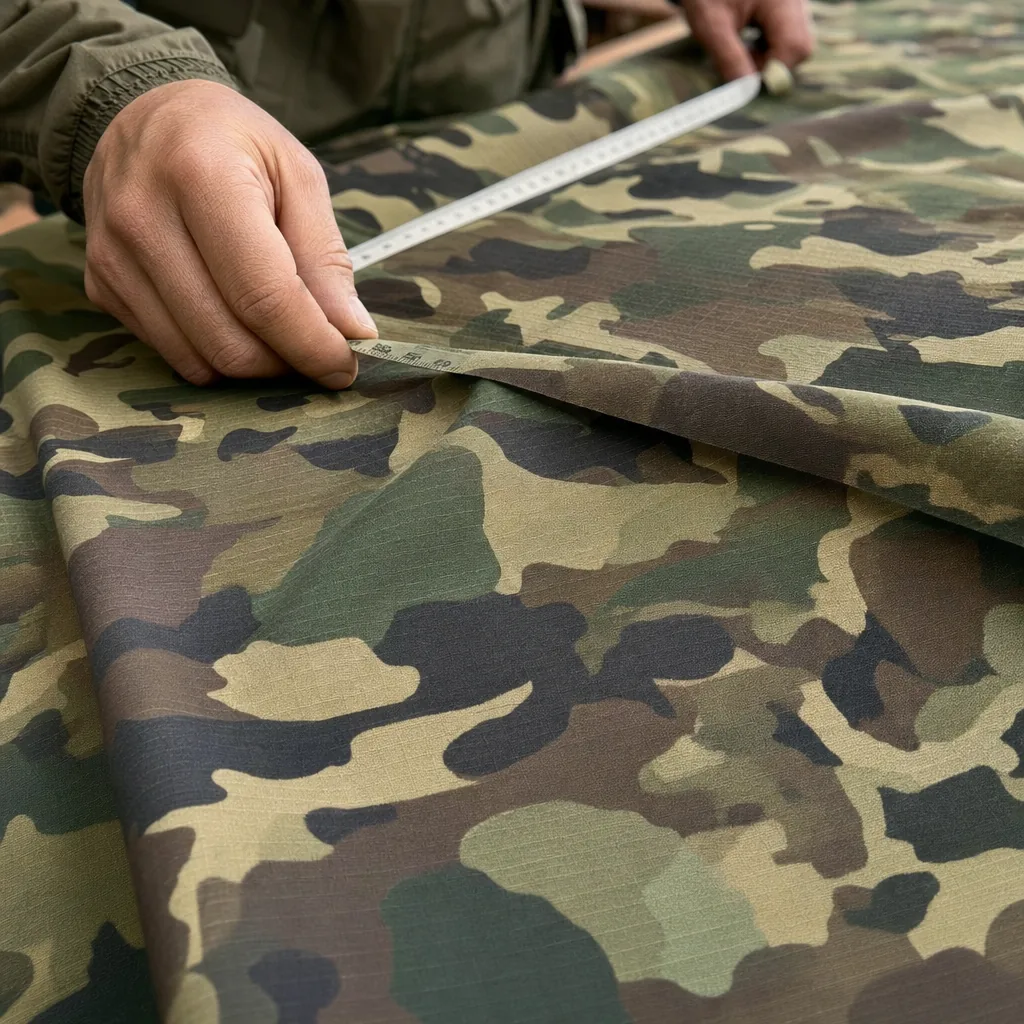
Custom Camo Hats: Hunting, Outdoor and Tactical Cap Manufacturing (2026 Update)
Read article →
Festival Bucket Hats Decoration QC Checklist for Custom Hat Buyers
Read article →
Blank Trucker Cap Wholesale Bulk: A 2026 B2B Sourcing Guide
Read article →Sourcing custom hats does not have to be complicated. With the right manufacturing partner, clear specifications and a small upfront investment in sampling, you can launch a retail-quality product in 30 to 45 days.