
Cotton Beanie: Properties, Costs and How to Spec It Right (2026 Update)
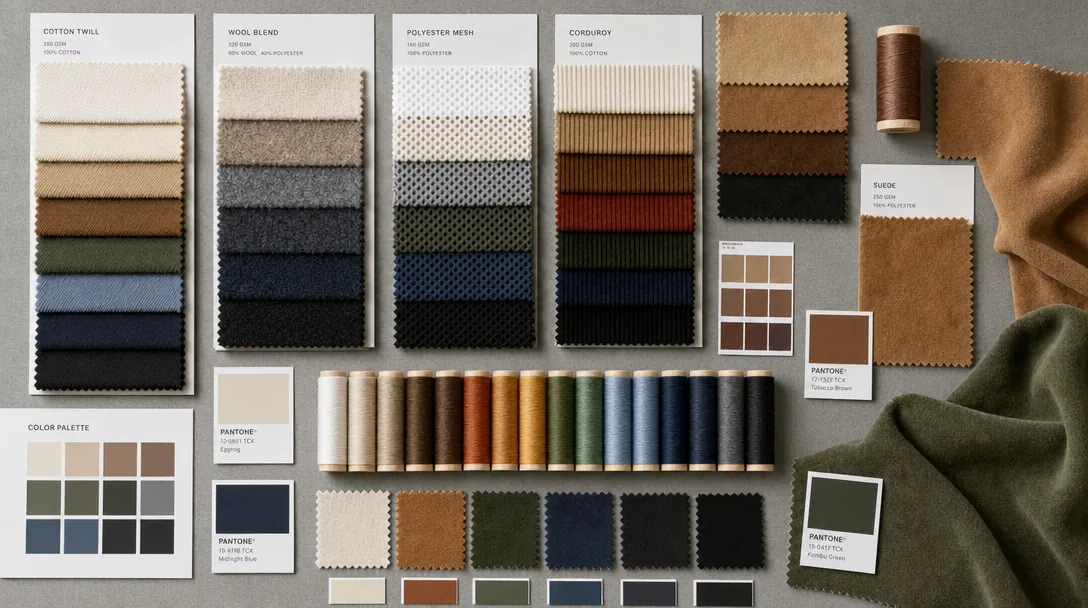
Every week, our sales team answers detailed questions about cotton beanie: properties, costs and how to spec it right (2026 update). We wrote this guide so that wholesalers, streetwear brands, corporate buyers and promotional resellers can compare options with full information, and avoid the traps that show up only after production has started.
Organic Cotton Newborn Hat
For an organic cotton newborn hat, the spec should be built around skin safety, dimensional stability, and traceable claims—not the word “organic” on the label. Ask for GOTS for the finished product whenever the retail claim depends on it; OCS only verifies organic content and does not cover dyeing, printing, or sewing inputs. On infant programs, I would not approve fabric without a clear scope certificate, batch traceability, and restricted-substance compliance that includes formaldehyde, azo amines, and extractable heavy metals. The safest base for a newborn cotton beanie is usually 180–220 gsm single jersey or interlock in 30/1 to 40/1 combed ring-spun cotton; 1x1 rib works well for cuffed styles but can torque if the knitting and relaxation are poorly controlled. If you add elastane, keep it at 3–5% for recovery only, because higher ratios complicate shrinkage and make heat setting more sensitive. Soft handfeel should come from fiber quality and finishing discipline, not silicone-heavy chemistry that masks defects for one wash. Specify enzyme wash, no added formaldehyde finish, and reactive dyes approved to the target shade in Pantone TCX with a measured Delta-E tolerance—realistically ≤1.0 for whites and core solids, ≤1.5 for pale pastels, which drift fastest after laundering and under warm retail lighting. For infant headwear, I would also lock in pH, colorfastness to saliva and perspiration, and spirality after wash, because a cotton beanie that twists after one home-laundry cycle will trigger claims faster than a small shade variation.
The factory tech pack needs exact finished measurements by age band, not vague labels like “0–6 months.” For a newborn cotton beanie, that usually means specifying finished circumference, body height, cuff depth, seam allowance, needle gauge, stitch density, and tolerated post-wash change after one cycle at 40°C. A practical standard is shrinkage within ±5% in length and width, with seam slippage and torque checked on bulk fabric before cutting. Seam construction matters more than buyers often realize: 4-thread overlock with full seam covering or flatlock is safer against abrasion than bulky exposed joins, especially on interlock styles worn for long periods. If the style uses a top knot, fix the knot length and pull force in the spec; otherwise one production lot looks neat and the next looks stretched and asymmetrical. Infant trims should be aggressively simplified. Ban metal eyelets, decorative cords, glued badges, and any attachment that creates a small-parts risk; even printed care labels are often better replaced with soft satin or direct heat-transfer only if migration and peel tests pass. Broken-needle control, trim accountability, and in-line metal detection should be written into the QA plan, with final inspection at AQL 2.5 for major defects and tighter internal limits for contamination. In China, a plain newborn beanie on stock certified fabric can run from roughly 300–500 pcs per color, while custom-dyed programs usually start closer to 1,000–3,000 pcs because knit mills do not like tiny reactive-dye lots. FOB pricing is commonly around $0.90–$1.50 for basic single-jersey construction and $1.35–$2.30 for interlock or rib with printed packaging; the bigger cost drivers are certification scope, lab testing, and shade-controlled dye lots, not sewing minutes.
Black Beanie Hat
Black is not a safe default in headwear; it is the fastest way to expose weak dye control. A black cotton beanie should be specified around shade consistency, crocking, and wash fade before you worry about branding trims. On 100% cotton jersey or 1x1 rib, reactive black often shows lot-to-lot drift, red or green undertones under TL84, and wet rub issues around the cuff where the beanie contacts skin and sweat. If you want a commercially stable black, lock the color to a Pantone TCX reference, require lab dips approved under both D65 and TL84, and write Delta-E below 1.0 into the approval standard; for mass retail, I would reject anything above 1.2 on body-to-cuff matching. Construction matters because “cotton beanie” covers very different products: cut-and-sew from circular knit at roughly 180-260 gsm, or fully knit on 7GG to 12GG computerized flat machines with crown closing by overlock, linking, or hand-finishing. A 100% cotton build, a 95/5 cotton-spandex version, and a 60/40 cotton-acrylic blend will not perform the same on recovery, shrinkage, spirality, or rub fastness, and black makes every one of those differences visible.
The usable spec sheet needs numbers, not adjectives. For an adult midweight cotton beanie, a practical target is 21-23 cm laid-flat width, 20-22 cm body height, 6-8 cm cuff height, and 65-95 g finished weight, with tolerance called out at ±0.5 cm on key points and ±5% on weight. You should also define fabric gsm or yarn count, rib wale density, machine gauge if fully knit, seam type, composition test method, and washing standard. I would set shrinkage at under 5% after one domestic wash, spirality below 3%, colorfastness to rubbing at minimum grade 4 dry and 3-4 wet, and pH/formaldehyde limits if the program is for kids or EU retail. If embroidery is planned, declare it before counter-sampling; dense black cotton can pucker badly under Tajima, Barudan, or ZSK heads unless backing weight, underlay, and stitch density are tuned to the fabric stretch.
Cost is driven more by construction and dye route than by the color black itself, but black does narrow your margin for process error. A basic cut-and-sew cotton beanie using stocked black fabric usually sits around 300-500 pcs per color and lands near $1.10-$1.90 FOB China at 1,000 pcs; once you add a woven label, flat embroidery, barcode sticker, or individual polybag, the same program can move to roughly $2.20-$3.40. Fully knit rib styles in combed cotton or cotton-acrylic generally need 500-1,000 pcs and run about $1.80-$3.80 FOB, with price moving on yarn quality, gauge, and whether the black yarn is stock-dyed or dyed to order. The inspection plan should reflect the predictable failures: shade banding, top-seam grin, rib skew, oil marks, lint attraction, and crocking at forehead contact points. Our standard practice is AQL 2.5 with measurement check, wash test, rub test, and carton segregation by dye lot, because if a factory cannot hold black cleanly, it usually will not hold brighter Pantones, enzyme-washed cotton, or tighter babywear chemical limits either.
Slouchy Beanie
A slouchy silhouette lives or dies on recovery, not on extra width. The safest build for a cotton beanie is tubular 1x1 or 2x2 rib using 30s or 32s combed cotton, typically finishing at 180-260 gsm after wash; below that range, the body often collapses and bags out after a few hours on head sizes above 58 cm. If you need the opening to snap back after repeated wear, 95/5 cotton-elastane is materially more reliable than 100% cotton, especially when the opening is held to 20-23 cm relaxed and the body length carries the slouch at 27-30 cm finished. Buyers often approve a greige sample with the right drape, then lose that hand after dyeing and compacting because nobody locked the post-wash spec. Set shrinkage limits up front: under 5% lengthwise, under 4% widthwise, and measure after one wash plus 24-hour relaxation, not straight off the knitting line.
A usable tech pack for a slouchy cotton beanie should call out knit structure, yarn count, finished gsm after wash, stitch density, crown construction, and point-of-measure tolerances. For color, reactive dye remains the low-risk choice on cotton; specify Pantone TCX, Delta-E below 1.5 to approved lab dip, wash fastness minimum grade 4, and crocking at 3-4 dry and 3 wet. The crown seam is where weak production shows first: a basic 4-thread overlock can close the top, but poor feeding or uneven take-down creates puckering, seam grin, and a hard apex that prints through a lighter knit. Our standard practice is to block and inspect after wash because that is when rib torque, barriness, and slouch length tell the truth. For QA, AQL 2.5 is acceptable for volume programs, but premium retail should hold finished length within ±1.0 cm and opening circumference within ±0.5 cm, plus a recovery check stretching the opening to 150% for 30 seconds and relaxing flat for 10 minutes.
Cotton Twill Baseball Cap
A cotton twill baseball cap lives or dies on the fabric ticket, not the hangtag claim. “100% cotton” is meaningless unless you lock construction, yarn count, weight, and finish. For a mainstream 6-panel cap, the safe range is 180-260 gsm twill in 10s x 10s or 16s x 12s, with sanforizing that keeps residual shrinkage under 3% after wash. Front panels normally need 0.35-0.50 mm buckram or fusible nonwoven; if the artwork uses raised embroidery, I would spec the firmer end of that range plus a higher-profile crown, because dense 3D satin columns will crush a soft face panel. Visor inserts are another place buyers get burned: 1.8-2.2 mm PE or recycled HDPE is standard for shape retention, while cheap paperboard starts waving after humid ocean transit or container pressure. On washed twill, embroidery files also need to be redigitized for Tajima, Barudan, or ZSK heads with lower stitch density, stronger edge-run underlay, and pull compensation, otherwise filled areas pucker and the logo perimeter tunnels.
A usable spec sheet removes interpretation. Call out Pantone TCX references for shell, underbill, eyelets, top button, sweatband, seam tape, and closure strap, then set color tolerance; on repeat programs, Delta-E below 1.5 lot to lot is achievable if the dye house is disciplined. Add crown height, visor length and curvature, visor stitch-row count, sweatband composition, seam tape width, closure type, embroidery backing, care label placement, carton pack-out, and head-opening tolerance measured at the middle snap or buckle position. If the cap is grouped with a cotton beanie in the same collection, do not chase fake material matching: twill and knit will never share the same handfeel or surface reflectance, so the cleaner approach is to align branding through labels, trims, and packaging. In China, 2026 FOB is typically $2.10-$3.80 for a basic embroidered cotton twill cap at 144-300 pieces per colorway, moving to $4.20-$6.50 once you add applique, metal hardware, custom seam tape, enzyme wash, or retail-ready packing. I would not release bulk without a PP sample, an inline check at 20-30% sewing completion, and a final inspection to AQL 2.5 focused on embroidery centering, visor skew, crown symmetry, shade variance, and colorfastness to perspiration for summer or sports programs.
Organic Cotton Hat
The biggest mistake on an organic cotton beanie is treating “organic” as a fiber claim instead of a traceability system. Buyers need three things tied together: certified fiber input, certified processing, and chain-of-custody at the sewing factory. In practice that means GOTS or OCS documents supported by transaction certificates, scope certificates, and lot-level purchase records—not a yarn invoice with “organic cotton” typed into the item description. Most workable programs start with combed ring-spun yarn in Ne 20/1, 24/1, or 32/1, then move into 1x1 rib, interlock, or single jersey depending on recovery and hand feel. For infant cotton beanie styles, 180-220 gsm interlock or fine rib is safer than cheap jersey because it skews less after laundering and puts less seam pressure on the skin. Reactive dyeing is still standard, but the mill should be able to commit to Pantone TCX shade control within Delta-E 1.0-1.5, dimensional stability under 5% after three home-laundry cycles, and colorfastness grades of 4 minimum for washing and crocking. If they cannot quote those numbers clearly, they are not controlling the process.
A usable spec sheet for a cotton beanie has to lock the construction before sampling starts. “100% organic cotton” is not a spec; yarn count, knitting gauge, finished gsm, stitch density, cuff depth, crown height, seam construction, and shrinkage tolerance all need to be fixed in writing. For adult programs, the commercial sweet spot is usually a 2-layer 1x1 rib body at 260-320 gsm with 4-thread overlock assembly, cuff tolerance of plus/minus 0.5 cm, and top closing shaped to avoid the pointed rooster-tail crown that shows up on rushed production. Also confirm whether the cuff hides 2%-5% elastane for rebound, because many suppliers add it without updating the composition line. In 2026, a basic organic cotton beanie typically lands around $1.85-$3.40 FOB China with stock shades and MOQ of 300-500 pieces per color; custom-dyed yarn, GOTS paperwork, woven labels, barcode stickers, and retail polybagging usually add another $0.18-$0.60 per piece, while custom shades or shipment-specific certification often push MOQ above 1,000 units per color.
Most organic cotton beanie failures are boring factory-floor problems that become costly only because they repeat across the whole lot. The usual ones are spirality in low-grade jersey, torque after washing, weak rib recovery, knitting oil contamination, body-to-cuff shade variation, and mixed yarn lots that change hand feel from carton to carton. I am especially skeptical when a supplier says they can switch mills mid-order, because organic programs have less substitution flexibility and one undocumented yarn change can break the certification trail. Our standard practice is bulk fabric wash testing before cutting, in-line shade lot segregation, needle detection for infant programs, and final inspection to AQL 2.5 with post-packing measurement checks, since cotton relaxes differently after bagging at 70%-85% RH. Buyers who fixate on FOB usually miss the real exposure: fewer backup mills, tighter paperwork controls, and slower remake cycles than conventional cotton. The right cotton beanie decision starts with certification discipline and fabric stability, not the cheapest first quote.
Cotton Beanie Men
For a men’s cotton beanie, construction decides performance more than the fiber callout on the hangtag. Buyers often lump together cut-and-sew jersey skull caps and fully knit cuff beanies, but they behave like different products in production and at retail. A cut-and-sew style in 180-240 gsm single jersey or 240-320 gsm interlock usually lands around 65-85 g per piece, wears close to the head, and is more prone to torque after washing or over-drying. A fully knit cotton beanie in 7GG to 12GG, especially a 2x2 rib or half-cardigan structure, normally runs 90-120 g and gives better opening recovery, cuff memory, and embroidery stability. If the target is a classic men’s fit, “regular size” is useless language; factories need finished dimensions. A workable starting point is 28 x 22 cm laid flat with a 6-8 cm self-fold cuff, but tall silhouettes should be specified by finished body height and fold depth first because 1 cm on the cuff is obvious on shelf.
The spec sheet should lock down the variables that actually change bulk quality: yarn composition with ±3% tolerance, gauge, knit structure, target piece weight, finished measurements, and wash standard. For color, reactive dyeing is the safer baseline for a cotton beanie, with lab-dip approval held to Delta-E 1.0-1.5; dark shades such as black, navy, olive, and military brown expose barré and stripiness fastest, especially if yarn lots are mixed. For a practical men’s baseline, I would spec 100% combed cotton, 9GG rib knit, 95-105 g finished weight, pilling grade 3.5 minimum, and colorfastness to laundering at grade 4. If embroidery is planned, note stitch count, backing type, and cuff zone because a Tajima or Barudan head will show puckering quickly on a soft single-layer body.
Pricing gets distorted when the RFQ hides construction detail. In China, a plain men’s cotton beanie using stock yarn typically quotes around $1.45-$2.40 FOB at 300-500 pcs per color, but that range only makes sense if gauge, finished weight, and decoration are aligned. Add flat embroidery or raised 3D embroidery and the realistic FOB moves closer to $2.20-$3.80 depending on stitch count, underlay, and whether the cuff has enough stability to hold clean registration. Custom-dyed yarn, jacquard logos, appliqué, or GOTS-certified cotton usually push practical MOQ to 800-1,000 pcs per color because yarn minimums, traceability, and wastage are hard costs. Inspection should focus on claim drivers, not just visual defects in carton: opening recovery, post-wash torque, needle lines, yarn contamination, seam grin on cut-and-sew bodies, and embroidery distortion. AQL 2.5 major / 4.0 minor is workable only if wash testing is included on at least 3 pcs per colorway and dimensional tolerance is capped at ±1.0 cm on width and ±0.5 cm on cuff depth.
Working with CrownsForge for cotton beanie programs
Most cotton beanie problems start upstream, before a single panel is knitted. The factory can hit output; what fails is the brief when buyers do not lock yarn count, knit gauge, finished measurements, and decoration limits at the same time. A usable tech pack for a cotton beanie should specify yarn composition and count, rib structure such as 1x1 or 2x2, machine gauge, finished height, cuff depth, flat width after relaxation, target head circumference, finished weight in gsm, and wash standard. For adult rib-knit programs, realistic tolerances are finished height ±0.5 cm, cuff depth ±0.5 cm, and flat width ±1.0 cm after 24-hour relaxation. “One size” is not a spec; it is how you get lot-to-lot fit drift once yarn shrinkage and knitting tension move. Sampling also needs honest timing: 5 to 7 working days for a blank fit sample in stock yarn, 7 to 10 days for a decorated prototype, and 12 to 15 days if you add Pantone TCX lab dips, custom yarn dyeing, enzyme wash, or post-sew shrinkage testing. Our standard pre-production review also locks care-label language, barcode placement, needle count, fold presentation, and carton pack-out, because those small omissions create more rework than buyers expect.
Cost discipline starts with MOQ and decoration choice, not with bargaining over a few cents on FOB. A stock-color cotton beanie in standard rib usually runs cleanly at 144 to 300 pieces per color, while custom-dyed yarn, jacquard logos, or washed finishes normally need 500 to 1,000 pieces to absorb dye minimums, knitting loss, and shade control. Direct embroidery on Tajima or Barudan heads typically adds $0.35 to $1.20 per piece depending on stitch count, backing, and run time; woven patches are the safer call when text drops below 3 mm; silicone heat transfers can look sharp but must pass stretch and recovery checks or edge cracking starts showing after roughly 10 to 20 wear cycles. Dense fills on lighter cotton jersey are a routine mistake, especially when stitch spacing gets too tight and puckering telegraphs before first wash. The practical safeguard is a true PPS, then final inspection at AQL 2.5 with knit-specific checkpoints: dropped stitches, seam grin, needle damage, cuff memory, embroidery placement drift, and shade variance held within Delta-E 1.5 to the approved standard.
Compliance is what decides whether a cotton beanie program reorders smoothly or turns into a claim file. For infant and baby styles, fiber content should be verified against the declared composition, azo dyes excluded, and testing aligned to CPSIA for the U.S. or REACH for the EU. Once trims are added, the review has to widen to nickel release, sharp-point risk, and small-parts assessment; a cute metal badge can turn a routine style into a failed submission. Colorfastness should be treated as a production control issue, not just a lab certificate. On pale shades and infant programs, I would require wash fastness and, where relevant, saliva fastness approval before bulk knitting is released. Audit certificates help, but sedex-audit-cap-supplier-guide.html">BSCI 2.0 and Sedex SMETA 4-Pillar only matter if the workflow is disciplined: quote from confirmed assumptions, sign off the sample against actual tolerances, run a pre-production meeting, inspect inline after the first 100 pieces, issue final AQL reporting, and verify carton markings before FOB or DDP dispatch. That sequence prevents six weeks of arguments over measurements, handfeel, labeling, and who owns the defect.
Frequently Asked Questions
What is the minimum order quantity (MOQ) for custom hats?
Our standard MOQ is 100 pieces per design and color, with sampling available from 1 piece. For complex multi-color logos or premium fabric upgrades, the MOQ can be lowered with a small per-piece surcharge.
Which shipping methods do you support?
We support FOB, CIF and DDP shipping. Air express for samples and small orders, sea LCL for 100 to 500 pieces, sea FCL for 5,000+ pieces. Door-to-door DDP available for US, EU, UK, Canada and Australia.
Do you support sustainability certifications?
Yes. We work with GOTS organic cotton, GRS-certified recycled polyester, OEKO-TEX Standard 100 fabrics, and are BSCI and Sedex audited. Certification documentation can be provided per order.
Can I order a sample before bulk production?
Yes. We strongly recommend approving a pre-production sample before mass production. Samples are charged at 35 to 60 USD each plus express shipping, fully refundable against confirmed bulk orders over 500 pieces.
What file format should I send for my logo?
Vector files (AI, EPS, PDF) are ideal. High-resolution PNG or JPG at 300 dpi on transparent background works as a fallback. Provide Pantone color references for accurate reproduction.
What should buyers know about corduroy hat men's?
When evaluating corduroy hat men's, the key considerations are construction quality, decoration capability, MOQ flexibility and lead time. Cover everything buyers ask about organic cotton newborn hat: how it's manufactured, what specs to request from a factory, typical MOQ and pricing, common quality issues to inspect for, and how this ties back to the broader cotton beanie sourcing decision. Cover everything buyers ask about black beanie hat: how it's manufactured, what specs to request from a factory,…
What should buyers know about organic cotton hat?
When evaluating organic cotton hat, the key considerations are construction quality, decoration capability, MOQ flexibility and lead time. Cover everything buyers ask about organic cotton newborn hat: how it's manufactured, what specs to request from a factory, typical MOQ and pricing, common quality issues to inspect for, and how this ties back to the broader cotton beanie sourcing decision. Cover everything buyers ask about organic cotton hat: how it's manufactured, what specs to request from a factory,…
How do I find a reliable wholesale hat manufacturers?
When evaluating wholesale hat manufacturers, the key considerations are construction quality, decoration capability, MOQ flexibility and lead time. Cover everything buyers ask about organic cotton newborn hat: how it's manufactured, what specs to request from a factory, typical MOQ and pricing, common quality issues to inspect for, and how this ties back to the broader cotton beanie sourcing decision. Cover everything buyers ask about black beanie hat: how it's manufactured, what specs to request from a factory,…
What should buyers know about cotton beanie men?
When evaluating cotton beanie men, the key considerations are construction quality, decoration capability, MOQ flexibility and lead time. Cover everything buyers ask about cotton beanie men: how it's manufactured, what specs to request from a factory, typical MOQ and pricing, common quality issues to inspect for, and how this ties back to the broader cotton beanie sourcing decision. Cover everything buyers ask about organic cotton newborn hat: how it's manufactured, what specs to request from a factory,…
What's the best fabric for a beanie?
Wool undeniably remains the absolute reference for winter beanies. This natural fiber has remarkable thermoregulatory properties that allow it to maintain a stable body temperature even in extreme cold. Merino wool is particularly distinguished by its exceptional fineness.
Need a low-MOQ test order?
We help emerging brands launch with as few as 100 pieces. Premium fabric, in-house embroidery, retail-ready packaging.
Start a small orderRelated guides
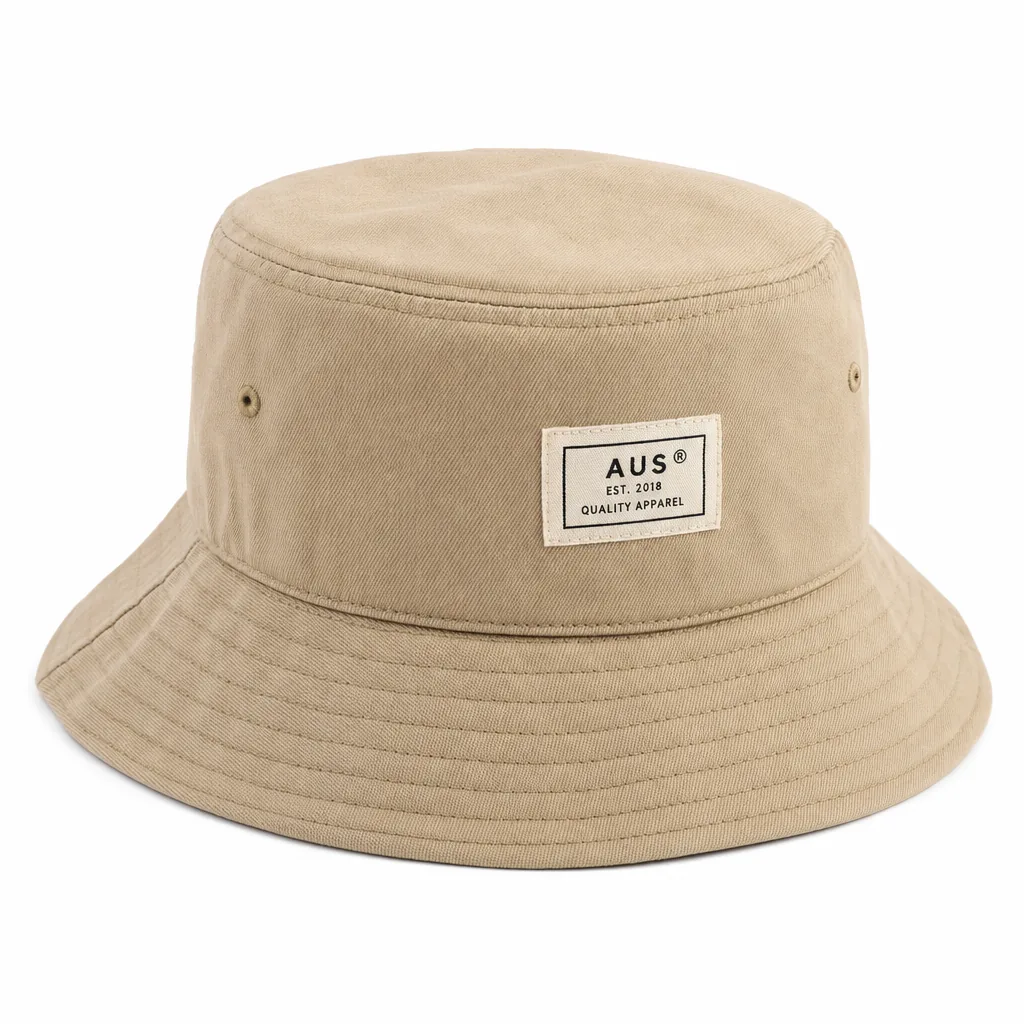
5 Panel Hat Vintage: A 2026 B2B Sourcing Guide
Read article →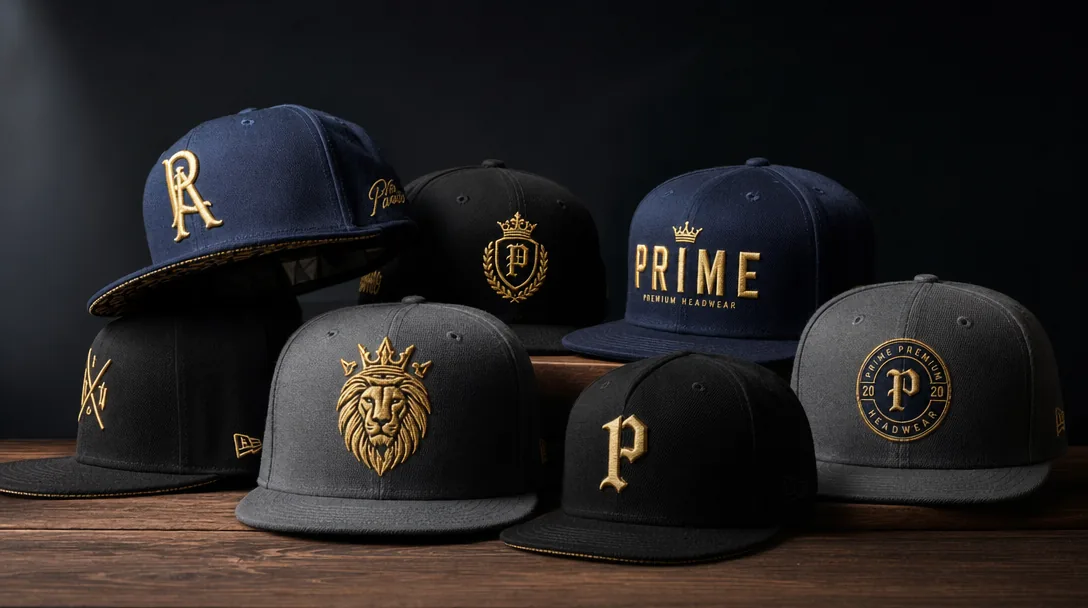
Custom Embroidered Hat: The 2026 Sourcing & Manufacturing Playbook
Read article →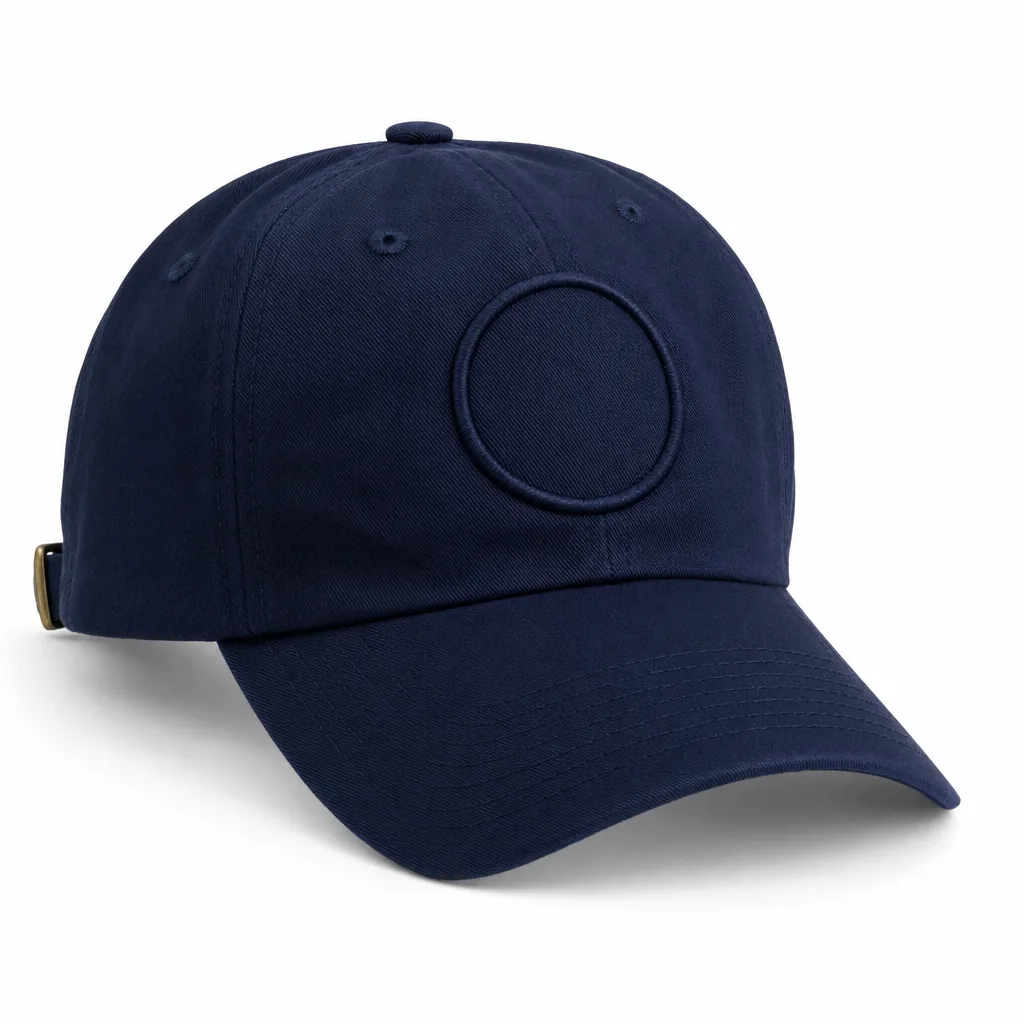
Golf Hats For Men Supplier Audit Checklist for Custom Hat Buyers
Read article →We hope this guide demystifies cotton beanie: properties, costs and how to spec it right (2026 update) and helps you move forward with confidence. If you have questions specific to your project, our English-speaking sales engineers are one message away.