
5 Panel Hat Vintage: A 2026 B2B Sourcing Guide
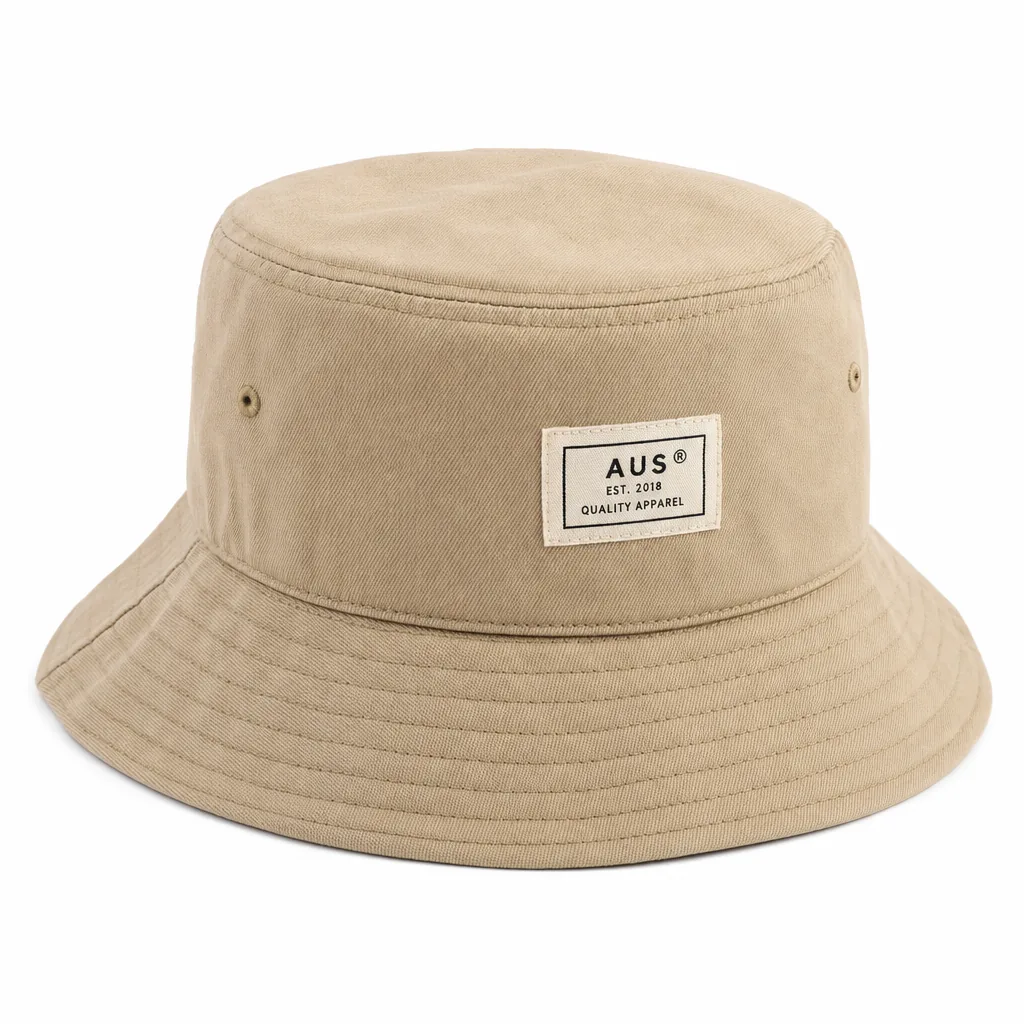
Every week, our sales team answers detailed questions about 5 panel hat vintage: a 2026 b2b sourcing guide. We wrote this guide so that wholesalers, streetwear brands, corporate buyers and promotional resellers can compare options with full information, and avoid the traps that show up only after production has started.
6 Panel Hat Custom
A 6 panel hat custom order starts with the crown pattern, and that is where most buying mistakes happen. The six separate panels create a rounder dome, stronger front structure, and a more traditional retail fit than a 5 panel hat vintage, which is why many buyers compare the two before locking a program. If you are sourcing from a factory, ask for panel fabric spec by GSM, crown height in centimeters, sweatband material, visor board type, stitching density, and closure style. For a cotton twill build, 250 to 280 gsm is common; for heavier streetwear, 300 gsm brushed cotton or 16/12 canvas is typical. If embroidery is involved, request digitized stitch count, thread brand, backing type, and whether the factory uses Tajima, Barudan, or ZSK heads, because that affects density and registration on curved seams. A good tech pack should also call out panel seam tolerance, eyelet placement, and color matching against Pantone TCX, not just “black” or “navy.”
Typical MOQ for 6 panel hat custom production is 100 to 300 pieces per colorway for simple blanks, but 300 to 500 pieces is more realistic once you add custom labels, embroidery, woven patches, or special closures. Factory pricing in China usually lands around USD 2.20 to 3.80 EXW for a basic cotton 6-panel dad cap with standard embroidery, then climbs to USD 4.50 to 7.50 for washed fabric, sandwich visors, 3D puff, or leather straps. If you are comparing it with a 5 panel hat blank or a 5 panel trucker hat program, the 6-panel style often costs a little more in sewing labor but gives better retail acceptance in mainstream channels. For women’s assortment planning, the 5 panel hat women buyer usually wants a shallower fit and softer front, while the 6-panel shape is easier to grade across S/M and M/L without the forehead collapse you sometimes see on thin 5-panel builds.
The quality issues I inspect first are crown symmetry, seam waviness, visor alignment, and sweatband attachment. On a 6 panel hat custom run, one bad needle tension setting can leave puckering at the front panels, and a weak buckram or foam front will buckle after packing. Check for consistent topstitch spacing, no skipped stitches at the center seam, clean edge binding under the sweatband, and closure hardware that survives a 20-cycle pull test. Use AQL 2.5 for visual inspection, but also measure panel-to-panel symmetry, cap circumference, and visor curve because those are the failures buyers notice on arrival. This is also where the broader sourcing decision matters: if your line is built around a 5 panel hat vintage look, a 6-panel version may improve fit and decoration space, but it will lose some of the low-profile nostalgia that drives that category. For vintage-inspired assortments, many buyers keep both a 5 panel hat blank for decoration-heavy programs and a 6-panel style for core custom replenishment; the 7 panel trucker hat sits farther out on the shape spectrum and usually serves a different streetwear customer.
6 Panel Hat Wholesale
For wholesale buyers, a 6-panel cap is fundamentally a different build from a 5 panel hat vintage program, and that difference starts at cutting and sewing. A standard 6-panel crown uses six wedge panels joined around a center seam, usually with a buckram-reinforced front, stitched eyelets, a sweatband, top button, and either a curved PE visor or flat EVA/HDPE insert depending on target market. In production, the sequence is usually panel cutting, embroidery or patch application, front panel fusing, crown sewing, visor binding, sweatband setting, closure attachment, and final shaping on heated cap presses. If you are sourcing alongside a 5 panel trucker hat or even a 7 panel trucker hat, ask the factory whether they run dedicated lines for structured caps versus foam-front mesh caps; mixing them on one line often creates inconsistency in crown height, seam tension, and brim curvature. On the floor, Tajima or Barudan embroidery heads are normally used before assembly to avoid hoop burn and seam distortion on finished crowns. The spec sheet matters more than the reference photo. Buyers should lock down crown height in centimeters, visor length and sandwich construction, panel fabric weight, closure type, sweatband composition, and embroidery stitch count tolerance. For common wholesale builds, cotton twill is usually 210 to 280 gsm, brushed cotton around 240 gsm, and polyester performance twill 150 to 200 denier with moisture-wicking headband options. Request Pantone TCX or solid coated references for shell fabric, and set an acceptable lab dip tolerance such as Delta-E below 1.5 for dyed cotton if color consistency matters across repeat orders. Our standard practice is to specify needle count on topstitching, bartack positions on back strap openings, visor row count at 6 to 8 lines, and crown circumference tolerance within plus or minus 0.5 cm, because vague approvals are where wholesale cap programs start bleeding money.
MOQ on 6-panel wholesale is usually driven by fabric availability and decoration complexity, not just by sewing capacity. For a stock fabric 6-panel hat blank with simple flat embroidery, 144 to 300 pieces per color is realistic from most Zhejiang factories; custom-dyed fabric, woven labels, printed seam tape, or metal logo hardware will push MOQ to 500 or 1,000 pieces per style. In 2026 pricing, a basic unbranded cotton twill cap typically lands around $1.65 to $2.40 ex-works at 500 pieces, while a structured premium cap with applique embroidery, custom tape, and branded closure hardware can run $3.20 to $5.80 ex-works. If buyers compare this against a vintage 5 panel hat, remember the larger uninterrupted front panel on a 5-panel often raises decoration value for chainstitch, felt patch, or screen print, but 6-panel caps generally fit mainstream team, promo, and retail demand more consistently and with fewer wearability complaints. For wholesale negotiations, ask what is included in quoted cost: mold charge for custom brim shape, embroidery tape fee, digitizing, needle test, export carton spec, and whether carton markings meet Amazon FBA or retailer routing standards. Also clarify if price assumes AQL 2.5 final inspection, individual polybagging, size stickers, and moisture absorbers for ocean freight. A lot of first-time buyers undercost packaging by $0.08 to $0.22 per cap, which becomes material at 10,000 units. If you are sourcing both 6-panel caps and a 5 panel hat women assortment, ask for marker efficiency and fabric consumption by size range; women’s fits with lower crown profiles can save some fabric, but frequent pattern changes slow line output and reduce the headline price advantage.
The most common quality failures on 6-panel wholesale caps are easy to spot if you know where to look: off-center front embroidery, twisted crown seams, uneven visor arc, exposed buckram edge, sweatband waviness, and closure misalignment greater than 3 mm. For embroidery, inspect stitch registration on curved logo elements and thread coverage over dark twill; poor underlay on a structured front panel creates puckering that only gets worse after carton compression. For sewing, open random samples to check seam allowance consistency, overlock cleanliness, and whether eyelets are properly backed. On vintage-wash programs, color migration and panel shading are chronic issues, especially when enzymes or pigment washes are not controlled lot by lot. Sedex SMETA 4-Pillar or BSCI 2.0 audit status does not guarantee cap quality, but it usually correlates with better in-line control, metal detection discipline, and traceable rework records. This ties directly back to a broader 5 panel hat vintage sourcing decision because buyers often assume they can approve one wash, one embroidery file, and one hand feel across both constructions. That is rarely true. A 6-panel cap has more seam breaks and less uninterrupted front real estate than a vintage 5 panel hat, so distressed finishing, patch placement, and top-panel collapse will present differently even in the same fabric lot. If you plan a mixed collection with 6-panel basics, a 5 panel hat blank customization program, and a few fashion-forward 5 panel hat women styles, require separate pre-production samples and separate tolerance sheets for each silhouette. That extra week in development is cheaper than receiving 3,000 hats that technically match the PO but miss the intended shape at retail.
Custom 6 Panel Hat
A custom 6 panel hat is still the default for most buyers because it sits between clean fashion shape and stable mass production. The shell is usually a cotton twill, brushed cotton, or poly-cotton blend around 260–300 gsm, with six crown panels, buckram or semi-structured front support, and a pre-curved or flat visor depending on the market. For embroidery, I want buyers to specify stitch count targets, logo placement in millimeters, and thread standard like Madeira or Gunold, plus Pantone TCX or lab-dipped fabric approval before cutting. If you are comparing a 5 panel hat vintage to a 6 panel program, the 6 panel typically gives better forehead fit and stronger shape retention, while a 5 panel hat blank or 5 panel trucker hat often wins on streetwear aesthetics and lower front-panel seam visibility. A vintage 5 panel hat usually has a softer crown and lighter build, but it is less forgiving if your art needs a large, centered front logo.
From a factory point of view, the manufacturing sequence matters more than the sales sample looks. Panels are cut, fused if needed, sewn with consistent seam allowance, then the sweatband, eyelets, visor board, and closure are added before final topstitching and trimming. Ask for visor inserts by spec, because cheap cardboard boards warp after one wet shipment; a decent PE or recycled plastic board holds shape better. Standard MOQ for a custom 6 panel hat is often 300–500 pcs per colorway for simple embroidery, and 1,000+ if you need custom fabric, woven labels, or special washes. In China, FOB pricing for a basic embroidered hat can land around USD 2.10–3.80 at 500 pcs, while a washed style with custom closure and patch work moves closer to USD 4.20–6.50. CrownsForge’s standard practice is to quote separately for sampling, bulk, and carton packing, because many buyers get burned by factories hiding costs in finishing or export cartons.
The defects I inspect first are crown symmetry, visor curve consistency, stitch tension, and color drift between panels and trims. A good factory should be willing to run AQL 2.5 on critical appearance defects and functional checks, with random pull tests on closures and embroidery trims; if they refuse, that usually means they know the line is unstable. On a 6 panel, the common failure is one panel twisting during sewing, which makes the front logo sit off-center even if the artwork is perfect. For the broader sourcing decision, the point is to choose the silhouette that matches your use case: 6 panel for teamwear, retail basics, and repeat reorder stability; 5 panel hat women styles for lighter fashion drops; and 7 panel trucker hat or vintage 5 panel hat for niche streetwear positioning. If your brand is testing the market, start with a 5 panel hat vintage sample and one 6 panel control sample, then compare fit, return rate, and embroidery quality before committing to a larger run.
7 Panel Hats Wholesale
The inspection points are boring until they fail in the market. Check panel alignment at the center seam, visor sandwich consistency, buckle plating, and whether the front panel collapses after steaming or packing. For embroidery, request digitizing that respects the crown curvature; Tajima, Barudan, and ZSK heads can all produce clean work, but bad digitizing will still cause puckering on a 5 panel hat women style with a softer front. Also look for color control against Pantone TCX and ask for Delta-E under 2.0 on repeat orders, because a washed vintage dye lot can drift fast. Our standard practice is AQL 2.5 for major defects and AQL 4.0 for minor issues, with special attention to sweatband stitching, brim board delamination, and loose topstitching at the eyelets.
The broader sourcing decision is really about position in the market, not just panel count. A 5 panel hat vintage program sells on low-profile shape, washed handfeel, and easy decoration; a 7 panel style gives you a more segmented, fashion-forward silhouette that can look sharper for streetwear or outdoor brands. If the buyer wants one blank that can serve as a 5 panel hat blank for embroidery and also support a retro drop, I usually recommend sampling both a vintage 5 panel hat and a 7 panel trucker hat before locking the pattern. The cost difference is often only a few cents in labor, but the fit and perceived value can be very different once worn. For B2B, the right choice is whichever style matches your repeat order economics, not whichever one looks better in a catalog photo.
5 Panel Trucker Hat
A 5 panel trucker hat is usually built from a foam or structured front panel, mesh side and back panels, and a cotton twill or poly-cotton sweatband, then finished with a curved or semi-curved visor depending on the brand brief. For a true 5 panel hat vintage look, the main thing is not the mesh itself but the proportions: lower crown, tighter front panel shape, and a shorter bill that does not look like a modern athletic cap. On the factory floor, I would specify shell fabric by weight — for example 260-300 gsm brushed cotton twill or 600D polyester for the front, 50D or 75D mesh, and ask for panel alignment within 2-3 mm so the crown does not twist after sewing. If you are sourcing a 5 panel hat blank, ask for both stitched eyelets and a clean seam tape finish, because buyers often underestimate how much the inside construction affects perceived quality.
For production, a typical MOQ for a 5 panel trucker hat is 300-500 pieces per colorway if the factory already has the visor board, mesh, and closure components in stock; custom woven labels, special underbill prints, or custom color-matched mesh can push that to 1,000 pieces. Ex-works pricing for a basic blank usually lands around USD 2.20-3.80 depending on fabric, embroidery, and closure, while a more detailed vintage 5 panel hat with enzyme-washed fabric, custom patch, or chainstitch embroidery can move to USD 4.50-6.50 before freight. For buyers comparing a 5 panel hat women assortment versus unisex streetwear, fit matters more than decoration: ask for a slightly lower crown, a less aggressive front panel, and an adjustable back closure with enough range for 54-60 cm head circumference. If you want the product to sit in the same collection as a 7 panel trucker hat, keep the visual language consistent across crown height and visor shape so the line does not look mismatched on retail shelves.
Quality control problems are predictable: crooked front panels, poor mesh tension, visible glue on the visor insert, broken stitches at the center seam, and shade variation between dye lots. I would inspect for panel symmetry, stitch density around the visor and crown seam, color consistency against Pantone TCX or a physical approved standard, and sweatband pilling after a 24-hour wear test; for orders above 1,000 units, AQL 2.5 is the normal ceiling for general apparel, but tight brand programs often require tighter internal checks on logo placement and crown balance. Our standard practice is to approve a pre-production sample, then verify bulk against the same spec sheet with measurements for crown depth, visor length, and closure range before shipping. The broader sourcing decision is simple: if the buyer wants a cleaner, softer vintage 5 panel hat profile, a true 5 panel construction is usually easier to control than forcing a trucker build to look vintage, but if the retail line needs breathability and lower landed cost, the 5 panel trucker hat still wins on margin and everyday wear.
Vintage 5 Panel Hat
A vintage 5 panel hat is usually built like a simple camp cap, but the details decide whether it looks legitimately old-school or just cheap. Most buyers want cotton twill or washed canvas at 220–280 gsm, a low crown around 11–12 cm, a flat or lightly curved brim with 2–3 rows of edge stitching, and a soft structured front so it can wear in naturally. If you’re sourcing a 5 panel hat vintage style, ask the factory to confirm crown seam symmetry, panel grain direction, sweatband material, and whether the front panel uses fusible buckram or is completely unstructured. For embroidery, Tajima, Barudan, or ZSK heads are standard; for a clean retro look, keep stitch density moderate and avoid oversized fill stitches that pucker the fabric. A real vintage 5 panel hat usually relies on fabric washing, pigment dye, or garment wash rather than artificial distressing that flakes after a few shipments.
Buyers should request a full spec sheet before sampling: body fabric in gsm, visor insert thickness, eyelet count, sweatband composition, label method, closure type, and color target against Pantone TCX. For a 5 panel hat blank, typical MOQ is 300–500 pcs per color if you want decent pricing, while a fully custom run with woven labels, specialty wash, and custom taping often starts closer to 500–1,000 pcs. Factory pricing in Yiwu or Dongguan commonly lands around $1.80–$3.20 FOB for basic cotton twill and $3.50–$5.50 FOB for washed or pigment-dyed builds, depending on closure and decoration. A 5 panel trucker hat with foam front and mesh back is usually cheaper to make than a washed twill version, but the handfeel and aging are different, so don’t let the silhouette fool you into comparing only on price. If your customer is targeting a 5 panel hat women audience, softer crowns, lighter weights, and smaller adjustability ranges matter more than adding decoration.
The main defects to inspect are crooked center seams, visor waviness, mismatched panel shade, loose topstitching, and off-center embroidery that is only obvious once the cap is worn. I’d also check for needle damage around the front panel, sweatband twists, inconsistent wash fallout between size lots, and color drift beyond Delta-E 2.0–3.0 if the buyer is matching a brand palette. For commercial programs, AQL 2.5 is the normal floor for visual inspection, with extra attention on closure strength, seam breaking load, and label placement. If you’re deciding between a vintage 5 panel hat and a 7 panel trucker hat, the 7-panel usually gives a rounder, more fashion-forward shape, while the 5-panel keeps the lower, flatter profile that streetwear and outdoor buyers still expect. That shape preference is the real sourcing decision: once you know the intended fit, wash level, and decoration method, the factory can build a 5 panel hat vintage program that is repeatable instead of just “old-looking.”
Working with CrownsForge for 5 panel hat vintage programs
For a 5 panel hat vintage program, the first thing I look at is whether the supplier can sample fast without improvising the construction. Our standard practice at CrownsForge is 7 to 10 days for a true pre-production sample when the artwork is ready, because the panel geometry, crown height, brim curve, and wash effect all need to be locked before bulk. MOQ is usually 300 to 500 pieces per colorway for a 5 panel hat blank style, but we can split by color or small size runs if the buyer is testing a 5 panel hat women line or comparing a cleaner streetwear fit against a 7 panel trucker hat silhouette. The mistake first-time buyers make is approving a “close enough” sample; on vintage treatments, 0.8 to 1.2 cm changes in crown depth or a slightly stiffer brim can completely change the look.
Decoration is where most vintage programs go off the rails, so I insist on matching the method to the fabric. For brushed cotton twill, direct embroidery on Tajima, Barudan, or ZSK heads is the safest option, but if the brand wants a worn-in feel, we’ll often combine flat embroidery with enzyme wash or garment dye after stitch-out, because post-wash shrinkage can distort dense satin fills. Patch applications, felt appliqué, and low-relief 3D work all have different needle counts and backing requirements; if you over-pack a 5 panel trucker hat mesh-style build with the wrong stitch density, it puckers. Color control should be based on Pantone TCX or Lab targets, with Delta-E kept under 2.0 on visible panels. For first-time buyers, that discipline matters more than creative mood boards, because a vintage 5 panel hat that looks good on a screen can look cheap under warehouse lighting if the wash, thread sheen, and crown structure do not align.
Compliance and order management are where we de-risk the shipment, not after the carton is sealed. The base checklist should include fabric content verification, needle detection, carton drop-test standards, and factory social compliance such as BSCI 2.0 or Sedex SMETA 4-Pillar when the buyer needs retailer approval. For bulk runs, I prefer an AQL 2.5 inspection on major defects and 4.0 on minor ones, with shade-band control by dye lot and random pull testing for seam slippage on sweatbands. Lead times are usually 35 to 50 days after sample approval, depending on wash complexity and trim sourcing, and DDP can be arranged if the buyer wants landed-cost certainty instead of FOB exposure. A clean PO workflow matters: one tech pack revision log, one approved gold sample, one packing spec, and one carton mark standard. That is how a 5 panel hat vintage order stays predictable when a brand scales from a 500-piece test run to a multi-SKU reorder.
Frequently Asked Questions
How long does production take?
Sampling takes 7 to 12 days. Bulk production runs 20 to 30 days depending on quantity, fabric availability and decoration complexity. Inspection and packing adds another 3 to 5 days before shipment.
Do you support sustainability certifications?
Yes. We work with GOTS organic cotton, GRS-certified recycled polyester, OEKO-TEX Standard 100 fabrics, and are BSCI and Sedex audited. Certification documentation can be provided per order.
What is the minimum order quantity (MOQ) for custom hats?
Our standard MOQ is 100 pieces per design and color, with sampling available from 1 piece. For complex multi-color logos or premium fabric upgrades, the MOQ can be lowered with a small per-piece surcharge.
What logo decoration techniques do you offer?
3D puff embroidery, flat embroidery, woven patch, leather patch, PVC patch, screen printing, sublimation, applique and laser etching, all in-house with no subcontracting.
Can I order a sample before bulk production?
Yes. We strongly recommend approving a pre-production sample before mass production. Samples are charged at 35 to 60 USD each plus express shipping, fully refundable against confirmed bulk orders over 500 pieces.
What should buyers know about 6 panel trucker hat?
When evaluating 6 panel trucker hat, the key considerations are construction quality, decoration capability, MOQ flexibility and lead time. Cover everything buyers ask about 5 panel trucker hat: how it's manufactured, what specs to request from a factory, typical MOQ and pricing, common quality issues to inspect for, and how this ties back to the broader 5 panel hat vintage sourcing decision. Cover everything buyers ask about 6 panel hat custom: how it's manufactured, what specs to request from a factory,…
How does ordering custom vintage trucker hat work?
When evaluating custom vintage trucker hat, the key considerations are construction quality, decoration capability, MOQ flexibility and lead time. Cover everything buyers ask about 6 panel hat custom: how it's manufactured, what specs to request from a factory, typical MOQ and pricing, common quality issues to inspect for, and how this ties back to the broader 5 panel hat vintage sourcing decision. Cover everything buyers ask about custom 6 panel hat: how it's manufactured, what specs to request from a factory,…
What should I know about blank trucker cap wholesale bulk?
When evaluating blank trucker cap wholesale bulk, the key considerations are construction quality, decoration capability, MOQ flexibility and lead time. Cover everything buyers ask about 6 panel hat wholesale: how it's manufactured, what specs to request from a factory, typical MOQ and pricing, common quality issues to inspect for, and how this ties back to the broader 5 panel hat vintage sourcing decision. Cover everything buyers ask about 7 panel hats wholesale: how it's manufactured, what specs to request from a factory,…
How does ordering foam front trucker hat custom work?
When evaluating foam front trucker hat custom, the key considerations are construction quality, decoration capability, MOQ flexibility and lead time. Cover everything buyers ask about 6 panel hat custom: how it's manufactured, what specs to request from a factory, typical MOQ and pricing, common quality issues to inspect for, and how this ties back to the broader 5 panel hat vintage sourcing decision. Cover everything buyers ask about custom 6 panel hat: how it's manufactured, what specs to request from a factory,…
Ready to start your custom hat project?
Send us your tech-pack, sketch or even just an inspiration photo. We will respond with a detailed quotation and digital mock-up within 24 hours.
Request a free quoteRelated guides
Corduroy Hat: Properties, Costs and How to Spec It Right
Read article →
Cap Fabric Guide: Cotton Twill, Wool Blend, Polyester & Performance Materials
Read article →
Custom Embroidered Patches: When to Use It, Costs, and What to Ask Your Factory
Read article →Sourcing custom hats does not have to be complicated. With the right manufacturing partner, clear specifications and a small upfront investment in sampling, you can launch a retail-quality product in 30 to 45 days.