
Custom Hats for Corporate, Business and Branded Merchandise Programs - Supplier Checklist
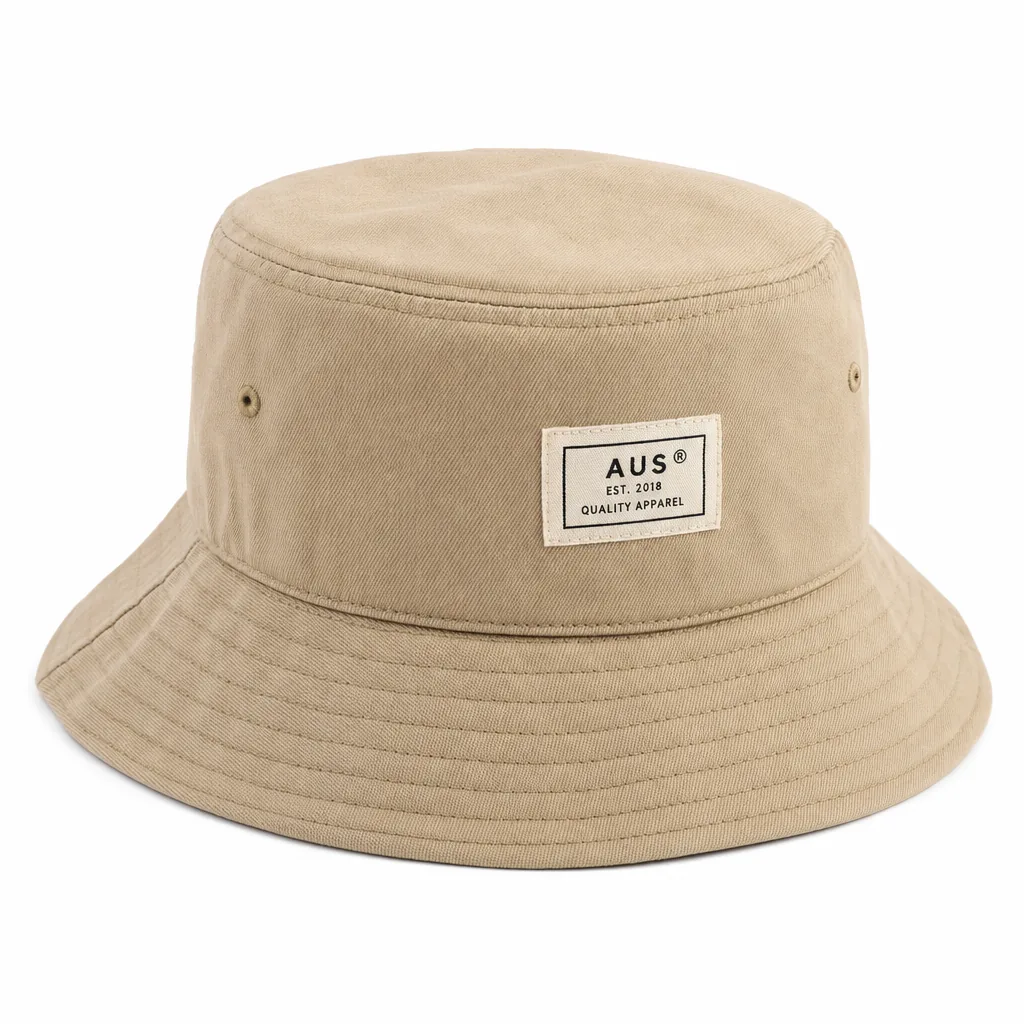
For brand owners, wholesalers and procurement teams entering the custom headwear category, custom hats for corporate, business and branded merchandise programs - supplier checklist is one of the highest-leverage decisions you will make. Get it right and your unit economics, retail story and reorder cycle all improve. Get it wrong and you carry the cost for years.
The four corporate-cap use cases that drive most procurement budgets
Most corporate headwear budgets cluster into four use cases, and each one fails for a different reason. Tradeshow giveaways are the volume play: usually 1,000 to 10,000 units, with FOB targets around $1.80 to $3.20 and no room for decorative extras that do not move impressions. The practical spec is a 210 to 260 gsm brushed cotton twill or light polyester twill cap, typically a 5-panel rope shape or basic 6-panel unstructured build, plastic snap closure, and one decoration method only—usually 1-color flat embroidery or screen print. On these custom business hats, the real quality risks are front-panel seam grin, embroidery puckering, weak buckram that collapses after carton compression, and visor distortion from overpacking. Add a metal clasp, sandwich visor, woven loop label, or contrast interior tape and the cost stack moves quickly on an item whose KPI is cost per wear or cost per impression, not premium hand feel. Employee merchandise is a different procurement decision because the hat has to survive weekly use, repeated laundering, and closer internal brand review. Most programs land at 300 to 2,000 pieces per style, with FOB more realistically $3.50 to $6.50 depending on fabric, closure, and trim count. This is where 280 to 320 gsm chino twill, washed cotton, RPET twill, or performance polyester with a moisture-wicking sweatband actually pays back, and where decoration method has to match crown construction. A 3D puff logo run on Tajima or Barudan heads will look wrong on a soft, low-buckram front; woven patches, TPU badges, and underbill prints also need the right profile and stitch density. Buyers should lock logo colors to Pantone TCX or coated references, define an acceptable Delta-E tolerance for dyed fabric, and require thread-shade approval up front instead of accepting vague “close enough” matches.
Client gifting and conference merchandise often get lumped together, but the sourcing logic is not the same. Client gifting is the premium, low-volume tier—typically 100 to 500 pieces, often $7.50 to $14.00 FOB once you specify wool blends, 14-wale corduroy, suede-touch microfiber, leather strapbacks, custom metal hardware, or rigid presentation packaging. These hats are judged like a gift item, not a promo piece, so inspection standards need to tighten: visor symmetry, top-button centering, back-strap stitch consistency, embroidery registration, and label placement should be checked inline and then held to AQL 2.5 at final inspection. What passes on a giveaway cap will be noticed immediately when a hat is handed to a client, board member, or senior sales team. Conference merchandise usually sits lower, around $4.00 to $8.00 FOB, but it is more operationally sensitive because the cap may be sold on-site, packed into sponsor kits, or issued at registration. Procurement is really buying a fulfillment-ready SKU, not just headwear. Barcode stickers, individual polybags versus retail presentation, carton pack counts, size identification, and master-carton compression strength all affect landed cost and event-day execution. The best custom business hats in this category balance perceived value with throughput: enough structure, fabric weight, and decoration to feel worth keeping, but not so much trim that the program becomes overbuilt for a two-day event. When buyers define the end use before sampling, factories can recommend the right shell fabric, closure, and packing method without wasting budget on the wrong details.
Pricing tiers by corporate use case
Cost falls when the cap spec matches the job. The biggest pricing mistake in corporate buying is forcing one style to cover trade-show giveaways, employee uniforms, and client gifts. For high-volume handouts, a realistic FOB China target is $2.10 to $3.80 at 1,000 to 5,000 pieces for a standard 5-panel trucker built from a foam polyester front, 75D to 100D mesh back, plastic snap closure, and pre-curved PE visor board, with one front flat embroidery logo in the 5,000 to 8,000 stitch range. That number usually assumes stock thread colors, no Pantone TCX thread development, no inside taping print, no woven label, and simple polybag packing. Once you add a side logo, moisture-wicking sweatband, custom seam tape, or under-visor print, you have moved out of giveaway territory whether procurement labels it that way or not. Employee programs are the middle tier, and this is where custom business hats need better wear performance, cleaner QC, and more stable color control. A dependable benchmark is $4.20 to $6.40 FOB at 500 to 3,000 pieces for a 6-panel cap in 260 to 320 gsm cotton twill, structured buckram front, metal buckle or hook-and-loop closure, and multi-color embroidery run on Tajima or Barudan heads. At this level, buyers should require logo placement within plus or minus 3 mm, peak symmetry checked on a cap block, and embroidery with full fill coverage and no puckering, loose trims, or thread breaks. AQL 2.5 is the minimum sensible inspection level for visible defects such as skipped stitches, panel shading, crooked back arch embroidery, or off-center top buttons.
Gift-tier and premium conference programs should be quoted as separate SKUs, not averaged into a blended cap cost. A true client-gifting cap usually lands at $7.20 to $12.50 FOB for 300 to 1,500 pieces when the material shifts to brushed cotton, 30/70 wool blend, recycled nylon taslon, or suede-look microfiber, and the decoration moves to cleaner 3D embroidery, molded silicone badges, debossed leather patches, or satin-finish interior tape. On the factory floor, these caps also consume more labor because crown shape, needle density, and trim alignment have to be tighter to avoid a cheap-looking finish. Presentation matters more than a third logo location: rigid FSC-certified box packing, tissue wrap, and a printed insert card typically add $0.90 to $1.80 per set, but that is what makes the item read as a gift instead of surplus event stock. Conference merchandise often settles lower, around $4.30 to $7.10 FOB, because one program may combine staff wear, sponsor merch, and limited resale. That mix is where buyers should separate specs instead of treating all custom business hats as the same product. Staff units may stay with stock colorways and basic flat embroidery, while sponsor-facing caps add contrast paneling, side hits, hangtags, or under-visor print. If brand color matters, ask for Pantone approval on dyed fabric and set a Delta-E tolerance before bulk cutting; on cotton twill and heather polyester, loose shade control is one of the fastest ways to make a corporate program look inconsistent across departments or events.
Logo decoration that reads at giveaway distance
If a logo does not read from 10 to 15 feet, it is wrong for giveaway use, no matter how clean it looks on a screen. On structured 6-panel custom business hats, the dependable front embroidery window is usually 80 to 100 mm wide by 30 to 45 mm high, centered above the eyelets and kept out of the center-seam distortion zone. Fine-line artwork is where approvals go bad: anything digitized below about 1.2 mm stroke width is prone to breaking or filling in, and text under roughly 4.5 to 5 mm cap height often closes up when run on Tajima or Barudan machines with standard 40 wt polyester thread. Flat embroidery with tatami fills, satin columns, and sensible underlay consistently outperforms crest art, thin outlines, and slogan-heavy layouts loaded with internal detail. The file buyers need to judge is the digitized run file, not the Illustrator proof, because pull compensation, stitch angle, density, and underlay decide whether counters stay open or turn into blobs.
Contrast carries more value than complexity on branded headwear. A single-color wordmark in white, black, or Pantone-matched navy on brushed cotton twill, chino twill, or 65/35 poly-cotton twill will usually outperform a four-color badge with hairline borders once viewed across a booth aisle. On lower-profile or unstructured caps, readability drops even faster because the crown curve and softer buckram fight small counters, serif terminals, and detached micro-elements. Once a front logo pushes past about 12,000 to 14,000 stitches, you are often paying for detail the end user cannot see while increasing puckering risk and registration issues on the sewing line. For most programs, a clean 7,000 to 11,000 stitch file is the better decision. The approval checkpoint should always be a sewn sample showing finished logo width, actual stitch count, thread brand and code, and the agreed color reference against Pantone TCX or coated standards; a minor thread Delta-E variance can be tolerated, but unreadable artwork cannot.
MOQ and lead time for corporate programs
Set MOQ by colorway, not by total PO, or the unit economics get sloppy fast. For most custom business hats, 100 pcs per shell color is the real floor if you want stable costing on a structured 6-panel brushed cotton twill cap or a 220-230 gsm recycled poly cap. A PO for 200 navy, 100 red, and 100 white may share one embroidery file, but it still runs as three color lots for fabric allocation, cutting, line loading, and final inspection. Once any color drops under 100 pcs, factories usually add $0.20-$0.60 per cap because panel matching, thread changeover, trim staging, and carton segregation stop being efficient. The cheapest way to build a corporate assortment is to freeze the technical package—logo size, stitch count, backing, visor shape, closure, sweatband, and private label—then vary only the crown and visor color. Do not let suppliers average quality across mixed colors. Navy, red, and white should be controlled as separate dye lots, with bulk shade checked against approved standards before sewing and inspected under AQL 2.5 by color, not only against the total order quantity. If brand compliance matters, put Pantone references in the PO from day one—Pantone TCX for textiles, coated references for printed trims—and agree a tolerance up front, typically Delta-E under 1.5 for plastic or metal trims and under 2.0 for dyed fabric. That matters more than the embroidery setup because one clean sew-out on a Tajima or Barudan head does not protect you from a red shell fabric drifting warm or a white sweatband reading gray under warehouse lighting.
Lead time is usually constrained by materials and approvals, not by embroidery capacity. If fabric, sweatband, buckram, closure, and standard trims are in stock, a realistic bulk production window is 22-28 calendar days from artwork approval, deposit, and PP sample sign-off. That covers digitizing, sew-out approval, cutting, sewing, embroidery, finishing, packing, and final QC. The clock extends immediately if you specify custom woven labels, matte black metal buckles, recycled snapbacks in a non-stock resin finish, or barcode and carton-marking requirements that arrive after sampling. On corporate programs, the delay is often internal: revised PO terms, legal review, routing requests, UPC or FNSKU instructions, and slow sign-off on pre-production samples add more lost days than the sewing line does. For planning, 50-60 days to in-warehouse delivery is the safer number, especially for U.S.-bound programs with compliance touchpoints. Transit is a separate timeline: roughly 7-12 days by airfreight or forwarder express, versus 25-40 days door-to-door by ocean once you include booking, export handling, ISF timing, and destination drayage. Ocean only makes sense when the launch date has real slack. Business logo hats stay predictable when ship mode, packaging spec, barcode placement, and carton pack are locked before bulk starts. Change embroidery size, carton ratio, or labeling after line booking and you are not making an admin tweak—you are paying for rework, risking vessel cutoff misses, and turning a straightforward 400-piece order into an avoidable expedite.
Compliance for client gifting in regulated industries
In finance, pharma, and public-sector gifting, compliance gets decided before anyone cares whether the cap is a 6-panel dad hat or a structured A-frame. I’ve seen RFQs for custom business hats fail on paperwork alone: an expired sedex-audit-cap-supplier-guide.html">BSCI 2.0 report, a Sedex SMETA 4-Pillar audit with unresolved CAPs, no subcontractor disclosure for embroidery, or no needle-policy records for the sewing floor. The better procurement teams do not stop at social-audit PDFs. They ask for broken-needle logs, metal-detection SOPs for finished sewn goods, grievance records, REACH or Proposition 65 declarations when applicable, and lot traceability from greige fabric or dyed roll through cutting, sewing, finishing, and packed carton. If a supplier cannot show which PO ran on which line, which Tajima or Barudan heads stitched the logo, and which inspection lot passed AQL 2.5, that supplier is not ready for regulated gifting. The real risk is mismatch between the factory’s documents and the client’s vendor-approval system. One bank may accept a current BSCI audit plus anti-bribery policy, while a healthcare group may also require a signed modern-slavery statement, subcontractor map, and chemical compliance file before sample approval. CrownsForge standard practice is to freeze those requirements before sampling, because chasing missing declarations after pre-production commonly burns 2 to 4 weeks and can easily force a shipment off the intended ETD. In Zhejiang, a current third-party social audit often costs less than one missed launch window tied to an investor event, annual sales meeting, or national conference drop. Regulated buyers would rather pay a few hundred dollars more per program than explain why unverified goods entered the gifting chain.
Healthcare and pharma programs usually tighten labeling more than first-time promo buyers expect. For custom business hats distributed through hospital networks, CME events, or rep kits, the label set often must include permanent fiber-content disclosure, clear country-of-origin marking, and importer or distributor identity on the sweatband label, hangtag, or sealed polybag sticker depending on the packaging protocol. Accuracy matters at component level, not just shell fabric. If the crown is 100% cotton twill at 260 gsm, the sweatband is 65/35 poly-cotton, and the buckram contains polyester, the declaration needs to reflect the actual construction instead of a simplified sourcing-sheet description. Receiving teams catch that mismatch immediately, even if the embroidery sew-out is technically perfect. The disciplined factories treat labels, barcodes, and carton marks with the same control they apply to stitching quality. That means approved label artwork, scan verification during packing, PVC-free polybags when the client requires it, and carton labels tied to PO number, lot number, and production date. Color control belongs in the same file set: Pantone TCX or TPX reference signed before dyeing, with a defined Delta-E tolerance—typically under 1.5 for branded programs where logo color is scrutinized. Final inspection at AQL 2.5 should include checkpoints for label placement, COO spelling, suffocation warnings, barcode readability, and packout accuracy, not just visor shape and stitch count. In regulated gifting, goods get quarantined faster for a bad label than for a slightly uneven seam.
Repeat-order economics for annual corporate programs
The biggest savings in annual headwear programs come from killing resets, not haggling over another $0.08 FOB. Buyers running branch openings, service awards, distributor kits, or quarterly event packs usually see 8% to 15% lower unit economics when they commit to a 12-month schedule with staged call-offs, because the factory can reserve fabric, preload trims, and amortize development across multiple releases. On custom business hats, those fixed costs add up fast: embroidery digitizing is commonly $20 to $60 per logo, molded PVC or rubber patch tooling runs $80 to $150, woven label setup is $35 to $75, and Pantone TCX lab-dip or strike-off approval can easily add 3 to 7 calendar days. Spread those charges across four to twelve releases and the landed-cost model gets much cleaner, especially once artwork, crown profile, visor shape, closure, and retail or bulk pack-out are already frozen.
Material standardization is the lever most procurement teams underestimate. If several departments can stay on the same 260 gsm brushed cotton twill, 280 gsm recycled poly-cotton, or 500D taslon nylon, with two or three approved Pantone color families, the mill can hold greige or dyed yarn against forecast instead of repricing every drop as a fresh build. That reduces exposure to cotton swings, trim substitutions, and shade drift; in practice, holding Delta-E within 1.5 to 2.0 shipment to shipment is far more realistic when dye lots are planned in advance. Once annual spend reaches roughly $25,000 to $40,000, many factories will lock 6- to 12-month pricing against a written specification covering fabric composition tolerance, visor board grade, buckle or snap finish, stitch count, carton ratio, barcode placement, and warning-label language.
Repeat orders also get cheaper because the factory already knows where the failures happen. After the first run, the embroidery file has been tuned for the actual Tajima or Barudan cap frame, thread path, and underlay density; QA checkpoints are tightened around the real defects, usually under AQL 2.5; and pack-out instructions have been tested in the warehouse instead of guessed in a tech pack. That cuts rework, mispacks, and approval loops that quietly erode margin. In practice, the disciplined model is simple: freeze a master spec, forecast quarterly releases, and hold one supplier accountable for color consistency, BSCI 2.0 or Sedex SMETA 4-Pillar compliance, and on-time ex-factory dates. For annual custom business hats programs, a shipment that lands seven days late costs far more than a nominal FOB concession, which is why repeat-order discipline consistently beats one-off buying.
Packaging that protects the brand-impression
Packaging is where good custom business hats get cheapened fastest. For bulk event use, keep the unit pack simple and protective: one hat per self-seal LDPE or PP polybag at 30-50 microns, with a small SKU/color sticker only if the client actually sorts by colorway or size. Standard export loading is usually 96 pcs or 144 pcs per 5-ply outer carton, but that number should be set by crown profile, visor curve, and fabric memory—not by chasing a prettier freight cost per piece. A high-profile structured cap with 2.0-2.5 mm PE visor board needs enough headspace to protect the front panel; an unstructured washed twill dad hat will tolerate more density, but it still should not be mashed flat. In practice, the costly mistakes are overpacking, weak cartons, and no compression test. If the carton wall fails or the crown takes a set in transit, the embroidery may still be perfect on a Tajima run, but the hat looks second-rate when it comes out of the box.
Employee kits and premium internal merch need cleaner presentation, but most brands overspend on the wrong components. Start with the same individual bag, then add only functional extras: a 350 gsm C1S hangtag for department coding, a header card for kitting, or a QR insert for onboarding and campaign tracking. A properly printed tag with matte lamination, cotton string, and Pantone-matched offset print typically adds $0.12-$0.28 per piece at scale; if brand color matters, approve against the Pantone coated standard and hold print deviation to Delta-E below 2.0. Placement matters as much as print quality: a badly set string can pucker 190-220 gsm polyester, deform a low-profile crown, or snag under dense 3D puff embroidery. For gifting, a folding carton or rigid FSC-certified box with tissue and an insert card can easily add $1.10-$1.60 to a cap that only costs $6.50-$7.00 ex-factory, so inspect pack-out as seriously as sewing. Our standard practice is barcode scan checks, dark-print rub testing, carton drop review, and final packaging inspection to AQL 2.5, because buyers forgive a slight seam wobble before they forgive a crushed box or scuffed presentation.
Frequently Asked Questions
What file format should I send for my logo?
Vector files (AI, EPS, PDF) are ideal. High-resolution PNG or JPG at 300 dpi on transparent background works as a fallback. Provide Pantone color references for accurate reproduction.
What logo decoration techniques do you offer?
3D puff embroidery, flat embroidery, woven patch, leather patch, PVC patch, screen printing, sublimation, applique and laser etching, all in-house with no subcontracting.
Which shipping methods do you support?
We support FOB, CIF and DDP shipping. Air express for samples and small orders, sea LCL for 100 to 500 pieces, sea FCL for 5,000+ pieces. Door-to-door DDP available for US, EU, UK, Canada and Australia.
How long does production take?
Sampling takes 7 to 12 days. Bulk production runs 20 to 30 days depending on quantity, fabric availability and decoration complexity. Inspection and packing adds another 3 to 5 days before shipment.
Do you support sustainability certifications?
Yes. We work with GOTS organic cotton, GRS-certified recycled polyester, OEKO-TEX Standard 100 fabrics, and are BSCI and Sedex audited. Certification documentation can be provided per order.
What's the MOQ for custom embroidered baseball caps no minimum?
When evaluating custom embroidered baseball caps no minimum, the key considerations are construction quality, decoration capability, MOQ flexibility and lead time. Conference and tradeshow caps need logos readable from 10-15 feet (so attendees see the brand on others wearing it). Use 8-10 cm wide flat embroidery, simple monochrome colorways, bold sans-serif logo treatments. Avoid intricate emblems that disappear at distance. Tradeshow caps: standard polybag, fast distribution. Employee swag: polybag + branded hangtag with company URL.…
What's the MOQ for custom trucker hat no minimum?
When evaluating custom trucker hat no minimum, the key considerations are construction quality, decoration capability, MOQ flexibility and lead time. Tradeshow giveaway: $2-$4 per cap (polyester foam-front trucker, 1-color flat embroidery, polybag packaging). Employee swag: $4-$6 per cap (cotton twill 6-panel, multi-color embroidery, polybag + hangtag). Client gift: $7-$12 per cap (premium fabric, leather patch or 3D embroidery, FSC box, branded sticker). Conference merchandise: $4-$7 per cap (variants of the above based…
What's the MOQ for custom embroidered trucker hats no minimum?
When evaluating custom embroidered trucker hats no minimum, the key considerations are construction quality, decoration capability, MOQ flexibility and lead time. Tradeshow giveaway: $2-$4 per cap (polyester foam-front trucker, 1-color flat embroidery, polybag packaging). Employee swag: $4-$6 per cap (cotton twill 6-panel, multi-color embroidery, polybag + hangtag). Client gift: $7-$12 per cap (premium fabric, leather patch or 3D embroidery, FSC box, branded sticker). Conference merchandise: $4-$7 per cap (variants of the above based…
How does ordering baseball cap custom logo work?
When evaluating baseball cap custom logo, the key considerations are construction quality, decoration capability, MOQ flexibility and lead time. Tradeshow giveaway: $2-$4 per cap (polyester foam-front trucker, 1-color flat embroidery, polybag packaging). Employee swag: $4-$6 per cap (cotton twill 6-panel, multi-color embroidery, polybag + hangtag). Client gift: $7-$12 per cap (premium fabric, leather patch or 3D embroidery, FSC box, branded sticker). Conference merchandise: $4-$7 per cap (variants of the above based…
Need a low-MOQ test order?
We help emerging brands launch with as few as 100 pieces. Premium fabric, in-house embroidery, retail-ready packaging.
Start a small orderRelated guides
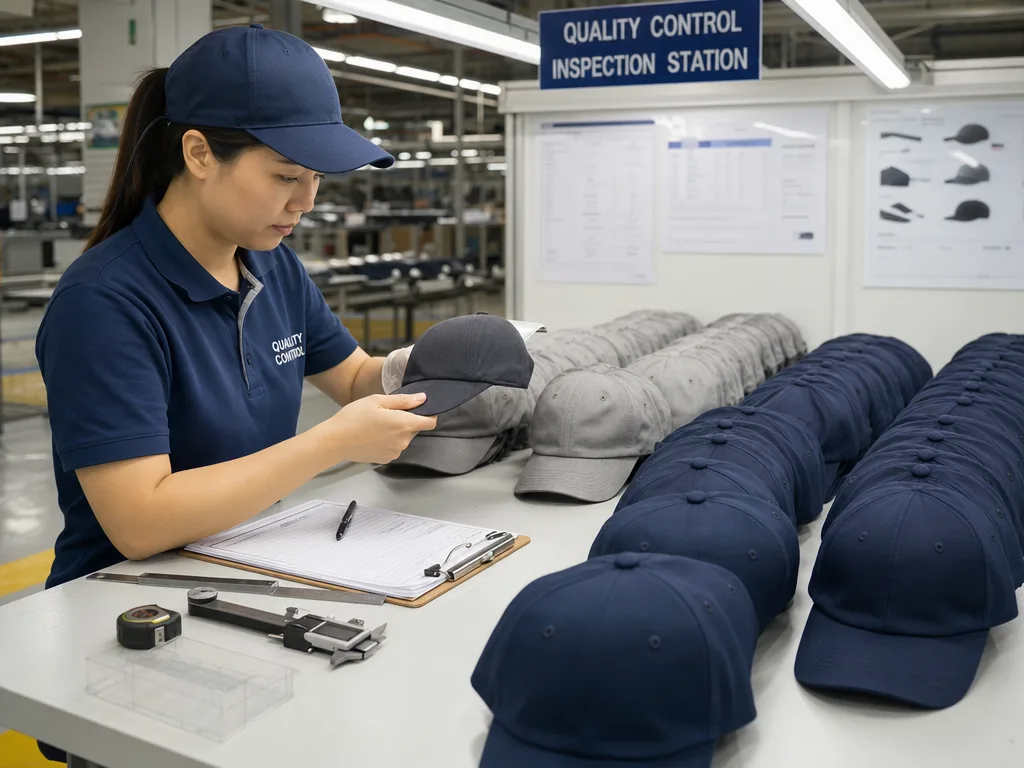
BSCI vs Sedex vs WRAP vs WCA: Compliance Audit Standards Compared (2026 Update)
Read article →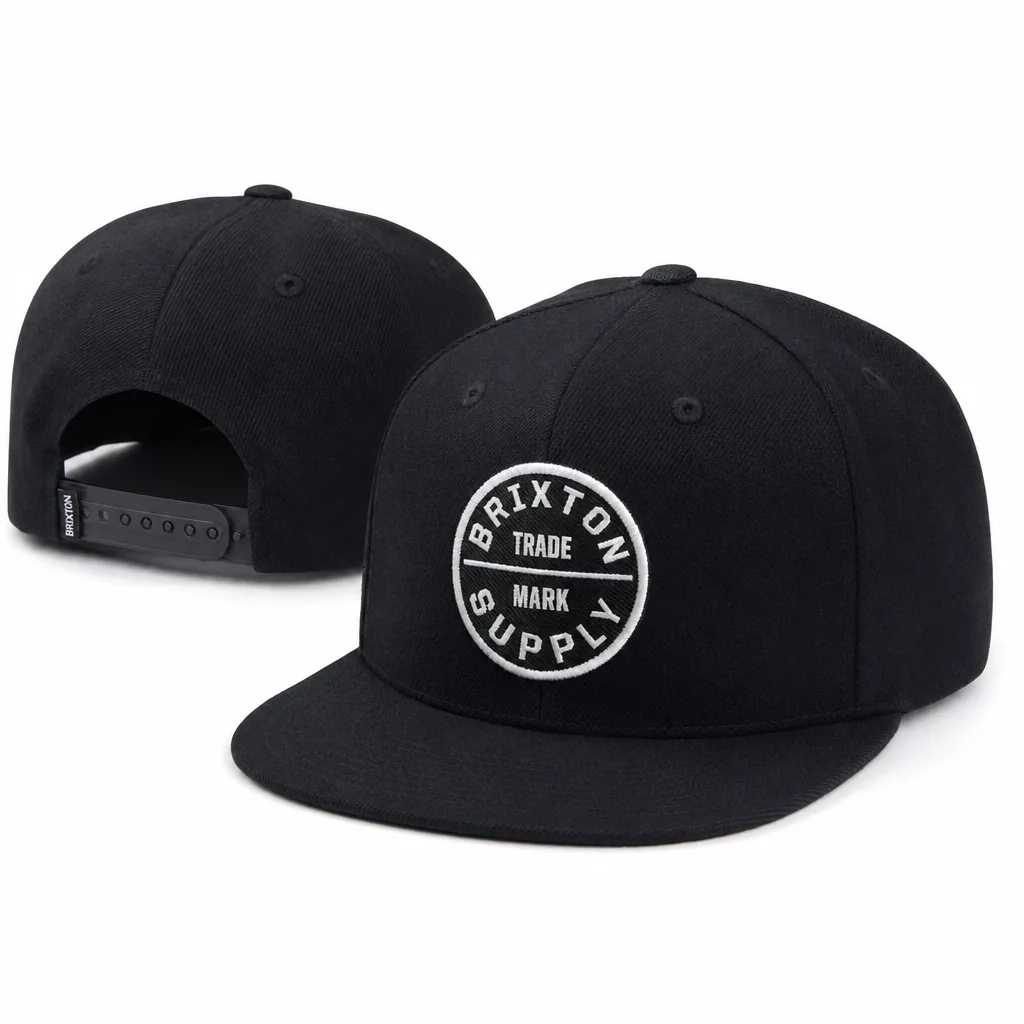
Primark Bucket Hat: A Vertical-Specific Sourcing Guide
Read article →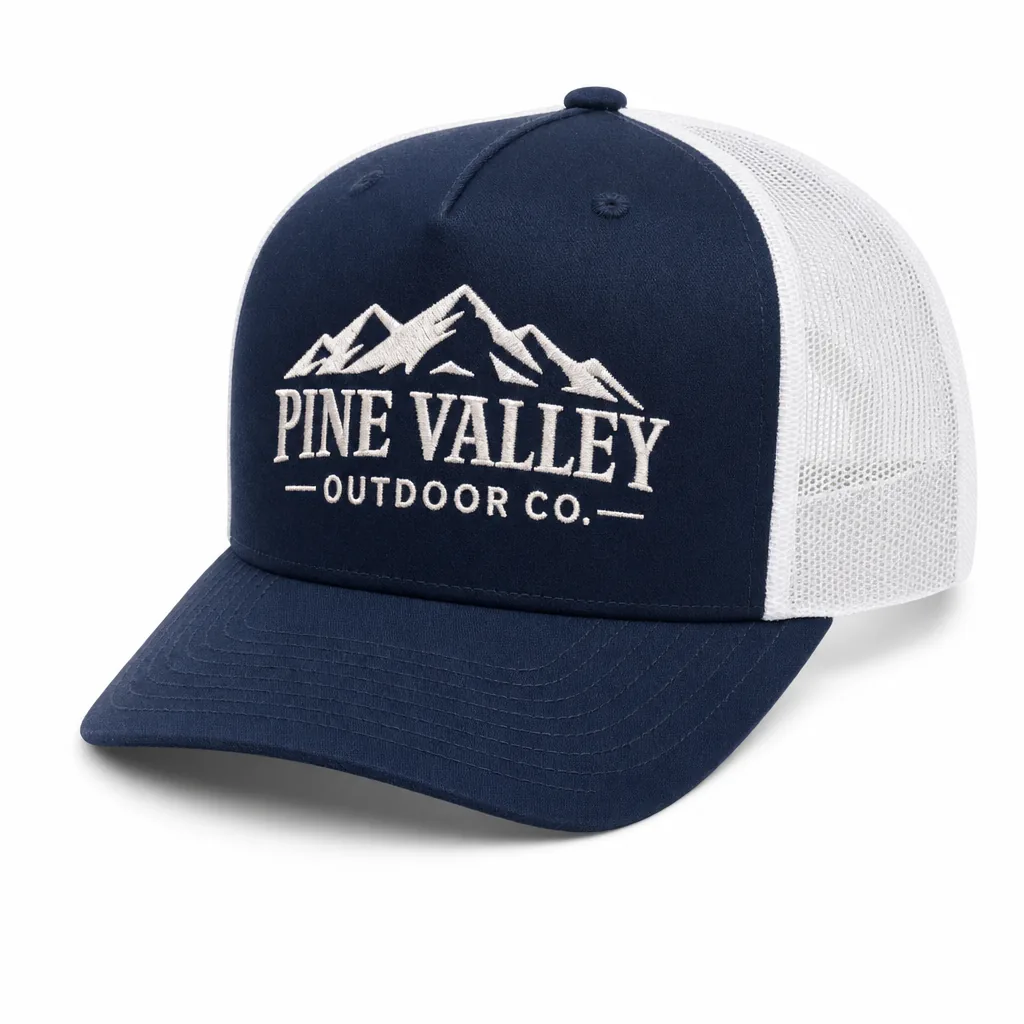
Custom Hat Embroidery: The 2026 Sourcing & Manufacturing Playbook - Supplier Checklist
Read article →We hope this guide demystifies custom hats for corporate, business and branded merchandise programs - supplier checklist and helps you move forward with confidence. If you have questions specific to your project, our English-speaking sales engineers are one message away.