
Corduroy Hat Men's: Properties, Costs and How to Spec It Right - Supplier Checklist
Corduroy Hat Men's: Properties, Costs and How to Spec It Right - Supplier Checklist is one of the most-asked questions we receive from international buyers, and for good reason. With dozens of factories competing for your order and an alphabet soup of technical terms in every supplier quote, even experienced importers can feel lost. This guide consolidates what we have learned producing custom hats for clients in 40+ countries.
Bucket Hat Women
For a bucket silhouette in corduroy, fabric spec drives the result more than the pattern. I’d start with 8-wale or 11-wale cotton corduroy at 220-280 gsm; under 220 gsm the brim collapses after wash and wear, while anything above 300 gsm creates ugly seam bulk at the crown join and leaves press marks that read through the pile. A clean spec should lock down crown construction, finished brim width, head circumference by size, wale direction on every panel, sweatband material, and whether the brim uses 40-80 gsm woven fusible or stays soft. If those points are vague, the sewing line will make its own decisions, and that is usually where brim shape starts drifting from size to size. Most factories run a 4-panel or 6-panel crown with a separate circular brim, then stabilize it with 4-6 rows of topstitching spaced about 6-8 mm apart. For color, call out Pantone TCX for shell, lining, and embroidery thread, then set an acceptable shade tolerance such as Delta-E under 1.5 to 2.0 under D65 light box conditions so bulk does not swing warmer or duller than the sales sample.
Corduroy is unforgiving in decoration and finishing, so the supplier’s process matters as much as the raw fabric. On Tajima or Barudan embroidery heads, dense fills placed close to crown seams will tunnel, flatten the ribs, and permanently distort the pile unless the digitizing includes the right edge-run underlay, center-walk, and pull compensation. Confirm whether the shell is pre-shrunk, enzyme-washed, pigment-washed, or garment-washed before cutting, because wash sequence changes shrinkage, panel torque, and seam creep. The same risk profile applies whether the style is sold as a women’s bucket or sits inside a broader corduroy hat men's program: pile crush, needle marking, brim warpage, and post-wash size loss are the same factory-floor problems. In Yiwu, a basic stock-fabric bucket in 11-wale 100% cotton corduroy usually lands around $2.10-$3.40 FOB China at 500 pcs per color; add custom dyeing, lining, embroidery, or branded inner tape and it moves closer to $3.80-$5.20, with MOQ typically rising from 300-500 pcs to 800-1,000 pcs. I’d inspect bulk at AQL 2.5, hold finished circumference to +/-0.5 cm, and check brim symmetry on a hard template, not by eye; the usual failures are mixed wale direction, skipped topstitch rows, seam grin, shade mismatch between top brim and underbrim, and crocking on dark navy, black, and forest tones.
Camouflage Bucket Hat
Fabric stability is what separates a wearable camouflage bucket hat from one that twists after two washes. The reliable build is 6 or 8 crown panels with a separate brim band and 6 to 8 rows of brim topstitching sewn at 5 to 6 SPI; go looser and the brim edge starts to ripple. For shell material, the safe commercial range is 180 to 240 gsm cotton twill, 200 to 220 gsm poly-cotton ripstop, or around 230 gsm brushed canvas when the buyer wants a softer hand. Print method matters more than most tech packs admit: rotary screen is still the lowest-cost option once you are above roughly 1,000 pieces per camouflage pattern, while digital print is better for short runs but usually adds 15% to 25% per meter and often loses depth on dark olive or brown grounds. If you are comparing this to a corduroy hat men's program, the risk profile changes completely: camo twill is forgiving in spreading and sewing, but corduroy demands strict wale direction, nap consistency, and pile protection during cutting or the panels will shade off against each other.
Most buyer specs are too vague, and that is where cost overruns start. Lock the brim width to the nearest 0.25 cm, crown height and head opening to ±0.5 cm, then specify shell composition, sweatband material, eyelet finish, seam tape color, and stitch count per inch. For trims, solid colors should reference Pantone TCX with an agreed Delta-E tolerance; for camouflage, call out the print method, dry and wet crocking standard, and wash shrinkage target below 3%. If there is front embroidery, spell out backing weight and machine requirement: a dense logo on lightweight twill should run on Tajima or Barudan heads with at least 50 gsm backing, otherwise the panel puckers and the brim starts to torque. In today’s market, MOQ is usually 300 to 500 pieces for stock camo fabric and 1,000 or more for custom-printed yardage; FOB China pricing is typically $2.10 to $3.80 for a basic build and $3.90 to $6.20 with embroidery, woven labels, inside taping, or a patch program.
Inspection failures are repetitive, which is why a factory’s control plan matters more than its sample photos. The common misses are off-center eyelets, drifting brim topstitch rows, sharp pattern breaks at side seams, and crown torque that makes the hat lean when worn. Under AQL 2.5, the checks should include brim symmetry, crown height, opening circumference, seam puckering, embroidery registration, and shade continuity against the sealed sample; if the camouflage is pigment printed, add wash and crocking tests because that is where weak print fixation shows up. Reversible bucket hats need to be inspected as finished goods on both faces, not treated as separate shell and lining parts. The same sourcing lesson applies to corduroy hat men's development: suppliers that control gsm, stitch density, cutting direction, and measurement tolerances early are usually safer than vendors who only compete on low quoted FOB. One-time tooling, such as a custom silicone patch mold, should be quoted separately from the sewing cost so the unit price stays clean.
Organic Cotton Newborn Hat
The failure point on an organic cotton newborn hat is usually traceability, not sewing. Start with 100% combed organic cotton jersey or 1x1 rib at 180-220 gsm, and do not let a mill slip in 3%-5% elastane unless your labeling and certification scope already allow it. A credible spec names the standard—GOTS or OCS—plus the scope certificate number, scope holder, and whether the cut-and-sew factory can issue a transaction certificate against your PO. Newborn sizing also needs real numbers: finished head circumference is normally 34-38 cm, with controlled negative ease so the cap stays on without pressure over the fontanel area. Construction matters more than buyers expect; flatlock, flatseam, or a fine 2-needle coverstitch is preferable because a bulky 4-thread overlock ridge will print through on an infant scalp after a few hours of wear. If you normally buy corduroy hat men's styles, the hazard profile is completely different. Ban metal trims, hard interlinings, exposed thread tails over 3 mm, abrasive damask labels, and any decoration that can fail a small-parts pull test. Needle discipline should be stricter than on adult caps: line-by-line needle logs, broken-needle quarantine, and final needle detection after pressing and before packing. Softness should never be approved by hand feel alone; bulk fabric needs wash testing against the agreed home-laundry method, with shrinkage held under 3% and spirality or torque under 5% if you want the hat to keep shape. Even label placement is a comfort issue on newborn product—an ultra-soft satin label or heat-transfer mark is usually acceptable, while standard woven labels often become the first customer complaint.
Vague infant specs create expensive bulk variation. Lock fiber-content tolerance, fabric weight tolerance at ±5%, and color approval against Pantone TCX with a bulk Delta-E target of 1.5 or below versus the signed lab dip under D65 lighting. Chemical requirements should be written, not assumed: azo-free dyestuffs, infant-appropriate formaldehyde limits, pH control, CPSIA screening for the US, and a REACH SVHC declaration at minimum for the EU. Sewing standards should be equally explicit—stitch class, SPI, seam allowance, crown seam extension, and the exact wash standard used to judge skew, puckering, and appearance retention. Packaging also needs discipline; many infant programs now skip individual polybags unless the retailer requires them, using recyclable paper bands and carton-level suffocation warnings instead. Cost is driven more by certification scope and color assortment than by sewing minutes. In Zhejiang and Jiangsu, a basic organic newborn hat usually runs 1,000-3,000 pcs per style-color, with FOB pricing around $0.85-$1.60 for 180-220 gsm jersey; add GOTS transaction paperwork, all-over print, or retail gift packaging and the range commonly moves to $1.40-$2.20. Inspection should be at AQL 2.5 with specific attention to crown seam needle holes, seam grin, wash puckering, oil marks, size variance, and shade banding from mixed fabric lots. At CrownsForge, we also check lot traceability and audit hygiene because factories that can hold infant knit shrinkage below 3% and maintain clean records under sedex-audit-cap-supplier-guide.html">BSCI 2.0 or Sedex SMETA 4-Pillar usually have the process control to execute more complex headwear programs later, including corduroy hat men's lines.
Beanies for Men
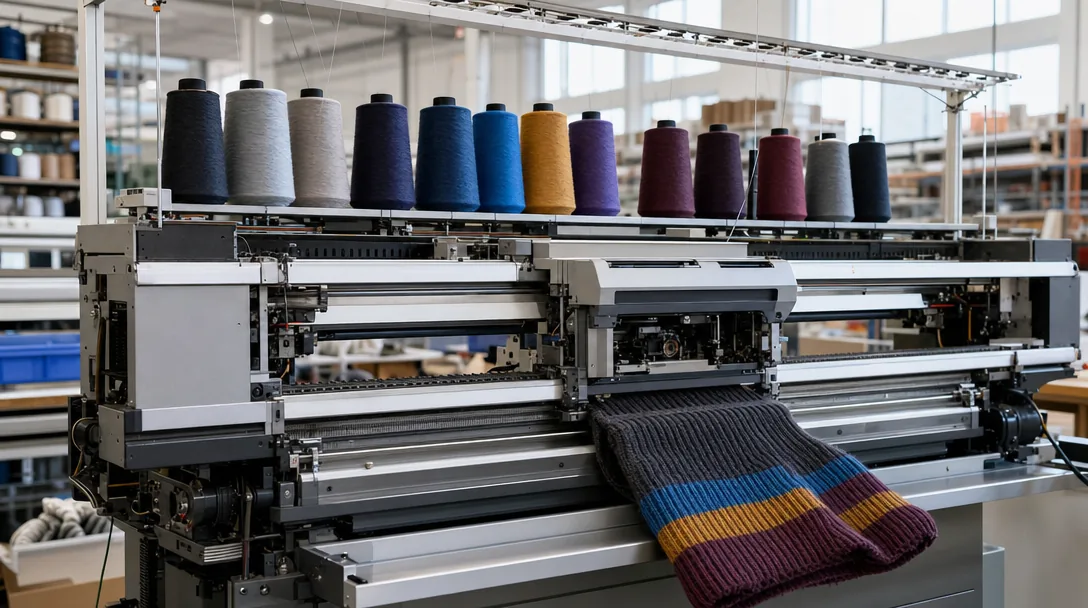
Beanies are a different manufacturing discipline from a corduroy hat men's program, and the mistakes usually come from treating knitwear like cut-and-sew. A 6-panel corduroy cap fails on wale alignment, nap direction, brim camber, and seam tolerance; a beanie fails on yarn count variation, stitch density, crown linking, and recovery after extension. Most commercial cuff beanies are knit on 7GG, 9GG, or 12GG circular machines in 100% acrylic, CVC, or recycled polyester blends, then linked at the crown, washed, steamed, and blocked. Higher-end fully fashioned styles on Stoll or Shima Seiki machines can reduce yarn waste by roughly 8% to 15% and give cleaner crown shaping, but only if the factory controls yarn tension and wash finish. On cheap runs, I regularly see finished width drift 20 to 30 mm after steaming because the vendor bought stock yarn without checking shrinkage and twist stability first.
A workable spec sheet needs hard numbers. State fiber content by percentage, yarn count such as 21Nm/2 cotton or 28Nm/2 acrylic, machine gauge, finished weight in grams, relaxed width, stretched width, cuff height, and crown depth with tolerance, usually ±1 cm on key points. For color, call out Pantone TCX and require lab dips within Delta-E 1.5 to 2.0 under D65 lighting; for performance, lock shrinkage below 5% after one wash, pilling at grade 3.5 or better after 5 cycles, and colorfastness to crocking and perspiration at grade 4 minimum. Cost only stays clean when you use stock yarns: in Zhejiang, stock-color acrylic cuff beanies are typically 300 to 500 pcs per color at about $1.10 to $1.80 FOB Ningbo for 1,000 pcs, while custom-dyed cotton, wool, or recycled blends usually need 500 to 1,000 pcs and run $1.60 to $5.50 depending on gauge and trims. QC should target real claim points: dropped stitches, spiraling, seam grin, cuff twist after steaming, oil stains, and carton-to-carton measurement drift. Use AQL 2.5 for major and 4.0 for minor defects, and if the same supplier quotes both beanies and corduroy hat men's styles, confirm whether knitting is in-house or subcontracted, because that usually predicts bulk consistency better than the sample does.
Corduroy Hat Wholesale
Fabric handling is where wholesale corduroy caps usually go wrong, not basic stitching. The make-or-break variables are wale count, nap direction, and front-panel support. For a reliable corduroy hat men's program, 11W to 12W corduroy is the safest commercial range: it keeps the rib definition buyers expect, but still runs cleanly through embroidery without excessive crushing. Wider ribs like 8W to 10W look strong on the hanger but collapse faster under dense fill stitching; finer 14W fabrics sew easier, yet they start reading like brushed twill instead of true corduroy. A usable shell spec is 100% cotton or 98/2 cotton-spandex at 220 to 280 gsm finished weight, with 40 to 60 gsm non-woven fusible on the front panels for structure. Ask for all of that in the first quotation, along with piece-dyed versus yarn-dyed construction and Pantone TCX reference, because those details affect shape retention, shade consistency, and reorders. Nap direction must be fixed in the cutting marker before production starts. If one crown panel is flipped, the cap will look off-shade even when the lab dip passes within Delta-E 1.0 to 1.5 under D65 light. On a competent floor, crown panels, visor, and under-visor are all cut with one nap flow, then steam-blocked after sewing to reduce crown torque and rib distortion. If the supplier cannot state the fusing temperature range, cutter-marker control method, and post-sew blocking process, they are guessing. Our standard practice is to verify nap alignment at cutting, after sewing, and again at inline inspection, because once corduroy is topstitched, visual mismatch is obvious and expensive to rework.
Corduroy needs a tighter spec sheet than cotton twill because the ribs exaggerate every defect. Lock the profile, panel count, visor curve, stitch count, sweatband material, closure type, eyelet finish, top button size, and decoration boundaries by panel. For logos, 3D puff is high risk unless the exact wale has already been sampled and approved; flat embroidery on Tajima, Barudan, or ZSK heads with reduced stitch density is usually the safer route on 11W to 12W fabric. If you use woven patches or applique, require edge sealing plus a simple abrasion and wash check, because raw or weakly sealed edges fray fast against raised ribs. In wholesale terms, stock-shell MOQ is commonly 144 to 300 pieces per color, while custom-dyed corduroy, branded inner tape, or custom hardware usually pushes workable MOQ to 500 to 1,000 pieces. Inspection should target corduroy-specific failure modes, not just generic cap defects. AQL 2.5 is standard, but majors should explicitly include mixed nap direction, panel shading, logo off-center by more than 3 mm, visor asymmetry over 5 mm, seam grin on the front crown, crushed wale around embroidery, and loose thread or trimming inside the sweatband. Carton packing also matters more than buyers think: corduroy shows pressure marks and front-panel creasing easily, so crown support inserts and realistic carton compression limits are worth specifying. As a real FOB China benchmark, a standard 6-panel corduroy cap usually lands around $3.20 to $5.80 at 300 to 1,000 pieces. Enzyme wash, custom inner tape, metal clasp hardware, or upgraded lining generally adds $0.25 to $0.90 per unit, and any metal trim should be checked for nickel release compliance before shipment.
Wholesale Hat Manufacturers Usa
Most buyers typing "wholesale hat manufacturers usa" are not comparing geography so much as production models: real U.S. cut-and-sew, U.S. decoration on imported blanks, or offshore OEM with domestic inventory. For a corduroy hat men's program, that choice moves cost and lead time fast. A true domestic run can land at 4 to 8 weeks with higher labor content; imported blanks embroidered in the U.S. are often 2 to 4 weeks if stock is available; a fully custom offshore order is more realistically 35 to 55 days ex-factory plus freight. The construction details matter more than the sales pitch. A proper corduroy cap usually uses 8 to 14 wale cotton corduroy in the 220 to 300 gsm range, front-panel fusing, a PE visor board, and 0.55 to 0.65 mm buckram if the logo is dense enough to sink into the ribs. If the supplier cannot tell you whether they run Tajima, Barudan, or ZSK heads, or what cutaway backing they use to control tunneling on corduroy, they are probably brokering rather than managing production.
The spec sheet is where you stop guessing. For any corduroy hat men's order, lock fabric composition, wale count, finished weight tolerance, crown height in millimeters, closure type, visor shape, sweatband material, seam tape artwork, and Pantone TCX references for shell and embroidery thread. Color control on corduroy is unforgiving because nap direction and dye lot variation can shift olive, camel, and navy visibly; require lab dips and set Delta-E at 1.0 to 1.5 under D65 lighting. MOQ is commonly 144 to 300 pieces per color for stock bodies with custom embroidery, but 500 to 1,000 pieces per color is more typical for a fully custom body, and custom-milled corduroy often starts around 3,000 pieces per style. Current market pricing is straightforward: an imported 5-panel or 6-panel corduroy cap usually sits around $3.20 to $5.80 FOB China, while a U.S.-finished program often lands at $8.50 to $16.00 per unit depending on decoration count, inside labeling, and packaging.
Inspection is where polished presentations fall apart. The repeat defects on corduroy hats are panel shading, inconsistent nap direction, crushed wale lines at seams, visor twist, off-center top buttons, embroidery registration drifting across the ribs, and sweatband joins that pucker after compression packing. I would inspect to AQL 2.5, check crown and bill symmetry, verify embroidery edge clarity over the wale surface, and open cartons to see whether the caps were packed too tightly; corduroy bruises easily and does not always recover after transit. Ask for current BSCI 2.0 or Sedex SMETA 4-Pillar audit reports even if you are buying through a U.S. importer, because compliance risk sits at the sewing floor, not the warehouse address. Buyers who compare manufacturing model, spec depth, audit status, and actual defect history usually make better sourcing decisions than buyers who stop at the phrase "wholesale hat manufacturers usa."
Working with CrownsForge for corduroy hat men's programs
Lock the spec before you ask for a first proto; that is what keeps a corduroy hat men's program from drifting on cost and hand feel. The three variables that matter most are wale count, fabric weight, and decoration method. In production, 11-wale cotton corduroy is the safest default for a 6-panel men's cap because it holds shape without the heavy seam buildup you get on 8-wale, especially at the center front and top button join. If the brand wants a rougher vintage read, 8-wale works, but you need to allow for bulk at the sweatband seam and a slightly stiffer crown. For cleaner retail looks or smaller artwork, 14-wale gives a flatter face, though it loses some of the rugged texture buyers usually expect from a corduroy hat men's silhouette. For fabric, 280-320 gsm is the working range I would approve for most programs; below 260 gsm, unstructured caps start collapsing, and above 340 gsm the visor line and front-panel shaping get harder to control consistently.
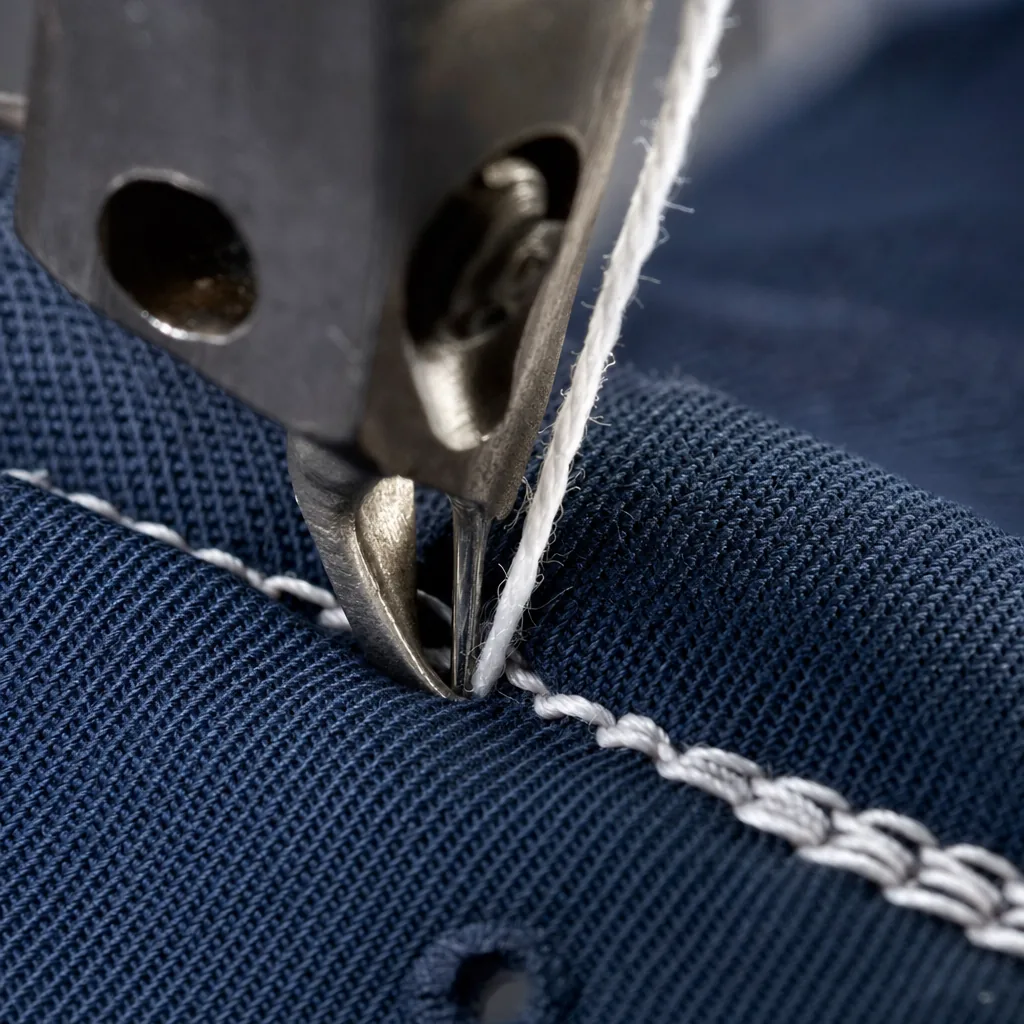
Sampling gets easier once the buyer freezes Pantone TCX references, closure type, back strap hardware, interior taping, and label construction. A clean first sample usually takes 7-10 calendar days if the mill shade is available; repeat samples are commonly 5-7 days. MOQ is where expectations need to be realistic: 144 pieces per colorway is achievable on stock blocks with standard trims, but once you add custom pattern adjustments, dyed-to-match inside tape, embossed metal buckles, or branded eyelets, the opening buy normally moves to 300-500 pieces per style. Decoration is the other place where these orders either look expensive or look wrong immediately. Direct embroidery on corduroy has to follow rib direction and use a proper knockdown underlay, or the pile will swallow satin edges even on Tajima or Barudan heads. Flat embroidery is usually safest for bold logos under 8 thread colors; for cleaner fashion execution on 8-wale bodies, felt applique, woven patches, or chain stitch often outperform dense stitching. CrownsForge standard practice is to lock decoration and QC standards before bulk, including AQL 2.5, visor symmetry within 3 mm, panel shading checks, and Delta-E 1.0-1.5 tolerance on dark shades like black, olive, and chocolate.
Frequently Asked Questions
What logo decoration techniques do you offer?
3D puff embroidery, flat embroidery, woven patch, leather patch, PVC patch, screen printing, sublimation, applique and laser etching, all in-house with no subcontracting.
Can I order a sample before bulk production?
Yes. We strongly recommend approving a pre-production sample before mass production. Samples are charged at 35 to 60 USD each plus express shipping, fully refundable against confirmed bulk orders over 500 pieces.
Do you support sustainability certifications?
Yes. We work with GOTS organic cotton, GRS-certified recycled polyester, OEKO-TEX Standard 100 fabrics, and are BSCI and Sedex audited. Certification documentation can be provided per order.
How long does production take?
Sampling takes 7 to 12 days. Bulk production runs 20 to 30 days depending on quantity, fabric availability and decoration complexity. Inspection and packing adds another 3 to 5 days before shipment.
What file format should I send for my logo?
Vector files (AI, EPS, PDF) are ideal. High-resolution PNG or JPG at 300 dpi on transparent background works as a fallback. Provide Pantone color references for accurate reproduction.
What should buyers know about organic cotton hat?
When evaluating organic cotton hat, the key considerations are construction quality, decoration capability, MOQ flexibility and lead time. Cover everything buyers ask about organic cotton newborn hat: how it's manufactured, what specs to request from a factory, typical MOQ and pricing, common quality issues to inspect for, and how this ties back to the broader corduroy hat men's sourcing decision. Cover everything buyers ask about bucket hat women: how it's manufactured, what specs to request from a factory,…
What should buyers know about cotton beanie men?
When evaluating cotton beanie men, the key considerations are construction quality, decoration capability, MOQ flexibility and lead time. Cover everything buyers ask about organic cotton newborn hat: how it's manufactured, what specs to request from a factory, typical MOQ and pricing, common quality issues to inspect for, and how this ties back to the broader corduroy hat men's sourcing decision. Cover everything buyers ask about bucket hat women: how it's manufactured, what specs to request from a factory,…
What should buyers know about men's corduroy bucket hat?
When evaluating men's corduroy bucket hat, the key considerations are construction quality, decoration capability, MOQ flexibility and lead time. Cover everything buyers ask about bucket hat women: how it's manufactured, what specs to request from a factory, typical MOQ and pricing, common quality issues to inspect for, and how this ties back to the broader corduroy hat men's sourcing decision. Cover everything buyers ask about camouflage bucket hat: how it's manufactured, what specs to request from a factory,…
What should buyers know about organic cotton men's shirts?
When evaluating organic cotton men's shirts, the key considerations are construction quality, decoration capability, MOQ flexibility and lead time. Cover everything buyers ask about organic cotton newborn hat: how it's manufactured, what specs to request from a factory, typical MOQ and pricing, common quality issues to inspect for, and how this ties back to the broader corduroy hat men's sourcing decision. Cover everything buyers ask about bucket hat women: how it's manufactured, what specs to request from a factory,…
Need a low-MOQ test order?
We help emerging brands launch with as few as 100 pieces. Premium fabric, in-house embroidery, retail-ready packaging.
Start a small orderRelated guides
Embroidery Thread Libraries: Madeira, Isacord and What Your Cap Factory Uses
Read article →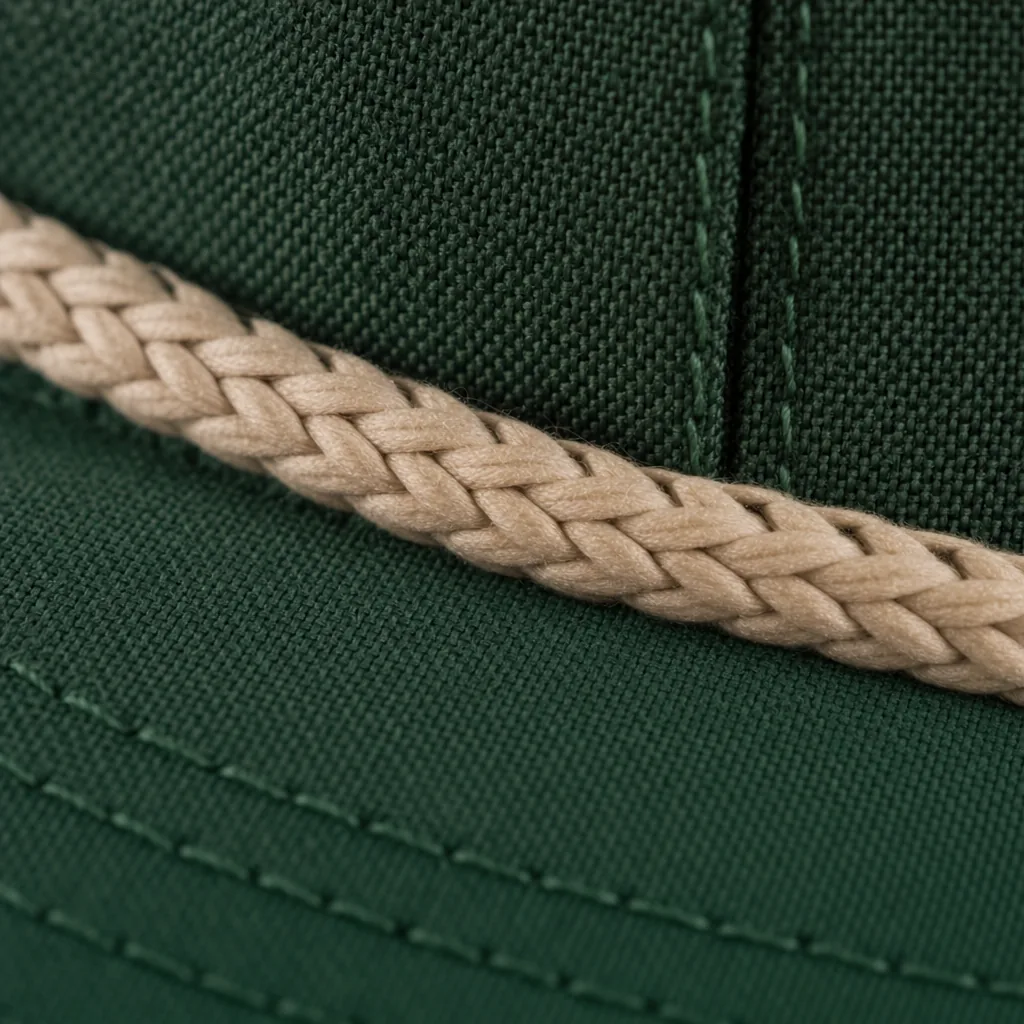
Custom Golf Hats: A Manufacturer's Guide to Performance Headwear (2026 Update)
Read article →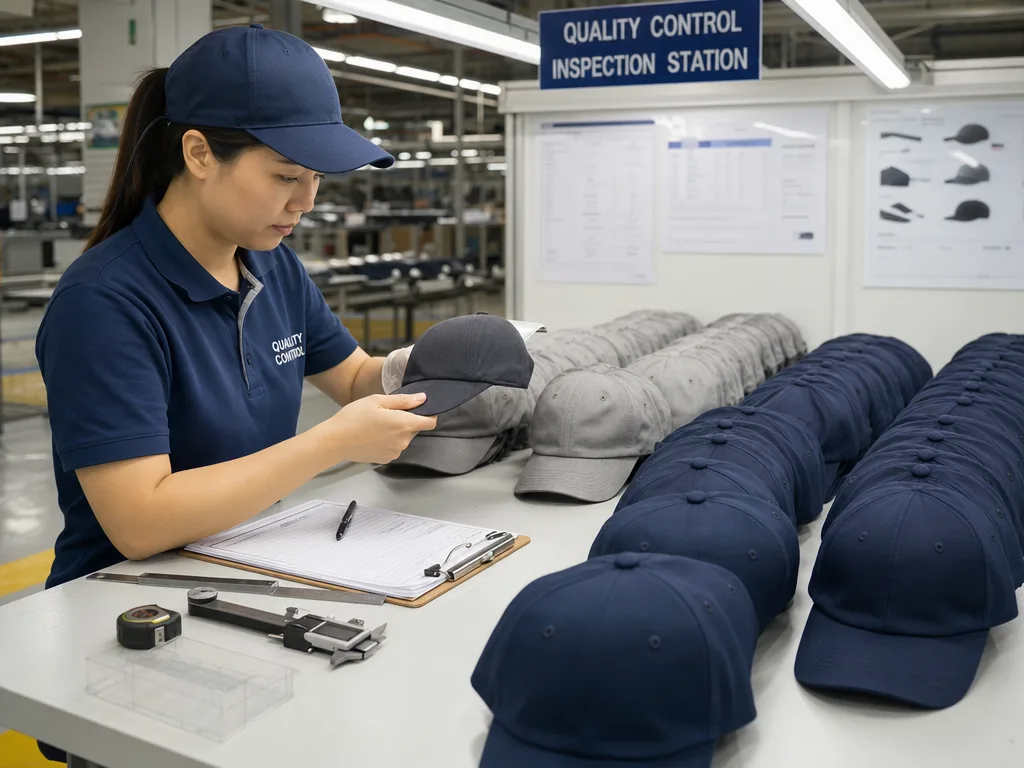
Hat Fabric Shade Control in Bulk Orders: Buyer Checklist
Read article →If you are ready to take the next step on corduroy hat men's: properties, costs and how to spec it right - supplier checklist, our team can put a tailored quotation and digital mock-up in your inbox within 24 hours. Send the inquiry form on our contact page or message us directly on WhatsApp.